Pakistan Agriculture News / Discussions

Pakistan’s potato output jumps 45% above target, led by Punjab’s record harvest​

Monitoring Desk11/11/2025
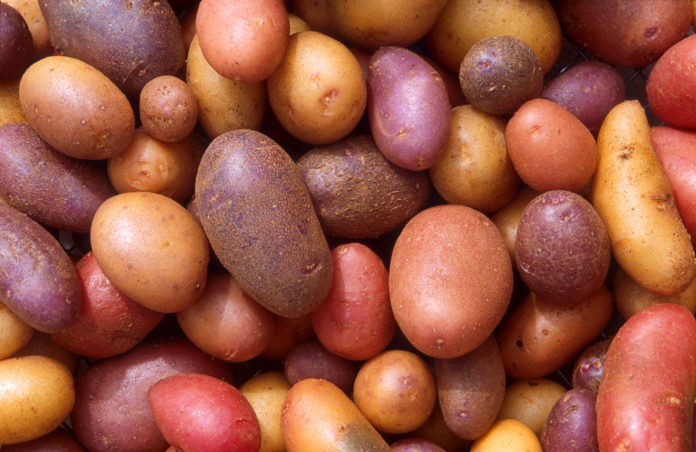
Patates-696x452.jpg

Pakistan’s potato production surged past official projections in the 2024–25 season, reaching 9.9 million tons 44.7 percent higher than the Federal Committee on Agriculture (FCA) target of 6.8 million tons, according to official data.

The increase was driven largely by Punjab, where output rose 45.2 percent above target to 9.81 million tons. The province expanded its cultivation area by 14.8 percent to 373,000 hectares, while average yield improved to 26,308 kilograms per hectare from 25,341 kilograms a year earlier.

Nationwide, the area under potato cultivation rose 41 percent, from 268,100 hectares to 378,100 hectares. Khyber Pakhtunkhwa recorded a 33.3 percent increase in cultivated area, producing 27,700 tons compared to 21,100 tons last year, up 31.3 percent. Balochistan also exceeded its target with 36,800 tons, 27.3 percent higher than planned.

Sindh and Khyber Pakhtunkhwa narrowly missed their individual production targets but reported modest yield gains due to favorable weather and improved crop management.

According to the Food and Agriculture Organization (FAO), Pakistan ranked ninth among the world’s top ten potato-producing countries in 2023, following China, India, Ukraine, the United States, Russia, Germany, Bangladesh, and France.

For the 2025–26 season, the FCA has proposed a national production target of 8.92 million tons across 349,400 hectares, with Punjab expected to contribute 8.84 million tons, Balochistan 34,100 tons, Khyber Pakhtunkhwa 35,000 tons, and Sindh 7,500 tons.

Potatoes have now emerged as Pakistan’s fourth-largest crop after wheat, rice, and sugarcane, with expanding exports and rising domestic consumption reinforcing the crop’s growing economic significance.
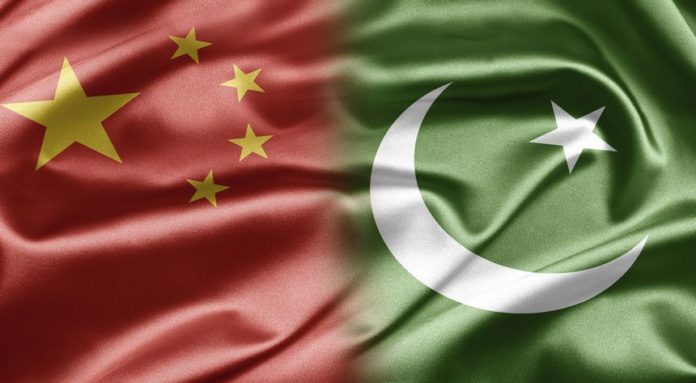
 

Pakistan, China unveil plan to modernize agricultural research with joint labs and training programs​


Cooperation focuses on key crops, livestock, technology transfer, and human resource development to bridge Pakistan’s farming technology gap
By
Monitoring Desk


Pakistan and China have developed a comprehensive cooperation plan aimed at modernizing Pakistan’s agricultural research network through joint innovation, advanced laboratories, and training programs, officials said on Wednesday.


The plan, jointly prepared by China’s Ministry of Agriculture and Rural Affairs (MARA) and the Chinese Academy of Agricultural Sciences (CAAS), followed an evaluation of the Pakistan Agricultural Research Council (PARC), the National Agricultural Research Centre (NARC), and 11 other research institutes under the Ministry of National Food Security and Research (MNFSR).

It proposes a structural overhaul supported by domestic reforms and a broader China-Pakistan Science and Technology Cooperation Framework to drive long-term modernization. Joint research programs will target key crops, including wheat, rice, maize, cotton, and horticulture, as well as livestock management and sustainable technologies. Priority areas include climate-resilient crop varieties, water-efficient irrigation systems, pest and disease control, and livestock disease management.


The plan calls for the establishment of joint laboratories equipped for crop genotyping, phenotyping, and high-tech agricultural applications, supporting innovation in food processing, value addition, and farm machinery indigenization.

Human resource development is a central component, with bilateral exchange programs, PhD and postdoctoral fellowships, short-term technical training, and senior scientist exchanges to strengthen Pakistan’s research capacity.

A new technology transfer model will include Technology Transfer Units (TTUs) to manage intellectual property, licensing, and commercialization, coordinated by a National Agricultural Technology Transfer Centre. Researchers and institutes will receive 50–70 percent of commercialization proceeds to encourage innovation.


The plan also envisions linking national research to regional demonstration hubs and farmer training centers, ensuring technologies reach the field. Oversight will be provided by a high-level implementation committee comprising representatives from MNFSR, PARC, and key stakeholders to monitor progress, set milestones, and ensure accountability.
 

The opening ceremony of the China-Pak seed training program held​

By Staff Reporter | China Economic Net
Nov 12, 2025

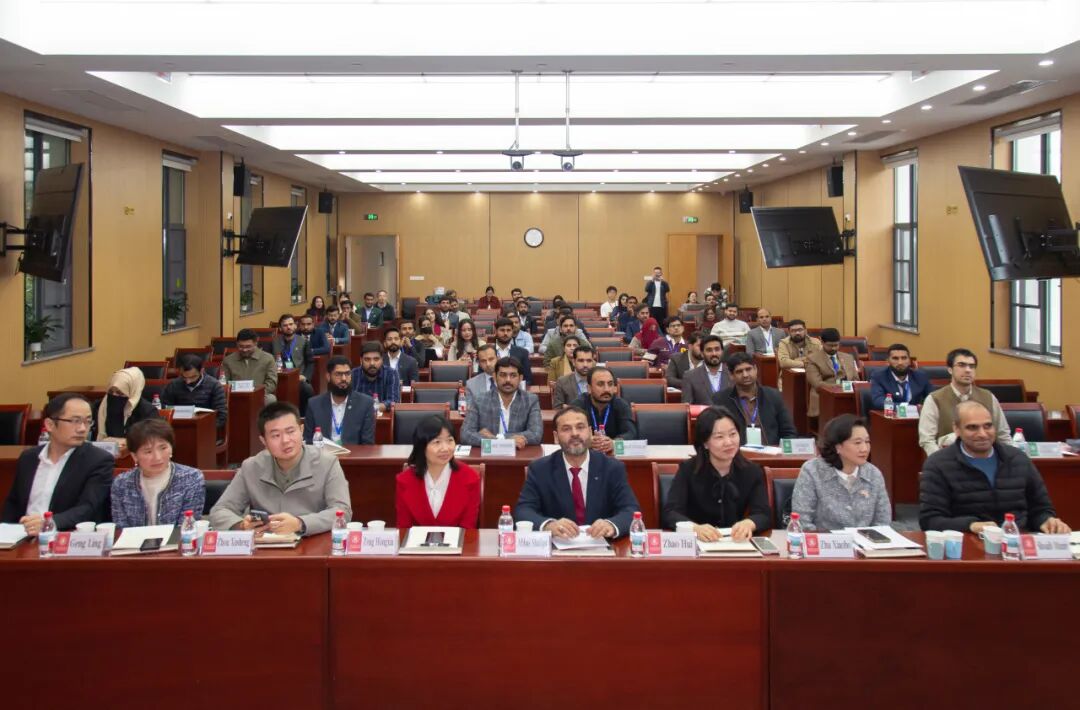
WUHAN, On November 10, an opening ceremony of the Pakistan Agricultural Thousand Talents Program training project (Seed Production and Processing Technology Training Course) was held at Huazhong Agricultural University in Wuhan, Hubei Province.

The opening ceremony of the China-Pak seed training program held


This training course was jointly organized by HZAU and Wuhan Qingfa-Hesheng Seed Co., Ltd., with a total of 54 Pakistani trainees participated in the ceremony.

Shafqat Abbas, Deputy Secretary of the Ministry of National Food Security and Research (MNFSR) of Pakistan, attended the opening ceremony and, on behalf of the MNFSR, stated that the Pakistan Agricultural Thousand Talents Program training program in China is of great significance and importance. “The seed industry is a top priority for the Pakistani government, and it is hoped that this practical and hands-on training will strengthen talent development in the seed sector.”
 

HEC Sends Off 221 Agriculture Graduates to China for Advanced Training​

By Tahir Ali | Gwadar Pro
Nov 11, 2025

HEC Sends Off 221 Agriculture Graduates to China for Advanced Training


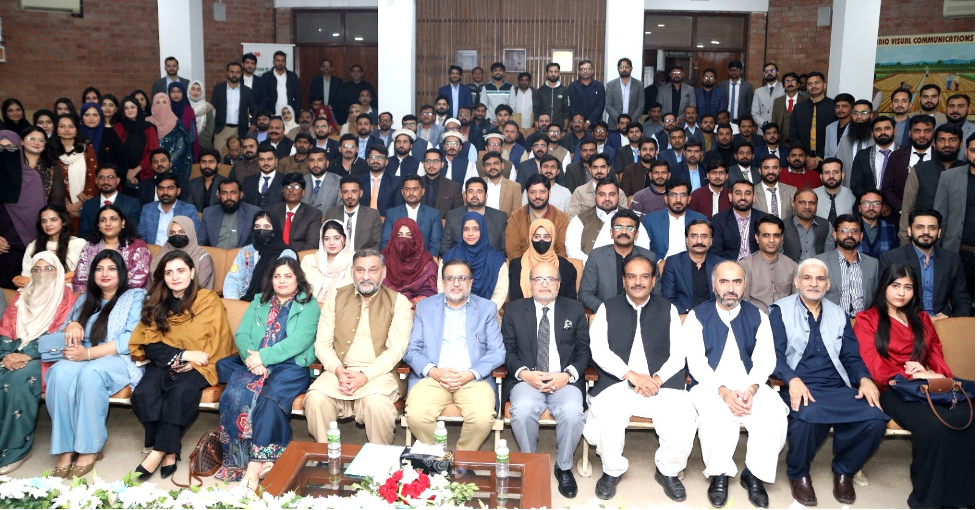
Agriculture graduates with Secretary MNFSR Amir Mohyuddin and HEC Advisor Muhammad Raza Chohan. [Photo provided to Gwadar Pro]

ISLAMABAD, The Higher Education Commission (HEC) on Monday held a send-off ceremony for 221 Pakistani agriculture graduates departing for advanced training in China under the Prime Minister’s Initiative for Capacity Building of Agriculture Graduates.

The participants will receive specialized instruction at Huazhong Agricultural University and Northwest Agriculture and Forestry University as part of a joint effort by Pakistan and China to promote agricultural innovation and sustainability.

Addressing the event, Amir Mohyuddin, Secretary of the Ministry of National Food Security and Research, praised the program for strengthening Pakistan’s capacity in modern irrigation, seed technology, and sustainable crop management. He said the graduates would act as “ambassadors of Pakistan’s agricultural vision” and help advance national food security.
 

PU-786 Hybrid Rice Becomes a Success Story of China-Pakistan Agricultural Cooperation​

By Tahir Ali | Gwadar Pro
Nov 7, 2025

Pakistan's first Honglian hybrid rice variety, PU-786, jointly developed by Punjab University (PU) and Wuhan University of China, has emerged as a major success story, delivering up to three times higher yields than traditional local varieties during its first full-scale harvest across multiple regions of the country.

The hybrid marks a decade-long collaboration between scientists from PU's Department of Plant Breeding and Genetics and Wuhan University, and represents a landmark achievement in China-Pakistan agricultural cooperation under the Belt and Road Initiative (BRI).

In an exclusive interview with Gwadar Pro on Friday, Prof. Dr. Muhammad Ashfaq, Chairman of the Department of Plant Breeding and Genetics at PU, said that PU-786 has been successfully harvested in several regions, including Ouch Sharif, Gujranwala, and Larkana.

“Field results of PU786 hybrid rice in Ouch Sharif, Gujranwala, and Larkana have closely matched on the basis of observation (almost 5600 kg/acre) the initial research-stage projections, particularly in terms of yield, disease resistance, and adaptability,” Dr. Ashfaq said. Sharing specific figures from the recent field trials he said, “During the recent harvest yield was estimated 12.3 tons/hectare in Gujranwala location that is three times more than our traditional local varieties.”
 
PU-786's resilience to both climatic and biological challenges has been a key factor behind its success. As per Dr. Ashfaq, “According to the two years adaptability trials conducted under the Supervision of Pakistan Agricultural Research Council (PARC), PU-786 has resistance against bacterial leaf blight, insect pest resistance and high temperature resistance.”

The response from the farming community has been overwhelmingly positive. “Received very good response from the farmers regarding PU-786 even I received many calls from the farmers from all over the Pakistan for seed request of PU-786. The farmers are very happy and demanding more seeds for next year sowing.”

Encouraged by these results, Punjab University now plans to collaborate with the private sector to expand the cultivation of PU-786 nationwide. “We plan to sign an MoU with a private seed company for further commercialization and marketing of PU-786,” he revealed.

Beyond domestic adoption, the new hybrid also holds strong export potential due to its exceptional yield and quality characteristics. “I believe that PU-786 variety have the great potential (based upon yield and other quality parameters) to market it locally and internationally,” Dr. Ashfaq said. “China is also a big importer of this variety. We can also export the seeds to African countries such as Kenya, Nigeria, Ethiopia, Algeria, and South Africa, as well as to South and Southeast Asian nations including the Philippines, Indonesia, Malaysia, Bangladesh, and Thailand.”
 
Looking ahead, new research initiatives are already underway with Chinese partners to further strengthen bilateral cooperation in agricultural science. “Yes, we are working on it for the promotion of Honglian hybrid rice varieties in Pakistan. We have a plan to establish Joint Hybrid rice research Centre in Pakistan,” Dr. Ashfaq said.

Earlier this year, Punjab University announced that PU-786 was the first Honglian hybrid rice variety developed in Pakistan. Approved by PARC, the hybrid is the result of ten years of joint research between PU and Wuhan University. It was specifically bred to achieve higher yields, greater heat and disease resistance, and enhanced export potential.


Pakistan aims to halve soybean imports with new climate-resilient varieties​


Local production could reach three million tons by 2030, easing pressure on poultry feed and edible oil sectors
By
Monitoring Desk

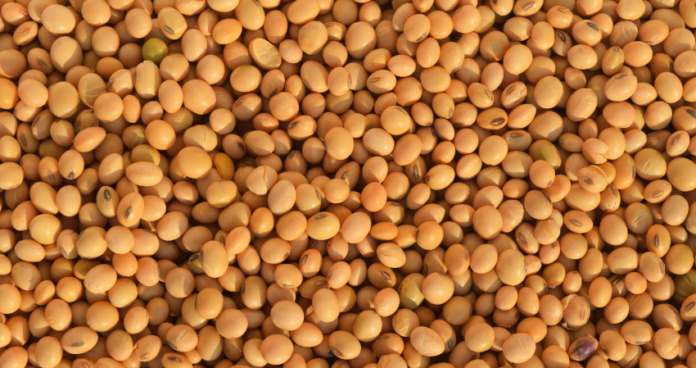
soyabean-696x368.png


Pakistan is set to reduce its soybean import bill by up to 50 percent over the next five years as scientists develop heat-tolerant, climate-smart soybean varieties suitable for Punjab’s hot conditions.


The Oilseed Research Institute (ORI) Faisalabad, under the Ayub Agricultural Research Institute (AARI), has developed three high-yield varieties — Super Soybean, AARI Soybean, and Faisal Soybean — with four more lines in progress to expand regional adaptability. Field trials in Sahiwal, Okara, Lahore, Sheikhupura, Rawalpindi, Jhelum, and Sargodha have shown promising results.

Dr Hafiz Saad Bin Mustafa, Principal Scientist at ORI, said the breakthrough represents nearly 40 years of research. “It has taken consistent effort since the 1980s to adapt soybean to Punjab’s climate. We have finally achieved what was once considered impossible,” he said.


Soybean contains around 40 percent protein and 20 percent edible oil, making it a critical input for poultry feed and the edible oil industry. Dr Saad added that widespread cultivation, supported by policy and investment, could help Pakistan achieve local production of up to three million tons by 2030 and establish a stable domestic supply chain.

Experts welcomed the scientific progress but highlighted the need for a national soybean policy. Agriculture economist Ebadur Rehman Khan stressed that soybean cultivation should avoid replacing staple crops like wheat or maize, suggesting use of fallow or underutilized land. Former Pakistan Poultry Association Chairman Dr Abdul Karim Bhatti noted that a stable local supply of soybean meal could improve poultry feed quality, reduce costs, and stabilize prices.

Dr Saad recommended collaboration between government and private sector, including contract farming and buy-back models, to encourage farmers’ adoption of the new varieties.
 

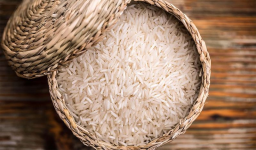
Pakistan wins Basmati rice ownership battle against India in global market​

08:00, 14 February 2025

1763215494201.png

In a major victory for Pakistan, the global battle over Basmati rice ownership has resulted in India’s defeat.

Both New Zealand and Australia have officially recognised Basmati as a Pakistani product, while a similar decision from the European Union is also expected in Pakistan’s favour.

Indian attempts to undermine Pakistan’s claim on Basmati rice have failed, as international trade experts and historians have proven that Basmati originates from Pakistan’s Hafizabad district.

Indian claims were dismissed outright by Australia and New Zealand, with the EU expected to follow suit soon.

Pakistan’s Basmati rice is known for its superior aroma, quality, and competitive pricing.

The country’s rice exports have surged to $4 billion, positioning it as a dominant player in the $27 billion global rice market.

Alarmed by Pakistan’s rising exports, India has been attempting to take control of the Basmati trade, but its efforts have backfired.

Exporters, including Chaudhry Tanveer, argue that India does not produce authentic Basmati.

Instead, Pakistan’s Basmati is shipped to Dubai, where Indian traders rebrand it as their own before exporting it further.

Historical records further weaken India’s claims — according to data submitted to the Food and Agriculture Organisation (FAO), India had not exported a single grain of Basmati before 1965, whereas Pakistan was already exporting it to Europe and Gulf countries in the 1960s.

Trade expert Shams-ul-Islam stated that while the Pakistan-India dispute over Basmati ownership in the EU has faced delays, intellectual property laws protect the original producer.

He emphasised that India’s objections lack merit and that the geographical indication (GI) certification should rightfully belong to Pakistan.

With the rising importance of geographical protection in trade, securing exclusive rights to Basmati rice remains a crucial economic and strategic goal for Pakistan.

For almost 30 years of expertise in the agri markets, UkrAgroConsult has accumulated an extensive database, which became the basis of the platform AgriSupp.

It is a multi-functional online platform with market intelligence for grains and oilseeds that enables to get access to daily operational information on the Black Sea & Danube markets, analytical reports, historical data.
 
still you need a strong government to enforce such things , and its not just rice we havent been able to claim as our own its history too . hopefully this will change
Of course we are not Indians.

We are Pakistanis.

Stupid idiots in India and in certain parts of the world think geographical India is South Asia and the same as Republic of India.

The word "Indian Subcontinent" should be banned in Pakistan.

Only Asian Subcontinent should be used or South Asia.

We Pakistanis are not Indians. Only stupid people think that.
 
Last edited:

Pakistan wins Basmati rice ownership battle against India in global market​

08:00, 14 February 2025

View attachment 159681

In a major victory for Pakistan, the global battle over Basmati rice ownership has resulted in India’s defeat.

Both New Zealand and Australia have officially recognised Basmati as a Pakistani product, while a similar decision from the European Union is also expected in Pakistan’s favour.

Indian attempts to undermine Pakistan’s claim on Basmati rice have failed, as international trade experts and historians have proven that Basmati originates from Pakistan’s Hafizabad district.

Indian claims were dismissed outright by Australia and New Zealand, with the EU expected to follow suit soon.

Pakistan’s Basmati rice is known for its superior aroma, quality, and competitive pricing.

The country’s rice exports have surged to $4 billion, positioning it as a dominant player in the $27 billion global rice market.

Alarmed by Pakistan’s rising exports, India has been attempting to take control of the Basmati trade, but its efforts have backfired.

Exporters, including Chaudhry Tanveer, argue that India does not produce authentic Basmati.

Instead, Pakistan’s Basmati is shipped to Dubai, where Indian traders rebrand it as their own before exporting it further.

Historical records further weaken India’s claims — according to data submitted to the Food and Agriculture Organisation (FAO), India had not exported a single grain of Basmati before 1965, whereas Pakistan was already exporting it to Europe and Gulf countries in the 1960s.

Trade expert Shams-ul-Islam stated that while the Pakistan-India dispute over Basmati ownership in the EU has faced delays, intellectual property laws protect the original producer.

He emphasised that India’s objections lack merit and that the geographical indication (GI) certification should rightfully belong to Pakistan.

With the rising importance of geographical protection in trade, securing exclusive rights to Basmati rice remains a crucial economic and strategic goal for Pakistan.

For almost 30 years of expertise in the agri markets, UkrAgroConsult has accumulated an extensive database, which became the basis of the platform AgriSupp.

It is a multi-functional online platform with market intelligence for grains and oilseeds that enables to get access to daily operational information on the Black Sea & Danube markets, analytical reports, historical data.
What the hell is the point of this, this is a new level of jingosim.
 

Users who are viewing this thread

Back
Top