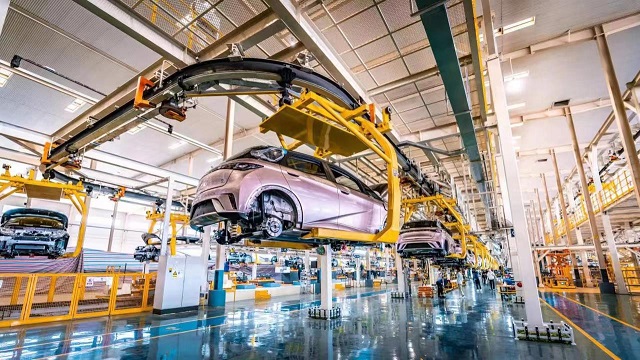
Ford's CEO Doesn't Want To Stop Driving China's Apple Car Ford CEO Jim Farley has been driving an imported Xiaomi SU7 for months. He says it's fantast

And Chinese cars are much quieter

How China crushed Beijing’s crazy traffic noise​

To view this content we will need your consent to set third party cookies.
For more detailed information, see our cookies page.


If you are actually noticing a significant decrease in noise maybe that was because of a lack of regulations. Plus you used to have lots of gasoline motorbikes before you went battery powered (scooters, e-bikes, etc).


Even most ICE cars in the US are quiet. The tires make most of the noise. Trucks make most of the engine noise. Plus there aren't many motorbikes on the road.
To view this content we will need your consent to set third party cookies.
For more detailed information, see our cookies page.


To view this content we will need your consent to set third party cookies.
For more detailed information, see our cookies page.
 
Last edited:
Plus you used to have lots of gasoline motorbikes before you went battery powered (scooters, e-bikes, etc).
China still has lots of motorbikes, China has lots of everything


China accounted for 35.6% of the global automotive market in 2025, a new record high​

Feb 5, 2026 4:06 PM CET

9067-a9761a20939f02e1073738099000e987.jpg

A BYD vehicle production line in China. Credit: BYD

In 2025, Chinese automobiles accounted for 35.6% of the world market share.

The total global car sales was 96.47 million units, and China sold 34.35 million units, a 9% increase year-on-year, according to the China Passenger Car Association (CPCA).

More specifically, global car sales grew by 5% in 2025. For comparison, USA sold 16.72 million units (a 1% increase), India 5.58 million units (a 7% increase), Japan 4.56 million units (a 3% increase), and Germany 3.16 million units (a 1% increase).

On the other hand, the Russian market is experiencing a significant decline, and growth in Mexico is slowing, while markets in South America, such as Argentina, are performing well.

In the first half of 2025, China’s share of the global automotive market was 36% with 15.65 million units sold, a year-on-year increase of 11%. Then in November alone, the share increased to 40% and 37% in December 2025, reaching 35.6% for the entire year.

Looking back, from 2016 to 2018, China accounted for approximately 30% of the global automotive market. In 2019, this figure decreased to 29%. From 2020 to 2021, the share rebounded to 32%. In 2022, China’s share rose to 33.5%. In 2023, the share remained at 33.8%. In 2024, the share increased to 34.2% of the global automotive market.

 
China still has lots of motorbikes, China has lots of everything

So you are acknowledging gasoline motorbikes likely contributed to much of your road noise that (for some reason you posted in an Americas forum thread) has diminished in China.

Motorbikes are not popular in the US unless you are @VCheng
 
Last edited:
So you are acknowledging gasoline motorbikes likely contributed to much of your road noise that (for some reason you posted in an Americas forum thread) has diminished in China.

Motorbikes are not popular in the US unless you are @VCheng
No, you mentioned motorbikes for the noise and sounded like China now doesn't have many motorbikes, China has lots of everything.
 
No, you mentioned motorbikes for the noise and sounded like China now doesn't have many motorbikes, China has lots of everything.

China before batteries became popular
To view this content we will need your consent to set third party cookies.
For more detailed information, see our cookies page.

To view this content we will need your consent to set third party cookies.
For more detailed information, see our cookies page.


okay so you are saying ICE cars sold in China were significantly louder than EVs...and now that EVs are dominant the streets have become much more quiet...why do you think the ICE cars sold in China were so loud compared to the quiet ones we have in the West?
 
Last edited:
okay so you are saying ICE cars sold in China were significantly louder than EVs...why do you think the ICE cars sold in China were so loud compared to the quiet ones we have in the West?
Every thread you venture on - becomes a mud slinging affair. Stop polluting every thread and making it into a dick measuring contest and for once discuss the topic in hand..........
 
Agree with @Musings . This thread appears to have run its course.
 

Xiaomi’s YU7 SUV Spotted in Illinois, Likely Part of Rivian’s Testing Fleet​


screenshot-2026-02-05-at-12-20-39-pm-1051330.png


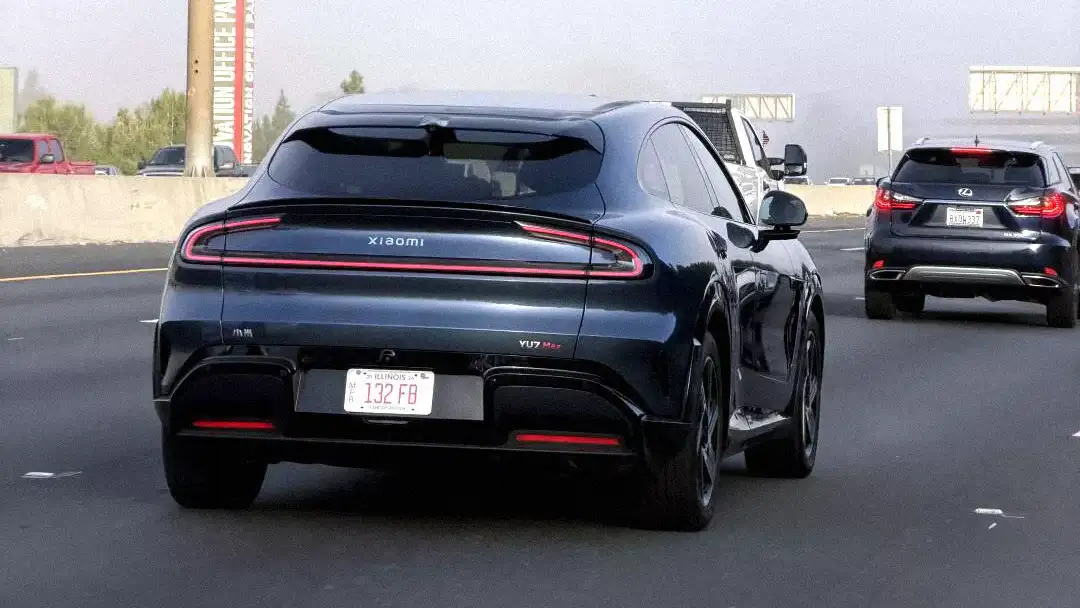
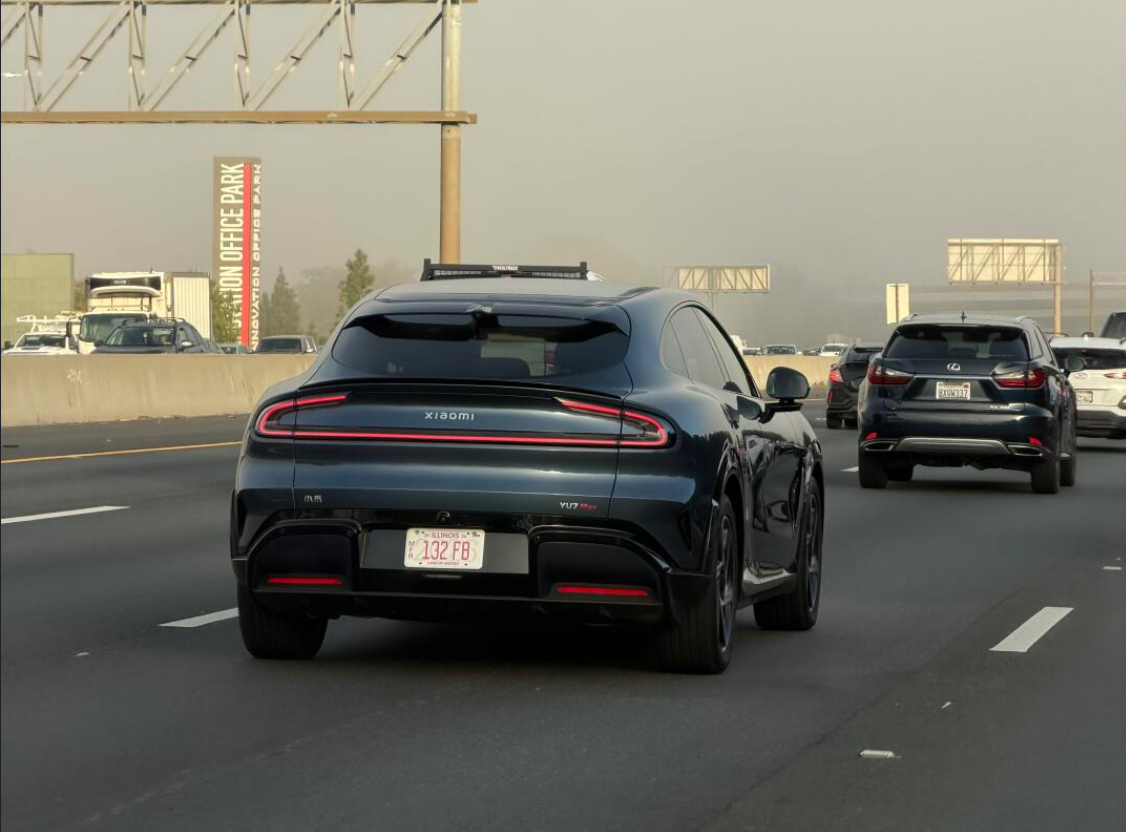
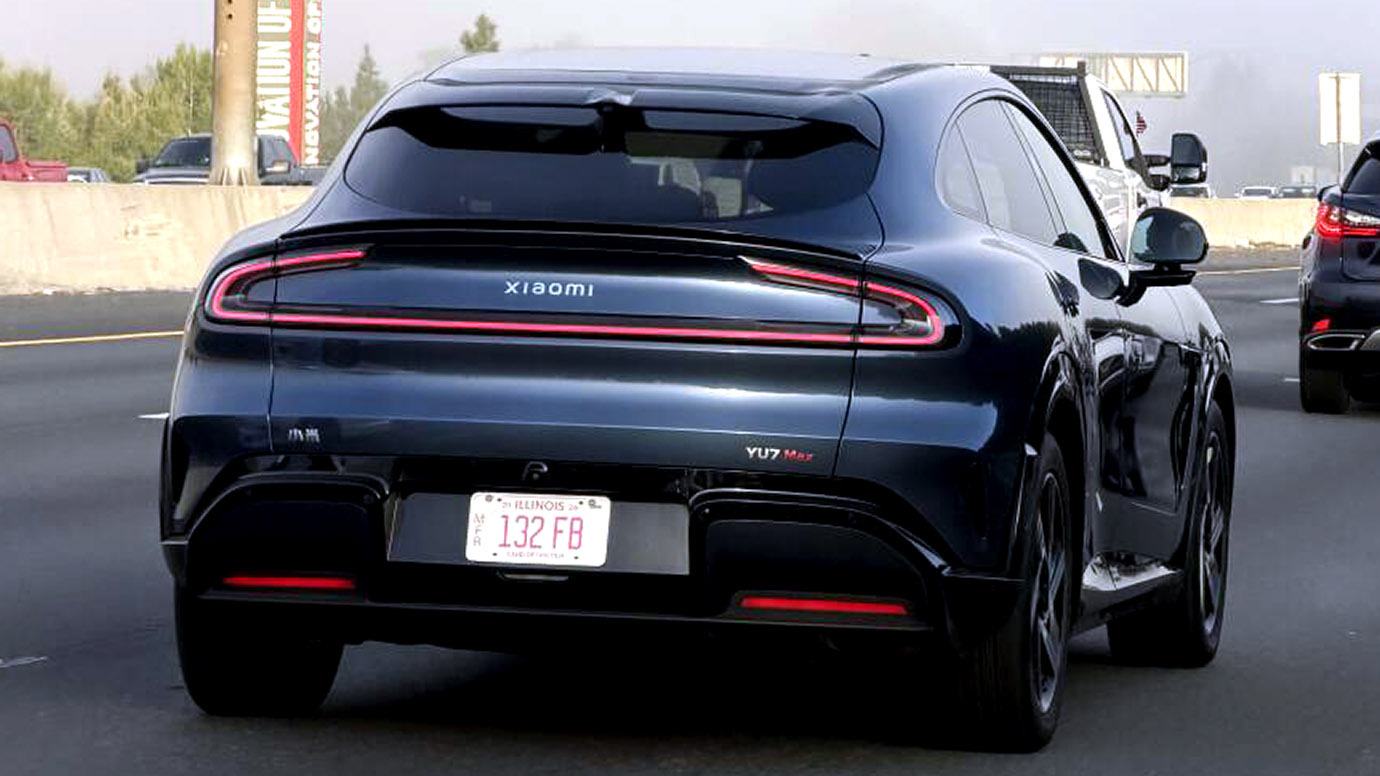
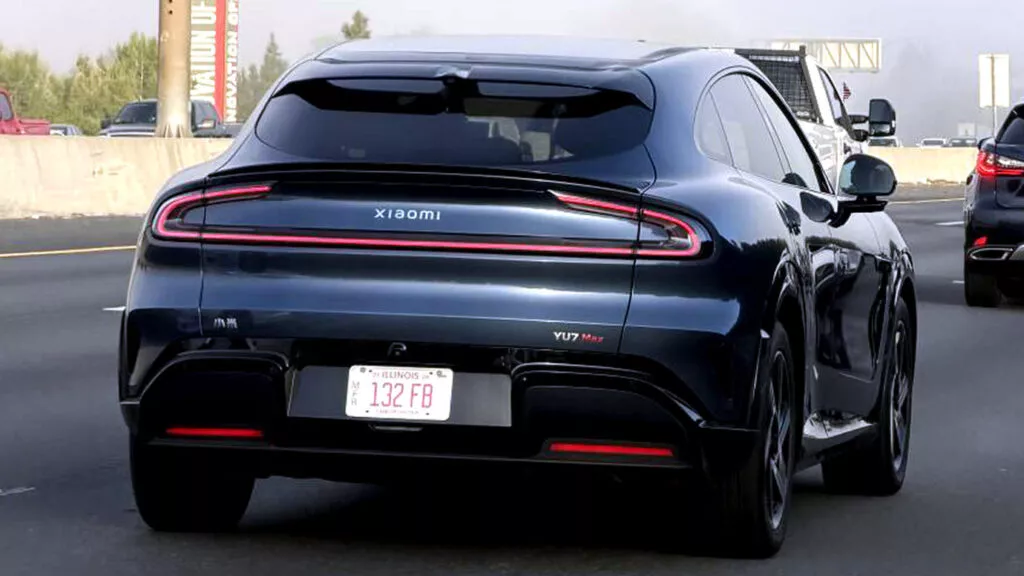
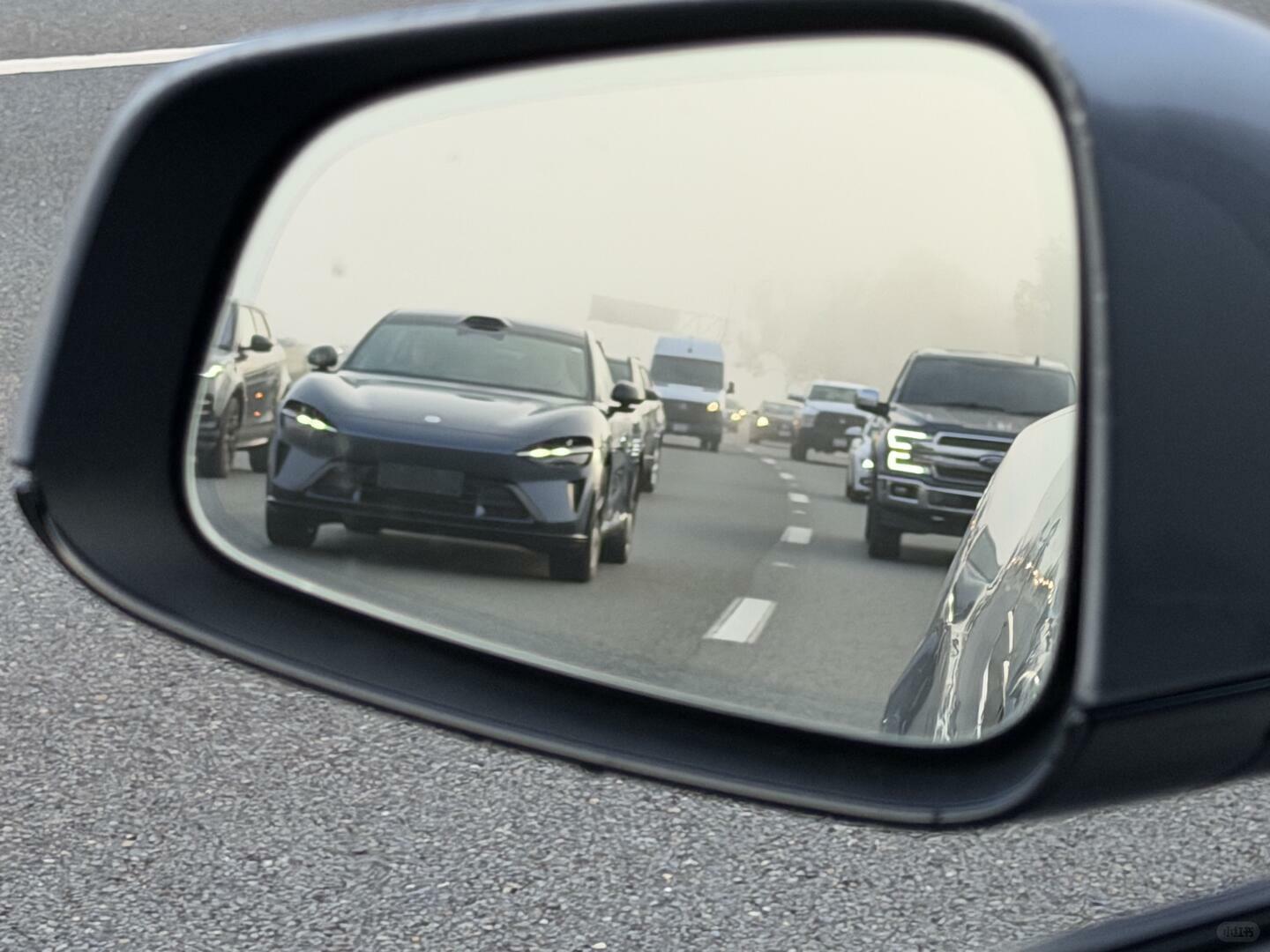
Xiaomi‘s second model, the fully electric YU7 crossover, was spotted on Wednesday on Interstate 5 in Illinois, in what almost certainly belongs to the testing fleet of the EV maker Rivian.

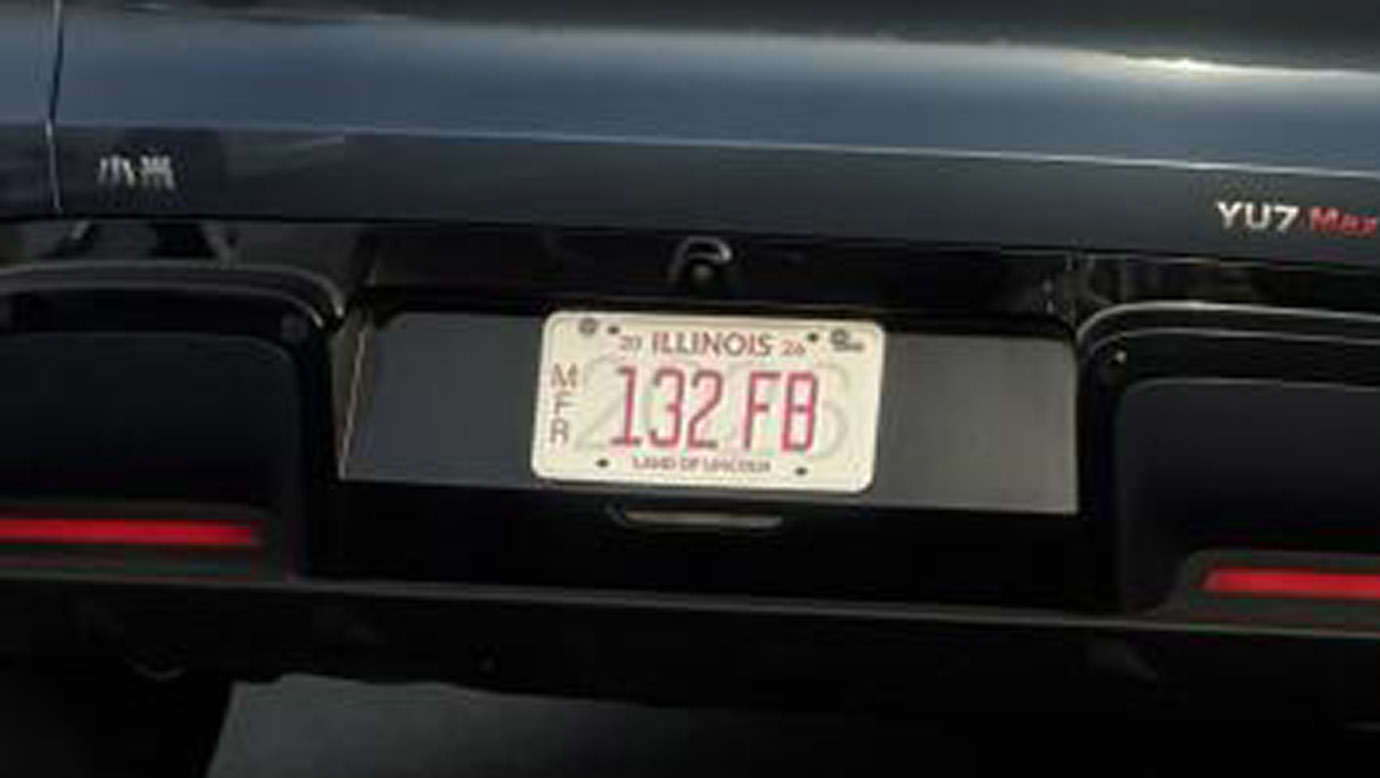
The ‘132’ plate fuelled speculation that the mid-size crossover is owned by Rivian for competitive benchmarking and reverse engineering purposes.

Purchasing competitors’ vehicles is standard practice in the automotive industry, where both design and engineering teams routinely benchmark and reverse-engineer rival models to inform their own development programs.

According to Carscoops, the ‘132’ prefix displayed on the YU7 Max’s manufacturer plate has previously appeared on confirmed Rivian test vehicles.

Praises from Rivian and Ford​

The spotting comes as the Chinese tech giant is drawing praise by both Rivian and Ford Motor Co. CEOs.

Last week, Rivian Chief Executive Officer RJ Scaringe praised BYD Co. Co. and Xiaomi as leading EV manufacturers in China, while also pointing to the advantages provided by the country’s subsidies.

“Companies like Xiaomi or BYD very much technically demonstrate a lot of leadership, and then from a price point of view, are quite competitive,” the CEO stated.

Meanwhile, back in October 2024, Ford‘s CEO Jim Farley praised Xiaomi‘s debut model — SU7 —, revealing that he drove the sedan imported from China for six months in the US.


A Xiaomi EV Was Spotted In America, And A US Maker Might Be Behind It​

A Chinese Xiaomi EV appears to be testing in the U.S., possibly tied to development of another electric model

image-1-copy-2-1024x576.webp


Keen-eyed car lovers are everywhere, and one just spotted something incredibly rare in the USA. It’s a Xiaomi YU7 Max, which is wildly popular in China, but isn’t legal to import and sell in America. That’s why it was so odd to see one on I-5, and even stranger that it’s wearing Illinois manufacturer plates.

 A Xiaomi EV Was Spotted In America, And A US Maker Might Be Behind It
Clues in the Plate Number

Why? Well, first, it’s from Illinois where Rivian builds cars. Second, the number 132. That manufacturer plate number has previously appeared on Rivian test vehicles. Notably, such plates are not exclusive and can be issued to other manufacturers or contractors. That said, the timing of this sighting is also key.

Rivian is gearing up to launch the highly-anticipated $45,000 R2 “by June”, and it’s something the brand has to get right. Part of that launch likely includes benchmarking competitor vehicles to see how the R2 stacks up.

Rivian CEO RJ Scaringe has previously confirmed that the company owns several Chinese EVs for internal testing and competitive analysis. That would make the Xiaomi sighting less of a mystery and more of a quiet case of due diligence.

No Comment From Rivian

For what it’s worth, we reached out to Rivian. A spokesperson said the company wouldn’t comment on third-party photos but added, “It is standard practice across the industry to benchmark and study vehicles globally as part of product development.”

 A Xiaomi EV Was Spotted In America, And A US Maker Might Be Behind It
 

Ford CEO, Trump officials discussed China-US carmaking JVs

These would be structured so that both the Chinese and US partners would share profits and technology, say sources

Published Sat, Feb 14, 2026 · 01:31 PM

[WASHINGTON] Ford Motor’s top executive spoke to senior Trump administration officials about a potential framework in which Chinese automakers could build cars in America while offering some protection for domestic companies, according to people familiar with the discussions.

The idea discussed by Ford chief executive officer Jim Farley and Trump Cabinet members last month involved Chinese carmakers partnering US companies through joint ventures (JVs) in which the American company holds a controlling stake, said the people, who asked not to be identified because the discussions were private.

The ventures would be structured so that both the Chinese and US partners would share profits and technology in the JV, the people said.

No decision has been made on the matter and the discussion was characterised by the people as informal and preliminary. Such a setup would be a mirror image of what China required of western automakers three decades ago when they had to partner Chinese carmakers in order to set up factories in that country.

The discussions, which have not been previously reported, come as China’s automakers move ever closer to America’s doorstep. Canada’s government recently announced a plan to allow some Chinese electric vehicles (EVs) into the country, while BYD vehicles are becoming commonplace on streets in Mexico.

Farley discussed the matter with US Trade Representative Jamieson Greer, Transportation Secretary Sean Duffy and Environmental Protection Agency Administrator Lee Zeldin when they visited the Detroit Auto Show last month, the people said.

The discussion took place days after US President Donald Trump indicated that he would be open to allowing Chinese automakers into the US if they built plants and hired Americans, saying “let China come in” during a Jan 13 speech at the Detroit Economic Club.

Ford said Farley gave the Cabinet secretaries a tour of the Ford stand at the car show and that they “discussed a variety of industry topics”, but declined to reveal specifics.

Ford’s talks generally about China with the Trump administration have consistently emphasised “the need to protect our home market from a flood of subsidised vehicles built in China”, Mark Truby, Ford’s chief communications officer, said in a statement.

“We have also been clear about the privacy and national security issues associated with Chinese vehicles in the US and we will continue to reiterate this in our discussions with policymakers,” Truby said.

While Farley was not pushing the JV option, it was discussed as a way to protect American interests in a scenario in which Chinese companies make inroads in the US, the people said.

Still, it got a cold reception from the Trump officials, who felt it would face opposition in Washington, the people said.

However, an investment deal like that is seen by some in the administration as a possible outcome of Trump’s planned meeting in Beijing with Chinese President Xi Jinping in April.

Representatives for the EPA, USTR and DOT had no immediate comment.

Ford’s shares rose less than 1 per cent on Friday (Feb 13) in New York. The stock is up 7.6 per cent this year, ahead of the S&P 500 Index, which is little changed.

Watershed moment​

Chinese competitors gaining a foothold in America would be a watershed moment with massive implications for domestic automakers, their supply chains and consumers.

China’s carmakers have rapidly gained market share in Europe, Mexico and South America with lower-cost models that feature advanced EV batteries and infotainment systems.

They also receive significant government subsidies and can offer technology at low prices in part because they tolerate slim margins and losses, giving them a competitive edge that western rivals struggle to match.

Trump’s January comments surprised Detroit’s automakers, who had felt formidable trade barriers erected by the US would keep Chinese automakers out of the country long enough to allow them to catch up on China’s lead in EVs, batteries and other automotive technology.

General Motors has told the Trump administration that the company opposes a Chinese entry to the market, one of the people said. GM has argued that existing companies would lose market share and a flow of parts from China could have a devastating effect on North American suppliers.

GM’s opposition echoes a wider view among Trump’s Cabinet that the US should keep China’s automakers out of the US market. While the president has said that he may welcome Chinese companies into the US if they build cars here, many on his team oppose such a move due to economic and national security concerns.

Farley too has warned that China’s low-cost, high-tech cars represent an “existential threat”.

“Their cost, their quality of their vehicles is far superior to what I see in the west,” Farley said last summer at the Aspen Ideas Festival, where he revealed he had visited China a half dozen times in the last year. “We are in a global competition with China and it’s not just EVs. And if we lose this, we do not have a future at Ford.”

At the same time, Ford has been open to working with Chinese companies. Farley has sought to partner Chinese carmakers and battery makers to learn from them, while at the same time developing its own low-cost EV coming in 2027 that aims to be competitive with China’s BYD, the world’s top seller of EVs.

Just in the last few weeks, Ford held talks with BYD about expanding a battery-supply partnership and explored a manufacturing partnership in Europe with China’s Geely.

In December, Ford expanded a licensing agreement with Chinese battery giant Contemporary Amperex Technology, or CATL, from building cells for EVs to also manufacturing stationary power sources for utilities and data centres.

A recent report by the Financial Times that Ford was weighing a JV with Xiaomi to build vehicles in America was flatly denied by both companies. BLOOMBERG
 

Ford is asking the Trump Administration to allow Chinese EV tech in the US

Peter Johnson | Feb 16 2026 - 7:45 am PT

Ford-Trump-Chinese-EVs

In what would be a “watershed moment,” Ford’s CEO, Jim Farley, reportedly spoke with the Trump Administration about partnering with Chinese EV makers in the US.

Is Ford using Chinese EV tech in the US?​

China is the world’s largest electric vehicle market for a reason. Nearly 3 million BEVs were registered in China in Q4 2025, up 16% year-over-year (YOY) and driving global EV sales over the 4 million mark for the first time.

It’s no wonder global OEMs, such as Volkswagen, Toyota, Kia, Stellantis, Ford, and others, are partnering with China’s leading automakers to gain an advantage in overseas markets.

The US has, for the most part, blocked Chinese automakers by imposing massive tariffs on imports and proposing bans due to security risks. However, that may soon change.

Several people familiar with the matter told Bloomberg that Farley recently brought up the idea with the Trump administration to allow US carmakers to partner with Chinese EV brands to build vehicles in the US.

Ford-Trump-Chinese-EVs
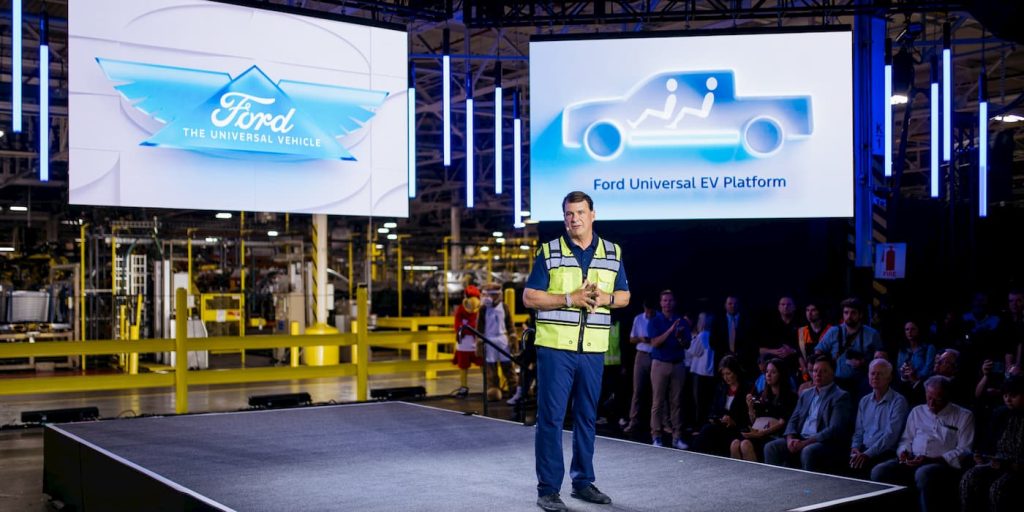
CEO Jim Farley presents the Ford Universal EV Platform in Kentucky (Source: Ford)
The plans would enable Chinese automakers to build vehicles in the US through joint ventures with domestic brands, according to the sources.

Discussions are still in the early stages, and no plans have been finalized, but the partnerships would likely involve sharing technology and profits.

Ford’s CEO has brought up the idea of using Chinese EV tech in the US with US Trade Representative Jamieson Greer, Transportation Secretary Sean Duffy, and EPA Administrator Lee Zeldin at the Detroit Auto Show last month, the sources claimed.

Ford-Trump-Chinese-EVs-2.jpeg
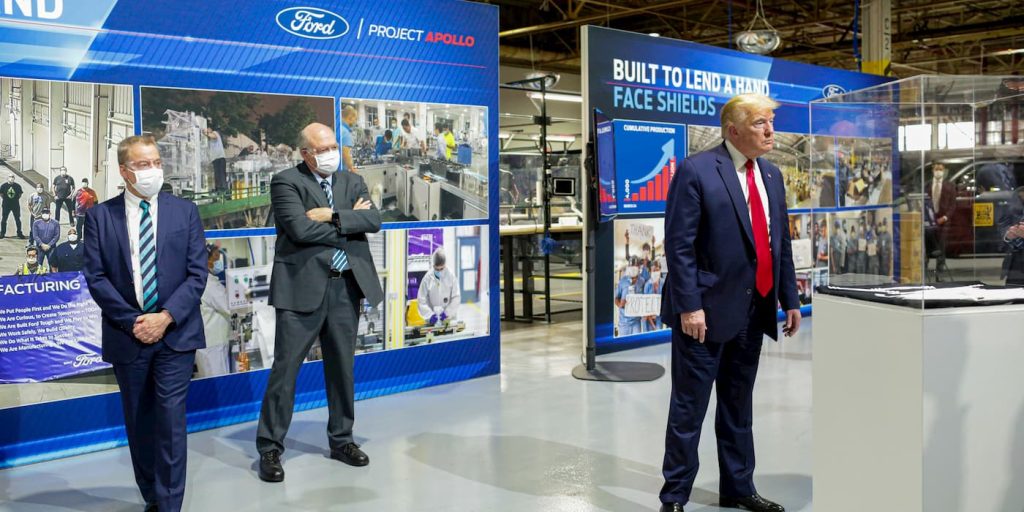
President Donald Trump visited Ford’s Rawsonville Components Plant in January (Source: Ford)

The news comes a little over a month after Trump raised the possibility, saying, “Let China come in,” at the Detroit Economic Club, a stark contrast to his previous comments (and actions). Trump said he would require Chinese brands to build US plants and hire American workers.

Crosstown rival GM told the Trump administration that it does not support allowing Chinese brands into the US, one of the sources said.

GM has warned in the past that US brands would lose market share, which would have a drastic impact on the North American supply chain.

Will it actually happen?​

While the idea was brought up, the sources said, it would still face an uphill battle in Washington. We will learn more about the situation soon, with Trump planning to meet with China’s President, Xi Jinping, next month.

Allowing Chinese EV makers into the US would be a “watershed moment” that would shake up the market, but would that be a bad thing?

Canada formed a partnership with China last month that reduced the tariff rate from 100% to 6.1%, and most Canadians support the move, as it will help make EVs more affordable.

Ford-Trump-Chinese-EVs
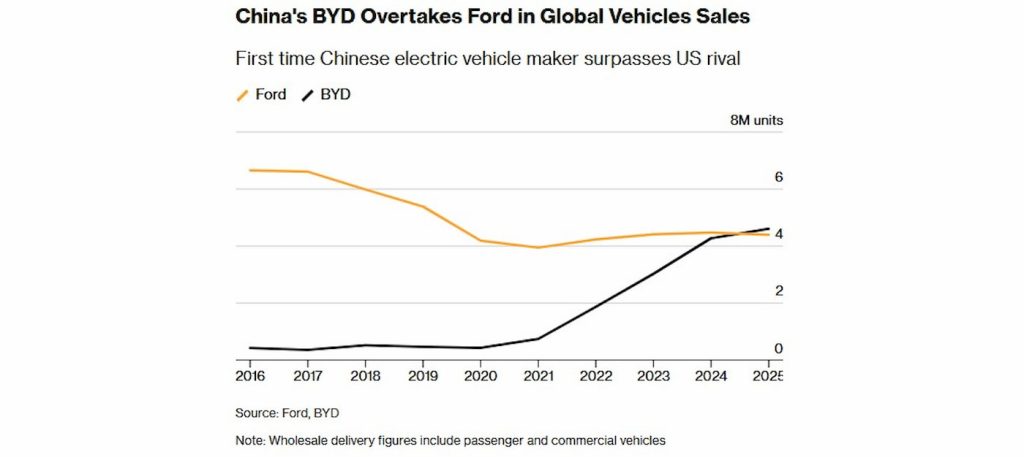
Ford and BYD total global sales in 2025 (Source: Bloomberg)

In the past few weeks, Ford has reportedly held talks with several leading Chinese EV makers, including BYD and Geely, about potential partnerships.

A deal with BYD would involve buying batteries for use in hybrid vehicles outside the US. A partnership with Geely, on the other hand, would reportedly involve allowing the Chinese automaker to use its underutilized plant in Europe and share technology.

Meanwhile, many US officials still strongly oppose it, warning of security risks. Duffy said at an event at Ford’s plant in Ohio last month, “I think they’ll look back at this decision and surely regret it to bring Chinese cars into their market,” regarding Canada’s EV deal with China.

Electrek’s Take​

Will the US follow in Canada’s and essentially the rest of the world’s footsteps? Ford is already set to begin producing lower-cost lithium iron phosphate (LFP) batteries later this year at its new plant in Michigan, using licensed tech from China’s Contemporary Amperex Technology Co Limited (CATL).

The LFP batteries will power new electric vehicles based on Ford’s Universal EV (UEV) Platform, starting with a mid-size pickup in 2027.

Ford said the electric pickup will start at around $30,000 and will have a lower cost of ownership than a Tesla Model Y.

While Ford is betting on its new UEV platform for more affordable EVs in the US, it is relying more on partnerships to gain an edge overseas, where it’s quickly losing market share to BYD, Geely, SAIC, and other leading Chinese brands.

For the first time, BYD sold more vehicles globally than Ford in 2025. BYD sold over 4.6 million new energy vehicles (EVs and PHEVs), while Ford reported total global sales just shy of 4.4 million.

Other automakers, such as Toyota, Hyundai, and Kia, are seeing promising results in China after partnering with domestic brands to use advanced software, advanced driver assistance systems (ADAS), and other EV tech to sell locally and export overseas.

With Ford and other US automakers falling behind in the global shift to electrification, a partnership may make sense.

The real question will be: Will the US and the Trump administration allow it? You can only put up an “Iron Curtain” for so long before the economy begins to stagnate, as China has shown us in the past.


Ford’s CEO Makes a Bold Pitch to Trump: Let’s Partner With Chinese Automakers

The talks highlight a growing divide between competitiveness and national security as Washington, Detroit, and policymakers weigh the risks.
BY LEILA SHERIDAN, NEWS WRITER

FEB 17, 2026

jim-farley-ford-china-ev-inc-2249185017.jpg

Ford CEO Jim Farley. Illustration: Inc.; Photo: Getty Images

The U.S. has long tried to keep Chinese automakers out of its market, imposing steep tariffs and warning of national security risks. That stance, however, may be softening.

Ford CEO Jim Farley has held discussions with members of the Trump administration about allowing partnerships between U.S. and Chinese carmakers, according to Bloomberg.

The interest reflects China’s dominance in EVs. Nearly 3 million battery EVs were registered there in the fourth quarter of 2025 alone, a 16 percent year-over-year increase, helping global EV sales surpass 4 million for the first time, Electrek reported.

How a partnership could work​

People familiar with the talks said the proposal would allow Chinese automakers to manufacture vehicles in the U.S. through joint ventures with domestic companies. American automakers would maintain controlling stakes, while both sides would share technology and profits. The discussions remain early and no plan is finalized, according to Bloomberg.


Farley first raised the idea with policymakers at the Detroit Auto Show, where he talked to U.S. Trade Representative Jamieson Greer, Transportation Secretary Sean Duffy, and EPA Administrator Lee Zeldin. The talks followed remarks from President Donald Trump at the Detroit Economic Club, where he said he would consider letting “China come in,” if they hired American workers.

Ford said its goal is balancing cooperation with protectionism. The company has emphasized “the need to protect our home market from a flood of subsidized vehicles built in China,” chief communications officer Mark Truby told Bloomberg.

“We have also been clear about the privacy and national security issues associated with Chinese vehicles in the US and we will continue to reiterate this in our discussions with policymakers,” Truby added.

Why Chinese automakers matter​

Chinese car companies have rapidly expanded across Europe, Mexico, and South America by selling lower-cost EVs equipped with advanced batteries, infotainment systems, and driver-assistance software. Heavy government backing allows them to tolerate thinner margins than Western competitors, giving them a unique edge in the market, Bloomberg reported.

Partnerships with Chinese firms have already delivered results elsewhere. Toyota, Hyundai, and Kia have worked with domestic Chinese partners to develop software, ADAS systems, and EV technology for both local sales and exports, according to Bloomberg.

Ford has also explored direct deals with Chinese companies, including BYD and Geely. A BYD agreement could involve battery supply for hybrids sold outside the U.S., while talks with Geely have included potential technology sharing and use of an underutilized Ford plant in Europe.

Opposition at home​

The idea faces resistance in Detroit and Washington. General Motors has told the administration it opposes partnerships with Chinese companies, arguing they would erode U.S. market share and harm North American suppliers, Bloomberg reported.

Some policymakers point to Canada as a possibly cautionary example. U.S. Transportation Secretary Sean Duffy recently warned the country could regret opening its market to Chinese EVs, saying, “I think they’ll look back at this decision and surely regret it to bring Chinese cars into their market,” according to Electrek. Canada recently struck a deal that would cut tariffs on certain Chinese electric vehicles from 100 percent to 6.1 percent, a move supporters say will lower EV prices and boost adoption.

Even Farley has expressed caution. “Their cost, their quality of their vehicles is far superior to what I see in the West,” Farley said last summer at the Aspen Ideas Festival, according to Bloomberg. “We are in a global competition with China and it’s not just EVs. And if we lose this, we do not have a future at Ford.”

What comes next​

Any partnership would first face intense political scrutiny. Trump is expected to meet Chinese President Xi Jinping next month, where carmaker collaboration could be discussed, but approval in Washington remains uncertain, Electrek reported.


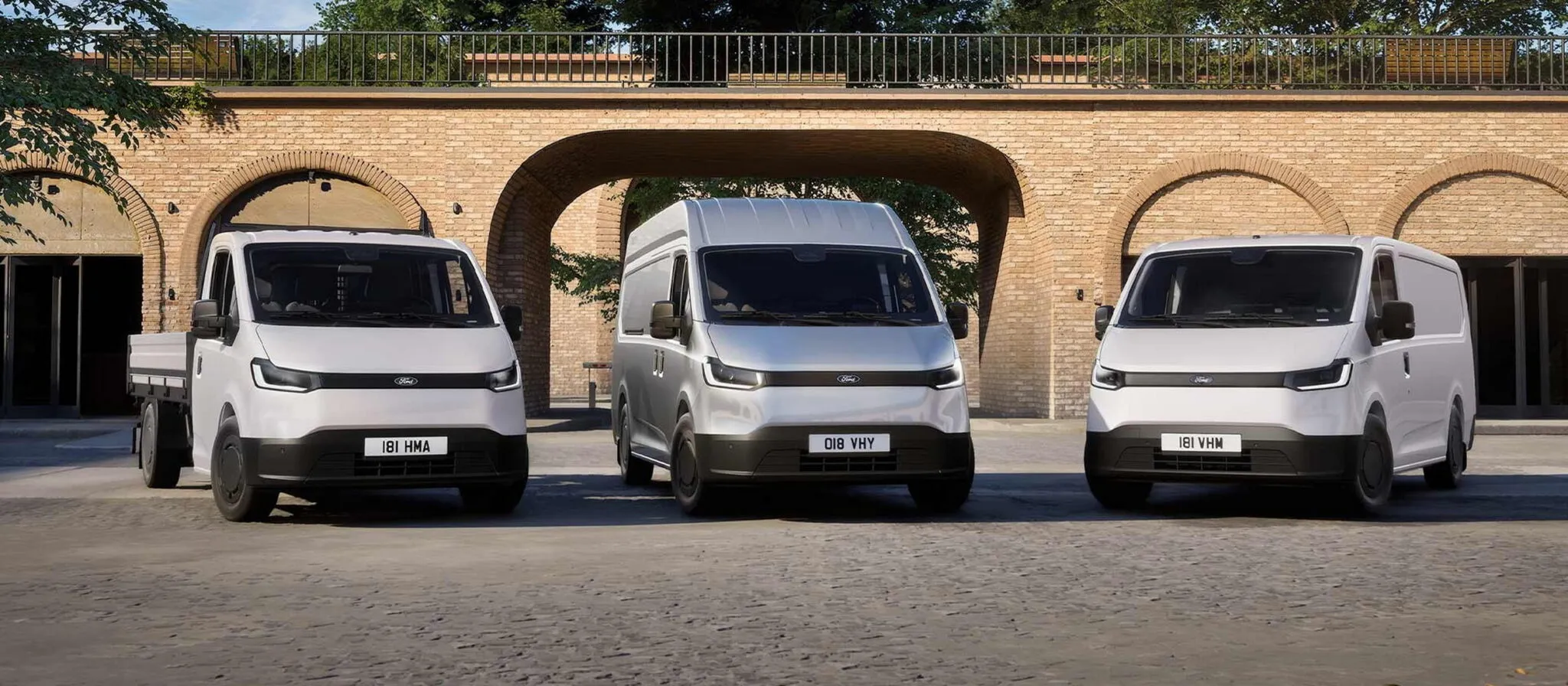
The New Ford Transit City Is A High-Tech Electric Van With Chinese Roots​

Mar 26, at 11:06am ET

Ford-Transit-City-1-2048x896.webp


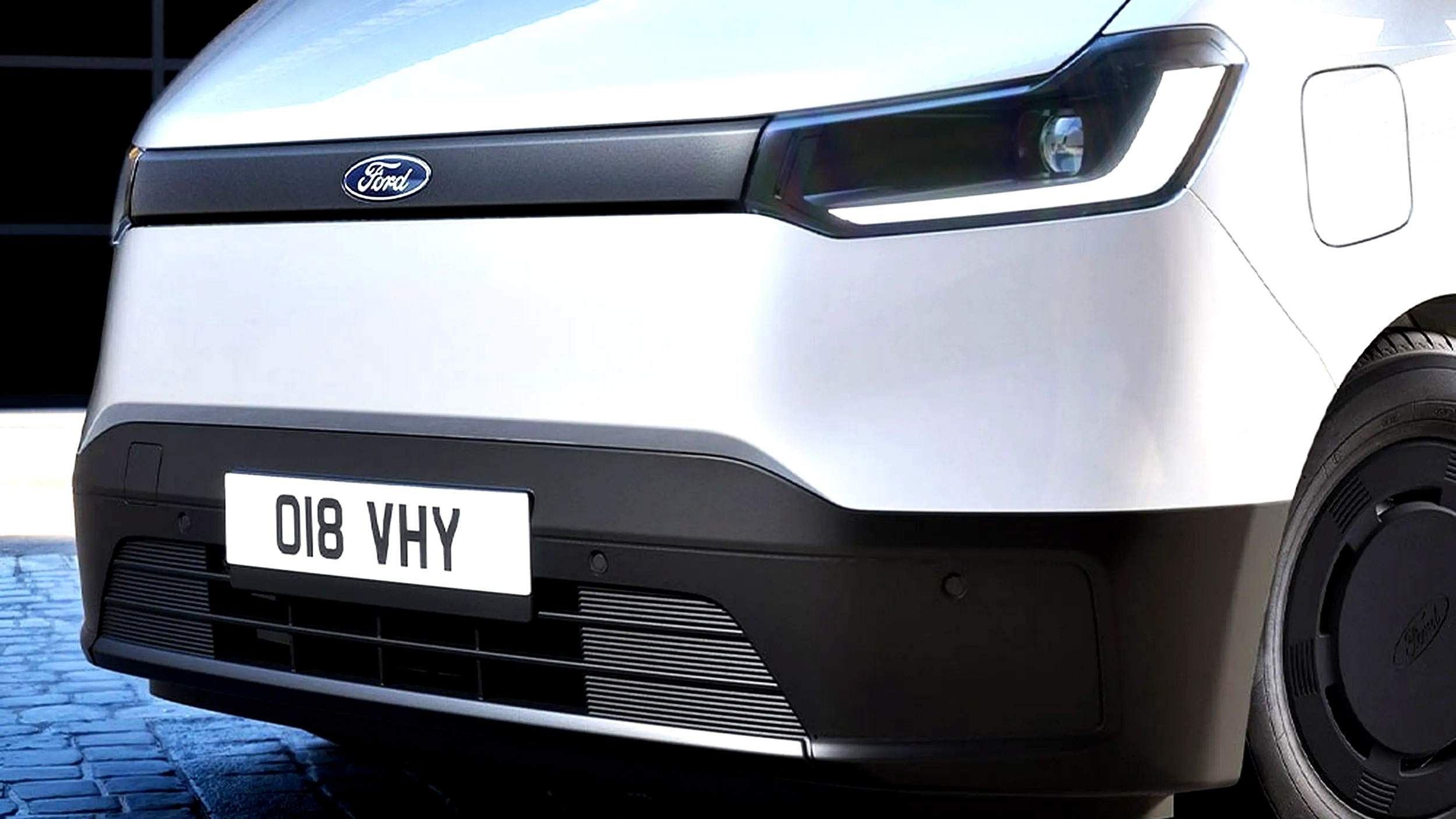
Ford revealed the Transit City for the European market on Thursday, and it's the most modern, high-tech iteration yet of the brand's long-running commercial vehicle nameplate.

The Transit City was co-developed with Ford's Chinese joint venture partner, Jiangling Motor Corporation, sharing its dedicated EV platform with the JMC Touring. Built on an EV-focused platform developed by Jiangling Motors Corporation (JMC) and assembled in China, it will be offered in mainland Europe and the UK. It arrives shortly after Ford announced that it won't be building a next-generation version of its home-grown E-Transit, citing issues with demand in Western markets. So China-backed designs will have to lead the way in Europe.


Ford Motor Co.’s top executive says allowing Chinese automakers to sell their cars in the US would be “devastating” to American manufacturing.

“We should not let them into our country,” Chief Executive Officer Jim Farley said Monday during an appearance on Fox News’ Fox & Friends show. “Manufacturing is the heart and soul of our country and for us to lose that to those exports would be devastating to our country.”

“I sure hope we don’t allow them to come across the border,” Farley said of Canada’s Chinese cars. Keeping these vehicles out of America should have a “big impact” on upcoming negotiations to rework the trade deal between the US, Canada and Mexico, he added.
 

Ford CEO warns Chinese EVs would hit ‘the heart and soul’ of the US

Peter Johnson | Apr 14 2026 - 2:10 pm PT

“We should not let them into our country,” Ford’s CEO Jim Farley warned during a recent interview, admitting it wouldn’t be a fair fight.

Ford CEO warns against allowing Chinese EVs in the US

Farley has warned several times now that Chinese EV brands pose an “existential threat” to US automakers, including Ford.

During an interview with Fox & Friends on Monday, Ford’s CEO said China has enough capacity to build over 50 million vehicles, or enough “to cover all the manufacturing, all the vehicle sales in the US.”

“We should not let them into our country,” Farley said, referring to Chinese EVs entering the US. Ford’s CEO stressed the economic impact would be “devastating,” given that manufacturing is the “heart and soul of our country.”

Farley also pointed out the “cyber and privacy” risks of allowing Chinese EVs in the US, noting that they feature multiple cameras that “collect a lot of data.”

Although he admitted “there’s no way this is a fair fight,” Farley said Ford still needs to do its part to make its vehicles competitive with Chinese brands.

Ford is betting on its smaller, more affordable EVs based on its new Universal EV (UEV) platform, which Farley believes will help it compete with leading brands like BYD.

The first vehicle based on Ford’s new UEV platform will be a mid-size electric pickup, set to launch in 2027 with a starting price of around $30,000. By focusing on reducing battery weight and simplifying the manufacturing process, Ford claims the UEV platform enables affordable EVs to be produced at scale.

Ford will build new UEV-based vehicles at its Louisville Assembly plant, using lithium iron phosphate (LFP) batteries from its Michigan battery plant.

Electrek’s Take

While Farley is urging against allowing Chinese EVs into the US, it’s using licensed tech from China’s CATL to assemble LFP batteries in Michigan for its “affordable” mid-size vehicles.

Earlier this year, several people familiar with the matter told Bloomberg that Farley recently brought up the idea with the Trump administration to allow US carmakers to partner with Chinese EV brands to build vehicles in the US.

This is not the first time Farley has warned that China is quickly gaining an edge. While Chinese brands are not allowed to sell passenger EVs in the US, Canada signed a deal with China in January to cut the tariff rate on imported EVs from 100% to 6.1% in a move to promote affordable electric options.

The US, or more specifically, the Trump Administration, can only protect Ford for so long, and only on its home turf.

Farley admitted during an episode of the Office Hours: Business Edition podcast in November that “We can’t walk away from EVs, not just for the US, but if we want to be a global company,” he added, “I’m not going to just cede that to the Chinese.”

After flying a Xiaomi SU7, which outsold the Tesla Model 3 in China last year, from Shanghai to Chicago in 2024 and driving it around for six months, Farley said he didn’t want to give it up, calling Xiaomi an “industry juggernaut.”

While allowing Chinese EVs into the US would be “devastating,” as Farley said, Ford will still face them overseas, and to do so, it will need competitive electric models. Focusing on gas and hybrid vehicles will only delay the inevitable.


Users who are viewing this thread

Pakistan Defence Latest

Latest Posts

Back
Top