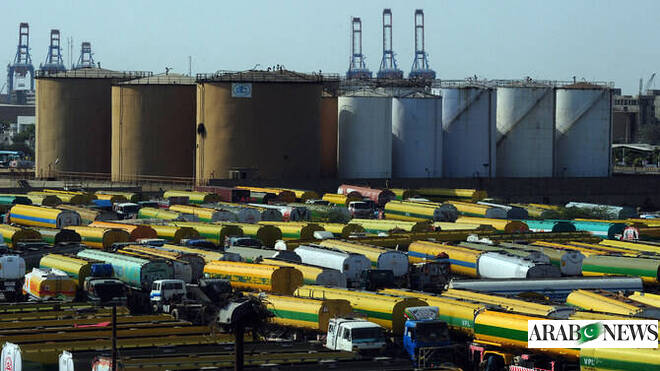
Oil, Gas and Refinery Sectors - updates

Pakistan in talks with Russia on oil-sector agreement, says Aurangzeb​

Russia also discussed upgrading a refinery in Pakistan with Russian companies​


Business
By Reuters
December 16, 2025
  • facebook
  • twitter
  • whatsapp

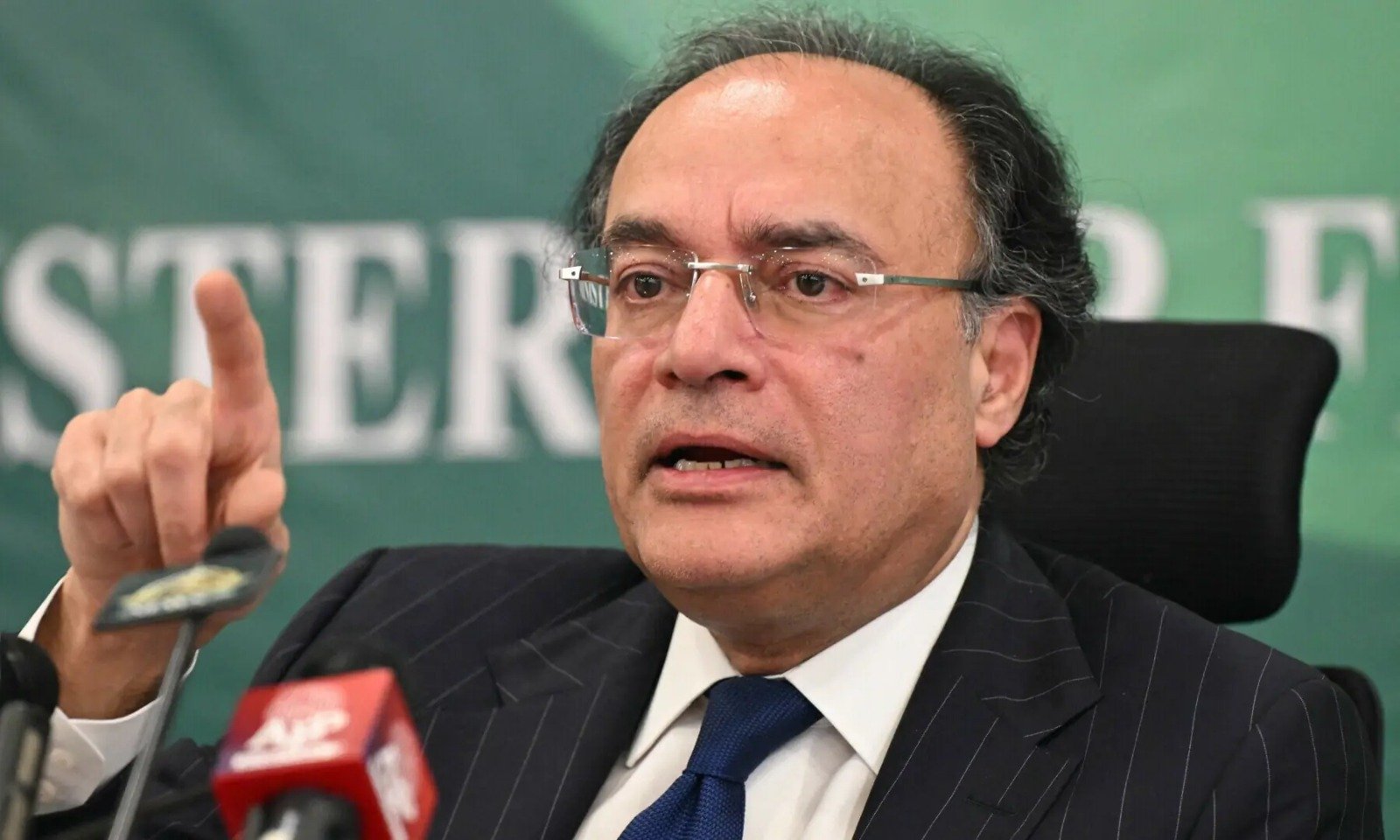
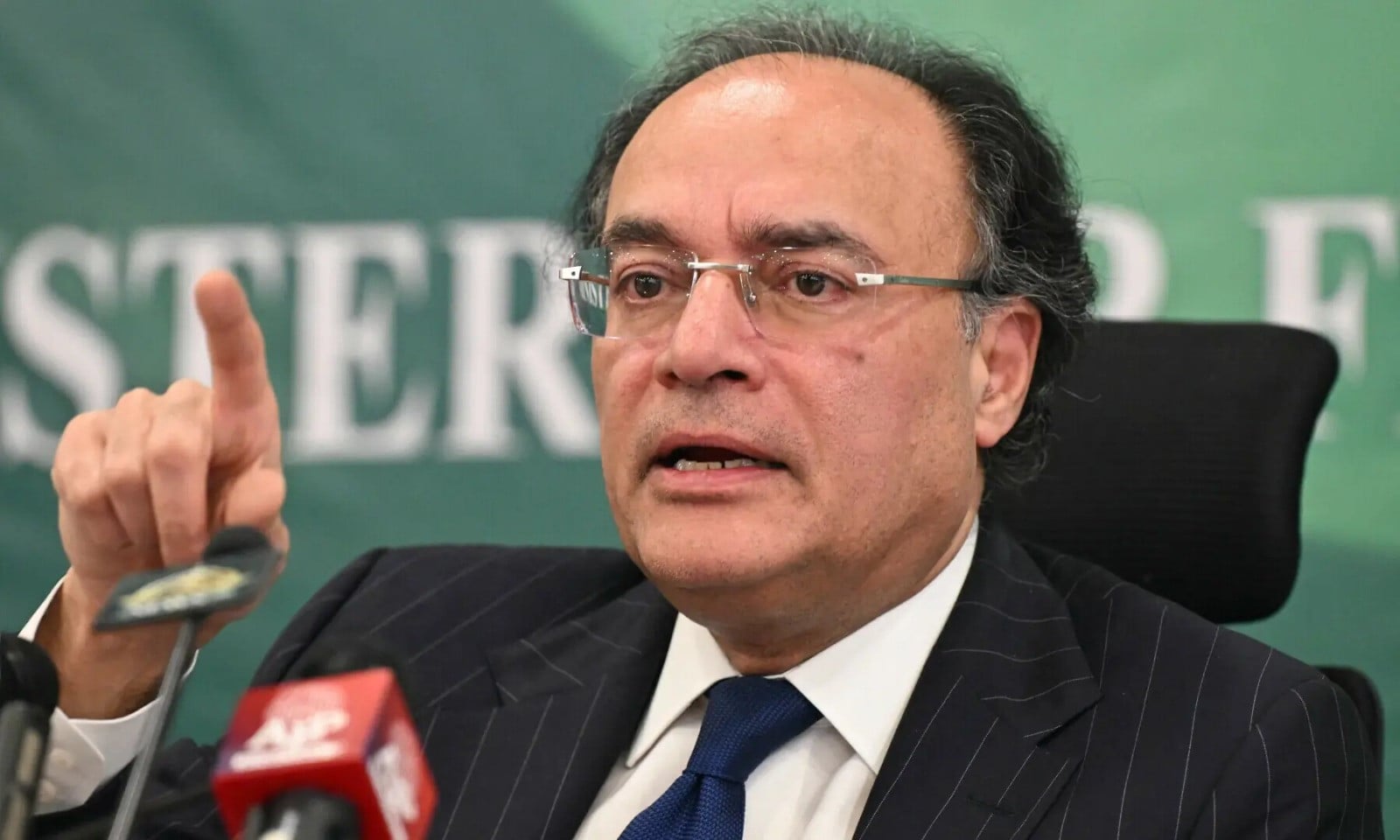
Finance Minister Muhammad Aurangzeb speaks during a media briefing in Islamabad on June 11, 2025, a day after presenting the 2025–26 fiscal budget. — AFP/File
Pakistan and Russia are in talks on a potential oil-sector agreement, Finance Minister Muhammad Aurangzeb told RIA news agency in remarks published on Tuesday.

“All of these areas are Russia’s strengths. And we would be very happy if Russia agreed on an agreement in this sector with Pakistan,” Aurangzeb told RIA when asked about expanding cooperation in exploration, production and refining.

“At present, the issue is being discussed by the energy ministries of both sides,” he added.

Russia also discussed upgrading a refinery in the country with Russian companies involved, Russian Energy Minister Sergei Tsivilev had said in November.

Islamabad has stepped up engagement with Russia in recent years as Moscow sought new energy markets after Western sanctions over Ukraine, and Islamabad looked to lower import costs. Pakistan began buying Russian crude in 2023.

Aurangzeb also said Russia and Pakistan are looking into building another steel plant in Pakistan, RIA reported.

Pakistan previously received Russian crude shipments in 2023 under a government-led arrangement. The first cargo arrived at Karachi port in June 2023, when a tanker carrying 45,000 tonnes of Russian crude docked.

The government had placed the first order for 100,000 tonnes of Russian crude in April 2023 after months-long talks on the terms of the deal.

A second cargo arrived at Karachi port later in June 2023, carrying 55,000 tonnes of discounted Russian crude, with the delay attributed to limited storage space at Pakistan Refinery Limited (PRL).


Gas sector reforms: Pakistan govt, World Bank discuss roadmap

  • World Bank country director appreciates the Petroleum Division for resolving the long-standing issue of surplus liquefied natural gas.
BR Web Desk
The Pakistan government and the World Bank on Thursday discussed a proposed roadmap for gas sector reforms, with a focus on long-term sustainability, efficiency improvements, and structural changes, the Petroleum Ministry said.

The discussion took place during a meeting between Federal Minister for Petroleum Ali Pervaiz Malik and World Bank Country Director for Pakistan Bolormaa Amgaabazar.

According to the Petroleum Ministry, the World Bank country director appreciated the Petroleum Division for resolving the long-standing issue of surplus liquefied natural gas (LNG), describing it as a complex challenge.


She reaffirmed the World Bank’s continued support for gas sector reforms and expressed readiness to cooperate on reforms in the liquefied petroleum gas (LPG) sector and capacity building of the Oil and Gas Regulatory Authority (OGRA).

Circular debt: Pakistan govt moves to cut LNG import, reform gas sector

The ministry stated that the World Bank is already collaborating with the Petroleum Division to develop a comprehensive roadmap for gas sector reforms, encompassing measures to enhance efficiency and performance in the gas sector, as well as options related to the unbundling of the Sui gas companies.

Minister Malik thanked the World Bank for acknowledging the government’s efforts and said that input from international partners was valuable in shaping effective and sustainable policy reforms. He reiterated the government’s commitment to structural and institutional reforms aimed at ensuring the long-term sustainability of the gas sector.

According to the ministry, the minister also highlighted improving air quality as a government priority, noting that efforts to enhance fuel standards were underway, which would require upgrades to Pakistan’s refineries.
 

Dar chairs meeting on ethanol blending with locally refined petrol

  • Meeting recommended that a voluntary ethanol blending policy be allowed, subject to financial viability for both refineries and ethanol manufacturers
BR Web Desk
January 1, 2026

Deputy Prime Minister and Foreign Minister Senator Mohammad Ishaq Dar on Thursday chaired a high-level meeting to review a proposal for blending ethanol with locally produced petrol by domestic refineries.

During the meeting, Chairman of the Oil and Gas Regulatory Authority (OGRA) gave a detailed presentation on the proposed framework. After deliberations, the committee noted that ethanol prices are currently higher than petrol prices, making mandatory blending commercially unviable at this stage.

The meeting recommended that a voluntary ethanol blending policy be allowed, subject to financial viability for both refineries and ethanol manufacturers.

OGRA was directed to conduct a quarterly review comparing the financial outcomes of ethanol exports with its use in domestic petrol blending. The regulator will submit its findings through the Petroleum Division for consideration by the Prime Minister’s Office (PMO).
 

PM Shehbaz calls for accelerating oil, gas exploration to cut import bill

  • Congratulates nation on discovery of new oil reserves
BR Web Desk
January 1, 2026

1767300088731.png


Prime Minister Shehbaz Sharif on Thursday underscored the need to prioritise discovery of new oil and gas reserves to reduce Pakistan’s reliance on imported petroleum products and save precious foreign exchange.

Chairing a high-level meeting on petroleum sector affairs at the Prime Minister’s Office, the premier also directed authorities to digitally integrate the entire oil and gas supply chain, from imports to end consumers, on a priority basis.

He said digitisation of the supply chain would help curb smuggling of petroleum products and bring greater benefits to the national exchequer.


The meeting was briefed on the petroleum and gas sector roadmap, during which it was disclosed that Oil and Gas Development Company Limited (OGDCL) has discovered major oil and gas reserves in the Nashpa Block located in Kohat district.

READ MORE: OGDCL makes significant oil and gas discovery in Khyber Pakhtunkhwa

Congratulating the nation on the discovery, the prime minister appreciated the performance of the concerned institutions. Officials informed the meeting that the newly discovered reserves would enable production of up to 4,100 barrels of oil per day.

The prime minister was also told that domestic gas consumers are receiving gas at better pressure this winter compared to last year. Work on RLNG connections is progressing at a fast pace, with a target of 350,000 connections to be completed by June 2026.

The meeting further noted that pipelines for the Shewa and Bettani gas fields have already been commissioned, while work on the pipeline from the Kot Palak gas field is currently underway.
 

OGDCL makes significant oil and gas discovery in Khyber Pakhtunkhwa

  • Discovery made with its joint venture partners — PPL and GHPL
BR Web Desk
January 1, 2026

Oil and Gas Development Company Limited (OGDCL), one of Pakistan’s largest E&P companies, announced on Thursday that it had made an oil and gas discovery over Datta Formation at its exploratory well Baragzai X-01 (Slant), located in District Kohat, Khyber Pakhtunkhwa.

The OGDCL shared the development in a notice to the Pakistan Stock Exchange (PSX) today.

The notice said that OGDCL, operator of the Nashpa Exploration License (65% working interest), had made the discovery with its joint venture partners — Pakistan Petroleum Limited (PPL) (30%) and Government Holdings (Private) Limited (GHPL) (5% carried interest).


“During cased-hole Drill Stem Test (DST-02) in Datta Formation (Jurassic age), the well flowed at the rate of 4,100 barrels of oil per day (BOPD) and 10.5 million standard cubic feet per day (MMSCFD) of gas, at 32/64″ choke size with wellhead flowing pressure of 3,880 psig. Baragzai X-01 (Slant) was spud-in on December 30, 2024, as an exploratory well and drilled down to a total depth of 5,170 meters into the Kingriali Formation,” the notice to the bourse said.
 

Major oil, gas reserves discovered in Kohat

Recorder Report Published about 6 hours ago

ISLAMABAD: As a New Year gift for the nation, the Oil and Gas Development Company Limited (OGDCL) on Thursday announced a major oil and gas discovery over the Datta Formation at its exploratory well Baragzai X-01 (Slant) located in Kohat district of Khyber Pakhtunkhwa.


The OGDCL is the operator of the Nashpa Exploration Licence with a 65 percent working interest, along with partners Pakistan Petroleum Limited (PPL) with 30 percent working interest and Government Holding (Private) Limited (GHPL) with five percent interest.

The discovery is the result of the OGDC’s focused exploration campaign in the Nashpa Block. The Baragzai X-01 (Slant) well was spudded on December 30, 2024, and drilled to a total depth of 5,170 metres into the Kingriali Formation.


Based on the interpretation of open-hole wireline log data, a Cased Hole Drill Stem Test (DST-02) was conducted in the Datta Formation.

READ MORE: OGDCL discovers oil & gas in Khyber Pakhtunkhwa

The well is currently producing 4,100 Barrels per Day (BPD) of oil and 10.5 Million Standard Cubic Feet per Day (MMSCFD) of gas. The production was achieved through a 32/64-inch choke at a wellhead flowing pressure of 3,880 pounds per square inch (PSI), confirming the commercial potential of the reservoir.

This discovery will make a positive contribution towards reducing the country’s energy demand and supply gap by adding indigenous oil and gas resources. It will also strengthen the OGDCL’s hydrocarbon reserves base and support Pakistan’s energy security objectives.

The OGDCL reaffirmed its commitment to sustained exploration activities aimed at unlocking the country’s hydrocarbon potential and contributing to economic stability through reliable domestic energy supplies, as the nation steps into the New Year with renewed optimism.


Pakistan in talks with Saudi Arabia, China, banks for $2 billion refinery expansion— official

Updated 28 January 2026
January 28, 202606:29
  • Islamabad seeks to expand Pakistan Refinery Limited’s crude oil processing capacity from 50,000 bpsd to 100,000 bpsd, says official
  • Official says three-year project would need $2 billion investment, with 60-70 percent to be raised through debt financing
KARACHI: Pakistan’s government and the state-owned Pakistan Refinery Limited (PRL) are in talks with Saudi Arabia, China, global commercial banks and financial institutions to secure funding for a $2 billion refinery expansion project, an official said on Tuesday.

The PRL is an energy company located in Pakistan’s commercial hub Karachi. With a processing capacity of 50,000 barrels of crude oil per day, it supplies refined petroleum products countrywide. It is a subsidiary of the state-owned Pakistan State Oil (PSO), which owns 63.56 percent of its shares.

Pakistan is seeking partners that can finance PRL’s Refinery Expansion and Upgrade Project (REUP). The official confirmed that REUP is part of Pakistan’s Brownfield Refinery Policy, which aims to upgrade the nation’s five existing oil refineries to deep conversion refineries, with a combined crude processing capacity of about 350,000 barrels per stream day (bpsd). The total project cost to upgrade these five refineries has been estimated at $5-6 billion.

“We are in contact with Saudis, Chinese, Export Credit Agencies and Development Finance Institutions and others to obtain the financing and firms have shown interest,” an official with direct knowledge of the development told Arab News on condition of anonymity as he was not authorized to speak to media.

The official said that the government was in talks with investors in Saudi Arabia while the PRL was in contact with the Chinese government and ECAs, DFIs and global commercial banks.

The PRL aims to double the crude processing capacity of its Karachi hydro-skimming plant to 100,000 bpsd, produce Euro V-compliant motor spirit and diesel, meet evolving environmental standards and decrease Pakistan’s reliance on imported fuels.

The move would help Pakistan reduce its reliance on costly fuel imports. The South Asian country imported petroleum products worth $16 billion in fiscal year 2025, more than 27 percent of its total imports.

“The project is estimated at $2 billion and is to be implemented in 36 months with debt ranging between 60-70 percent,” the official said.

He added that potential investors may secure an equity stake in the project.

Pakistan’s Petroleum Minister Ali Pervaiz Malik visited Saudi Arabia earlier this month to lead a high-level delegation at the Future Minerals Summit. There, he reportedly met investors and briefed them on REUP.

Malik and the petroleum ministry spokesperson Zafar Abbas did not respond to Arab News’ request for comments on the matter.

The official said Saudi authorities have asked Pakistan to brief them on the project. He said the government has planned an official visit “in the near future” to the Kingdom, where Saudi investors would be given the required briefing.

The official said once the required financing is available, PRL would aim to achieve REUP’s financial close by December and begin work on the project in January 2027.

“All our potential financers are expected to undertake due diligence of the project in the coming months,” the official said.

Sheikh Imran ul Haque, project director of the PRL, said the company was making steady and measurable progress on REUP, a strategically significant initiative designed to enhance refining capabilities and product quality.

“PRL has successfully completed detailed technical and commercial evaluations with EPC (engineering, procurement and construction) bidders,” he told Arab News.

Haque said the company’s next target is signing the EPC contract in the first quarter of 2026.

He said this would be followed by the financial close at the end of the year, marking the formal transition of REUP from its development phase to the execution one.

Pakistan has desperately tried to reform its economy by looking for cheaper sources of fuel. Its refining sector has long struggled with aging infrastructure, limited upgrading and thin margins.

Industry officials argue that over-reliance on imports increases exposure to global price volatility, shipping disruptions and foreign exchange pressure.
 

$430m US crude deal struck​

In private sector transaction, Pakistan will import 6m barrels of WTI oil

ZAFAR BHUTTA
January 28, 2025

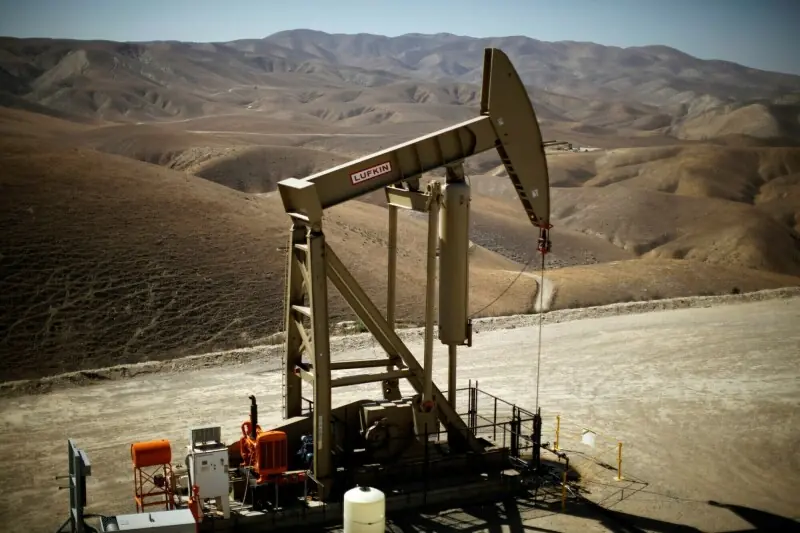
increased sourcing from the us reduces reliance on the strait of hormuz a narrow maritime corridor through which a substantial proportion of global oil trade passes and which remains vulnerable to geopolitical tensions photo reuters


Increased sourcing from the US reduces reliance on the Strait of Hormuz — a narrow maritime corridor through which a substantial proportion of global oil trade passes and which remains vulnerable to geopolitical tensions. Photo: Reuters

ISLAMABAD: Pakistan has found an alternative oil supply route as a $430 million US crude deal by the private sector has helped reduce reliance on the Hormuz route and narrow the trade gap.

In a notable private sector development with broader economic implications, Cnergyico Pk has executed a commercial transaction for the import of six million barrels of US West Texas Intermediate (WTI) crude valuing at around $430 million. The deal, one of the largest private sector crude oil import arrangements between Pakistan and the US, reflects a gradual shift towards diversified energy sourcing at a time of heightened geopolitical and balance-of-payments pressures.

The transaction expands energy trade between Pakistan and the US while contributing to a reduction in trade deficit through market-based private investment. Importantly, the deal has been concluded without sovereign guarantees or government financing, limiting exposure for the public exchequer and aligning with broader efforts to reduce reliance on state-backed external funding.
 
$430m US crude deal struck
In private sector transaction, Pakistan will import 6m barrels of WTI oil

ZAFAR BHUTTA
January 28, 20263

increased sourcing from the us reduces reliance on the strait of hormuz a narrow maritime corridor through which a substantial proportion of global oil trade passes and which remains vulnerable to geopolitical tensions photo reuters

Increased sourcing from the US reduces reliance on the Strait of Hormuz — a narrow maritime corridor through which a substantial proportion of global oil trade passes and which remains vulnerable to geopolitical tensions. Photo: Reuters

ISLAMABAD: Pakistan has found an alternative oil supply route as a $430 million US crude deal by the private sector has helped reduce reliance on the Hormuz route and narrow the trade gap.

In a notable private sector development with broader economic implications, Cnergyico Pk has executed a commercial transaction for the import of six million barrels of US West Texas Intermediate (WTI) crude valuing at around $430 million. The deal, one of the largest private sector crude oil import arrangements between Pakistan and the US, reflects a gradual shift towards diversified energy sourcing at a time of heightened geopolitical and balance-of-payments pressures.

The transaction expands energy trade between Pakistan and the US while contributing to a reduction in trade deficit through market-based private investment. Importantly, the deal has been concluded without sovereign guarantees or government financing, limiting exposure for the public exchequer and aligning with broader efforts to reduce reliance on state-backed external funding.

Of the total volume, three million barrels have already been processed at Cnergyico's refining complex, indicating the capacity to handle varying international crude grades. The remaining three cargoes of one million barrels each are currently on their way, with one scheduled to arrive in February and two in March, which will ensure continuity of crude supply over the coming months.

Beyond its immediate commercial value, the transaction carries strategic significance for Pakistan's energy security. Increased sourcing from the US reduces dependence on traditional Middle Eastern suppliers and mitigates exposure to regional supply disruptions. In particular, it lessens reliance on the Strait of Hormuz – a narrow maritime corridor through which a substantial proportion of global oil trade passes and which remains vulnerable to geopolitical tensions.

A key enabler of this diversification is the Single Buoy Mooring (SBM) facility, the country's only deep-sea offshore crude oil handling system. The SBM allows the direct unloading of very large crude carriers (VLCCs) offshore, with crude transported to the refinery through an underwater pipeline network. This capability enables long-haul imports from sources such as the US and Africa, while reducing congestion at ports and lowering freight and demurrage costs.

Energy analysts view the SBM as a strategic national asset that enhances supply chain resilience, particularly during periods of regional instability or shipping disruptions. By allowing direct access to global crude markets, the facility increases flexibility in sourcing and provides an additional layer of energy security at a time when supply routes are increasingly exposed to geopolitical risks.

Commenting on the development, Usama Qureshi, Vice Chairman of Cnergyico Pk, said the transaction demonstrated the role private sector initiatives can play in supporting national economic objectives.

"Expanding crude imports from the United States helps reduce the trade deficit while also lowering dependence on traditional supply routes such as the Strait of Hormuz," he said. "Diversification of sourcing strengthens energy security and helps cushion the economy against external shocks."

He added that the initiative had been undertaken on a fully commercial basis, without government guarantees, easing pressure on public finances.

Alongside crude imports, Cnergyico has also increased its export facing activities. The company has exported Very Low Sulphur Fuel Oil and provided bunkering services to international shipping lines in collaboration with global energy major Vitol. These operations have generated foreign exchange inflows and expanded Pakistan's footprint in the international marine fuels market, particularly following the global shift towards cleaner shipping fuels.

As Pakistan continues to navigate economic constraints and external vulnerabilities, the private sector-led initiatives underscore the importance of diversified energy sourcing, resilient infrastructure and export-oriented activity. While the long-term impact will depend on sustained execution and broader policy alignment, the transaction highlights how commercial decisions can intersect with national economic and energy security considerations.
 
Good work by GOP, will result in continued US support to Pakistan.

Regards
 
KARACHI:
Chief Minister Murad Ali Shah on Thursday unveiled the strategic roadmap for the country's flagship Coal-to-Fertiliser (C2F) initiative, describing the Thar coal-based urea project as vital for reducing reliance on imported fertiliser, generating employment and boosting exports.

The project, being executed by Fauji Fertiliser Company (FFC), envisages utilising indigenous coal reserves from Thar to strengthen the country's fertiliser security and add value to local resources. The chief minister was briefed on the progress during a meeting at the CM House by an FFC delegation led by its CEO Jahangir Piracha.

Officials informed the meeting that the $1.12 billion project has achieved a milestone with the completion of its Bankable Feasibility Study (BFS) in November 2025, prepared by internationally reputed consultants. With the BFS finalised, the project has entered the Front-End Engineering Design (FEED) and project agreements phase.

Under the proposed timeline, financial close is expected between late 2026 and 2027, while commercial operations are targeted to commence in January 2031.

Terming the initiative a "game changer," FFC officials said the plant will produce 717,000 tonnes of urea annually, with output evenly divided between domestic consumption and exports. Annual urea exports are projected to fetch up to $260 million in revenue.

The project is expected to generate more than 3,500 direct jobs and around 7,000 indirect employment opportunities.
 
Chief Minister Murad Ali Shah on Thursday unveiled the strategic roadmap for the country's flagship Coal-to-Fertiliser (C2F) initiative, describing the Thar coal-based urea project as vital for reducing reliance on imported fertiliser, generating employment and boosting exports.

Congratulations to the nation on this great success!

After the wonderful progress on the Thar Coal Gasification Project and the Thar Coal Power Generation Project, now we will have the Thar Coal Fertlizier Project.

The "gifts" of Thar Coal are never ending, AlHamdoLillah.
 

Users who are viewing this thread

Country Watch Latest

Back
Top