Operation Ghazab Lil Haq (Pakistan - Afghanistan War)

An excellent Economist article from earlier this month. It illustrates the pitfalls of a foreign policy run by incompetent Generals, instead of foreign service professionals. Pakistan spent 20 years to replace the Taliban with the Taliban.

Pakistan is furious with the Afghan Taliban​

It is a humbling admission for an old ally. “They don’t listen to us,” General Asim Munir, Pakistan’s army chief, complained about the Afghan Taliban last month. In General Munir’s reckoning Pakistan is not asking for much. All the country needs from its “brotherly neighbour” is to stop the “spread of terrorism in Pakistan from across the border”. A helping hand, as it were, from the Afghan Taliban.

Instead, the powerful unelected generals who run Pakistan have mostly received a middle finger. :D In December, 16 Pakistani soldiers were killed by the Tehreek-e-Taliban Pakistan (TTP), the Pakistani wing of the Taliban, in a border attack. Pakistan’s armed forces responded by bombing TTP hideouts in Afghanistan. That prompted the Taliban to defend the TTP as “guests” and vow revenge. That month the Taliban attacked Pakistani troops on the border.
Pakistan’s anger at its vexatious ally is well founded. Violence is up: in 2024 there were 521 terrorist attacks in Pakistan, a 70% increase on the year before, according to the Pakistan Institute for Peace Studies, an Islamabad-based think-tank. This resulted in nearly 2,000 casualties. Militant violence, which had been in decline in Pakistan since 2014, has increased every year since the Taliban came to power in Afghanistan, following America’s withdrawal of troops from the country in 2021.
Much of the violence last year, with over 300 attacks, can be attributed to the TTP. Pakistani officials estimate 10,000 of its fighters now roam along the border between the two countries. The TTP has narrowed its focus and its goals: it mostly attacks military targets, and is demanding a reversal of the merger in 2018 between Khyber Pakhtunkhwa, a province of Pakistan, and British-era tribal areas.
“Pakistan miscalculated in assuming the Taliban would be a reliable and pliable ally once in power,” says Andrew Wilder at the United States Institute of Peace, a think-tank. Pakistan’s lopsided relations among the Afghan Taliban factions have added to the problem. Pakistan’s army is close to the Haqqani network, with its strongholds in eastern Afghanistan. By contrast, the TTP pledges allegiance to the Taliban’s leader, Haibatullah Akhundzada. Relations between him and Pakistan’s generals are far cooler.

Wizened Afghan hands have known the Taliban to be stubborn allies since inception. In the 1990s they gave sanctuary to Pakistani sectarian militants who tormented the country’s Shias. They refused to hand over the leaders Pakistan demanded. But Pakistan’s dysfunctional politics also complicates the relationship between the two countries. The province of Khyber Pakhtunkhwa, where there were 295 militant attacks last year, is governed by the Pakistan Tehreek-e-Insaf, the party founded by Imran Khan, the jailed former prime minister. Its chief minister insists on negotiating unilaterally with the Taliban, incensing the federal government. The army, which opposes such talks, wants Mr Khan’s provincial government to beef up its police resources to fight the TTP.

The government is trying other negotiating tactics. Since September 2023 some 815,000 Afghans have been evicted from Pakistan. (The United Nations estimates another 3m, fleeing Afghanistan’s long wars, remain.) Trade between the two countries has nosedived. Even so, the Afghan Taliban are unmoved. They know Pakistan’s arm-twisting has its limits.

Last month the Taliban hosted the Iranian foreign minister in Kabul, a first since 2017. Trade was on the agenda. Earlier in January India’s foreign secretary met the Taliban’s foreign minister in Dubai, to Pakistan’s annoyance. “We ask them to start acting and behaving like a state [and to] understand [their] obligations,” a senior Pakistani security official complains. “But nothing changes.” So much for that ally
 
Why not? If shehbazo and family can get Avenfield stamped using Qatari letters than why not Field Marshal Hafiz e Quran Syed Asim Munir, Nishan-e-Imtiaz (Military), Hilal-e-Jurat, Chief of Army Staff & Chief of Defence Forces. Bro deserves something for winning countless wars.
Pun aside, foreign policy has the national security establishment involved as an equal partner. This happened with IK's "same page" policy where Gen Bajwa was doing FP for IK. All of IK's foreign trips were sorted out by the security establishment by visiting first, making the ground conducive to Khan sahib's visits (some of it had to be done as IK had annoyed the hosts and the jilted hosts had to be won over first.)

If I recall, countless editorials were written in Dawn about how the foreign policy had been surrendered by the then government to the establishment and that trend has continued. If there is a vacuum, someone is bound to fill it.
 
An excellent Economist article from earlier this month. It illustrates the pitfalls of a foreign policy run by incompetent Generals, instead of foreign service professionals. Pakistan spent 20 years to replace the Taliban with the Taliban.

Pakistan is furious with the Afghan Taliban​

It is a humbling admission for an old ally. “They don’t listen to us,” General Asim Munir, Pakistan’s army chief, complained about the Afghan Taliban last month. In General Munir’s reckoning Pakistan is not asking for much. All the country needs from its “brotherly neighbour” is to stop the “spread of terrorism in Pakistan from across the border”. A helping hand, as it were, from the Afghan Taliban.

Instead, the powerful unelected generals who run Pakistan have mostly received a middle finger. :D In December, 16 Pakistani soldiers were killed by the Tehreek-e-Taliban Pakistan (TTP), the Pakistani wing of the Taliban, in a border attack. Pakistan’s armed forces responded by bombing TTP hideouts in Afghanistan. That prompted the Taliban to defend the TTP as “guests” and vow revenge. That month the Taliban attacked Pakistani troops on the border.
Pakistan’s anger at its vexatious ally is well founded. Violence is up: in 2024 there were 521 terrorist attacks in Pakistan, a 70% increase on the year before, according to the Pakistan Institute for Peace Studies, an Islamabad-based think-tank. This resulted in nearly 2,000 casualties. Militant violence, which had been in decline in Pakistan since 2014, has increased every year since the Taliban came to power in Afghanistan, following America’s withdrawal of troops from the country in 2021.
Much of the violence last year, with over 300 attacks, can be attributed to the TTP. Pakistani officials estimate 10,000 of its fighters now roam along the border between the two countries. The TTP has narrowed its focus and its goals: it mostly attacks military targets, and is demanding a reversal of the merger in 2018 between Khyber Pakhtunkhwa, a province of Pakistan, and British-era tribal areas.
“Pakistan miscalculated in assuming the Taliban would be a reliable and pliable ally once in power,” says Andrew Wilder at the United States Institute of Peace, a think-tank. Pakistan’s lopsided relations among the Afghan Taliban factions have added to the problem. Pakistan’s army is close to the Haqqani network, with its strongholds in eastern Afghanistan. By contrast, the TTP pledges allegiance to the Taliban’s leader, Haibatullah Akhundzada. Relations between him and Pakistan’s generals are far cooler.

Wizened Afghan hands have known the Taliban to be stubborn allies since inception. In the 1990s they gave sanctuary to Pakistani sectarian militants who tormented the country’s Shias. They refused to hand over the leaders Pakistan demanded. But Pakistan’s dysfunctional politics also complicates the relationship between the two countries. The province of Khyber Pakhtunkhwa, where there were 295 militant attacks last year, is governed by the Pakistan Tehreek-e-Insaf, the party founded by Imran Khan, the jailed former prime minister. Its chief minister insists on negotiating unilaterally with the Taliban, incensing the federal government. The army, which opposes such talks, wants Mr Khan’s provincial government to beef up its police resources to fight the TTP.

The government is trying other negotiating tactics. Since September 2023 some 815,000 Afghans have been evicted from Pakistan. (The United Nations estimates another 3m, fleeing Afghanistan’s long wars, remain.) Trade between the two countries has nosedived. Even so, the Afghan Taliban are unmoved. They know Pakistan’s arm-twisting has its limits.

Last month the Taliban hosted the Iranian foreign minister in Kabul, a first since 2017. Trade was on the agenda. Earlier in January India’s foreign secretary met the Taliban’s foreign minister in Dubai, to Pakistan’s annoyance. “We ask them to start acting and behaving like a state [and to] understand [their] obligations,” a senior Pakistani security official complains. “But nothing changes.” So much for that ally

It doesn't really matter

The Afghans have behaved like this from the beginning, they have attacked Pakistan since the 1940s

As a result they created the necessity for a Pakistani response,
Afghanistan repeatedly lost and and as a result their state failed over and over again

If talks could be had to find a resolution then it would be easy,

Pakistan is NOT ATTACKING AFGHANISTAN, Pakistan is not sending forces into Afghanistan

Afghanistans demands are unacceptable, it includes open borders, territory etc, INTOLERABLE demands


What are the Afghans going to do???
Kill police
Bomb a school
Try to target the security of 250 million state


Pakistan has far far more options to HURT AFGHANS

These people are our enemies, their is no friendship with these type of people


Pakistan is willing to absorb attacks, as long as we tighten the noose around the neck of the Afghans and punish them for their crimes


It may be time to bring down Afghanistan again, and consider partition
 
It doesn't really matter

The Afghans have behaved like this from the beginning, they have attacked Pakistan since the 1940s

As a result they created the necessity for a Pakistani response,
Afghanistan repeatedly lost and and as a result their state failed over and over again

If talks could be had to find a resolution then it would be easy,

Pakistan is NOT ATTACKING AFGHANISTAN, Pakistan is not sending forces into Afghanistan

Afghanistans demands are unacceptable, it includes open borders, territory etc, INTOLERABLE demands


What are the Afghans going to do???
Kill police
Bomb a school
Try to target the security of 250 million state


Pakistan has far far more options to HURT AFGHANS

These people are our enemies, their is no friendship with these type of people


Pakistan is willing to absorb attacks, as long as we tighten the noose around the neck of the Afghans and punish them for their crimes


It may be time to bring down Afghanistan again, and consider partition
Pakistan should have no interest in bringing down Afghanistan or partitioning. But those Takfiri bastards there need to stop murdering Pakistanis. The rest of your sentiment is completely on point and I agree.
 
Pun aside, foreign policy has the national security establishment involved as an equal partner. This happened with IK's "same page" policy where Gen Bajwa was doing FP for IK. All of IK's foreign trips were sorted out by the security establishment by visiting first, making the ground conducive to Khan sahib's visits (some of it had to be done as IK had annoyed the hosts and the jilted hosts had to be won over first.)
If I recall, countless editorials were written in Dawn about how the foreign policy had been surrendered by the then government to the establishment and that trend has continued. If there is a vacuum, someone is bound to fill it.

You are a true gem to this forum and should be made a Moderator!
Every word you said here is true and Dawn.com has the archives available.
 
An excellent Economist article from earlier this month. It illustrates the pitfalls of a foreign policy run by incompetent Generals, instead of foreign service professionals. Pakistan spent 20 years to replace the Taliban with the Taliban.

Pakistan is furious with the Afghan Taliban​

It is a humbling admission for an old ally. “They don’t listen to us,” General Asim Munir, Pakistan’s army chief, complained about the Afghan Taliban last month. In General Munir’s reckoning Pakistan is not asking for much. All the country needs from its “brotherly neighbour” is to stop the “spread of terrorism in Pakistan from across the border”. A helping hand, as it were, from the Afghan Taliban.

Instead, the powerful unelected generals who run Pakistan have mostly received a middle finger. :D In December, 16 Pakistani soldiers were killed by the Tehreek-e-Taliban Pakistan (TTP), the Pakistani wing of the Taliban, in a border attack. Pakistan’s armed forces responded by bombing TTP hideouts in Afghanistan. That prompted the Taliban to defend the TTP as “guests” and vow revenge. That month the Taliban attacked Pakistani troops on the border.
Pakistan’s anger at its vexatious ally is well founded. Violence is up: in 2024 there were 521 terrorist attacks in Pakistan, a 70% increase on the year before, according to the Pakistan Institute for Peace Studies, an Islamabad-based think-tank. This resulted in nearly 2,000 casualties. Militant violence, which had been in decline in Pakistan since 2014, has increased every year since the Taliban came to power in Afghanistan, following America’s withdrawal of troops from the country in 2021.
Much of the violence last year, with over 300 attacks, can be attributed to the TTP. Pakistani officials estimate 10,000 of its fighters now roam along the border between the two countries. The TTP has narrowed its focus and its goals: it mostly attacks military targets, and is demanding a reversal of the merger in 2018 between Khyber Pakhtunkhwa, a province of Pakistan, and British-era tribal areas.
“Pakistan miscalculated in assuming the Taliban would be a reliable and pliable ally once in power,” says Andrew Wilder at the United States Institute of Peace, a think-tank. Pakistan’s lopsided relations among the Afghan Taliban factions have added to the problem. Pakistan’s army is close to the Haqqani network, with its strongholds in eastern Afghanistan. By contrast, the TTP pledges allegiance to the Taliban’s leader, Haibatullah Akhundzada. Relations between him and Pakistan’s generals are far cooler.

Wizened Afghan hands have known the Taliban to be stubborn allies since inception. In the 1990s they gave sanctuary to Pakistani sectarian militants who tormented the country’s Shias. They refused to hand over the leaders Pakistan demanded. But Pakistan’s dysfunctional politics also complicates the relationship between the two countries. The province of Khyber Pakhtunkhwa, where there were 295 militant attacks last year, is governed by the Pakistan Tehreek-e-Insaf, the party founded by Imran Khan, the jailed former prime minister. Its chief minister insists on negotiating unilaterally with the Taliban, incensing the federal government. The army, which opposes such talks, wants Mr Khan’s provincial government to beef up its police resources to fight the TTP.

The government is trying other negotiating tactics. Since September 2023 some 815,000 Afghans have been evicted from Pakistan. (The United Nations estimates another 3m, fleeing Afghanistan’s long wars, remain.) Trade between the two countries has nosedived. Even so, the Afghan Taliban are unmoved. They know Pakistan’s arm-twisting has its limits.

Last month the Taliban hosted the Iranian foreign minister in Kabul, a first since 2017. Trade was on the agenda. Earlier in January India’s foreign secretary met the Taliban’s foreign minister in Dubai, to Pakistan’s annoyance. “We ask them to start acting and behaving like a state [and to] understand [their] obligations,” a senior Pakistani security official complains. “But nothing changes.” So much for that ally
This
was 15 years ago.
 
Pakistan should have no interest in bringing down Afghanistan or partitioning. But those Takfiri bastards there need to stop murdering Pakistanis. The rest of your sentiment is completely on point and I agree.

We may have no option

We are at the point that if the Taliban don't see sense, then we will be forced to support another group

Their are others in Afghanistan who just want a good life and get on with things,

We don't need to be friends with Tajiks or Uzebeks or anyone, we just need for them not to attack Pakistan
So if we have trade, then great, if we don't, it doesn't matter as long as they don't attack Pakistan and don't support our enemies

We are almost at the point, where we need to ask the ISI to start the process of supporting anti Taliban forces to bring down Afghanistan once again
 
This
was 15 years ago.

The U.S, NATO,.India and Afghan Republic were a far far more greater strategic threat to Pakistan and the region

The Taliban are a headache, but they can't do much beyond low level terrorism

Pakistan made the correct decision to clear Afghanistan of all these foreign forces and actors
 
This
was 15 years ago.

This 'snakes' narrative is so old and 'You so 2000 late', to quote from a famous song! ;)

You might be falling into the trap of Pakistan's domestic politics where a certain hypocrite Messiah Khan and his followers have been parroting a certain narrative like your post.

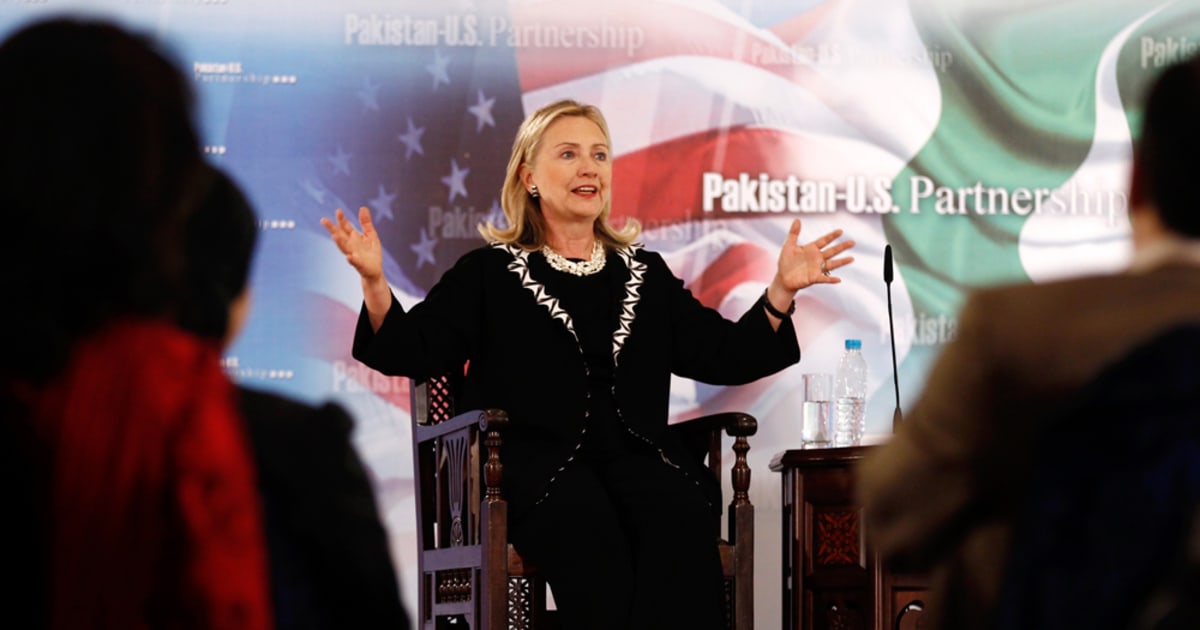
Anyway, there are other statements by Hillary Clinton, I think when she was the Sec. of State, on the floor of the US Congress, amounting to something like 'Let's not forget, we were part of what happened in Afghanistan/Pakistan and then we left them to fend for themselves' [Paraphrased].
 
You are a true gem to this forum and should be made a Moderator!
Every word you said here is true and Dawn.com has the archives available.
Appreciate the sentiment, but better people are at the helm than me.
 
Pun aside, foreign policy has the national security establishment involved as an equal partner. This happened with IK's "same page" policy where Gen Bajwa was doing FP for IK. All of IK's foreign trips were sorted out by the security establishment by visiting first, making the ground conducive to Khan sahib's visits (some of it had to be done as IK had annoyed the hosts and the jilted hosts had to be won over first.)

If I recall, countless editorials were written in Dawn about how the foreign policy had been surrendered by the then government to the establishment and that trend has continued. If there is a vacuum, someone is bound to fill it.
Only what foreign policy goals are there with a country known for destabilizing countries along with UAE? The people need to know. Qatar is from where Iran has been almost denuclearized. Qatar is where Taliban have it's middle east and US related office. Qatar is who jumped into save the Taliban last time and the Failed Martial sent his defense minister to sign a ceasefire with Taliban there that removed the word border from it. Ceasefire where we cease and they fire.

So what damage hase he brought Pakistan this time in this visit? People would like to know the purpose of this meeting
 
This 'snakes' narrative is so old and 'You so 2000 late', to quote from a famous song! ;)

You might be falling into the trap of Pakistan's domestic politics where a certain hypocrite Messiah Khan and his followers have been parroting a certain narrative like your post.

Anyway, there are other statements by Hillary Clinton, I think when she was the Sec. of State, on the floor of the US Congress, amounting to something like 'Let's not forget, we were part of what happened in Afghanistan/Pakistan and then we left them to fend for themselves' [Paraphrased].
I was commenting on the (lack of) newsworthiness of Economist story. The article seemed to be repeating well known facts as 'news'. This story will be rewritten in 2046 and may be even in 2066 as some major scoop.
 
This 'snakes' narrative is so old and 'You so 2000 late', to quote from a famous song! ;)

You might be falling into the trap of Pakistan's domestic politics where a certain hypocrite Messiah Khan and his followers have been parroting a certain narrative like your post.

Anyway, there are other statements by Hillary Clinton, I think when she was the Sec. of State, on the floor of the US Congress, amounting to something like 'Let's not forget, we were part of what happened in Afghanistan/Pakistan and then we left them to fend for themselves' [Paraphrased].
The first thing we need to do is stop being "apologetic" about anything we did. They were pointing fingers at us while trying to pick their favorites and lost out (this included the US, India, Iran, Russia etc. etc.). So it was a case of sour grapes. Once they lost, they played the spoilers by leaving all the hardware to support instability for years to come.

Pakistan did what made the most sense back then. Afghanistan was in turmoil after the Soviet invasion and then again after the American withdrawal. Pakistan made the best of what the situation was, some things worked out, others did not. Never forget the impact of other players and changing events on the policies of the past.
 
Last edited:
he first thing we need to do is stop being "apologetic" about anything we did.

I am not even apologetic about the 1971 events around East Pakistan! Some followers of Pakistan's new Mujib ur Rehman are lately trying to advance a certain narrative about 1971 but I know their motives.
No apologies!
 

Users who are viewing this thread

Latest Posts

Back
Top