Pakistan’s mobile internet gender gap narrows to 25% under digital push
800,000 women open digital wallets, 7 million SIMs distributed; WB supports CRISP targets in health, education and payments
By
Pakistan has reduced its mobile internet gender gap to 25% while the World Bank reaffirmed continued technical support for the Benazir Income Support Programme (BISP), as the government advanced parallel efforts on digital inclusion and social protection reforms.
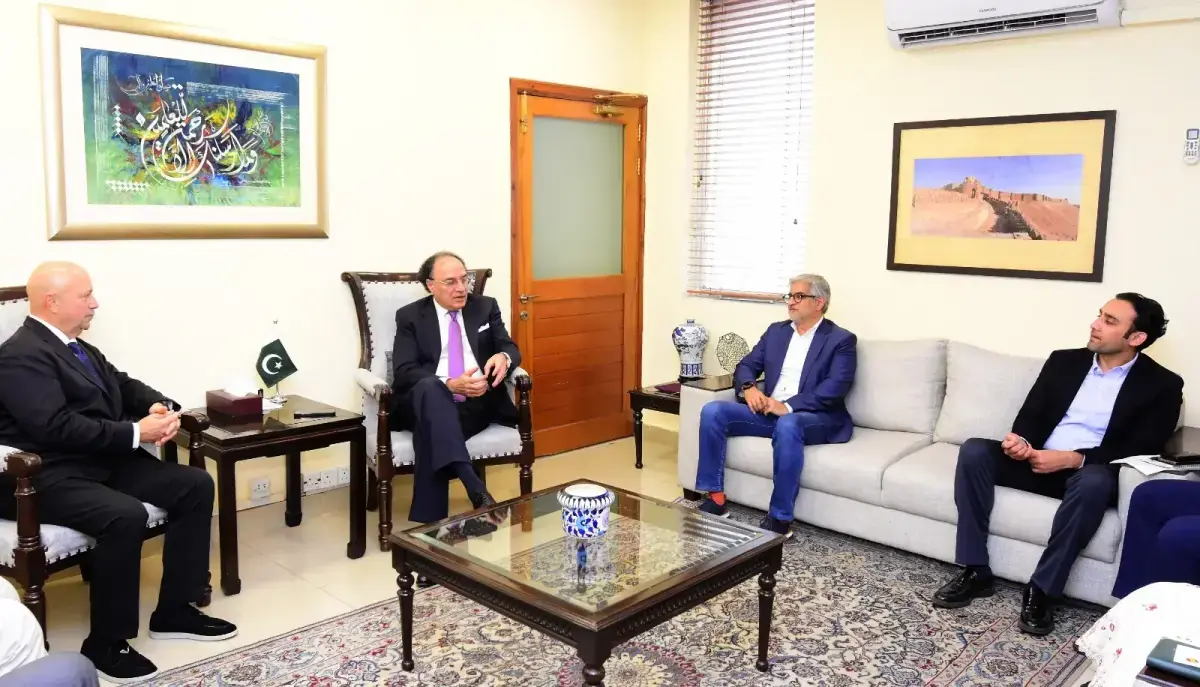
The progress on digital inclusion was reviewed at a meeting of the national steering committee for the Digitalisation for Women Economic Empowerment (D4WEE) programme, a 2024–2028 initiative funded by KOICA. The meeting, held at the UN Women Country Office, brought together government and private sector stakeholders to assess implementation and policy integration.
Officials said the programme aims to expand women’s access to digital services and strengthen their participation in the formal economy. The gender gap in mobile internet usage has declined from 36–38% last year to 25%, reflecting increased connectivity and access.
The government has facilitated the creation of more than 800,000 digital wallets for women through digital payment initiatives and distributed around seven million free SIMs to underserved women to expand access to financial and digital services.
Officials said increasing women’s participation in the digital economy is central to formalising economic activity, as a significant portion of Pakistan’s economy remains informal. Expanding digital access is expected to support workforce participation and improve productivity.
Separately, the World Bank reaffirmed its support for BISP during a wrap-up meeting of its Implementation Support Mission under the Crisis Resilient Social Protection (CRISP) programme held at BISP headquarters.
BISP management highlighted ongoing reforms aimed at improving transparency and efficiency, including updated survey questionnaires, strengthened monitoring through spot checks, the use of Proxy Means Test (PMT), and continuation of the recertification process for beneficiaries.
Officials stressed the need to enhance service delivery by incorporating beneficiary feedback and ensuring that support reaches eligible households.
The World Bank delegation presented progress on Disbursement Linked Indicators related to education, health and nutrition, noting that several targets have been achieved.
Discussions also covered the development of cloud-based data-sharing systems, a beneficiary-centric payment model and a hybrid social protection framework aimed at improving programme delivery.
The combined efforts on digital inclusion and social protection reflect a broader policy focus on expanding access to services, improving targeting mechanisms and strengthening institutional systems to support vulnerable populations.