


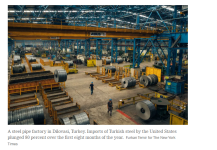
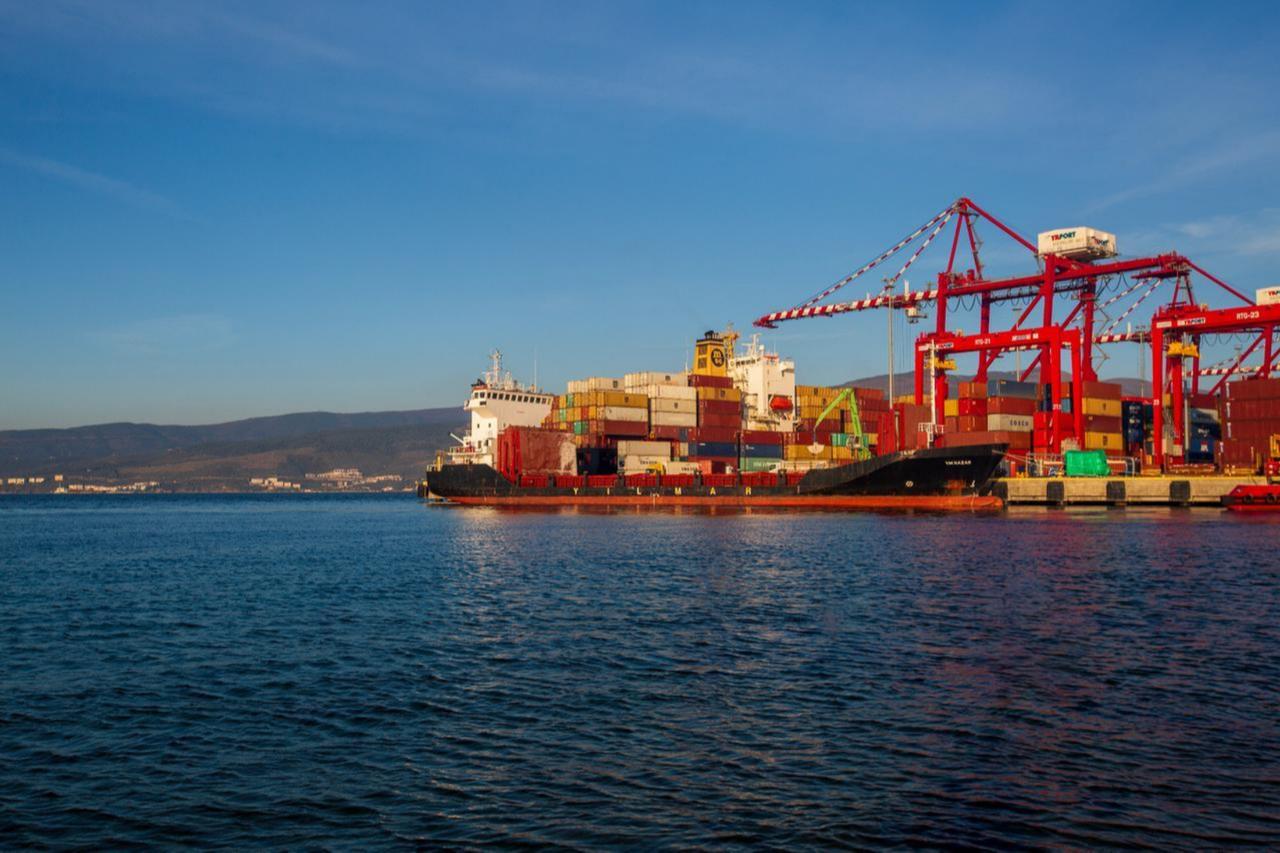
Is it really worth trading with Iran and risking restricted commerce with one of Türkiye’s most important trading partners? Türkiye’s trade with the United States is many times greater than its trade with Iran, yet continued business with Iran could trigger 25 percent tariffs that would cost the Turkish economy far more than any benefit gained. Iran is not economically indispensable: Azerbaijan can serve as an alternative supplier of natural gas, and Iranian products such as pistachios are hardly essential. From a strategic and economic standpoint, the United States is clearly the more valuable long-term partner
Turkish Economy - News & Updates
- Thread starter Eşbah
- Start date




 ..
..




Users who are viewing this thread
Pakistan Defence Latest
-
 KP govt backs out of counterterrorism commitments during talks: Naqvi (15 Viewers)
- Latest: Distant_Observer
-

-
-

-
Country Watch Latest
-

-
-
India Has Lost Air Superiority to Pakistan, No Jets Left to Fight (5 Viewers)
- Latest: White Privilege
-
-
Latest Posts
-
-
-
Trump talks to Putin, then announces diesel deal with Russia, in sharp reversal of US policy (43 Viewers)
- Latest: XXIV
-
Makkah Defence Alliance: Turkey, Saudi Arabia, and Pakistan, news & updates (46 Viewers)
- Latest: r3alist
-
KP govt backs out of counterterrorism commitments during talks: Naqvi (15 Viewers)
- Latest: Distant_Observer