MNZGamerX
Registered Member

Over 80 percent of India’s border with Bangladesh now falls under the direct rule of the BJP, which thrives on anti-migrant rhetoric.
By Snigdhendu Bhattacharya
May 21, 2026
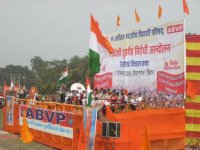
Over the past decade, leaders of India’s ruling BJP have often said that India would be able to permanently solve the problem of illegal migration from Bangladesh once the BJP formed a government in the eastern state of West Bengal, which borders Bangladesh.
On May 4, the BJP scripted a landslide victory in West Bengal and subsequently formed the government.
News of the BJP’s Bengal victory and return to power in neighboring Assam immediately triggered speculations in Bangladesh over the possibility of a fresh, even intensified drive to push alleged illegal Bangladeshi migrants into Bangladesh.
Five Indian states share borders with Bangladesh. Of them, West Bengal accounts for more than half of India’s 4,096.7 km-long border with Bangladesh. Assam and Tripura, which share borders of 263 km and 856 km, respectively, with Bangladesh, have been under BJP rule for nearly a decade. The party is also part of the ruling coalition in Meghalaya, which shares a 443-km border with Bangladesh. Only Mizoram, which shares a 318-km border with Bangladesh, does not have the BJP in power.
The Bengal victory brings over four-fifths of the India-Bangladesh border under direct BJP rule.
Since being named the BJP prime ministerial candidate in 2013, Modi put forward a new policy on migrants from Bangladesh, especially in the context of West Bengal and Assam. Hindus from Bangladesh are refugees, who deserve equal rights as all Indian citizens, he said, while Muslims are infiltrators, eating into the country’s resources. While the first must be accorded citizenship, the second should be expelled. This was formalized as the Citizenship Amendment Act, 2019, which grants citizenship to non-Muslim migrants from India’s Muslim-majority neighbors, i.e., Bangladesh, Pakistan, and Afghanistan.
The process of what is called “push-back” in India and “push-in” in Bangladesh is not new. It is an informal process, bypassing the formal diplomatic procedure, which is time-consuming. India had launched a drive formally named “Operation Pushback” in 1992, which was subsequently condemned by Amnesty International.
However, there was a rapid escalation in such push-backs after February 2025, especially after U.S. President Donald Trump started deporting planeloads of undocumented migrants, including to India.
Some of these people that India pushed into Bangladesh turned out to be Indians and were subsequently brought back. This “push-back” deepened anxieties and tension in India, especially in areas near the border.
Simultaneously, the government launched the controversial Special Intensive Revision of electoral rolls. Millions of people without documents were removed from electoral rolls because they were allegedly Bangladeshis who had entered India illegally. The assembly election in West Bengal was held without resolving disputes around 2.7 million voters who had challenged their deletions from the roll.
Earlier this year, Modi said that illegal immigration poses a serious threat to India’s security, social balance, and the rights of the poor and youth. Justifying the decision to send them to Bangladesh, he pointed out even the world’s most powerful democracies identify, detain, and deport illegal immigrants without facing questions on their democratic credentials.
Now that so many voters have been deleted from West Bengal’s voter roll, there are apprehensions in Bangladesh that the Indian government, with the support of the BJP governments in border states, will push the “illegal migrants” into Bangladesh. Voicing this concern, Bangladesh’s Home Minister Salahuddin Ahmed said that he hoped that no such incident of push-ins would happen. The Border Guard Bangladesh (BGB) has been instructed to remain vigilant along the frontier.
Bangladesh Foreign Minister Khalilur Rahman warned that Dhaka would respond firmly if push-in incidents increased. “If any kind of push-in incident occurs after the change of power in West Bengal, then Bangladesh will take appropriate measures,” he said.
In response, India’s Ministry of External Affairs (MEA) spokesperson Randhir Jaiswal said that the “core issue” was the repatriation of “illegal Bangladeshis” from India. “This obviously requires cooperation from Bangladesh. Over 2,862 cases of nationality verification are pending with Bangladesh, some for over five years,” he said, adding that India expects Dhaka to expedite the process for smooth repatriation.
Illegal immigration from Bangladesh has been a contentious issue for decades, particularly in Assam and parts of West Bengal. The BJP had made border security and deportation of undocumented migrants a key electoral promise. The recent electoral victories have emboldened the party to push these agendas more assertively at the state level. After taking charge, the new BJP chief minister of West Bengal, Suvendu Adhikari, said that “detection and deletion” had already been done — hinting at the SIR exercise — and the state government will soon start to “deport.”
Bangladesh, on the other hand, denies large-scale illegal migration. It has repeatedly protested alleged “push-ins” and demanded that India must follow the mutually agreed process for repatriation.
During its West Bengal campaign, the BJP repeatedly promised to throw undocumented migrants out of the border. Assam’s BJP chief minister, Himanta Biswa Sarma, too, has long maintained a hardline stance against illegal immigration and threatened to intensify the expulsion drive on illegal migrants once he returned to power.
Whether push-backs (or push-ins) will increase in the coming months remains a matter of speculation. However, the new BJP government has already started acting on one of its key border-related promises — finishing the fencing of the Bangladesh-India border.
Of the 2,216.7 km border that West Bengal shares with Bangladesh, 1,647.7 km was fenced as of August 2025. The Modi government had repeatedly alleged that the regional government in West Bengal was not cooperating in acquiring land for border fencing. After coming to power, West Bengal’s new government immediately instructed the beginning of the land acquisition process for the unfenced corridors. The work, however, will take months to finish.
Meanwhile, the BJP will have to show some visible action on their promised anti-migrant drive before the 2029 parliamentary election. On the other hand, Dhaka-based political observers feel that incidents of push-ins from India will help the opposition camp in Bangladesh to mount pressure on the Tarique Rahman-led Bangladesh Nationalist Party (BNP) government to confront India.
Bangladesh-India relations have only recently shown signs of improving after a tense 18 months under Bangladesh’s Muhammad Yunus-led interim government. In the first week of May, India’s Foreign Secretary Vikram Misri said that both India and Bangladesh’s new BNP government share a “general understanding” on gradually restoring institutional engagement.
“We are getting down to reactivating all tools of bilateral relations. Contacts are being made at the ministerial level,” Misri said.
Under such circumstances, how ruling parties in India and Bangladesh balance their internal political promises with diplomatic and security interests will shape politics around border management and migration in the coming months.
By Snigdhendu Bhattacharya
May 21, 2026
Over the past decade, leaders of India’s ruling BJP have often said that India would be able to permanently solve the problem of illegal migration from Bangladesh once the BJP formed a government in the eastern state of West Bengal, which borders Bangladesh.
On May 4, the BJP scripted a landslide victory in West Bengal and subsequently formed the government.
News of the BJP’s Bengal victory and return to power in neighboring Assam immediately triggered speculations in Bangladesh over the possibility of a fresh, even intensified drive to push alleged illegal Bangladeshi migrants into Bangladesh.
Five Indian states share borders with Bangladesh. Of them, West Bengal accounts for more than half of India’s 4,096.7 km-long border with Bangladesh. Assam and Tripura, which share borders of 263 km and 856 km, respectively, with Bangladesh, have been under BJP rule for nearly a decade. The party is also part of the ruling coalition in Meghalaya, which shares a 443-km border with Bangladesh. Only Mizoram, which shares a 318-km border with Bangladesh, does not have the BJP in power.
The Bengal victory brings over four-fifths of the India-Bangladesh border under direct BJP rule.
Since being named the BJP prime ministerial candidate in 2013, Modi put forward a new policy on migrants from Bangladesh, especially in the context of West Bengal and Assam. Hindus from Bangladesh are refugees, who deserve equal rights as all Indian citizens, he said, while Muslims are infiltrators, eating into the country’s resources. While the first must be accorded citizenship, the second should be expelled. This was formalized as the Citizenship Amendment Act, 2019, which grants citizenship to non-Muslim migrants from India’s Muslim-majority neighbors, i.e., Bangladesh, Pakistan, and Afghanistan.
The process of what is called “push-back” in India and “push-in” in Bangladesh is not new. It is an informal process, bypassing the formal diplomatic procedure, which is time-consuming. India had launched a drive formally named “Operation Pushback” in 1992, which was subsequently condemned by Amnesty International.
However, there was a rapid escalation in such push-backs after February 2025, especially after U.S. President Donald Trump started deporting planeloads of undocumented migrants, including to India.
Some of these people that India pushed into Bangladesh turned out to be Indians and were subsequently brought back. This “push-back” deepened anxieties and tension in India, especially in areas near the border.
Simultaneously, the government launched the controversial Special Intensive Revision of electoral rolls. Millions of people without documents were removed from electoral rolls because they were allegedly Bangladeshis who had entered India illegally. The assembly election in West Bengal was held without resolving disputes around 2.7 million voters who had challenged their deletions from the roll.
Earlier this year, Modi said that illegal immigration poses a serious threat to India’s security, social balance, and the rights of the poor and youth. Justifying the decision to send them to Bangladesh, he pointed out even the world’s most powerful democracies identify, detain, and deport illegal immigrants without facing questions on their democratic credentials.
Now that so many voters have been deleted from West Bengal’s voter roll, there are apprehensions in Bangladesh that the Indian government, with the support of the BJP governments in border states, will push the “illegal migrants” into Bangladesh. Voicing this concern, Bangladesh’s Home Minister Salahuddin Ahmed said that he hoped that no such incident of push-ins would happen. The Border Guard Bangladesh (BGB) has been instructed to remain vigilant along the frontier.
Bangladesh Foreign Minister Khalilur Rahman warned that Dhaka would respond firmly if push-in incidents increased. “If any kind of push-in incident occurs after the change of power in West Bengal, then Bangladesh will take appropriate measures,” he said.
In response, India’s Ministry of External Affairs (MEA) spokesperson Randhir Jaiswal said that the “core issue” was the repatriation of “illegal Bangladeshis” from India. “This obviously requires cooperation from Bangladesh. Over 2,862 cases of nationality verification are pending with Bangladesh, some for over five years,” he said, adding that India expects Dhaka to expedite the process for smooth repatriation.
Illegal immigration from Bangladesh has been a contentious issue for decades, particularly in Assam and parts of West Bengal. The BJP had made border security and deportation of undocumented migrants a key electoral promise. The recent electoral victories have emboldened the party to push these agendas more assertively at the state level. After taking charge, the new BJP chief minister of West Bengal, Suvendu Adhikari, said that “detection and deletion” had already been done — hinting at the SIR exercise — and the state government will soon start to “deport.”
Bangladesh, on the other hand, denies large-scale illegal migration. It has repeatedly protested alleged “push-ins” and demanded that India must follow the mutually agreed process for repatriation.
During its West Bengal campaign, the BJP repeatedly promised to throw undocumented migrants out of the border. Assam’s BJP chief minister, Himanta Biswa Sarma, too, has long maintained a hardline stance against illegal immigration and threatened to intensify the expulsion drive on illegal migrants once he returned to power.
Whether push-backs (or push-ins) will increase in the coming months remains a matter of speculation. However, the new BJP government has already started acting on one of its key border-related promises — finishing the fencing of the Bangladesh-India border.
Of the 2,216.7 km border that West Bengal shares with Bangladesh, 1,647.7 km was fenced as of August 2025. The Modi government had repeatedly alleged that the regional government in West Bengal was not cooperating in acquiring land for border fencing. After coming to power, West Bengal’s new government immediately instructed the beginning of the land acquisition process for the unfenced corridors. The work, however, will take months to finish.
Meanwhile, the BJP will have to show some visible action on their promised anti-migrant drive before the 2029 parliamentary election. On the other hand, Dhaka-based political observers feel that incidents of push-ins from India will help the opposition camp in Bangladesh to mount pressure on the Tarique Rahman-led Bangladesh Nationalist Party (BNP) government to confront India.
Bangladesh-India relations have only recently shown signs of improving after a tense 18 months under Bangladesh’s Muhammad Yunus-led interim government. In the first week of May, India’s Foreign Secretary Vikram Misri said that both India and Bangladesh’s new BNP government share a “general understanding” on gradually restoring institutional engagement.
“We are getting down to reactivating all tools of bilateral relations. Contacts are being made at the ministerial level,” Misri said.
Under such circumstances, how ruling parties in India and Bangladesh balance their internal political promises with diplomatic and security interests will shape politics around border management and migration in the coming months.