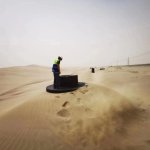
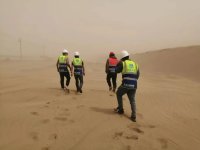
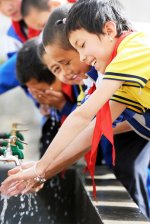
How China gets clean, safe drinking water to remote desert villges in Xinjiang
Beijingwalker

VIP Member
Joined
Nov 4, 2011
Messages
92,305
Reaction score
113,092
Reputation
2,119.7
Country of Origin
Country of Residence
How China gets clean, safe drinking water to remote desert villges in Xinjiang
To view this content we will need your consent to set third party cookies.
For more detailed information, see our cookies page.
 
2022-05-24 19:40:17
20220524ec9e9c5448b346ac8700d2ff45322e5f_c3eca7ad-d9d1-43d5-be59-030d296b0fc7.jpg

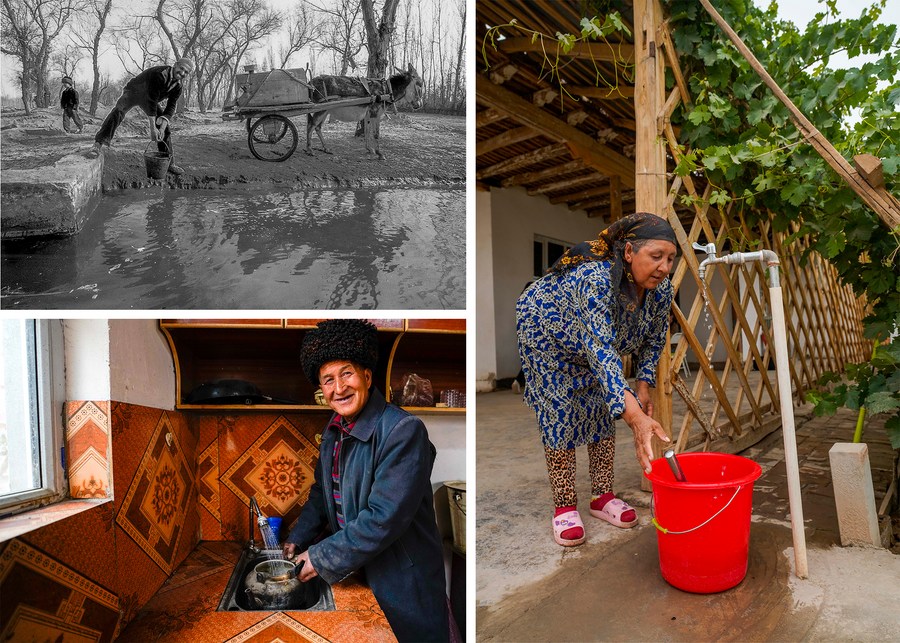
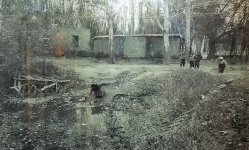
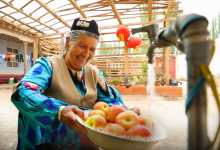
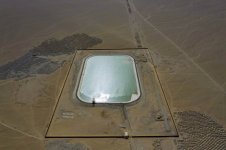
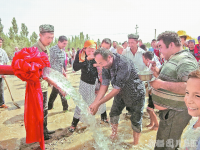
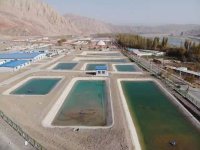
TOP LEFT: A farmer gets water from an artificial water storage pool in Cele County of Hotan Prefecture, northwest China's Xinjiang Uygur Autonomous Region in the 1990s. (File photo taken by Shen Qiao)

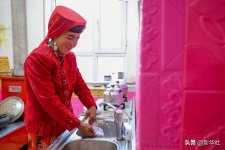
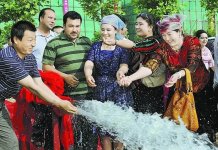
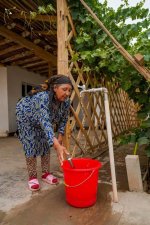
BOTTOM LEFT: Abdukerem Turdi, a villager from an officially registered poor household, shows home access to tap water in Qushou Village of Moyu County, Hotan Prefecture, Xinjiang Uygur Autonomous Region, Nov. 21, 2019. (Photo taken by Zhao Ge)

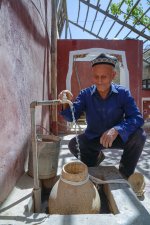
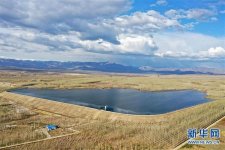
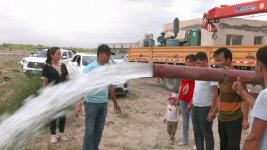
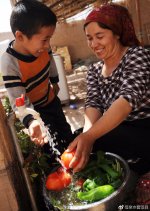
RIGHT: A local villager collects tap water diverted from an improved water conservancy project in Jambaz Township of Jiashi County, Kashgar, Xinjiang Uygur Autonomous Region, June 8, 2020. (Photo taken by Zhao Ge) (Xinhua)

URUMQI, May 24 (Xinhua) -- Drinking gourd, buckets and giant clay jars -- Nurbiya Aikmu still remembers the various water vessels she had seen at her grandfather's old home as a child.
"In those days, every household had such vessels to hold water, but they are all antique now," said Nurbiya Aikmu, who was born in the 1990s in Payzawat County, northwest China's Xinjiang Uygur Autonomous Region.

This county was once plagued by a dearth of water resources.

"My grandpa told me that the water he drank was salty and bitter, and the process of transporting water was excruciating, as people had to carry water using poles or donkeys. Water in the lower areas was contaminated and appeared brown or green, while during the dry seasons, the water was full of litter, tadpoles and insects and it must be filtered with gauze before drinking," she recalled.

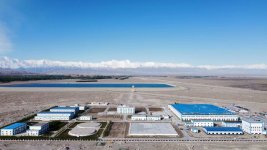
To ensure the safety of drinking water in the rural areas, Xinjiang has launched a series of major water conservancy projects and has upgraded its water conservancy infrastructure over the past decade.

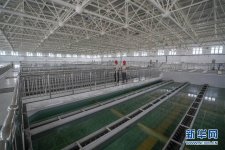
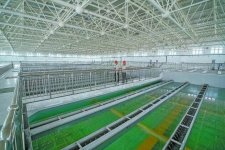
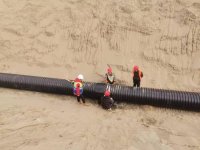
In May 2020, a drinking water safety project with an investment of 1.75 billion yuan (about 262.3 million U.S. dollars) was completed in Payzawat County. A 1,827-km pipeline network began transporting water to residents across the county. "We are fortunate to have access to clean and pure water," Nurbiya Aikmu said.

During the 13th Five-Year Plan period (2016-2020), Xinjiang executed more than 1,400 drinking water projects, solving or improving the problem of safe drinking water for 1.52 million rural residents, including those living in desert hinterlands and remote alpine areas.

"Since the government installed smart water meters for each household last year, I can check my water bill and water pipe failure information through my mobile phone," said Mehmut Memet, from Hexie Village in Chasmiqiti Township of Yecheng County.

"Our life has become sweeter as we have access to clean drinking water," added Mehmut Memet, who is among the beneficiaries.

Xinjiang has nearly 1,300 centralized rural water supply projects, providing water to almost 13.2 million people. The tap water penetration rate of the region has reached 97.5 percent, according to the regional drinking water authorities. ■

 
2022-05-24 19:40:17
20220524ec9e9c5448b346ac8700d2ff45322e5f_c3eca7ad-d9d1-43d5-be59-030d296b0fc7.jpg

TOP LEFT: A farmer gets water from an artificial water storage pool in Cele County of Hotan Prefecture, northwest China's Xinjiang Uygur Autonomous Region in the 1990s. (File photo taken by Shen Qiao)

BOTTOM LEFT: Abdukerem Turdi, a villager from an officially registered poor household, shows home access to tap water in Qushou Village of Moyu County, Hotan Prefecture, Xinjiang Uygur Autonomous Region, Nov. 21, 2019. (Photo taken by Zhao Ge)

RIGHT: A local villager collects tap water diverted from an improved water conservancy project in Jambaz Township of Jiashi County, Kashgar, Xinjiang Uygur Autonomous Region, June 8, 2020. (Photo taken by Zhao Ge) (Xinhua)

URUMQI, May 24 (Xinhua) -- Drinking gourd, buckets and giant clay jars -- Nurbiya Aikmu still remembers the various water vessels she had seen at her grandfather's old home as a child.
"In those days, every household had such vessels to hold water, but they are all antique now," said Nurbiya Aikmu, who was born in the 1990s in Payzawat County, northwest China's Xinjiang Uygur Autonomous Region.

This county was once plagued by a dearth of water resources.

"My grandpa told me that the water he drank was salty and bitter, and the process of transporting water was excruciating, as people had to carry water using poles or donkeys. Water in the lower areas was contaminated and appeared brown or green, while during the dry seasons, the water was full of litter, tadpoles and insects and it must be filtered with gauze before drinking," she recalled.

To ensure the safety of drinking water in the rural areas, Xinjiang has launched a series of major water conservancy projects and has upgraded its water conservancy infrastructure over the past decade.

In May 2020, a drinking water safety project with an investment of 1.75 billion yuan (about 262.3 million U.S. dollars) was completed in Payzawat County. A 1,827-km pipeline network began transporting water to residents across the county. "We are fortunate to have access to clean and pure water," Nurbiya Aikmu said.

During the 13th Five-Year Plan period (2016-2020), Xinjiang executed more than 1,400 drinking water projects, solving or improving the problem of safe drinking water for 1.52 million rural residents, including those living in desert hinterlands and remote alpine areas.

"Since the government installed smart water meters for each household last year, I can check my water bill and water pipe failure information through my mobile phone," said Mehmut Memet, from Hexie Village in Chasmiqiti Township of Yecheng County.

"Our life has become sweeter as we have access to clean drinking water," added Mehmut Memet, who is among the beneficiaries.

Xinjiang has nearly 1,300 centralized rural water supply projects, providing water to almost 13.2 million people. The tap water penetration rate of the region has reached 97.5 percent, according to the regional drinking water authorities. ■

Kudos for such initiatives. GoC must be commended and emulated for its dedication to eradicate poverty

The village seems very serene and beautiful, hope to visit it one day and experience its beauty
 
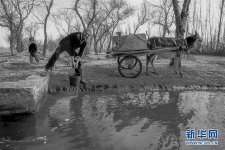
Getting water in old days, long journey on donkey wagon

1112453635793518592.jpg
1112453666873311232.jpg
调整大小 1126122014_15923077859411n.jpg
1112453722657554432.jpg
 
Last edited:
Safegurarding clean, safe water to every household in remote desert villages in Xinjiang

00351798138_ae4a3228.png
W020230321740211680205.jpeg调整大小 1126122014_15923086491461n.jpg调整大小 1126122014_15923086077951n.jpg调整大小 调整大小 u=1136886295,3704892546&fm=253&fmt=auto&app=138&f=JPEG_proc.jpg
调整大小 W020230701815438345576.jpg
 
Clean, safe water in the Xinjiang desert
139188358_15938584472471n.jpg
调整大小 W020220930628812455437.png
调整大小 8f624975c833423db1f506088808bc5d.jpg
 
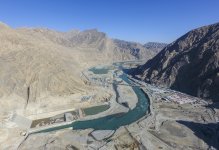
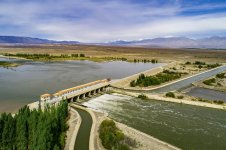
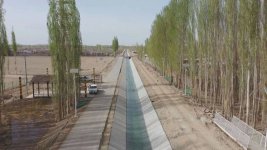
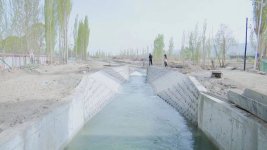
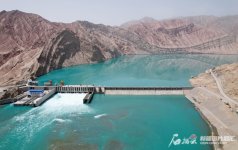
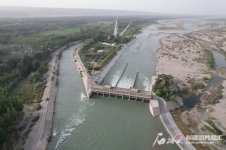
Water being carried to desert villages from primal glaciers of the Tianshan mountains hundreds of miles away, the most pristine water in the world.

调整大小 1000_proc.jpg调整大小 f44d30758a2f200b37fe5f.jpg2105180941429841336.jpg调整大小 v2-6628aa5aa8dc76690390c5d875024b5c_r.jpg调整大小 调整大小 00351798137_8e8b33b7.png调整大小 W020220622411982127449.jpg
 
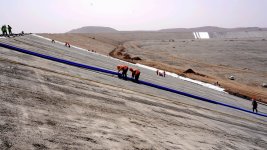
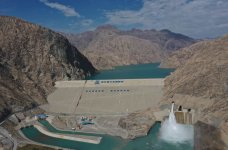
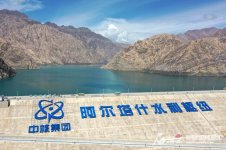
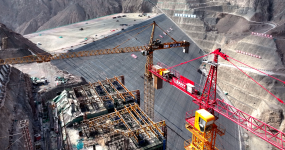
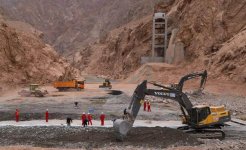
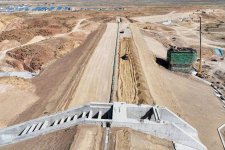
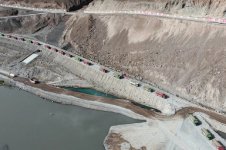
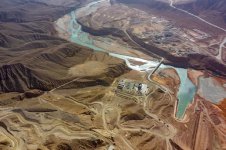
Tens of billions investment, getting water to the heartland of the desert, Altash Water Conservancy Project.

调整大小 44.jpeg
调整大小 2212081622310498001.jpgW020220628621206437405.jpeg5dd4fe7be4b0ab2809665954.jpegA22B83A6F049FEA71A3E95E0B279FA7DD99CF9DC_size158_w1280_h960.jpeg
 
Tens of billions investment, getting water to the heartland of the desert

45fd1e04-40d5-486c-810e-fc60d1a27c00.png调整大小 89201c8d8e2f4d9b905d5c448c542128.jpeg调整大小 6ea30577642d49249f1df6766ca02fec.jpeg
f536034d734048d9a507edcd8541f5e5.jpeg
 
Evil CCP, genocides the glacier waters and wastes them on poor desert villagers
 
Haters repeatedly cry about CCP this and CCP that, but when it comes to the single greatest and fastest development and growth in the whole human history, they instantly stop talking about CCP.
 
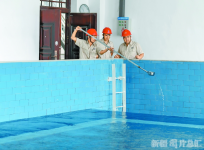
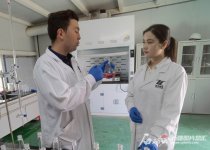
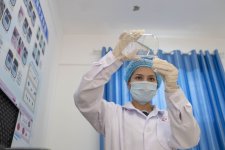
Mihrigul Yasen, a staff member of Yutian County Rural Drinking Water Quality Testing Center, tests water samples sent from the water plant.
00351227731_f97bbeee.png
675.jpg670.jpg673.jpg调整大小 W020230324484102048731.jpegW020230324484862484108.jpeg
 

Users who are viewing this thread

Pakistan Defence Latest

Country Watch Latest

Latest Posts

Back
Top