Beijingwalker
VIP Member

Huawei debuts world's largest R&D center in Shanghai that is larger than Apple Park and Microsoft HQ combined
The center will house more than 35,000 scientists and engineers
By Skye Jacobs July 15, 2024 at 10:03 AM
IN BRIEF: Huawei's R&D activities have taken a hit from the international sanctions imposed on the company, particularly by the US. Revenues have fallen, likely resulting in a cut to its innovation budget. In response, it's been forced to develop a domestic supply chain and alternative technologies, further diverting financial resources away from R&D. The company appears to be placing significant hopes in its newly opened R&D center, a massive 2,600-acre park that will house more than 35,000 scientists and engineers.
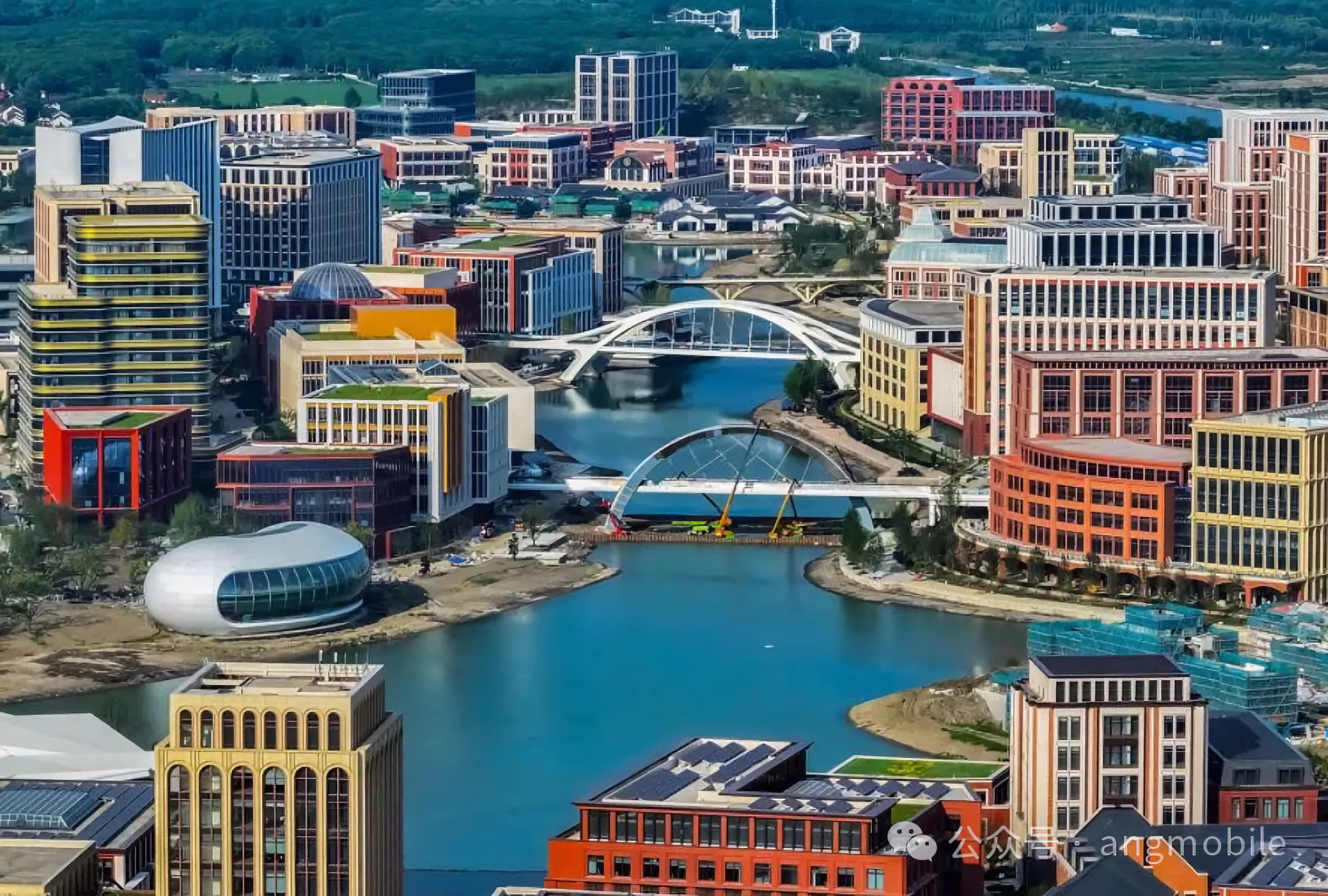
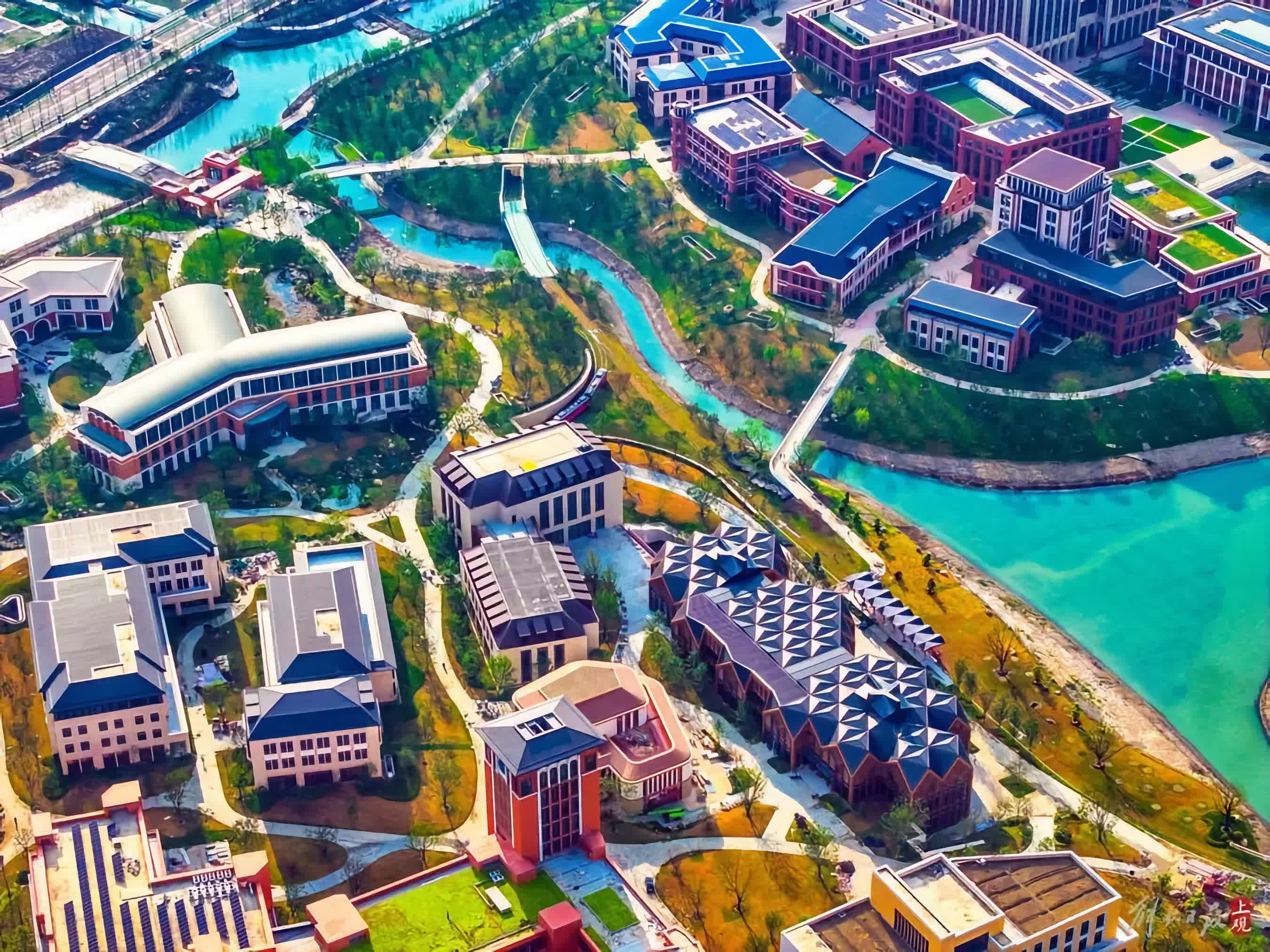
After three years of construction, Huawei's largest R&D center in the world has opened its doors in Shanghai, marking a major milestone for the company's research and development efforts in China. Called the Huawei "Lianqiu Lake" R&D Center, it stretches over 2,600 acres – a massive area that is larger than Apple Park and the Microsoft Redmond Campus combined – and cost the company 10 billion yuan to develop.

The R&D center is located in the Shanghai Science and Technology Innovation Center, a major initiative by the city of Shanghai to establish itself as a global leader in scientific and technological innovation by 2025.
The center is designed to accommodate over 35,000 Huawei scientists, engineers, and other personnel. It is divided into eight districts and will have roads, trains, and elevated overpasses to connect them.
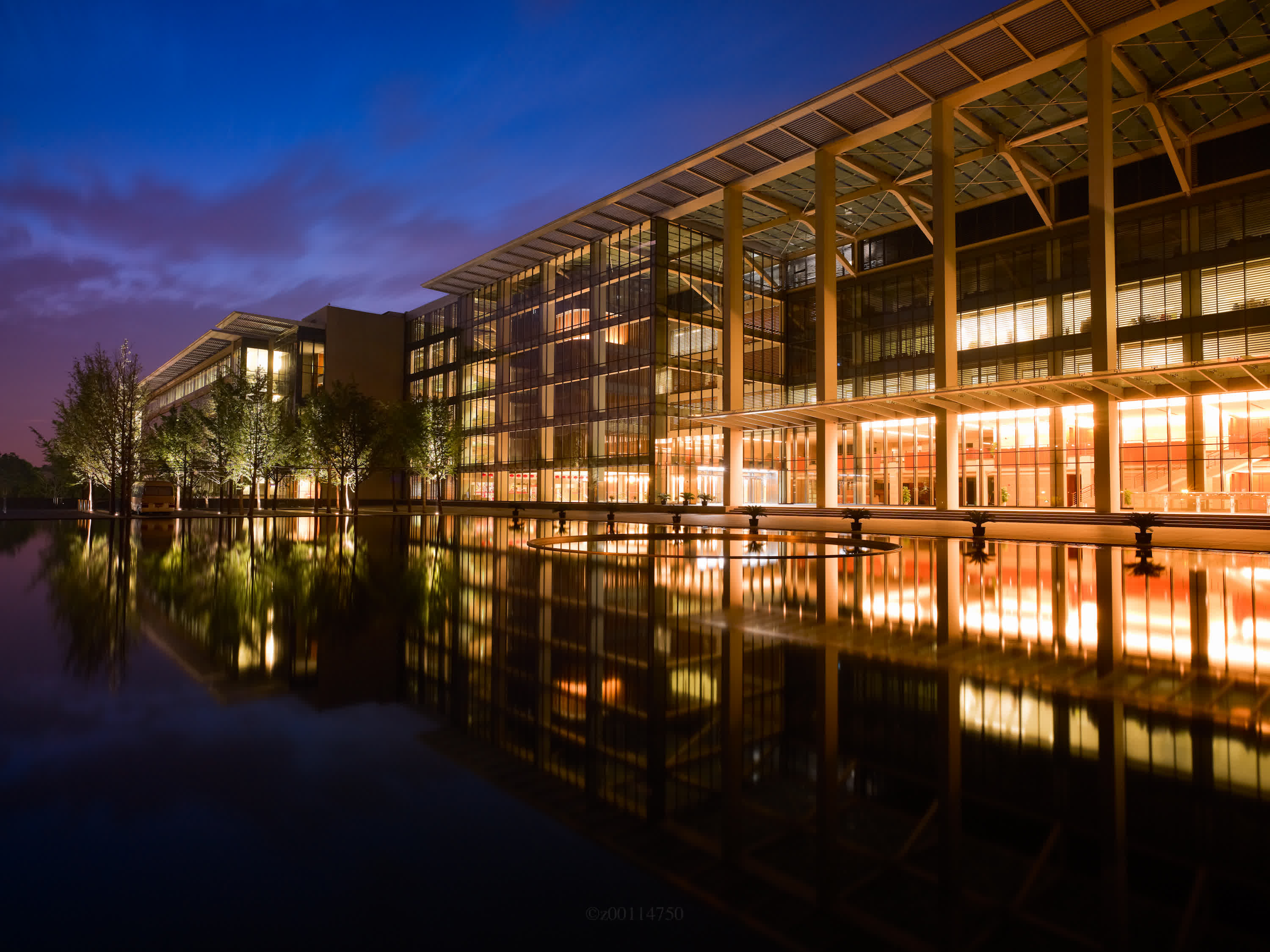
Consolidating its research and development activities into one location is expected to significantly boost the company's innovation capabilities, with plans to focus on several key research areas. These include the development of Huawei's in-house semiconductor designs and chips, research on advanced wireless communication systems, including 5G-A and 6G technologies, and continued work in Huawei's mobile device technologies and products.
Other research performed at the center will be related to smart vehicles and automotive solutions, as well as the exploration of technologies in digital energy systems and solutions.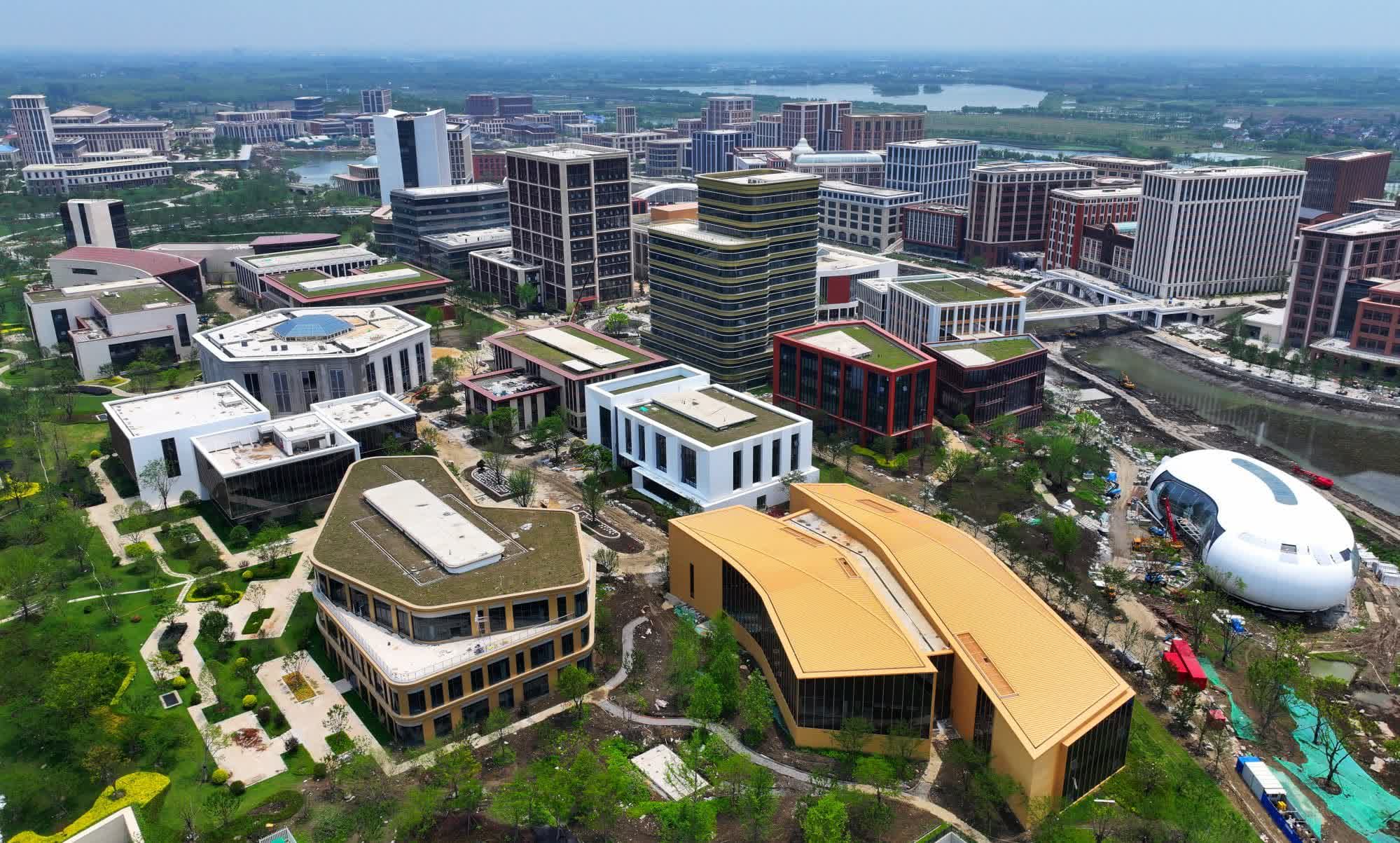
The consolidation of these research efforts has become crucial for Huawei, which has been hampered by international sanctions and restrictions, particularly those imposed by the US.
For example, one of the most severe impacts the company has experienced has been the restriction on access to advanced semiconductors – a perilous development for world's largest provider of 5G networks and a leader in sales of telecommunications equipment.
In 2020, TSMC, which supplied over 90% of Huawei's smartphone chips, halted business with Huawei due to US export controls, a move that eventually forced Huawei to exit entire business lines that relied on advanced semiconductors.
The restrictions also led to a significant drop in Huawei's revenue, which fell by 23% from 2019 to 2021 – a decline that likely affected the company's ability to invest in R&D activities.
The sanctions have also limited Huawei's ability to collaborate with international partners and participate in global research initiatives – another factor that likely slowed down its innovation processes. To counter the effects of sanctions, Huawei has had to invest heavily in developing a domestic supply chain and alternative technologies, diverting resources from other R&D areas.