Beijingwalker
VIP Member

- Thread starter
- #31
Huawei staff arrive at new mega-campus, hub of China’s tech drive
Story by Wency Chen• 7h
The sprawling research and development complex is set to play an important role in the nation's push towards self-reliance
Huawei Technologies has opened a massive campus in a suburb of Shanghai, which serves as a base to promote innovations for China's technology self-sufficiency drive, as the company demonstrates its resilience under US sanctions.
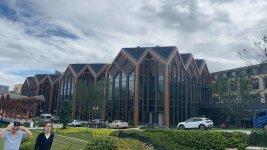
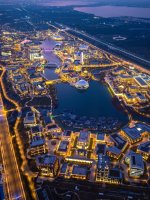
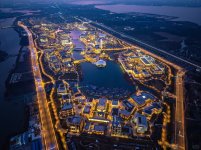
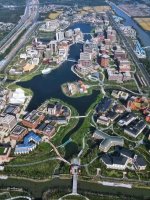
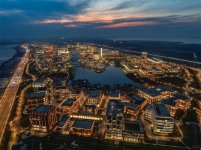
The Lianqiu Lake campus, which boasts a floor area more than 10 times larger than that of Alphabet's Googleplex headquarters in Mountain View, California, is set to house around 35,000 researchers, according to Huawei.
While the first batch of employees arrived on October 14, only two blocks were occupied when the Post paid a visit this week, leaving most of the spacious complex empty.
Do you have questions about the biggest topics and trends from around the world? Get the answers with SCMP Knowledge, our new platform of curated content with explainers, FAQs, analyses and infographics brought to you by our award-winning team.
Some 20,000 employees are expected to arrive around Lunar New Year in February, with the workforce growing to 30,000 by the end of 2026, according to a report from Chinese media outlet The Paper, citing a district official.
Huawei did not respond to an inquiry on when the new centre will be fully staffed.
The 2 million-square-metre (21.5 million-square-foot) research and development centre is set to play an important role for Huawei - which already has campuses in Dongguan and Shenzhen in southern Guangdong province - as well as for China, which is pushing for breakthroughs in chips and other areas.
Shanghai HiSilicon Technologies, Huawei's semiconductor arm, is registered in Shanghai's Qingpu district, home to the new campus.
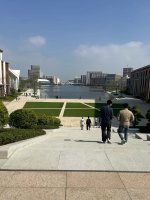
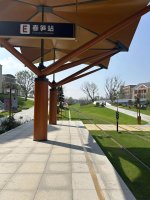
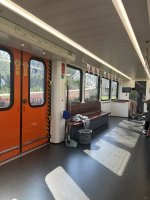
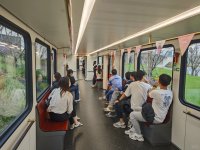
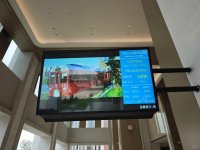
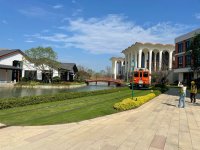
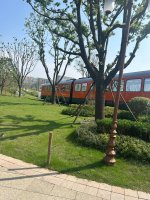
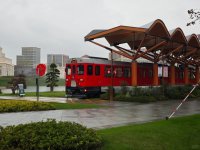
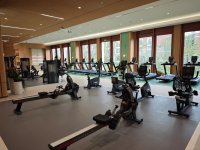
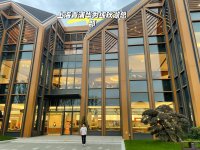
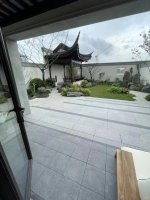
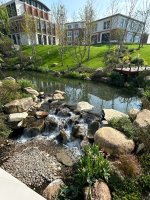
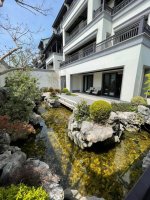
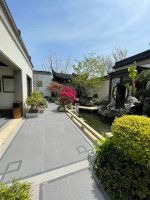
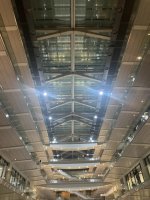
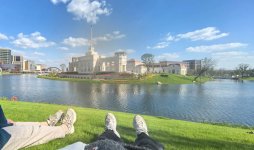
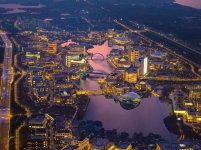
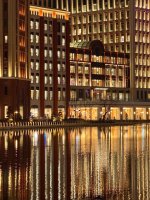
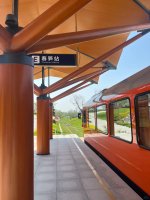
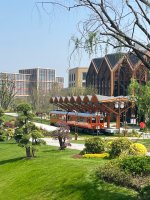
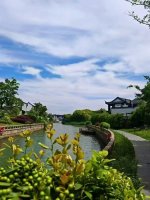
The campus, over 70 kilometres (43 miles) from Huawei's existing base in Shanghai's Pudong district, completed construction in June. It includes eight blocks of buildings painted in muted shades of brown and beige, as well as various amenities, including dining halls and fitness centres. Shuttle buses, electric bicycles and trams provide transport across the sprawling 160-hectare (395-acre) complex, studded with lakes and bridges.
In a show of official support, Qingpu authorities have launched several new bus routes for Huawei staff, and a nearby subway station is under construction.

Trams provide transport on Huawei's sprawling new campus. Photo: Wency Chen
In a company meeting in 2021, Huawei founder Ren Zhengfei described the campus as a scenic and appealing workplace, and a magnet for top talent, such as foreign scientists. "It's ideal for modern young professionals," he was quoted as saying by state broadcaster China Central Television.
The influx of tech workers in Qingpu has sharply raised rents and property prices near the Huawei campus, bucking a nationwide downturn in the real estate market. Monthly rents for a three-bedroom flat in the closest residential block exceed 6,000 yuan (US$841), nearly double the rate a year ago.
Huawei has emerged as a champion of China's self-reliance drive, aimed at reducing dependence on foreign technology. The company is a leading provider of home-grown alternatives to Nvidia's artificial intelligence processors, such as the Ascend 910B, which Huawei claims is on a par with Nvidia's A100 chip. Huawei has been testing the next-generation 910C and sending them to major Chinese clients.
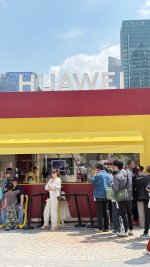
Last year, Huawei made a surprise comeback in the 5G smartphone market with its Mate 60 series, equipped with advanced chips.
On Tuesday, the company launched the latest version of its self-developed mobile operating system, HarmonyOS. At the event, Richard Yu Chengdong, chairman of Huawei's consumer business group, said that sales of the firm's flagship handsets surged 71 per cent year on year in the first three quarters.