MMM-E
Elite Member

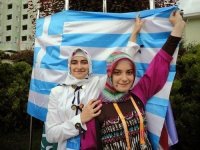
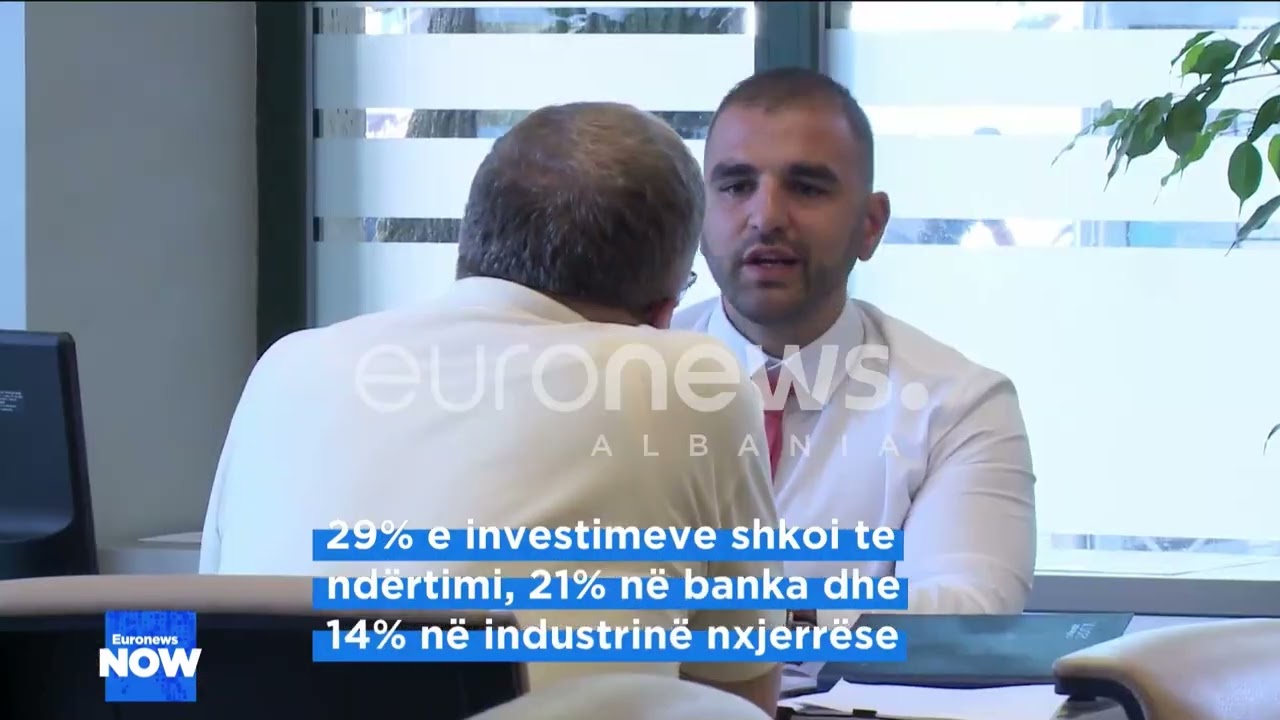
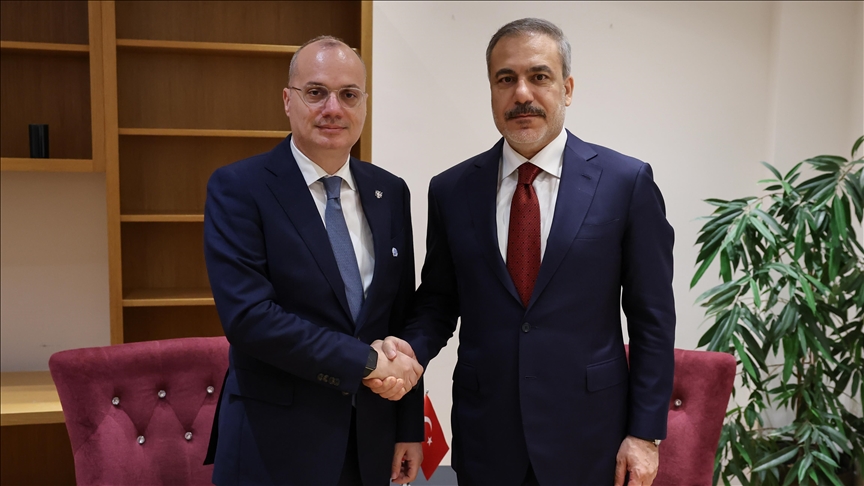
The Balkans is a priority for Türkiye not only from the political, economical and geographical perspectives, but also due to its historical, cultural and human ties with the region.
Being itself a Balkan country, Türkiye attaches great importance to its bilateral relations with the Balkan countries and maintains good relations with all of them. Our bilateral relations with these countries are based on the principles of respect for independence, sovereignty and territorial integrity and non-intervention into internal affairs and further developed on the basis of our historical ties and the principle of good neighborliness.
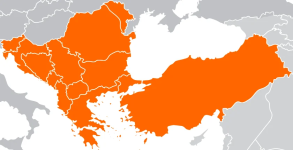
POPULATION
Turkiye : 85,3 million
Balkan Countries : Total of 70 million
Romania : 19 million
Greece : 10,3 million
Hungary : 9,6 million
Serbia : 6,6 million
Bulgaria : 6,4 million
Croatia : 3,8 million
Bosnia and Herzegovina : 3,2 million
Albania : 2,7 million
Moldavia : 2,5 million
Slovenia : 2,1 million
North Macedonia : 1,8 million
Kosovo : 1,5 million
Montenegro : 616,177
ECONOMY ( GDP Nominal )
Turkiye : $1,344 trillion
Balkan Countries : Total of $1,318 trillion
Romania : $380 billion
Greece : $252 billion
Hungary : $228 billion
Bulgaria : $108 billion
Croatia : $89 billion
Serbia : $82 billion
Slovenia : $73 billion
Bosnia and Herzegovina : $29 billion
Albania : $25 billion
Moldavia : $18 billion
North Macedonia : $15 billion
Kosovo : $11 billion
Montenegro : $8 billion
Turkiye's influence in the Western Balkans
Priority countries: Albania, Kosovo , Bosnia and Herzegovina
Turkiye's influence in the Western Balkans remains mainly based on
cultural and educational programmes offered to those countries with a large Muslim community and steadily developing trade.
Being itself a Balkan country, Türkiye attaches great importance to its bilateral relations with the Balkan countries and maintains good relations with all of them. Our bilateral relations with these countries are based on the principles of respect for independence, sovereignty and territorial integrity and non-intervention into internal affairs and further developed on the basis of our historical ties and the principle of good neighborliness.
Etymology
The origin of the word Balkan is obscure; it may be related to Turkish bālk 'mud' (from Proto-Turkic *bal 'mud, clay; thick or gluey substance', cf. also Turkic bal 'honey'), and the Turkish suffix -an 'swampy forest' . It was used mainly during the time of the Ottoman Empire. In both Ottoman Turkish and modern Turkish, balkan means 'chain of wooded mountainsPOPULATION
Turkiye : 85,3 million
Balkan Countries : Total of 70 million
Romania : 19 million
Greece : 10,3 million
Hungary : 9,6 million
Serbia : 6,6 million
Bulgaria : 6,4 million
Croatia : 3,8 million
Bosnia and Herzegovina : 3,2 million
Albania : 2,7 million
Moldavia : 2,5 million
Slovenia : 2,1 million
North Macedonia : 1,8 million
Kosovo : 1,5 million
Montenegro : 616,177
ECONOMY ( GDP Nominal )
Turkiye : $1,344 trillion
Balkan Countries : Total of $1,318 trillion
Romania : $380 billion
Greece : $252 billion
Hungary : $228 billion
Bulgaria : $108 billion
Croatia : $89 billion
Serbia : $82 billion
Slovenia : $73 billion
Bosnia and Herzegovina : $29 billion
Albania : $25 billion
Moldavia : $18 billion
North Macedonia : $15 billion
Kosovo : $11 billion
Montenegro : $8 billion
Turkiye's influence in the Western Balkans
Priority countries: Albania, Kosovo , Bosnia and Herzegovina
Turkiye's influence in the Western Balkans remains mainly based on
cultural and educational programmes offered to those countries with a large Muslim community and steadily developing trade.
Last edited by a moderator: