C
Cash gk
Guest
The Long War Against the Muslim World: A Century of Crusades and Zionism
The fall of the Ottoman Empire in 1924 marked the beginning of a carefully orchestrated campaign against the Muslim world. With the caliphate dismantled, the stage was set for a century-long strategy of fragmentation, occupation, and domination by Western powers and Zionist forces. This war has not only targeted Muslim nations individually but has also weaponised them against one another, creating a cycle of internal destruction. The goal is clear: the total subjugation of the Muslim world.
The Method: Using Muslim Countries to Destroy Each Other
The strategy is insidious—divide and conquer. Muslim nations have been manipulated into fighting each other, destabilising the region from within. This method ensures that the Muslim world remains too fragmented to resist external domination. Countries like Saudi Arabia, historically aligned with Western interests, have played a key role in this scheme. By supporting or directly aiding invasions, they have contributed to the downfall of their fellow Muslim nations, often unaware that their turn will come eventually.
Similarly, Pakistan’s military has often been referred to as a “missionary army” serving Western interests. Supported and funded by powerful Western countries under the guise of security cooperation, it has been used to suppress Islamic resistance within the region and destabilise other Muslim nations. However, this alignment comes at a heavy cost. History shows that nations serving foreign agendas are eventually discarded once their usefulness is exhausted. Pakistan’s turn will inevitably come as part of this broader strategy.
A Chronology of Invasions
1. Palestine (1948): The establishment of Israel marked the first major invasion of the Muslim world, leading to the displacement of millions and decades of conflict.
2. Afghanistan (1979–2021): Afghanistan, the heart of Muslim resistance, faced relentless invasions from the Soviet Union and later the United States. The country became a battleground for proxy wars, leaving its society fractured and its infrastructure devastated.
3. Iraq (2003): Under false pretences, Iraq was invaded, dismantling its infrastructure and leaving it in perpetual chaos.
4. Libya (2011): The ousting of Gaddafi plunged Libya into civil war and lawlessness, making it another victim of Western intervention.
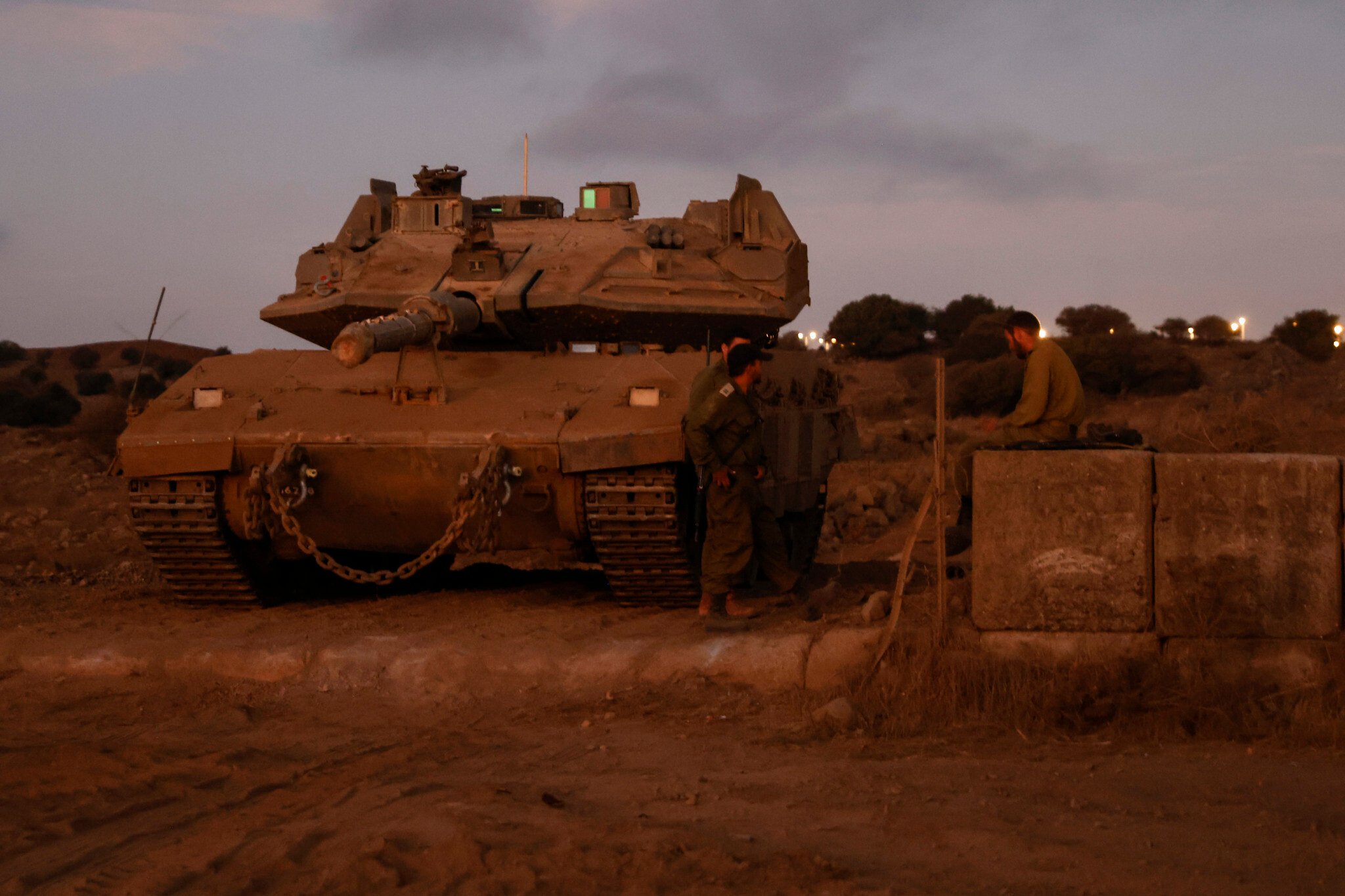
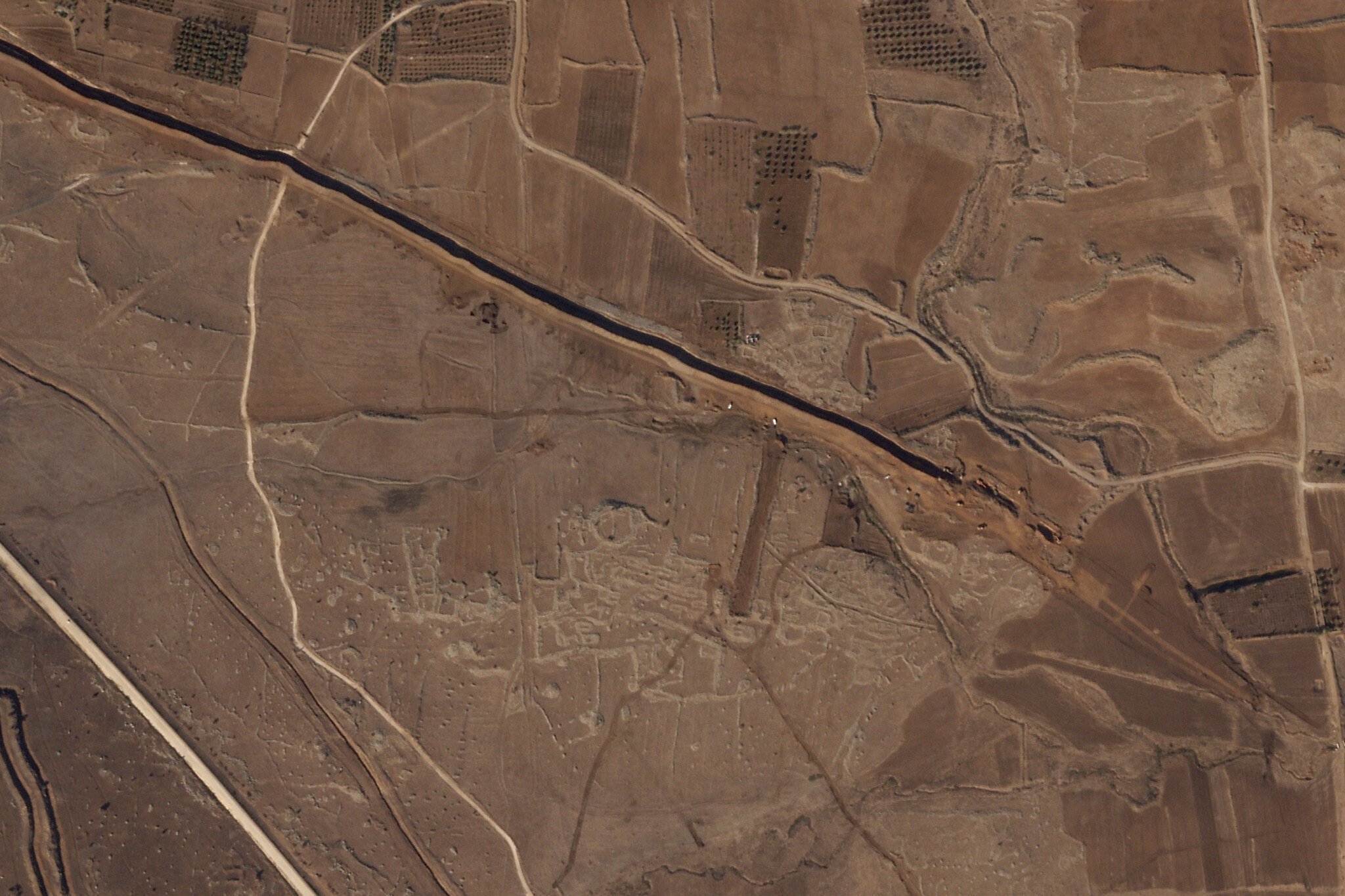
5. Syria (2011–present): Syria has been torn apart by a civil war fuelled by foreign powers, with Israel now launching ground incursions into its territory.
6. Yemen (2015–present): Yemen has been ravaged by a brutal civil war and foreign intervention, primarily led by Saudi Arabia and its allies. The resulting humanitarian crisis, one of the worst in modern history, has left millions starving and displaced.
7. Somalia (1991–Present): Strategically located on the Arabian Sea, Somalia’s collapse into civil war and piracy has ensured the destabilisation of a key Muslim state with significant maritime importance.
8. Jordan and Smaller States: Quiet economic and political domination have rendered these nations pliant and ineffective on the global stage.
9. Pakistan (1971–Ongoing): Pakistan was broken into two pieces with the creation of Bangladesh in 1971, a direct result of foreign meddling and internal betrayal. The nation continues to face internal destabilisation and external pressure.
10. Iran (Ongoing): Isolated and targeted through sanctions and covert operations, Iran remains a defiant target of this campaign.
11. Turkey (Ongoing): As the successor to the Ottoman Empire, Turkey is a key player in this equation. Despite its growing assertiveness, it faces pressure from all sides to align with Western and Zionist agendas.
Yemen: The Forgotten War
Yemen, historically known as the “land of wisdom,” has become the stage for another devastating chapter in the long war against the Muslim world. Since 2015, a brutal civil war has engulfed the nation, exacerbated by Saudi-led coalition airstrikes and foreign interference. The country’s geostrategic position near the Bab-el-Mandeb Strait, a critical maritime chokepoint connecting the Red Sea to the Gulf of Aden, makes it a prime target for control by global powers.
The conflict has not only devastated Yemen’s infrastructure but has also created a humanitarian crisis of catastrophic proportions. Millions of Yemenis face starvation, disease, and displacement, with international powers exploiting the suffering to further their agendas. Yemen’s destruction weakens the Muslim world’s southern flank and serves as a stark reminder of the devastating impact of internal divisions and foreign manipulation.
Syria: A Blessed Land
Syria holds a special place in Islamic tradition. The Prophet Muhammad (peace be upon him) referred to it as a land of immense blessings and significance. He said:
• You will find groups from my Ummah stationed in Greater Syria (Sham), holding fast to the truth, and they will not be harmed by those who oppose them until the Hour begins.” (Sunan al-Tirmidhi, Hadith 2192)
• Blessed is Al-Sham (Syria).” The companions asked, “Why is that, O Messenger of Allah?” He replied, “Because the angels of Allah spread their wings over it.” (Sunan al-Tirmidhi, Hadith 3954)
• If the people of Syria are corrupted, there is no good in you, but a group from my Ummah will remain victorious and on the truth until the Hour begins.” (Sunan al-Tirmidhi, Hadith 2225)
These prophetic sayings highlight Syria’s centrality in the struggle for truth and justice in the Muslim world. The ongoing conflict there is a continuation of this greater narrative—a battle for the heart of the Muslim Ummah.
Saudi Arabia: A Double-Edged Sword
Since its inception, Saudi Arabia’s elders have played a pivotal role in this strategy. It was instrumental in the fall of the Ottoman Empire and later provided support to Western powers in their campaigns against Iraq, Syria, and Palestine. However, Saudi Arabia is not immune. Its turn will come as part of the final phase of this strategy. Once it has outlived its usefulness, it too will be targeted for destabilisation and subjugation.
The Endgame: Total Termination of the Muslim World’s Unity
The ultimate goal of this campaign is the complete destruction of any unified Muslim resistance. By the time the domino effect reaches Saudi Arabia, Pakistan, Turkey, and Yemen, the Muslim world will have been thoroughly fragmented. The very nations that once aided this strategy will themselves become victims of it.
This is the blueprint of the war—using division, manipulation, and brute force to dismantle the Muslim world from within. The Muslim nations must recognise this method and unite against it before it is too late. The clock is ticking, and the consequences of inaction are existential.
Yemen’s strategic importance, the humanitarian disaster caused by the conflict, and how it fits into the broader agenda against the Muslim world.
The role of Pakistan’s military Egyptian military, Saudi Arabia UAE and Turkey and the eventual fate of nations that serve foreign powers, tying it to the broader historical and spiritual narrative.
The fall of the Ottoman Empire in 1924 marked the beginning of a carefully orchestrated campaign against the Muslim world. With the caliphate dismantled, the stage was set for a century-long strategy of fragmentation, occupation, and domination by Western powers and Zionist forces. This war has not only targeted Muslim nations individually but has also weaponised them against one another, creating a cycle of internal destruction. The goal is clear: the total subjugation of the Muslim world.
The Method: Using Muslim Countries to Destroy Each Other
The strategy is insidious—divide and conquer. Muslim nations have been manipulated into fighting each other, destabilising the region from within. This method ensures that the Muslim world remains too fragmented to resist external domination. Countries like Saudi Arabia, historically aligned with Western interests, have played a key role in this scheme. By supporting or directly aiding invasions, they have contributed to the downfall of their fellow Muslim nations, often unaware that their turn will come eventually.
Similarly, Pakistan’s military has often been referred to as a “missionary army” serving Western interests. Supported and funded by powerful Western countries under the guise of security cooperation, it has been used to suppress Islamic resistance within the region and destabilise other Muslim nations. However, this alignment comes at a heavy cost. History shows that nations serving foreign agendas are eventually discarded once their usefulness is exhausted. Pakistan’s turn will inevitably come as part of this broader strategy.
A Chronology of Invasions
1. Palestine (1948): The establishment of Israel marked the first major invasion of the Muslim world, leading to the displacement of millions and decades of conflict.
2. Afghanistan (1979–2021): Afghanistan, the heart of Muslim resistance, faced relentless invasions from the Soviet Union and later the United States. The country became a battleground for proxy wars, leaving its society fractured and its infrastructure devastated.
3. Iraq (2003): Under false pretences, Iraq was invaded, dismantling its infrastructure and leaving it in perpetual chaos.
4. Libya (2011): The ousting of Gaddafi plunged Libya into civil war and lawlessness, making it another victim of Western intervention.
5. Syria (2011–present): Syria has been torn apart by a civil war fuelled by foreign powers, with Israel now launching ground incursions into its territory.
6. Yemen (2015–present): Yemen has been ravaged by a brutal civil war and foreign intervention, primarily led by Saudi Arabia and its allies. The resulting humanitarian crisis, one of the worst in modern history, has left millions starving and displaced.
7. Somalia (1991–Present): Strategically located on the Arabian Sea, Somalia’s collapse into civil war and piracy has ensured the destabilisation of a key Muslim state with significant maritime importance.
8. Jordan and Smaller States: Quiet economic and political domination have rendered these nations pliant and ineffective on the global stage.
9. Pakistan (1971–Ongoing): Pakistan was broken into two pieces with the creation of Bangladesh in 1971, a direct result of foreign meddling and internal betrayal. The nation continues to face internal destabilisation and external pressure.
10. Iran (Ongoing): Isolated and targeted through sanctions and covert operations, Iran remains a defiant target of this campaign.
11. Turkey (Ongoing): As the successor to the Ottoman Empire, Turkey is a key player in this equation. Despite its growing assertiveness, it faces pressure from all sides to align with Western and Zionist agendas.
Yemen: The Forgotten War
Yemen, historically known as the “land of wisdom,” has become the stage for another devastating chapter in the long war against the Muslim world. Since 2015, a brutal civil war has engulfed the nation, exacerbated by Saudi-led coalition airstrikes and foreign interference. The country’s geostrategic position near the Bab-el-Mandeb Strait, a critical maritime chokepoint connecting the Red Sea to the Gulf of Aden, makes it a prime target for control by global powers.
The conflict has not only devastated Yemen’s infrastructure but has also created a humanitarian crisis of catastrophic proportions. Millions of Yemenis face starvation, disease, and displacement, with international powers exploiting the suffering to further their agendas. Yemen’s destruction weakens the Muslim world’s southern flank and serves as a stark reminder of the devastating impact of internal divisions and foreign manipulation.
Syria: A Blessed Land
Syria holds a special place in Islamic tradition. The Prophet Muhammad (peace be upon him) referred to it as a land of immense blessings and significance. He said:
• You will find groups from my Ummah stationed in Greater Syria (Sham), holding fast to the truth, and they will not be harmed by those who oppose them until the Hour begins.” (Sunan al-Tirmidhi, Hadith 2192)
• Blessed is Al-Sham (Syria).” The companions asked, “Why is that, O Messenger of Allah?” He replied, “Because the angels of Allah spread their wings over it.” (Sunan al-Tirmidhi, Hadith 3954)
• If the people of Syria are corrupted, there is no good in you, but a group from my Ummah will remain victorious and on the truth until the Hour begins.” (Sunan al-Tirmidhi, Hadith 2225)
These prophetic sayings highlight Syria’s centrality in the struggle for truth and justice in the Muslim world. The ongoing conflict there is a continuation of this greater narrative—a battle for the heart of the Muslim Ummah.
Saudi Arabia: A Double-Edged Sword
Since its inception, Saudi Arabia’s elders have played a pivotal role in this strategy. It was instrumental in the fall of the Ottoman Empire and later provided support to Western powers in their campaigns against Iraq, Syria, and Palestine. However, Saudi Arabia is not immune. Its turn will come as part of the final phase of this strategy. Once it has outlived its usefulness, it too will be targeted for destabilisation and subjugation.
The Endgame: Total Termination of the Muslim World’s Unity
The ultimate goal of this campaign is the complete destruction of any unified Muslim resistance. By the time the domino effect reaches Saudi Arabia, Pakistan, Turkey, and Yemen, the Muslim world will have been thoroughly fragmented. The very nations that once aided this strategy will themselves become victims of it.
This is the blueprint of the war—using division, manipulation, and brute force to dismantle the Muslim world from within. The Muslim nations must recognise this method and unite against it before it is too late. The clock is ticking, and the consequences of inaction are existential.
Yemen’s strategic importance, the humanitarian disaster caused by the conflict, and how it fits into the broader agenda against the Muslim world.
The role of Pakistan’s military Egyptian military, Saudi Arabia UAE and Turkey and the eventual fate of nations that serve foreign powers, tying it to the broader historical and spiritual narrative.
Source:
Don’t ask the source
Don’t ask the source
Last edited by a moderator: