ghazi52
THINK TANK: CONSULTANT


Eye doctor
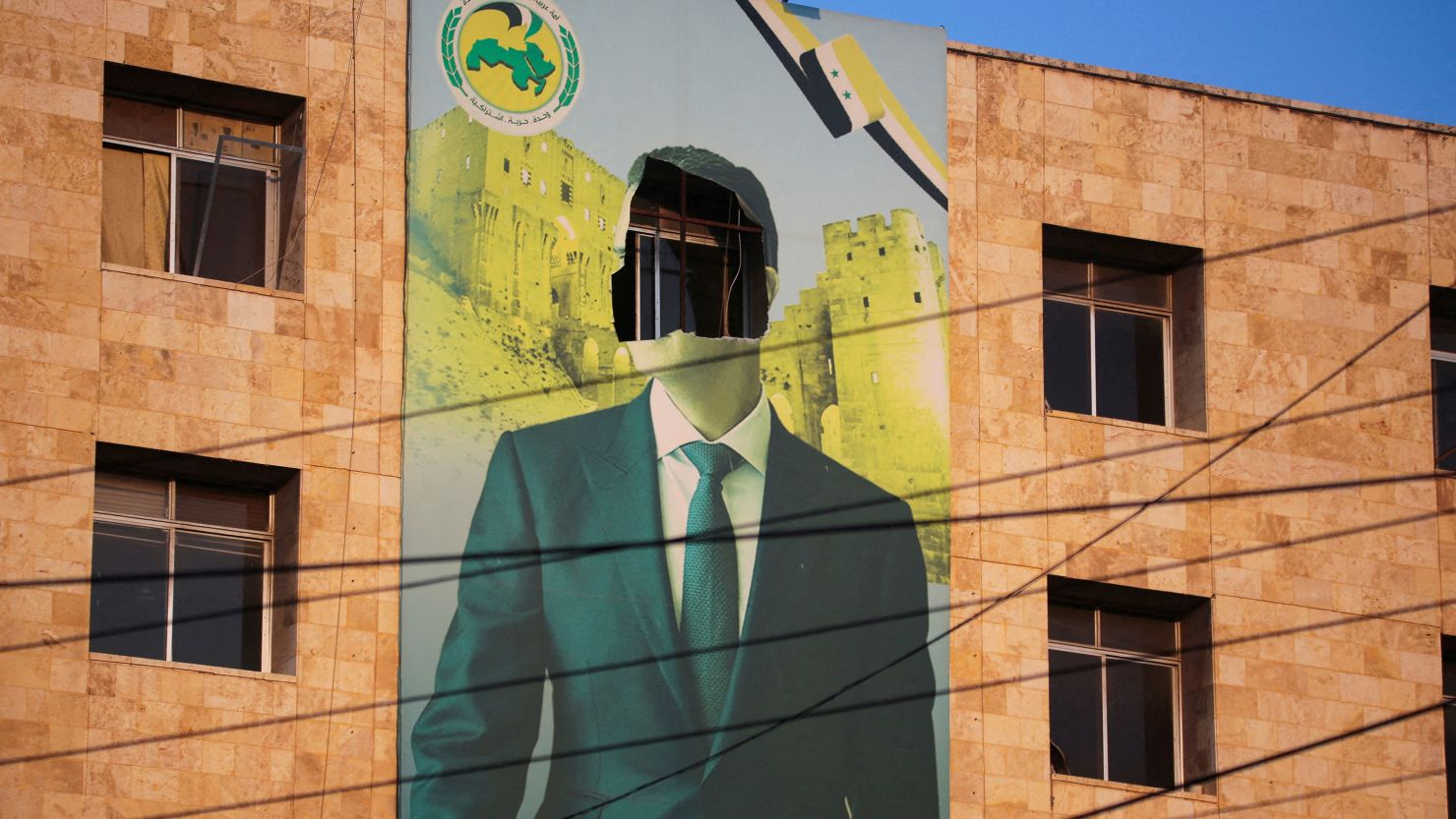
Assad often presented himself as a humble man of the people, appearing in films driving a modest family car and in photographs with his wife visiting war veterans in their homes.He took office in 2000 after his father’s death, but had not always been destined for the presidency.
Hafez had groomed another son, Bassel, to succeed him. But when Bassel died in a 1994 car crash, Bashar was transformed from an eye doctor in London — where he studied as a postgraduate — to heir apparent.
Upon becoming president, Assad seemed to adopt liberal reforms, painted optimistically as “the Damascus spring”.
He released hundreds of political prisoners, made overtures to the West and opened the economy to private companies.
His marriage to British-born former investment banker Asma Akhras — with whom he had three children — helped foster hopes he could take Syria down a more reformist path.
High points of his early dalliance with Western leaders included attending a Paris summit where he was a guest of honour at the annual Bastille Day military parade.
But with the political system he inherited left intact, signs of change quickly dried up.
Dissidents were jailed and economic reforms contributed to what US diplomats described, in a 2008 embassy cable released by WikiLeaks, as “parasitic” nepotism and corruption.
While the elite did well, drought drove the poor from rural areas to slums where the revolt would blaze.
Tensions built with the West after the US-led invasion of Iraq in 2003 turned the Middle Eastern power balance on its head.
The assassination of Lebanon’s Rafik al-Hariri in Beirut in 2005 prompted Western pressure that forced Syria’s withdrawal from its neighbour. An initial international probe implicated senior Syrian and Lebanese figures in the killing.
While Syria denied involvement, former Vice President Abdel-Halim Khaddam said Assad had threatened Hariri months earlier — an accusation Assad also denied.
Fifteen years later, a UN-backed court found a member of the Iranian-backed Hezbollah guilty of conspiring to kill Hariri. Hezbollah, an Assad ally, denied any role.