It will be complicated picture for Mr. Bhattacharya team to unpack in time they have.
But in interim we can look at some of the bounds (objectively vetted from outside as far as possible, i.e there is record keeping on foreign countrty end with finance flows regd trade, investment, loans and so on) for reference regional countries. This was how that EPB discrepancy was picked up in the end (i.e the world' combined record at the WB/IMF database w.r.t BD was short by however much it was).
Some of these serve as denominators of comparison for other related parts and to the final GDP estimate "likeliest" bounds (GDP and output then bounds the % splits within it for govt revenue, internal capital formation, private consumption and so on) and then see later what IG/Yunus may officially make mainstream however that shapes up:
Total export (World bank 2023):
BD: 58 billion USD
PAK: 35 billion USD
IND: 780 billion USD
Total Import (WB 2023):
BD: 78 billion USD
PAK: 61 billion USD
IND: 860 billion USD
Current account balance (past just export and import of goods and services but also export and import from nationals abroad and foreign nationals locally i.e net remittance).
(WB 2022, worst depletion for the region making most of the ongoing problems BoP and BoT wise for the region, BD and PAK tracked each other closely compared to India, esp considering forex reserves at hand):
BD: minus 18.6 billion USD
PAK: minus 17.5 billion USD
IND: minus 67 billion USD
Forex reserve (most recent available):
BD: 20 billion USD
PAK: 16 billion USD
IND: 655 billion USD
Energy consumption per capita (since these are heavy capital + import current tracked by primary energy flows and are very relevant macro base input to final production).
(US EIA, 2023):
BD: 2900 kWh
PAK: 4200 kWh
IND: 7100 kWh
Electricity consumption per capita (a % of the former reliant on further capital and end use vetting).
(US EIA 2021):
BD: 460 kWh
PAK: 570 kWh
IND: 1025 kWh
Market capitalisation (transaction volumes, referenced by net FPI, net bond inflow and so on regd the capital account or equity when it comes to FDI.... the other side of the BoP compared to current account mentioned earlier).
(CEIC latest)
BD: 34 billion USD
PAK: 46 billion USD
IND: 5.3 trillion USD
FDI stock (internal, external, UNCTAD 2022):
BD: 21 billion USD, 0.4 billion USD
PAK: 32 billion USD, 2.8 billion USD
IND: 511 billion USD, 223 billion USD
net FPI flows are very insignificant for BD and PAK compared to India as result of these market cap and equity sizes.
Foreign debt:

datatopics.worldbank.org
datatopics.worldbank.org
datatopics.worldbank.org
Basically Pakistan's doubled from 2013-2023 (straining its BoP severely all through this period)...given its (low) forex stock level and growth rate.
BD's tripled from 2013-2023 with most of this taking place in the last 5 years or so (so straining it in this period especially after covid) given its forex stock level and growth rate (used to be decent, then it stalled and declined).
This is root of issue for the two countries relative to India which has its forex level where it is vs foreign debt, both growing more in line with each other to current point of time (and coming under some strain now, of much less intensity overall to the other two).
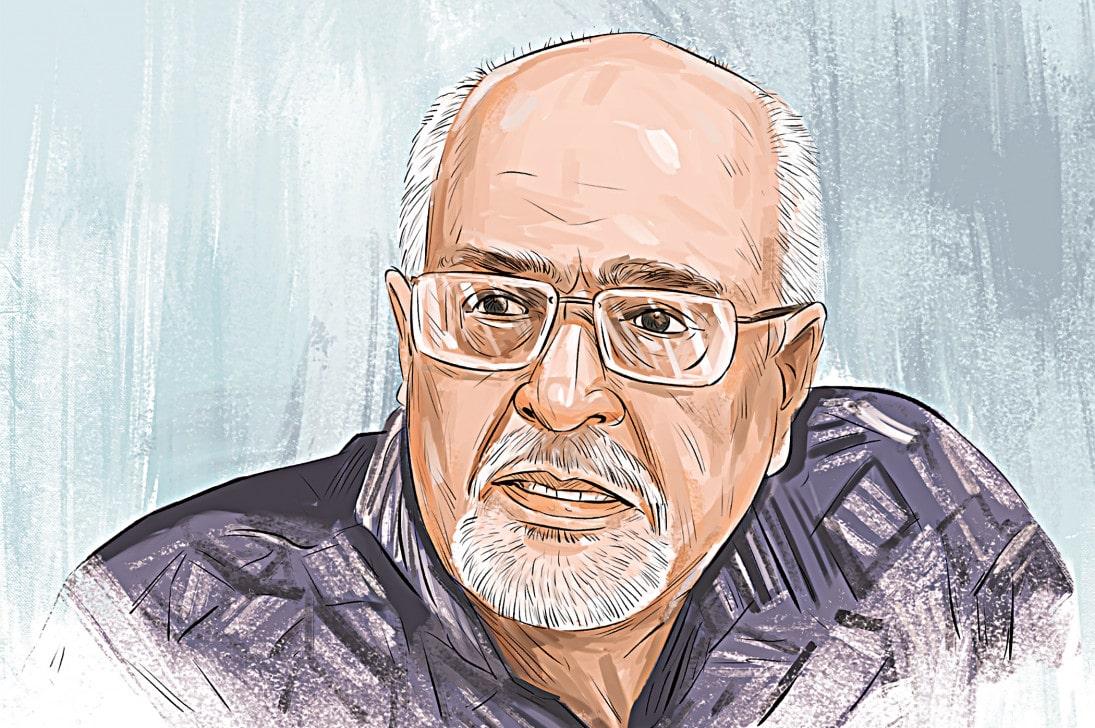
Some of what Mr. Bhattacharya has said:
Noted economist Debapriya Bhattacharya raised concerns about the role of global institutions, indicating the International Monetary Fund (IMF) and the World Bank (WB), in assessing Bangladesh's debt sustainability under the previous regime as the country faces increasing pressure from escalating...

cpd.org.bd
This noted economist made the remarks while speaking at a national dialogue on “Unity in Which Way”, at the Krishibid Institution of Bangladesh in the capital’s Farmgate area today

en.prothomalo.com
Another economist's commentary on the white paper:
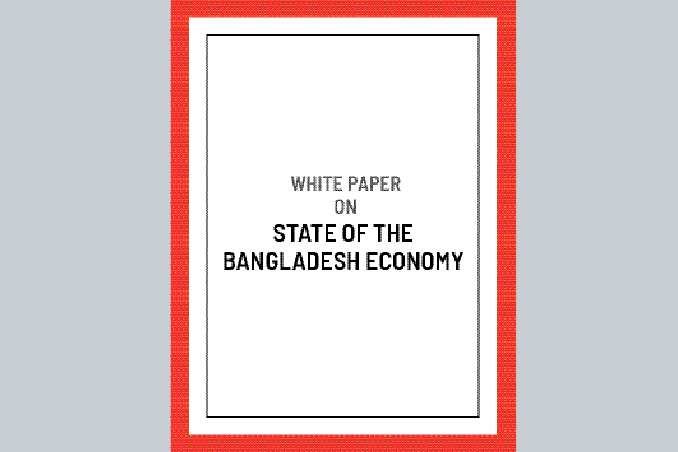
About 400 pages long report by a panel of eminent economists, led by Dr. Debapriya Bhattacharya, was submitted on November 30 after about four months of deliberations. It contains 23 chapters, placed under five (5) broad themes - macroeconomy, structural, social, institutional, and reforms & polici

thefinancialexpress.com.bd
This is for my future reference later in 2025 to compare and contrast things at that point as anything new surfaces.
I'm sticking as far as possible to what can be objectively tracked from outside BD, i.e BD footprint on rest of world as the world can measure it....and this has always set the bounds for where it likely stands with reference to GDP's in the larger world.... compared to say its own GDP estimates and politics imbued into that (this happens in a lot of countries in the end). This will have to be a long term process of reform the new team will have to set right in BD institutions like BBS, given the debt, investment confidence problems and so on in a capital deficit country of its own particular intensity and context (like rest of region and developing world)





 Yet here I am, constantly debating with my father.


