China-Kyrgyzstan-Uzbekistan rail gets a boost as Kyrgyzstan and Tajikistan back the project and target $500 million in trade under GSP+. What it means for Germany.

meyka.com
Kyrgyzstan-Tajikistan Pact Backs China-Kyrgyzstan-Uzbekistan Rail
13 Feb 2026
The China-Kyrgyzstan-Uzbekistan rail idea just gained political backing after Kyrgyzstan and Tajikistan signed new cooperation protocols. The pact supports the China-Kyrgyzstan-Uzbekistan route and aims to lift bilateral trade to $500 million using EU GSP+ access. For German firms, a viable Central Asia land link could add capacity between China and Europe, cut exposure to single routes, and shift commodity and logistics flows. We explain the deal, legal angles, and practical steps for Germany-focused supply chains.
What the pact changes
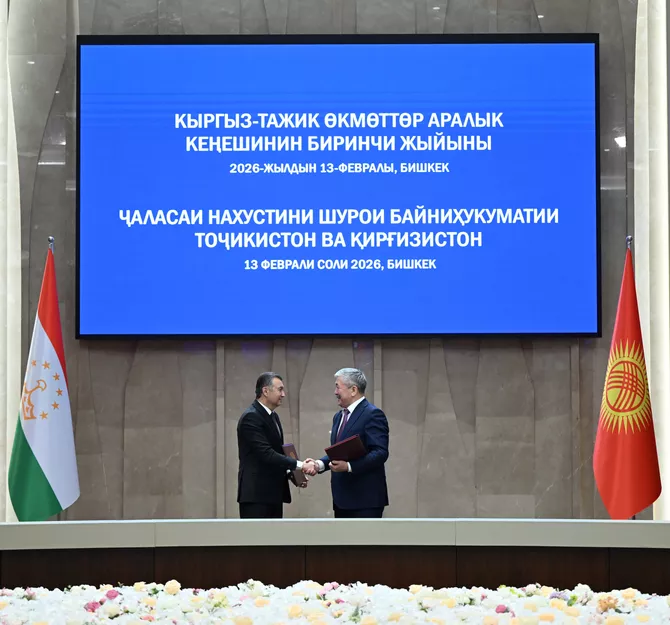
Kyrgyzstan and Tajikistan formed their first intergovernmental council and agreed on cooperation protocols. The Kyrgyzstan-Tajikistan intergovernmental deal sets a goal to raise mutual trade to $500 million while tapping EU market access via GSP+. This political move sets a base for technical work on customs and transit. Read more in the initial coverage here
source.
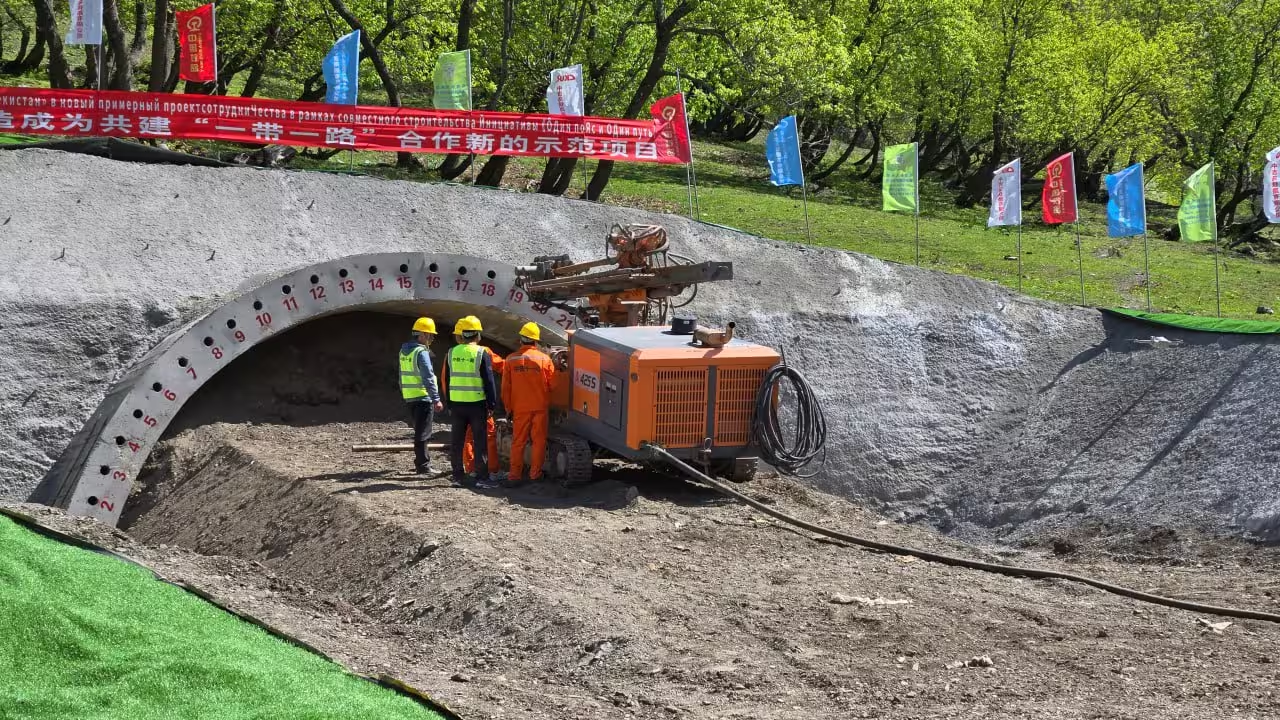
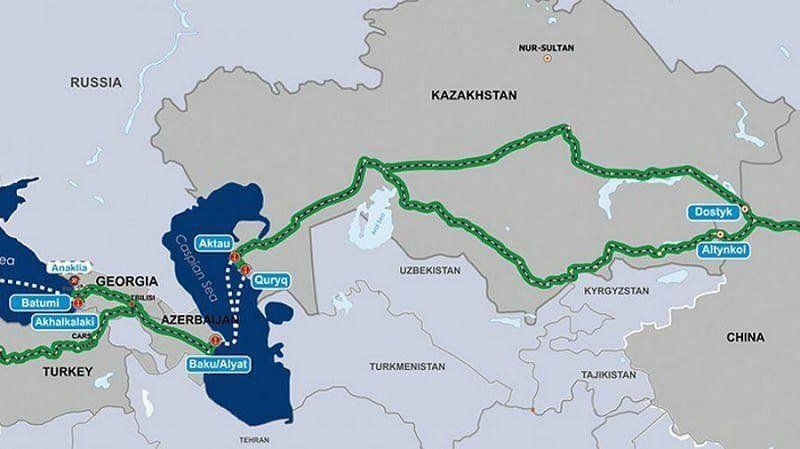
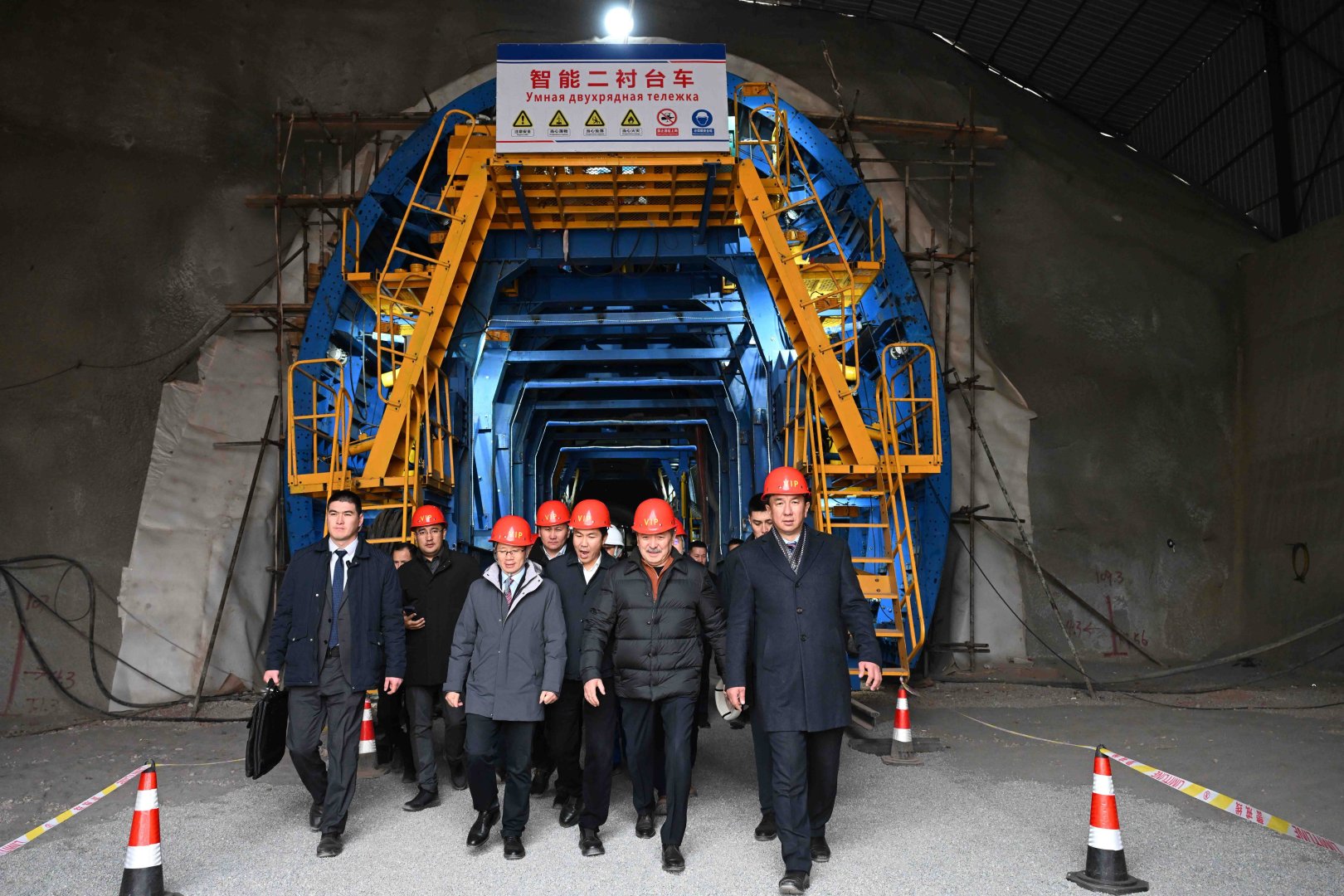
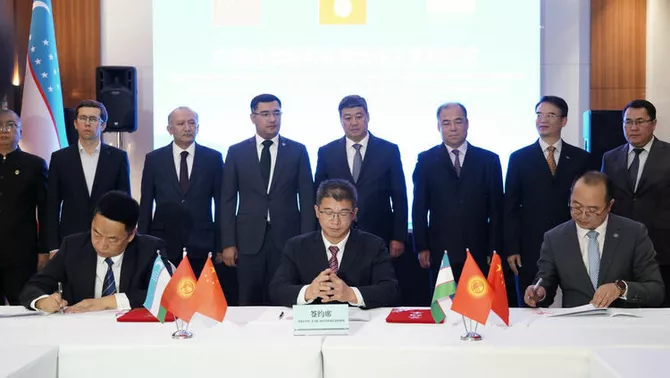
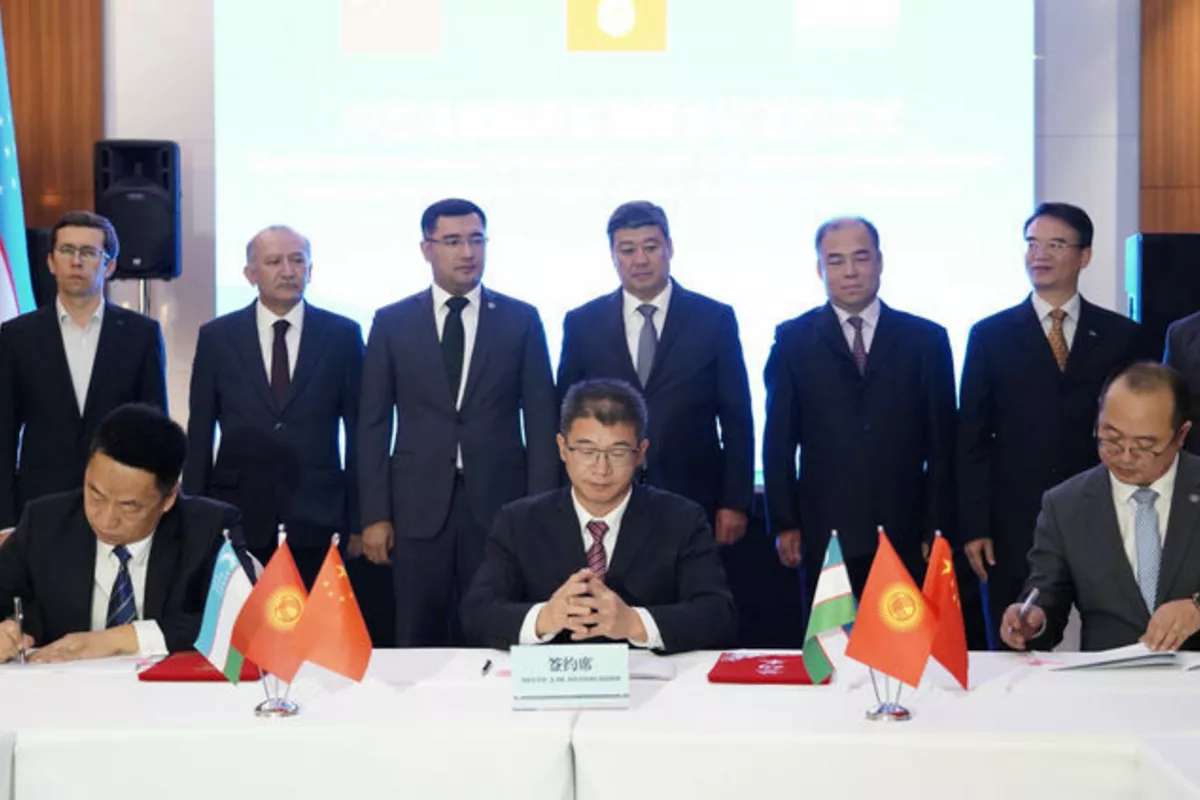
Both governments voiced support for the China-Kyrgyzstan-Uzbekistan railway as a future China–Europe freight option. That support signals intent to build a Central Asia trade corridor that can reroute cargo and reprice transit economics. Talks in Bishkek highlighted cooperation on transport, trade, and border procedures, adding momentum to the corridor vision
source.
Why this matters for Germany
A functional China-Kyrgyzstan-Uzbekistan rail could give German exporters and importers another land option. Firms in autos, machinery, and consumer goods could hedge against delays on sea lines. Added path diversity often improves schedule reliability. It also spreads risk across nodes and borders. For Mittelstand shippers, even modest volumes on a new route can strengthen bargaining power with carriers.
Land freight can be faster than ocean on long Asia-Europe legs, but it can cost more per unit. A China-Kyrgyzstan-Uzbekistan option may price between sea and air, with value in time savings and lower inventory. Risk factors include border procedures, insurance, and sanctions compliance. Early users may face teething issues, yet capacity could scale with stable policy support.
Trade law and EU market access
GSP+ offers reduced EU tariffs for eligible goods from approved partners when compliance conditions are met. The deal references using GSP+ to grow exports, which matters for German importers building Central Asia supply. Buyers should validate product eligibility, documentation, and sustainability duties. If applied well, this can tighten margins and improve landed-cost certainty for repeat shipments.
Rules of origin will decide who benefits from tariff cuts and how mixed inputs are treated. Importers should align Incoterms, delivery points, and liability for border delays. Consider arbitration seats and governing law for cross-border contracts. Map data flows for digital customs, and test fallback plans if the China-Kyrgyzstan-Uzbekistan route is temporarily constrained.
Investor watchpoints and scenarios
Key markers include intergovernmental approvals, financing commitments, construction starts, and border cooperation pacts. Watch for pilot freight movements, customs digitalization, and terminal investments along the corridor. A steady news flow on these steps would raise confidence that the China-Kyrgyzstan-Uzbekistan rail can carry regular Europe-bound loads.
Potential winners include logistics providers, freight forwarders, and insurers with Eurasia expertise. Rail equipment and terminal service firms may see bids. Traders in chemicals, metals, textiles, and agri could benefit from shorter lead times. As volumes build on the China-Kyrgyzstan-Uzbekistan corridor, German SMEs can test small lots to validate service quality and pricing.
Final Thoughts
For Germany, the Kyrgyzstan-Tajikistan pact is a signal, not a guarantee. Yet signals matter. Political cover plus a $500 million trade target and references to EU GSP+ suggest real intent to open flows through Central Asia. Practical next steps for German firms are clear. Map lanes where days saved can justify higher land rates. Pre-qualify forwarders with proven customs experience in the region. Align contracts on Incoterms, liability, and sanctions clauses. Run a pilot on a limited lane to test handoffs, insurance, and data quality. Track milestones on financing, construction, and border agreements that show the China-Kyrgyzstan-Uzbekistan link is moving from talk to throughput. Being early can add resilience and pricing power.
Kyrgyz Prime Minister Adylbek Kasymaliev has said that the construction of the China-Kyrgyzstan-Uzbekistan railway will significantly enhance Kyrgyzstan’s transit potential and create new economic opportunities for Tajikistan.

caspianpost.com
Kyrgyzstan, Tajikistan Seal Intergovernmental Deal
Kyrgyz Prime Minister Adylbek Kasymaliev has said that the construction of the China-Kyrgyzstan-Uzbekistan railway will significantly enhance Kyrgyzstan’s transit potential and create new economic opportunities for Tajikistan.
He made the remarks during the first meeting of the Kyrgyz-Tajik Intergovernmental Council in Bishkek, which was also attended by Tajik Prime Minister Kokhir Rasulzoda,
The Caspian Post reports via the
Kyrgyz Cabinet of Ministers.
Trade, Transit and New Market Access
The sides discussed expanding trade and economic cooperation, including supplies of meat and dairy products, textiles, coal, glass products and sugar. To increase trade turnover, the parties proposed drafting a detailed “road map” with concrete measures and responsible agencies.
They also explored the possibility of opening Kyrgyz trade houses in Tajikistan and Tajik trade houses in Kyrgyzstan.
“
Kyrgyzstan is ready to act as a ‘trade gateway’ for Tajik goods to the markets of the Eurasian Economic Union and the European Union through the GSP+ system,” Kasymaliev said.
Strategic Eurasian Corridor
He emphasized that the
China-Kyrgyzstan-

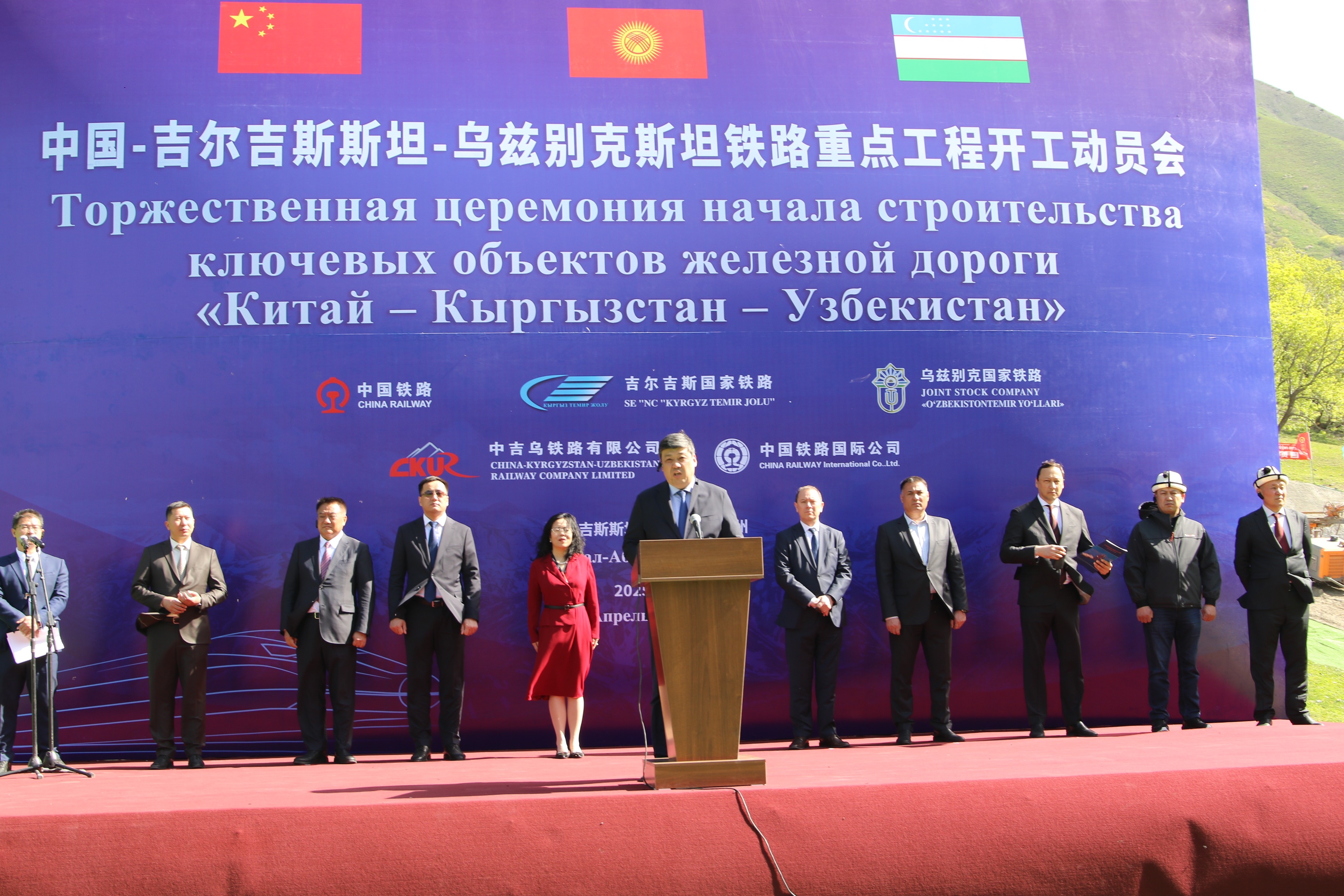
Uzbekistan railway is a major infrastructure project of strategic importance. The corridor is expected to strengthen Kyrgyzstan’s role as a key logistics hub in Eurasia while opening additional transit routes for Tajikistan.
Following the meeting, the sides signed a protocol of the first Intergovernmental Council session and a memorandum of understanding between Kyrgyz Export and the Chamber of Commerce and Industry of Tajikistan.
The railway project is widely seen as a transformative link that could reshape regional trade flows and deepen economic integration across Central Asia.