Kyrgyzstan starts building railway linking China, Uzbekistan

Beijingwalker

VIP Member
Joined
Nov 4, 2011
Messages
91,957
Reaction score
112,940
Reputation
2,162.6
Country of Origin
Country of Residence

Kyrgyzstan starts building railway linking China, Uzbekistan​

Agence France-Presse / 02:21 PM December 28, 2024


Kyrgyzstan starts building railway linking China, Uzbekistan


In this handout picture taken and released by the Kyrgyz presidential press office on December 27, 2024, officials, including Kyrgyzstan’s President Sadyr Japarov (R) and Chairman of the National Development and Reform Commission of China Zheng Shanjie (L), attend the commencement ceremony of the China-Kyrgyzstan-Uzbekistan railway project in the settlement of Tash-Kitchu in the Jalal-Abad region in the south of Kyrgyzstan. (Photo by Handout / KYRGYZ PRESIDENTIAL PRESS OFFICE / AFP)

Bishkek, Kyrgyzstan — Kyrgyz President Sadyr Japarov on Friday inaugurated the construction of a new railway linking China, Kyrgyzstan and Uzbekistan, aimed at opening up the region as a supply route to Europe.

Beijing has invested billions of dollars in building rail and road routes that traverse Central Asia, long seen by Russia as its sphere of influence.
 
Afghans are squandering their opportunities for recognition and economic development, when the neighbors are ready to build up rail interconnections.

Uzbekistan literally just opened an express freight rail link with China.

To view this content we will need your consent to set third party cookies.
For more detailed information, see our cookies page.
 
In Vietnam, the Prime Minister is pushing very hard for the Lao Cai - Hanoi - Haiphong line (388 km) which connects to Hekou (Yunnan, China) on the other side of the border, to be kicked start at the end of this year.
 

Construction of key China-Kyrgyzstan-Uzbekistan railway facilities kicks off in Kyrgyzstan​


30 April, 09:09

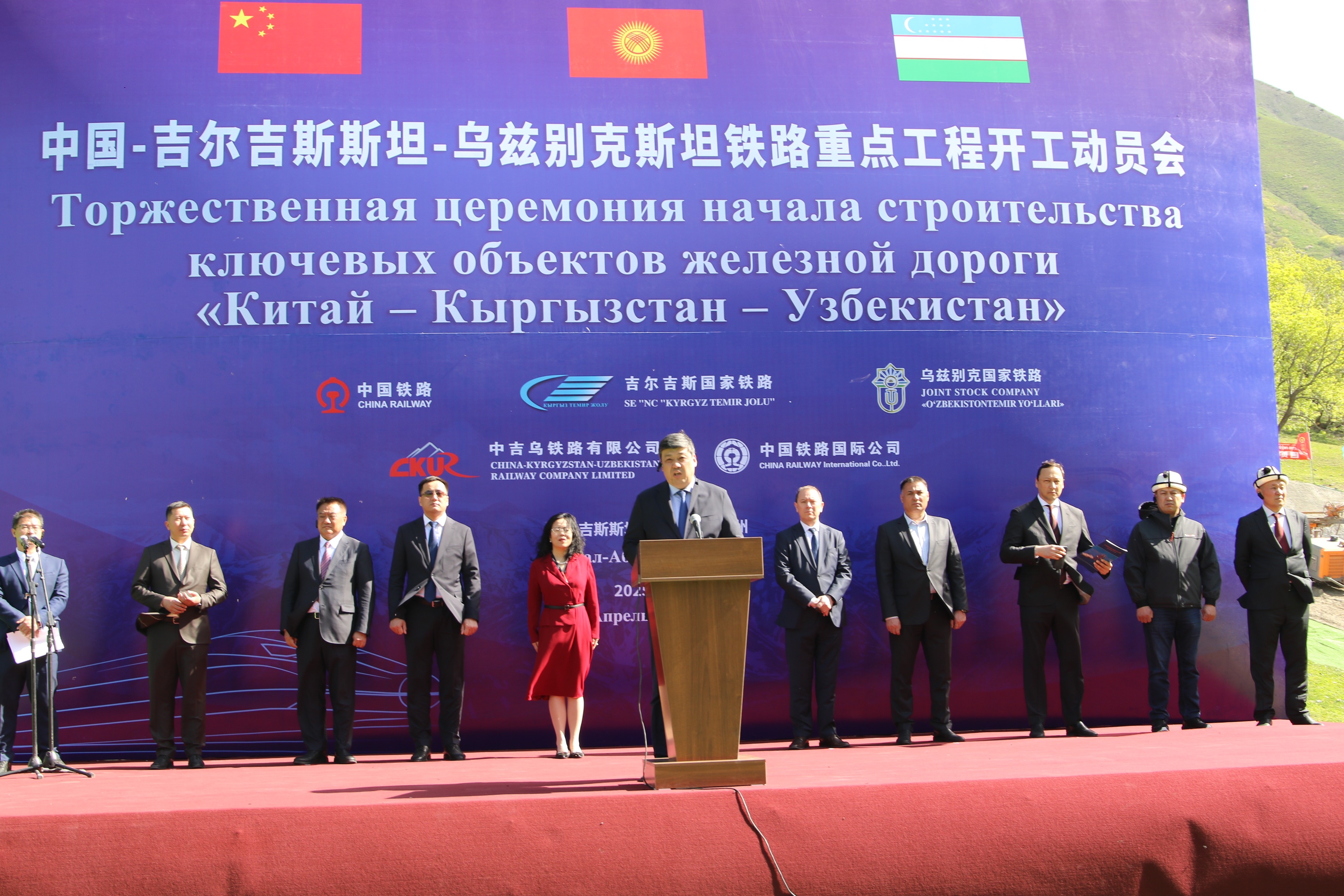
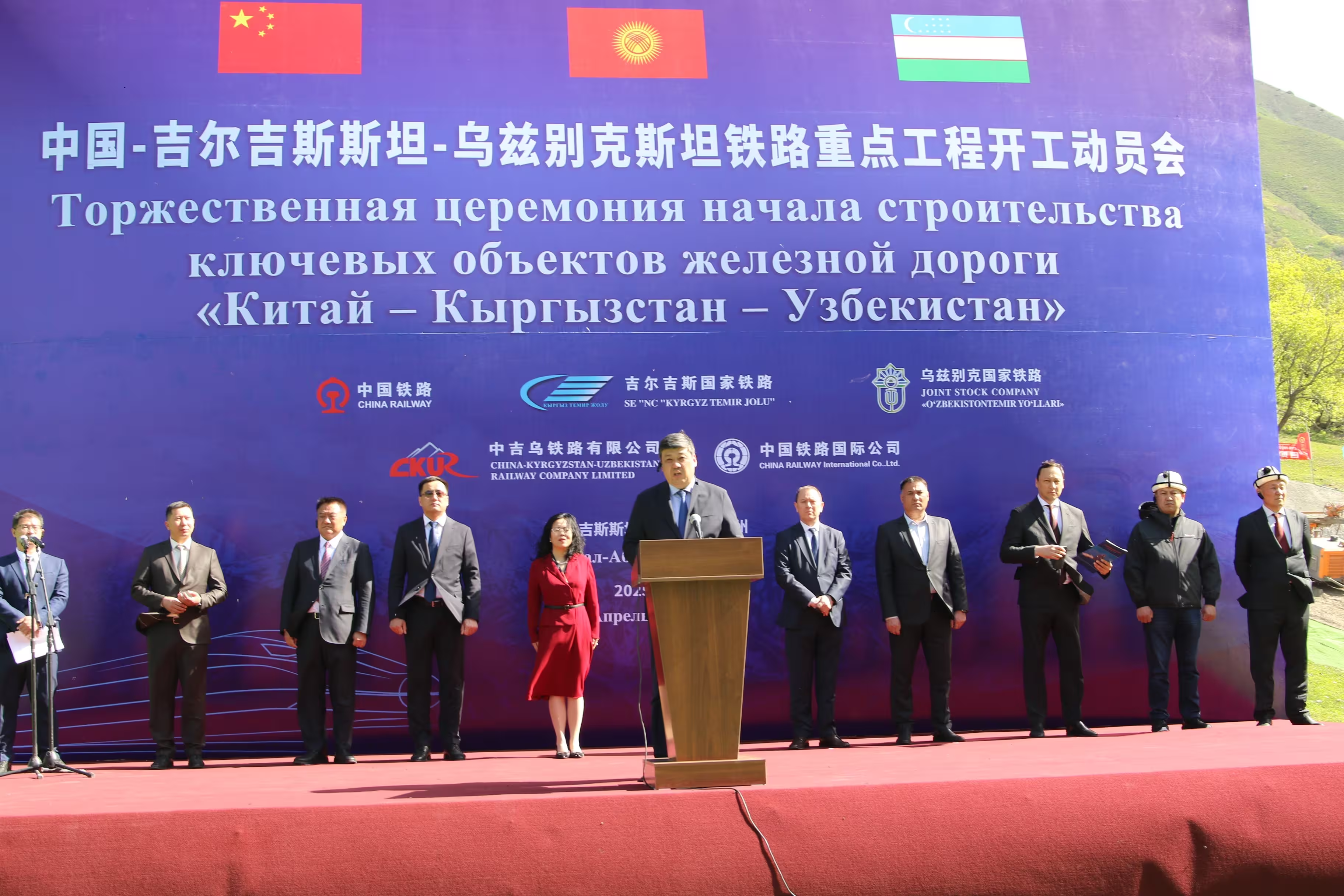
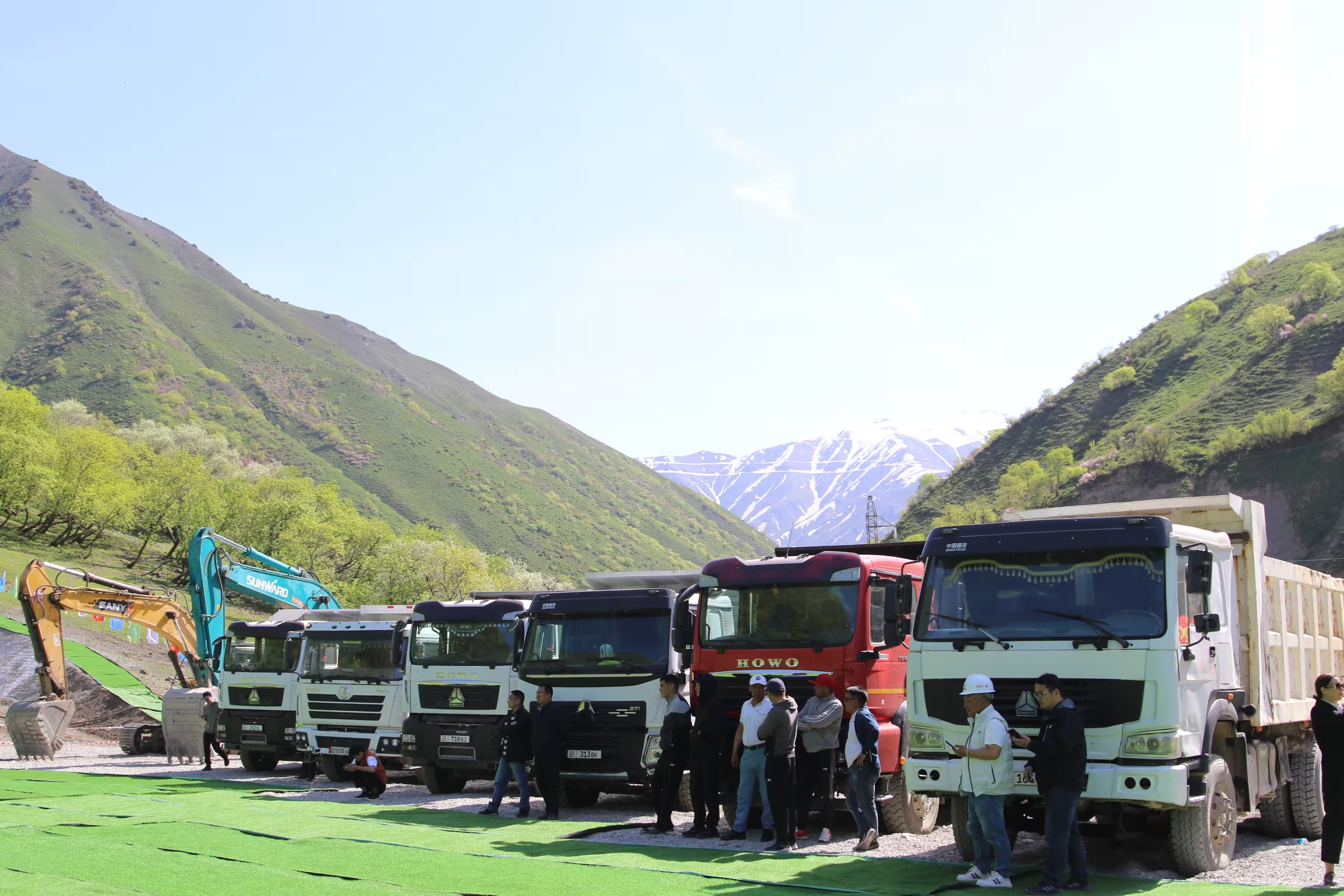
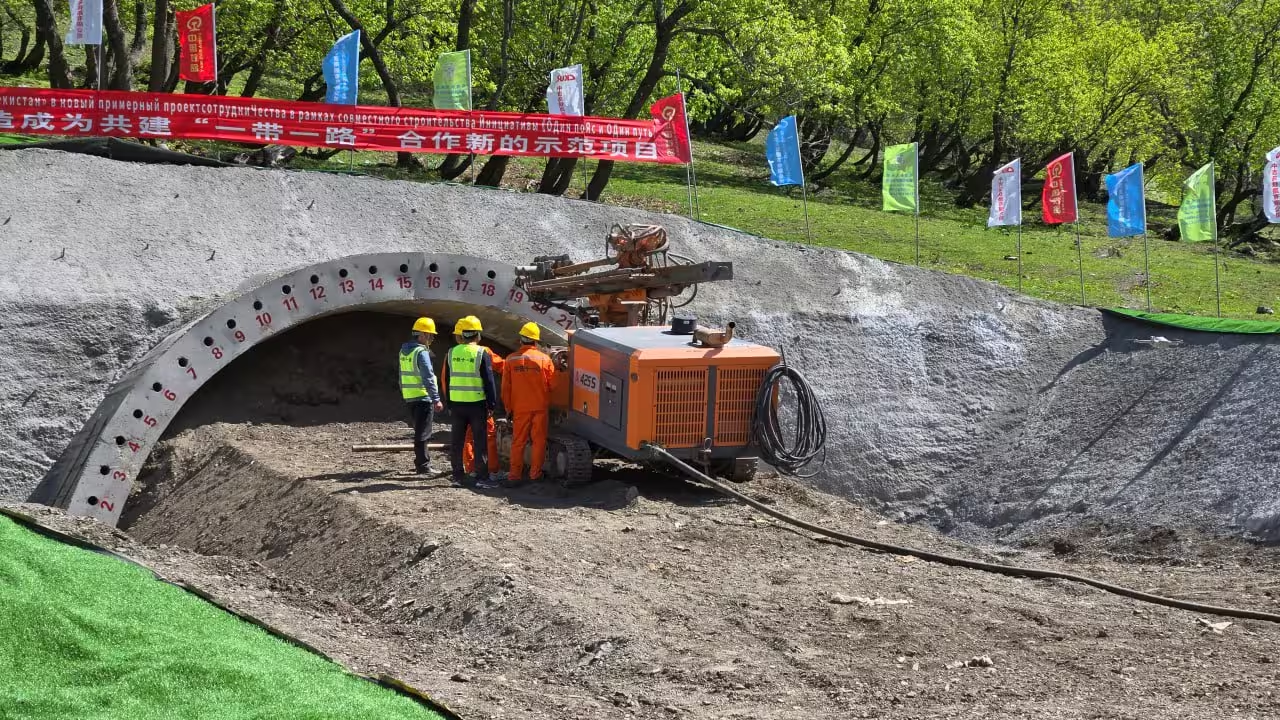
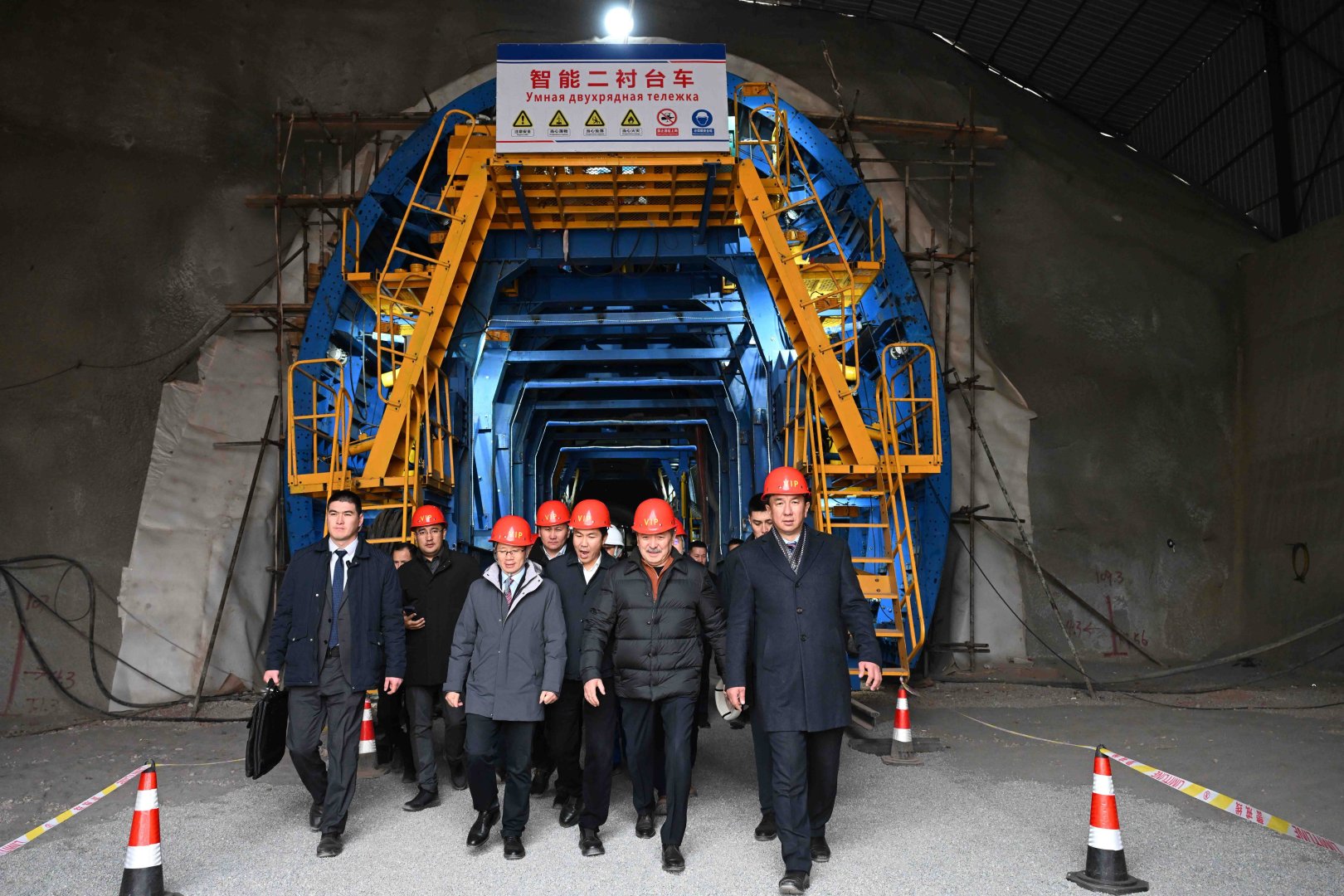
Deputy Chairman of the Cabinet of Ministers and Minister of Water Resources, Agriculture and Processing Industry of the Kyrgyz Republic Bakyt Torobaev took part in a ceremony launching the construction of a tunnel for the China-Kyrgyzstan-Uzbekistan (CKU) railway, a transport corridor linking East and West.

IMG_5647-R6UCE4pu.avif
Source: Cabinet of Ministers

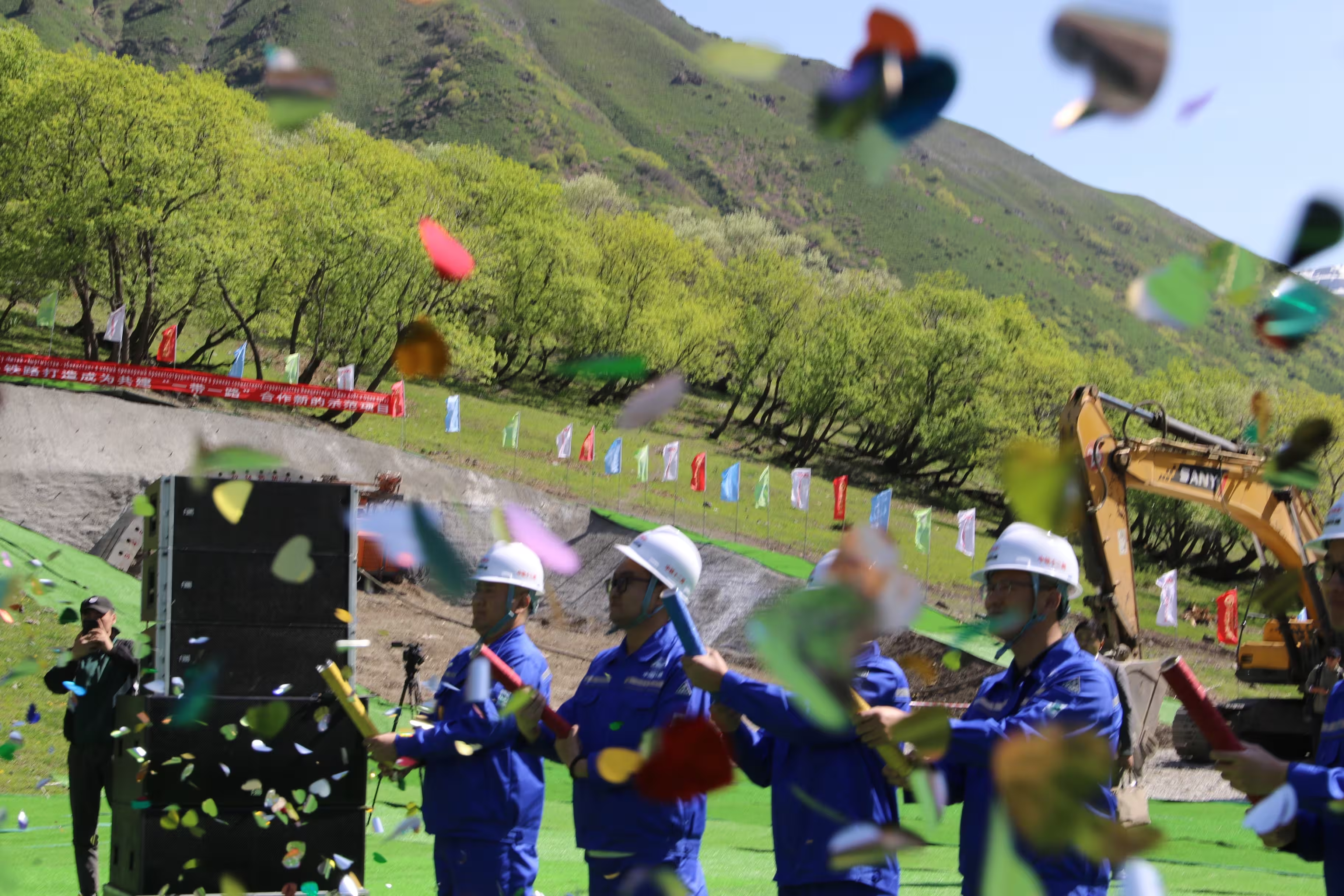
The event, held in the Suzak district of Jalal-Abad region, marked the start of work on a 12-kilometer tunnel that will connect the Jalal-Abad and Naryn regions. It is considered one of the most critical infrastructure components of the CKU railway.

The construction project was initiated under the directive of President Sadyr Japarov. In his speech, Torobaev stressed the broader significance of the railway beyond transportation.

"This project is not only of infrastructural importance. It opens the way to improving the quality of life, economic growth, and strengthening ties between regions and peoples," Torobaev stated. "We are not just building a road — we are building the future."
IMG_5649-aLF8Wy4C.avif
Source: Cabinet of Ministers

Diplomatic representatives from China and Uzbekistan, along with senior government officials from the three countries, attended the event and voiced their commitment to the joint initiative. They described the railway as a symbol of unity, development, and shared aspirations for the future.

The CKU railway section passing through Kyrgyzstan will span more than 300 kilometers, with an estimated investment of $4.7bn. The project is expected to create over 20,000 jobs and significantly boost regional connectivity and economic activity.

IMG_5648-I7MU0ZeB.avif
Source: Cabinet of Ministers

In addition to the tunnel currently under construction, two more large tunnels of similar length are planned in the Jalal-Abad and Naryn regions. The railway’s route through Kyrgyzstan will also include 46 bridges totaling 120 kilometers and 27 tunnels — with tunnels and bridges accounting for about 40% of the entire segment.

The project poses complex engineering challenges due to the mountainous terrain, making it one of the most technically demanding infrastructure efforts in the region.

The groundwork for the railway was formally laid on December 27, 2024, during a virtual ceremony attended by Kyrgyz President Sadyr Japarov, Chinese President Xi Jinping, and Uzbek President Shavkat Mirziyoyev. All three leaders highlighted the strategic and economic importance of the railway for their countries and for broader regional connectivity.

IMG_5653-ZWh02Ete.avif
Source: Press service of the Ministry of Transport

China–Kyrgyzstan–Uzbekistan

The idea of building the CKU railway has been under discussion since 1996. Over nearly three decades, the three countries have held multiple rounds of negotiations, agreed several times on construction terms, and developed at least 18 feasibility studies. However, the project faced significant delays due to complex geographical terrain, differing railway track gauges, and, most notably, unresolved financing issues.

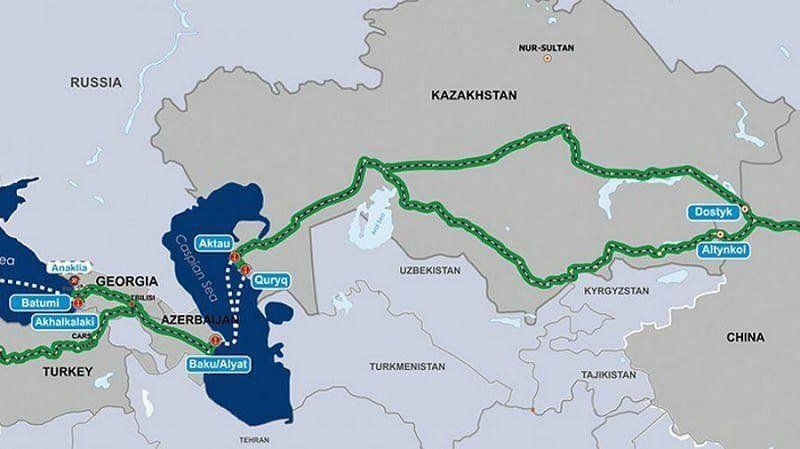
The railway will stretch along the Kashgar–Torugart–Makmal–Jalalabad–Andijan route and involve major infrastructure works, including the construction of 20 stations, 42 bridges, and 25 tunnels. In addition to the railway itself, modern transit and logistics infrastructure—such as warehouses and terminals—will be developed to support freight and cargo operations.


14:08, 30 April 2025, Bishkek - 24.kg news agency

China-Kyrgyzstan-Uzbekistan railway: 48 bridges to be built​


Construction of key facilities of China-Kyrgyzstan-Uzbekistan railway has begun. The project office of the Strategy for the Development of International Digital Corridors under Uzbekistan Railways JSC reported.

Kyrgyz and Uzbek officials launched the construction of three tunnels more than 10 kilometers long in Jalal-Abad on April 29:
  • Tunnel No. 1 — Naryn (Dzhaman-Davan), 12.5 kilometers long;
  • Tunnel No. 2 — Koshtoba (Kazarman), 13.2 kilometers long;
  • Tunnel No. 3 — Fergana (Suzak district), 12.2 kilometers long.
The total length of China-Kyrgyzstan-Uzbekistan railway is 532.53 kilometers, of which 158.04 kilometers are on the territory of the PRC Kashgar-Torugart and 304.94 kilometers — on the territory of the Kyrgyz Republic, including 167.54 kilometers with a track gauge of 1,435 millimeters and 138.77 kilometers with a track gauge of 1,520 millimeters.

It is planned to build 20 railway stations (two promising ones), including 2 border stations, 1 reloading station, 4 intermediate stations and 13 sidings.
It is planned to build 48 bridges with a total length of about 16 kilometers, 27 tunnels with a total length of about 103 kilometers. The total length of bridges and tunnels is about 120 kilometers.

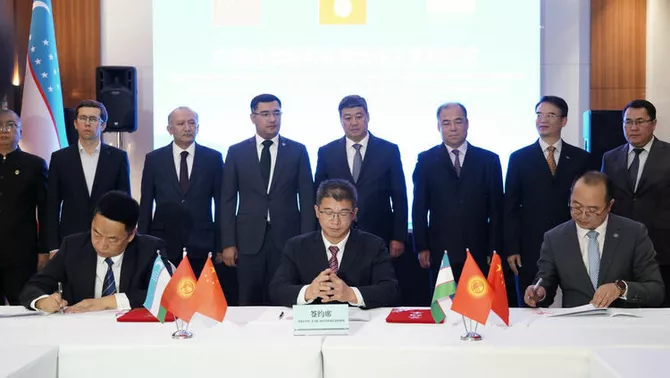
An agreement was signed between China, Kyrgyzstan and Uzbekistan on June 6, 2024 to facilitate the implementation of the railway project.

Construction of the road began in October 2024.
 
Afghans are squandering their opportunities for recognition and economic development, when the neighbors are ready to build up rail interconnections.

Uzbekistan literally just opened an express freight rail link with China.

To view this content we will need your consent to set third party cookies.
For more detailed information, see our cookies page.

And China has build up the middle corridor rail link to Europe, Avoiding Russia and Iran.

To view this content we will need your consent to set third party cookies.
For more detailed information, see our cookies page.


For export oriented industries in Northern Half of Pakistan (anywhere north of Sukkur), it could make them viable with a fast rail connection, if the link via Afghanistan is built. Considering most of the population lives north of Sukkur and most won’t want to relocate out of their home cities, this is a major need of Pakistan’s diplomacy.

Heck, Pakistan could make some parts of a product, and China make other parts, and the final parts and assembly be done in Central Asia to make it a mutually beneficial industrial endeavor. Products based on minerals or agriculture.
 
Last edited:

China-Kyrgyzstan-Uzbekistan railway to link to Trans-Afghan Corridor - Shavkat Mirziyoyev​

Uzbekistan Materials 4 July 2025 14:07 (UTC +04:00)


China-Kyrgyzstan-Uzbekistan railway to link to Trans-Afghan Corridor - Shavkat Mirziyoyev


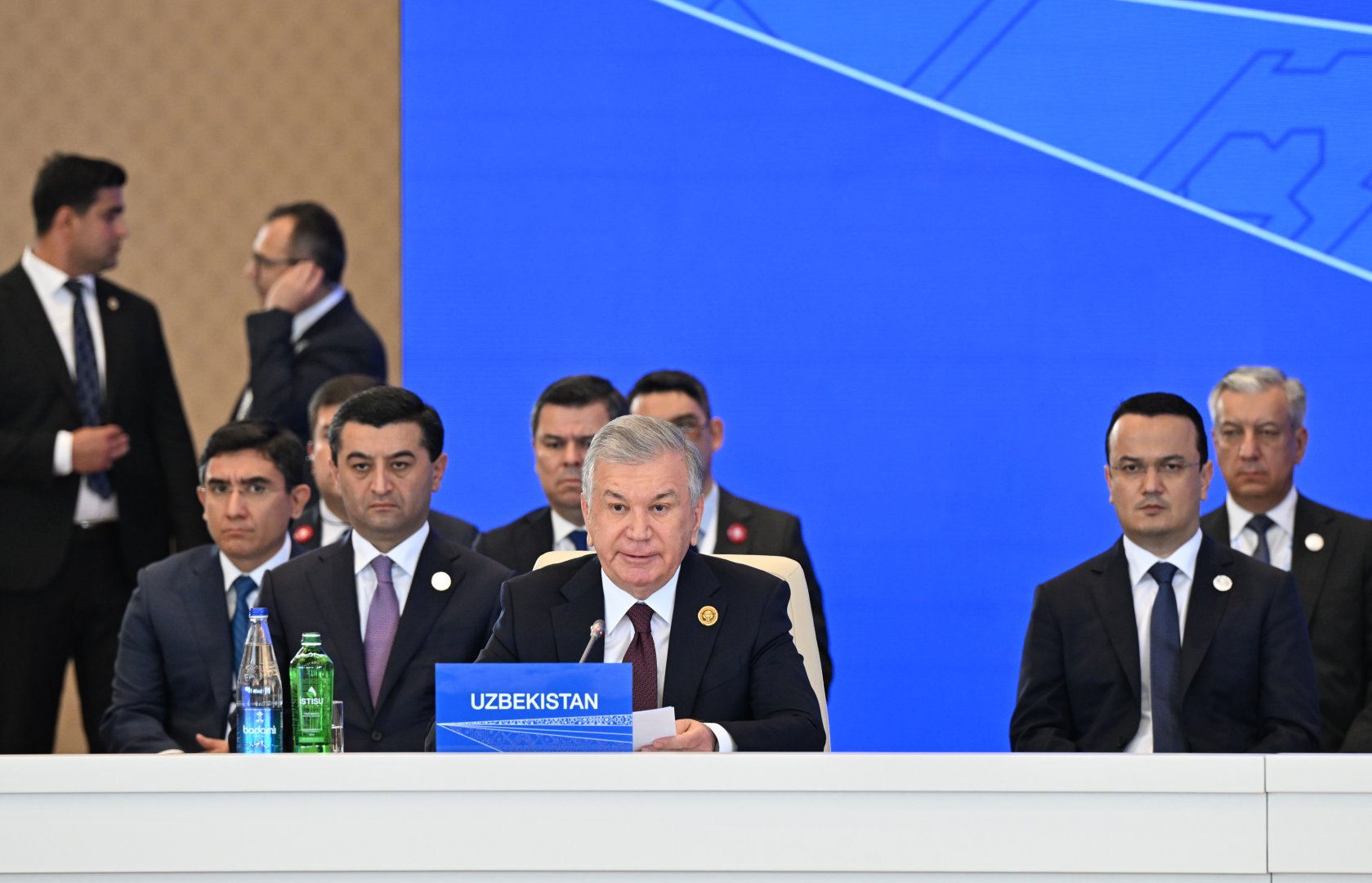
KHANKENDI, Azerbaijan, July 4. The China-Kyrgyzstan-Uzbekistan railway will be connected to the Trans-Afghan corridor, President of Uzbekistan Shavkat Mirziyoyev said during the 17th ECO summit, Trend's special correspondent sent to Khankendi reports.

"One of the priority areas remains the construction of alternative logistics chains against the backdrop of recent geopolitical events and disruptions in global logistics systems. In this context, the launch of the China-Kyrgyzstan-Uzbekistan railway project has become an important step. In the future, this highway will be connected to the Trans-Afghan Corridor, which will open up new opportunities for the effective integration of transit routes in the region," he said.
 
And China has build up the middle corridor rail link to Europe, Avoiding Russia and Iran.

To view this content we will need your consent to set third party cookies.
For more detailed information, see our cookies page.


For export oriented industries in Northern Half of Pakistan (anywhere north of Sukkur), it could make them viable with a fast rail connection, if the link via Afghanistan is built. Considering most of the population lives north of Sukkur and most won’t want to relocate out of their home cities, this is a major need of Pakistan’s diplomacy.

Heck, Pakistan could make some parts of a product, and China make other parts, and the final parts and assembly be done in Central Asia to make it a mutually beneficial industrial endeavor. Products based on minerals or agriculture.


Why they bypassing these 2 countries tho?
 
Why they bypassing these 2 countries tho?
Political issues that may have other trading partners make it an issue. It’s not like the rail links to and through those countries don’t exist, but this corridor is for that cargo that has to go to partners that want to make it an issue. China wants to maximize its trade and maximize its customer base, where possible.
 

Kyrgyzstan accelerates tunnel work on joint railway with China and Uzbekistan​

Economy Materials 5 December 2025 18:33 (UTC +04:00)

Kyrgyzstan accelerates tunnel work on joint railway with China and Uzbekistan

Photo: The Cabinet of Ministers of Kyrgyzstan

BISHKEK, Kyrgyzstan, December 5. Excavation work has begun on 18 of the 29 planned tunnels on the China–Kyrgyzstan–Uzbekistan railway, and construction is underway on 17 of the 50 railway bridges and several culverts, Trend reports via the Cabinet of Ministers of Kyrgyzstan.

This information was disclosed during Prime Minister Adylbek Kasymaliev’s visit to the ongoing tunnel construction site in the Tosh-Kutchu section.

The project currently engages over 5,000 workers and utilizes 5,695 units of specialized machinery. Excavation work has commenced on 18 of the 29 planned tunnels, while construction is well underway on 17 of the 50 railway bridges, along with numerous culverts.

Spanning nearly 305 kilometers, the railway will traverse key locations including Torugart, Arpa, Kosh-Dobo, Makmal, and Jalal-Abad. The infrastructure will feature two distinct rail gauges: a 1435 mm international standard track between Torugart and Makmal, and a 1520 mm wide-gauge line from Makmal to Jalal-Abad.

Makmal is set to become a strategic interchange node, with plans to build a wheelset transfer station and a major logistics center to support freight movement along the corridor.

The total estimated cost of the China–Kyrgyzstan–Uzbekistan railway project is approximately $4.7 billion. The total length of the railway line, spanning through Kyrgyzstan, is about 305 kilometers.

The primary economic advantage of the CKU route is its potential to significantly cut travel time between China and Europe/Middle East. The railway is projected to reduce the distance from Eastern China to European markets by approximately 900 kilometers and cut transit time by 7 to 8 days compared to the existing Trans-Siberian route.
 
And China has build up the middle corridor rail link to Europe, Avoiding Russia and Iran.

To view this content we will need your consent to set third party cookies.
For more detailed information, see our cookies page.


For export oriented industries in Northern Half of Pakistan (anywhere north of Sukkur), it could make them viable with a fast rail connection, if the link via Afghanistan is built. Considering most of the population lives north of Sukkur and most won’t want to relocate out of their home cities, this is a major need of Pakistan’s diplomacy.

Heck, Pakistan could make some parts of a product, and China make other parts, and the final parts and assembly be done in Central Asia to make it a mutually beneficial industrial endeavor. Products based on minerals or agriculture.

In long term southern corridor (through Iran) will be better (through investments), faster, cheaper than the middle corridor, which is multi-modal and goes through caspian sea.

The only thing preventing/denying southern corridor is the trans-atlanticists hate and sanctions towards Iran, which will not work in mid-long term anyways. The Global South, BRICS, SCO, ASEAN and all other blocks will diminish the influence of Euro-atlanticist warmongers.
 
In long term southern corridor (through Iran) will be better (through investments), faster, cheaper than the middle corridor, which is multi-modal and goes through caspian sea.

The only thing preventing/denying southern corridor is the trans-atlanticists hate and sanctions towards Iran, which will not work in mid-long term anyways. The Global South, BRICS, SCO, ASEAN and all other blocks will diminish the influence of Euro-atlanticist warmongers.
A modernization of the link to Iran would be great, especially if it is subsidized by the Reno-Diq Project. But Pakistan needs an “all of the above” set of options to maximize its growth opportunities as both be stuck should any geo-strategic realignment threaten to derail business.

Considering the problems with Afghanistan, which ebb and flow, a rail route to Central Asia should seek both an Iranian route as well as a direct route to China, ASAP, especially if Pakistan is to capitalize and shape a realignment of the region, and not just be subject to the shifts.
 

svjg7ASkguGKGhB27Nob7imeqFYunGUbe8IKKT4H.webp

China-Kyrgyzstan-Uzbekistan Railway Secures $4.7B Financing​


Kyrgyzstan has taken another major step toward advancing the China-Kyrgyzstan-Uzbekistan railway, as Deputy Chairman of the Cabinet of Ministers Bakyt Torobaev attended the signing of a key loan agreement to finance the project.

The agreement was concluded between China-Kyrgyzstan-Uzbekistan Railway Company LLC and a syndicate of Chinese banks, including the China Development Bank and the Export-Import Bank of China, The Caspian Post reports via Kyrgyz media.

The total cost of the railway is estimated at $4.7 billion, with China providing about $2.3 billion in the form of a 35-year loan to the joint project company. Loan repayment will be carried out directly by the company.

The remaining $2.3 billion will be contributed to the company’s charter capital by the three participating states, with China holding a 51 per cent share and Kyrgyzstan and Uzbekistan each owning 24.5 per cent.

Speaking at the ceremony, Torobaev noted that the investment agreement required full financial backing for the project to be secured by December 20, 2025, a condition that has already been met. He said this milestone confirms the readiness of the joint company to deliver projects of international scale.
 

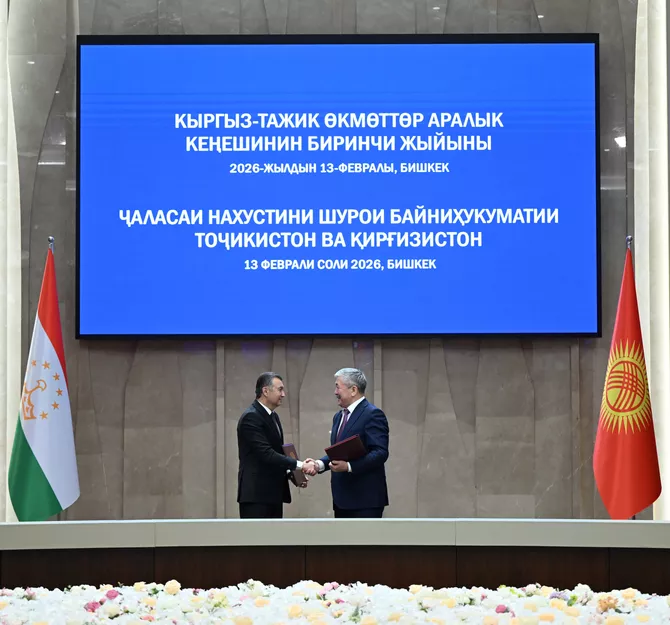
Kyrgyzstan-Tajikistan Pact Backs China-Kyrgyzstan-Uzbekistan Rail

13 Feb 2026

The China-Kyrgyzstan-Uzbekistan rail idea just gained political backing after Kyrgyzstan and Tajikistan signed new cooperation protocols. The pact supports the China-Kyrgyzstan-Uzbekistan route and aims to lift bilateral trade to $500 million using EU GSP+ access. For German firms, a viable Central Asia land link could add capacity between China and Europe, cut exposure to single routes, and shift commodity and logistics flows. We explain the deal, legal angles, and practical steps for Germany-focused supply chains.

What the pact changes

Kyrgyzstan and Tajikistan formed their first intergovernmental council and agreed on cooperation protocols. The Kyrgyzstan-Tajikistan intergovernmental deal sets a goal to raise mutual trade to $500 million while tapping EU market access via GSP+. This political move sets a base for technical work on customs and transit. Read more in the initial coverage here source.

Both governments voiced support for the China-Kyrgyzstan-Uzbekistan railway as a future China–Europe freight option. That support signals intent to build a Central Asia trade corridor that can reroute cargo and reprice transit economics. Talks in Bishkek highlighted cooperation on transport, trade, and border procedures, adding momentum to the corridor vision source.

Why this matters for Germany

A functional China-Kyrgyzstan-Uzbekistan rail could give German exporters and importers another land option. Firms in autos, machinery, and consumer goods could hedge against delays on sea lines. Added path diversity often improves schedule reliability. It also spreads risk across nodes and borders. For Mittelstand shippers, even modest volumes on a new route can strengthen bargaining power with carriers.

Land freight can be faster than ocean on long Asia-Europe legs, but it can cost more per unit. A China-Kyrgyzstan-Uzbekistan option may price between sea and air, with value in time savings and lower inventory. Risk factors include border procedures, insurance, and sanctions compliance. Early users may face teething issues, yet capacity could scale with stable policy support.

Trade law and EU market access

GSP+ offers reduced EU tariffs for eligible goods from approved partners when compliance conditions are met. The deal references using GSP+ to grow exports, which matters for German importers building Central Asia supply. Buyers should validate product eligibility, documentation, and sustainability duties. If applied well, this can tighten margins and improve landed-cost certainty for repeat shipments.

Rules of origin will decide who benefits from tariff cuts and how mixed inputs are treated. Importers should align Incoterms, delivery points, and liability for border delays. Consider arbitration seats and governing law for cross-border contracts. Map data flows for digital customs, and test fallback plans if the China-Kyrgyzstan-Uzbekistan route is temporarily constrained.

Investor watchpoints and scenarios

Key markers include intergovernmental approvals, financing commitments, construction starts, and border cooperation pacts. Watch for pilot freight movements, customs digitalization, and terminal investments along the corridor. A steady news flow on these steps would raise confidence that the China-Kyrgyzstan-Uzbekistan rail can carry regular Europe-bound loads.

Potential winners include logistics providers, freight forwarders, and insurers with Eurasia expertise. Rail equipment and terminal service firms may see bids. Traders in chemicals, metals, textiles, and agri could benefit from shorter lead times. As volumes build on the China-Kyrgyzstan-Uzbekistan corridor, German SMEs can test small lots to validate service quality and pricing.

Final Thoughts

For Germany, the Kyrgyzstan-Tajikistan pact is a signal, not a guarantee. Yet signals matter. Political cover plus a $500 million trade target and references to EU GSP+ suggest real intent to open flows through Central Asia. Practical next steps for German firms are clear. Map lanes where days saved can justify higher land rates. Pre-qualify forwarders with proven customs experience in the region. Align contracts on Incoterms, liability, and sanctions clauses. Run a pilot on a limited lane to test handoffs, insurance, and data quality. Track milestones on financing, construction, and border agreements that show the China-Kyrgyzstan-Uzbekistan link is moving from talk to throughput. Being early can add resilience and pricing power.


Kyrgyzstan, Tajikistan Seal Intergovernmental Deal
  • 13 Feb, 14:44
Kyrgyz Prime Minister Adylbek Kasymaliev has said that the construction of the China-Kyrgyzstan-Uzbekistan railway will significantly enhance Kyrgyzstan’s transit potential and create new economic opportunities for Tajikistan.

He made the remarks during the first meeting of the Kyrgyz-Tajik Intergovernmental Council in Bishkek, which was also attended by Tajik Prime Minister Kokhir Rasulzoda, The Caspian Post reports via the Kyrgyz Cabinet of Ministers.

Trade, Transit and New Market Access

The sides discussed expanding trade and economic cooperation, including supplies of meat and dairy products, textiles, coal, glass products and sugar. To increase trade turnover, the parties proposed drafting a detailed “road map” with concrete measures and responsible agencies.

They also explored the possibility of opening Kyrgyz trade houses in Tajikistan and Tajik trade houses in Kyrgyzstan.

Kyrgyzstan is ready to act as a ‘trade gateway’ for Tajik goods to the markets of the Eurasian Economic Union and the European Union through the GSP+ system,” Kasymaliev said.

Strategic Eurasian Corridor

He emphasized that the China-Kyrgyzstan-Uzbekistan railway is a major infrastructure project of strategic importance. The corridor is expected to strengthen Kyrgyzstan’s role as a key logistics hub in Eurasia while opening additional transit routes for Tajikistan.

Following the meeting, the sides signed a protocol of the first Intergovernmental Council session and a memorandum of understanding between Kyrgyz Export and the Chamber of Commerce and Industry of Tajikistan.

The railway project is widely seen as a transformative link that could reshape regional trade flows and deepen economic integration across Central Asia.
 

Inaugural cargo train launched along China-Kyrgyzstan-Uzbekistan-Tajikistan multimodal corridor

February 18, 202617:01Updated 1d ago

A new freight corridor linking China with Tajikistan via Kyrgyzstan and Uzbekistan has entered pilot operation, marking another step in Central Asia’s expanding transport connectivity.

The inaugural train was dispatched by the Uzbekistan–China joint venture UTK International Logistics Co. Ltd, according to its co-founder, Uztemiryulcontainer. It departed from Lanzhou in China and is travelling more than 3,500 kilometres to Dushanbe-2 station in Tajikistan. The journey is expected to take between 18 and 20 days.

The train consists of eight 40-foot containers carrying consumer goods and construction equipment. The route passes through Kyrgyzstan and Uzbekistan under preferential tariff arrangements supported by Uzbekistan Railways.

Part of broader regional transport integration​

The corridor is currently operating in pilot mode under regional cooperation agreements between Uzbekistan, Kyrgyzstan and Tajikistan aimed at strengthening trade and transit links.

The initiative builds on earlier rail cooperation between China and Central Asia. In June 2023, the first block train was launched along the China–Kyrgyzstan–Uzbekistan multimodal corridor between Lanzhou and Tashkent, laying the groundwork for expanded regional cargo operations.

In July 2025, UTK International Logistics was formally established as a joint Uzbek–Chinese transport enterprise. The company focuses on cargo consolidation and the development of freight routes between China and Central Asia. A logistics assembly point was also opened in the Lanzhou Free Economic Zone to facilitate transit operations.

Link to major railway project​

The pilot corridor also aligns with the broader China–Kyrgyzstan–Uzbekistan railway project, a large-scale infrastructure initiative designed to shorten transit routes between China and Europe via Central Asia.

In December 2025, a financing agreement worth approximately $4.7 billion was signed to advance construction of the railway. China is expected to provide more than half of the funding through long-term loans, with the remaining share divided between Kyrgyzstan and Uzbekistan.

The railway project aims to reduce transit times, diversify trade routes and strengthen Central Asia’s role as a strategic land bridge between East Asia and Europe.

Strategic significance​

The launch of the first train along the China–Kyrgyzstan–Uzbekistan–Tajikistan route highlights growing regional coordination in logistics and infrastructure. It also reflects ongoing efforts by Central Asian states to expand export capacity, increase transit revenues and integrate more deeply into Eurasian trade networks.

If the pilot proves successful, regular container services are expected to follow, further boosting cross-border trade and economic cooperation across the region.
 
Last edited:

Users who are viewing this thread

Latest Posts

Back
Top