Foxhound
Registered Member

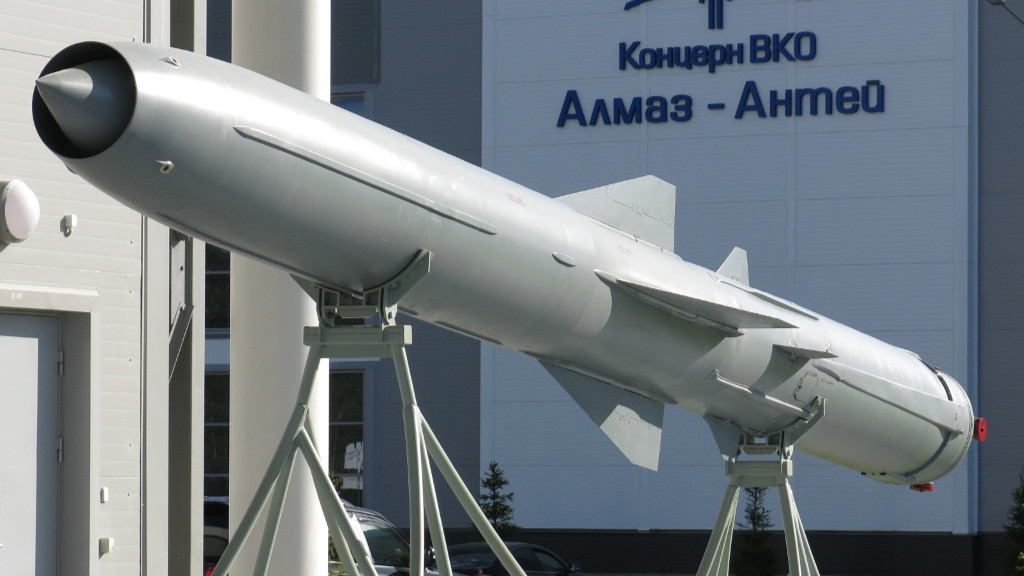
I am sick of the BrahMos Hype . BrahMost isn’t some silver bullet. India fired 40 to 50 of them, and what’s the outcome? A few damaged hangars? Not a single high-value target taken out. Zero.
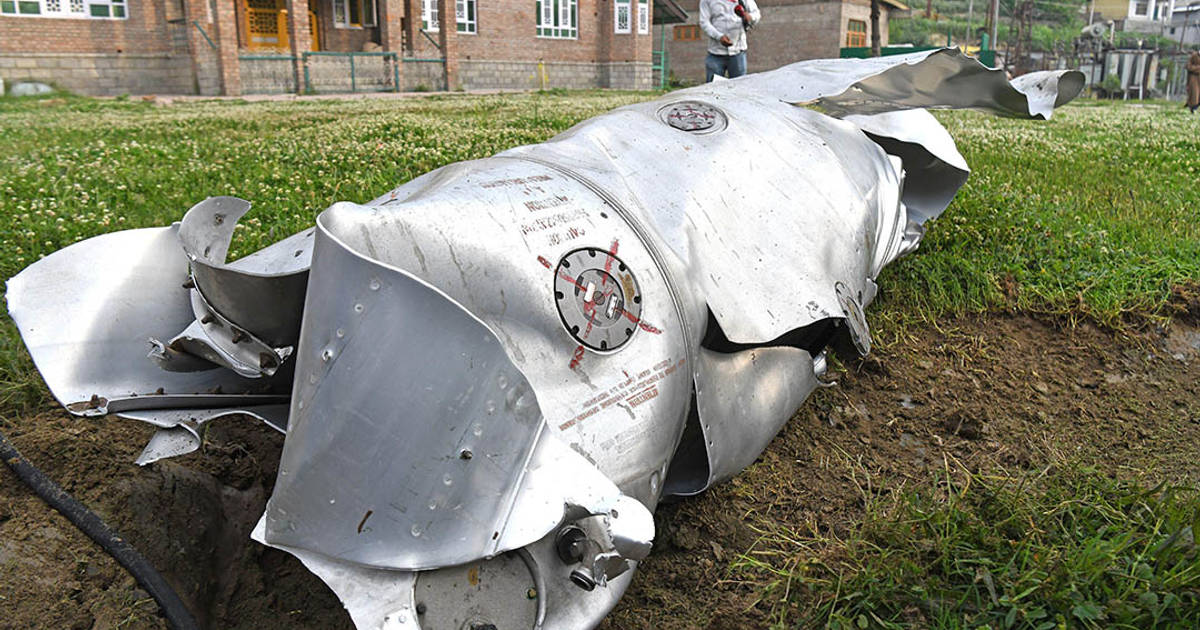
Yeah, it’s fast—but it turns like a 16-wheeler ( cant do effective midcourse correction). And it’s been jammed, spoofed, and even shot down. There are plenty of images showing the wreckage, and even a video of one slamming into an empty field outside Lahore. So let’s not pretend it was some game-changing weapon. The hype doesn’t match the results.
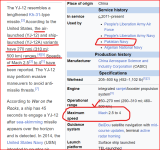
Why would Brahmos be a threat to China. The Chinese already have something far superior than the Brahmos , its called CJ-100 CM (DF-100). Its faster ( Hypersonic) and has a bigger range and better navigation.
View attachment 126201
View attachment 126202
.
The fog of war is gradually dissipating and as more information is released, we will find out the outcome of the operations from both sides. No Air Defence is invincible and no matter how sophisticated it is, due to saturation type strikes things will get through (look at other conflicts such as Ukraine/Russia and even Israel's so called invincible defence systems).
Pakistan has notably done extremely well - don't rely on the predominant western or Indian media (due to Islamophobia and global anti-muslim geopolitics - there is a massive information warfare campaign to dilute the successes of Pakistan or any other Muslim nations). A number of key think tanks have a large number of Indian/Hindu and Zionist authors/analysts and are trying their best to undermine/or dilute achievements of Pakistan etc.
I agree that self introspection is required and any weaknesses addressed but not to the point of exaggerated enemy capabilities. Yes the threat is there - but has many times been dealt with successfully (and this despite Pakistan's economic and political state being extremely weak).
The recent conflict showed that the amount of firepower dropped on Indian occupied Kashmir and mainland India had been so impressive (shock and awe) that within 4-5 hours, they were hit so hard that they quickly went behind backdoor channels to ask for a ceasefire. The Indians can be in self denial like their media - but this was a chance for India to show it's mettle, which it failed. It was nothing more than a big bully being humbled by a smaller power - which is humiliating for them.
Pakistan needs to ensure that the next time, they don't just get a bloody nose but hit them so hard that they will never try to make a 'new norm' acceptable. It'll will be an opportunity to free the Kashmiris in Indian occupied Kashmir from it's brutal suppression (it will also safeguard our waters).
"How often a small group has overcome a large one by Allah’s will. Allah is with the steadfast." (Surah Al-Baqarah, 2:249).
Pakistan as always will address the threats and have a counter capabilities
Pakistan’s Strategic Response to the BrahMos Supersonic Cruise Missile
1. Understanding the Threat
The BrahMos missile, jointly developed by India and Russia, is a supersonic cruise missile capable of speeds up to Mach 3 and precision strikes at ranges exceeding 400 km. Its speed, manoeuvrability, and low-altitude flight profile make it a formidable challenge for any air defence system.
2. Countering the BrahMos:
A Multi-Layered Defence Strategy
A. Early Detection and Tracking
Over-the-Horizon Radars (OTHR):
These provide long-range detection of incoming threats, offering critical reaction time.
Airborne Early Warning and Control Systems (AWACS):
Platforms such as the Saab 2000 Erieye/ZDK03 can detect low-flying cruise missiles and coordinate intercepts with ground-based systems.
B. Integrated Air Defence Systems (IADS)
A layered air defence network is essential:
Short-Range Systems:
LY-80 (HQ-16) for close-in protection.
Medium/Long-Range Systems:
Systems like HQ-9 or FD-2000 can engage high-speed targets at greater distances.
Point Defence Systems:
Rapid-response systems to protect high-value targets.
C. Electronic Warfare (EW)
Jamming and Deception:
platforms can disrupt the missile’s radar seeker or GPS guidance.
Decoys and Chaff:
These can mislead the missile’s targeting system, reducing its effectiveness.
D. Hardening and Mobility
Hardened Shelters:
Reinforced bunkers can protect critical infrastructure.
Mobility:
Keeping strategic assets mobile (e.g., missile launchers, command centres) reduces vulnerability.
E. Diplomatic and Strategic Measures
Arms Control Dialogue: Engaging in regional arms control initiatives to reduce the risk of escalation.
Strategic Alliances:
Strengthening defence ties with countries like China and Turkey for technology access and joint development.
3. Prospects of Indigenous Supersonic Cruise Missile Development
Current Capabilities
Pakistan has a mature missile development programme:
Babur Cruise Missile: Subsonic, land-attack capability.
Ra’ad ALCM: Air-launched, stealthy, and nuclear-capable.
Challenges
Propulsion: Developing ramjet or scramjet engines is technologically demanding.
Guidance Systems:Requires advanced INS, TERCOM, and satellite navigation.
Materials Science: Supersonic speeds generate extreme heat, necessitating specialised materials.
Feasibility
With sustained investment and strategic partnerships, Pakistan could develop a supersonic cruise missile within 1-5 years. Indigenous R&D, supported by institutions like NESCOM and SUPARCO, would be key.
4. Acquiring Supersonic Missiles from Allies
China
- Missile Options:
- CM-302: Supersonic anti-ship missile, comparable to BrahMos.
- YJ-12: Capable of Mach 3+, with a range over 400 km.
- Advantages:
- Strong defence ties.
- Potential for technology transfer or licensed production.
- Limitations:
- Export restrictions due to MTCR norms.
- Possible geopolitical backlash.
Turkey
- Current Status:
- Turkey is developing its own cruise missiles (e.g., Gezgin), though not yet supersonic.
- Advantages:
- Willingness for joint development.
- Growing defence cooperation with Pakistan.
- Limitations:
- Systems may not be export-ready.
- Dependence on NATO-standard components could complicate transfers.
5. Strategic Outlook
Pakistan has several viable paths to counter the BrahMos missile threat. A combination of layered air defence, electronic warfare, and strategic partnerships will be essential in the short term. In the longer term, developing indigenous supersonic cruise missile capability—potentially with support from China or Turkey—would significantly enhance Pakistan’s deterrence and strategic autonomy.
Pakistan does need to enhance its own R&D and find cost effective countermeasures to address this threat - which it does have the ability to successfully carry this out.