Pakistan-India Conflict 2025: News Updates and Discussion

can you share the full source? The article link
here is full article

 
I doubt consent of the state legislature was achieved in the following cases:
- Telengana separating from Andhra
-Jharkhand separating from Bihar
- Haryana separating from Punjab
- Ladakh separating from Kashmir

The British had deliberately divided India into Presidencies so that linguistic, ethnic and regional chauvinism is minimized and India could hopefully blend over centuries into some kind of homogeneity. Now India continues to fracture along language, and ethnicity.
Consent of state legislature is not binding or mandatory per se. It's just recommendatory. I just listed it as a "technical" point.

Division is mostly done on linguistic or ethnic lines. Andhra was the first state divided on linguistic lines in 1953. This isn't exactly a new thing, India was divided on linguistic lines for states since independence. Some states are divided on ethnic basis it's mostly in NE.

The British had deliberately divided India into Presidencies so that linguistic, ethnic and regional chauvinism is minimized and India could hopefully blend over centuries into some kind of homogeneity. Now India continues to fracture along language, and ethnicity.
British did it for administrative convenience and divide and rule. They took advantage of the multiple ethnic groups combined in all presidencies.
 
With Indian hostilities led by the RSS BJP Hindu fundamentalists group of trying to undermine and attack Pakistan under various false pretexts - Pakistan needs to support these groups, divide and conquer so that when they initiate a conflict it'll be easier to take Indian occupied Kashmir and give freedom to other suppressed/oppressed groups:

India has experienced several insurgencies since its independence in 1947, driven by ethnic, ideological, religious, and regional factors. Here's a list of the major insurgencies:

1. Naga Insurgency (Since 1956)

- Region:Nagaland and surrounding areas in Northeast India.
- Cause: Demand for an independent Naga homeland.
- Groups: National Socialist Council of Nagaland (NSCN-IM, NSCN-K).
- Status: Ongoing peace talks with the Indian government; ceasefire agreements in place.

2. Mizo Insurgency (1966–1986)

- Region: Mizoram.
- Cause: Dissatisfaction with central response to famine; demand for independence.
- Group: Mizo National Front (MNF).
- Status: Ended with the 1986 Mizoram Peace Accord; MNF became a political party.

3. Naxalite–Maoist Insurgency (Since 1967)

- Region: Central and Eastern India (the "Red Corridor").
- Cause: Left-wing extremism; fight against perceived exploitation of tribal and rural populations.
- Groups: Communist Party of India (Maoist) and others.
- Status: Ongoing; significantly weakened but still active in some areas.

4. Khalistan Movement (1980s–1990s)

- Region: Punjab.
- Cause: Demand for a separate Sikh homeland, "Khalistan".
- Groups: Babbar Khalsa, Khalistan Commando Force, etc.
- Status: Largely suppressed by the mid-1990s; sporadic support from diaspora.

5. Kashmir Insurgency (Since 1989)

- Region: Jammu and Kashmir.
- Cause: Disputed status of Kashmir; demand for independence or merger with Pakistan.
- Groups: Hizbul Mujahideen, Lashkar-e-Taiba, Jaish-e-Mohammed.
- Status: Ongoing; Article 370 abrogation in 2019 changed the political landscape.

6. Assam Insurgency (Since 1979)

- Region: Assam.
- Cause: Anti-immigrant sentiment; demand for sovereignty.
- Groups: United Liberation Front of Asom (ULFA).
- Status: Weakened; many leaders have surrendered or joined peace talks.

7. Tripura Insurgency (1980s–2000s)

- Region: Tripura.
- Cause: Ethnic tensions between indigenous tribes and Bengali settlers.
- Groups: National Liberation Front of Tripura (NLFT), All Tripura Tiger Force (ATTF).
- Status: Mostly dormant; peace restored through negotiations.

8. Gorkhaland Movement (Intermittent since 1980s)

- Region: Darjeeling and Kalimpong (West Bengal).
- Cause: Demand for a separate Gorkhaland state.
- Groups: Gorkha Janmukti Morcha (GJM), Gorkha National Liberation Front (GNLF).
- Status: Political in nature; periodic unrest but no active insurgency.


In addition to the major insurgencies already listed, here are some lesser-known or regionally significant insurgencies in India:

9. Bodoland Insurgency

- Region: Assam (Bodoland Territorial Region).
- Cause: Demand for a separate Bodoland state for the Bodo people.
- Groups: Bodo Liberation Tigers (BLT), National Democratic Front of Bodoland (NDFB).
- Status: Peace accords signed in 2003 and 2020; significant reduction in violence.

10. Manipur Insurgency

- Region: Manipur.
- Cause: Ethnic tensions and demand for independence or greater autonomy.
- Groups: People's Liberation Army (PLA), United National Liberation Front (UNLF), Kangleipak Communist Party (KCP).
- Status: Ongoing; intermittent violence and peace talks.

11. Meghalaya Insurgency

- Region: Meghalaya.
- Cause: Ethnic identity and autonomy for Khasi, Garo, and Jaintia tribes.
- Groups: Garo National Liberation Army (GNLA), Hynniewtrep National Liberation Council (HNLC).
- Status: Mostly subdued; sporadic incidents.

12. Karbi and Dimasa Insurgencies

- Region: Assam (Karbi Anglong and Dima Hasao districts).
- Cause: Ethnic identity and demand for separate states.
- Groups: United People's Democratic Solidarity (UPDS), Dima Halam Daogah (DHD).
- Status: Peace accords signed; groups disbanded or joined mainstream politics.

13. Tamil Nadu (LTTE Support)

- Region: Tamil Nadu.
- Cause: Sympathy and support for Tamil Eelam in Sri Lanka.
- Groups: No active insurgency, but LTTE had support networks.
- Status: Dormant since LTTE's defeat in Sri Lanka (2009).

14. Adivasi Militancy in Jharkhand and Odisha

- Region: Jharkhand, Odisha, Chhattisgarh.
- Cause: Tribal rights, land alienation, and exploitation.
- Groups: Jharkhand Liberation Tigers, People's Liberation Front of India (PLFI).
- Status: Often overlaps with Maoist insurgency; ongoing low-intensity conflict.

Pakistan needs to exploit/support/ignite these groups with moral support as the BJP Modi government has made things worse.

Security Approach:

The BJP-led government has taken a hardline stance on internal security, especially in Kashmir and against Maoists. This has led to reduced insurgent activity in some areas but also increased alienation in others.

- Kashmir:

The abrogation of Article 370 in 2019 was a landmark move. While it aimed to integrate Jammu & Kashmir more fully into India, it also led to heightened tensions, curfews, and communication blackouts. The long-term impact remains debated.

- Northeast: The BJP has pushed peace accords (e.g., with Bodo and Naga groups) and invested in infrastructure. However, ethnic tensions (like the 2023 Manipur violence) have raised concerns about governance and communal harmony.

- Criticism: Critics argue that the BJP's majoritarian politics and centralised decision-making have sometimes exacerbated regional grievances, especially among minorities and tribal communities.

Pakistan as part of its strategy needs to give moral support - weaken the cohesion of this hostile Indian nation. Whilst maintaining it's conventional capabilities of taking back Indian occupied Kashmir and thereby safeguarding it's waters.
 
here is full article

You know i just realized we should definitely make a whole Cyber Branch like we have the Air force Navy and Army we should have a Cyber Force branch, because we definitely have alot of talented hackers and i believe they also did alot of stuff in Bunyan Um marsoos and had their own operation i believe i remember it being called "operation salaar" or something

I seriously think Cyber Force should be a branch
 
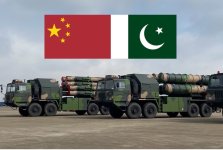
Stack up at least five S-400 batteries, that equal to one HQ-19, yes this how good it is and thinking it to be in Pakistan’s service:
We will literally control the airspace of even India’s West Bengal region.

Bloody fuckin yessss baby!
IMG_0423.jpeg
 
Stack up at least five S-400 batteries, that equal to one HQ-19, yes this how good it is and thinking it to be in Pakistan’s service:
We will literally control the airspace of even India’s West Bengal region.

Bloody fuckin yessss baby!
How good is the Hq-19 because i hear it has quite a long range and if its true we should definitely order 5-6 of these
 
How do Indians define communal violence then?
Communal violence is driven by religious hatred or religious nationalism.

Ethnic conflict is driven by land disputes, political power struggles, demand for autonomy, or competition over resources and identity.

It's not matter of how we define it but a matter of what the nature of the conflict is. It is not a religion based conflict.
 
With Indian hostilities led by the RSS BJP Hindu fundamentalists group of trying to undermine and attack Pakistan under various false pretexts - Pakistan needs to support these groups, divide and conquer so that when they initiate a conflict it'll be easier to take Indian occupied Kashmir and give freedom to other suppressed/oppressed groups:

India has experienced several insurgencies since its independence in 1947, driven by ethnic, ideological, religious, and regional factors. Here's a list of the major insurgencies:

1. Naga Insurgency (Since 1956)

- Region:Nagaland and surrounding areas in Northeast India.
- Cause: Demand for an independent Naga homeland.
- Groups: National Socialist Council of Nagaland (NSCN-IM, NSCN-K).
- Status: Ongoing peace talks with the Indian government; ceasefire agreements in place.

2. Mizo Insurgency (1966–1986)

- Region: Mizoram.
- Cause: Dissatisfaction with central response to famine; demand for independence.
- Group: Mizo National Front (MNF).
- Status: Ended with the 1986 Mizoram Peace Accord; MNF became a political party.

3. Naxalite–Maoist Insurgency (Since 1967)

- Region: Central and Eastern India (the "Red Corridor").
- Cause: Left-wing extremism; fight against perceived exploitation of tribal and rural populations.
- Groups: Communist Party of India (Maoist) and others.
- Status: Ongoing; significantly weakened but still active in some areas.

4. Khalistan Movement (1980s–1990s)

- Region: Punjab.
- Cause: Demand for a separate Sikh homeland, "Khalistan".
- Groups: Babbar Khalsa, Khalistan Commando Force, etc.
- Status: Largely suppressed by the mid-1990s; sporadic support from diaspora.

5. Kashmir Insurgency (Since 1989)

- Region: Jammu and Kashmir.
- Cause: Disputed status of Kashmir; demand for independence or merger with Pakistan.
- Groups: Hizbul Mujahideen, Lashkar-e-Taiba, Jaish-e-Mohammed.
- Status: Ongoing; Article 370 abrogation in 2019 changed the political landscape.

6. Assam Insurgency (Since 1979)

- Region: Assam.
- Cause: Anti-immigrant sentiment; demand for sovereignty.
- Groups: United Liberation Front of Asom (ULFA).
- Status: Weakened; many leaders have surrendered or joined peace talks.

7. Tripura Insurgency (1980s–2000s)

- Region: Tripura.
- Cause: Ethnic tensions between indigenous tribes and Bengali settlers.
- Groups: National Liberation Front of Tripura (NLFT), All Tripura Tiger Force (ATTF).
- Status: Mostly dormant; peace restored through negotiations.

8. Gorkhaland Movement (Intermittent since 1980s)

- Region: Darjeeling and Kalimpong (West Bengal).
- Cause: Demand for a separate Gorkhaland state.
- Groups: Gorkha Janmukti Morcha (GJM), Gorkha National Liberation Front (GNLF).
- Status: Political in nature; periodic unrest but no active insurgency.


In addition to the major insurgencies already listed, here are some lesser-known or regionally significant insurgencies in India:

9. Bodoland Insurgency

- Region: Assam (Bodoland Territorial Region).
- Cause: Demand for a separate Bodoland state for the Bodo people.
- Groups: Bodo Liberation Tigers (BLT), National Democratic Front of Bodoland (NDFB).
- Status: Peace accords signed in 2003 and 2020; significant reduction in violence.

10. Manipur Insurgency

- Region: Manipur.
- Cause: Ethnic tensions and demand for independence or greater autonomy.
- Groups: People's Liberation Army (PLA), United National Liberation Front (UNLF), Kangleipak Communist Party (KCP).
- Status: Ongoing; intermittent violence and peace talks.

11. Meghalaya Insurgency

- Region: Meghalaya.
- Cause: Ethnic identity and autonomy for Khasi, Garo, and Jaintia tribes.
- Groups: Garo National Liberation Army (GNLA), Hynniewtrep National Liberation Council (HNLC).
- Status: Mostly subdued; sporadic incidents.

12. Karbi and Dimasa Insurgencies

- Region: Assam (Karbi Anglong and Dima Hasao districts).
- Cause: Ethnic identity and demand for separate states.
- Groups: United People's Democratic Solidarity (UPDS), Dima Halam Daogah (DHD).
- Status: Peace accords signed; groups disbanded or joined mainstream politics.

13. Tamil Nadu (LTTE Support)

- Region: Tamil Nadu.
- Cause: Sympathy and support for Tamil Eelam in Sri Lanka.
- Groups: No active insurgency, but LTTE had support networks.
- Status: Dormant since LTTE's defeat in Sri Lanka (2009).

14. Adivasi Militancy in Jharkhand and Odisha

- Region: Jharkhand, Odisha, Chhattisgarh.
- Cause: Tribal rights, land alienation, and exploitation.
- Groups: Jharkhand Liberation Tigers, People's Liberation Front of India (PLFI).
- Status: Often overlaps with Maoist insurgency; ongoing low-intensity conflict.

Pakistan needs to exploit/support/ignite these groups with moral support as the BJP Modi government has made things worse.

Security Approach:

The BJP-led government has taken a hardline stance on internal security, especially in Kashmir and against Maoists. This has led to reduced insurgent activity in some areas but also increased alienation in others.

- Kashmir:

The abrogation of Article 370 in 2019 was a landmark move. While it aimed to integrate Jammu & Kashmir more fully into India, it also led to heightened tensions, curfews, and communication blackouts. The long-term impact remains debated.

- Northeast: The BJP has pushed peace accords (e.g., with Bodo and Naga groups) and invested in infrastructure. However, ethnic tensions (like the 2023 Manipur violence) have raised concerns about governance and communal harmony.

- Criticism: Critics argue that the BJP's majoritarian politics and centralised decision-making have sometimes exacerbated regional grievances, especially among minorities and tribal communities.

Pakistan as part of its strategy needs to give moral support - weaken the cohesion of this hostile Indian nation. Whilst maintaining it's conventional capabilities of taking back Indian occupied Kashmir and thereby safeguarding it's waters.
Its job of intel agencies but ours is compromised… hence retrain and digest everything that’s been done to us
 
2019 & 2025 Pakistan listened to China and didn't escalated it much.

I wonder what is in Chinas plan... Taiwan first or Arunchal pardesh or kashmir & ladsakh first...
I dont think china is particularly interested in taiwan since they do a lot of trade so i think i can see em try getting Arunachal but im sure it would go nuclear then quite possibly

They dont have interests in kashmir
 
Stack up at least five S-400 batteries, that equal to one HQ-19, yes this how good it is and thinking it to be in Pakistan’s service:
We will literally control the airspace of even India’s West Bengal region.

Bloody fuckin yessss baby!
View attachment 126573
HQ 19 will. Also be prime target for India just like s400 for Pakistan.
It's anti ballistic however I case of war they will rain BrahMos as well on it
 
HQ 19 will. Also be prime target for India just like s400 for Pakistan.
It's anti ballistic however I case of war they will rain BrahMos as well on it
I think the reason we ordered Hq-19 is more so for deterrence so we should also stack up on DF-17 since we already have CM-400AKG so why not get DF-17 aswell
 

Users who are viewing this thread

Pakistan Defence Latest

Back
Top