Elon Musk’s Starlink Launches 1st-Ever Cell Service Satellites

T-Mobile Begins Cellular Starlink Beta, But It Only Works on These Samsung Phones​


For now, T-Mobile restricts the beta for SpaceX's direct-to-cell Starlink system to Samsung S24 phones and two Galaxy foldable models.

Starlink logo on phone
(Photo illustration by Nikolas Kokovlis/NurPhoto via Getty Images)

It looks like T-Mobile is now accepting customers into the free beta program for SpaceX’s cellular Starlink service—but only if you have the latest Samsung handsets.

On Tuesday, a number of T-Mobile subscribers reported receiving access to T-Mobile's "direct-to-cell" Starlink beta program, which the company announced last month.

T-Mobile has been notifying eligible customers through text messages, according to social media posts. One included a screenshot showing a T-Mobile account subscribed to the satellite network.

To view this content we will need your consent to set third party cookies.
For more detailed information, see our cookies page.


The technology lets you send text messages without relying on traditional ground-based cell towers. Instead, the phone relays the text messages using orbiting Starlink satellites, giving consumers a way to remain connected in cellular dead zones, similar to Apple’s Emergency SOS satellite messaging for iPhones.

When we asked about the beta launch, T-Mobile said: "We continue to make great progress toward a full beta test availability; more details to come soon."

In the meantime, the carrier also published a new support document that reveals the cellular Starlink system only works on five Samsung models for now: the Galaxy Z Flip 6 5G, Galaxy Z Fold 6 5G, Galaxy S24 5G, Galaxy S24 Plus 5G, and Galaxy S24 Ultra 5G.

“Text messages may take longer than normal to be sent while connected to the T-Mobile Starlink satellite network,” the support document says. “Picture and video messaging is not included during the beta phase.”

Eligible phones will only switch to satellite connectivity if customers are in an area without traditional cell or roaming services. “Manually selecting the T-Mobile Starlink network will not work while other cellular connection options are available,” the document adds. “When connected to T-Mobile Starlink, your device will display T-Mobile SpaceX at the top-left side of your screen.”

SpaceX recently secured approval from the FCC to operate the cellular Starlink technology commercially. T-Mobile has not announced pricing, but SpaceX plans to eventually support data and voice calls via the cellular Starlink service.

To view this content we will need your consent to set third party cookies.
For more detailed information, see our cookies page.


T-Mobile has also activated the cellular Starlink tech for customers living in areas of Los Angeles devastated by the recent wildfires. The same satellites will also beam emergency alerts to all phones in the affected areas, regardless of carrier.
 

SpaceX Completes First-Gen Starlink Direct to Cell Network​


To view this content we will need your consent to set third party cookies.
For more detailed information, see our cookies page.


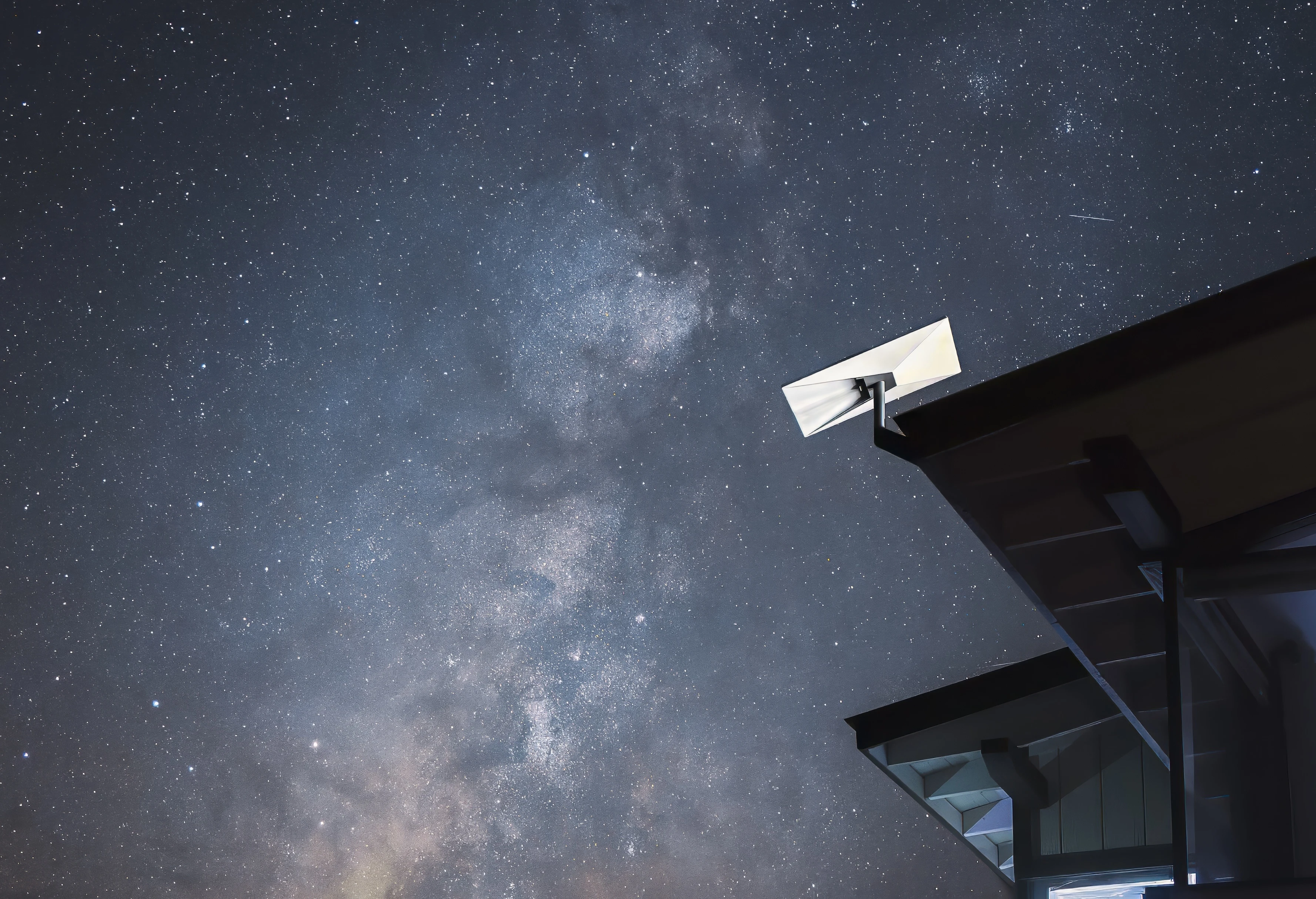
Starlink Direct to Cell aims to eliminate mobile dead zones across the globe by providing satellite connectivity anywhere and everywhere. SpaceX secured a commercial Federal Communications Commission (FCC) license to launch the service in the U.S. late last year.

What’s special about Starlink Direct to Cell is that it doesn’t require users to buy any new hardware. Your regular, unmodified smartphone will be able to connect directly to Starlink satellites, allowing you to send texts, make calls, and eventually even access the internet—no cell towers needed.

By working with mobile carriers around the world, SpaceX aims to close the gap in coverage, especially in remote and rural regions where connectivity is either poor or nonexistent. That includes places like hiking trails, remote highways, and areas hit by natural disasters where traditional infrastructure might be down.

SpaceX is already offering a Starlink Direct to Cell text messaging service in beta, in collaboration with partners like T-Mobile in the U.S. Voice and internet services are expected to follow sometime this year.

The completion of the first-gen satellite network puts Starlink Direct to Cell on track for a full commercial launch soon. SpaceX hasn’t named its Canadian partners yet, but given how rural Canada is, we can expect big interest for Starlink Direct to Cell north of the border. Stay tuned.
 
To view this content we will need your consent to set third party cookies.
For more detailed information, see our cookies page.

I got into the T-Mobile Starlink Beta...​

 
Ordinary mobile phone satellite call function? My Huawei mobile phone has also opened this function.
 
Ordinary mobile phone satellite call function? My Huawei mobile phone has also opened this function.

Does it work overseas or just in China?

here it is in working Australia
To view this content we will need your consent to set third party cookies.
For more detailed information, see our cookies page.

Telstra launches Australia's first direct-to-satellite text messaging service​


New Zealand
To view this content we will need your consent to set third party cookies.
For more detailed information, see our cookies page.

Introducing One NZ Satellite TXT service, powered by Starlink​


Peru
To view this content we will need your consent to set third party cookies.
For more detailed information, see our cookies page.

Primera prueba Entel Starlink Direct to Cell en Latinoamérica​


Japan
To view this content we will need your consent to set third party cookies.
For more detailed information, see our cookies page.

【KDDI NEWS】Starlink衛星とauスマートフォンの直接通信実証に成功​

 
Last edited:
Does it work overseas or just in China?

here it is in working Australia
To view this content we will need your consent to set third party cookies.
For more detailed information, see our cookies page.

Satellite calls are effective in any country.
At present, only three satellites have been launched, so they are only available in Asia.
 
Satellite calls are effective in any country.
At present, only three satellites have been launched, so they are only available in Asia.

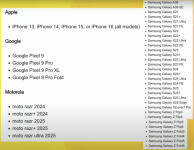
That's pretty nice. Although Starlink Direct-to-Cell works across multiple phone brands without modifications

phonessupported.png


Seems to have Apple and Samsung covered
 
That's pretty nice. Although Starlink Direct-to-Cell works across across multiple phone brands without modifications

View attachment 128239
Now Chinese mobile phone brands basically have the function of satellite calls.This feature became popular in 2023.At that time, Huawei just launched satellite calls, and then many brands joined.
 
Now Chinese mobile phone brands basically have the function of satellite calls.This feature became popular in 2023.At that time, Huawei just launched satellite calls, and then many brands joined.

I believe Xiaomi and Oppo use Tiantong..is that still limited to China?
 
I believe Xiaomi and Oppo use Tiantong..is that still limited to China?
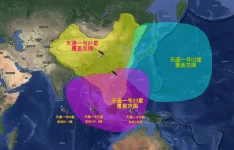
At present, there are too few satellites in the scope of use, and the subsequent increase of satellites will cover a larger area.0910df44e64e9126a92b1ce270acedbb.webp
 
At present, there are too few satellites in the scope of use, and the subsequent increase of satellites will cover a larger area.View attachment 128246

Unfortunately the problem is always the transmission frequency spectrum available changes as you cross borders. So you end up needing to cut deals across countries. That's probably why Tiantong is only operating 3 satellites.

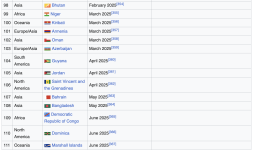
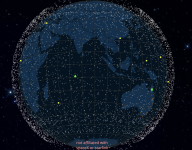
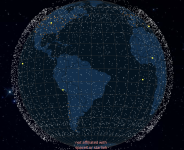
Starlink has crossed the 100 country threshold for internet access and is now working on direct-to-cell deals with them too.

starlink1-png.42066

starlink2-png.42067

starlink3-png.96741

starlink.png


SpaceX has been busy little bees over the past few years trying to corner the market quickly..

spacexConstellation.png
spacexConstellation2.png
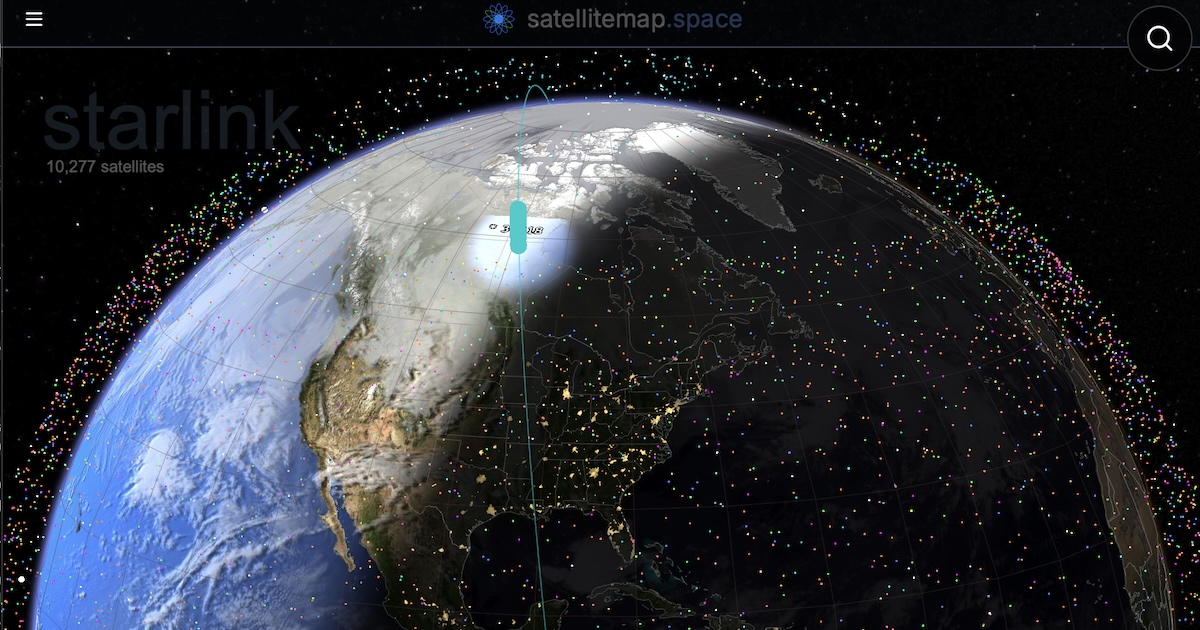
Insane SpaceX satellite constellation.

To say Elon Musk through SpaceX has his eyes everywhere listbing to the planet is an understatement
 
Last edited:
Unfortunately the problem is always the transmission frequency spectrum available changes as you cross borders. So you end up needing to cut deals across countries. That's probably why Tiantong is only operating 3 satellites.

Starlink has crossed the 100 country threshold for internet access and is now working on direct-to-cell deals with them too.

starlink1-png.42066

starlink2-png.42067

starlink3-png.96741

View attachment 128248


SpaceX has been busy little bees over the past few years trying to corner the market quickly..
Is it possible that the telecommunication network in other countries has a bad signal? Is that why you need this feature?
 
Is it possible that the telecommunication network in other countries has a bad signal? Is that why you need this feature?

No, it's because the frequency spectrums are all over the place. The frequency China mobile might use locally for its cell service might be used as air traffic control communications in some other country. What Verizon uses in the US for cell might be the police frequency in some European country. A frequency in Europe for cell may open up garage doors in some Middle East country.

It's a total uncoordinated mess. A real headache.

Even two-way using BeiDou is geo-fenced to China (and probably over blue water oceans is okay since it isn't technically interfering with a country's frequencies).
 
Last edited:

SpaceX buys wireless spectrum from EchoStar in $17 billion deal​


SpaceX in talks with chip vendors for D2D service​


Elon Musk-owned SpaceX is reportedly working with partners to embed chips into smartphones which would support a Starlink direct-to-device (D2D) service, a system set to be enabled by wireless spectrum purchased from EchoStar.

Bloomberg reported SpaceX president and COO Gwynne Shotwell revealed the company is partnering with chip companies during a space conference yesterday (16 September) in Paris.

Musk recently explained it will take around two years for manufacturers to modify their chips for AWS-4 spectrum, with time also needed to build satellites which can use it.


T-Mobile US is providing SpaceX’s Starlink birds with its PCS G-block which is currently being used for the operator’s T-Satellite text messaging service.

Musk hasn’t ruled out other mobile operators gaining access to Starlink’s birds to offer similar services once the deal with T-Mobile expires.

However, since SpaceX struck its deal to buy EchoStar’s AWS-4 spectrum earlier this month the mobile industry has been on edge about Musk creating a competing D2D service.

Shotwell told Bloomberg SpaceX will “be now initiating discussions with telcos in a different way”.

“Now it’s our spectrum, but we want to work with them, almost providing capacity and wholesaling capacity to their customers,” she explained to the news site.

She told Bloomberg SpaceX plans to conduct D2D mobile phone tests near the end of 2026.

The news publication noted SpaceX will still need ground-based mobile licences to enable its D2D service, which appears to be why it is willing to strike more partnerships with mobile operators.
 

Users who are viewing this thread

Pakistan Defence Latest

Country Watch Latest

Latest Posts

Back
Top