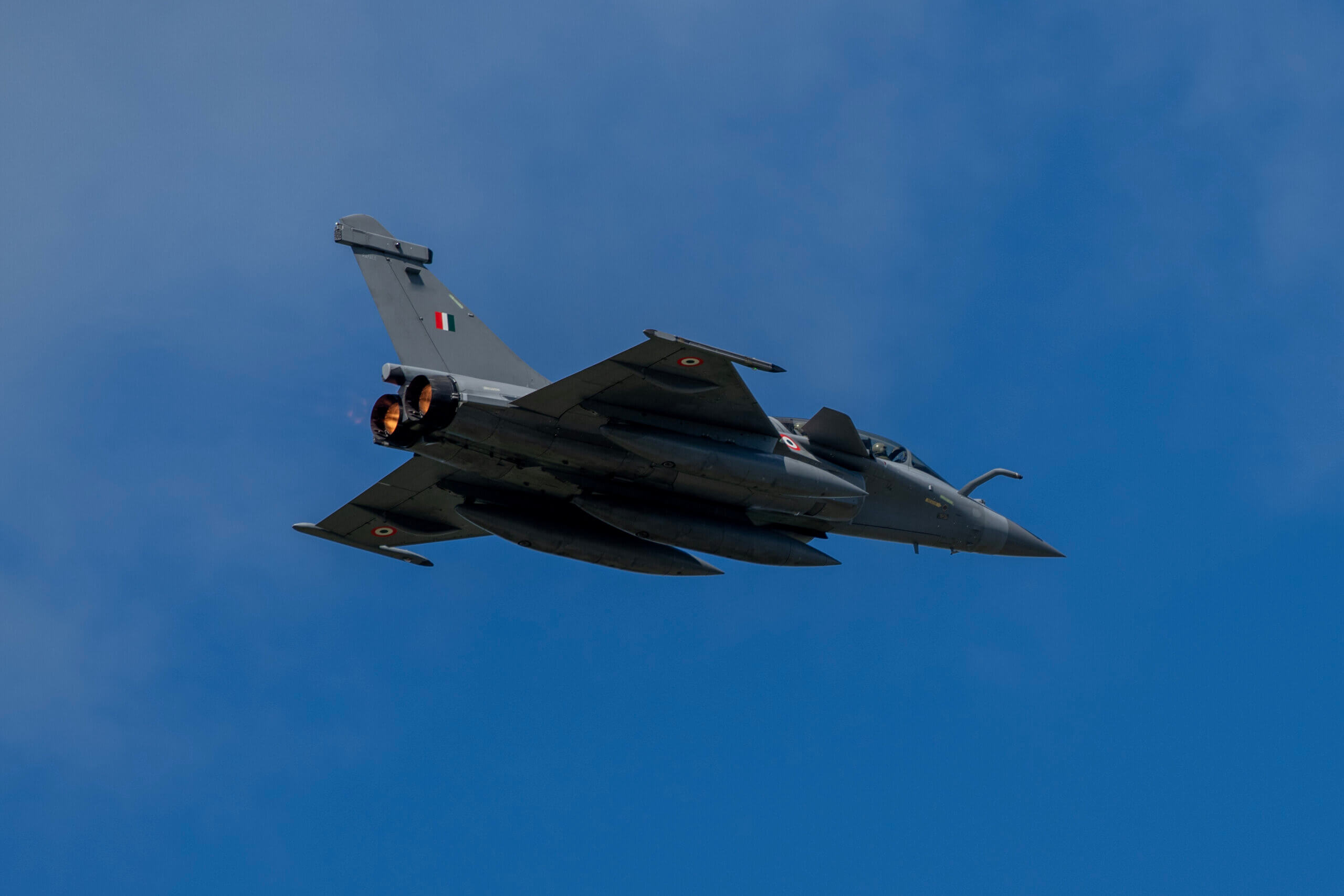
Thats the difference of opinion - we don't have any evidence, more than three aircrafts,, rest mor just claims.. it's good times, Pakistan should share the videos..
Just summarising this one - with help from chatgpt ( no editing)
Executive Summary of the Four-Day Conflict (May 7–10, 2025)
1. Most Serious Confrontation in Decades
The brief but intense military escalation between India and Pakistan was the most significant since the last major clash decades ago. The crisis was marked by expanded geographic reach, use of new weapons systems, and a high level of misinformation.(
Stimson Center)
2. Military Firsts & Weapon Innovation
- India deployed cruise missiles—notably BrahMos and the European SCALP-EG—for the first time across Pakistani territory.
- Pakistan fired conventionally armed short-range ballistic missiles, like Fatah-I and Fatah-II.
- Both countries used drones offensively for the first time, signaling a new phase in air warfare.(Stimson Center)
3. Rapid, Precise Indian Response
India executed coordinated standoff strikes across Pakistan, demonstrating significant reach and precision—especially on May 7 and May 10. While Pakistan intercepted some attacks, it remained highly exposed to Indian airpower.(
Stimson Center)
4. No Cross-Border Airspace Violations
Neither country’s manned aircraft entered the other’s airspace, showing mutual caution regarding air defense threats.(
Stimson Center)
5. Aircraft Losses & Air Defense
- On the first day (May 7), India likely lost several aircraft to Pakistani counter-air operations. These losses were neither confirmed nor denied by India.(Stimson Center)
- In the following days, Indian air defenses largely thwarted Pakistani drone and missile attacks, with limited damage reported.(Stimson Center)
6. Limited Pakistani Impact
Pakistan's retaliatory strikes after initial aircraft losses resulted in minimal observable damage to Indian military assets, although four installations reportedly sustained minor damage.(
Stimson Center)
7. Fog of War & Propaganda
The crisis was marred by widespread disinformation. Pakistan made numerous unverified claims—from successful attacks to missile failures—while India exercised restraint, avoiding public exaggeration.(
Stimson Center)
8. Escalation Tempered by Nuclear Context
Both sides managed escalation carefully, likely influenced by their shared nuclear capabilities. The conflict didn’t feature overt nuclear signaling but nonetheless underscored deep risks.(
Stimson Center)
9. High Cost, Likely Deterrent Effect
Human casualties and equipment losses, though limited, were substantial enough to foster cautious behavior going forward.(
Stimson Center)
10. U.S. Diplomacy Crucial in De-escalation
U.S. diplomatic intervention—particularly via Secretary Marco Rubio—played a decisive role in brokering the ceasefire in the conflict’s final hours, helping prevent further escalation.(
Stimson Center)
An early assessment of available evidence on what transpired in the recent India-Pakistan crisis and its implications

www.stimson.org