TF-X / KAAN / Hürjet Turkish Fighter & Trainer Aircrafts News & Discussions

The Chinese have opened a wide range of accusations of stealing their technology via Pakistan to Turkey, which has caused losses for the Chinese. The Pakistanis have even provided Chinese drones to the Turks to complete their aircraft projects. Let's see what the Chinese have to say.

Pakistan's Dilemma: One Step Wrong, Step by Step
The fighter was once the pride of Pakistan. When the tail is streaked across the sky, there is always cheers. But now, more of the aircraft in the warehouse is being repaired.

Why? After delivering key technologies to Turkey, China has stopped supplying WS-13E engines. Previously, it was possible to switch to a new engine every month, but now it has to wait three months. There are fewer and fewer dragons that can go to heaven, and the gusty-breed fighter next door, India, is even more diligent at the border.

https://www.sohu.com/a/926058870_12...&spm=smpc.content.fd-d.6.1755724418888kNYtUCJ


Original Turkey five generations of aircraft folding, J-35 delivery countdown, Turkey stealing technology was locked by the Beidou


Core technology, can not buy, can not be bought, can not be stolen - Turkey's KAAN fighter dilemma warning

e754582f0cc7483d8fc4499f0bbf9858.jpeg


The Egyptian air base, the J-35 fighter engine roars and cuts through the sky, which is a silent declaration of technical autonomy, in contrast, thousands of miles away from Ankara, the Turkish Air Force Chief of Staff Office is brightly lit and the scorching atmosphere is like a solidified air. The officers with red eyes, their eyes were nailed to the east, and they chewed the same name again and again, J-35.
94e7c5922892440089f74766a68d7d9f.jpeg


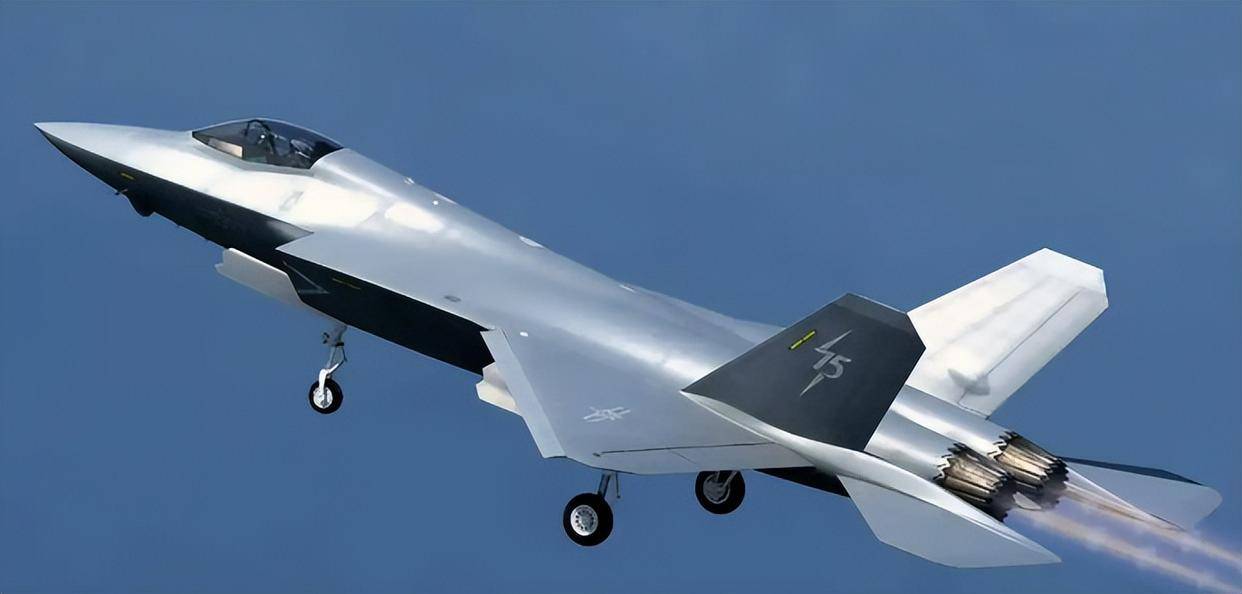
This scorching stems from the fiasco of the KAAN fifth-generation machine. The multi-billion dollar KAAN project failed after two test flights. The engine relies on the U.S. F110-GE-129 engine, the radar system relies on British technology, and the flight control system is outsourced to Sweden. The "National" fighter, even the Turkish Air Force itself has no confidence in its reliability. In contrast, Israel, which is equipped with F-35I fighters, easily locks Iran's air defense system 200 kilometers away and completes the bombing mission with lightning, and Turkey's proud F-16 fleet can't even catch up with its trail. The ambitions of the former Ottoman Empire are now mercilessly taunted by these “semi-finished” fighters. Even more ironic is that Turkey sold this "semi-finished product" to Indonesia for 48 $10 billion, but turned to spend 5 billion US dollars to introduce the British "Typhoon" fourth-generation machine, causing an uproar among Indonesian netizens. Ankara’s helplessness is a stark expose to its predicament of cutting-edge technology: without a real fifth-generation machine, the road to recovery is impossible.

The failure of the KAAN project is the epitome of the Western technological blockade. Turkey hopes to obtain the J-35 technology from Pakistan in the name of "joint logistics support" and "technical exchange", and then reverse engineering. The Turkish aviation industry group has even emptied the gold station, prepared high-end scanners and material analysis equipment, "J-30 reverse engineering plan" was written on the big whiteboard, "Tuba defense agreement" also hidden "joint technology reverse analysis" clause. But this scenario eventually failed. China has already learned the lessons of Rainbow-3 technology being “learned from”. All J-35 maintenance is monitored by Chinese experts throughout the process, the avionics system pre-embedded dynamic encryption system every 72 hours to automatically update the key, the key parts of the Beidou high-precision positioning tracking, any illegal dismantling behavior will immediately trigger the satellite alarm, parts replacement must also be approved by the Chinese side. This tight "smart gene lock" system completely blocked any possibility of technology theft. The J-35’s highly integrated architecture is itself an insurmountable technical barrier. Its operation relies on real-time high-speed information interaction, and the core code runs through the entire system like a neural network. Even with the hardware, the "dialect" of its software logic is difficult to interpret, and intelligent self-testing systems can freeze functions or fuse core components when unauthorized access.
a76a75f82c0d4bd281586c5f74238daa.jpeg


In order to obtain the J-35 technology, Turkey threw bait to Pakistan: acquiesced in its "technical exchanges", and gave up the future purchase of Saudi Arabia and the United Arab Emirates KAAN fighter aircraft (estimated at $20 billion). This is undoubtedly a huge temptation for Pakistan with a defense budget of only 9.3 billion US dollars. The tug-of-war between the temptation of great interests and the traditional friendship has made it difficult for Pakistan to shudder, and it has almost led to the incident of the J-10 CE flight control data.


At the Istanbul Military Industry Exhibition, Turkish executives confidently promoted the "2032 complete body" of KAAN fighters, and the concepts of artificial intelligence fighting and drone swarm coordination were dazzling. However, the parameter page is written "engine: TF-35000 (drawing status)" and "Radar: Mirage". At the Chinese booth, next to the physical model of the J-35AE, the official installation documents of the Egyptian Air Force are clearly visible, with a unit price of 80 million US dollars and off-the-shelf supply! The brutal contrast between spot and futures once again highlights the value of technological autonomy.


As the J-35 soars in Egypt, KAAN is still struggling with the cracks in the drawings and reality. The end result of this game clearly shows the truth: the core technology is not to buy, not to be bought, not to be stolen. Without the independent innovation of the entire industrial chain, any major country's ambition can only be a castle in the air. Beidou locking is not only a fighter, but also a fantasy of shortcuts. The real renaissance begins with the deep ploughing of innovative soils. Turkey's experience is a microcosm of the global technology game, which warns the world with painful lessons: in the era of self-reliance in science and technology, only by mastering the core technology can we truly control their own destiny.

https://www.sohu.com/a/924170948_12...m=smpc.content.fd-link.5.1755765941571xCdNu7r

The number of Chinese accusations and what they say about imposing sanctions as a result of technology smuggling does not stop. Every day the Chinese talk about these matters and the escalation and diversity of accusations. I do not believe that it is Chinese propaganda.

Pakistan is great! JF-17 radar and quantum equipment delivered to Turkey at the same time!​


Pakistan is great! JF-17 radar and quantum equipment delivered to Turkey at the same time!​


2025-08-20 07:11
Posted in: Heilongjiang Province

Brothers to brothers, the drawings must be locked into the safe! Pakistan leaks three times, breaking the myth of "Pakistan iron"?

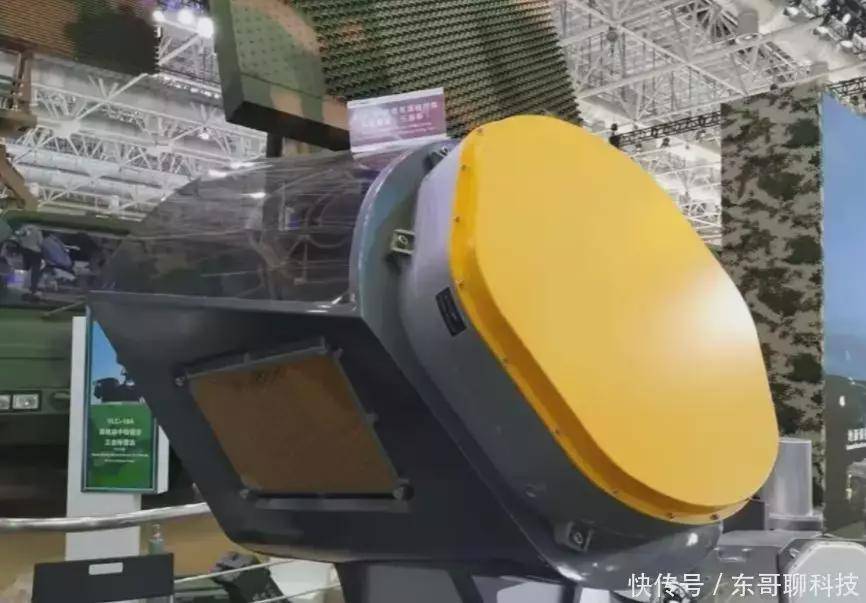
A seemingly ordinary news of military cooperation, but hidden a disturbing undercurrent. Pakistan quietly delivered the confidential technical data of the JF-17 "Fulong" fighter core - KLJ-7A active phased array radar, jointly developed by China and Pakistan, to Turkey. A netizen commented on God's moment: "Brothers and brothers, the drawings must be hidden in the safe!" This is a funny, accurate stamp of the most sensitive technical security weaknesses in contemporary military alliances.
d5efeb84b3ff4b8a895aff025b250f18.jpeg


Click to enter the image description (maximum 30 words)

The weight of the country, should it be lightly taught?

The KLJ-7A radar is the pinnacle of 20 years of military-industrial cooperation between China and Pakistan. What is its strategic value?

The eagle eye is unmatched: the detection distance exceeds 180 kilometers, providing a revolutionary vision for air combat command.

Take one ten: lock down 15 targets at the same time, prioritize guiding weapons to hit the four most threatening targets, and the performance is comparable to the top Western levels.

Thousands of core cast shields: more than 1200 precision T/R components, consolidating China's top military intelligence.

The cost of a single system accounts for more than 35% of the cost of the entire aircraft.

However, the handover of Pakistan bypassed a key step – without China’s permission. This directly broke the clear red line of the 2012 China-Pakistan Supplementary Agreement on Defense Technical Cooperation: key technology transfer, the two sides must nod!


‘Good Brother’ Turkey, Hidden in Technological Ambitions

Turkey gets this "thick gift", what is it? The answer directly refers to the radar bottleneck of its domestic fifth-generation machine TF-X "Khan" project. Its self-developed MURAD radar remote detection capability is weak, and the KLJ-7A's technical "blood transfusion" can be described as snow delivery.

What is more important is Turkey's "previous history":

NATO's "technical porter": once resale of the Russian-made S-400 secret parameters to the United States, profit of $13 billion.

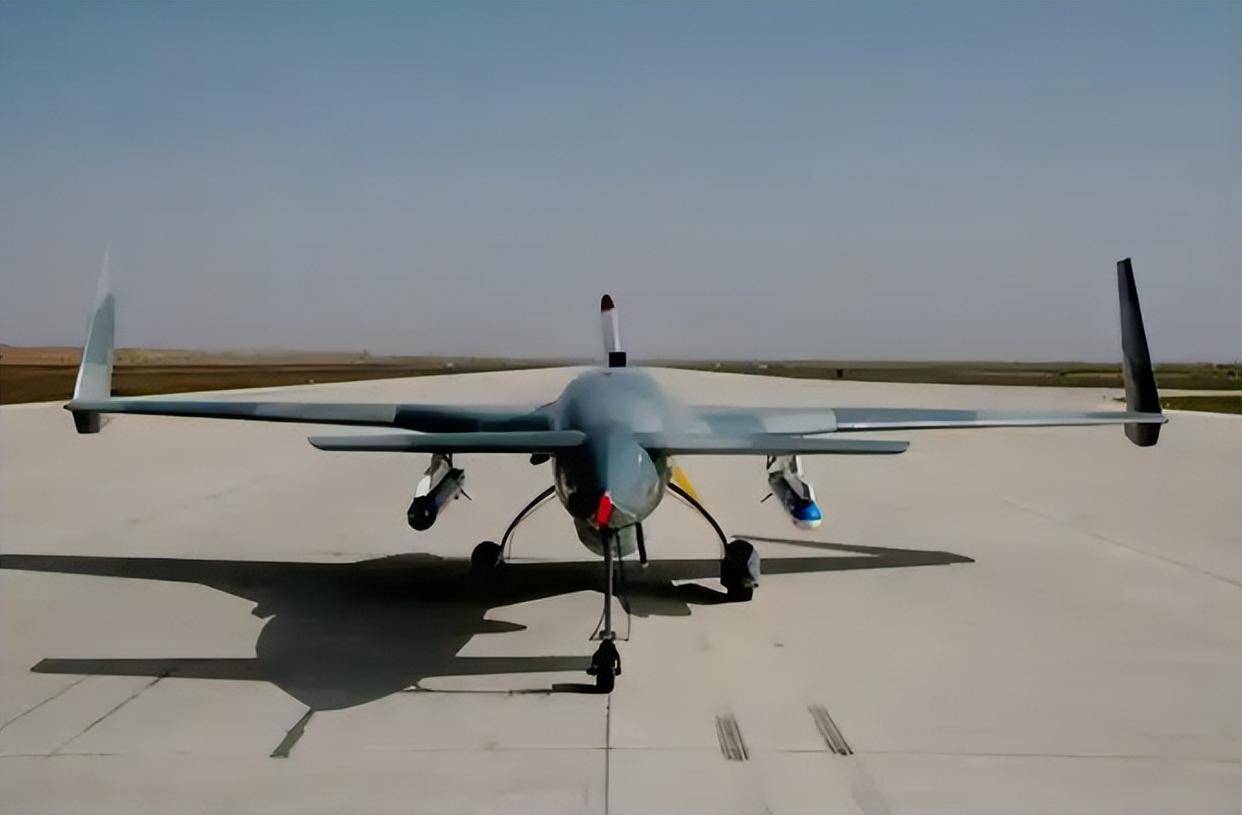
"Rainbow" martyrdom: Pakistan earlier leaked China's rainbow drone technology to help Turkey copy the TB-2, resulting in China losing nearly $2 billion in orders in the Middle East.

If KLJ-7A technology flows into NATO through Turkey, China's air technology advantage in the Asia-Pacific will face serious challenges!


Click to enter the image description (maximum 30 words)

Quantum collaboration? A dangerous strategic miscalculation

Another action of simultaneous exposure is even more paradoxical - Pakistan seeks to buy "quantum communication equipment" from Turkey. Ironically:

China's quantum communication technology has achieved 12,900 kilometers of key distribution from South Africa to Beijing, setting a world record.

Turkey's so-called "quantum technology" is actually a "assembly" of Huawei equipment and Swiss core components.

If the Pakistani side really needs quantum communication, why is it close to the distance? Behind this, is it avoiding China's technological control and testing "de-Sinicization"? Its strategic short-sightedness is stifling.


Click to enter the image description (maximum 30 words)

“The iron?” Three-degree leaks puncture the trust bubble

This is the third time Pakistan has stepped on China's technical red line:

1. 2023: Leaked the "Fulong" radar parameters to help Turkey imitate aircraft and China to seize the market.

2. 2010: Rainbow drone technology leaks, opening the door to the Middle East market for Turkey.

3. Swir Fan-13 Deal: In exchange for Turkish engine technology, it is once again willing to sacrifice Chinese interests (although it is interrupted due to US sanctions).

Military buying swings, trust foundation is collapsing

Pakistan's capriciousness in arms cooperation is eroding the mutual trust accumulated over decades:

The Navy changed its name: suddenly abandoned the Chinese 054AP frigate and transferred to MILGEM in Turkey.

Helicopter Dilemma: With U.S. intervention, the T-129 project was aborted.


Click to enter the image description (maximum 30 words)

Core technology, forever in the home country!

The lesson of blood warns us that even if it is a "hardcore brother", the core technology must be locked into the safe! China’s response strategy has been:

J-10CE iron wall protection: flight control locking, core encryption, remote monitoring, domestic assembly, four insurance strict security leak.

Strict control of technology dominance: For any cross-border transfer, the R&D country must have the final approval power.

It is worrying that the Pakistani side has been exposed to illegally leak the J-10CE flight control parameters to Turkey. The rift of trust continues to expand, and China has had to re-evaluate the cooperation model of the "Fulong" project, especially for the frequent problems of the Russian-made RD-93 engine.


Written at the end.

Military cooperation has never been a unilateral gift. True allies should understand the boundaries between “drawing” and “friendship.” When the core technology becomes a chip for random trading, the name of "Ba Tie" still has a few gold content? The storm is a wake-up call for all technology-exporting countries: an intimate handshake also needs to stop in front of the safe. No
bottom line concessions will eventually hurt their own strategic bones.


https://www.sohu.com/a/925829128_12...&spm=smpc.content.fd-d.3.1755679503225L82Id8a


The reality is that we find things laughable due to some people building their capabilities through technical thefts and claims of superiority, as well as projects that are delayed for decades before they can be operational. It is naive for Egypt to buy a non-existent aircraft like the KAAN. The Chinese see the whole matter as pressure from Egypt on the Chinese to improve the terms of Egypt's acquisition of the J-35AE fighters. Matters are more complicated than Egypt canceling some Chinese deals due to American pressure for various reasons. What is being announced are specifications that have already been completed, and the deterioration of the fleet of old American equipment, such as the F-16 Block-15 and the MIRAGE-2000, necessitates a replacement process. Perhaps the presence of Chinese equipment at Chinese airports without numbering also raises questions. How can Egypt cancel deals, especially since the Chinese offers were very attractive, including technology transfer, reducing acquisition costs, and sustainment through local manufacturing, open source code, and the production of Chinese ammunition and spare parts? Egypt is also an agent for African countries that produce Chinese weapons for their benefit in Egypt, which explains that relations with China More important than relations with the United States, and that Egypt is calming things down with the American side without stopping the Chinese-led negotiations, even some matters related to the WJ-700 aircraft. The aircraft have been in Egypt for a year, and their presence was announced many months ago by American sources, before news surfaced that Egypt had canceled deals like the J-10C in order to obtain weapons that had already been in service for some time.

The bottom line is that the Chinese have announced that they are closing loopholes for smuggling Chinese technology to Turkey via Pakistan, to hinder Turkish development operations. The Chinese are simply announcing that the Turks have been chasing the British to purchase Typhoon fighters in deals amounting to $10 billion for many months, despite the Turks' claims that their fighter will enter service in 2028. So why don't they trust their capabilities? Simply put, they were the first to confirm that their project would not succeed, and that the Turkish aircraft would not enter service for many years. They have no alternative but Western fighters to fill the gaps due to the obsolescence of the Turkish Air Force. Some It is said that Egyptians do not have money. This claim has been repeated since 2013, and Egypt is still obtaining weapons from various international sources. It is the same story as the lie of Gulf financing for Egyptian arms deals. This also does not happen because the sources of financing for the military side are extremely huge for more than 97 companies and factories owned by the Egyptian army, hundreds of thousands of agricultural lands, and their control over the mining sector and other economic fields in Egypt. We see some people’s funny comments, and because they are trivial, we do not respond to them much. Rather, we laugh when scandals are exposed.


To overcome such matters, the Chinese are establishing joint factories inside Egypt with joint Egyptian-Chinese investment. They know that Egypt will not transfer technology to China’s enemies because the enemy of Egypt and China is common, which makes the transfer of technology without risks from China to Egypt. However, the Chinese are also keen on this matter after the thefts of their technology.

A lot of salt mixed with visible insecurity resulted in spamming.
 
That guy should stop writing about defence related stuff. I am serious, he talks like they are buying from grossery shop. First Pakistan, later Russian fighter, later Korean and now Chinese. Ther is nothing really nothing but they love to hypeit up.:giggle:

Ooo i forgot Indians to.
 
The Chinese have opened a wide range of accusations of stealing their technology via Pakistan to Turkey, which has caused losses for the Chinese. The Pakistanis have even provided Chinese drones to the Turks to complete their aircraft projects. Let's see what the Chinese have to say.

Pakistan's Dilemma: One Step Wrong, Step by Step
The fighter was once the pride of Pakistan. When the tail is streaked across the sky, there is always cheers. But now, more of the aircraft in the warehouse is being repaired.

Why? After delivering key technologies to Turkey, China has stopped supplying WS-13E engines. Previously, it was possible to switch to a new engine every month, but now it has to wait three months. There are fewer and fewer dragons that can go to heaven, and the gusty-breed fighter next door, India, is even more diligent at the border.

https://www.sohu.com/a/926058870_12...&spm=smpc.content.fd-d.6.1755724418888kNYtUCJ


Original Turkey five generations of aircraft folding, J-35 delivery countdown, Turkey stealing technology was locked by the Beidou


Core technology, can not buy, can not be bought, can not be stolen - Turkey's KAAN fighter dilemma warning

e754582f0cc7483d8fc4499f0bbf9858.jpeg


The Egyptian air base, the J-35 fighter engine roars and cuts through the sky, which is a silent declaration of technical autonomy, in contrast, thousands of miles away from Ankara, the Turkish Air Force Chief of Staff Office is brightly lit and the scorching atmosphere is like a solidified air. The officers with red eyes, their eyes were nailed to the east, and they chewed the same name again and again, J-35.

94e7c5922892440089f74766a68d7d9f.jpeg


This scorching stems from the fiasco of the KAAN fifth-generation machine. The multi-billion dollar KAAN project failed after two test flights. The engine relies on the U.S. F110-GE-129 engine, the radar system relies on British technology, and the flight control system is outsourced to Sweden. The "National" fighter, even the Turkish Air Force itself has no confidence in its reliability. In contrast, Israel, which is equipped with F-35I fighters, easily locks Iran's air defense system 200 kilometers away and completes the bombing mission with lightning, and Turkey's proud F-16 fleet can't even catch up with its trail. The ambitions of the former Ottoman Empire are now mercilessly taunted by these “semi-finished” fighters. Even more ironic is that Turkey sold this "semi-finished product" to Indonesia for 48 $10 billion, but turned to spend 5 billion US dollars to introduce the British "Typhoon" fourth-generation machine, causing an uproar among Indonesian netizens. Ankara’s helplessness is a stark expose to its predicament of cutting-edge technology: without a real fifth-generation machine, the road to recovery is impossible.

The failure of the KAAN project is the epitome of the Western technological blockade. Turkey hopes to obtain the J-35 technology from Pakistan in the name of "joint logistics support" and "technical exchange", and then reverse engineering. The Turkish aviation industry group has even emptied the gold station, prepared high-end scanners and material analysis equipment, "J-30 reverse engineering plan" was written on the big whiteboard, "Tuba defense agreement" also hidden "joint technology reverse analysis" clause. But this scenario eventually failed. China has already learned the lessons of Rainbow-3 technology being “learned from”. All J-35 maintenance is monitored by Chinese experts throughout the process, the avionics system pre-embedded dynamic encryption system every 72 hours to automatically update the key, the key parts of the Beidou high-precision positioning tracking, any illegal dismantling behavior will immediately trigger the satellite alarm, parts replacement must also be approved by the Chinese side. This tight "smart gene lock" system completely blocked any possibility of technology theft. The J-35’s highly integrated architecture is itself an insurmountable technical barrier. Its operation relies on real-time high-speed information interaction, and the core code runs through the entire system like a neural network. Even with the hardware, the "dialect" of its software logic is difficult to interpret, and intelligent self-testing systems can freeze functions or fuse core components when unauthorized access.

a76a75f82c0d4bd281586c5f74238daa.jpeg


In order to obtain the J-35 technology, Turkey threw bait to Pakistan: acquiesced in its "technical exchanges", and gave up the future purchase of Saudi Arabia and the United Arab Emirates KAAN fighter aircraft (estimated at $20 billion). This is undoubtedly a huge temptation for Pakistan with a defense budget of only 9.3 billion US dollars. The tug-of-war between the temptation of great interests and the traditional friendship has made it difficult for Pakistan to shudder, and it has almost led to the incident of the J-10 CE flight control data.


At the Istanbul Military Industry Exhibition, Turkish executives confidently promoted the "2032 complete body" of KAAN fighters, and the concepts of artificial intelligence fighting and drone swarm coordination were dazzling. However, the parameter page is written "engine: TF-35000 (drawing status)" and "Radar: Mirage". At the Chinese booth, next to the physical model of the J-35AE, the official installation documents of the Egyptian Air Force are clearly visible, with a unit price of 80 million US dollars and off-the-shelf supply! The brutal contrast between spot and futures once again highlights the value of technological autonomy.


As the J-35 soars in Egypt, KAAN is still struggling with the cracks in the drawings and reality. The end result of this game clearly shows the truth: the core technology is not to buy, not to be bought, not to be stolen. Without the independent innovation of the entire industrial chain, any major country's ambition can only be a castle in the air. Beidou locking is not only a fighter, but also a fantasy of shortcuts. The real renaissance begins with the deep ploughing of innovative soils. Turkey's experience is a microcosm of the global technology game, which warns the world with painful lessons: in the era of self-reliance in science and technology, only by mastering the core technology can we truly control their own destiny.

https://www.sohu.com/a/924170948_12...m=smpc.content.fd-link.5.1755765941571xCdNu7r

The number of Chinese accusations and what they say about imposing sanctions as a result of technology smuggling does not stop. Every day the Chinese talk about these matters and the escalation and diversity of accusations. I do not believe that it is Chinese propaganda.

Pakistan is great! JF-17 radar and quantum equipment delivered to Turkey at the same time!​


Pakistan is great! JF-17 radar and quantum equipment delivered to Turkey at the same time!​


2025-08-20 07:11
Posted in: Heilongjiang Province

Brothers to brothers, the drawings must be locked into the safe! Pakistan leaks three times, breaking the myth of "Pakistan iron"?

A seemingly ordinary news of military cooperation, but hidden a disturbing undercurrent. Pakistan quietly delivered the confidential technical data of the JF-17 "Fulong" fighter core - KLJ-7A active phased array radar, jointly developed by China and Pakistan, to Turkey. A netizen commented on God's moment: "Brothers and brothers, the drawings must be hidden in the safe!" This is a funny, accurate stamp of the most sensitive technical security weaknesses in contemporary military alliances.

d5efeb84b3ff4b8a895aff025b250f18.jpeg


Click to enter the image description (maximum 30 words)

The weight of the country, should it be lightly taught?

The KLJ-7A radar is the pinnacle of 20 years of military-industrial cooperation between China and Pakistan. What is its strategic value?

The eagle eye is unmatched: the detection distance exceeds 180 kilometers, providing a revolutionary vision for air combat command.

Take one ten: lock down 15 targets at the same time, prioritize guiding weapons to hit the four most threatening targets, and the performance is comparable to the top Western levels.

Thousands of core cast shields: more than 1200 precision T/R components, consolidating China's top military intelligence.

The cost of a single system accounts for more than 35% of the cost of the entire aircraft.

However, the handover of Pakistan bypassed a key step – without China’s permission. This directly broke the clear red line of the 2012 China-Pakistan Supplementary Agreement on Defense Technical Cooperation: key technology transfer, the two sides must nod!


‘Good Brother’ Turkey, Hidden in Technological Ambitions

Turkey gets this "thick gift", what is it? The answer directly refers to the radar bottleneck of its domestic fifth-generation machine TF-X "Khan" project. Its self-developed MURAD radar remote detection capability is weak, and the KLJ-7A's technical "blood transfusion" can be described as snow delivery.

What is more important is Turkey's "previous history":

NATO's "technical porter": once resale of the Russian-made S-400 secret parameters to the United States, profit of $13 billion.

"Rainbow" martyrdom: Pakistan earlier leaked China's rainbow drone technology to help Turkey copy the TB-2, resulting in China losing nearly $2 billion in orders in the Middle East.

If KLJ-7A technology flows into NATO through Turkey, China's air technology advantage in the Asia-Pacific will face serious challenges!


Click to enter the image description (maximum 30 words)

Quantum collaboration? A dangerous strategic miscalculation

Another action of simultaneous exposure is even more paradoxical - Pakistan seeks to buy "quantum communication equipment" from Turkey. Ironically:

China's quantum communication technology has achieved 12,900 kilometers of key distribution from South Africa to Beijing, setting a world record.

Turkey's so-called "quantum technology" is actually a "assembly" of Huawei equipment and Swiss core components.

If the Pakistani side really needs quantum communication, why is it close to the distance? Behind this, is it avoiding China's technological control and testing "de-Sinicization"? Its strategic short-sightedness is stifling.


Click to enter the image description (maximum 30 words)

“The iron?” Three-degree leaks puncture the trust bubble

This is the third time Pakistan has stepped on China's technical red line:

1. 2023: Leaked the "Fulong" radar parameters to help Turkey imitate aircraft and China to seize the market.

2. 2010: Rainbow drone technology leaks, opening the door to the Middle East market for Turkey.

3. Swir Fan-13 Deal: In exchange for Turkish engine technology, it is once again willing to sacrifice Chinese interests (although it is interrupted due to US sanctions).

Military buying swings, trust foundation is collapsing

Pakistan's capriciousness in arms cooperation is eroding the mutual trust accumulated over decades:

The Navy changed its name: suddenly abandoned the Chinese 054AP frigate and transferred to MILGEM in Turkey.

Helicopter Dilemma: With U.S. intervention, the T-129 project was aborted.


Click to enter the image description (maximum 30 words)

Core technology, forever in the home country!

The lesson of blood warns us that even if it is a "hardcore brother", the core technology must be locked into the safe! China’s response strategy has been:

J-10CE iron wall protection: flight control locking, core encryption, remote monitoring, domestic assembly, four insurance strict security leak.

Strict control of technology dominance: For any cross-border transfer, the R&D country must have the final approval power.

It is worrying that the Pakistani side has been exposed to illegally leak the J-10CE flight control parameters to Turkey. The rift of trust continues to expand, and China has had to re-evaluate the cooperation model of the "Fulong" project, especially for the frequent problems of the Russian-made RD-93 engine.


Written at the end.

Military cooperation has never been a unilateral gift. True allies should understand the boundaries between “drawing” and “friendship.” When the core technology becomes a chip for random trading, the name of "Ba Tie" still has a few gold content? The storm is a wake-up call for all technology-exporting countries: an intimate handshake also needs to stop in front of the safe. No
bottom line concessions will eventually hurt their own strategic bones.


https://www.sohu.com/a/925829128_12...&spm=smpc.content.fd-d.3.1755679503225L82Id8a


The reality is that we find things laughable due to some people building their capabilities through technical thefts and claims of superiority, as well as projects that are delayed for decades before they can be operational. It is naive for Egypt to buy a non-existent aircraft like the KAAN. The Chinese see the whole matter as pressure from Egypt on the Chinese to improve the terms of Egypt's acquisition of the J-35AE fighters. Matters are more complicated than Egypt canceling some Chinese deals due to American pressure for various reasons. What is being announced are specifications that have already been completed, and the deterioration of the fleet of old American equipment, such as the F-16 Block-15 and the MIRAGE-2000, necessitates a replacement process. Perhaps the presence of Chinese equipment at Chinese airports without numbering also raises questions. How can Egypt cancel deals, especially since the Chinese offers were very attractive, including technology transfer, reducing acquisition costs, and sustainment through local manufacturing, open source code, and the production of Chinese ammunition and spare parts? Egypt is also an agent for African countries that produce Chinese weapons for their benefit in Egypt, which explains that relations with China More important than relations with the United States, and that Egypt is calming things down with the American side without stopping the Chinese-led negotiations, even some matters related to the WJ-700 aircraft. The aircraft have been in Egypt for a year, and their presence was announced many months ago by American sources, before news surfaced that Egypt had canceled deals like the J-10C in order to obtain weapons that had already been in service for some time.

The bottom line is that the Chinese have announced that they are closing loopholes for smuggling Chinese technology to Turkey via Pakistan, to hinder Turkish development operations. The Chinese are simply announcing that the Turks have been chasing the British to purchase Typhoon fighters in deals amounting to $10 billion for many months, despite the Turks' claims that their fighter will enter service in 2028. So why don't they trust their capabilities? Simply put, they were the first to confirm that their project would not succeed, and that the Turkish aircraft would not enter service for many years. They have no alternative but Western fighters to fill the gaps due to the obsolescence of the Turkish Air Force. Some It is said that Egyptians do not have money. This claim has been repeated since 2013, and Egypt is still obtaining weapons from various international sources. It is the same story as the lie of Gulf financing for Egyptian arms deals. This also does not happen because the sources of financing for the military side are extremely huge for more than 97 companies and factories owned by the Egyptian army, hundreds of thousands of agricultural lands, and their control over the mining sector and other economic fields in Egypt. We see some people’s funny comments, and because they are trivial, we do not respond to them much. Rather, we laugh when scandals are exposed.


To overcome such matters, the Chinese are establishing joint factories inside Egypt with joint Egyptian-Chinese investment. They know that Egypt will not transfer technology to China’s enemies because the enemy of Egypt and China is common, which makes the transfer of technology without risks from China to Egypt. However, the Chinese are also keen on this matter after the thefts of their technology.

What nonsense? There are no facts so let's cook some up?

Some people who know both Turkey and China's defense industries, also know that the product designs are based on different technology all together.

For example, China's latest Radar tech especially is much advanced technology wise, using Silicon Carbide as the data processing chip material. With this, comes an entire architecture of designing radar modules, compute power, algorithms, etc. You can refer to this as "Chinese tech" as "Eastern tech" won't make sense. But it's designed differently is the key.

Most critical: You can't creates or RE-create / revere engineer a Chinese radar or any weapon design UNLESS you have mastered their tech. That means you have labs, research centers and companies running on the same tech that the Chinese use. Like I explained, Silicon Carbide, it's patents and associated research and industry buildout is ONLY limited to China.

Now let's see the West. You have the US, UK, Turkey, all following similar tech designs and processing standards based on Gallium Nitride and it's associated aviation industry. How these chips are designed, backend sensors, compute power, integration protocols, are VERY different than the Chinese systems.

Now even in the West, we now go to France. Take an example of Rafale and French AESA radars and sensors in general (whether ground based or otherwise), they have built their industry on a different tech. That is Gallium Arsenide. Or, what used to be AESA gen 1. So they can't just take a product from Turkey, USA, UK and reverse engineer it or even from China. They will have to build whatever it is, within their industry that's on a different standard of technology than the rest.

Example Note: Just because a Chinese radar can see until 250 KM's out, and you want a Turkish or American radar to also see 250 KM's, that's not a product theft!! That's just creating a new standard or mimicking that capability because it fits you.

F-16 was produced in near 5000 numbers. Not ONE country could re-produce it through reverse engineering, why? Because the industry that builds this tech was setup over 10-15 years and dozens of billions of investment. You can build features that are in the F-16, readily available on the internet for anyone to read.

Similarly, can I tell the French for a radar that would compete in range with the Chinese YLC-X system for example? Yes, the French or the Americans or the Turks will design it within their industry base. They can't in 2 or 5 years, re-create an Industry that China built over 15-20 years with hundreds of billions of dollars.
 
The Chinese have opened a wide range of accusations of stealing their technology via Pakistan to Turkey, which has caused losses for the Chinese. The Pakistanis have even provided Chinese drones to the Turks to complete their aircraft projects. Let's see what the Chinese have to say.

Pakistan's Dilemma: One Step Wrong, Step by Step
The fighter was once the pride of Pakistan. When the tail is streaked across the sky, there is always cheers. But now, more of the aircraft in the warehouse is being repaired.

Why? After delivering key technologies to Turkey, China has stopped supplying WS-13E engines. Previously, it was possible to switch to a new engine every month, but now it has to wait three months. There are fewer and fewer dragons that can go to heaven, and the gusty-breed fighter next door, India, is even more diligent at the border.

https://www.sohu.com/a/926058870_12...&spm=smpc.content.fd-d.6.1755724418888kNYtUCJ


Original Turkey five generations of aircraft folding, J-35 delivery countdown, Turkey stealing technology was locked by the Beidou


Core technology, can not buy, can not be bought, can not be stolen - Turkey's KAAN fighter dilemma warning

e754582f0cc7483d8fc4499f0bbf9858.jpeg


The Egyptian air base, the J-35 fighter engine roars and cuts through the sky, which is a silent declaration of technical autonomy, in contrast, thousands of miles away from Ankara, the Turkish Air Force Chief of Staff Office is brightly lit and the scorching atmosphere is like a solidified air. The officers with red eyes, their eyes were nailed to the east, and they chewed the same name again and again, J-35.

94e7c5922892440089f74766a68d7d9f.jpeg


This scorching stems from the fiasco of the KAAN fifth-generation machine. The multi-billion dollar KAAN project failed after two test flights. The engine relies on the U.S. F110-GE-129 engine, the radar system relies on British technology, and the flight control system is outsourced to Sweden. The "National" fighter, even the Turkish Air Force itself has no confidence in its reliability. In contrast, Israel, which is equipped with F-35I fighters, easily locks Iran's air defense system 200 kilometers away and completes the bombing mission with lightning, and Turkey's proud F-16 fleet can't even catch up with its trail. The ambitions of the former Ottoman Empire are now mercilessly taunted by these “semi-finished” fighters. Even more ironic is that Turkey sold this "semi-finished product" to Indonesia for 48 $10 billion, but turned to spend 5 billion US dollars to introduce the British "Typhoon" fourth-generation machine, causing an uproar among Indonesian netizens. Ankara’s helplessness is a stark expose to its predicament of cutting-edge technology: without a real fifth-generation machine, the road to recovery is impossible.

The failure of the KAAN project is the epitome of the Western technological blockade. Turkey hopes to obtain the J-35 technology from Pakistan in the name of "joint logistics support" and "technical exchange", and then reverse engineering. The Turkish aviation industry group has even emptied the gold station, prepared high-end scanners and material analysis equipment, "J-30 reverse engineering plan" was written on the big whiteboard, "Tuba defense agreement" also hidden "joint technology reverse analysis" clause. But this scenario eventually failed. China has already learned the lessons of Rainbow-3 technology being “learned from”. All J-35 maintenance is monitored by Chinese experts throughout the process, the avionics system pre-embedded dynamic encryption system every 72 hours to automatically update the key, the key parts of the Beidou high-precision positioning tracking, any illegal dismantling behavior will immediately trigger the satellite alarm, parts replacement must also be approved by the Chinese side. This tight "smart gene lock" system completely blocked any possibility of technology theft. The J-35’s highly integrated architecture is itself an insurmountable technical barrier. Its operation relies on real-time high-speed information interaction, and the core code runs through the entire system like a neural network. Even with the hardware, the "dialect" of its software logic is difficult to interpret, and intelligent self-testing systems can freeze functions or fuse core components when unauthorized access.

a76a75f82c0d4bd281586c5f74238daa.jpeg


In order to obtain the J-35 technology, Turkey threw bait to Pakistan: acquiesced in its "technical exchanges", and gave up the future purchase of Saudi Arabia and the United Arab Emirates KAAN fighter aircraft (estimated at $20 billion). This is undoubtedly a huge temptation for Pakistan with a defense budget of only 9.3 billion US dollars. The tug-of-war between the temptation of great interests and the traditional friendship has made it difficult for Pakistan to shudder, and it has almost led to the incident of the J-10 CE flight control data.


At the Istanbul Military Industry Exhibition, Turkish executives confidently promoted the "2032 complete body" of KAAN fighters, and the concepts of artificial intelligence fighting and drone swarm coordination were dazzling. However, the parameter page is written "engine: TF-35000 (drawing status)" and "Radar: Mirage". At the Chinese booth, next to the physical model of the J-35AE, the official installation documents of the Egyptian Air Force are clearly visible, with a unit price of 80 million US dollars and off-the-shelf supply! The brutal contrast between spot and futures once again highlights the value of technological autonomy.


As the J-35 soars in Egypt, KAAN is still struggling with the cracks in the drawings and reality. The end result of this game clearly shows the truth: the core technology is not to buy, not to be bought, not to be stolen. Without the independent innovation of the entire industrial chain, any major country's ambition can only be a castle in the air. Beidou locking is not only a fighter, but also a fantasy of shortcuts. The real renaissance begins with the deep ploughing of innovative soils. Turkey's experience is a microcosm of the global technology game, which warns the world with painful lessons: in the era of self-reliance in science and technology, only by mastering the core technology can we truly control their own destiny.

https://www.sohu.com/a/924170948_12...m=smpc.content.fd-link.5.1755765941571xCdNu7r

The number of Chinese accusations and what they say about imposing sanctions as a result of technology smuggling does not stop. Every day the Chinese talk about these matters and the escalation and diversity of accusations. I do not believe that it is Chinese propaganda.

Pakistan is great! JF-17 radar and quantum equipment delivered to Turkey at the same time!​


Pakistan is great! JF-17 radar and quantum equipment delivered to Turkey at the same time!​


2025-08-20 07:11
Posted in: Heilongjiang Province

Brothers to brothers, the drawings must be locked into the safe! Pakistan leaks three times, breaking the myth of "Pakistan iron"?

A seemingly ordinary news of military cooperation, but hidden a disturbing undercurrent. Pakistan quietly delivered the confidential technical data of the JF-17 "Fulong" fighter core - KLJ-7A active phased array radar, jointly developed by China and Pakistan, to Turkey. A netizen commented on God's moment: "Brothers and brothers, the drawings must be hidden in the safe!" This is a funny, accurate stamp of the most sensitive technical security weaknesses in contemporary military alliances.

d5efeb84b3ff4b8a895aff025b250f18.jpeg


Click to enter the image description (maximum 30 words)

The weight of the country, should it be lightly taught?

The KLJ-7A radar is the pinnacle of 20 years of military-industrial cooperation between China and Pakistan. What is its strategic value?

The eagle eye is unmatched: the detection distance exceeds 180 kilometers, providing a revolutionary vision for air combat command.

Take one ten: lock down 15 targets at the same time, prioritize guiding weapons to hit the four most threatening targets, and the performance is comparable to the top Western levels.

Thousands of core cast shields: more than 1200 precision T/R components, consolidating China's top military intelligence.

The cost of a single system accounts for more than 35% of the cost of the entire aircraft.

However, the handover of Pakistan bypassed a key step – without China’s permission. This directly broke the clear red line of the 2012 China-Pakistan Supplementary Agreement on Defense Technical Cooperation: key technology transfer, the two sides must nod!


‘Good Brother’ Turkey, Hidden in Technological Ambitions

Turkey gets this "thick gift", what is it? The answer directly refers to the radar bottleneck of its domestic fifth-generation machine TF-X "Khan" project. Its self-developed MURAD radar remote detection capability is weak, and the KLJ-7A's technical "blood transfusion" can be described as snow delivery.

What is more important is Turkey's "previous history":

NATO's "technical porter": once resale of the Russian-made S-400 secret parameters to the United States, profit of $13 billion.

"Rainbow" martyrdom: Pakistan earlier leaked China's rainbow drone technology to help Turkey copy the TB-2, resulting in China losing nearly $2 billion in orders in the Middle East.

If KLJ-7A technology flows into NATO through Turkey, China's air technology advantage in the Asia-Pacific will face serious challenges!


Click to enter the image description (maximum 30 words)

Quantum collaboration? A dangerous strategic miscalculation

Another action of simultaneous exposure is even more paradoxical - Pakistan seeks to buy "quantum communication equipment" from Turkey. Ironically:

China's quantum communication technology has achieved 12,900 kilometers of key distribution from South Africa to Beijing, setting a world record.

Turkey's so-called "quantum technology" is actually a "assembly" of Huawei equipment and Swiss core components.

If the Pakistani side really needs quantum communication, why is it close to the distance? Behind this, is it avoiding China's technological control and testing "de-Sinicization"? Its strategic short-sightedness is stifling.


Click to enter the image description (maximum 30 words)

“The iron?” Three-degree leaks puncture the trust bubble

This is the third time Pakistan has stepped on China's technical red line:

1. 2023: Leaked the "Fulong" radar parameters to help Turkey imitate aircraft and China to seize the market.

2. 2010: Rainbow drone technology leaks, opening the door to the Middle East market for Turkey.

3. Swir Fan-13 Deal: In exchange for Turkish engine technology, it is once again willing to sacrifice Chinese interests (although it is interrupted due to US sanctions).

Military buying swings, trust foundation is collapsing

Pakistan's capriciousness in arms cooperation is eroding the mutual trust accumulated over decades:

The Navy changed its name: suddenly abandoned the Chinese 054AP frigate and transferred to MILGEM in Turkey.

Helicopter Dilemma: With U.S. intervention, the T-129 project was aborted.


Click to enter the image description (maximum 30 words)

Core technology, forever in the home country!

The lesson of blood warns us that even if it is a "hardcore brother", the core technology must be locked into the safe! China’s response strategy has been:

J-10CE iron wall protection: flight control locking, core encryption, remote monitoring, domestic assembly, four insurance strict security leak.

Strict control of technology dominance: For any cross-border transfer, the R&D country must have the final approval power.

It is worrying that the Pakistani side has been exposed to illegally leak the J-10CE flight control parameters to Turkey. The rift of trust continues to expand, and China has had to re-evaluate the cooperation model of the "Fulong" project, especially for the frequent problems of the Russian-made RD-93 engine.


Written at the end.

Military cooperation has never been a unilateral gift. True allies should understand the boundaries between “drawing” and “friendship.” When the core technology becomes a chip for random trading, the name of "Ba Tie" still has a few gold content? The storm is a wake-up call for all technology-exporting countries: an intimate handshake also needs to stop in front of the safe. No
bottom line concessions will eventually hurt their own strategic bones.


https://www.sohu.com/a/925829128_12...&spm=smpc.content.fd-d.3.1755679503225L82Id8a


The reality is that we find things laughable due to some people building their capabilities through technical thefts and claims of superiority, as well as projects that are delayed for decades before they can be operational. It is naive for Egypt to buy a non-existent aircraft like the KAAN. The Chinese see the whole matter as pressure from Egypt on the Chinese to improve the terms of Egypt's acquisition of the J-35AE fighters. Matters are more complicated than Egypt canceling some Chinese deals due to American pressure for various reasons. What is being announced are specifications that have already been completed, and the deterioration of the fleet of old American equipment, such as the F-16 Block-15 and the MIRAGE-2000, necessitates a replacement process. Perhaps the presence of Chinese equipment at Chinese airports without numbering also raises questions. How can Egypt cancel deals, especially since the Chinese offers were very attractive, including technology transfer, reducing acquisition costs, and sustainment through local manufacturing, open source code, and the production of Chinese ammunition and spare parts? Egypt is also an agent for African countries that produce Chinese weapons for their benefit in Egypt, which explains that relations with China More important than relations with the United States, and that Egypt is calming things down with the American side without stopping the Chinese-led negotiations, even some matters related to the WJ-700 aircraft. The aircraft have been in Egypt for a year, and their presence was announced many months ago by American sources, before news surfaced that Egypt had canceled deals like the J-10C in order to obtain weapons that had already been in service for some time.

The bottom line is that the Chinese have announced that they are closing loopholes for smuggling Chinese technology to Turkey via Pakistan, to hinder Turkish development operations. The Chinese are simply announcing that the Turks have been chasing the British to purchase Typhoon fighters in deals amounting to $10 billion for many months, despite the Turks' claims that their fighter will enter service in 2028. So why don't they trust their capabilities? Simply put, they were the first to confirm that their project would not succeed, and that the Turkish aircraft would not enter service for many years. They have no alternative but Western fighters to fill the gaps due to the obsolescence of the Turkish Air Force. Some It is said that Egyptians do not have money. This claim has been repeated since 2013, and Egypt is still obtaining weapons from various international sources. It is the same story as the lie of Gulf financing for Egyptian arms deals. This also does not happen because the sources of financing for the military side are extremely huge for more than 97 companies and factories owned by the Egyptian army, hundreds of thousands of agricultural lands, and their control over the mining sector and other economic fields in Egypt. We see some people’s funny comments, and because they are trivial, we do not respond to them much. Rather, we laugh when scandals are exposed.


To overcome such matters, the Chinese are establishing joint factories inside Egypt with joint Egyptian-Chinese investment. They know that Egypt will not transfer technology to China’s enemies because the enemy of Egypt and China is common, which makes the transfer of technology without risks from China to Egypt. However, the Chinese are also keen on this matter after the thefts of their technology.
What the f-ck are you talking about crackhead
 
That guy should stop writing about defence related stuff. I am serious, he talks like they are buying from grossery shop. First Pakistan, later Russian fighter, later Korean and now Chinese. Ther is nothing really nothing but they love to hypeit up.:giggle:

Ooo i forgot Indians to.
Don't be a coward, and at least tag me before spewing this nonsense.

Also, what is it that I've been wrong about? Or hyped up? I don't tend to hype up anything in general.
 
Not remotely accurate.
Okay, that's not really a rebuttal.

We know for a fact that the CIA spies on allies. With a new weapon system in the works, do you really think the US wouldn't try and get their hands on the relevant information?
 
Okay, that's not really a rebuttal.

We know for a fact that the CIA spies on allies. With a new weapon system in the works, do you really think the US wouldn't try and get their hands on the relevant information?

It will, but the way highly sensitive industry secrets and R&D are protected today it isn't up for grab by CIA spies or any other intelligence agencies.
 
Don't be a coward, and at least tag me before spewing this nonsense.

Also, what is it that I've been wrong about? Or hyped up? I don't tend to hype up anything in general.


Why would i tag you? Do you believe what that sami guy is writing?:ROFLMAO:
 
It will, but the way highly sensitive industry secrets and R&D are protected today it isn't up for grab by CIA spies or any other intelligence agencies.
Industrial secrets get stolen all the time, even to this very day.

What are you talking about?

There's no such thing as 100% secure.
 
The Chinese have opened a wide range of accusations of stealing their technology via Pakistan to Turkey, which has caused losses for the Chinese. The Pakistanis have even provided Chinese drones to the Turks to complete their aircraft projects. Let's see what the Chinese have to say.

Pakistan's Dilemma: One Step Wrong, Step by Step
The fighter was once the pride of Pakistan. When the tail is streaked across the sky, there is always cheers. But now, more of the aircraft in the warehouse is being repaired.

Why? After delivering key technologies to Turkey, China has stopped supplying WS-13E engines. Previously, it was possible to switch to a new engine every month, but now it has to wait three months. There are fewer and fewer dragons that can go to heaven, and the gusty-breed fighter next door, India, is even more diligent at the border.

https://www.sohu.com/a/926058870_12...&spm=smpc.content.fd-d.6.1755724418888kNYtUCJ


Original Turkey five generations of aircraft folding, J-35 delivery countdown, Turkey stealing technology was locked by the Beidou


Core technology, can not buy, can not be bought, can not be stolen - Turkey's KAAN fighter dilemma warning

e754582f0cc7483d8fc4499f0bbf9858.jpeg


The Egyptian air base, the J-35 fighter engine roars and cuts through the sky, which is a silent declaration of technical autonomy, in contrast, thousands of miles away from Ankara, the Turkish Air Force Chief of Staff Office is brightly lit and the scorching atmosphere is like a solidified air. The officers with red eyes, their eyes were nailed to the east, and they chewed the same name again and again, J-35.

94e7c5922892440089f74766a68d7d9f.jpeg


This scorching stems from the fiasco of the KAAN fifth-generation machine. The multi-billion dollar KAAN project failed after two test flights. The engine relies on the U.S. F110-GE-129 engine, the radar system relies on British technology, and the flight control system is outsourced to Sweden. The "National" fighter, even the Turkish Air Force itself has no confidence in its reliability. In contrast, Israel, which is equipped with F-35I fighters, easily locks Iran's air defense system 200 kilometers away and completes the bombing mission with lightning, and Turkey's proud F-16 fleet can't even catch up with its trail. The ambitions of the former Ottoman Empire are now mercilessly taunted by these “semi-finished” fighters. Even more ironic is that Turkey sold this "semi-finished product" to Indonesia for 48 $10 billion, but turned to spend 5 billion US dollars to introduce the British "Typhoon" fourth-generation machine, causing an uproar among Indonesian netizens. Ankara’s helplessness is a stark expose to its predicament of cutting-edge technology: without a real fifth-generation machine, the road to recovery is impossible.

The failure of the KAAN project is the epitome of the Western technological blockade. Turkey hopes to obtain the J-35 technology from Pakistan in the name of "joint logistics support" and "technical exchange", and then reverse engineering. The Turkish aviation industry group has even emptied the gold station, prepared high-end scanners and material analysis equipment, "J-30 reverse engineering plan" was written on the big whiteboard, "Tuba defense agreement" also hidden "joint technology reverse analysis" clause. But this scenario eventually failed. China has already learned the lessons of Rainbow-3 technology being “learned from”. All J-35 maintenance is monitored by Chinese experts throughout the process, the avionics system pre-embedded dynamic encryption system every 72 hours to automatically update the key, the key parts of the Beidou high-precision positioning tracking, any illegal dismantling behavior will immediately trigger the satellite alarm, parts replacement must also be approved by the Chinese side. This tight "smart gene lock" system completely blocked any possibility of technology theft. The J-35’s highly integrated architecture is itself an insurmountable technical barrier. Its operation relies on real-time high-speed information interaction, and the core code runs through the entire system like a neural network. Even with the hardware, the "dialect" of its software logic is difficult to interpret, and intelligent self-testing systems can freeze functions or fuse core components when unauthorized access.

a76a75f82c0d4bd281586c5f74238daa.jpeg


In order to obtain the J-35 technology, Turkey threw bait to Pakistan: acquiesced in its "technical exchanges", and gave up the future purchase of Saudi Arabia and the United Arab Emirates KAAN fighter aircraft (estimated at $20 billion). This is undoubtedly a huge temptation for Pakistan with a defense budget of only 9.3 billion US dollars. The tug-of-war between the temptation of great interests and the traditional friendship has made it difficult for Pakistan to shudder, and it has almost led to the incident of the J-10 CE flight control data.


At the Istanbul Military Industry Exhibition, Turkish executives confidently promoted the "2032 complete body" of KAAN fighters, and the concepts of artificial intelligence fighting and drone swarm coordination were dazzling. However, the parameter page is written "engine: TF-35000 (drawing status)" and "Radar: Mirage". At the Chinese booth, next to the physical model of the J-35AE, the official installation documents of the Egyptian Air Force are clearly visible, with a unit price of 80 million US dollars and off-the-shelf supply! The brutal contrast between spot and futures once again highlights the value of technological autonomy.


As the J-35 soars in Egypt, KAAN is still struggling with the cracks in the drawings and reality. The end result of this game clearly shows the truth: the core technology is not to buy, not to be bought, not to be stolen. Without the independent innovation of the entire industrial chain, any major country's ambition can only be a castle in the air. Beidou locking is not only a fighter, but also a fantasy of shortcuts. The real renaissance begins with the deep ploughing of innovative soils. Turkey's experience is a microcosm of the global technology game, which warns the world with painful lessons: in the era of self-reliance in science and technology, only by mastering the core technology can we truly control their own destiny.

https://www.sohu.com/a/924170948_12...m=smpc.content.fd-link.5.1755765941571xCdNu7r

The number of Chinese accusations and what they say about imposing sanctions as a result of technology smuggling does not stop. Every day the Chinese talk about these matters and the escalation and diversity of accusations. I do not believe that it is Chinese propaganda.

Pakistan is great! JF-17 radar and quantum equipment delivered to Turkey at the same time!​


Pakistan is great! JF-17 radar and quantum equipment delivered to Turkey at the same time!​


2025-08-20 07:11
Posted in: Heilongjiang Province

Brothers to brothers, the drawings must be locked into the safe! Pakistan leaks three times, breaking the myth of "Pakistan iron"?

A seemingly ordinary news of military cooperation, but hidden a disturbing undercurrent. Pakistan quietly delivered the confidential technical data of the JF-17 "Fulong" fighter core - KLJ-7A active phased array radar, jointly developed by China and Pakistan, to Turkey. A netizen commented on God's moment: "Brothers and brothers, the drawings must be hidden in the safe!" This is a funny, accurate stamp of the most sensitive technical security weaknesses in contemporary military alliances.

d5efeb84b3ff4b8a895aff025b250f18.jpeg


Click to enter the image description (maximum 30 words)

The weight of the country, should it be lightly taught?

The KLJ-7A radar is the pinnacle of 20 years of military-industrial cooperation between China and Pakistan. What is its strategic value?

The eagle eye is unmatched: the detection distance exceeds 180 kilometers, providing a revolutionary vision for air combat command.

Take one ten: lock down 15 targets at the same time, prioritize guiding weapons to hit the four most threatening targets, and the performance is comparable to the top Western levels.

Thousands of core cast shields: more than 1200 precision T/R components, consolidating China's top military intelligence.

The cost of a single system accounts for more than 35% of the cost of the entire aircraft.

However, the handover of Pakistan bypassed a key step – without China’s permission. This directly broke the clear red line of the 2012 China-Pakistan Supplementary Agreement on Defense Technical Cooperation: key technology transfer, the two sides must nod!


‘Good Brother’ Turkey, Hidden in Technological Ambitions

Turkey gets this "thick gift", what is it? The answer directly refers to the radar bottleneck of its domestic fifth-generation machine TF-X "Khan" project. Its self-developed MURAD radar remote detection capability is weak, and the KLJ-7A's technical "blood transfusion" can be described as snow delivery.

What is more important is Turkey's "previous history":

NATO's "technical porter": once resale of the Russian-made S-400 secret parameters to the United States, profit of $13 billion.

"Rainbow" martyrdom: Pakistan earlier leaked China's rainbow drone technology to help Turkey copy the TB-2, resulting in China losing nearly $2 billion in orders in the Middle East.

If KLJ-7A technology flows into NATO through Turkey, China's air technology advantage in the Asia-Pacific will face serious challenges!


Click to enter the image description (maximum 30 words)

Quantum collaboration? A dangerous strategic miscalculation

Another action of simultaneous exposure is even more paradoxical - Pakistan seeks to buy "quantum communication equipment" from Turkey. Ironically:

China's quantum communication technology has achieved 12,900 kilometers of key distribution from South Africa to Beijing, setting a world record.

Turkey's so-called "quantum technology" is actually a "assembly" of Huawei equipment and Swiss core components.

If the Pakistani side really needs quantum communication, why is it close to the distance? Behind this, is it avoiding China's technological control and testing "de-Sinicization"? Its strategic short-sightedness is stifling.


Click to enter the image description (maximum 30 words)

“The iron?” Three-degree leaks puncture the trust bubble

This is the third time Pakistan has stepped on China's technical red line:

1. 2023: Leaked the "Fulong" radar parameters to help Turkey imitate aircraft and China to seize the market.

2. 2010: Rainbow drone technology leaks, opening the door to the Middle East market for Turkey.

3. Swir Fan-13 Deal: In exchange for Turkish engine technology, it is once again willing to sacrifice Chinese interests (although it is interrupted due to US sanctions).

Military buying swings, trust foundation is collapsing

Pakistan's capriciousness in arms cooperation is eroding the mutual trust accumulated over decades:

The Navy changed its name: suddenly abandoned the Chinese 054AP frigate and transferred to MILGEM in Turkey.

Helicopter Dilemma: With U.S. intervention, the T-129 project was aborted.


Click to enter the image description (maximum 30 words)

Core technology, forever in the home country!

The lesson of blood warns us that even if it is a "hardcore brother", the core technology must be locked into the safe! China’s response strategy has been:

J-10CE iron wall protection: flight control locking, core encryption, remote monitoring, domestic assembly, four insurance strict security leak.

Strict control of technology dominance: For any cross-border transfer, the R&D country must have the final approval power.

It is worrying that the Pakistani side has been exposed to illegally leak the J-10CE flight control parameters to Turkey. The rift of trust continues to expand, and China has had to re-evaluate the cooperation model of the "Fulong" project, especially for the frequent problems of the Russian-made RD-93 engine.


Written at the end.

Military cooperation has never been a unilateral gift. True allies should understand the boundaries between “drawing” and “friendship.” When the core technology becomes a chip for random trading, the name of "Ba Tie" still has a few gold content? The storm is a wake-up call for all technology-exporting countries: an intimate handshake also needs to stop in front of the safe. No
bottom line concessions will eventually hurt their own strategic bones.


https://www.sohu.com/a/925829128_12...&spm=smpc.content.fd-d.3.1755679503225L82Id8a


The reality is that we find things laughable due to some people building their capabilities through technical thefts and claims of superiority, as well as projects that are delayed for decades before they can be operational. It is naive for Egypt to buy a non-existent aircraft like the KAAN. The Chinese see the whole matter as pressure from Egypt on the Chinese to improve the terms of Egypt's acquisition of the J-35AE fighters. Matters are more complicated than Egypt canceling some Chinese deals due to American pressure for various reasons. What is being announced are specifications that have already been completed, and the deterioration of the fleet of old American equipment, such as the F-16 Block-15 and the MIRAGE-2000, necessitates a replacement process. Perhaps the presence of Chinese equipment at Chinese airports without numbering also raises questions. How can Egypt cancel deals, especially since the Chinese offers were very attractive, including technology transfer, reducing acquisition costs, and sustainment through local manufacturing, open source code, and the production of Chinese ammunition and spare parts? Egypt is also an agent for African countries that produce Chinese weapons for their benefit in Egypt, which explains that relations with China More important than relations with the United States, and that Egypt is calming things down with the American side without stopping the Chinese-led negotiations, even some matters related to the WJ-700 aircraft. The aircraft have been in Egypt for a year, and their presence was announced many months ago by American sources, before news surfaced that Egypt had canceled deals like the J-10C in order to obtain weapons that had already been in service for some time.

The bottom line is that the Chinese have announced that they are closing loopholes for smuggling Chinese technology to Turkey via Pakistan, to hinder Turkish development operations. The Chinese are simply announcing that the Turks have been chasing the British to purchase Typhoon fighters in deals amounting to $10 billion for many months, despite the Turks' claims that their fighter will enter service in 2028. So why don't they trust their capabilities? Simply put, they were the first to confirm that their project would not succeed, and that the Turkish aircraft would not enter service for many years. They have no alternative but Western fighters to fill the gaps due to the obsolescence of the Turkish Air Force. Some It is said that Egyptians do not have money. This claim has been repeated since 2013, and Egypt is still obtaining weapons from various international sources. It is the same story as the lie of Gulf financing for Egyptian arms deals. This also does not happen because the sources of financing for the military side are extremely huge for more than 97 companies and factories owned by the Egyptian army, hundreds of thousands of agricultural lands, and their control over the mining sector and other economic fields in Egypt. We see some people’s funny comments, and because they are trivial, we do not respond to them much. Rather, we laugh when scandals are exposed.


To overcome such matters, the Chinese are establishing joint factories inside Egypt with joint Egyptian-Chinese investment. They know that Egypt will not transfer technology to China’s enemies because the enemy of Egypt and China is common, which makes the transfer of technology without risks from China to Egypt. However, the Chinese are also keen on this matter after the thefts of their technology.
a country which never build a 4 generation fighter jet want to build a 5 generation fighter jet, it is ridiculous
 
Industrial secrets get stolen all the time, even to this very day.

What are you talking about?

Could you give few exmaples where high end military tech was actually stolen in recent times?

Paranoia.

Besides, the US probably already knows everything about the KAAN, considering how deeply they've infiltrated Turkish defense institutions over the decades.

You just made a claim that they have deeply infiltrated Turkish defence institutions but haven't provided any evidence to back it up. And concluded with, US probably already knows everything about KAAN.
 
The Chinese have opened a wide range of accusations of stealing their technology via Pakistan to Turkey, which has caused losses for the Chinese. The Pakistanis have even provided Chinese drones to the Turks to complete their aircraft projects. Let's see what the Chinese have to say.

Pakistan's Dilemma: One Step Wrong, Step by Step
The fighter was once the pride of Pakistan. When the tail is streaked across the sky, there is always cheers. But now, more of the aircraft in the warehouse is being repaired.

Why? After delivering key technologies to Turkey, China has stopped supplying WS-13E engines. Previously, it was possible to switch to a new engine every month, but now it has to wait three months. There are fewer and fewer dragons that can go to heaven, and the gusty-breed fighter next door, India, is even more diligent at the border.

https://www.sohu.com/a/926058870_12...&spm=smpc.content.fd-d.6.1755724418888kNYtUCJ


Original Turkey five generations of aircraft folding, J-35 delivery countdown, Turkey stealing technology was locked by the Beidou


Core technology, can not buy, can not be bought, can not be stolen - Turkey's KAAN fighter dilemma warning

e754582f0cc7483d8fc4499f0bbf9858.jpeg


The Egyptian air base, the J-35 fighter engine roars and cuts through the sky, which is a silent declaration of technical autonomy, in contrast, thousands of miles away from Ankara, the Turkish Air Force Chief of Staff Office is brightly lit and the scorching atmosphere is like a solidified air. The officers with red eyes, their eyes were nailed to the east, and they chewed the same name again and again, J-35.

94e7c5922892440089f74766a68d7d9f.jpeg


This scorching stems from the fiasco of the KAAN fifth-generation machine. The multi-billion dollar KAAN project failed after two test flights. The engine relies on the U.S. F110-GE-129 engine, the radar system relies on British technology, and the flight control system is outsourced to Sweden. The "National" fighter, even the Turkish Air Force itself has no confidence in its reliability. In contrast, Israel, which is equipped with F-35I fighters, easily locks Iran's air defense system 200 kilometers away and completes the bombing mission with lightning, and Turkey's proud F-16 fleet can't even catch up with its trail. The ambitions of the former Ottoman Empire are now mercilessly taunted by these “semi-finished” fighters. Even more ironic is that Turkey sold this "semi-finished product" to Indonesia for 48 $10 billion, but turned to spend 5 billion US dollars to introduce the British "Typhoon" fourth-generation machine, causing an uproar among Indonesian netizens. Ankara’s helplessness is a stark expose to its predicament of cutting-edge technology: without a real fifth-generation machine, the road to recovery is impossible.

The failure of the KAAN project is the epitome of the Western technological blockade. Turkey hopes to obtain the J-35 technology from Pakistan in the name of "joint logistics support" and "technical exchange", and then reverse engineering. The Turkish aviation industry group has even emptied the gold station, prepared high-end scanners and material analysis equipment, "J-30 reverse engineering plan" was written on the big whiteboard, "Tuba defense agreement" also hidden "joint technology reverse analysis" clause. But this scenario eventually failed. China has already learned the lessons of Rainbow-3 technology being “learned from”. All J-35 maintenance is monitored by Chinese experts throughout the process, the avionics system pre-embedded dynamic encryption system every 72 hours to automatically update the key, the key parts of the Beidou high-precision positioning tracking, any illegal dismantling behavior will immediately trigger the satellite alarm, parts replacement must also be approved by the Chinese side. This tight "smart gene lock" system completely blocked any possibility of technology theft. The J-35’s highly integrated architecture is itself an insurmountable technical barrier. Its operation relies on real-time high-speed information interaction, and the core code runs through the entire system like a neural network. Even with the hardware, the "dialect" of its software logic is difficult to interpret, and intelligent self-testing systems can freeze functions or fuse core components when unauthorized access.

a76a75f82c0d4bd281586c5f74238daa.jpeg


In order to obtain the J-35 technology, Turkey threw bait to Pakistan: acquiesced in its "technical exchanges", and gave up the future purchase of Saudi Arabia and the United Arab Emirates KAAN fighter aircraft (estimated at $20 billion). This is undoubtedly a huge temptation for Pakistan with a defense budget of only 9.3 billion US dollars. The tug-of-war between the temptation of great interests and the traditional friendship has made it difficult for Pakistan to shudder, and it has almost led to the incident of the J-10 CE flight control data.


At the Istanbul Military Industry Exhibition, Turkish executives confidently promoted the "2032 complete body" of KAAN fighters, and the concepts of artificial intelligence fighting and drone swarm coordination were dazzling. However, the parameter page is written "engine: TF-35000 (drawing status)" and "Radar: Mirage". At the Chinese booth, next to the physical model of the J-35AE, the official installation documents of the Egyptian Air Force are clearly visible, with a unit price of 80 million US dollars and off-the-shelf supply! The brutal contrast between spot and futures once again highlights the value of technological autonomy.


As the J-35 soars in Egypt, KAAN is still struggling with the cracks in the drawings and reality. The end result of this game clearly shows the truth: the core technology is not to buy, not to be bought, not to be stolen. Without the independent innovation of the entire industrial chain, any major country's ambition can only be a castle in the air. Beidou locking is not only a fighter, but also a fantasy of shortcuts. The real renaissance begins with the deep ploughing of innovative soils. Turkey's experience is a microcosm of the global technology game, which warns the world with painful lessons: in the era of self-reliance in science and technology, only by mastering the core technology can we truly control their own destiny.

https://www.sohu.com/a/924170948_12...m=smpc.content.fd-link.5.1755765941571xCdNu7r

The number of Chinese accusations and what they say about imposing sanctions as a result of technology smuggling does not stop. Every day the Chinese talk about these matters and the escalation and diversity of accusations. I do not believe that it is Chinese propaganda.

Pakistan is great! JF-17 radar and quantum equipment delivered to Turkey at the same time!​


Pakistan is great! JF-17 radar and quantum equipment delivered to Turkey at the same time!​


2025-08-20 07:11
Posted in: Heilongjiang Province

Brothers to brothers, the drawings must be locked into the safe! Pakistan leaks three times, breaking the myth of "Pakistan iron"?

A seemingly ordinary news of military cooperation, but hidden a disturbing undercurrent. Pakistan quietly delivered the confidential technical data of the JF-17 "Fulong" fighter core - KLJ-7A active phased array radar, jointly developed by China and Pakistan, to Turkey. A netizen commented on God's moment: "Brothers and brothers, the drawings must be hidden in the safe!" This is a funny, accurate stamp of the most sensitive technical security weaknesses in contemporary military alliances.

d5efeb84b3ff4b8a895aff025b250f18.jpeg


Click to enter the image description (maximum 30 words)

The weight of the country, should it be lightly taught?

The KLJ-7A radar is the pinnacle of 20 years of military-industrial cooperation between China and Pakistan. What is its strategic value?

The eagle eye is unmatched: the detection distance exceeds 180 kilometers, providing a revolutionary vision for air combat command.

Take one ten: lock down 15 targets at the same time, prioritize guiding weapons to hit the four most threatening targets, and the performance is comparable to the top Western levels.

Thousands of core cast shields: more than 1200 precision T/R components, consolidating China's top military intelligence.

The cost of a single system accounts for more than 35% of the cost of the entire aircraft.

However, the handover of Pakistan bypassed a key step – without China’s permission. This directly broke the clear red line of the 2012 China-Pakistan Supplementary Agreement on Defense Technical Cooperation: key technology transfer, the two sides must nod!


‘Good Brother’ Turkey, Hidden in Technological Ambitions

Turkey gets this "thick gift", what is it? The answer directly refers to the radar bottleneck of its domestic fifth-generation machine TF-X "Khan" project. Its self-developed MURAD radar remote detection capability is weak, and the KLJ-7A's technical "blood transfusion" can be described as snow delivery.

What is more important is Turkey's "previous history":

NATO's "technical porter": once resale of the Russian-made S-400 secret parameters to the United States, profit of $13 billion.

"Rainbow" martyrdom: Pakistan earlier leaked China's rainbow drone technology to help Turkey copy the TB-2, resulting in China losing nearly $2 billion in orders in the Middle East.

If KLJ-7A technology flows into NATO through Turkey, China's air technology advantage in the Asia-Pacific will face serious challenges!


Click to enter the image description (maximum 30 words)

Quantum collaboration? A dangerous strategic miscalculation

Another action of simultaneous exposure is even more paradoxical - Pakistan seeks to buy "quantum communication equipment" from Turkey. Ironically:

China's quantum communication technology has achieved 12,900 kilometers of key distribution from South Africa to Beijing, setting a world record.

Turkey's so-called "quantum technology" is actually a "assembly" of Huawei equipment and Swiss core components.

If the Pakistani side really needs quantum communication, why is it close to the distance? Behind this, is it avoiding China's technological control and testing "de-Sinicization"? Its strategic short-sightedness is stifling.


Click to enter the image description (maximum 30 words)

“The iron?” Three-degree leaks puncture the trust bubble

This is the third time Pakistan has stepped on China's technical red line:

1. 2023: Leaked the "Fulong" radar parameters to help Turkey imitate aircraft and China to seize the market.

2. 2010: Rainbow drone technology leaks, opening the door to the Middle East market for Turkey.

3. Swir Fan-13 Deal: In exchange for Turkish engine technology, it is once again willing to sacrifice Chinese interests (although it is interrupted due to US sanctions).

Military buying swings, trust foundation is collapsing

Pakistan's capriciousness in arms cooperation is eroding the mutual trust accumulated over decades:

The Navy changed its name: suddenly abandoned the Chinese 054AP frigate and transferred to MILGEM in Turkey.

Helicopter Dilemma: With U.S. intervention, the T-129 project was aborted.


Click to enter the image description (maximum 30 words)

Core technology, forever in the home country!

The lesson of blood warns us that even if it is a "hardcore brother", the core technology must be locked into the safe! China’s response strategy has been:

J-10CE iron wall protection: flight control locking, core encryption, remote monitoring, domestic assembly, four insurance strict security leak.

Strict control of technology dominance: For any cross-border transfer, the R&D country must have the final approval power.

It is worrying that the Pakistani side has been exposed to illegally leak the J-10CE flight control parameters to Turkey. The rift of trust continues to expand, and China has had to re-evaluate the cooperation model of the "Fulong" project, especially for the frequent problems of the Russian-made RD-93 engine.


Written at the end.

Military cooperation has never been a unilateral gift. True allies should understand the boundaries between “drawing” and “friendship.” When the core technology becomes a chip for random trading, the name of "Ba Tie" still has a few gold content? The storm is a wake-up call for all technology-exporting countries: an intimate handshake also needs to stop in front of the safe. No
bottom line concessions will eventually hurt their own strategic bones.


https://www.sohu.com/a/925829128_12...&spm=smpc.content.fd-d.3.1755679503225L82Id8a


The reality is that we find things laughable due to some people building their capabilities through technical thefts and claims of superiority, as well as projects that are delayed for decades before they can be operational. It is naive for Egypt to buy a non-existent aircraft like the KAAN. The Chinese see the whole matter as pressure from Egypt on the Chinese to improve the terms of Egypt's acquisition of the J-35AE fighters. Matters are more complicated than Egypt canceling some Chinese deals due to American pressure for various reasons. What is being announced are specifications that have already been completed, and the deterioration of the fleet of old American equipment, such as the F-16 Block-15 and the MIRAGE-2000, necessitates a replacement process. Perhaps the presence of Chinese equipment at Chinese airports without numbering also raises questions. How can Egypt cancel deals, especially since the Chinese offers were very attractive, including technology transfer, reducing acquisition costs, and sustainment through local manufacturing, open source code, and the production of Chinese ammunition and spare parts? Egypt is also an agent for African countries that produce Chinese weapons for their benefit in Egypt, which explains that relations with China More important than relations with the United States, and that Egypt is calming things down with the American side without stopping the Chinese-led negotiations, even some matters related to the WJ-700 aircraft. The aircraft have been in Egypt for a year, and their presence was announced many months ago by American sources, before news surfaced that Egypt had canceled deals like the J-10C in order to obtain weapons that had already been in service for some time.

The bottom line is that the Chinese have announced that they are closing loopholes for smuggling Chinese technology to Turkey via Pakistan, to hinder Turkish development operations. The Chinese are simply announcing that the Turks have been chasing the British to purchase Typhoon fighters in deals amounting to $10 billion for many months, despite the Turks' claims that their fighter will enter service in 2028. So why don't they trust their capabilities? Simply put, they were the first to confirm that their project would not succeed, and that the Turkish aircraft would not enter service for many years. They have no alternative but Western fighters to fill the gaps due to the obsolescence of the Turkish Air Force. Some It is said that Egyptians do not have money. This claim has been repeated since 2013, and Egypt is still obtaining weapons from various international sources. It is the same story as the lie of Gulf financing for Egyptian arms deals. This also does not happen because the sources of financing for the military side are extremely huge for more than 97 companies and factories owned by the Egyptian army, hundreds of thousands of agricultural lands, and their control over the mining sector and other economic fields in Egypt. We see some people’s funny comments, and because they are trivial, we do not respond to them much. Rather, we laugh when scandals are exposed.


To overcome such matters, the Chinese are establishing joint factories inside Egypt with joint Egyptian-Chinese investment. They know that Egypt will not transfer technology to China’s enemies because the enemy of Egypt and China is common, which makes the transfer of technology without risks from China to Egypt. However, the Chinese are also keen on this matter after the thefts of their technology.
at the end EGYPT will buy this turkish aircraft and we will see your red face that day
 
Could you give few exmaples where high end military tech was actually stolen in recent times?
The US has literally accused China of stealing the plans for the F-35. Recently, a US army soldier was arrested for spying for the Chinese.
You just made a claim that they have deeply infiltrated Turkish defence institutions but haven't provided any evidence to back it up. And concluded with, US probably already knows everything about KAAN.
Yeah, they probably do.

You think they don't? Because you'd be naive to believe so.

Also, not everything needs physical evidence for something to be true. As an example, there's no physical evidence that Israel was behind the killings of Iranian scientists over the decades, but we all know they were behind it, due to previous times they've been caught doing similar things in other countries (Dubai, Jordan...etc).
 
The Chinese have opened a wide range of accusations of stealing their technology via Pakistan to Turkey, which has caused losses for the Chinese. The Pakistanis have even provided Chinese drones to the Turks to complete their aircraft projects. Let's see what the Chinese have to say.

Pakistan's Dilemma: One Step Wrong, Step by Step
The fighter was once the pride of Pakistan. When the tail is streaked across the sky, there is always cheers. But now, more of the aircraft in the warehouse is being repaired.

Why? After delivering key technologies to Turkey, China has stopped supplying WS-13E engines. Previously, it was possible to switch to a new engine every month, but now it has to wait three months. There are fewer and fewer dragons that can go to heaven, and the gusty-breed fighter next door, India, is even more diligent at the border.

https://www.sohu.com/a/926058870_12...&spm=smpc.content.fd-d.6.1755724418888kNYtUCJ


Original Turkey five generations of aircraft folding, J-35 delivery countdown, Turkey stealing technology was locked by the Beidou


Core technology, can not buy, can not be bought, can not be stolen - Turkey's KAAN fighter dilemma warning

e754582f0cc7483d8fc4499f0bbf9858.jpeg


The Egyptian air base, the J-35 fighter engine roars and cuts through the sky, which is a silent declaration of technical autonomy, in contrast, thousands of miles away from Ankara, the Turkish Air Force Chief of Staff Office is brightly lit and the scorching atmosphere is like a solidified air. The officers with red eyes, their eyes were nailed to the east, and they chewed the same name again and again, J-35.

94e7c5922892440089f74766a68d7d9f.jpeg


This scorching stems from the fiasco of the KAAN fifth-generation machine. The multi-billion dollar KAAN project failed after two test flights. The engine relies on the U.S. F110-GE-129 engine, the radar system relies on British technology, and the flight control system is outsourced to Sweden. The "National" fighter, even the Turkish Air Force itself has no confidence in its reliability. In contrast, Israel, which is equipped with F-35I fighters, easily locks Iran's air defense system 200 kilometers away and completes the bombing mission with lightning, and Turkey's proud F-16 fleet can't even catch up with its trail. The ambitions of the former Ottoman Empire are now mercilessly taunted by these “semi-finished” fighters. Even more ironic is that Turkey sold this "semi-finished product" to Indonesia for 48 $10 billion, but turned to spend 5 billion US dollars to introduce the British "Typhoon" fourth-generation machine, causing an uproar among Indonesian netizens. Ankara’s helplessness is a stark expose to its predicament of cutting-edge technology: without a real fifth-generation machine, the road to recovery is impossible.

The failure of the KAAN project is the epitome of the Western technological blockade. Turkey hopes to obtain the J-35 technology from Pakistan in the name of "joint logistics support" and "technical exchange", and then reverse engineering. The Turkish aviation industry group has even emptied the gold station, prepared high-end scanners and material analysis equipment, "J-30 reverse engineering plan" was written on the big whiteboard, "Tuba defense agreement" also hidden "joint technology reverse analysis" clause. But this scenario eventually failed. China has already learned the lessons of Rainbow-3 technology being “learned from”. All J-35 maintenance is monitored by Chinese experts throughout the process, the avionics system pre-embedded dynamic encryption system every 72 hours to automatically update the key, the key parts of the Beidou high-precision positioning tracking, any illegal dismantling behavior will immediately trigger the satellite alarm, parts replacement must also be approved by the Chinese side. This tight "smart gene lock" system completely blocked any possibility of technology theft. The J-35’s highly integrated architecture is itself an insurmountable technical barrier. Its operation relies on real-time high-speed information interaction, and the core code runs through the entire system like a neural network. Even with the hardware, the "dialect" of its software logic is difficult to interpret, and intelligent self-testing systems can freeze functions or fuse core components when unauthorized access.

a76a75f82c0d4bd281586c5f74238daa.jpeg


In order to obtain the J-35 technology, Turkey threw bait to Pakistan: acquiesced in its "technical exchanges", and gave up the future purchase of Saudi Arabia and the United Arab Emirates KAAN fighter aircraft (estimated at $20 billion). This is undoubtedly a huge temptation for Pakistan with a defense budget of only 9.3 billion US dollars. The tug-of-war between the temptation of great interests and the traditional friendship has made it difficult for Pakistan to shudder, and it has almost led to the incident of the J-10 CE flight control data.


At the Istanbul Military Industry Exhibition, Turkish executives confidently promoted the "2032 complete body" of KAAN fighters, and the concepts of artificial intelligence fighting and drone swarm coordination were dazzling. However, the parameter page is written "engine: TF-35000 (drawing status)" and "Radar: Mirage". At the Chinese booth, next to the physical model of the J-35AE, the official installation documents of the Egyptian Air Force are clearly visible, with a unit price of 80 million US dollars and off-the-shelf supply! The brutal contrast between spot and futures once again highlights the value of technological autonomy.


As the J-35 soars in Egypt, KAAN is still struggling with the cracks in the drawings and reality. The end result of this game clearly shows the truth: the core technology is not to buy, not to be bought, not to be stolen. Without the independent innovation of the entire industrial chain, any major country's ambition can only be a castle in the air. Beidou locking is not only a fighter, but also a fantasy of shortcuts. The real renaissance begins with the deep ploughing of innovative soils. Turkey's experience is a microcosm of the global technology game, which warns the world with painful lessons: in the era of self-reliance in science and technology, only by mastering the core technology can we truly control their own destiny.

https://www.sohu.com/a/924170948_12...m=smpc.content.fd-link.5.1755765941571xCdNu7r

The number of Chinese accusations and what they say about imposing sanctions as a result of technology smuggling does not stop. Every day the Chinese talk about these matters and the escalation and diversity of accusations. I do not believe that it is Chinese propaganda.

Pakistan is great! JF-17 radar and quantum equipment delivered to Turkey at the same time!​


Pakistan is great! JF-17 radar and quantum equipment delivered to Turkey at the same time!​


2025-08-20 07:11
Posted in: Heilongjiang Province

Brothers to brothers, the drawings must be locked into the safe! Pakistan leaks three times, breaking the myth of "Pakistan iron"?

A seemingly ordinary news of military cooperation, but hidden a disturbing undercurrent. Pakistan quietly delivered the confidential technical data of the JF-17 "Fulong" fighter core - KLJ-7A active phased array radar, jointly developed by China and Pakistan, to Turkey. A netizen commented on God's moment: "Brothers and brothers, the drawings must be hidden in the safe!" This is a funny, accurate stamp of the most sensitive technical security weaknesses in contemporary military alliances.

d5efeb84b3ff4b8a895aff025b250f18.jpeg


Click to enter the image description (maximum 30 words)

The weight of the country, should it be lightly taught?

The KLJ-7A radar is the pinnacle of 20 years of military-industrial cooperation between China and Pakistan. What is its strategic value?

The eagle eye is unmatched: the detection distance exceeds 180 kilometers, providing a revolutionary vision for air combat command.

Take one ten: lock down 15 targets at the same time, prioritize guiding weapons to hit the four most threatening targets, and the performance is comparable to the top Western levels.

Thousands of core cast shields: more than 1200 precision T/R components, consolidating China's top military intelligence.

The cost of a single system accounts for more than 35% of the cost of the entire aircraft.

However, the handover of Pakistan bypassed a key step – without China’s permission. This directly broke the clear red line of the 2012 China-Pakistan Supplementary Agreement on Defense Technical Cooperation: key technology transfer, the two sides must nod!


‘Good Brother’ Turkey, Hidden in Technological Ambitions

Turkey gets this "thick gift", what is it? The answer directly refers to the radar bottleneck of its domestic fifth-generation machine TF-X "Khan" project. Its self-developed MURAD radar remote detection capability is weak, and the KLJ-7A's technical "blood transfusion" can be described as snow delivery.

What is more important is Turkey's "previous history":

NATO's "technical porter": once resale of the Russian-made S-400 secret parameters to the United States, profit of $13 billion.

"Rainbow" martyrdom: Pakistan earlier leaked China's rainbow drone technology to help Turkey copy the TB-2, resulting in China losing nearly $2 billion in orders in the Middle East.

If KLJ-7A technology flows into NATO through Turkey, China's air technology advantage in the Asia-Pacific will face serious challenges!


Click to enter the image description (maximum 30 words)

Quantum collaboration? A dangerous strategic miscalculation

Another action of simultaneous exposure is even more paradoxical - Pakistan seeks to buy "quantum communication equipment" from Turkey. Ironically:

China's quantum communication technology has achieved 12,900 kilometers of key distribution from South Africa to Beijing, setting a world record.

Turkey's so-called "quantum technology" is actually a "assembly" of Huawei equipment and Swiss core components.

If the Pakistani side really needs quantum communication, why is it close to the distance? Behind this, is it avoiding China's technological control and testing "de-Sinicization"? Its strategic short-sightedness is stifling.


Click to enter the image description (maximum 30 words)

“The iron?” Three-degree leaks puncture the trust bubble

This is the third time Pakistan has stepped on China's technical red line:

1. 2023: Leaked the "Fulong" radar parameters to help Turkey imitate aircraft and China to seize the market.

2. 2010: Rainbow drone technology leaks, opening the door to the Middle East market for Turkey.

3. Swir Fan-13 Deal: In exchange for Turkish engine technology, it is once again willing to sacrifice Chinese interests (although it is interrupted due to US sanctions).

Military buying swings, trust foundation is collapsing

Pakistan's capriciousness in arms cooperation is eroding the mutual trust accumulated over decades:

The Navy changed its name: suddenly abandoned the Chinese 054AP frigate and transferred to MILGEM in Turkey.

Helicopter Dilemma: With U.S. intervention, the T-129 project was aborted.


Click to enter the image description (maximum 30 words)

Core technology, forever in the home country!

The lesson of blood warns us that even if it is a "hardcore brother", the core technology must be locked into the safe! China’s response strategy has been:

J-10CE iron wall protection: flight control locking, core encryption, remote monitoring, domestic assembly, four insurance strict security leak.

Strict control of technology dominance: For any cross-border transfer, the R&D country must have the final approval power.

It is worrying that the Pakistani side has been exposed to illegally leak the J-10CE flight control parameters to Turkey. The rift of trust continues to expand, and China has had to re-evaluate the cooperation model of the "Fulong" project, especially for the frequent problems of the Russian-made RD-93 engine.


Written at the end.

Military cooperation has never been a unilateral gift. True allies should understand the boundaries between “drawing” and “friendship.” When the core technology becomes a chip for random trading, the name of "Ba Tie" still has a few gold content? The storm is a wake-up call for all technology-exporting countries: an intimate handshake also needs to stop in front of the safe. No
bottom line concessions will eventually hurt their own strategic bones.


https://www.sohu.com/a/925829128_12...&spm=smpc.content.fd-d.3.1755679503225L82Id8a


The reality is that we find things laughable due to some people building their capabilities through technical thefts and claims of superiority, as well as projects that are delayed for decades before they can be operational. It is naive for Egypt to buy a non-existent aircraft like the KAAN. The Chinese see the whole matter as pressure from Egypt on the Chinese to improve the terms of Egypt's acquisition of the J-35AE fighters. Matters are more complicated than Egypt canceling some Chinese deals due to American pressure for various reasons. What is being announced are specifications that have already been completed, and the deterioration of the fleet of old American equipment, such as the F-16 Block-15 and the MIRAGE-2000, necessitates a replacement process. Perhaps the presence of Chinese equipment at Chinese airports without numbering also raises questions. How can Egypt cancel deals, especially since the Chinese offers were very attractive, including technology transfer, reducing acquisition costs, and sustainment through local manufacturing, open source code, and the production of Chinese ammunition and spare parts? Egypt is also an agent for African countries that produce Chinese weapons for their benefit in Egypt, which explains that relations with China More important than relations with the United States, and that Egypt is calming things down with the American side without stopping the Chinese-led negotiations, even some matters related to the WJ-700 aircraft. The aircraft have been in Egypt for a year, and their presence was announced many months ago by American sources, before news surfaced that Egypt had canceled deals like the J-10C in order to obtain weapons that had already been in service for some time.

The bottom line is that the Chinese have announced that they are closing loopholes for smuggling Chinese technology to Turkey via Pakistan, to hinder Turkish development operations. The Chinese are simply announcing that the Turks have been chasing the British to purchase Typhoon fighters in deals amounting to $10 billion for many months, despite the Turks' claims that their fighter will enter service in 2028. So why don't they trust their capabilities? Simply put, they were the first to confirm that their project would not succeed, and that the Turkish aircraft would not enter service for many years. They have no alternative but Western fighters to fill the gaps due to the obsolescence of the Turkish Air Force. Some It is said that Egyptians do not have money. This claim has been repeated since 2013, and Egypt is still obtaining weapons from various international sources. It is the same story as the lie of Gulf financing for Egyptian arms deals. This also does not happen because the sources of financing for the military side are extremely huge for more than 97 companies and factories owned by the Egyptian army, hundreds of thousands of agricultural lands, and their control over the mining sector and other economic fields in Egypt. We see some people’s funny comments, and because they are trivial, we do not respond to them much. Rather, we laugh when scandals are exposed.


To overcome such matters, the Chinese are establishing joint factories inside Egypt with joint Egyptian-Chinese investment. They know that Egypt will not transfer technology to China’s enemies because the enemy of Egypt and China is common, which makes the transfer of technology without risks from China to Egypt. However, the Chinese are also keen on this matter after the thefts of their technology.
So your proof is....a random Chinese blog?

Am I missing something here?

Also, a shit ton of misinformation in this article.

For example, the blogpost claims the Turks say that KAAN will enter service in 2028; that's not true, the Turks claim it will enter service in 2030 and enter full scale production by 2035.
 

Users who are viewing this thread

Country Watch Latest

Back
Top