Israel’s Genocide in Gaza | 2023- till present

Status
Not open for further replies.
Right!
The words of white Irish, the brown Brazilians and the black South Africans against Israel carry a lot of weight!! They are NON-MUSLIM countries in three different continents!
Who supports Israel? America's allies and a few tiny Pacific 'nations' who are basically American protectorates.

Excellent post as always.

I would like to add this though:

"American allies [and willing or unwilling but thoroughly chained slaves]" 😂

Pakistan isn't a US "ally", never has been. It's more fit to be in the "second" category. 🤣

No US "ally" gets blamed for OBL or has their troops butchered like the Salala incident.

USS Liberty got destroyed because US is a Israeli slave and US couldn't do sheeet about it. Same thing happened to Pakistan, who's just lower on the totem pole. :LOL:
 
Who supports Israel? America's allies and a few tiny Pacific 'nations' who are basically American protectorates.

If we define 'support' as countries which are doing nothing to stop Israel, i.e. support by default, then Israel's supporters control over 80% of the world's economy and military might.

The number of people is worthless. The Industrial Age changed the equation forever.

Let us not live in a bubble of denial.
 
Oh I know the answer. All words and no action do not mean much. As usual.

They wouldn't dare touch the hand that feeds them. They would rather kiss the nose in affection.

You're Bosnian I presume?

Liberals/seculars are different depending on the country. Pakistani ones are pro-Western, Russian or Chinese slaves. They identify as slaves for non-Muslims and love to bash fellow Muslim Pakistanis.

There's a huge difference between a Bosnian "secular liberal" and a Pakistani one. I was talking about the Pakistani ones lol.

Pakistani liberals are the worst species I have seen—a dirty worm in a beautiful garden.
 
To view this content we will need your consent to set third party cookies.
For more detailed information, see our cookies page.
 
To view this content we will need your consent to set third party cookies.
For more detailed information, see our cookies page.
 
We see both sides too.. but to be fair..what is the root cause of this conflict?

I have a text that I'd like to share with you. It's written by a well-known Palestinian named Musa Alami. Although it's a long read, I believe it's worth your time. The author discusses the difference between the Arab people and Jewish people, and how their behavior contributes to the problems they face. He argues that while everyone knows the root cause of the problems, it's important to also acknowledge the symptoms of the issues. The situation of the Arabs was the same as the Kashmiris. When the lines were being drawn, they chose to play poorly.

THE LESSON OF PALESTINE

Musa Alami

The Arabs were faced with a challenge, the first since their liberation from foreign rule; and they did not meet it. A great national disaster has been inflicted upon them, exposing them in turn to further blows and disasters. The challenge and disaster are those of Palestine.

The disaster was not inevitable. During the course of the struggle we had an opportunity to finish with Zionism and its dangers altogether, but we did not take it.

We were greatly shaken and began to question ourselves, asking, how did the disaster happen? Why did matters take this turn? What were our mistakes? Where were the sources of weakness in us, and the gaps through which the enemy entered? How can we repel the great and imminent danger, and recover the beloved and violated fatherland?

This is what we shall now try to analyze.

The prime causers of the disaster were the British. It was they who gave the Jews the Balfour Declaration in 1917 with its “national home,” and then opened the doors to them. British protection and patronage enabled the Jews to make Palestine their home, and to multiply. Under the protection of British arms Jewish colonies were founded and extended, and Jewish immigration flourished. Under the wings of the British Mandate Jewish terrorism hatched and grew, and was trained by British hands until it became an organized military force. During all this the British prevented us from arming, and shut our eyes to the arming of the Jews, until the time came when they were strong enough to stand on their own feet. Then the British withdrew and announced their neutrality.

Thus the British were the prime causers of the disaster, and on them lies its responsibility. They were assisted by the Americans and the Russians. So much is clear. At all events, we found ourselves face to face with the Jews, and entered into battle with them to decide the future; and in spite of what the British, the Americans, and the Russians had done, it was still within our power to win the fight.

There were two phases to the battle of Palestine. In the first phase the burden of defense was thrown on the shoulders of the Palestinians; in the second, it was taken up by the Arab armies. The Arabs failed to defend Palestine in either phase.

In the first phase the fundamental source of our weakness was that we were unprepared even though not taken by surprise, while the Jews were fully prepared; that we proceeded along the lines of previous revolutions, while the Jews proceeded along the lines of total war; that we worked on the local basis, without unity, without totality, without a general command, our defense disjointed an our affairs disordered, every town fighting on its own and only those in areas adjacent to the Jews entering the battle at al, while the Jews conducted the war with a unified organization, a unified command, and total conscription. Our arms were poor and deficient; the arms of the Jews were excellent and powerful. It was obvious that our aims in the battle were diverse; the aim of the Jews was solely to win it.

These same weaknesses were the source of weakness in our defense in the second phase, that of the Arab armies: disunity, lack of a unified command, improvisation, diversity of plans, and on top of all a slackness and lack of seriousness in winning the war.

Just as we failed in the military sphere, so we failed in the political. Our actions were improvised, our conduct of affairs a chain of enormous mistakes: we had no clear objective and no fixed policy. The natural result of all this was disaster and the loss of Palestine.

These weaknesses were a reflection of the state of the Arab nation and of the existing regimes: a disjointed political order based on dismemberment was reflected in its ranks in battle, as was its slackness. Further, its affairs were in the hands of inefficient governments, and the nation itself was still weak in consciousness and maturity.

The loss of Palestine was a great disaster with far-reaching results for the very existence of the Arab nation. If the Arabs hasten to face the anger before it overwhelms them, there is still time and opportunity. But if they do not, these beginnings will lead to their inevitable conclusions.

The first remedy lies in unity, so that we may become again a strong, cohesive body politic. Fortunately this unity has been the principal aim of our national movement from its inception, just as historically it was the beginning and basis of our existence. Nevertheless, there are obstacles in the way of complete unity at the present time. The field must be narrowed so that it may be nearer actual realization. Here the Fertile Crescent presents great possibilities. Let us then be convinced of regional unity which will bring together the countries of this Crescent, and can be a pattern for general unity, while the door remains open for those other Arab countries which may wish to enter.

But unity is not enough. The inefficiency of the present regimes is also responsible for the disaster. Thus along with unity must go a modernization of government, assuring reforms in organization and progress in aims, and embracing both internal and external policies.

But even all this is not enough without solicitude for the people, for their revival and endowment with the primary elements of power, so that their strength may be transferred to the state. The people must participate in the direction and supervision of their own affairs; they must be given all their rights just as duties are demanded of them. The first and most sacred of their rights is freedom in all its forms. Then come real equality, security of work and social security, and the spread of social services. The people’s first duty is to know their rights, to believe in them, and to act by them.

There must be a strong universal system of education with the object of creating a new, powerful, conscious generation capable of defending the Arab homeland and of recovering its self respect. There must also be a complete program for the exploitation of Arab sources of wealth, so that a powerful defensive system may be created to preserve the country, to raise its standard of living, and to revive its people.

These are the matters of the hour in these difficult circumstances. The future history of the Arabs will be determined for a long time by the way we deal with them and the results we achieve.


@VCheng

It seems like you wrote this instead of Musa Alami. If you have time, please read the entire article because I see similarities with Pakistan as well.
 
Still attacking Palestinians in West Bank. Where is Hamas there? Destroying roads, killing with impunity, demolishing homes, settler violence, etc

This is a war not on Hamas but the Palestinian people to steal the last bit of Palestinian land and force them out.

To view this content we will need your consent to set third party cookies.
For more detailed information, see our cookies page.


To view this content we will need your consent to set third party cookies.
For more detailed information, see our cookies page.
 
I have a text that I'd like to share with you. It's written by a well-known Palestinian named Musa Alami. Although it's a long read, I believe it's worth your time. The author discusses the difference between the Arab people and Jewish people, and how their behavior contributes to the problems they face. He argues that while everyone knows the root cause of the problems, it's important to also acknowledge the symptoms of the issues. The situation of the Arabs was the same as the Kashmiris. When the lines were being drawn, they chose to play poorly.

THE LESSON OF PALESTINE

Musa Alami

The Arabs were faced with a challenge, the first since their liberation from foreign rule; and they did not meet it. A great national disaster has been inflicted upon them, exposing them in turn to further blows and disasters. The challenge and disaster are those of Palestine.

The disaster was not inevitable. During the course of the struggle we had an opportunity to finish with Zionism and its dangers altogether, but we did not take it.

We were greatly shaken and began to question ourselves, asking, how did the disaster happen? Why did matters take this turn? What were our mistakes? Where were the sources of weakness in us, and the gaps through which the enemy entered? How can we repel the great and imminent danger, and recover the beloved and violated fatherland?

This is what we shall now try to analyze.

The prime causers of the disaster were the British. It was they who gave the Jews the Balfour Declaration in 1917 with its “national home,” and then opened the doors to them. British protection and patronage enabled the Jews to make Palestine their home, and to multiply. Under the protection of British arms Jewish colonies were founded and extended, and Jewish immigration flourished. Under the wings of the British Mandate Jewish terrorism hatched and grew, and was trained by British hands until it became an organized military force. During all this the British prevented us from arming, and shut our eyes to the arming of the Jews, until the time came when they were strong enough to stand on their own feet. Then the British withdrew and announced their neutrality.

Thus the British were the prime causers of the disaster, and on them lies its responsibility. They were assisted by the Americans and the Russians. So much is clear. At all events, we found ourselves face to face with the Jews, and entered into battle with them to decide the future; and in spite of what the British, the Americans, and the Russians had done, it was still within our power to win the fight.

There were two phases to the battle of Palestine. In the first phase the burden of defense was thrown on the shoulders of the Palestinians; in the second, it was taken up by the Arab armies. The Arabs failed to defend Palestine in either phase.

In the first phase the fundamental source of our weakness was that we were unprepared even though not taken by surprise, while the Jews were fully prepared; that we proceeded along the lines of previous revolutions, while the Jews proceeded along the lines of total war; that we worked on the local basis, without unity, without totality, without a general command, our defense disjointed an our affairs disordered, every town fighting on its own and only those in areas adjacent to the Jews entering the battle at al, while the Jews conducted the war with a unified organization, a unified command, and total conscription. Our arms were poor and deficient; the arms of the Jews were excellent and powerful. It was obvious that our aims in the battle were diverse; the aim of the Jews was solely to win it.

These same weaknesses were the source of weakness in our defense in the second phase, that of the Arab armies: disunity, lack of a unified command, improvisation, diversity of plans, and on top of all a slackness and lack of seriousness in winning the war.

Just as we failed in the military sphere, so we failed in the political. Our actions were improvised, our conduct of affairs a chain of enormous mistakes: we had no clear objective and no fixed policy. The natural result of all this was disaster and the loss of Palestine.

These weaknesses were a reflection of the state of the Arab nation and of the existing regimes: a disjointed political order based on dismemberment was reflected in its ranks in battle, as was its slackness. Further, its affairs were in the hands of inefficient governments, and the nation itself was still weak in consciousness and maturity.

The loss of Palestine was a great disaster with far-reaching results for the very existence of the Arab nation. If the Arabs hasten to face the anger before it overwhelms them, there is still time and opportunity. But if they do not, these beginnings will lead to their inevitable conclusions.

The first remedy lies in unity, so that we may become again a strong, cohesive body politic. Fortunately this unity has been the principal aim of our national movement from its inception, just as historically it was the beginning and basis of our existence. Nevertheless, there are obstacles in the way of complete unity at the present time. The field must be narrowed so that it may be nearer actual realization. Here the Fertile Crescent presents great possibilities. Let us then be convinced of regional unity which will bring together the countries of this Crescent, and can be a pattern for general unity, while the door remains open for those other Arab countries which may wish to enter.

But unity is not enough. The inefficiency of the present regimes is also responsible for the disaster. Thus along with unity must go a modernization of government, assuring reforms in organization and progress in aims, and embracing both internal and external policies.

But even all this is not enough without solicitude for the people, for their revival and endowment with the primary elements of power, so that their strength may be transferred to the state. The people must participate in the direction and supervision of their own affairs; they must be given all their rights just as duties are demanded of them. The first and most sacred of their rights is freedom in all its forms. Then come real equality, security of work and social security, and the spread of social services. The people’s first duty is to know their rights, to believe in them, and to act by them.

There must be a strong universal system of education with the object of creating a new, powerful, conscious generation capable of defending the Arab homeland and of recovering its self respect. There must also be a complete program for the exploitation of Arab sources of wealth, so that a powerful defensive system may be created to preserve the country, to raise its standard of living, and to revive its people.

These are the matters of the hour in these difficult circumstances. The future history of the Arabs will be determined for a long time by the way we deal with them and the results we achieve.


@VCheng

It seems like you wrote this instead of Musa Alami. If you have time, please read the entire article because I see similarities with Pakistan as well.
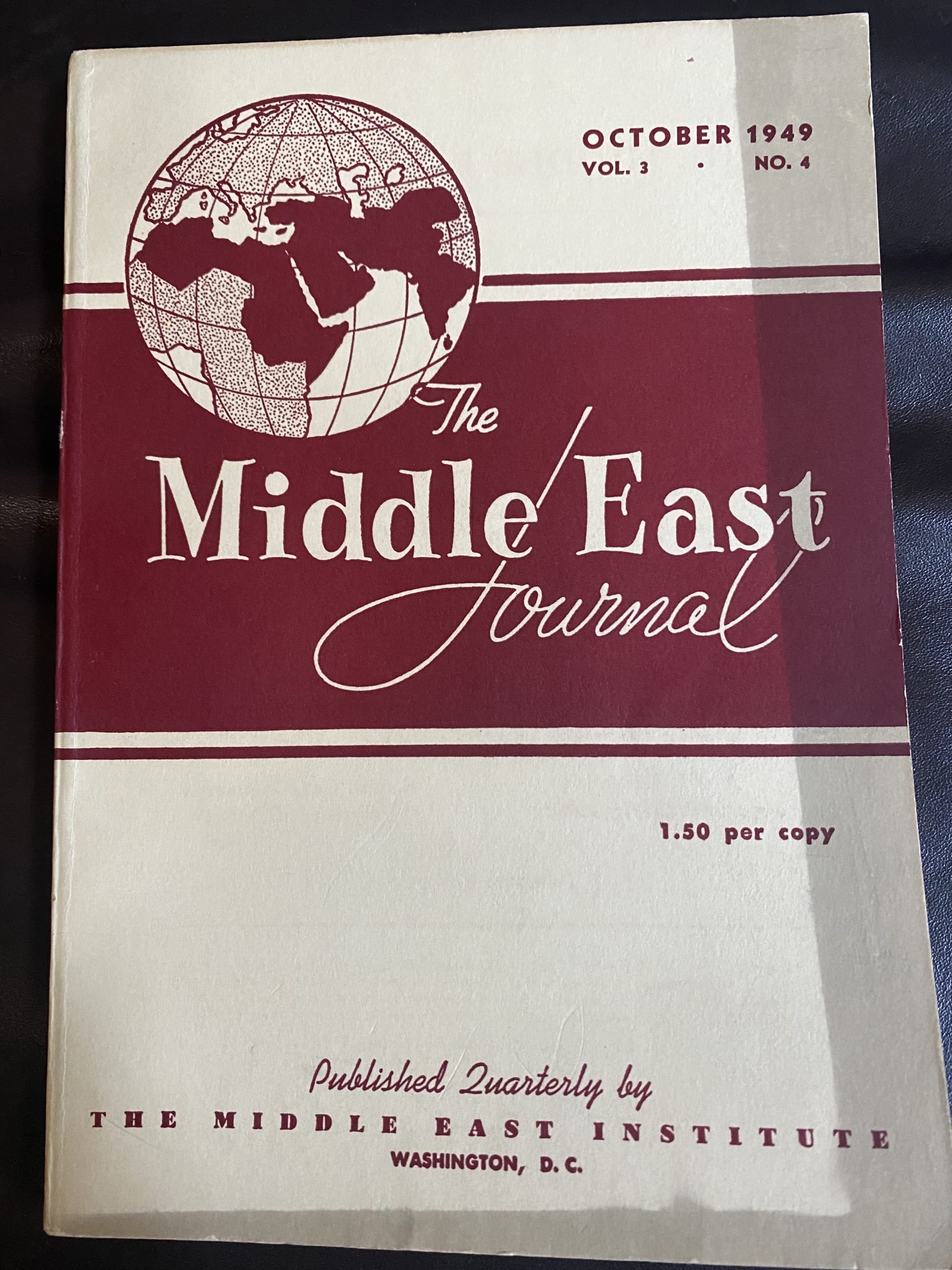
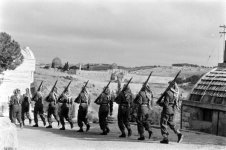
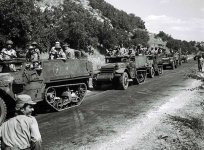
There is even a better book part 1 and part 2.. called "O Jerusalem".. a must read ..it details this article and sheds more lights.. like when the Brits killed 40 000 armed Palestinians just before handing the key of Jerusalem (Al Qods) to the Jews.. and the fact that most Arab weapons were very old ones from WW1 while the Jewish army was armed with the most modern weapons of WW2..And much more facts.. it is really a must read for everyone interested in this conflict..

1708496539645.jpeg

versus

1708496148152.jpeg
 
There is even a better book part 1 and part 2.. called "O Jerusalem".. a must read ..it details this article and sheds more lights.. like when the Brits killed 40 000 armed Palestinians just before handing the key of Jerusalem (Al Qods) to the Jews.. and the fact that most Arab weapons were very old ones from WW1 while the Jewish army was armed with the most modern weapons of WW2..And much more facts.. it is really a must read for everyone interested in this conflict..

View attachment 20842

versus

View attachment 20843

I will check this book out.
Musa Alami mentioned that the Jews sent their soldiers to join the British and other Allied Armies primarily for training. It is not surprising that they returned with surplus equipment.
 
I will check this book out.
Musa Alami mentioned that the Jews sent their soldiers to join the British and other Allied Armies primarily for training. It is not surprising that they returned with surplus equipment.
Jews from all over the world joined the allies to fight Hitler..Polish, Russian, French, British, American...etc

So after WW2 they got their compensation in weapons and the big prize; Palestine..

While some Muslims..like the Albanians fought for Hitler..and the rest paid the price with them! nothing less than Palestine and Al Qods..

1708496914649.jpeg
 
To view this content we will need your consent to set third party cookies.
For more detailed information, see our cookies page.
 
Status
Not open for further replies.

Users who are viewing this thread

Pakistan Defence Latest

Latest Posts

Back
Top