That takes back to the starting point. Iran need first other options aside just ballistic missiles at first. At second, you must enter in nuclear states properly. First abandon NPT, second make weapon tests and then make public the engagement rules of nuclear weapons.
Again. Irán probably it is a "de facto" nuclear power (within those 2 and a half months, if IRI has any non-declared enrichment site, eventually would have enough fissile material for some warheads). But in the middle of a escalatory interchange of threats and with no previous legal process to declare them if you have only hammer, everything are nails. So Israel or US would understand any incoming volley of missiles a nuclear attack.
Check it by yourself;
Reckless Iranian rhetoric, moreover, including ritual calls for
Israel’s destruction, might incline Israeli decisionmakers
to interpret Iranian actions in the darkest possible
light—further increasing the potential for miscalculation.
21 The possibility that a massive conventional
missile strike might be mistaken by Israel for a nuclear
strike and prompt a massive nuclear “counterstrike”
could complicate Iran’s military calculus. Paradoxically
then, the deployment of nuclear-armed missiles might
undermine the utility of Iran’s large conventional
missile force, which has played such an important role
in the regime’s ability to deter its enemies and project
influence across the region.22
|
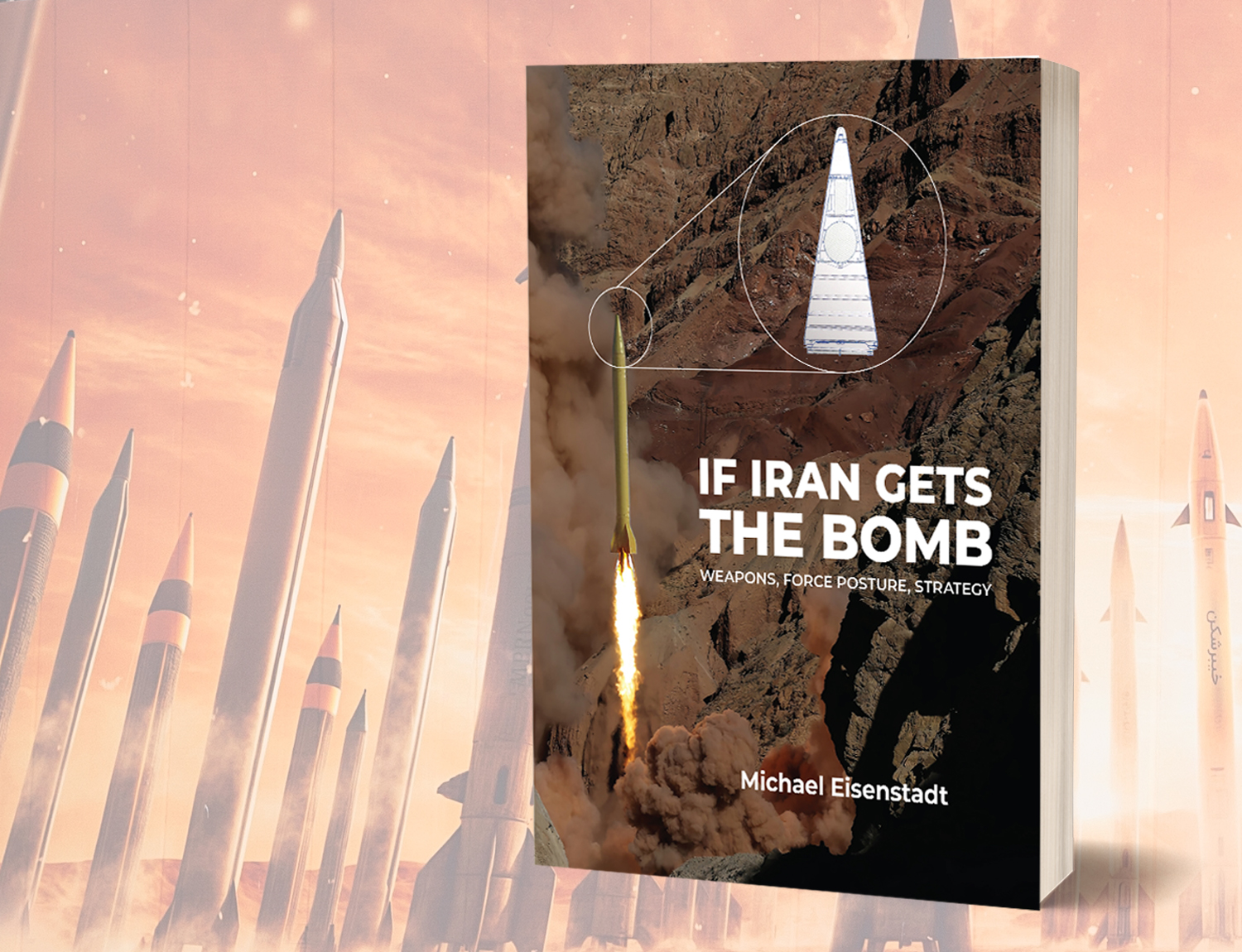
Copy and pasted from page 26 of "The Washington Institute for Near East Policy" called "If Iran gets the bomb".
The decision would require tradeoffs affecting the security, survivability, and military credibility of Tehran's nascent arsenal.

www.washingtoninstitute.org
So if Iran does only have ballistic missiles and IRGC equip them with nuclear warheads it is counterproductive.
That is the reason why myself understand Khamenei politics of hide the military nuclear program, and try to rebuild as fast as possible the conventional army, specially IRIAF and IRIN.