
MNZGamerX
Registered Member

Questions over prolonged deployments, law and order and the military’s domestic role reportedly dominated the session even as Gen Waqar-uz-Zaman urged preparedness
by Chandan Nandy
October 3, 2026
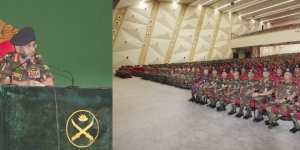
Signs of possible disquiet within the Bangladesh Army surfaced at its October 1 quarterly darbar, where Army Chief General Waqar-uz-Zaman faced questions about the prolonged deployment of troops in aid of the civil administration, the deteriorating law-and-order situation and the effectiveness of previous security operations.
While Army insiders said there is “some level of disquiet” within, this found expression on October 1 when Chief of Army Staff General Waqar-uz-Zaman faced uncomfortable questions related to the prolonged deployment of troops in aid of the civil administration, the deteriorating law-and-order situation and the effectiveness of previous security operations.
Accounts from people familiar with the two-hour-long proceedings suggest that the gathering exposed questions within the officer corps that the military leadership has yet to answer convincingly.
The episode does not establish that an institutional revolt or organised challenge to the Army chief is under way, but it points to possible strains within over continuing domestic responsibilities and its relationship with the civilian government.
Yet accounts of the gathering also describe a more personal moment: the Army chief reportedly sang a Nazrul geeti line, Hashar-er maidan-e amar bichaar korona khuda that roughly translates to “O God, do not judge me on the Day of Judgement.”
The significance of the song is open to interpretation.
It signifies that Gen Zaman tried to convey the message that in the context of uncomfortable questions and prolonged deployments, however, the moment reflected the weight of the pressures confronting the Army leadership.
The darbar had reportedly been scheduled for October 4 but was advanced to October 1.
Gen Zaman travelled to the Chittagong Hill Tracts (CHT) after the darbar ended.
The Army subsequently confirmed that he visited camps in the Rangamati region, including the Bilaichhari and Kaptai zones, where he interacted with deployed personnel.
Importantly, a dinner scheduled at the darbar venue was scrapped for reasons related to the questions posed during the event.
The reasons for advancing the darbar have not been independently established. Nevertheless, its timing, coming amid public discussion about a possible renewed joint forces operation to contain crime and restore law and order, has added to questions about the Army’s immediate priorities.
According to accounts of the meeting, officers raised pointed questions about soldiers’ prolonged deployment alongside the civil administration.
Some general officers commanding reportedly referred to the fatigue experienced by troops who have remained engaged in domestic duties for more than two years.
One GOC is said to have questioned why the law-and-order situation remained so poor despite the sustained presence of military personnel.
The officer also reportedly challenged the effectiveness of Operation Devil Hunt, asking why the operation had failed to produce the expected improvement.
The questions go beyond operational performance. They touch on the Army’s institutional role, the limits of military assistance to civilian authorities and the responsibility of the police and other law-enforcement agencies for maintaining public security.
The precise exchanges, including the responses given by the Army chief and other senior officers, have not been independently verified.
The accounts nevertheless suggest that some officers want clearer explanations of why the Army continues to shoulder domestic security responsibilities without a corresponding resolution of the problems that prompted its deployment.
The reported exchanges came as speculation intensified over a possible new joint forces operation against criminals, extortionists, drug traffickers and armed groups.
On October 1, Home Minister Salahuddin Ahmed publicly said the government had taken no formal decision to launch a new joint operation or an operation modelled on the 2002 Operation Clean Heart.
He said coordinated activities involving the police, Rapid Action Battalion, Border Guard Bangladesh and Ansar would continue and be strengthened.
The distinction matters. A renewed, large-scale military deployment would place additional demands on an Army already involved in supporting civil administration.
It could also expose the institution to political controversy and allegations of abuses arising from law-enforcement operations.
For the Army leadership, the question is therefore not simply whether troops can be deployed, but under what mandate, for how long and with what accountability arrangements.
Waqar’s public message at the darbar was one of discipline, professionalism and responsibility.
The Army’s account of the meeting said he thanked the government and Prime Minister Tarique Rahman for continued support for the force’s modernisation and capacity-building.
The central question is whether the exchanges at the darbar represent routine professional frustration or the early signs of a deeper institutional strain.
There is insufficient evidence to conclude that a coordinated upheaval is taking shape within the Army.
Nor do the reported questions establish opposition to Gen Zaman personally.
What they do suggest is a potential tension between the Army’s professional responsibilities and its continuing involvement in domestic security.
Prolonged deployments can affect morale, training schedules and operational readiness, while unresolved law-and-order problems risk making the military appear responsible for failures beyond its direct control.
The government’s handling of the joint-operation question will therefore matter.
A clearly defined mandate, measurable objectives and a credible plan for restoring civilian law-enforcement capacity could help limit the Army’s exposure to an open-ended domestic role.
The October 1 darbar may ultimately prove to have been an ordinary internal exchange.
But if the reported questions accurately reflect the mood among some senior officers, the gathering offers an early indication that the Army’s domestic responsibilities—and the absence of clear answers about their duration and effectiveness—are becoming a source of institutional concern.
by Chandan Nandy
October 3, 2026
Signs of possible disquiet within the Bangladesh Army surfaced at its October 1 quarterly darbar, where Army Chief General Waqar-uz-Zaman faced questions about the prolonged deployment of troops in aid of the civil administration, the deteriorating law-and-order situation and the effectiveness of previous security operations.
While Army insiders said there is “some level of disquiet” within, this found expression on October 1 when Chief of Army Staff General Waqar-uz-Zaman faced uncomfortable questions related to the prolonged deployment of troops in aid of the civil administration, the deteriorating law-and-order situation and the effectiveness of previous security operations.
Accounts from people familiar with the two-hour-long proceedings suggest that the gathering exposed questions within the officer corps that the military leadership has yet to answer convincingly.
The episode does not establish that an institutional revolt or organised challenge to the Army chief is under way, but it points to possible strains within over continuing domestic responsibilities and its relationship with the civilian government.
Yet accounts of the gathering also describe a more personal moment: the Army chief reportedly sang a Nazrul geeti line, Hashar-er maidan-e amar bichaar korona khuda that roughly translates to “O God, do not judge me on the Day of Judgement.”
The significance of the song is open to interpretation.
It signifies that Gen Zaman tried to convey the message that in the context of uncomfortable questions and prolonged deployments, however, the moment reflected the weight of the pressures confronting the Army leadership.
The darbar had reportedly been scheduled for October 4 but was advanced to October 1.
Gen Zaman travelled to the Chittagong Hill Tracts (CHT) after the darbar ended.
The Army subsequently confirmed that he visited camps in the Rangamati region, including the Bilaichhari and Kaptai zones, where he interacted with deployed personnel.
Importantly, a dinner scheduled at the darbar venue was scrapped for reasons related to the questions posed during the event.
The reasons for advancing the darbar have not been independently established. Nevertheless, its timing, coming amid public discussion about a possible renewed joint forces operation to contain crime and restore law and order, has added to questions about the Army’s immediate priorities.
According to accounts of the meeting, officers raised pointed questions about soldiers’ prolonged deployment alongside the civil administration.
Some general officers commanding reportedly referred to the fatigue experienced by troops who have remained engaged in domestic duties for more than two years.
One GOC is said to have questioned why the law-and-order situation remained so poor despite the sustained presence of military personnel.
The officer also reportedly challenged the effectiveness of Operation Devil Hunt, asking why the operation had failed to produce the expected improvement.
The questions go beyond operational performance. They touch on the Army’s institutional role, the limits of military assistance to civilian authorities and the responsibility of the police and other law-enforcement agencies for maintaining public security.
The precise exchanges, including the responses given by the Army chief and other senior officers, have not been independently verified.
The accounts nevertheless suggest that some officers want clearer explanations of why the Army continues to shoulder domestic security responsibilities without a corresponding resolution of the problems that prompted its deployment.
The reported exchanges came as speculation intensified over a possible new joint forces operation against criminals, extortionists, drug traffickers and armed groups.
On October 1, Home Minister Salahuddin Ahmed publicly said the government had taken no formal decision to launch a new joint operation or an operation modelled on the 2002 Operation Clean Heart.
He said coordinated activities involving the police, Rapid Action Battalion, Border Guard Bangladesh and Ansar would continue and be strengthened.
The distinction matters. A renewed, large-scale military deployment would place additional demands on an Army already involved in supporting civil administration.
It could also expose the institution to political controversy and allegations of abuses arising from law-enforcement operations.
For the Army leadership, the question is therefore not simply whether troops can be deployed, but under what mandate, for how long and with what accountability arrangements.
Waqar’s public message at the darbar was one of discipline, professionalism and responsibility.
The Army’s account of the meeting said he thanked the government and Prime Minister Tarique Rahman for continued support for the force’s modernisation and capacity-building.
The central question is whether the exchanges at the darbar represent routine professional frustration or the early signs of a deeper institutional strain.
There is insufficient evidence to conclude that a coordinated upheaval is taking shape within the Army.
Nor do the reported questions establish opposition to Gen Zaman personally.
What they do suggest is a potential tension between the Army’s professional responsibilities and its continuing involvement in domestic security.
Prolonged deployments can affect morale, training schedules and operational readiness, while unresolved law-and-order problems risk making the military appear responsible for failures beyond its direct control.
The government’s handling of the joint-operation question will therefore matter.
A clearly defined mandate, measurable objectives and a credible plan for restoring civilian law-enforcement capacity could help limit the Army’s exposure to an open-ended domestic role.
The October 1 darbar may ultimately prove to have been an ordinary internal exchange.
But if the reported questions accurately reflect the mood among some senior officers, the gathering offers an early indication that the Army’s domestic responsibilities—and the absence of clear answers about their duration and effectiveness—are becoming a source of institutional concern.


