All things SpaceX - Updates and Discussion

SpaceX Now Causing NASA to Lose Space Race to China, Experts Say​

Is SpaceX squandering America's lead in space?
By Victor Tangermann
Published Sep 22, 2025 11:08 AM EDT

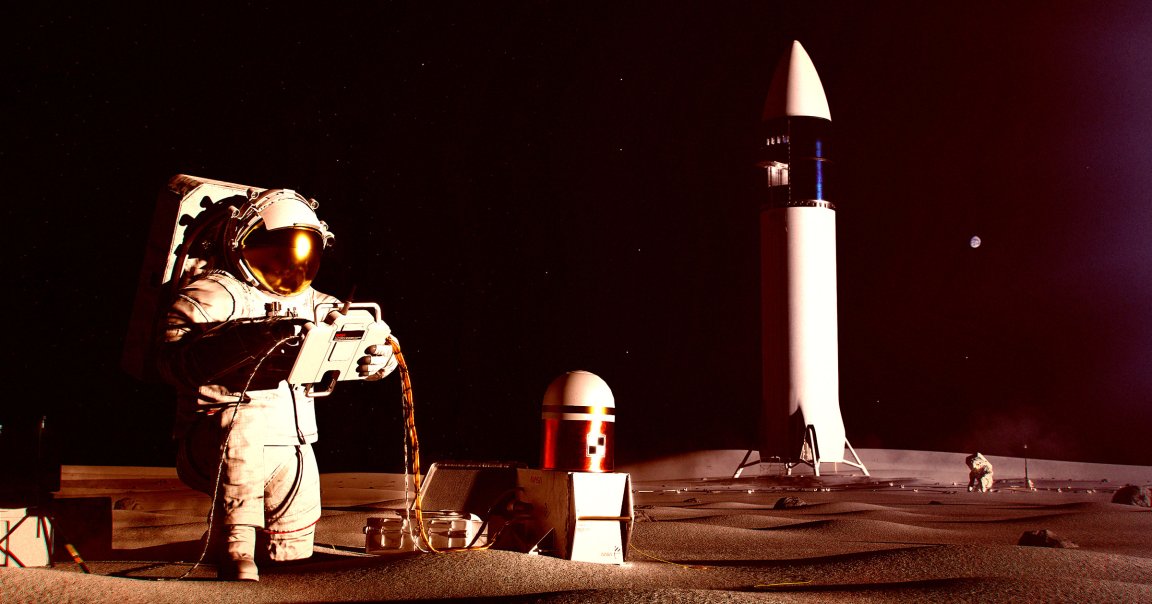
A multibillion-dollar contract between NASA and Elon Musk's SpaceX is under scrutiny as experts warn China could beat the US to the Moon.

NASA / Futurism
A multibillion-dollar contract between NASA and SpaceX is under scrutiny as the Elon Musk-helmed space company’s plans to return astronauts to the surface of the Moon keep slipping.

As the New York Times reports, experts are now warning that China could beat the United States in the race back to the Moon. After a series of successful robotic missions to the Earth’s natural satellite, the country has made major strides in its efforts to launch its “Lanyue” lunar lander to the Moon before 2030.

While NASA’s first crewed landing attempt since the 1970s, Artemis 3, is tentatively scheduled for no earlier than mid-2027, experts warn that relying on Musk’s SpaceX could set the space agency up for an ever-slipping timeline.

Current and former NASA officials told the NYT that the concerns were not related to president Donald Trump and Musk’s deteriorated relationship.

However, they point out that the mercurial CEO may have exaggerated claims about his company’s super-heavy Starship spacecraft. The enormous rocket has yet to launch and land successfully without blowing up, but NASA is still hoping to use a Human Landing Systems variant to shuttle the first astronauts down to the Moon a mere two years from now.

And that’s not to mention that the rocket will need to demonstrate that it can refuel in space before that can happen, something that has never been done before.

“This is not anything against SpaceX — they have done incredible things,” former NASA human spaceflight head Douglas Loverro told the NYT. “But the further you move from known technology, the longer it takes to go ahead and get something done.”

Musk has already blown through several of his own deadlines. Both SpaceX and NASA said in 2023 that they would attempt the first in-orbit refueling test in early 2025, which has now slipped to at least next year.

Earlier this month, Musk said during a podcast appearance that “unless we have some very major setbacks, SpaceX will demonstrate full reusability next year.”

The company’s latest and tenth test launch last month was a mixed success, completing a suborbital flight and even deploying a payload in space. Starship’s upper stage survived reentry largely unscathed, but took significant damage to its aft section and flaps.

The test followed three significant test flight failures, each of which was ended with massive explosions.

Add it all up, and whether the launch platform will be ready to safely ferry astronauts from lunar orbit down to the surface a mere two years from now remains unclear at best.

NASA chose a complex approach for its upcoming Artemis 3 mission. A crew of four astronauts will launch inside the agency’s Orion capsule atop a Space Launch System rocket, built by Boeing. The capsule will then rendezvous with SpaceX’s Starship in the Moon’s orbit to complete the last leg of the journey down to the surface.

However, most stages of the project have faced delays, including Orion and the Space Launch System. Starship remains a particular wildcard, experts warn, considering the sheer amount of unproven tech it’ll rely on.

The company will even have to send an uncrewed Starship to the Moon in a safety demonstration first before it can land NASA astronauts there, which could end up costing SpaceX a considerable amount of time.

“There are thousands of engineering challenges that remain for both the ship and the booster,” Musk admitted during an August SpaceX webcast.

Musk’s own commitment to the Moon program is also dubious. The billionaire has made it clear that he has little interest in landing astronauts on the Moon, and has called on NASA to cancel its Artemis program altogether in favor of focusing on sending the first humans to Mars with the help of Starship.

In short, time is quickly running out as China makes significant moves to send its first astronauts to the Moon. As a result, Loverro, alongside other former NASA officials, is calling for a “Plan B,” such as building a lunar lander that doesn’t need to be refueled.

And even that contingency plan could take far too long.

“I doubt that’s going to be accomplished by 2030,” Daniel Dumbacher, former deputy associate adminstrator of human spaceflight at NASA, told the NYT, “and that makes it likely that China will beat us to the Moon.”
 
To view this content we will need your consent to set third party cookies.
For more detailed information, see our cookies page.


SpaceX launches the NROL-48 mission; lands booster 509th time, 120th launch of year
 

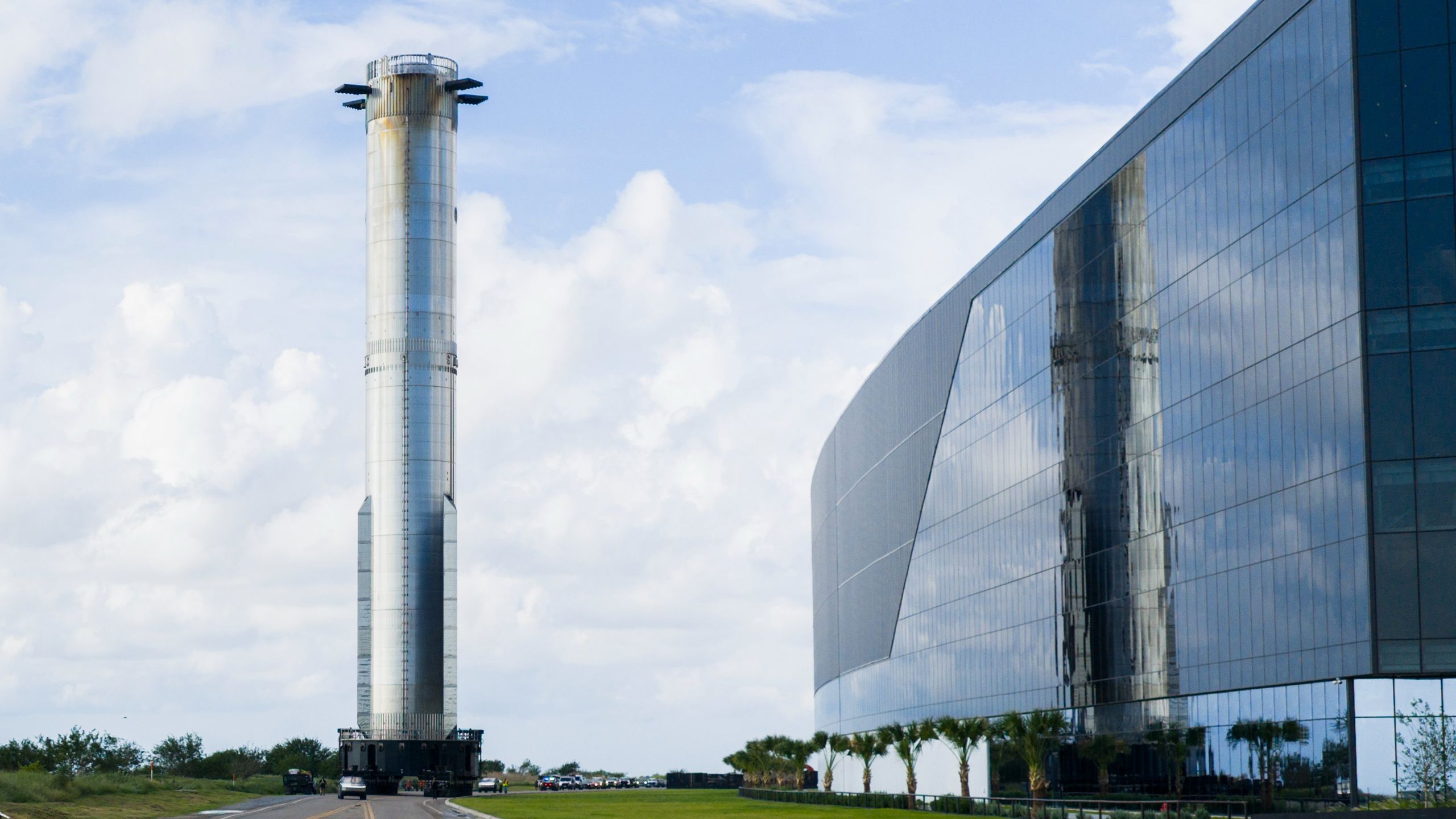
starship-stacking-flight-10.jpg


SpaceX already dominates the global rocket launch market, and Elon Musk says the company’s share is only going to grow.

According to a recent market share report, SpaceX launched 88.5% of all satellites in Q2 2025, while handling 86% of the total weight delivered to orbit worldwide. China’s CASC came in a distant second, managing more launches by weight than all other providers combined once SpaceX was excluded.

On X, Musk reacted to the report by saying, “Once Starship is flying frequently with real payloads next year, then SpaceX will probably deliver >95% of total Earth payload to orbit, despite others, especially China, continuing to grow. In 2027, maybe as high as 98%.”

To view this content we will need your consent to set third party cookies.
For more detailed information, see our cookies page.


That timeline lines up with SpaceX’s ramp-up of Starship V3. The company plans to begin heavy Starship flights in 2026, with V3 designed for higher performance and in-orbit refueling. One of the big milestones for SpaceX next year will also be the company’s first attempt to catch a returning Starship, something Musk confirmed is slated for 2026.

SpaceX recently requested FAA clearance for trajectory changes as it prepares to start launching Starship V3, including adjustments to both launch and return profiles that could pave the way for orbital refueling and future catch operations.

With Starship expected to carry far larger payloads than Falcon 9 or Falcon Heavy, the rocket is key to SpaceX pushing its market dominance even further. Starship V3 will serve as the company’s workhorse for satellite launches and eventually crewed missions, with Starship V4 planned for 2027.

If Musk’s projection holds true, SpaceX could control as much as 95–98% of all mass delivered to orbit within just a couple of years, an unprecedented level of dominance in the history of spaceflight.
 
To view this content we will need your consent to set third party cookies.
For more detailed information, see our cookies page.


SpaceX launches NASAs IMAP mission; lands booster 510th time, 121st launch of year
 
To view this content we will need your consent to set third party cookies.
For more detailed information, see our cookies page.


SpaceX launches another 28 Starlink satellites; lands booster 511th time, 122nd launch of year
 
To view this content we will need your consent to set third party cookies.
For more detailed information, see our cookies page.


SpaceX launches another 24 Starlink satellites; lands booster 512th time, 123rd launch of year
 
To view this content we will need your consent to set third party cookies.
For more detailed information, see our cookies page.

Starship Pad 2 Comes to Life | SpaceX Starbase​

 
To view this content we will need your consent to set third party cookies.
For more detailed information, see our cookies page.


SpaceX launches another 28 Starlink satellites; lands booster 513th time, 124th launch of year
 

SpaceX Now Causing NASA to Lose Space Race to China, Experts Say​

Is SpaceX squandering America's lead in space?
By Victor Tangermann
Published Sep 22, 2025 11:08 AM EDT

A multibillion-dollar contract between NASA and Elon Musk's SpaceX is under scrutiny as experts warn China could beat the US to the Moon.'s SpaceX is under scrutiny as experts warn China could beat the US to the Moon.

NASA / Futurism
A multibillion-dollar contract between NASA and SpaceX is under scrutiny as the Elon Musk-helmed space company’s plans to return astronauts to the surface of the Moon keep slipping.

As the New York Times reports, experts are now warning that China could beat the United States in the race back to the Moon. After a series of successful robotic missions to the Earth’s natural satellite, the country has made major strides in its efforts to launch its “Lanyue” lunar lander to the Moon before 2030.

While NASA’s first crewed landing attempt since the 1970s, Artemis 3, is tentatively scheduled for no earlier than mid-2027, experts warn that relying on Musk’s SpaceX could set the space agency up for an ever-slipping timeline.

Current and former NASA officials told the NYT that the concerns were not related to president Donald Trump and Musk’s deteriorated relationship.

However, they point out that the mercurial CEO may have exaggerated claims about his company’s super-heavy Starship spacecraft. The enormous rocket has yet to launch and land successfully without blowing up, but NASA is still hoping to use a Human Landing Systems variant to shuttle the first astronauts down to the Moon a mere two years from now.

And that’s not to mention that the rocket will need to demonstrate that it can refuel in space before that can happen, something that has never been done before.

“This is not anything against SpaceX — they have done incredible things,” former NASA human spaceflight head Douglas Loverro told the NYT. “But the further you move from known technology, the longer it takes to go ahead and get something done.”

Musk has already blown through several of his own deadlines. Both SpaceX and NASA said in 2023 that they would attempt the first in-orbit refueling test in early 2025, which has now slipped to at least next year.

Earlier this month, Musk said during a podcast appearance that “unless we have some very major setbacks, SpaceX will demonstrate full reusability next year.”

The company’s latest and tenth test launch last month was a mixed success, completing a suborbital flight and even deploying a payload in space. Starship’s upper stage survived reentry largely unscathed, but took significant damage to its aft section and flaps.

The test followed three significant test flight failures, each of which was ended with massive explosions.

Add it all up, and whether the launch platform will be ready to safely ferry astronauts from lunar orbit down to the surface a mere two years from now remains unclear at best.

NASA chose a complex approach for its upcoming Artemis 3 mission. A crew of four astronauts will launch inside the agency’s Orion capsule atop a Space Launch System rocket, built by Boeing. The capsule will then rendezvous with SpaceX’s Starship in the Moon’s orbit to complete the last leg of the journey down to the surface.

However, most stages of the project have faced delays, including Orion and the Space Launch System. Starship remains a particular wildcard, experts warn, considering the sheer amount of unproven tech it’ll rely on.

The company will even have to send an uncrewed Starship to the Moon in a safety demonstration first before it can land NASA astronauts there, which could end up costing SpaceX a considerable amount of time.

“There are thousands of engineering challenges that remain for both the ship and the booster,” Musk admitted during an August SpaceX webcast.

Musk’s own commitment to the Moon program is also dubious. The billionaire has made it clear that he has little interest in landing astronauts on the Moon, and has called on NASA to cancel its Artemis program altogether in favor of focusing on sending the first humans to Mars with the help of Starship.

In short, time is quickly running out as China makes significant moves to send its first astronauts to the Moon. As a result, Loverro, alongside other former NASA officials, is calling for a “Plan B,” such as building a lunar lander that doesn’t need to be refueled.

And even that contingency plan could take far too long.

“I doubt that’s going to be accomplished by 2030,” Daniel Dumbacher, former deputy associate adminstrator of human spaceflight at NASA, told the NYT, “and that makes it likely that China will beat us to the Moon.”
Unlike the US, China has never landed a man on the moon.
 
Starship Flight 11 scheduled for October 13th

To view this content we will need your consent to set third party cookies.
For more detailed information, see our cookies page.
 
To view this content we will need your consent to set third party cookies.
For more detailed information, see our cookies page.


SpaceX launches another 28 Starlink satellites; lands booster 514th time, 125th launch of year
 
To view this content we will need your consent to set third party cookies.
For more detailed information, see our cookies page.


SpaceX launches another 28 Starlink satellites; lands booster 515th time, 126th launch of year
 
To view this content we will need your consent to set third party cookies.
For more detailed information, see our cookies page.


SpaceX launches another 28 Starlink satellites; lands booster 516th time, 127th launch of year
 

Users who are viewing this thread

Pakistan Defence Latest

Back
Top