The thirteenth flight test of
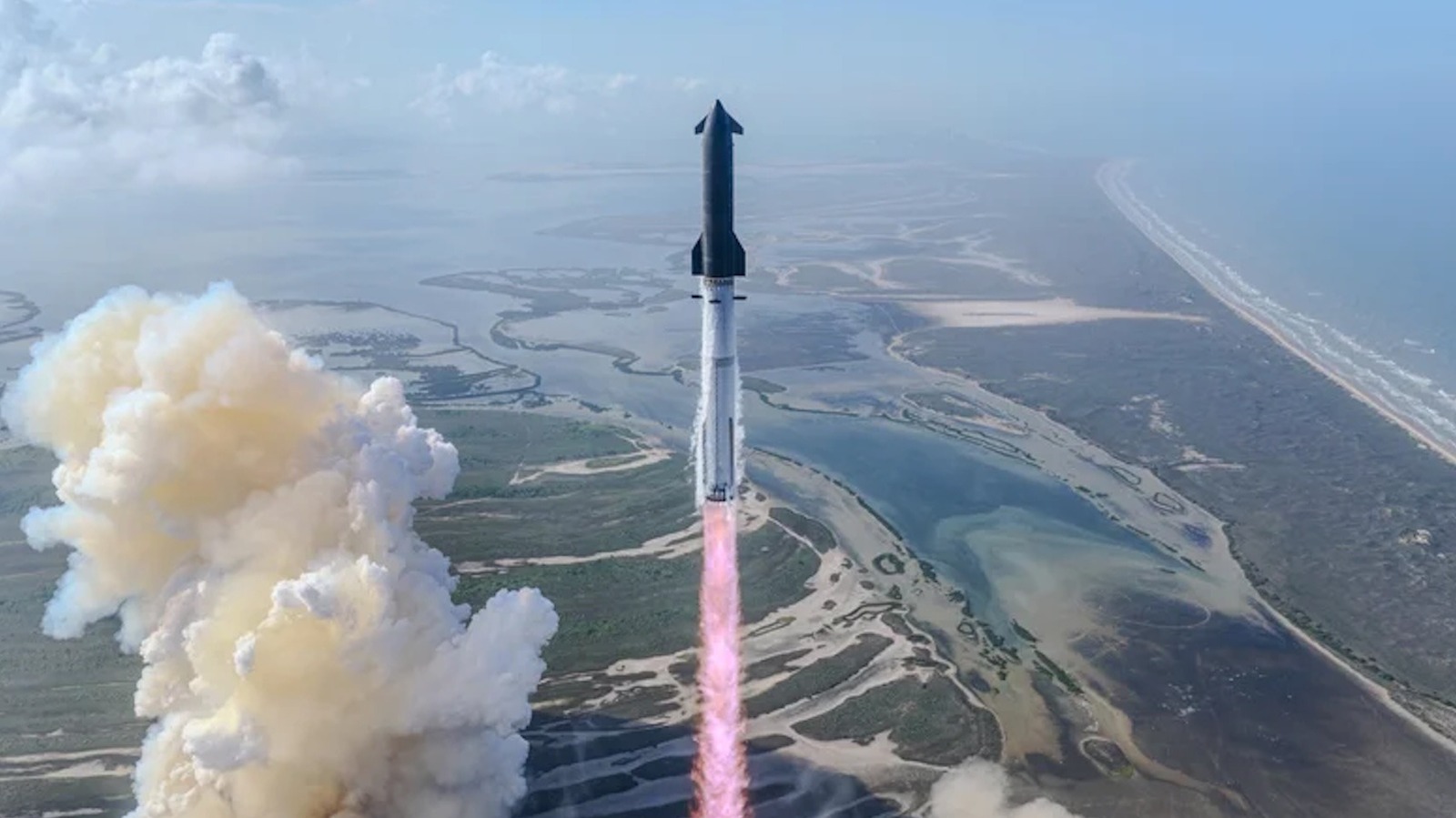
Starship is preparing to launch as soon as Thursday, July 16. The 90-minute launch window will open at 5:45 p.m. CT.
A live webcast of the flight test will begin about 30 minutes before liftoff, which you can watch here and
on X @SpaceX. As is the case with all developmental testing, the schedule is dynamic and likely to change, so be sure to check in here and stay tuned to our X account for updates.
The upcoming flight will aim to complete similar objectives targeted on the
previous flight test, which debuted the
Starship and Super Heavy V3 vehicles, while also carrying next-generation Starlink V3 satellites for the first time.
Watch “Critical Path”, the latest episode in the ongoing Starship series that followed SpaceX engineers and technicians through the final days before launch of the first Starship V3.
The booster’s primary test objective will be executing a successful launch, ascent, stage separation, boostback burn, and landing burn at an offshore landing point in the Gulf of America. There have been several modifications to hardware and software to address issues seen on the previous flight.
At stage separation on Flight 12, slight differences in engine startup on the ship caused the directional flip of the booster to be off by approximately 90 degrees. The startup sequence has been modified to be more robust to timing variability and more reliably flip in the desired direction, which is done to increase overall performance. After stage separation and the flip, the Super Heavy booster attempted its boostback burn. Five of its 33 engines experienced issues when attempting to re-light causing the boostback burn to end early. The Super Heavy on this upcoming flight has hardware modifications to improve re-light reliability along with updates to engine alarms and aborts to match the conditions seen in the multi-engine flight environment.
The Starship upper stage’s primary objectives include the deployment of 20 Starlink V3 satellites, a relight of a single Raptor engine while in space, and another controlled entry, descent, and splashdown in the Indian Ocean. There have also been several modifications to Starship’s propulsion system to address the engine out issue experienced on the previous flight.
Approximately 40 seconds after stage separation, Starship lost one of its three Raptor vacuum optimized engines. The vehicle was able to demonstrate its engine out capability and reach its planned suborbital trajectory. Several hardware and operational modifications have been made to address the interconnected causes with additional reliability improvements planned in upcoming versions of the Raptor engine.
For the first time, Starship will carry V3 Starlink satellites to space, which aim to greatly expand the network's capacity and user speeds. As part of this initial test, Starship is planned to deploy 20 satellites which will extend solar arrays and antennas and will attempt to connect with ground stations in South Africa and the larger Starlink constellation via high-capacity lasers. Six of the satellites have been modified with a suite of cameras to scan Starship’s heat shield and transmit imagery down to operators to continue testing methods of analyzing Starship’s heat shield readiness for return to launch site on future missions. Several tiles on Starship have been painted white to simulate missing tiles and serve as imaging targets in the test.
Several upgrades and experiments related to Starship’s heatshield will also be tested to continue iteration towards a fully and rapidly reusable design. Multiple tiles will be attached to the metallic side of Starship’s aft flaps along with modified tiles and attachment mechanisms in the heatshield covering the aft skirt to gather flight data on different attachment options. Finally, Starship’s heatshield will have load sensing tiles to take measurements as the vehicle experiences higher dynamic pressure on ascent than previous flights, putting added stress on the tile attachments in exchange for increased payload to orbit capability.


 www.investors.com