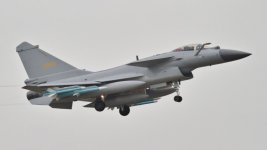
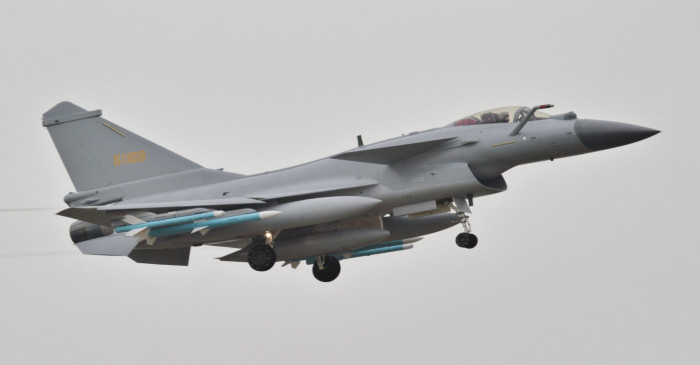
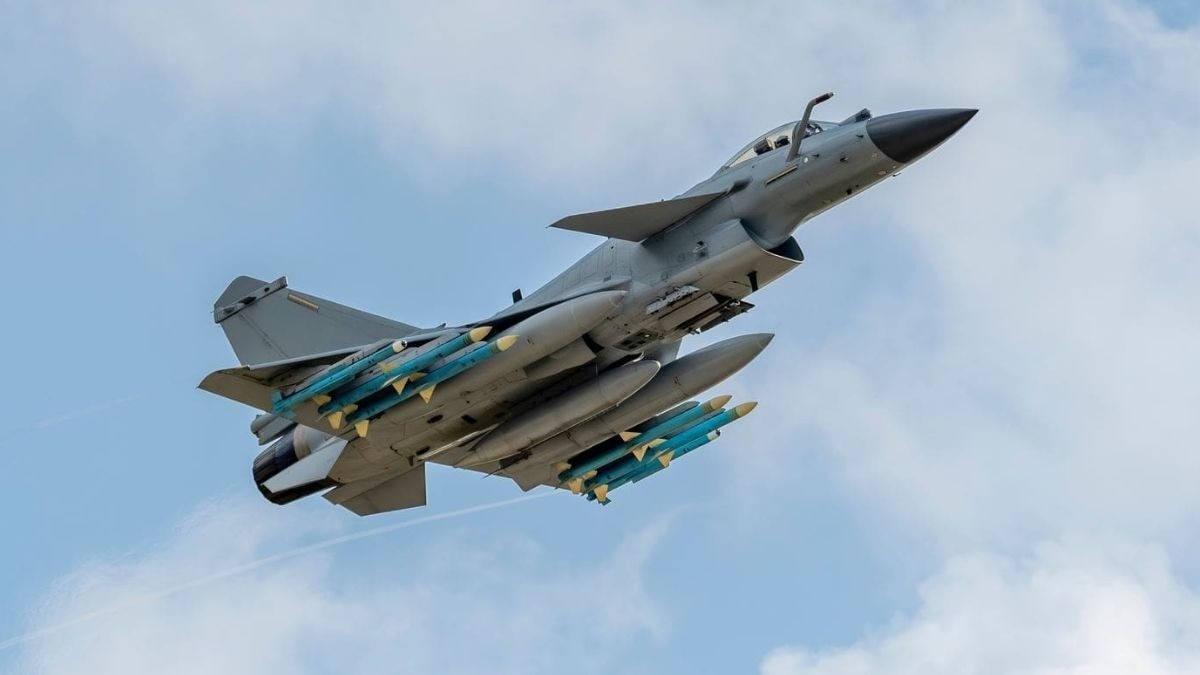
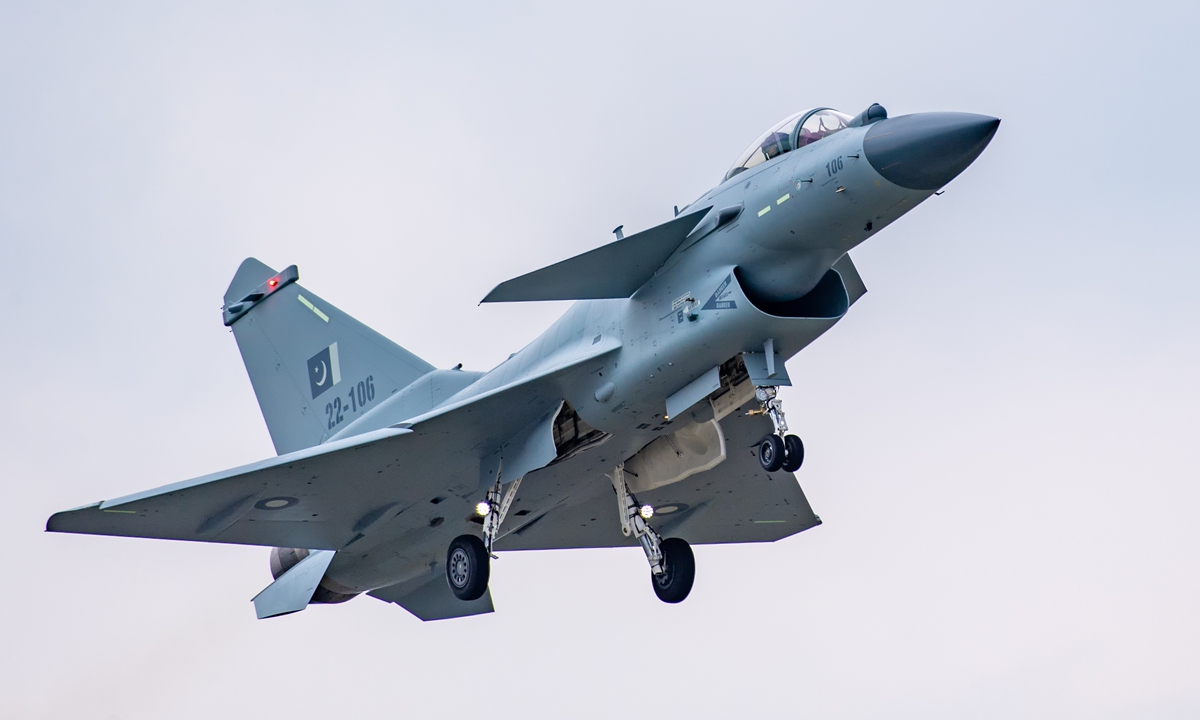
Bangladesh to sign deal for 24 Chinese fighter jets in August; China to gift 20 locomotives
Beijing pushes ahead with a fighter-jet deal as Dhaka balances ties with China, Washington, Moscow and New Delhi
by Enayet Kabir June 23, 2026

Ahead of Bangladeshi Prime Minister Tarique Rahman’s visit to China, several special Chinese delegations visited Dhaka last week.
During the upcoming Beijing trip, Bangladeshi representatives held preliminary discussions to finalize separate meetings with China’s defence and foreign ministers regarding the purchase of 24 advanced J-10CE multirole fighter aircraft and 20 locomotive engines from China.
Chinese representatives sought assurances on whether Bangladesh would be able to move beyond any conditions under the Reciprocal Trade Agreement (RTA) that might restrict military and commercial agreements with third countries without U.S. approval.
Bangladeshi officials reportedly stated that, despite maintaining a U.S.-oriented foreign policy, there would be no obstacle to finalizing plans to purchase 24 advanced J-10CE multirole fighter jets from China.
The Chinese representatives who visited Bangladesh during Prime Minister Tarique Rahman’s China tour, which began on Monday, June 22, 2026, came primarily to confirm the proposed agreements concerning the fighter aircraft and railway engines.
Several diplomatic sources in both China and Bangladesh, speaking on condition of anonymity, confirmed that the final agreement for the fighter aircraft purchase could be signed by August this year.
Under the proposed deal, the estimated market value of each advanced Chinese fighter jet has been set at approximately US$40 million. In addition, China has proposed gifting Bangladesh 20 railway locomotive engines.
Today (Tuesday, June 23), Prime Minister Tarique Rahman held a courtesy meeting with Alois Zwinggi, President and CEO of the World Economic Forum.
The meeting took place at 5:00 p.m. local time at the Dalian International Conference Center in China.
Bangladeshi diplomats are hopeful that following the formal bilateral meeting between Prime Minister Tarique Rahman and Chinese Premier Li Qiang, the two countries may issue a joint declaration elevating their current strategic relationship to a “Shared Future Partnership.”
Bangladesh also intends to continue discussions regarding the Teesta Barrage Master Plan despite China’s apparent reluctance to become involved.
The current BNP-led government is attempting to pursue a balanced, multi-vector foreign policy similar to that followed by the previous Awami League government.
The objective is to maintain active relations simultaneously with Washington, Beijing, Moscow, and New Delhi. Despite various criticisms, the current government has kept in force the reciprocal tariff agreement with the United States.
Officials say that Prime Minister Tarique Rahman is also planning a future visit to India to repair the deterioration in Bangladesh-India relations that occurred during the interim government’s tenure.
However, all parties acknowledge that restoring relations with New Delhi will be a complicated process.
Analysts view recent attempts at forced border pushbacks and the prolonged detention of adviser Zahed Ur Rahman at New Delhi Airport as clear indications of ongoing tensions in bilateral relations.
Bangladesh’s foremost economic priority is the creation of new jobs. The previous Awami League government sought to attract both foreign and domestic investment into manufacturing through the establishment of economic zones.
If Chinese manufacturing operations can be relocated to Bangladesh, it could create employment opportunities for thousands of unemployed young people.
Meanwhile, Bangladesh Foreign Secretary Asad Alam Siam has stated that during the Prime Minister’s visit, the two countries are expected to sign approximately two agreements, 15 memoranda of understanding (MoUs), and several declarations.
The two sides have also agreed to jointly advance the modernization project of Mongla Port, Bangladesh’s second-largest seaport, which has long suffered from infrastructure limitations and underutilization.
To increase the port’s economic significance, Bangladesh has completed preparations to allocate a 110-acre Special Economic Zone (SEZ) in Mongla for China.
This industrial park was originally designated for Indian investment, and an MoU had previously been signed with a Mumbai-based company for its development.
However, an official from the Bangladesh Investment Development Authority (BIDA) confirmed that Dhaka has recently canceled that agreement with India, making the land directly available to Chinese investors.
Just one week before this decision, the government approved an exclusive Chinese industrial park in Chattogram, where Beijing has already pledged US$500 million in investment.
Diplomatic analysts believe that the rapid expansion of Dhaka’s ties with Beijing will be closely monitored by neighbouring India.
Bangladesh and India share a 4,096-km-long border and are deeply interconnected through trade, security cooperation, and the management of shared river waters.
Diplomatic sources also indicate that Dhaka hopes to strengthen commercial ties with the United States—the world’s largest economy—by increasing imports of soybeans, corn, and cotton from the U.S., thereby leveraging America’s influential agricultural lobby.
However, Dhaka’s diplomatic outreach extends beyond Washington and Beijing to Moscow as well. Earlier this month, Bangladeshi Foreign Minister Khalilur Rahman visited Russia and reaffirmed the longstanding relationship between the two countries.
Diplomatic sources believe that Moscow will fully support Bangladesh’s efforts to join BRICS, one of the world’s leading economic blocs, in which China plays a central role.
Ahead of Bangladeshi Prime Minister Tarique Rahman's visit to China, several special Chinese delegations visited Dhaka last week. During the

nenews.in