Bangladesh Socio-Political Crisis 2024 and onwards

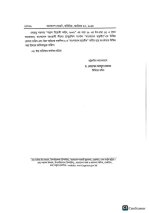
Student wing of Awami League - Chatro League is now a banned organization due to their involvement in political violence, torture, rape, murder of civilians. Essentially the Gov designated them as a terrorist entity.
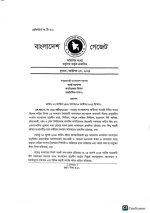
View attachment 74467
View attachment 74468

Alhumdulillah! Mubarak to everyone. Good step forward. Next Awami League and its affiliated parties must be banned. Awami and it's sympathizers must be eradicated from Bangladesh.
 
Last edited:
Student wing of Awami League - Chatro League is now a banned organization due to their involvement in political violence, torture, rape, murder of civilians. Essentially the Gov designated them as a terrorist entity.

View attachment 74467
View attachment 74468
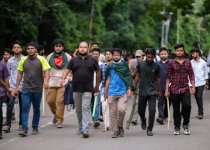
This is long overdue. Chatro League creates chaos which AL uses as issues to do dirty politics. This has been the case the for last 50+ years.
 
Last edited:
Post-revolution Bangladesh is undergoing a decisive ideological shift away from the secularism that has defined much of its post-independence narrative.

By Shafi Md Mostofa
October 23, 2024

thediplomat_2024-07-18-125318.jpg

Bangladesh emerged as a secular nation-state in 1971, one of the few Muslim-majority countries to do so. However, the country is currently undergoing a profound ideological transformation.

Bangladesh’s longest-serving prime minister, Sheikh Hasina, resigned and fled the country amid the student protests this summer. This revolution, which propelled Nobel Laureate Dr. Muhammad Yunus to power as the chief adviser to the interim government, signals a pivotal moment in Bangladesh’s history – a decisive shift away from the secularism that has defined much of its post-independence narrative.

To understand this shift, it is essential to explore the historical context that shaped Bangladesh’s political and ideological landscape. Bangladesh was born in 1971 after a bloody war of independence from Pakistan. The war was, in many ways, a repudiation of the religious nationalism that underpinned the idea of Pakistan. Bangladesh’s founders sought to establish a secular state that would embrace all faiths and reject the communal politics that had led to the partition of India and the creation of Pakistan in 1947.

However, the imposition of secularism in Bangladesh was largely a top-down process, failing to resonate with the deeper cultural and religious sentiments of the populace. Many people in Bangladesh identified strongly with their Muslim faith, and the notion of secularism, perceived as a Western import, was seen by some as incongruent with their identity.

The 1971 war, in a sense, was a failure of Islamism, as religiously oriented political parties, including Jamaat-e-Islami, opposed the independence war on the grounds that it would weaken Islam in the subcontinent. This stance marginalized Islamists in the newly independent Bangladesh, setting the stage for a protracted ideological battle between secularism and Islamism. The battle between them culminated in 2013 with the concurrent rise of the Shahbag movement of secularists and Shapla Movement led by the Hefazat-e-Islam.

The Awami League capitalized on the ideological battle between secularism and Islamism. The party promoted a divide-and-rule policy, emphasizing the “consciousness of independence,” which was synonymous with secular Bengali nationalism. This narrative was used to marginalize political opponents, particularly those with Islamist leanings, and consolidate power. Under the guise of preserving secularism and the spirit of the Liberation War, the Awami League resorted to authoritarian measures to stifle dissent and maintain control.

However, this approach proved to be a double-edged sword. While it helped the Awami League maintain its grip on power, it also alienated large segments of the population who felt that their religious and cultural identities were being suppressed. The regime’s authoritarian tendencies and failure to ensure inclusivity only served to deepen the ideological divide within the country. Over time, the narrative of secularism as a unifying force became increasingly untenable, as it failed to accommodate the diverse identities and aspirations of the Bangladeshi people.

The student revolution of 2024 marked a dramatic turning point in Bangladesh’s ideological journey. The revolution was a mass uprising against the authoritarian regime of Sheikh Hasina, driven by widespread dissatisfaction with her government’s policies and its perceived failure to address the needs of the people. What made this revolution particularly significant was the diverse coalition that participated in it: left-wing and right-wing forces, secularists, and Islamists, all united by a common goal of ousting the incumbent regime.

This unprecedented alliance highlights a fundamental shift in Bangladesh’s political landscape: a move away from the polarizing ideologies of secularism and Islamism toward a more inclusive, pluralistic approach. The revolution’s success lay in its embrace of inclusivity, irrespective of religion, gender, or other identities. The message from the streets was clear: the people of Bangladesh were no longer willing to accept narratives that promoted division and exclusion. The secularism championed by the Awami League was seen as having failed to ensure inclusivity, and its narrative was overwhelmingly rejected by the masses.

This was reflected when students adopted a slogan that is anti-independence and anti-Bengali nationalism. In the early stages of the protest, Hasina implied that those protesting where the children of Razakars – people who collaborated with the Pakistan Army in the Liberation War in 1971. In response, the students reclaimed the disparaging term, chanting, “Who are you? Who am I? Razakar, Razakar.”

This slogan symbolized the failure of the Awami League’s authoritarian secular Bengali nationalism as a unifying ideology. Just as Islamism had failed in 1971 to keep the newly formed nation united, the secularism that emerged from the consciousness of independence failed in 2024.

The question now arises: What comes next? Who or what will rise to fill the ideological vacuum left by the fall of secularism?

The revolution has opened up a space for new ideologies and narratives to emerge, ones that are more reflective of the diverse identities and aspirations of the Bangladeshi people. The success of the student revolution suggests that the future of Bangladesh lies not in the imposition of any single ideology – be it secularism or Islamism – but in a more inclusive and pluralistic approach that recognizes and celebrates diversity.

In light of the ideological shifts taking place in Bangladesh, there is a growing argument for embracing multiculturalism as the new guiding principle for the nation. The opposition Bangladesh Nationalist Party promotes multiculturalism through Bangladeshi nationalism ideology. Jamaat-e-Islami, the main Islamist party, quickly adopted a non-communal ideological stance by safeguarding minority places. This is a good sign for Bangladesh’s future as an inclusive society.

Unlike secularism, which has often been perceived as suppressing religious identities, multiculturalism allows for the coexistence of multiple faiths, cultures, and ideas within a single political framework. It promotes a more inclusive society where all citizens, regardless of their religious or cultural background, can feel represented and valued.

Multiculturalism, if implemented correctly, could provide a more sustainable foundation for unity in Bangladesh. It would require the state to actively promote policies that foster inclusivity and equality, rather than exclusion and marginalization. This would mean not only protecting the rights of religious and ethnic minorities but also ensuring that all citizens have equal access to opportunities and resources.

For Bangladesh to successfully transition towards a more inclusive society, it will also need to ensure greater accountability in every sector of the state and its institutions. The authoritarianism and corruption that have plagued Bangladesh’s political system must be addressed if the country is to move forward. This will require a concerted effort to build stronger, more transparent institutions that are accountable to the people.

Ultimately, the fall of secular Bengali nationalism in Bangladesh should be seen as an opportunity for renewal and transformation. The student revolution has shown that the people of Bangladesh are ready for change – they are demanding a more inclusive and just society where all voices are heard and respected. By embracing multiculturalism and ensuring accountability, Bangladesh can build a more cohesive and prosperous future for all its citizens.
 
In the guise of an article about Bengali nationalism, secularism, Islamism and multiculturalism it hides something very dangerous and could turn the country upside down and these paragraphs gives a hint of what I am talking about -

The revolution’s success lay in its embrace of inclusivity, irrespective of religion, gender, or other identities. The message from the streets was clear: the people of Bangladesh were no longer willing to accept narratives that promoted division and exclusion.

The revolution has opened up a space for new ideologies and narratives to emerge, ones that are more reflective of the diverse identities and aspirations of the Bangladeshi people. The success of the student revolution suggests that the future of Bangladesh lies not in the imposition of any single ideology – be it secularism or Islamism – but in a more inclusive and pluralistic approach that recognizes and celebrates diversity.

Multiculturalism, if implemented correctly, could provide a more sustainable foundation for unity in Bangladesh. It would require the state to actively promote policies that foster inclusivity and equality, rather than exclusion and marginalization. This would mean not only protecting the rights of religious and ethnic minorities but also ensuring that all citizens have equal access to opportunities and resources.

Why do these paragraphs seem to be promoting an LBGTQ+ agenda and which is something that will not be accepted in Bangladesh and many have accused the IG of seeking to eventually impose these perverted perspectives on the country.
 
In the guise of an article about Bengali nationalism, secularism, Islamism and multiculturalism it hides something very dangerous and could turn the country upside down and these paragraphs gives a hint of what I am talking about -


Why do these paragraphs seem to be promoting an LBGTQ+ agenda and which is something that will not be accepted in Bangladesh and many have accused the IG of seeking to eventually impose these perverted perspectives on the country.

That's the NGO effect on the cabinet. The NGO "appointees" are all pro lgbtq.

They are grossly mistaken if they think they can push these ideologies in Bangladesh - people will push back and have been doing so from day one.
 
Strict following to any kind of “ism” tantamount to fundamentalism. Contrary to popular belief it does not only refer to religious fundamentalism.
Secularism and atheist folks killed far more people than religious fundamentalists killed in last 125 years or so. As far as I am concerned all folks should have same rights to persue any lawful activity.
 
Strict following to any kind of “ism” tantamount to fundamentalism. Contrary to popular belief it does not only refer to religious fundamentalism.
Secularism and atheist folks killed far more people than religious fundamentalists killed in last 125 years or so. As far as I am concerned all folks should have same rights to persue any lawful activity.

Shockingly - "Far more" is actually a huge understatement when you take into consideration the death toll of the likes of Hitler, Stalin, Mao and Zionists combined.
 
Shockingly - "Far more" is actually a huge understatement when you take into consideration the death toll of the likes of Hitler, Stalin, Mao and Zionists combined.
I left the numbers out, as it is indeed shocking to some folks. When Mao’s police initially did not yield positive results, he blamed it on the traditional cultural mindset of the Chinese people. Cultural revolution was his answer to the lack of progress under communist role. He had no clue about the capacity of the Chinese people as we see today.

These days we hear the same thing from some of these progressive “chetonabadi” people.
The problem with “ism” that it is a top-down approach something only so called enlightened folks understand, the rest (as Hilary Clinton calls them “despicable”) don’t get it.
 
96 out of 252 dismissed police officers were from minority groups. (92 of thems are hindu.) Proof is the list of their names.


অব্যাহতি প্রাপ্ত ২৫২ জন এসআই এর মধ্যে ৯৬ জনের ক্রমিক নং - পি. এ - ন

১. ৪০১২৪ - সুশান্ত রায় (খ্রিস্টান)
২. ৪০১২৭ - রিপন মন্ডল
৩. ৪০১২৮ - দিপংকর চ্যাটার্জী
৪. ৪০১৩৮ - প্রশান্ত কুসার দে
৫. ৪০১৫১ - দীপ্ত প্রসাদ মিত্র
৬. ৪০১৭৭ - তন্ময় মল্ডল
৭. ৪০১৮৭ - পার্থ ভট্টাচার্য্য
৮. ৪০২০৫ - শান্ত দস্তিদার
৯. ৪০২১৪ - শিমুল মণ্ডল
১০. ৪০২২০ - সুব্রত বাইন
১১. ৪০২২২ - সৌরভ সরকার
১২. ৪০২৩১ - এস এম জনার্দন রায়
১৩. ৪০২৪৪ - সুমন কুমার মণ্ডল
১৪. ৪০২৪৮ - অভিজিৎ কুমার শীল
১৫. ৪০২৫৩ - তপন রায়
১৬. ৪০২৭৩ - সম্রাট বর
১৭. ৪০২৯০ - রনি রায়
১৮. ৪০২৯১ - বিপ্র ভট্টাচার্য
১৯. ৪০৩০৫ - সৌরভ কর্মকার
২০. ৪০৩০৯ - পরেশ চন্দ্র রায়
২১. ৪০৩১৪ - অমৃত ঘোষ
২২. ৪০৩১৬ - দেবাশীষ
২৩. ৪০৩২৩ - অনিমেষ
২৪. ৪০৩২৭ - অনির্বান সরকার
২৫. ৪০৩৩১ - তন্ময় ধর
২৬. ৪০৩৩৬ - রঞ্জন গাইন
২৭.৪০৩৪৭ - শুভ চক্রবর্তী
২৮. ৪৯৩৫২ - তনয় ভট্টাচার্য
২৯. ৪৯৩৬২ - পিপন রায়
৩০. ৪০৩৬৮ - হরিশ্চন্দ্র রায়
৩১. ৪০৩৭৪- শৈলেন চন্দ্র রায়
৩২. ৪৯৩৮৯-সৌম্য কান্তি ঘোষ
৩৩. ৪০৩৯৪- পলাশ হালদার
৩১. ৪০৪০৯ - অমিত ভৌমিক
৩২. ৪০৪১১ - উজ্জ্বল কুমার
৩৩. ৪০৪২৭ - কৃষ্ণ কৃর্তনীয়া
৩৪. ৪০৪২৮ - পলাশ ঘোষ
৩৫. ৪০৪৩৮ - মানিক বিশ্বাস
৩৬. ৪০৪৪০ - কল্যান সরকার
৩৭. ৪০৪৫০ - তাপস দত্ত
৩৮. ৪০৪৭০ - নয়ন চন্দ্র দাস
৩৯. ৪০৪৭৯ - চঞ্জল কুমার
৪০. ৪০৪৮০ - সনজিত কুমার মন্ডল
৪১. ৪০৪৮১ - সাগর দেবনাথ
৪২. ৪০৫০৬ - অভিজিৎ রায়
৪৩. ৪০৫৬৬ - উত্তম দাশ
৪৪. ৪০৫৯৪ - প্রসেনজিৎ শিল
৪৫. ৪০৬১১ - কাকন দে
৪৬. ৪০৬২৯ - কল্যাণ চক্রবর্তী
৪৭. ৪০৬৪৯ - অমিতাভ বালা
৪৮. ৪০৬৭১ - অনিক
৪৯. ৪০৬৮৪ - অমিত বিশ্বাস
৫০. ৪০৬৮৮ - জয় বিশ্বাংগী
৫১. ৪০৭০২ - সুকান্ত বিশ্বাস
৫২. ৪০৭০৮ - আশিষ দেবনাথ
৫৩. ৪০৭০৯ - সৌরভ কর
৫৪. ৪০৭১২ - প্রসেনজিৎ দাস
৫৫. ৪০৭১৩ - মিন্টু সূত্রধর
৫৬. ৪০৭৪৩ - অমিত কুমার মন্ডল
৫৭. ৪০৭৪৪ - দীপংকর সরদার
৫৮. ৪০৭৪৭ - সৌরভ ঘোষ
৫৯. ৪০৭৫২ - অয়ন বিশ্বাস
৬০. ৪০৭৫৯ - নয়ন রায়
৬১. ৪০৭৭৬ - সরজ ঘোষ
৬২. ৪০৭৯৪ - সুবীর রায়
৬৩. ৪০৮১৬ - রুবেল চন্দ্র দাস
৬৪. ৪০৮১৭ - রুপক কৈরী
৬৫. ৪০৮২৯ - প্রভাকরন রায়
৬৬. ৪০৮৩৩ - অসীত
৬৭. ৪০৮৩৯ - সুদীপ্ত
৬৮. ৪০৮৪১ - শুভংকর
৬৯. ৪০৮৪৬ - অনুপম
৭০. ৪০৮৪৭ - জিকো
৭১. ৪০৮৭৫- সন্তোষ
৭২. ৪০৮৮১ - মিঠুন
৭৩. ৪০৮৮৪ - নিশিকান্ত
৭৪. ৪০৯১০ - প্রিয়াংকা
৭৫. ৪০৯১৭ - মিতু মন্ডল
৭৬. ৪০৯২৪ - শুভ্রা পাল
৭৭. ৪০৯২৯ - শম্পা রাজবংশী
৭৮. ৪০৯৩০ - সুস্মিতা দাশ
৭৯. ৪০৯৩২- সুমা রায়
৮০. ৪০৯৩৩ - সুপ্রিয়া সরকার সুপা
৮১. ৪০৯৩৫ - অপরাজিতা মজুমদার
৮২. ৪০৯৩৭- চম্পা রানী দাস
৮৩. ৪০৯৩৮ - দিপীকা সিনহা
৮৪. ৪০৯৪০ - দিপীকা চক্রবর্তী
৮৫. ৪০৯৪১ - অনামিকা সাহা
৮৬. ৪০৯৪৪ - পপি রায়
৮৭. ৪০৯৪৫ - মিতু
৮৮. ৪০৯৪৬ - সিমু ঘোষ
৮৯. ৪০৯৫৪ - সোমা সিংহ
৯০.৪০৪৬২ পিয়াল বড়ুয়া (বৌদ্ধ)
৯১.৪০৪৬৮ রুপেল বড়ুয়া (বৌদ্ধ)
৯২. ৪০৩৭০ মিল্টন (খ্রিস্টান)
৯৩. ৪০৫৬৬--উত্তম কুমার দাশ
৯৪. ৪০৩৭৪-শৈলেন রায়

এর আগেও দুই জনকে ডিসচার্জ করা হয়েছে,
৯৫. ৪০৯০৩-রূপা বিশ্বাস,
৯৬. ৪০৯০৬-সুমি প্রামানিক


Thoughts? I am trying to think what to make of it.
 
What he said makes sense, but I personally still can't trust Chuppu. The only reason being BAL loyalist generals within army are still in service and with the president having supreme authority over armed forces, anything could happen.
What I want to know is why BNP is opposing his removal and why they are not happy with the ban on Chhatra League.

BNP walas are screwing up IMO.
 
96 out of 252 dismissed police officers were from minority groups. (92 of thems are hindu.) Proof is the list of their names.


অব্যাহতি প্রাপ্ত ২৫২ জন এসআই এর মধ্যে ৯৬ জনের ক্রমিক নং - পি. এ - ন

১. ৪০১২৪ - সুশান্ত রায় (খ্রিস্টান)
২. ৪০১২৭ - রিপন মন্ডল
৩. ৪০১২৮ - দিপংকর চ্যাটার্জী
৪. ৪০১৩৮ - প্রশান্ত কুসার দে
৫. ৪০১৫১ - দীপ্ত প্রসাদ মিত্র
৬. ৪০১৭৭ - তন্ময় মল্ডল
৭. ৪০১৮৭ - পার্থ ভট্টাচার্য্য
৮. ৪০২০৫ - শান্ত দস্তিদার
৯. ৪০২১৪ - শিমুল মণ্ডল
১০. ৪০২২০ - সুব্রত বাইন
১১. ৪০২২২ - সৌরভ সরকার
১২. ৪০২৩১ - এস এম জনার্দন রায়
১৩. ৪০২৪৪ - সুমন কুমার মণ্ডল
১৪. ৪০২৪৮ - অভিজিৎ কুমার শীল
১৫. ৪০২৫৩ - তপন রায়
১৬. ৪০২৭৩ - সম্রাট বর
১৭. ৪০২৯০ - রনি রায়
১৮. ৪০২৯১ - বিপ্র ভট্টাচার্য
১৯. ৪০৩০৫ - সৌরভ কর্মকার
২০. ৪০৩০৯ - পরেশ চন্দ্র রায়
২১. ৪০৩১৪ - অমৃত ঘোষ
২২. ৪০৩১৬ - দেবাশীষ
২৩. ৪০৩২৩ - অনিমেষ
২৪. ৪০৩২৭ - অনির্বান সরকার
২৫. ৪০৩৩১ - তন্ময় ধর
২৬. ৪০৩৩৬ - রঞ্জন গাইন
২৭.৪০৩৪৭ - শুভ চক্রবর্তী
২৮. ৪৯৩৫২ - তনয় ভট্টাচার্য
২৯. ৪৯৩৬২ - পিপন রায়
৩০. ৪০৩৬৮ - হরিশ্চন্দ্র রায়
৩১. ৪০৩৭৪- শৈলেন চন্দ্র রায়
৩২. ৪৯৩৮৯-সৌম্য কান্তি ঘোষ
৩৩. ৪০৩৯৪- পলাশ হালদার
৩১. ৪০৪০৯ - অমিত ভৌমিক
৩২. ৪০৪১১ - উজ্জ্বল কুমার
৩৩. ৪০৪২৭ - কৃষ্ণ কৃর্তনীয়া
৩৪. ৪০৪২৮ - পলাশ ঘোষ
৩৫. ৪০৪৩৮ - মানিক বিশ্বাস
৩৬. ৪০৪৪০ - কল্যান সরকার
৩৭. ৪০৪৫০ - তাপস দত্ত
৩৮. ৪০৪৭০ - নয়ন চন্দ্র দাস
৩৯. ৪০৪৭৯ - চঞ্জল কুমার
৪০. ৪০৪৮০ - সনজিত কুমার মন্ডল
৪১. ৪০৪৮১ - সাগর দেবনাথ
৪২. ৪০৫০৬ - অভিজিৎ রায়
৪৩. ৪০৫৬৬ - উত্তম দাশ
৪৪. ৪০৫৯৪ - প্রসেনজিৎ শিল
৪৫. ৪০৬১১ - কাকন দে
৪৬. ৪০৬২৯ - কল্যাণ চক্রবর্তী
৪৭. ৪০৬৪৯ - অমিতাভ বালা
৪৮. ৪০৬৭১ - অনিক
৪৯. ৪০৬৮৪ - অমিত বিশ্বাস
৫০. ৪০৬৮৮ - জয় বিশ্বাংগী
৫১. ৪০৭০২ - সুকান্ত বিশ্বাস
৫২. ৪০৭০৮ - আশিষ দেবনাথ
৫৩. ৪০৭০৯ - সৌরভ কর
৫৪. ৪০৭১২ - প্রসেনজিৎ দাস
৫৫. ৪০৭১৩ - মিন্টু সূত্রধর
৫৬. ৪০৭৪৩ - অমিত কুমার মন্ডল
৫৭. ৪০৭৪৪ - দীপংকর সরদার
৫৮. ৪০৭৪৭ - সৌরভ ঘোষ
৫৯. ৪০৭৫২ - অয়ন বিশ্বাস
৬০. ৪০৭৫৯ - নয়ন রায়
৬১. ৪০৭৭৬ - সরজ ঘোষ
৬২. ৪০৭৯৪ - সুবীর রায়
৬৩. ৪০৮১৬ - রুবেল চন্দ্র দাস
৬৪. ৪০৮১৭ - রুপক কৈরী
৬৫. ৪০৮২৯ - প্রভাকরন রায়
৬৬. ৪০৮৩৩ - অসীত
৬৭. ৪০৮৩৯ - সুদীপ্ত
৬৮. ৪০৮৪১ - শুভংকর
৬৯. ৪০৮৪৬ - অনুপম
৭০. ৪০৮৪৭ - জিকো
৭১. ৪০৮৭৫- সন্তোষ
৭২. ৪০৮৮১ - মিঠুন
৭৩. ৪০৮৮৪ - নিশিকান্ত
৭৪. ৪০৯১০ - প্রিয়াংকা
৭৫. ৪০৯১৭ - মিতু মন্ডল
৭৬. ৪০৯২৪ - শুভ্রা পাল
৭৭. ৪০৯২৯ - শম্পা রাজবংশী
৭৮. ৪০৯৩০ - সুস্মিতা দাশ
৭৯. ৪০৯৩২- সুমা রায়
৮০. ৪০৯৩৩ - সুপ্রিয়া সরকার সুপা
৮১. ৪০৯৩৫ - অপরাজিতা মজুমদার
৮২. ৪০৯৩৭- চম্পা রানী দাস
৮৩. ৪০৯৩৮ - দিপীকা সিনহা
৮৪. ৪০৯৪০ - দিপীকা চক্রবর্তী
৮৫. ৪০৯৪১ - অনামিকা সাহা
৮৬. ৪০৯৪৪ - পপি রায়
৮৭. ৪০৯৪৫ - মিতু
৮৮. ৪০৯৪৬ - সিমু ঘোষ
৮৯. ৪০৯৫৪ - সোমা সিংহ
৯০.৪০৪৬২ পিয়াল বড়ুয়া (বৌদ্ধ)
৯১.৪০৪৬৮ রুপেল বড়ুয়া (বৌদ্ধ)
৯২. ৪০৩৭০ মিল্টন (খ্রিস্টান)
৯৩. ৪০৫৬৬--উত্তম কুমার দাশ
৯৪. ৪০৩৭৪-শৈলেন রায়

এর আগেও দুই জনকে ডিসচার্জ করা হয়েছে,
৯৫. ৪০৯০৩-রূপা বিশ্বাস,
৯৬. ৪০৯০৬-সুমি প্রামানিক


Thoughts? I am trying to think what to make of it.

If they are dismissed because they are BAL appointed stooges, then i dont see the problem.

But if they have been dismissed just because they were hindus then its completeley wrong.

Government, judiciary and law enforcement worker composition should ideally reflect the broader societal composition. That means there should be opportunities for women, hindus, christians, buddhists, Chakma-Marma.

Hopefully hindus can start trusting BNP or any other non-BAL party, so that hindus dont get marginalized or loose influence when BAL is out of power. In this regard BNP and other parties also have to step forward and create bridge with the minority communities.
 

Users who are viewing this thread

Pakistan Defence Latest

Latest Posts

Back
Top