
MNZGamerX
Trusted Member

Are law enforcement agencies responding swiftly when someone is beaten on the street, or when a mob vandalizes an institution?
By Siam Sarower Jamil
October 28, 2026
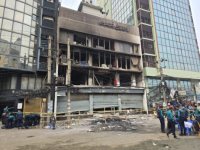
Since the fall of the Sheikh Hasina government on August 5, 2024, mob violence has assumed serious proportions in Bangladesh. Incidents range from individuals being beaten to death over allegations of religious blasphemy to attacks driven by personal vendettas or attempts to seize property. Mobs have indulged in vandalism and attacked shrines, newspaper offices and cultural organizations, national monuments, and memorials related to the 1971 liberation war, even exhuming bodies from graves.
The recent killing of 38-year-old Wahiduzzaman Shamim in Satkhira in southwest Bangladesh on allegations of blasphemy and attacks on a charitable maternity clinic in the capital, Dhaka, have only deepened these concerns.
After the exit of the Awami League government, the interim administration under Dr. Mohammad Yunus (August 2024-February 2026) failed to act effectively amid the deteriorating law and order situation. Since February, Bangladesh has an elected government led by the Bangladesh Nationalist Party (BNP). However, mob violence persists.
According to data from the Human Rights Culture Foundation, 537 incidents of mob violence occurred in Bangladesh between January 1 and October 17 this year, resulting in 256 deaths and 575 injuries, compared to 428 incidents in 2025 and 169 in 2024. Data from Ain o Salish Kendra (ASK), a rights organization, indicates that 171 people were killed in mob violence from January 1 to September 30 this year; the figures for 2024 and 2025 were 128 and 198, respectively.
While methodologies for data collection and calculation may vary across different organizations, the data points to a similar scenario — mob violence has become a grave public security crisis for Bangladesh. And it is not stopping.
There are allegations that leaders and activists from the ruling BNP are involved in incidents related to the seizure of property. The most significant BNP-related incident in the past eight months was the attack on a 50-year-old government-run maternity center in Dhaka, the sole medical facility serving local slum women. A group of local shopkeepers allegedly carried out the attack with the intent to seize the hospital’s land. The BNP has expelled several local leaders in this incident and forced a parliamentarian to resign.
Meanwhile, questions have been raised about the role of the opposition Jamaat-e-Islami, Bangladesh’s largest Islamist party, and its associates in mob violence linked to religious issues. The killing of 38-year-old Shamim in the name of protecting Islam is just one example.
Shamim, who suffered from a mental illness, was beaten to death by a mob. The violence was triggered by audio clips that allegedly contained derogatory remarks about Islam. Although the police initially rescued Shamim and admitted him to a local hospital, a frenzied mob of approximately 250 people attacked the hospital that same night. He subsequently died. The family members of the deceased have alleged that members of the Jamaat were involved in the incident.
Jamaat-e-Islami has denied these allegations, claiming that it is a political organization that believes in the rule of law, justice, and democratic values.
Determining the veracity of allegations requires impartial investigations and concrete evidence. It is as unjust to treat mere allegations as proven facts as it is dangerous to exempt individuals from investigation simply because of their political affiliation.
Hence, if allegations are levelled, it is the police’s duty to register complaints and the courts’ responsibility to try the alleged perpetrators under the law. But this isn’t happening in Bangladesh today.
Leaders of the ruling BNP and the opposition Jamaat-e-Islami routinely blame each other in incidents of mob violence. Neither party is committed to putting an end to such mob actions.
Over the past two years in Bangladesh, most instances of mob violence have occurred in the name of the “Tawhidi Janata“ (the devout masses).
Prior to the incident at Satkhira, a Jamaat activist and its student wing leader in Kushtia were involved in attacking a shrine and exhuming the body of a deceased “pir” (spiritual leader) from his grave and burning it. Jamaat activists were also accused of similar actions at a major shrine in Dhaka. Yet, the Jamaat has not expelled any of them. They simply dismissed allegations of the party’s involvement.
When members of any political party face such allegations, it is not enough for the party in question to simply evade responsibility; they must cooperate with impartial investigations and take necessary organizational action against those accused. This responsibility applies equally to all political parties, whether they are in power or in the opposition.
The BNP government has repeatedly claimed that it is dealing firmly with mob violence. Home Minister Salahuddin Ahmed said that since the BNP took office, mob violence has declined. Regarding allegations of political involvement, he said that these must be verified through investigation.
Whether the number of violent incidents is down or not, the bigger question is whether the law enforcement agencies responded swiftly when someone was beaten on the streets, or a mob vandalized an institution. If they did not arrest perpetrators, launch an impartial investigation, and punish them under the law, warnings from authorities would be seen as empty rhetoric. It is important that justice is done on the basis of the crime committed, and not the identity of the person committing the crime.
Bangladesh police are still not fully operational since the July-August 2024 protests. According to the U.N. OHCHR Fact-Finding Report, 450 out of the 639 police stations across Bangladesh were destroyed or damaged during the protests and the subsequent retaliatory attacks. Hundreds of police personnel were forced into retirement. Many police officials say they hesitate to make decisions that could later become politically controversial.
Importantly, mob violence cannot be addressed unless political parties allow the police to do their work and politicians rein in their supporters
By Siam Sarower Jamil
October 28, 2026
Since the fall of the Sheikh Hasina government on August 5, 2024, mob violence has assumed serious proportions in Bangladesh. Incidents range from individuals being beaten to death over allegations of religious blasphemy to attacks driven by personal vendettas or attempts to seize property. Mobs have indulged in vandalism and attacked shrines, newspaper offices and cultural organizations, national monuments, and memorials related to the 1971 liberation war, even exhuming bodies from graves.
The recent killing of 38-year-old Wahiduzzaman Shamim in Satkhira in southwest Bangladesh on allegations of blasphemy and attacks on a charitable maternity clinic in the capital, Dhaka, have only deepened these concerns.
After the exit of the Awami League government, the interim administration under Dr. Mohammad Yunus (August 2024-February 2026) failed to act effectively amid the deteriorating law and order situation. Since February, Bangladesh has an elected government led by the Bangladesh Nationalist Party (BNP). However, mob violence persists.
According to data from the Human Rights Culture Foundation, 537 incidents of mob violence occurred in Bangladesh between January 1 and October 17 this year, resulting in 256 deaths and 575 injuries, compared to 428 incidents in 2025 and 169 in 2024. Data from Ain o Salish Kendra (ASK), a rights organization, indicates that 171 people were killed in mob violence from January 1 to September 30 this year; the figures for 2024 and 2025 were 128 and 198, respectively.
While methodologies for data collection and calculation may vary across different organizations, the data points to a similar scenario — mob violence has become a grave public security crisis for Bangladesh. And it is not stopping.
There are allegations that leaders and activists from the ruling BNP are involved in incidents related to the seizure of property. The most significant BNP-related incident in the past eight months was the attack on a 50-year-old government-run maternity center in Dhaka, the sole medical facility serving local slum women. A group of local shopkeepers allegedly carried out the attack with the intent to seize the hospital’s land. The BNP has expelled several local leaders in this incident and forced a parliamentarian to resign.
Meanwhile, questions have been raised about the role of the opposition Jamaat-e-Islami, Bangladesh’s largest Islamist party, and its associates in mob violence linked to religious issues. The killing of 38-year-old Shamim in the name of protecting Islam is just one example.
Shamim, who suffered from a mental illness, was beaten to death by a mob. The violence was triggered by audio clips that allegedly contained derogatory remarks about Islam. Although the police initially rescued Shamim and admitted him to a local hospital, a frenzied mob of approximately 250 people attacked the hospital that same night. He subsequently died. The family members of the deceased have alleged that members of the Jamaat were involved in the incident.
Jamaat-e-Islami has denied these allegations, claiming that it is a political organization that believes in the rule of law, justice, and democratic values.
Determining the veracity of allegations requires impartial investigations and concrete evidence. It is as unjust to treat mere allegations as proven facts as it is dangerous to exempt individuals from investigation simply because of their political affiliation.
Hence, if allegations are levelled, it is the police’s duty to register complaints and the courts’ responsibility to try the alleged perpetrators under the law. But this isn’t happening in Bangladesh today.
Leaders of the ruling BNP and the opposition Jamaat-e-Islami routinely blame each other in incidents of mob violence. Neither party is committed to putting an end to such mob actions.
Over the past two years in Bangladesh, most instances of mob violence have occurred in the name of the “Tawhidi Janata“ (the devout masses).
Prior to the incident at Satkhira, a Jamaat activist and its student wing leader in Kushtia were involved in attacking a shrine and exhuming the body of a deceased “pir” (spiritual leader) from his grave and burning it. Jamaat activists were also accused of similar actions at a major shrine in Dhaka. Yet, the Jamaat has not expelled any of them. They simply dismissed allegations of the party’s involvement.
When members of any political party face such allegations, it is not enough for the party in question to simply evade responsibility; they must cooperate with impartial investigations and take necessary organizational action against those accused. This responsibility applies equally to all political parties, whether they are in power or in the opposition.
The BNP government has repeatedly claimed that it is dealing firmly with mob violence. Home Minister Salahuddin Ahmed said that since the BNP took office, mob violence has declined. Regarding allegations of political involvement, he said that these must be verified through investigation.
Whether the number of violent incidents is down or not, the bigger question is whether the law enforcement agencies responded swiftly when someone was beaten on the streets, or a mob vandalized an institution. If they did not arrest perpetrators, launch an impartial investigation, and punish them under the law, warnings from authorities would be seen as empty rhetoric. It is important that justice is done on the basis of the crime committed, and not the identity of the person committing the crime.
Bangladesh police are still not fully operational since the July-August 2024 protests. According to the U.N. OHCHR Fact-Finding Report, 450 out of the 639 police stations across Bangladesh were destroyed or damaged during the protests and the subsequent retaliatory attacks. Hundreds of police personnel were forced into retirement. Many police officials say they hesitate to make decisions that could later become politically controversial.
Importantly, mob violence cannot be addressed unless political parties allow the police to do their work and politicians rein in their supporters


