Banking Sector / Federal Board of Revenue

ghazi52

THINK TANK: CONSULTANT
Joined
Mar 21, 2007
Messages
161,127
Reaction score
210,188
Reputation
9,372.4
Country of Origin
Country of Residence

Pakistan's economy to grow by 2-2.5% this FY: Shamshad​

Finance minister expresses disappointment over single initial public offering (IPO) at PSX in 2023

Salman Siddiqui
January 20, 2024

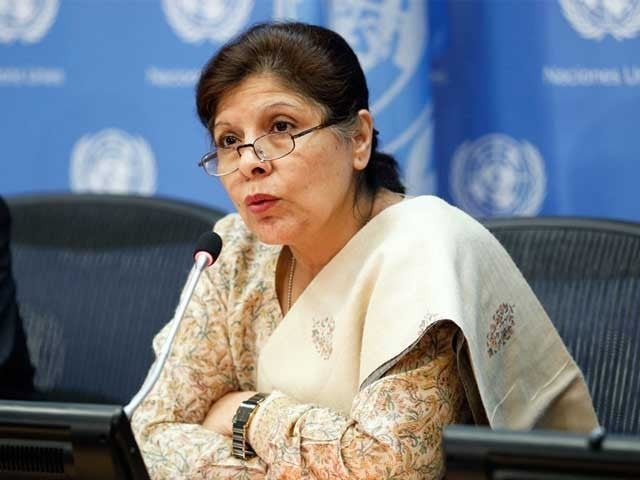
KARACHI: Caretaker Finance Minister Dr Shamshad Akhtar projected on Saturday that the country's economic growth will rebound by 2-2.5% in the current fiscal year.

Virtually addressing the 'IPO Summit 2024', organized by Pakistan Stock Exchange (PSX), Dr Akhtar estimated the agriculture sector to grow by 5.6% and industrial sector by 2.5% in the year.

She stood optimistic on collection of revenue in taxes, saying the Federal Board of Revenue (FBR) would most probably collect Rs10 trillion in FY24 compared to the set target of Rs9.4 trillion for the year.

Shamshad said the country's foreign exchange reserves have recently hit a high of $9.1 billion from $4 billion at the start of her term being the minister.

The finance minister said the State Bank of Pakistan's (SBP) was cognizant that the benchmark policy rate needs to come down, from current record high of 22%, to support economic activities .

However, the rate cut largely depends on deceleration in the inflation reading in the country that has spiked to record high in the recent past, she added.

The minister said the cut-off yields on T-bills has fallen below the central bank policy rate, indicating a possible cut in the interest rate.

She acknowledged the uptrend at PSX since start of the current fiscal year. The bourse gave a return of 55% at PSX in 2023 while the benchmark KSE 100 Index ended at over 62,450 points in December 2023.

However, the minister expressed her disappointment over a single initial public offering (IPO) at PSX in 2023, saying the IPO came after 15 years.

She asked the authorities concerned to increase the number of inventors at PSX that have remained stagnant at 200,000 for a long time.
 

PM directs hiring of foreign consultant for FBR​

Plans to modernise tax machinery signalling departure from previous govt’s restructuring plan

Shahbaz Rana
March 06, 2024

FBR.jpg


ISLAMABAD: Prime Minister Shehbaz Sharif, on Tuesday, directed the hiring of a foreign consultant to modernise the Federal Board of Revenue (FBR), indicating a departure from the previously approved restructuring plan. This decision emerged during the PM’s first comprehensive meeting on the administrative affairs of the FBR.

The PM stressed the urgent need to engage international consultants and suggested securing a waiver of international competitive bidding from the Public Procurement Regulatory Authority, if necessary, according to officials.

This move suggests that the Pakistan Muslim League-Nawaz (PML-N) government may not implement the FBR restructuring plan approved by the previous caretaker government.

Former Finance Minister Dr Shamshad Akhtar virtually attended the meeting and presented her plan. Dr Akhtar may again give a presentation to the PM on Wednesday (today) regarding her restructuring plan.

The foreign consultant will be hired to modernise and digitise the FBR, aiming to eliminate physical contact between tax officials and taxpayers. However, this decision also raises questions about the viability of two foreign loans worth $700 million obtained from the World Bank and the Asian Development Bank for domestic revenue mobilisation and FBR modernisation.

Government officials stated that the PM also expressed displeasure over the non-implementation of his eight-month-old orders to install scanners for monitoring various manufacturing units, particularly in the tobacco industry. The PM was informed that there were no funds available for procuring the scanners.

In the meeting, the former finance minister claimed that the FBR did not request funds, but the tax machinery did seek an increase in salaries.

The PM also instructed the hiring of competent individuals from the market to oversee the track and trace system, designed to address underreporting by tobacco manufacturers, beverage producers, sugar companies, and cement manufacturers.

The FBR has long been a contentious issue, and Tuesday’s meeting was no exception. The interim government exacerbated problems in the FBR rather than resolving them. The PM declared digitisation of the FBR as his top priority, stressing its critical importance for Pakistan. He also directed the enforcement of the digital invoicing initiative.

The International Monetary Fund has also called for a substantial increase in tax revenues, with a focus on expanding the tax net to include retailers and wholesalers. So far, its focus has remained on the salaried class and formal sector. FBR Chairman Amjad Zubair Tiwana briefed the PM on initiatives taken to combat corruption in the tax machinery, highlighting how digitisation of the FBR would help address corruption issues.

The FBR chairman mentioned that this fiscal year, they aim to bring an additional 1.5 million taxpayers into the fold. Legislation has been enacted for digitising invoicing, which the prime minister directed was for immediate implementation.

So far, the FBR has received fewer than four million income tax returns, about 35% less than the comparative period. Last tax year, nearly six million individuals and entities filed returns.

The PM commended the FBR for achieving the eight-month revenue target of Rs5.830 trillion. However, the FBR missed targets in the last months, and overall target achievement was possible only due to better performance in the first half of the fiscal year.
 

Banking sector proposals critical for SMEs, tech and agriculture, says Aurangzeb​

The Dawn
May 20, 2024

Federal Minister for Finance and Revenue Mohammad Aurangzeb has termed the banking sector’s recommendations for three priority sectors — small and medium enterprises (SMEs), digital and technology, agriculture — vital for promoting growth and sustainability.

In a meeting with a delegation of the Pakistan Banks’ Association (PBA), the minister stated that the purpose of this initiative was to encourage the entire sector to contribute to these priority sectors according to their size, unique offerings, and strengths.

While there will be no “directed lending,” there shall be voluntary targets set between the banks and the regulator to share the responsibility of contributing to these critical sectors.

“I expect that the banks will continue to work with the government in the revival and growth of the economy,” he hoped.

Key recommendations in the agriculture sector included restructuring crop loan insurance schemes to integrate crop yield factors, revitalising agricultural cooperative banks, and upgrading provincial agricultural cooperative legislation to facilitate the creation of agricultural cooperative lending institutions.

The recommendations also included exploring technology-driven solutions to facilitate the distribution of targeted subsidies through banks, particularly to subsistence-level farmers, similar to Benazir Income Support Programme (BISP), to promote much-needed financial inclusion.

The meeting focused on enhancing support by the banks for the three key sectors — agriculture, SMEs, and digital and technology in Pakistan. The discussion underlined the banking sector’s commitment to fostering financial inclusion in the country.

During the session, PBA Chairman Zafar Masud, along with the steering committee members on these initiatives, presented a comprehensive set of recommendations. The proposals were developed in close consultation with the State Bank of Pakistan (SBP) to ensure they effectively address the unique challenges and highlight the opportunities within each sector.

Similarly, it was resolved that banks actively provide financial and management support to entities such as the Small and Medium Enterprises Development Authority (SMEDA) and National Credit Guarantee Company Limited (NCGCL).
The minister was apprised that PBA and SBP were actively engaged in revising SME Prudential Regulations, enhancing clean financing limits, and reviewing regulatory retail portfolio limits to facilitate SME financing.

He was also informed that PBA was contemplating establishing an “SME and Agriculture Index” to target customers currently outside the documented economy, besides enhancing credit risk management.

On the digital and technology front, the PBA recommended facilitating retail foreign investment through digital micro sukuks/infra bonds and integrating freelancers into payment gateways. It was proposed to enhance foreign remittance flows via specially developed online portals for overseas Pakistanis.

It was emphasised that banks be allowed to offer products and services in the technology space, currently only used for their own operations, to the outside world to harness export flows.

The recommendations related to the documentation of the economy through the use of technology were also discussed, outlining the role that banks would play in furthering government’s efforts in this respect.

Mr Aurangzeb commended PBA’s steering committee and the respective task forces for the three identified priority sectors for their thorough analysis and valuable recommendations.

He highlighted the crucial role of the banking community in driving economic growth and stressed the importance of banks enhancing their efforts to support these priority sectors to foster economic development and prosperity.

The minister consented to the governance structure for implementing the proposed recommendations by PBA, jointly with SBP and the Ministry of Finance and Revenue, spearheaded by him and the SBP governor.

“PBA and its members are fully committed to working closely with the Ministry of Finance and the SBP to implement these recommendations, ensuring the effective contribution of the banking sector to Pakistan’s economic prosperity,” the PBA chairman vowed, while speaking on the occasion.
 

SBP must acknowledge responsibility for its inflationary fire that engulfed the country in last few years

Only after they have done this can we take seriously the other remedies they wish to propose.

State Bank’s blind spot

Khurram Husain
May 23, 2024

The writer is a business and economy journalist.

IN its latest State of the Economy report, the State Bank has an interesting chapter on inflation dynamics in Pakistan that is worth a close read. It is an ambitious effort, probably the most ambitious that I have seen so far, to study the determinants of inflation in Pakistan and try to discern the relative weight that each of the factors studied has in driving inflation.

But not all ambitions are destined to be fulfilled. Sadly, the effort fails to produce a convincing argument, and for good reason. Part of the reason is because there are glaring blind spots in the way the authors build their variables before plugging them into their model.

They start by noting that “[m]ost previous empirical research suggests that inflation in Pakistan has been significantly a monetary phenomenon”. But then, they turn to the latest bout of inflation which started in 2021 and is continuing today. Regarding this, they come to a very different conclusion.

“Unlike the previous episode, money supply (excluding budgetary borrowings) has not been a major contributor to inflation in the ongoing episode, even though its contribution was noticeable in FY18 and FY19.

During the peak pandemic years FY20-21, its contribution to inflation decreased compared to the preceding two years, despite growth in private sector credit amid monetary easing. Following the reversal of monetary policy easing and continuous tightening since FY22, the estimated contribution of money supply (excluding budgetary borrowings) to inflation has turned negative.”

The chapter reads like an elaborate exercise by the State Bank to absolve itself of responsibility for the inflationary fire.

This is interesting because it runs against what all previous research has said about inflation in the country, as well as much of what a basic study of the underlying monetary aggregates in Pakistan during this time period would suggest. So what do the authors ascribe the latest bout of inflation to?
 

RDA inflows hit $8.255bn mark​

Business Recorder
Aug 3, 2024

Gross inflows of Pakistan Roshan Digital Accounts (RDA) reached $8.25 billion at the end of June 2024, the State Bank of Pakistan (SBP) reported on Friday.

During the last fiscal year (FY24), on account of RDA Pakistan received gross inflows amounted to $ 1.9 billion from $6.350 billion in June 2023 to reach $ 8.255 billion in June 2024.

According to State Bank, out of total received funds, $1.61 billion has been repatriated while $5.212 billion have been utilized locally. Out of total $ 6.822 repatriated and locally utilised, the net repatriable liability remained at $1.434 billion.

Since the launch of the RDA account; i.e., from Sep 2020 to Jun 2024, total net investments made through RDA was $ 978 million. This included $348 million investment in conventional Naya Pakistan Certificates (NPCs), $592 million Islamic NPCs and $27 million in the equity market.

Other liabilities under the RDA stood at $31 million with $422 million being balanced in accounts.
 
STATE BANK OF PAKISTAN
KARACHI - The State Bank of Pakistan will soon commission new currency for use in Pakistan, pending approval from the Federal Cabinet.

In this regard, new currency notes of denomination PKR 10 to PKR 5,000 will be issued NET December 2024.
 

Share of digital payments surged to 84%: SBP​


The Frontier Post
State-Bank-of-Pakistan-SBP.jpg


KARACHI: The State Bank of Pakistan, Friday, said that ongoing transformation of Pakistan’s payment landscape towards digital payments underwent significant advancements as share of digital payments surged to 84% during fiscal year 2023-24.

The central bank, in its ‘Annual Payment Systems Review – FY24’ report issued here, attributed the continued growth of digital payments during the period from July 2023 to June 2024 to the increasing accessibility and adoption of digital payment channels as well as introduction of new and innovative products and services offered by Electronic Money Institutions (EMIs) and Branchless Banking (BB) players.

The retail payments have seen extraordinary growth in FY24, with the volume of transactions rising from 4.7 billion to 6.4 billion, and the value of these transactions increasing from Rs403 trillion to Rs547 trillion-a growth of around 35% in both volume and value, the report stated adding that the share of digital payments by volume has surged from 76% in FY23 to 84% in FY24.

“This expansion is attributed to the growing number of digital channel users, facilitated by the convenience and variety of products offered through mobile banking apps, internet banking portals, and mobile wallets,” the SBP report said. The report also highlights the pivotal role of digital payments made through mobile banking apps and internet banking portals, which collectively saw a 62% increase in transactions to 1,346 million, with the value of these transactions rising by 74% to Rs70 trillion.

The report said that mobile app banking users increased by 16%, internet banking users by 25%, while Branchless Banking (BB) mobile app wallet users grew by 2%, and e-wallet users by an impressive 85% during the period under review.

Similarly, mobile app-based wallets experienced substantial growth, with customers making 2,697 million payments through their BB mobile app wallets and 85 million through EMIs’ e-wallets, it added. The report also encompassed the expansion of the POS machine network that has also contributed to the growth and stated that number of POS machines increased by 8.9% to 125,593 and the expansion was supporting card-based transactions at a growing number of retail outlets and stores.

As of FY23 end, there were 85,386 POS enabled merchants across the country. The network has now increased to 98,936 merchants as of FY24 end marking a growth of 16% in a single year, it stated. E-commerce payments have also seen a remarkable shift, as 87% of digital payments for e-commerce now being initiated through bank accounts or digital wallets, the report revealed and added that a total of 309 million e-commerce payments were made during FY24, with a transaction value reaching Rs406 billion.

Transactions via RTGS saw a significant uptick, rising from 4.9 million to 5.8 million in volume and from Rs640.4 trillion to Rs1,043.1 trillion in value while a total of 496.1 million transactions amounting to Rs11.6 trillion were processed through Raast, Pakistan’s instant payment system. Last year in FY23, number of transactions stood at 147.2 million with value of Rs3.1 trillion.
 

Pakistan's central bank forex reserves increase 116 mln USD​

Xinhua
Nov 1, 2024

Foreign exchange reserves of the State Bank of Pakistan have increased by 116 million U.S. dollars, the central bank said in a statement on Thursday.

During the week ending on Oct. 25, the total foreign exchange reserves of the bank reached over 11.2 billion dollars, the bank said.

Net foreign reserves held by commercial banks came in at around 4.8 billion dollars, it added.

The total liquid foreign reserves held by the South Asian country stood at over 16 billion dollars.
 

SBP cuts key policy rate by 250bps to 15pc

Dawn.com
November 4, 2024

This photo shows the State Bank of Pakistan Museum building, in Karachi, on Oct 30, 2024. — Dawn.com


This photo shows the State Bank of Pakistan Museum building, in Karachi, on Oct 30, 2024. — Dawn.com

The State Bank of Pakistan (SBP) announced on Monday that it had decided to cut its key policy rate by 250 basis points (bps) to 15 per cent from 17.5pc amid demands for a major rate cut.

“At its meeting today, the Monetary Policy Committee (MPC) decided to cut the policy rate by 250 basis points to 15 per cent, effective from November 5, 2024,” the SPB said in a statement, adding that the Committee noted that inflation had declined “faster than expected and has reached close to its medium-term target range in October”.

It highlighted that a “sharp decline in food inflation, favourable global oil prices and absence of expected adjustments in gas tariffs and PDL rates” accelerated the pace of disinflation recently.

In its key developments, the MPC noted on a positive note that the International Monetary Fund (IMF)‘s Board had approved Pakistan’s new extended fund facility programme, which reduced uncertainty and improved prospects of external flows.

“Second, the surveys conducted in October showed an improvement in confidence and a reduction in inflation expectations of both consumers and businesses,” the statement read.

Furthermore, the Committee noted that the secondary market yields on government securities and Karachi Interbank Offered Rate (Kibor) had declined.

“Considering the developments, the Committee viewed the current monetary policy stance as appropriate to achieve the objective of price stability on a durable basis by maintaining inflation within the 5 – 7 per cent target range,” it said.

Most analysts had believed that the central bank would reduce its policy rate by 200 basis points in its meeting, marking the fourth consecutive cut since June, thanks to a decline in inflation, a low current account deficit and higher remittances.

Inflation numbers for October clocked in 7.2pc. The headline inflation, measured by the Consumer Price Index (CPI), had slowed to 9.6pc in August, the first single-digit reading in more than three years.

Inflation crossed 10pc in November 2021 and then remained in double digits for 33 consecutive months until July 2024. In between, it peaked at 38pc in May 2023.

To counter inflationary pressure, the SBP had gradually raised its policy rate from 7pc in August 2021 to a peak of 22pc by April 2023, in an effort to curb inflation. Since then, the rate has been lowered to 17.5pc as inflation began to ease.

In a survey conducted by Topline Securities, the brokerage firm noted that 85 per cent of market participants expected that the central bank would announce a minimum rate cut of 200bps.

“We believe that the larger rate cut expectations in the upcoming monetary policy meetings are driven by the single-digit inflation reading of 6.9pc in Sept 2024,” the firm said.

Consequently, it believed that SBP will continue to keep a positive real rate in the range of 300 to 400 bps in medium term in order to absorb any external and budgetary shock.
 

Using the ADR playbook

Mutaher Khan
November 4, 2024

For businesses around the world, quarter ends are usually a busy season. Sales teams are rushing to pump orders, marketing departments are trying to maximise reach their performance benchmarks and accountants are working to keep the books in order. It’s the adult version of pulling all-nighters to salvage exams after a semester of procrastination.

In financial institutions, this comes with a slightly different flair as some of the key performance indicators relate to the sale of not actual products but the line items on balance sheets. Consequently, there’s an opportunity to pump up numbers relatively easily, as long as you have liquidity from a few sources. A lot like when you are applying for a student visa and get that rich relative to deposit the required sum in the account as proof of income.

The technical term for this is “window dressing” — a practice that financial institutions have been engaging in since time immemorial. Typically, deposits and the asset base are the indicators of preference for the bragging rights they bring, but it can be anything. What happens is that bankers ofttimes turn to their friends in corporations or funds and seek short-term liquidity towards the end of the quarter.

However, the degree and type of window dressing at the end of September were a little different. Sure, a few funds and corporates may have placed a couple hundred billion in short-term deposits, but the more noticeable change was on the asset side, particularly in advances. According to the State Bank of Pakistan, loans to non-banking financial institutions (NBFI), such as microfinance or development finance entities, reached Rs446.4 billion — surging by Rs259.7bn in a single month. In other words, the increase was bigger than August’s outstanding amount.

With the return of the tax on failing to meet the minimum threshold of advances to deposits ratio, banks have gone on a lending spree

For context, the aggregate increase in net advances of microfinance banks between FY17 and FY24 has been Rs266.3bn — translating into a quarterly average of Rs9.5bn. Similarly, development finance institutions had a net loan book of Rs190.6bn as of June, having increased by an average of Rs4.1bn per quarter since FY17.

In simpler words, the NBFIs can’t absorb this much capital during a single month, at least for onward lending. So what’s happening here? Unfortunately, the story is both quite simple and familiar. In August, the tax on failing to meet the minimum threshold of advances to deposits ratio came back, which meant serious penalties for the sector as the figure stood at just 38.36pc by month-end.

Assuming the deposits maintain their past growth trajectory, they will reach Rs31.7tr by year-end. This means that the minimum advances by year-end to escape the tax altogether need to be at Rs15.85tr, compared to August’s Rs11.81tr. Thus began the effort to close the gap with just four months left.

To state the obvious, there’s no way banks could, or even would, lend Rs 4tr in such a short duration. So what can they do? Simple, turn to their less well-off buddies with smaller licenses and write them some big cheques, thus pumping the loans to NBFIs. In turn, those funds can be used by microfinance and development finance players to invest in government securities.

Remember, these are aggregate numbers with noticeable variance between banks. According to a previous analysis by Data Darbar, only four out of the 20 listed banks had an ADR of more than 50pc as of June. Now faced with the additional tax, the leadership seems to be doing whatever possible to get over the finish line, and one sure path is window dressing on steroids.

Data backs up this claim: between August and September, credit to the non-government sector increased by a total of Rs447bn, of which 60pc is made by loans to NBFIs. The remaining beneficiaries are probably the big corporates, particularly manufacturing which saw an uptick of almost Rs 80bn.

Funnily, this may not be the first time, either. The banks did the same back in December 2022, when loans to NBFIs helped improve the ADR by 423 basis points in a single month to avoid the tax, which was eventually deferred. Almost two years later, the playbook hasn’t changed at all and neither has the government learned anything.
 

SBP announces deadline for returning prize bonds​


SBP specified that bonds can be returned at any commercial bank branch, including the State Bank's head office

News Desk
December 28, 2024

tribune


The State Bank of Pakistan has announced that only four days remain for individuals to return their prize bonds.

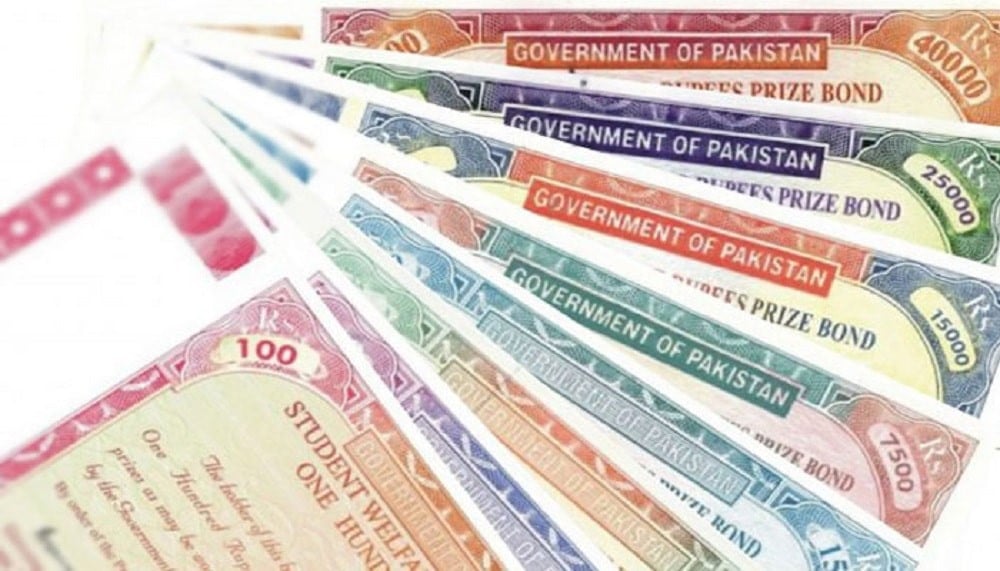
In a statement released today, the central bank reminded the public that the last date for the redemption of prize bonds worth 40,000, 25,000, 15,000, and 7,500 rupees is 31st December 2024.

The bank specified that the bonds can be returned at any commercial bank branch, including the State Bank's head office. After the deadline, requests for the return or exchange of these prize bonds will no longer be accepted.

The announcement serves as a final reminder to bondholders, urging them to complete the necessary formalities before the cut-off date to avoid losing the opportunity to redeem their bonds.
 

'Align monetary policy with regional benchmarks'​


KCCI, HCCI say elevated rates deter investment, inflate borrowing costs for businesses, SMEs

Our Correspondent
January 26, 2025

it is expected to benefit govt in terms of lower debt rollover cost photo file

It is expected to benefit govt in terms of lower debt rollover cost. PHOTO: FILE

KARACHI: The Karachi Chamber of Commerce and Industry (KCCI) and the Hub Chamber of Commerce and Industry (HCCI) have called on the State Bank of Pakistan (SBP) to align the monetary policy rate with regional benchmarks and reduce it significantly.

KCCI President Muhammad Jawed Bilwani emphasised the pressing need for the SBP to align the nation's key monetary policy rate with regional benchmarks to support economic growth and ease the burden on businesses.

He said in a statement on Saturday that instead of advocating for specific interest rate reductions, which have often been overlooked, the Karachi chamber urges policymakers to adopt a strategic approach by benchmarking Pakistan's key policy rate against neighbouring countries, including China and India. These countries maintain substantially lower rates of 3.1% and 6.5%, respectively, creating a favourable business environment and facilitating access to affordable credit.
 

She asked the authorities concerned to increase the number of inventors at PSX that have remained stagnant at 200,000 for a long time.​

What does she mean? She probably means 'investors'. Does she mean that only 200,000 Pakistanis own stocks? That would be shocking low for a nation of over 200 million, as it would indicate fewer than 1 in 1000 Pakistanis is an investor, i.e. owns stock.
 

SBP cuts key policy rate by 100bps to 12pc


Dawn.com
January 27, 2025

SBP Governor Jameel Ahmed addresses media regarding key interest rate cut — DawnNewsTV


SBP Governor Jameel Ahmed addresses media regarding key interest rate cut — DawnNewsTV


This photo shows the State Bank of Pakistan Museum building, in Karachi, on Oct 30, 2024. — Dawn.com File Photo


This photo shows the State Bank of Pakistan Museum building, in Karachi, on Oct 30, 2024. — Dawn.com File Photo

The State Bank of Pakistan (SBP) announced on Monday that it had decided to cut its key policy rate by 100 basis points (bps) to 12 per cent from 13pc amid demands for a major rate cut.

The central bank’s policy rate, after being slashed by 1,000bps from 22pc since June 2024 in six intervals, now stands at 12pc.

In a press conference, SBP Governor Jameel Ahmed announced that the Monetary Policy Committee (MPC), in its meeting today, had decided on the interest rate cut keeping the inflation outlook and other developments in mind.

Furthermore, the central bank chief noted a positive trend in remittances. He also highlighted that inflation numbers were also bound to come down in January, however, he warned that core inflation still remained high.

“Keeping these things in mind, we adopted a cautious approach,” he said, adding that the trend in remittances was “good” and so were export numbers, keeping the current account in view.

Regarding foreign exchange (FX) reserves, the governor said that the central bank maintained its outlook of achieving its goal of $13 billion in FX reserves by the end of June.

A statement released later by the SBP said, “The Committee noted that inflation continued to trend downward in line with expectations, reaching 4.1pc y/y [year-on-year] in December.

“This trend is driven by moderate domestic demand conditions and supportive supply-side dynamics, amidst favorable base effect,” it highlighted, adding that inflation was “expected to come down further in January before inching up in the subsequent months”.

Furthermore, the Committee also stressed that core inflation remained elevated.

“At the same time, high frequency indicators continued to show gradual improvement in economic activity,” the statement read.

In its key developments, the MPC highlighted that the real GDP growth had turned out lower than the Committee’s expectations.

“Second, the current account remained in surplus in December 2024, though the SBP’s FX reserves declined amidst low financial inflows and high debt repayments,” it said.

Thirdly, it noted that despite “a substantial increase in December, tax revenues remained below target”.

“Fourth, global oil prices have exhibited heightened volatility over the past few weeks,” it noted.

Considering these developments and evolving risks, the Committee “viewed that a cautious monetary policy stance is needed to ensure price stability”.

Meanwhile, the government had slashed the cut-off yields on treasury bills (T-bills) at the auction last week, which reflected a higher possibility of another interest rate.

T-bill rates were cut by up to 41 basis points as the government raised the amount within the auction target. The return on a 12-month tenor was reduced by 41bps to 11.38pc compared to 49bps at the auction held on Jan 8, making the total reduction of 90bps this month.

Most financial experts and analysts had believed that the SBP would cut the interest rate by 100bps in its MPC meeting today.
 

Users who are viewing this thread

Back
Top