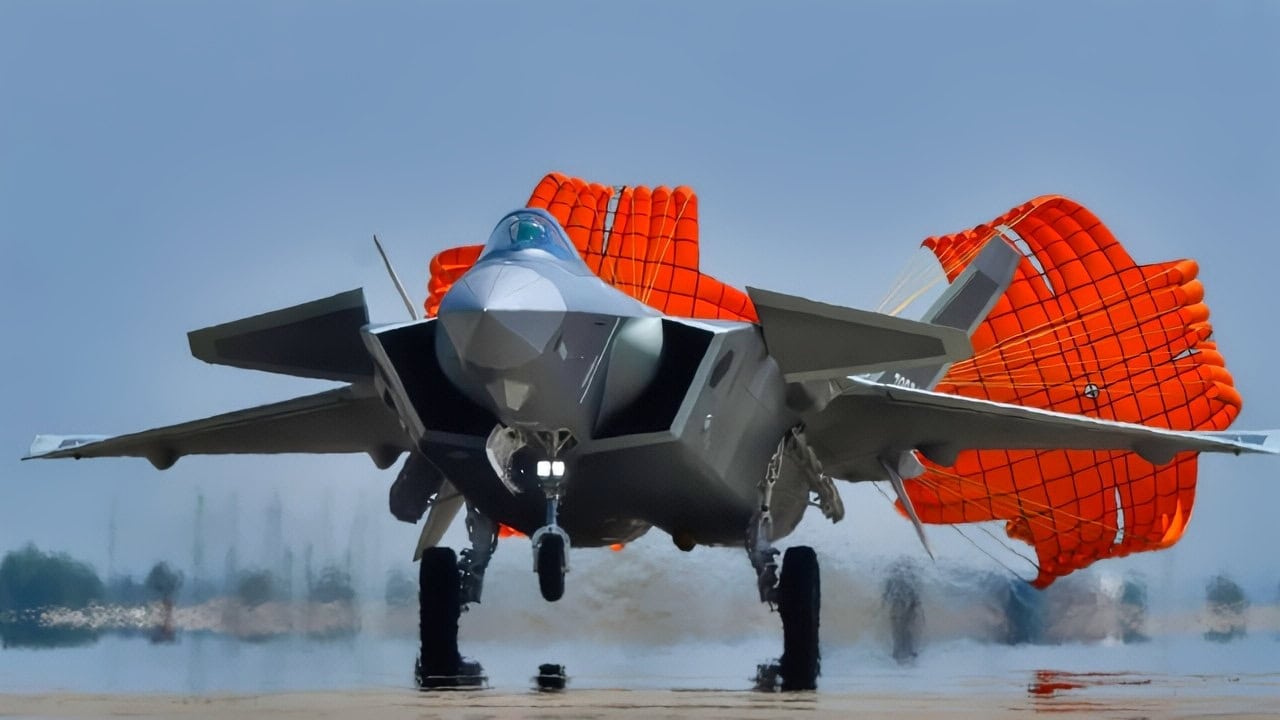
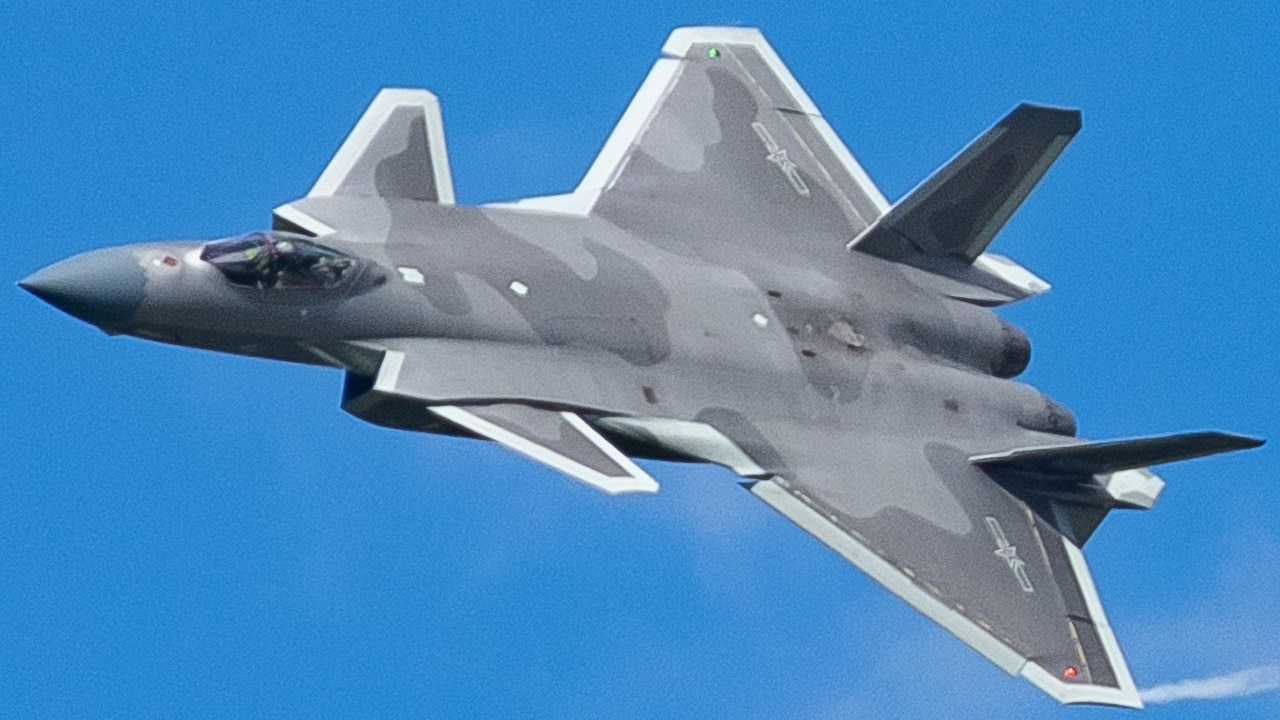
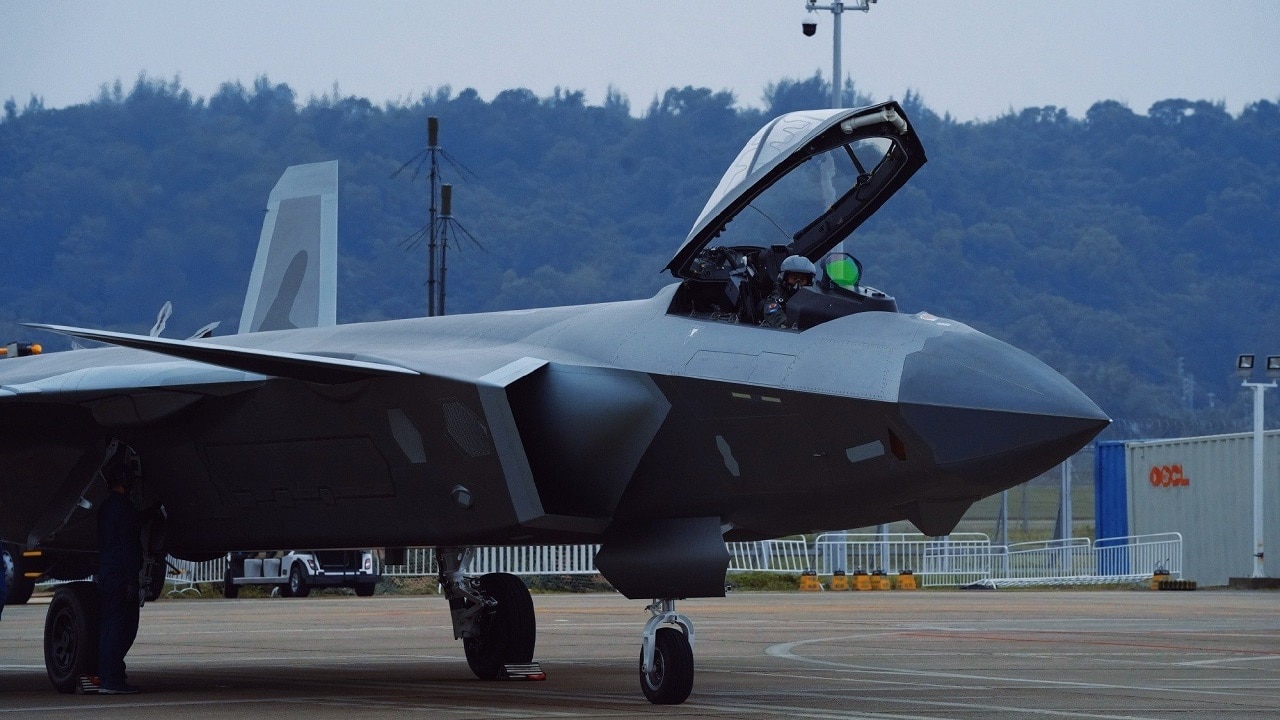
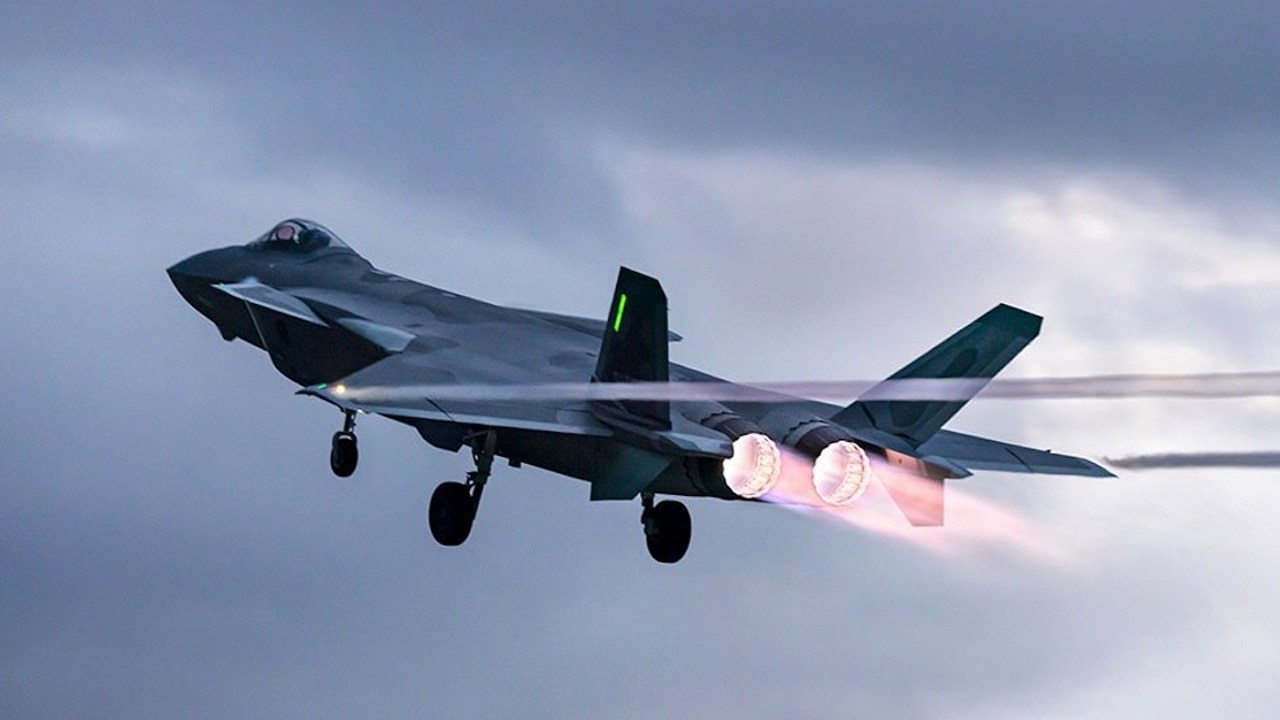
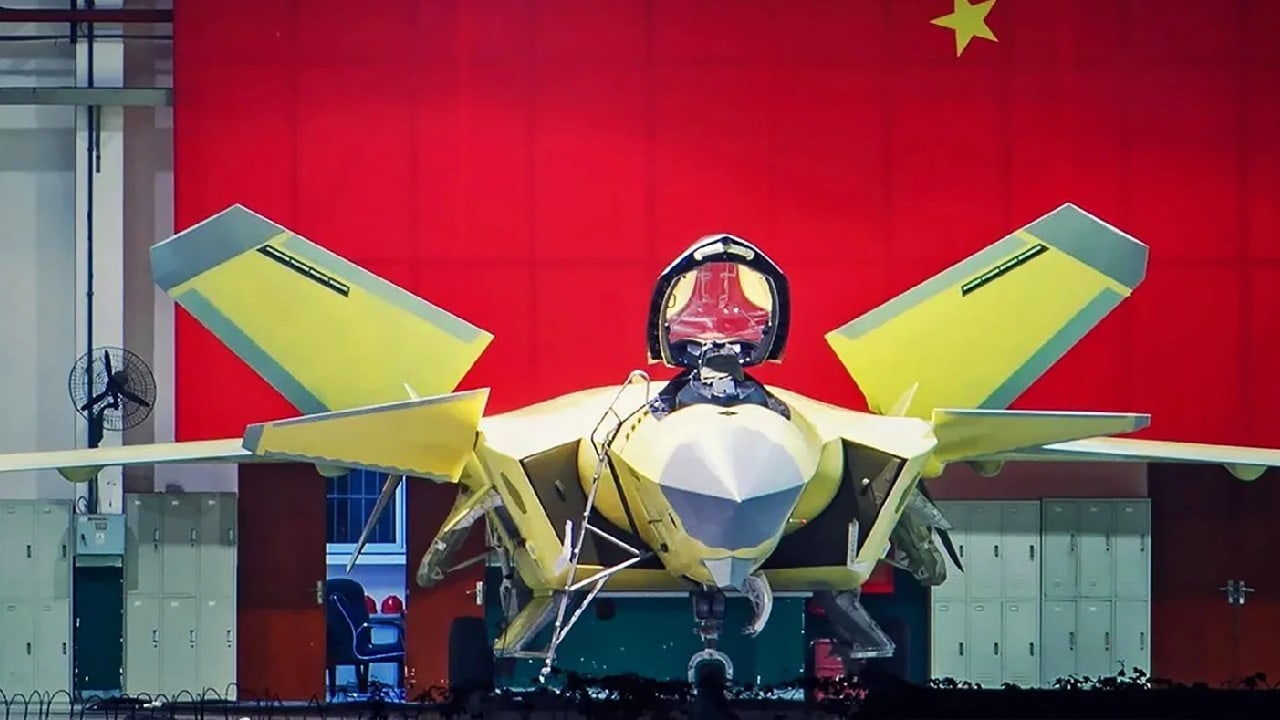
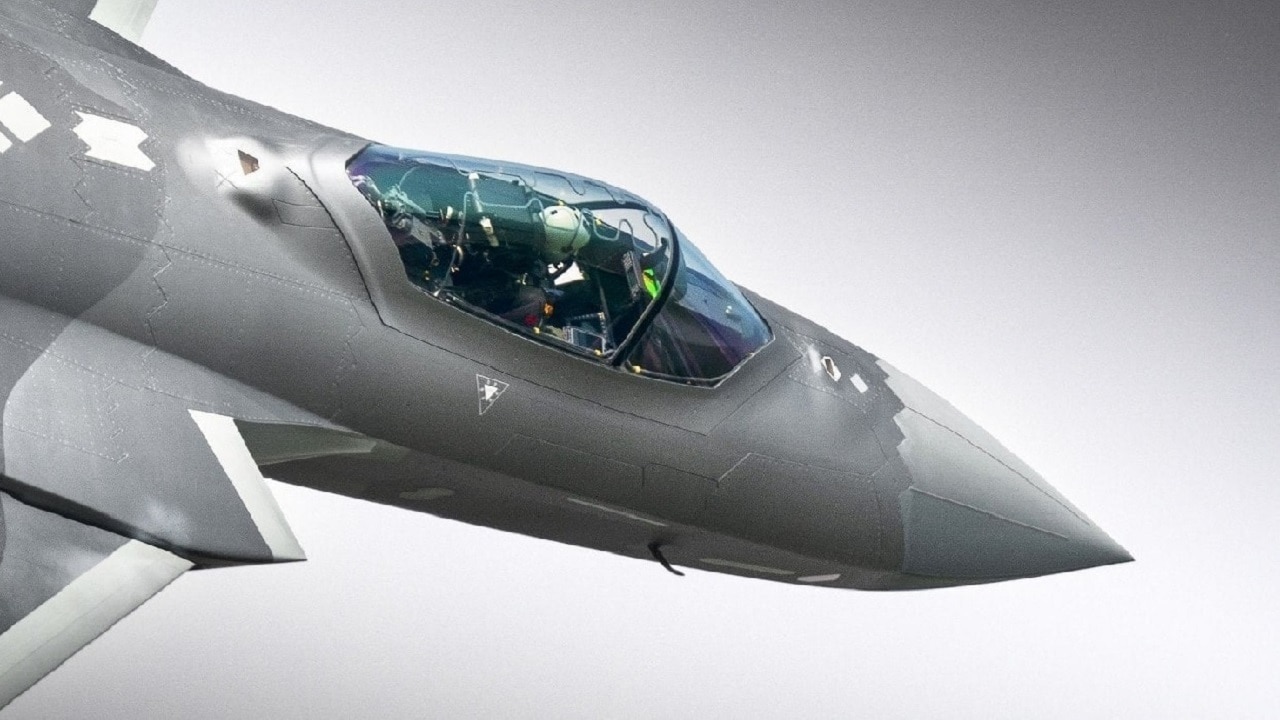
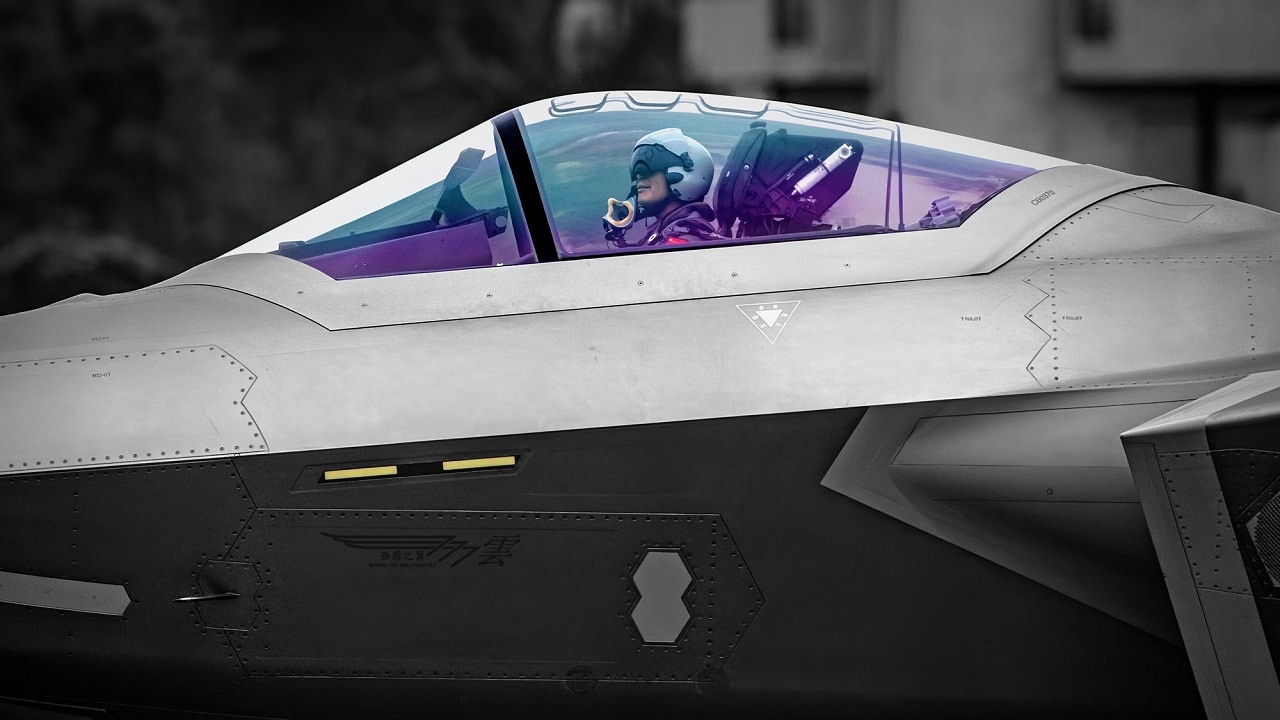
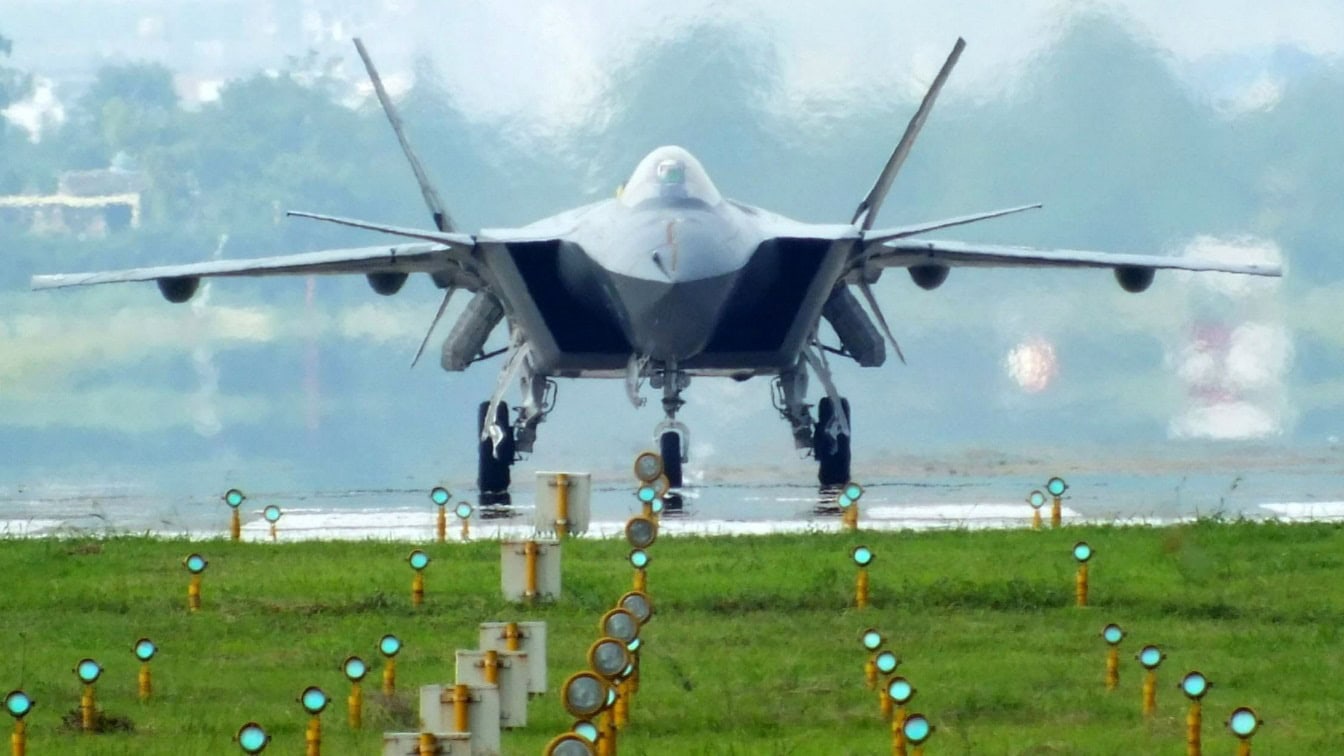
Chengdu J-20 5th Generation Aircraft News & Discussions

Not a single American radar uses GaN on SiC.

The only American airborne fighter radar that even uses GaN technology is the F-15EX's AN/APG82VX. This unit only applies GaN and not GaN on SiC.

Not even the F-35 has been equipped yet with GaN radar upgrades. Recently there's been lots of literature on F-35 upgrade delays precisely because of Lockheed Martin's debacle in delivering on promises being delayed by so long.

J-16 first block from 2014 entering PLAAF applied first gen AESA with GaA based tech. J-20 entered in 2017 using GaN. J-10B used an AESA when we all thought was PESA due to IFF antennas but then confirmed around 6 years ago to be AESA. J-10C used second gen AESA similar to J-20 initial block, both being early GaN tech. J-20A and J-20S both use GaN on SiC and J-16 has been upgraded at least twice since 2014 with the latest J-16 fighter radar being GaN on SiC and the most powerful in PLAAF fighter fleet, more so than J-20A's apparently.

J-20A's is focused on LPI modes and the radar is more suited for a stealth fighter but not as capable as the latest J-16's. J-35 ditto.

Even PL-15 missile seekers from before 2020 used GaN based tech. Everything shifted away from GaA since mid to late 2010s and then shifted from GaN to GaN on SiC in early 2020s.

J-16D's radar is said to be something else entirely. Different to the stealth fighters and different to J-16.
 
Last edited:
Not a single American radar uses GaN on SiC.

The only American airborne fighter radar that even uses GaN technology is the F-15EX's AN/APG82VX. This unit only applies GaN and not GaN on SiC.

Nope, updgraded UMSC super hornets utilises APG79 V4 that has GaN MMICs. This is another GaN AESA in US fighter fleet.

Do share evidence to your claim that not a single American radar uses GaN on SiC.
 
Nope, updgraded UMSC super hornets utilises APG79 V4 that has GaN MMICs. This is another GaN AESA in US fighter fleet.

Do share evidence to your claim that not a single American radar uses GaN on SiC.

Sorry you are correct. I left out the USN. Indeed only F-15EX and F-18 Super Hornet's latest blocks use radars that have GaN tech.

US radar information is all in English and much more publicly available. Not a single piece of literature mention GaN on SiC tech. In fact GaN on SiC tech was originally leaked by Chinese sources claiming this is the new mainstay AESA tech in PLAAF back in 2022. Prior to that we (common military watchers) didn't know the finer details within GaN tech.

Both the F-15EX and F-18EF radars were only put into service in the last 2 to 3 years. None of them mentioned GaN on SiC. Maybe F-35's upgrade delay for GaN is caused by an attempt to bring it to a more modern GaN level. Who knows. In any case, it is up to the claimant that American fighters use GaN on SiC. I have only found information pointing towards absence of SiC substrates.
 

China’s J-20 Mighty Dragon Is Now Based At 12,000 Feet In Tibet And Might Be Armed With Missiles That Can Reach Indian Territory — New Satellite Images Confirm The Buildup​


China has quietly deployed at least 14 J-20 Mighty Dragon stealth fighters to a Tibetan airbase less than 100 miles from India’s Sikkim border. Armed with PL-15 long-range missiles capable of crossing the Line of Actual Control, the deployment is the largest and most significant PLAAF buildup near Indian territory ever recorded.By

Reuben Johnson
March 18 2026

J-20S Stealth Fighter Landing

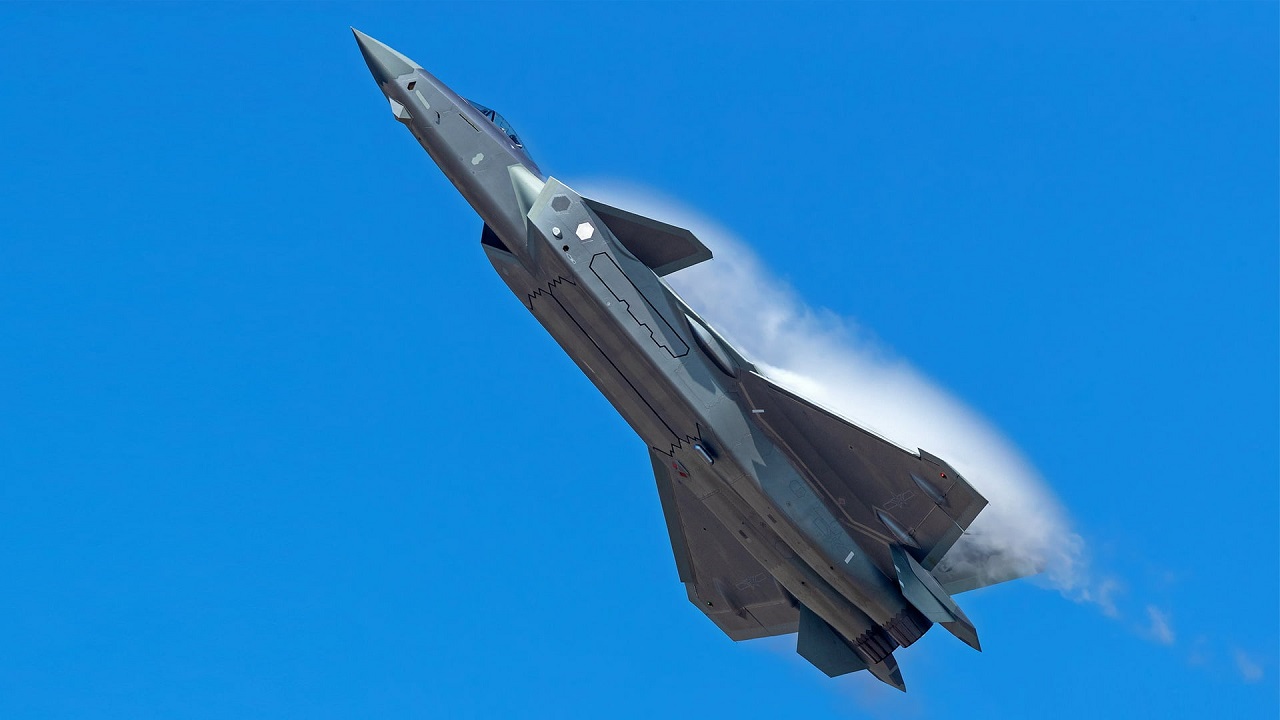
J-20 Stealth Fighter Landing. Image Credit: Creative Commons.

Summary and Key Points: Reuben F. Johnson breaks down why China has deployed at least 14 Chengdu J-20 Mighty Dragon stealth fighters to Shigatse Air Base in Tibet — less than 100 miles from India’s Sikkim border and the Siliguri Corridor.

-Six are sheltered under protective tarpaulins. Eight sit in the open. At 12,000 feet elevation, Shigatse is one of the highest military airbases on earth, and the J-20s might be armed with PL-15 long-range air-to-air missiles capable of reaching targets on the Indian side of the border.

J-20 Fighter. Image Credit: Creative Commons.

J-20 Fighter. Image Credit: Creative Commons.
J-20

J-20
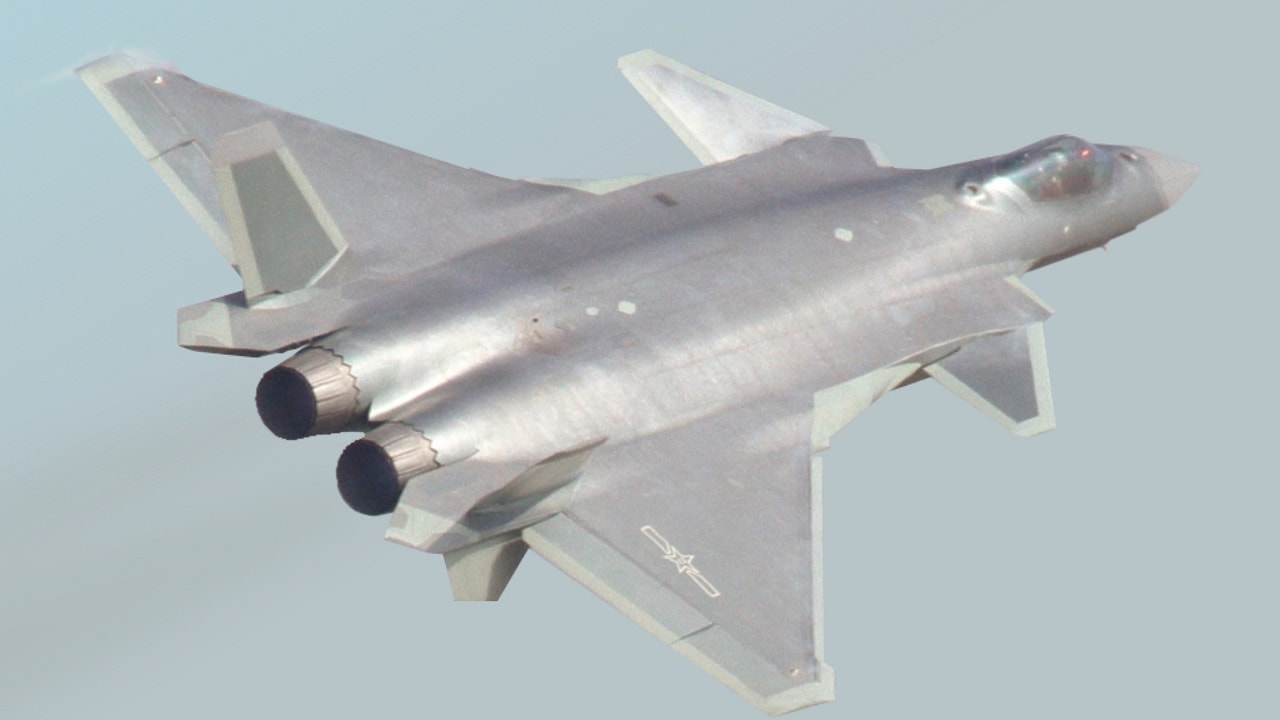
J-20 Fighter. Image Credit: Chinese internet.

J-20 Fighter. Image Credit: Chinese internet.
-India’s Rafale fighters have a high-altitude performance edge. But 14 fifth-generation stealth fighters on your doorstep changes the calculation regardless.

The PLAAF Is Forward-Deploying its Chengdu J-20 On the Indian Border

According to reports in Indian media, recent satellite imagery confirms that the People’s Liberation Army Air Force (PLAAF) has deployed new Chengdu J-20 “Mighty Dragon” stealth fighters to Shigatse Air Base in Tibet.

This would place the advanced aircraft less than 100 miles from the Sikkim border, near the Line of Actual Control (LAC) dividing Indian and Chinese claims.

Past imagery indicated that six of these aircraft were based at the location. But more recent passes by remote sensing platforms show that six J-20s are deployed at the base and covered with protective tarpaulins, with another eight parked out in the open, confirming a total presence of at least 14 aircraft.

This PLAAF deployment is regarded as potentially destabilizing because it places fifth-generation jets within striking distance of India’s Siliguri corridor. This could spark escalation between the two air forces and an increase in regional aerial competition.

High-Hot Performance

The facility where the J-20s were seen, the Shigatse Peace Airport, is officially designated as a “dual-use military/civilian facility.” The airport was originally a purely military base and today serves as a crucial high-altitude strategic airbase.

Shigatse rests at an altitude of more than 12,000 feet. It sports a 5,000-meter runway and has regularly hosted advanced military aircraft—not just J-20 stealth jets, but also Hongdu GJ-11 stealth drones.
 
J-20 Stealth Fighter

J-20 Stealth Fighter. Image Credit: Creative Commons.

J-20 Stealth Fighter. Image Credit: Creative Commons.
J-20 Stealth Fighter

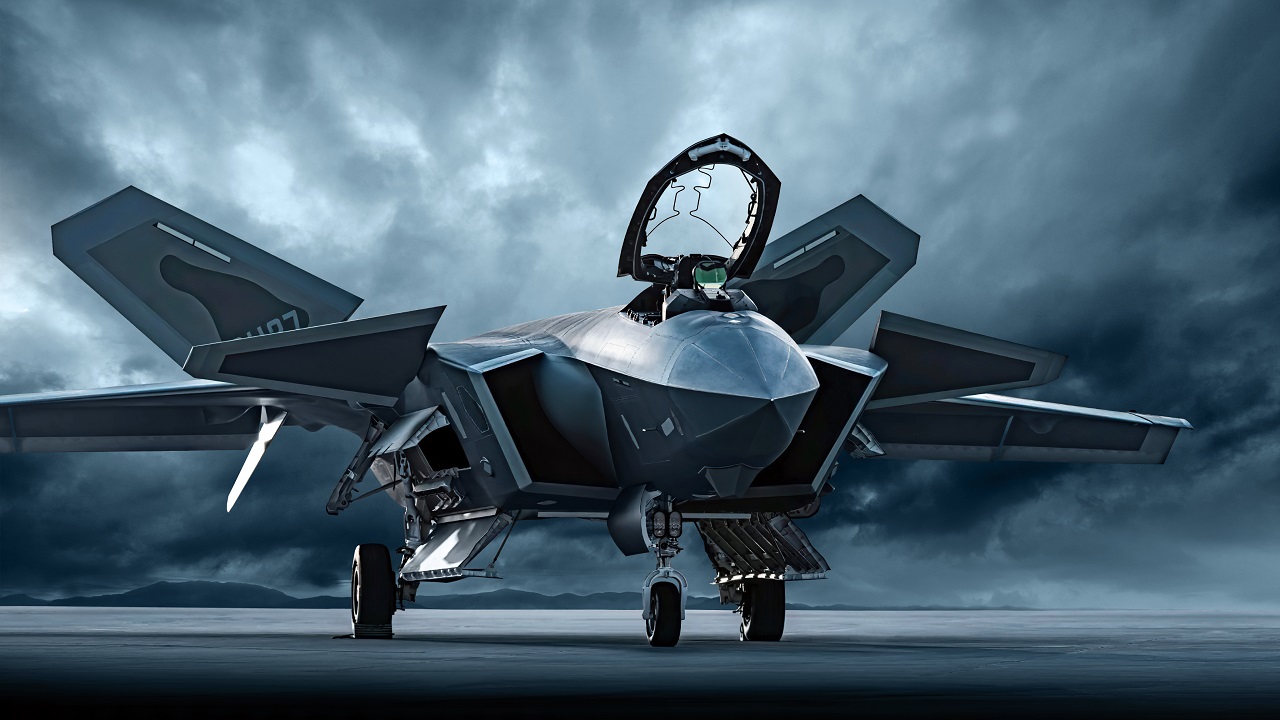
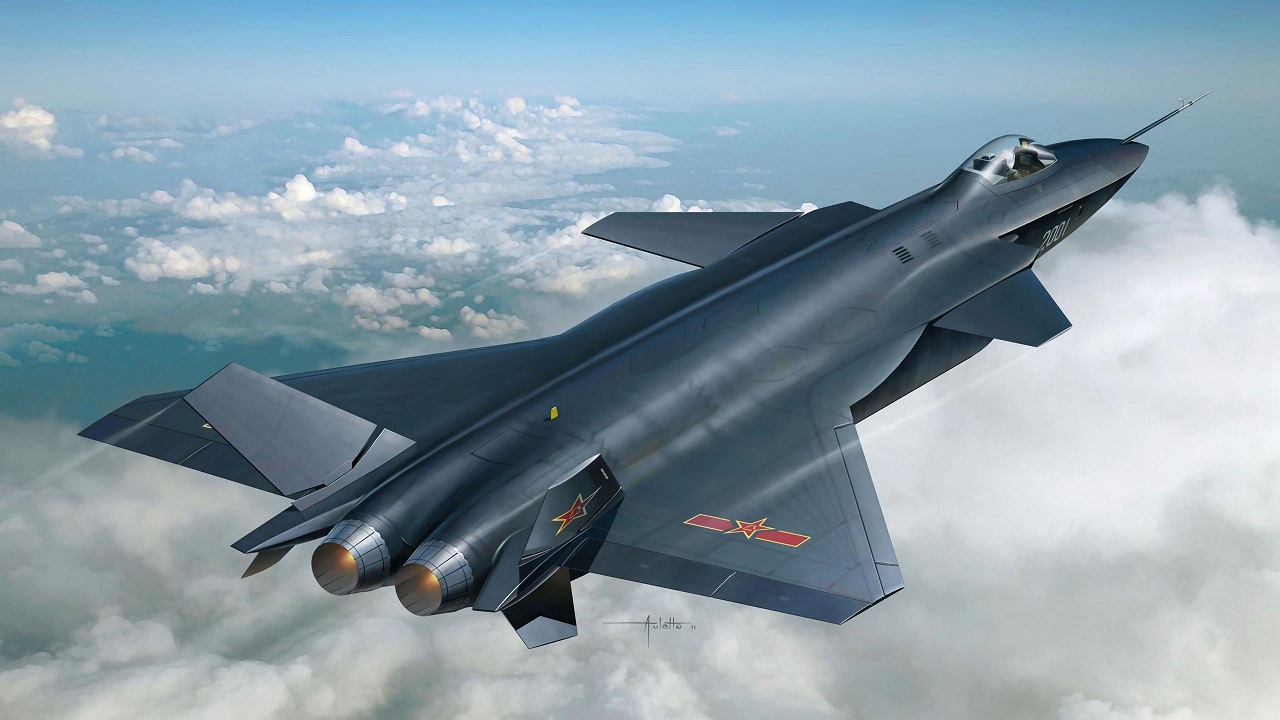
J-20 Stealth Fighter. Image Credit: Artist Rendering/Creative Commons.
J-20 Fighter from China

J-20 Fighter via computer generated artist rendering. Image Credit: Creative Commons.

India has also been expending considerable resources on fighters capable of operating at “high-hot”—meaning high altitude, high temperature—locations. Fighter jets capable of operating in these conditions are regarded as essential for maintaining control of the skies over the Himalayas.

The Indian Air Force (IAF) rates its aircraft as having superior performance in these conditions—commanders sometimes refer to this as the ”Ladakh” factor. One Indian commentator wrote in December 2025 that “Chinese jets like the J-20 struggle with engine performance in the thin air of the Himalayas.”

“The [French-made] Rafale was customized with ‘India Specific Enhancements’ including cold-start capabilities for high-altitude bases,” that writer continued. “Its [Safran] M88 engines and delta-canard design allow it to take off with a full weapons load from high-altitude runways where other jets would be grounded or forced to fly light.”

Significance

Although in the past the J-20 has been seen based at locations close to the Indian border, the current sightings are the largest, most significant deployment of the aircraft in this region.

Their presence signals an increase in the PLAAF’s aerial capabilities at a time when the Chinese Communist Party leadership in Beijing is anxious to show how much China’s armed forces have advanced since President Xi Jinping first took power in 2012.

Experienced observers of the PLAAF point out that from this location, J-20s possibly armed with the PL-15—the longest of the PLAAF’s long-range air-to-air missiles—could present a new problem to the Indian Air Force. Armed with the PL-15, the J-20s could reach targets on the Indian side of the border.

Just how effective such a pairing would be remains to be seen.

India is reported to have recovered export versions of the PL-15 that were fired at the IAF by Pakistani aircraft but failed to hit their targets and landed nearly intact in India.

They have since been examined, meaning the missiles could be more vulnerable to Indian electronic warfare systems.

 
Yankeesama said during his latest podcast the J-20A has some shocking radar performance.
No,he said that the rated power of radar on J-20A are the same to APG-85(both are around 85KW).
 
out of curiosity whats the difference between j-35 and j-20, and which one is considered a better platform in head to head comparison?
 

China Is Building 100 J-20 Stealth Fighters Per Year — Its New Production Facilities Are Larger Than America’s Entire F-35 Complex

March 21 2026

China is narrowing the stealth production gap. Experts warn that Beijing’s aviation infrastructure expansion now exceeds Lockheed Martin’s F-35 complex, with a capacity to produce 400 advanced fighters annually by 2027. Despite engine longevity issues, China’s massive output signals a shift in the global air superiority calculus.

Summary and Key Points: Commercial satellite imagery confirms a seismic shift in aerospace manufacturing: China’s state-owned Chengdu plant has expanded by 3 million square feet, enabling a production rate of over 120 J-20 stealth fighters annually.

-By 2027, total Chinese capacity for fourth- and fifth-generation jets could reach 400 airframes per year—surpassing the physical footprint of Lockheed Martin’s F-35 facility in Fort Worth.

J-20 Stealth Fighter from China.

J-20 stealth fighter. Image Credit: Creative Commons.
China J-20. Image Credit: Creative Commons.

Chinese J-20 fighter. Image Credit: Creative Commons.
J-20 Stealth Fighter. Image Credit: Creative Commons.

J-20 Stealth Fighter. Image Credit: Creative Commons.
-While American firms like GE and Pratt & Whitney maintain a “quality edge” in engine reliability, the sheer volume of Chinese deliveries suggests that Beijing is betting on the Stalinist maxim: “Quantity has a quality of its own.”


The 120-Jet Milestone: China’s J-20 Production Surges Past U.S. Estimates

Although the United States builds more stealth fighters of a higher caliber than China, the production gap between the two countries is rapidly narrowing, an expert on Chinese air power explained.

During comments given as part of the Air & Space Forces Association’s annual Warfare Symposium, J. Michael Dahm, a senior fellow at the Mitchell Institute for Aerospace Studies, explained that commercially available satellite imagery reveals China is greatly expanding its production base for fifth-generation aircraft.

“China’s inventory of fighter and attack aircraft is going to grow significantly over the next five years,” Dahm said, adding that China’s Aviation Industry Corporation, a state-owned aerospace conglomerate, had added around 3 million square feet of production and manufacturing space to the facility that builds the J-20 stealth fighter.

“Looking back at commercial satellite imagery and substantial infrastructure improvements support the assessment that the Chengdu plant has increased its capacity and could be producing as many as 100 J-20s per year,” Dahm added. His comments were first reported by Flight Global.

China Is Rapidly Expanding J-20 Production

One analysis compiled by Justin Bronk, a senior research fellow at the Royal United Service Institute, the United Kingdom’s leading defense think tank, found that China has built 320 to 350 J-20 fighters as of mid-2025, and pegs the country’s output for last year at around 120.

J-20 Fighter

J-20 Fighter. Image Credit: Creative Commons.
J-20 stealth fighter. Image Credit: Creative Commons.

J-20 stealth fighter. Image Credit: Creative Commons.
J-20 Stealth Fighter

J-20 Stealth Fighter. YouTube Screenshot.

“In addition, around 450 J-16s will probably have been delivered to the PLAAF [People’s Liberation Army Air Force] by the end of 2025, based on public estimates of 350 J-16s in service in 2024 and a production rate of around 100 new fighters per year,” Bronk added, indicating the overall scope of China’s aircraft production.

Citing satellite imagery, Dahm explained that three other aircraft manufacturing sites in China have also seen an expansion of their production facilities, an expanded footprint which he said totals more than 8 million square feet. The expansion, Dahm said, represents “more than the entire F-35 manufacturing complex in Fort Worth, Texas.”

Production by Lockheed Martin, the defense prime that manufactures the F-35 stealth fighter, stands at about 156 F-35s per year. The defense company also builds the latest iteration of the Cold War-era F-16 fighter at a maximum build rate of 48 airframes per year. Beginning in 2027, China “will have the capacity to produce 300-400 fourth- and fifth-generation fighters per year for the PLA,” Dahm warned.

Quality vs. Quantity

Though China’s industrial might is unquestioned, the quality of Beijing’s aircraft builds is thought to be less than that of the United States—at least according to senior aerospace personnel. One aspect of China’s jet designs that lags behind its American counterparts is jet engines.

General Electric’s Steve Russel, who is the general manager of GE’s Edison Works division within the company, explained that his firm’s jet engines—and those manufactured by GE rival Pratt & Whitney—are qualitatively superior to those made in China.

“Our reliability tends to be still an order of magnitude better than theirs,” Russell said as part of comments given to Flight Global. The crux of the issue, he explained, is that China’s jet engines are broadly similar to their American counterparts in performance, but their longevity is considerably less impressive. While the high-performance jet engines GE manufactures require servicing after thousands of flight hours, China’s engines require deep maintenance after accruing just hundreds of flight hours.

“But they’re getting better and we’re seeing them get better,” Russel added. “That’s why it’s important that we take this next generational leap to make sure that we maintain that advantage that we have.”

Flying Off into the Sunset

One quote, often attributed to Soviet Premier Joseph Stalin, maintains that “quantity has a quality of its own.”

Though perhaps apocryphal, that quote strikes at the heart of what the ongoing war in Ukraine has laid bare: the ability to sustain troops on the battlefield by backfilling lost equipment and ensuring they are supplied with adequate ammunition is crucial to fighting and winning.

In terms of pure production numbers, China will soon, if not already, be the world’s leader in warplane manufacturing, even if the quality and performance of those built are not as exquisite as those in the United States.

During the Cold War, senior military planners within the Department of Defense sought to offset the Soviet Union’s massive industrial capacity by developing superior equipment designs that, in aerospace, favored higher performance and cutting-edge technology that eventually included stealth and precision weapons.

Against Beijing, will this well-worn playbook be enough?


China's J-20 output nears record pace

March 24 2026
China has massively expanded its Chengdu aircraft plant, enabling production of up to 120 J-20 stealth fighters annually, a scale now rivaling or surpassing U.S. facilities. The surge reflects a shift from prestige production to sustained mass manufacturing, with combined fourth- and fifth-generation fighter output potentially reaching 400 per year by 2027. Analysts see this as part of a broader strategy to challenge U.S. air superiority and reshape the Indo-Pacific airpower balance.

Chengdu expansion fuels record J-20 output​

Commercial satellite imagery shows China’s state-owned AVIC has added about 3 million square feet to its Chengdu plant, now hosting five active production lines. Estimates place annual J-20 output between 100 and 120 aircraft, a rate that eclipses earlier symbolic production runs. This expansion positions China to rival or surpass the scale of Lockheed Martin’s F-35 facility in Fort Worth by 2027, with potential combined fighter production capacity of 300–400 units annually.

Industrial surge reshapes global airpower balance​

Analysts say the mass-manufacturing of J-20 and J-35 stealth fighters marks a decisive shift in the Indo-Pacific’s long-term force posture. Projections suggest China could field roughly 1,000 J-20s and several hundred J-35s by 2030, bolstered by expanded tanker fleets that double operational ranges. This strategy aims to reduce U.S. technological advantages, strengthen access-denial capabilities, and provide credible options in a Taiwan contingency.

Quality gaps and evolving capabilities​

While U.S. engine makers maintain a significant reliability edge, China’s integration of the WS-15 engine into production J-20s grants supercruise capability comparable to the F-22. Experts note the Chinese engine story is changing, potentially narrowing performance gaps over time. The industrial network is now designed for concurrent production, testing, and modernization, ensuring sustained delivery of advanced airframes despite lingering maintenance and service life concerns.

From prestige project to frontline workhorse​

Over 70 J-20s were inducted in just 11 months, enabling retirement of older J-11 and Su-27 fighters in some units. This reflects a doctrinal shift: the J-20 is now a standard frontline asset rather than an elite showcase. Adjacent land developments near Chengdu and a major new Shenyang facility suggest room for upgraded variants and follow-on aircraft programs.

 
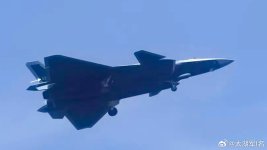
Well, that is clearly a 62xxx serial number and as such - I would like to wage a guess - the first J-20A assigned to the 9th Air Brigade at Wuhu!

But if I'm not mistaken, the engines still look to be WS-10C2 engines and not yet the WS-15.(Via @太湖军I名)

J-20A 62xxx - 9. Brig - 20260403 - 太湖军I名.jpg
 

Users who are viewing this thread

Latest Posts

Back
Top