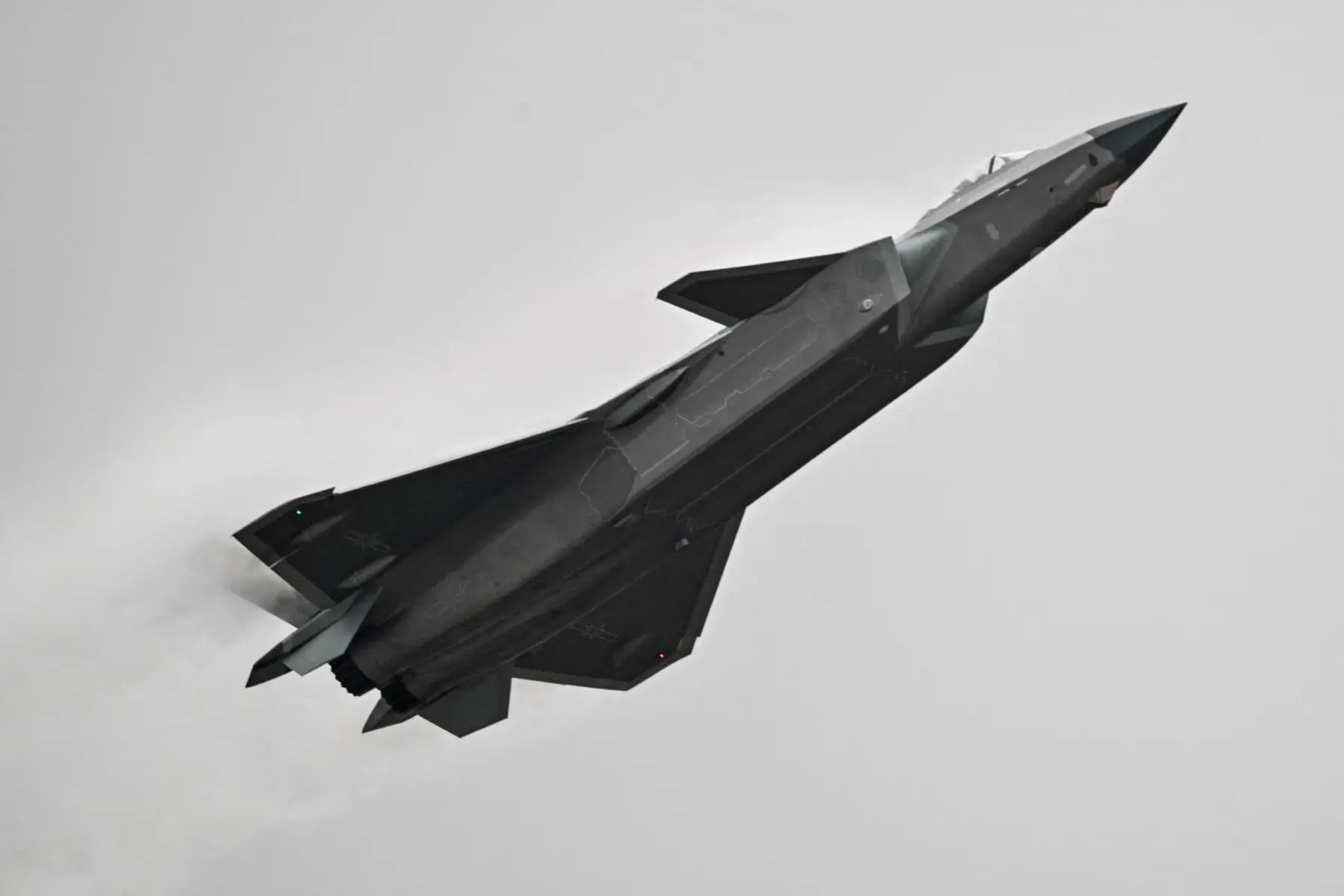
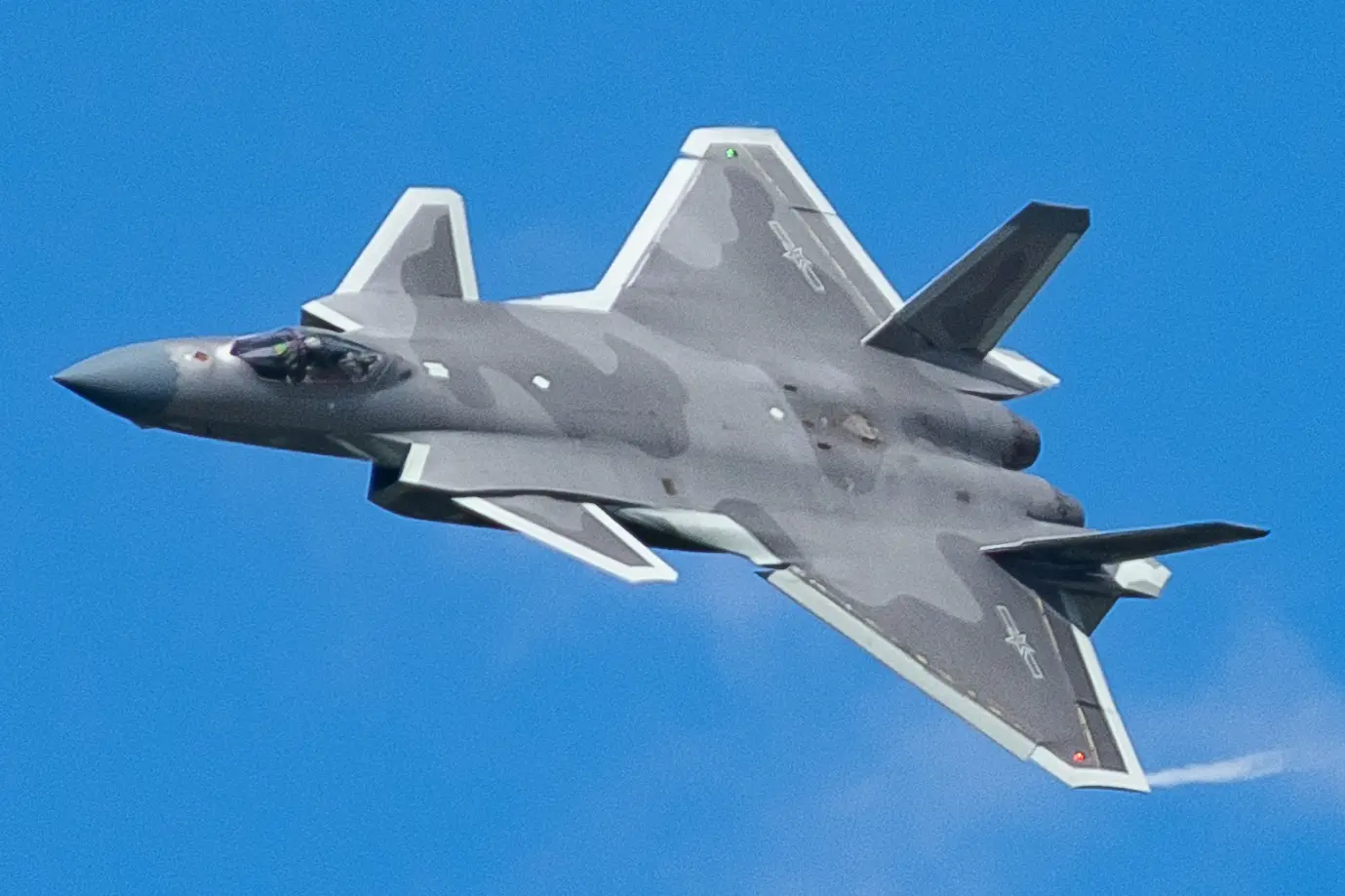
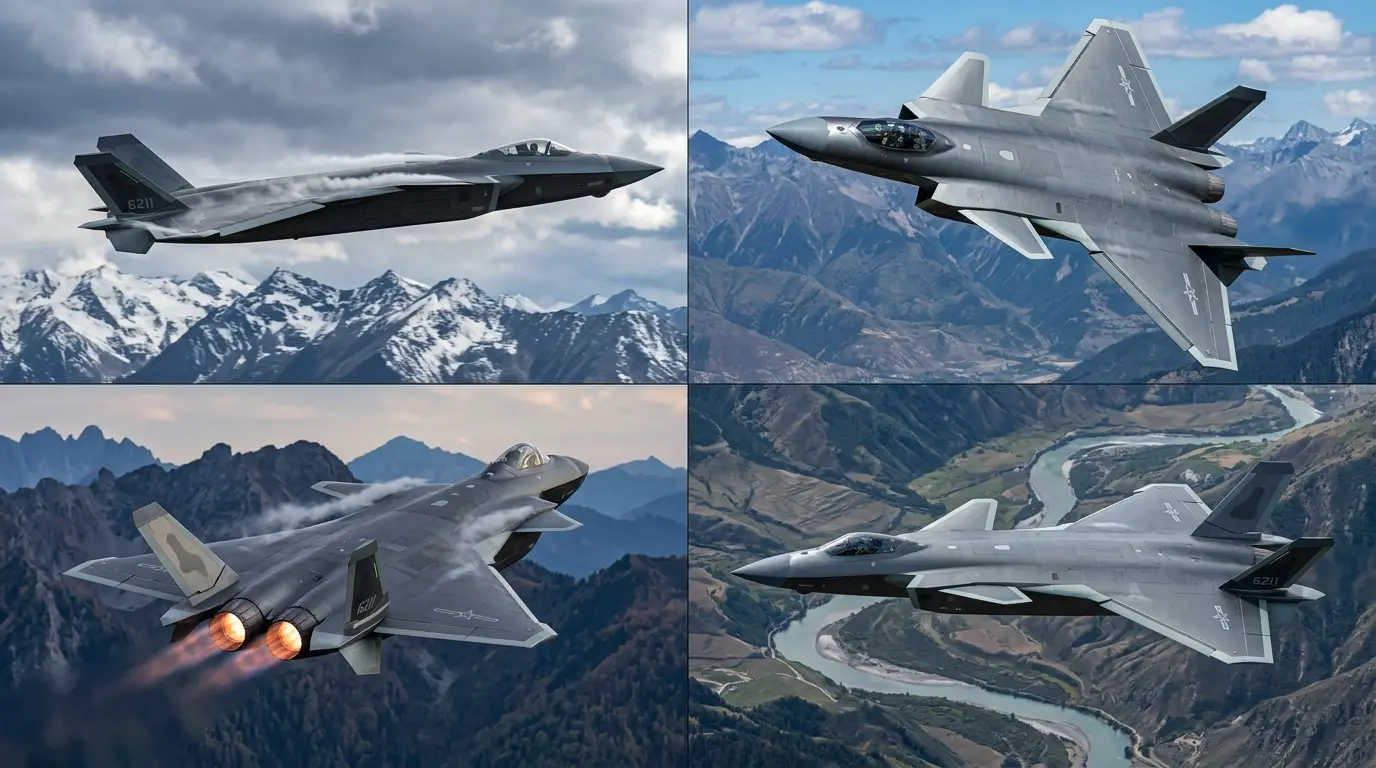
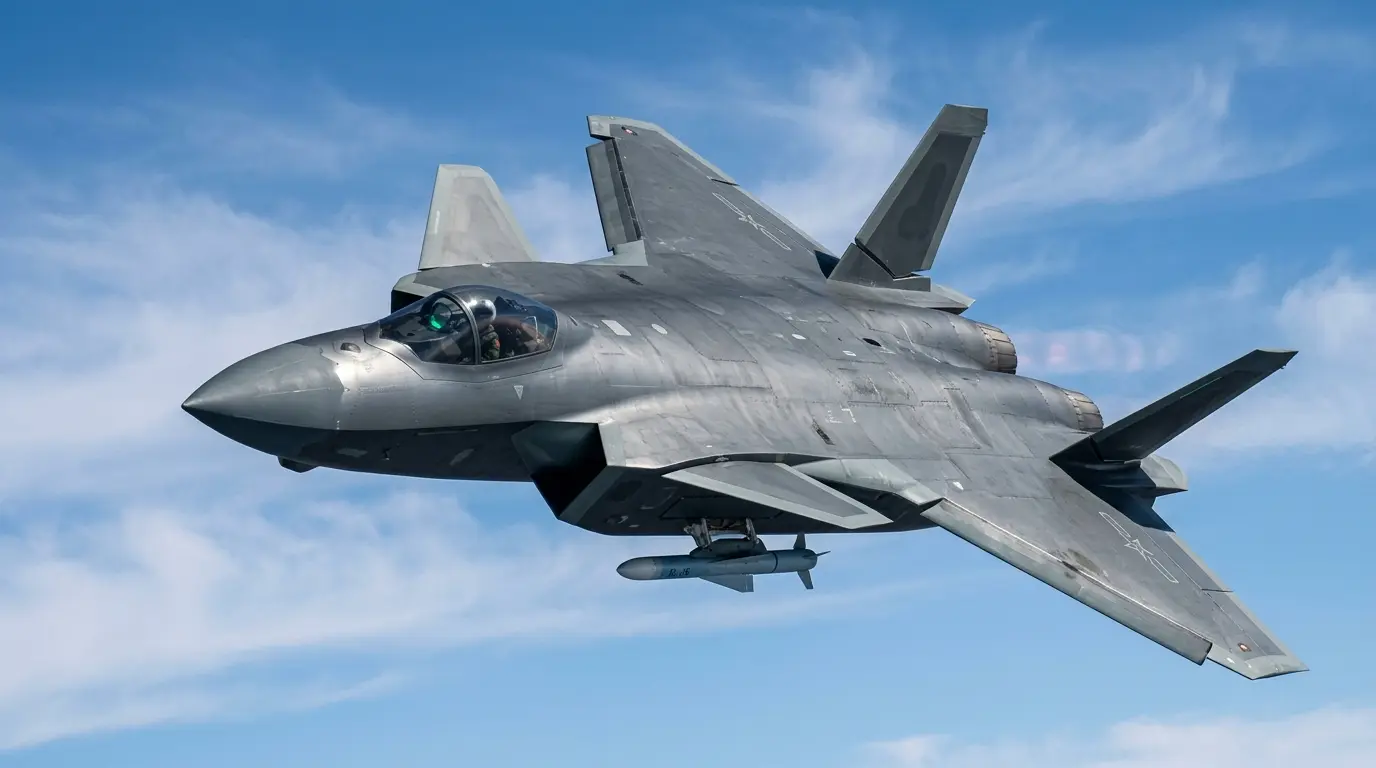
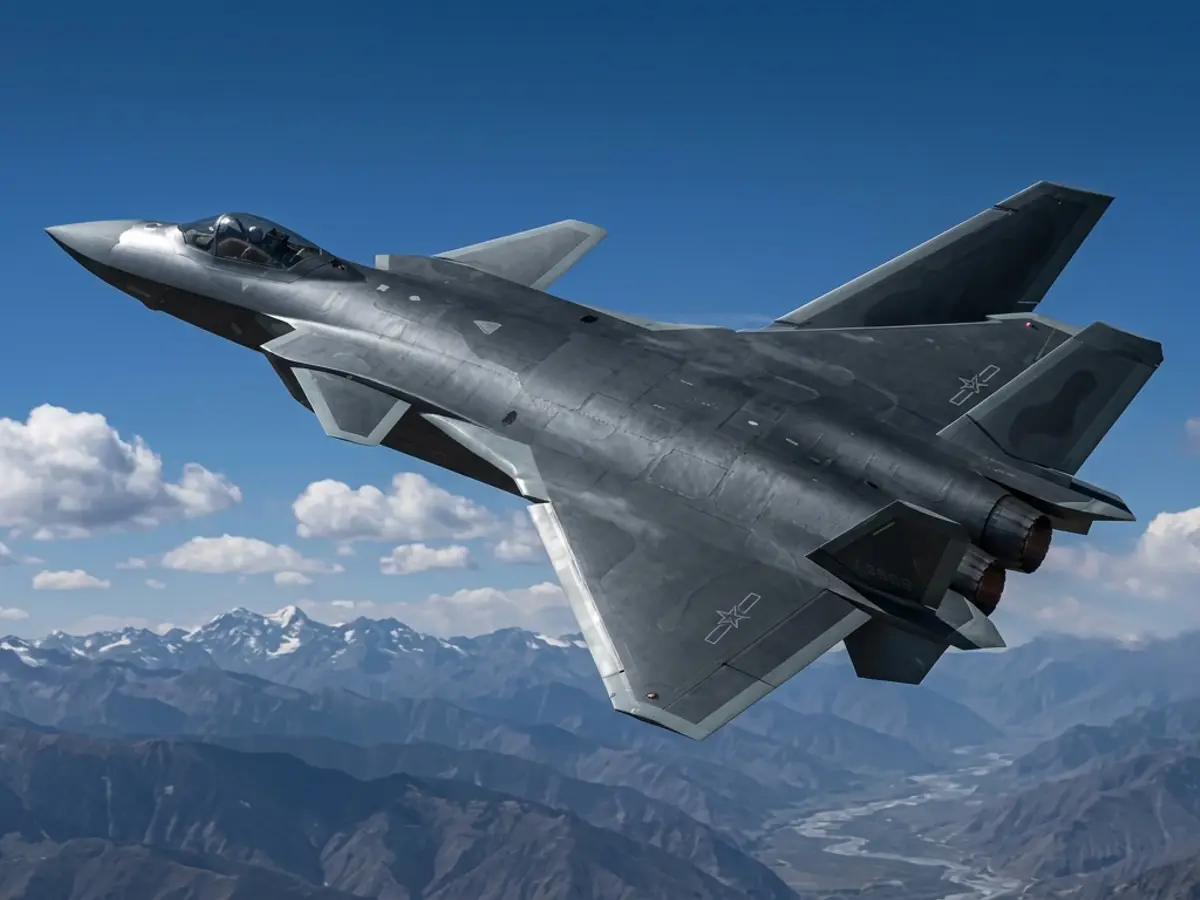
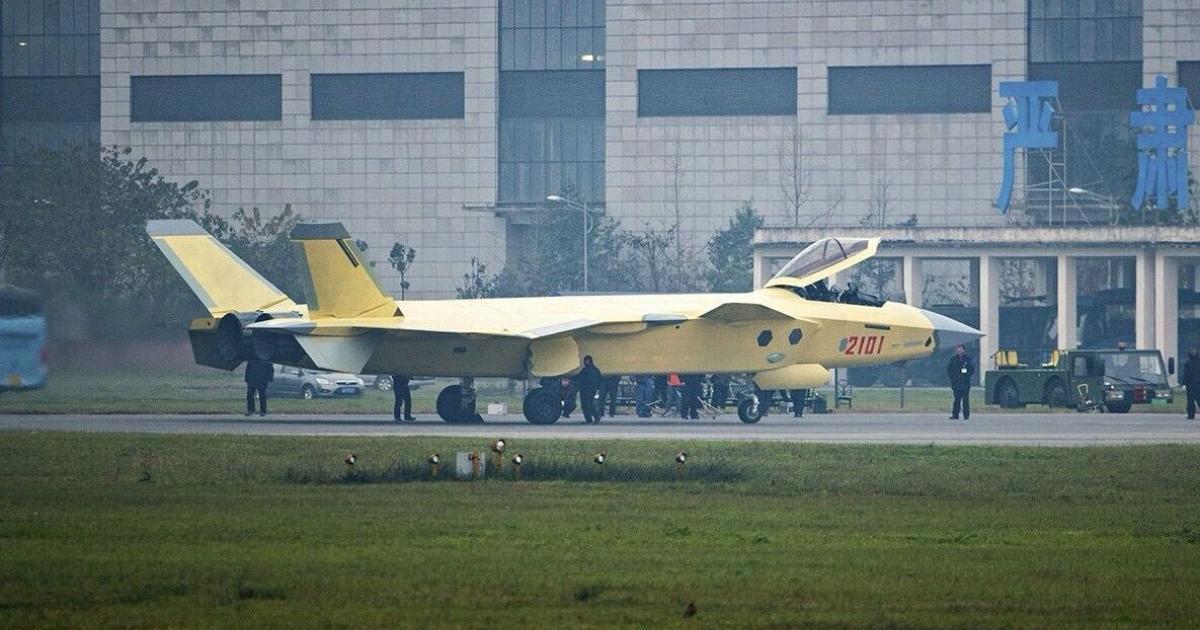
Chengdu J-20 5th Generation Aircraft News & Discussions

Ok so finally J20 will have the ability to Super-cruise with WS-15

so we have

172nd Air Brigade using Russian AL-31 later fitted with WS10 transition to WS10C
9th Fighter Brigade using Russian AL-31 later fitted with WS10 transition to WS10C
1st Fighter Brigade using Chinese WS-10C
then full switch to WS-10C
and now future Fighter Brigades with have WS-15

AL-31 series thrust 132kn
WS-10B series thrust 142kn
WS-10C series thrust 147kn
WS-15series thrust 180kn

The WS-10C was the original WS-15 with 35,000 lbs of thrust.
 

‘Supercruise unlocked’: How the J-20 fighter jet’s new engine could change aerial combat

Edited By Abhinav Yadav
Published: May 14, 2026, 01:17 IST | Updated: May 14, 2026, 01:17 IST

Generating up to 36,000 pounds of thrust, the new WS-15 engine allows China's J-20 fighter to sustain supersonic speeds without afterburners, drastically extending its combat range.

Replacing older engines


Replacing Older Engines

The J-20 fleet is transitioning from older Russian and interim domestic engines to the advanced WS-15. Aviation analysts confirm this marks a major milestone in China's aerospace independence.

Achieving True Supercruise​

With the WS-15, the J-20 can finally supercruise, meaning it sustains flight over Mach 1 without using afterburners. This brings its performance in line with other advanced fifth-generation fighters.

Massive thrust output

Massive Thrust Output​

Defence reports estimate that each WS-15 engine generates up to 36,000 pounds of thrust. This immense power gives the heavy stealth fighter significantly better acceleration and climb rates.

Extending combat radius

Extending Combat Radius​

Because afterburners drain fuel rapidly, relying on supercruise allows the J-20 to conserve its fuel reserves. Military experts note this drastically extends the aircraft's operational range.

Extending Combat Radius​

Because afterburners drain fuel rapidly, relying on supercruise allows the J-20 to conserve its fuel reserves. Military experts note this drastically extends the aircraft's operational range.
Lowering the heat signature


Enhancing Missile Range​

Launching weapons at sustained supersonic speeds transfers more kinetic energy to the missile itself. Aerospace researchers state this extends the effective kill range of the aircraft's PL-15 air-to-air missiles.

Lowering The Heat Signature​

Afterburners create a massive thermal bloom that enemy infrared sensors can easily detect. Flying at supersonic speeds without them helps the J-20 maintain a highly effective stealth profile.

A Shifting Power Balance​

The integration of the WS-15 transforms the J-20 into a much more capable interceptor. Regional security analysts suggest this upgrade directly challenges established air superiority in contested airspace.


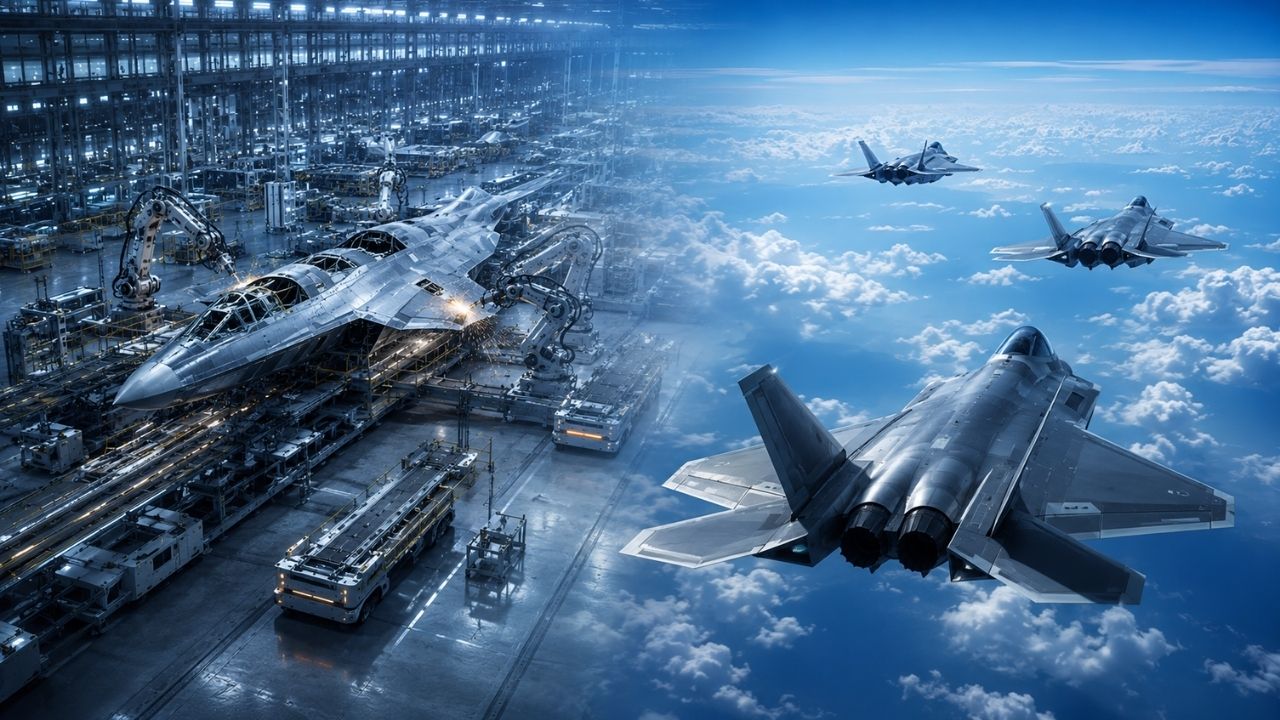
China’s AI ‘Dark Factory’ Produces J-20 Stealth Fighters Almost Nonstop, Raising Alarm Over Pacific Airpower Balance​

Beijing’s near-24-hour autonomous aerospace production surge is accelerating J-20 stealth fighter output while intensifying fears that China could rival American fifth-generation airpower dominance across the Indo-Pacific before 2030.


On May 13, 2026

(DEFENCE SECURITY ASIA) — China’s transition toward AI-controlled “dark factory” aerospace manufacturing is reshaping the strategic tempo of Indo-Pacific airpower competition because Beijing is now scaling stealth fighter production through autonomous industrial systems operating almost continuously without traditional manpower limitations.

The emergence of near-lights-out production lines for the Chengdu J-20 at facilities linked to Aviation Industry Corporation of China is increasing concern among Western defence planners because industrial output capacity increasingly determines long-war survivability, replacement rates, and combat sustainability during high-intensity Pacific conflict scenarios.

Reporting published by Science and Technology Daily and amplified internationally through the South China Morning Post indicated that autonomous guided vehicles, AI-controlled machinery, and synchronized machine-to-machine communication systems are now enabling critical J-20 structural framework production to continue in near-total darkness for more than 21 hours daily.

The development is strategically significant because the United States and China are no longer competing solely through aircraft quality, sensor sophistication, or pilot training standards, but increasingly through industrial mobilization speed, supply-chain resilience, and automated wartime manufacturing endurance.

 
interesting

means China has now passed the big milestone in 5th generation fighters

that is production at high speed and mass manufacturing of a advanced fighter jet

that will help when it comes to 6th generation fighter production

China is now probably building more J20 per year than US is building F35
 
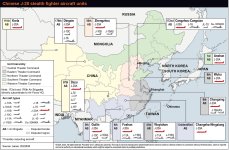
@Deino is there a infographic or a list of how many PLAAF brigades currently operate J20? If so can you please share it?

I only found a special report from Jane in late 2024. Which says at the time PLAAF operated 12 brigade with J20. Only 3 of them were fully equipped with J20. Other were with mixed aircrafts.

1779013931023.jpeg

So it was like 200-220 J20 in service by 2024 may. I find it odd, if the production really going at rate of 100 J20 per year since 2024, shouldn't PLAAF be operating 400+ J20 by the end of 2025? And if so, is this number actually supported by the actual numbers of brigade known to fielding the aircraft in operational service? Because last year September at Zhuhai only 300th J20 and several subsequent aircrafts were spotted with 19th brigade.

সোর্স: The Aviationist https://share.google/MdgUpJMmorXNxoJJE
 
Last edited:
To view this content we will need your consent to set third party cookies.
For more detailed information, see our cookies page.
 
@Deino is there a infographic or a list of how many PLAAF brigades currently operate J20? If so can you please share it?

I only found a special report from Jane in late 2024. Which says at the time PLAAF operated 12 brigade with J20. Only 3 of them were fully equipped with J20. Other were with mixed aircrafts.

View attachment 197582

So it was like 200-220 J20 in service by 2024 may. I find it odd, if the production really going at rate of 100 J20 per year since 2024, shouldn't PLAAF be operating 400+ J20 by the end of 2025? And if so, is this number actually supported by the actual numbers of brigade known to fielding the aircraft in operational service? Because last year September at Zhuhai only 300th J20 and several subsequent aircrafts were spotted with 19th brigade.

সোর্স: The Aviationist https://share.google/MdgUpJMmorXNxoJJE

1st Air Brigade
5th Air Brigade
8th Air Brigade
9th Air Brigade
19th Air Brigade
41st Air Brigade
56th Air Brigade
97th Air Brigade
111th Air Brigade

if we have 28 units in each thats 252 units

176th Air Brigade — Dingxin Flight Test & Training Base
172nd Air Brigade — Cangzhou-Cangxian Flight Training Base
66th Air Brigade — Blue Force / OPFOR unit at Jiuquan
177th Air Brigade — Blue Force / OPFOR associated unit at Jiuquan

Additional organisations associated with J-20 testing/evaluation:

PLAAF Flight Test & Training Base — Dingxin
PLAAF Cangzhou Flight Training Base — conversion/training centre
CFTE (China Flight Test Establishment) — developmental testing
Chengdu Aircraft Corporation test units — manufacturer testing/evaluation

thats maybe 50-60 units

for sure over 320+ units x J20 even more in 2026 is new 43rd even 350+ units in mid-2026

and 100 per year I would say is reasonable even latest report said China builds 1 x J20 every 2 days
 
Last edited:
1st Air Brigade
5th Air Brigade
8th Air Brigade
9th Air Brigade
19th Air Brigade
41st Air Brigade
56th Air Brigade
97th Air Brigade
111th Air Brigade

if we have 28 units in each thats 252 units

176th Air Brigade — Dingxin Flight Test & Training Base
172nd Air Brigade — Cangzhou-Cangxian Flight Training Base
66th Air Brigade — Blue Force / OPFOR unit at Jiuquan
177th Air Brigade — Blue Force / OPFOR associated unit at Jiuquan

Additional organisations associated with J-20 testing/evaluation:

PLAAF Flight Test & Training Base — Dingxin
PLAAF Cangzhou Flight Training Base — conversion/training centre
CFTE (China Flight Test Establishment) — developmental testing
Chengdu Aircraft Corporation test units — manufacturer testing/evaluation

thats maybe 50-60 units

for sure over 320+ units x J20 even more in 2026 is new 43rd even 350+ units in mid-2026

and 100 per year I would say is reasonable even latest report said China builds 1 x J20 every 2 days

You missed the 2nd, 4th and 55th Aur Brigades
 
1st Air Brigade
5th Air Brigade
8th Air Brigade
9th Air Brigade
19th Air Brigade
41st Air Brigade
56th Air Brigade
97th Air Brigade
111th Air Brigade

if we have 28 units in each thats 252 units

176th Air Brigade — Dingxin Flight Test & Training Base
172nd Air Brigade — Cangzhou-Cangxian Flight Training Base
66th Air Brigade — Blue Force / OPFOR unit at Jiuquan
177th Air Brigade — Blue Force / OPFOR associated unit at Jiuquan

Additional organisations associated with J-20 testing/evaluation:

PLAAF Flight Test & Training Base — Dingxin
PLAAF Cangzhou Flight Training Base — conversion/training centre
CFTE (China Flight Test Establishment) — developmental testing
Chengdu Aircraft Corporation test units — manufacturer testing/evaluation

thats maybe 50-60 units

for sure over 320+ units x J20 even more in 2026 is new 43rd even 350+ units in mid-2026

and 100 per year I would say is reasonable even latest report said China builds 1 x J20 every 2 days
total number close to 500?
This method of analysis suffers from significant bias.

The Organizational Structure of the PLAAF:

Air Forces of the various Theater Commands — Air Bases (this is a specific PLA organizational designation, distinct from the conventional concept of an "airbase"; it is equivalent to a Group Army-level unit within the PLAGF) — Aviation Brigades (equivalent to a Combined Arms Brigade-level unit within the PLAGF).

*Large-scale special mission aircraft units currently still retain the traditional Division-Regiment organizational structure. However, some special mission aircraft assets have been decentralized and assigned to Aviation Brigades.

The Aviation Brigade serves as the fundamental combat unit of the PLAAF. Depending on its specific area of responsibility and the nature of its assigned missions, each Aviation Brigade commands 4 to 6 Fighter Squadrons (including fighter-bomber units).

While an entire Aviation Brigade employs a "mixed-composition" model regarding its fighter aircraft inventory, the aircraft within any single Fighter Squadron are uniform. This means that, within a single Aviation Brigade, one might find a mix of J-10Cs, J-16s, and J-20s; however, each individual Fighter Squadron operates only one specific type of fighter aircraft.

Nevertheless, the specific aircraft allocation varies among Aviation Brigades, depending on their respective operational areas and mission profiles. Some Aviation Brigades may possess only one J-20 Squadron, while others may have two. Furthermore, these specific allocations are subject to dynamic change over time. An Aviation Brigade that currently possesses only one J-20 Squadron this year may find itself fielding two J-20 Squadrons by the following year. Such changes are extremely difficult for external observers to detect.

Additionally, the actual number of J-20 fighter jets deployed within each individual J-20 Squadron is not entirely uniform; this figure is contingent upon the specific operational area and mission profile assigned to that particular squadron.

Consequently, attempting to analyze and estimate the actual number of deployed J-20 fighter jets based solely on the Aviation Brigade structure is not an accurate methodology.


* The fighter squadron here is referred to in Chinese as a "战斗机大队." While a literal English translation would be "Fighter Group," its actual scale is equivalent to that of a fighter squadron in a Western context.

In the Chinese context, the term "战斗机中队" translates literally as "fighter squadron." However, its actual scale is quite small and is not equivalent to a fighter squadron in the Western context.
 
Last edited:

China raises an alert in the military industry by producing parts for the J-20 fighter jet in a nearly human-free factory, where AI, robots, and autonomous vehicles cut more than 80% of manual labor and double efficiency.​

Carla Teles
Published on25/05/2026 at 23:09


Users who are viewing this thread

Pakistan Defence Latest

Back
Top