China’s state media gives key details on China’s upgraded J-20A, J-20S stealth fighters
J-20 marks shift from follower to leader: experts
By Li Hang
Published: Nov 01, 2026 09:25 PM
Global Times
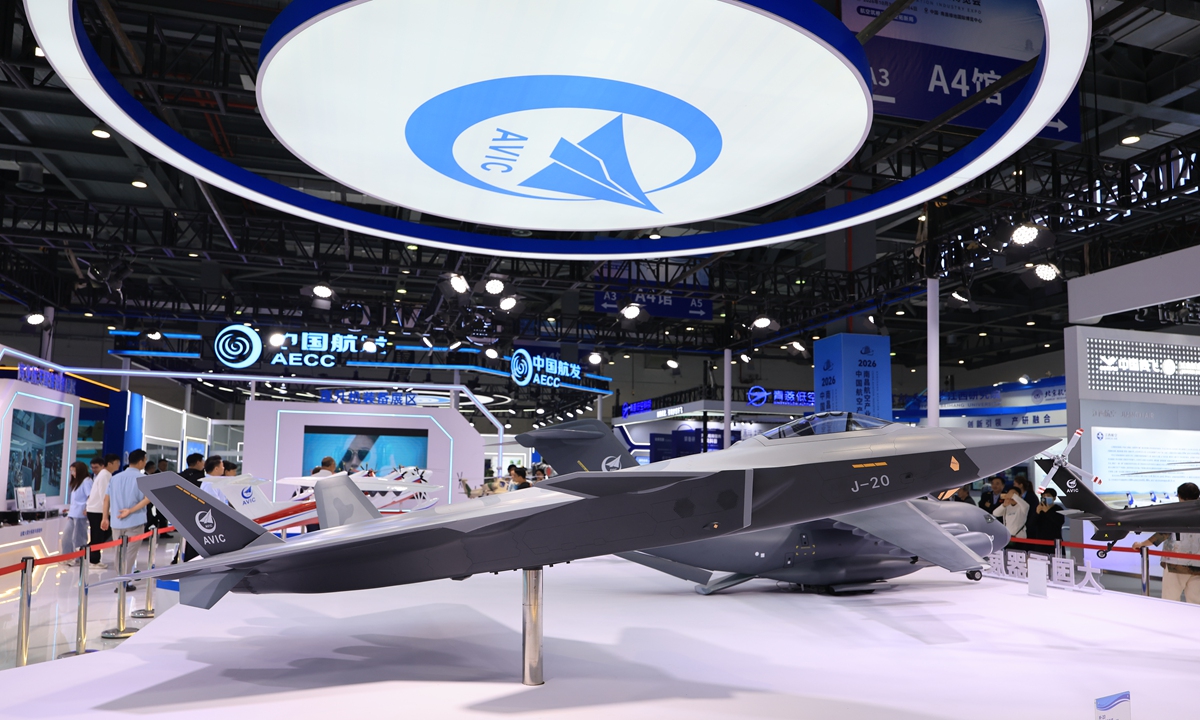
A model of a J-20 stealth fighter on display at the 2026 Nanchang Aviation Industry Expo held in Nanchang, East China's Jiangxi Province, on October 31, 2026 Photo: VCG
Chinese state media on Sunday revealed new details about the evolution of China's J-20 stealth fighter family, highlighting advances in the engine technology, aerodynamic design and sensor systems of the J-20A, as well as the development of the two-seat variant J-20S designed to expand the aircraft's role in future air combat.
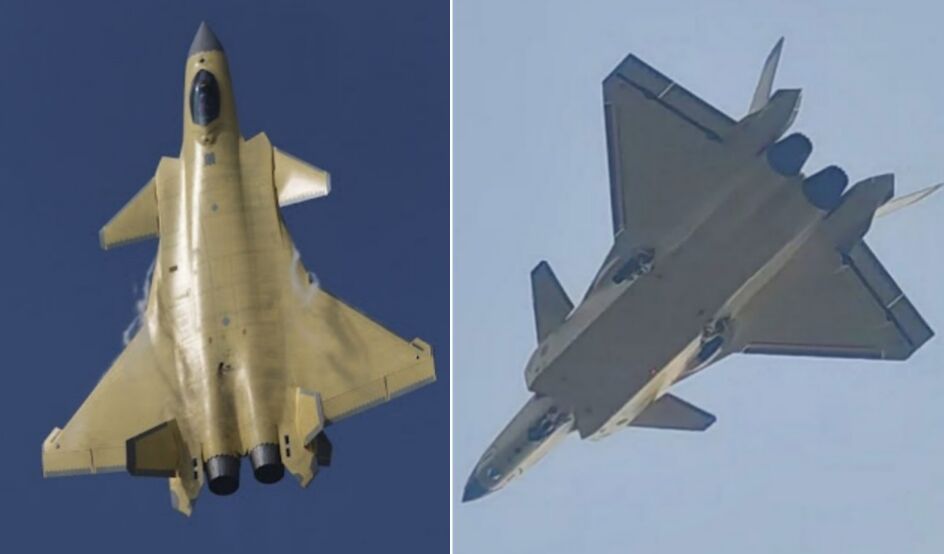
The development of a domestically powered version of the J-20 marked a major milestone in the fighter's evolution. This version, powered by domestically developed engines, made its public debut at the 2021 Airshow China in Zhuhai, South China's Guangdong Province, CCTV News reported on Sunday.
Wang Mingliang, a military affairs commentator, noted in the CCTV News report that the domestically developed engines provide stronger thrust, enabling the aircraft to achieve higher speeds, sustain supersonic cruise speeds and perform high-overload maneuvers.
"The transition also ensures greater independence and control over the aircraft's engine system," Wang said, adding that the technological progress provides a foundation for the development of even more advanced fighter jets.
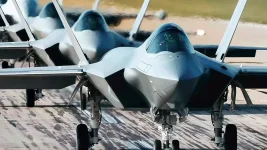
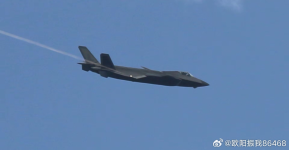
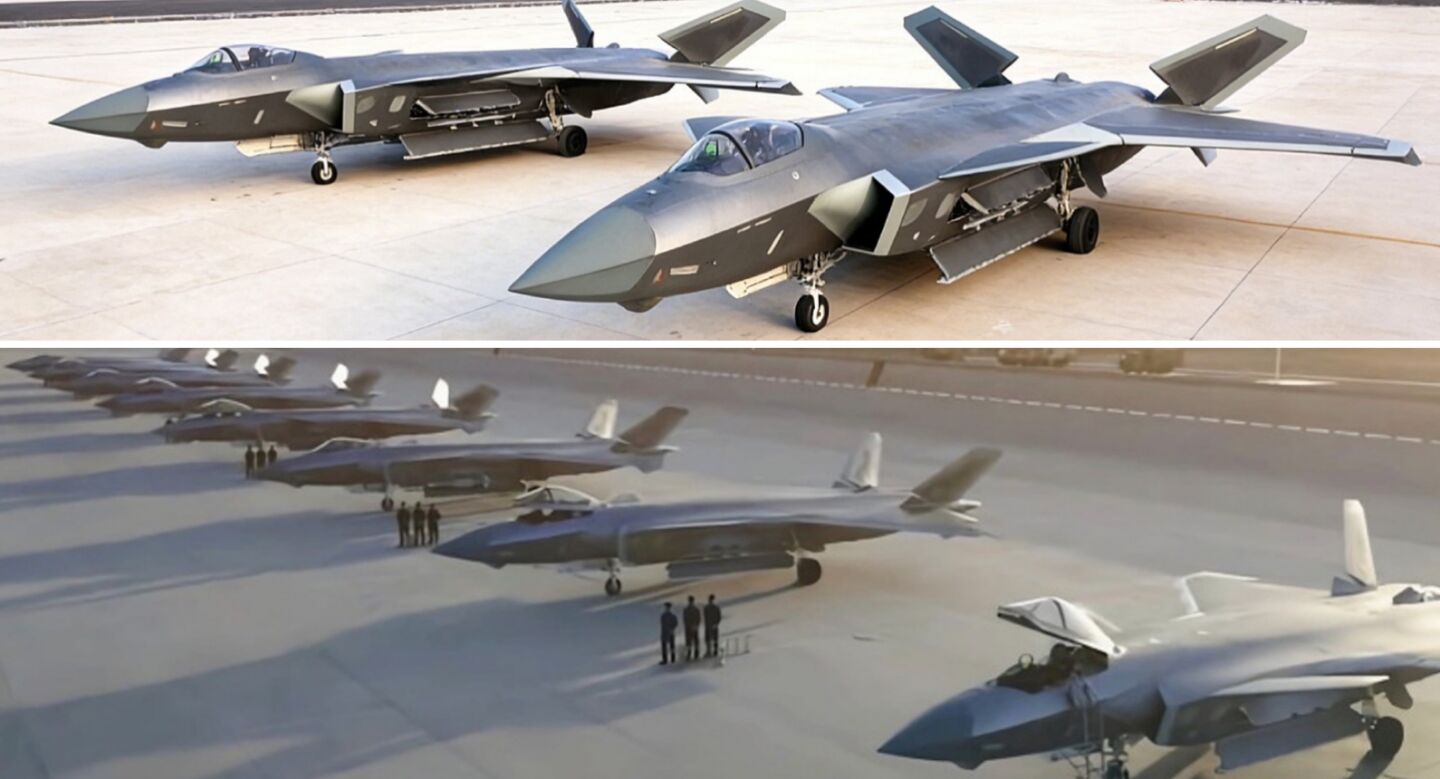
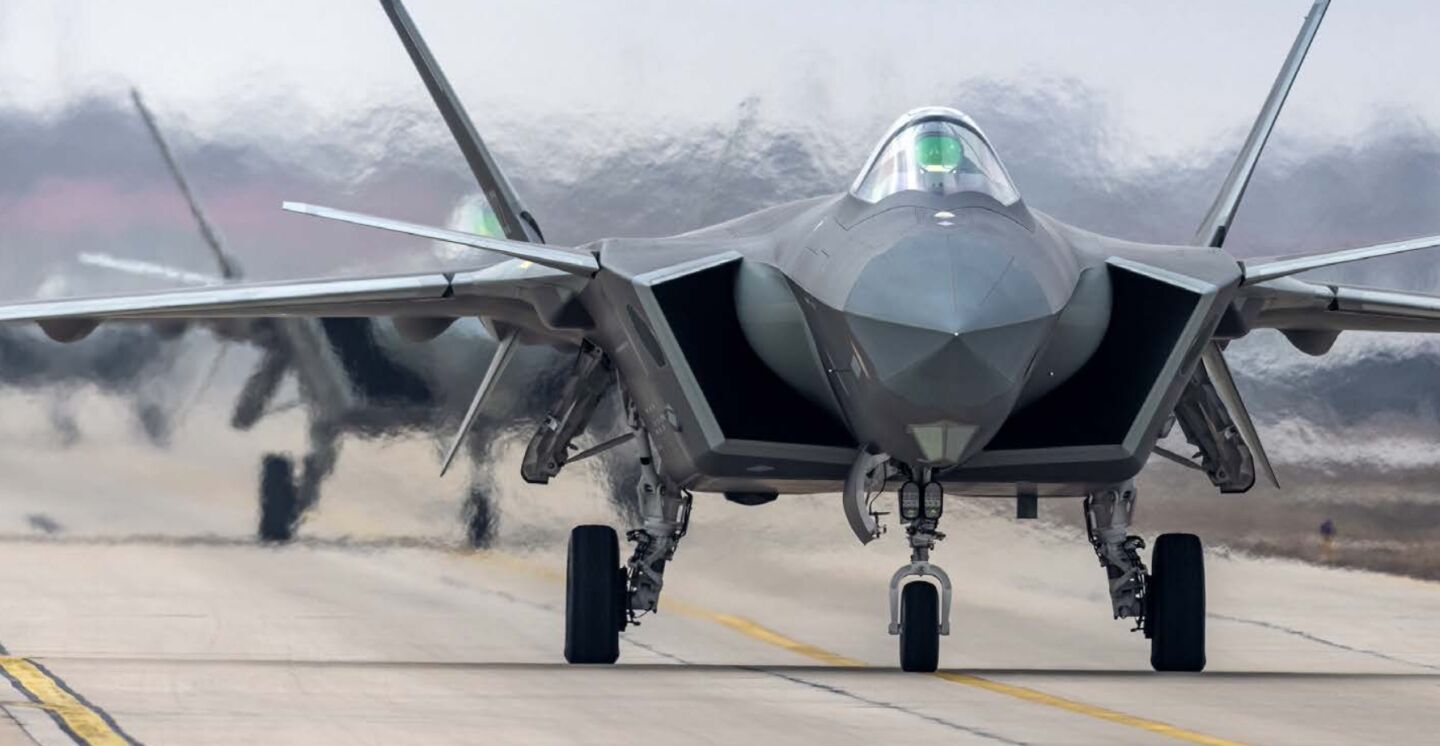
The J-20A, an upgraded single-seat variant, features refinements to its aerodynamic design and sensor systems. Its modified cockpit profile is believed to improve aerodynamic performance and facilitate higher-speed flight, according to Wang.
Wang pointed to two visible changes that have attracted attention among military enthusiasts.
One is the raised section behind the cockpit. Compared with the earlier model, the transition between the cockpit and the aircraft's fuselage has become smoother, with a more gradual curve. "The change is likely intended to improve aerodynamic performance and increase flight speed," he said.
Another change is a protruding component beneath the aircraft's nose. According to Wang, the earlier version featured six optical lenses, while the upgraded version has eight, indicating an improvement in its detection capabilities.
The upgraded sensor system could give the J-20A stronger capabilities in networked and coordinated operations, including detecting and tracking stealth aircraft, Wang said.
The emergence of the J-20S, a two-seat variant, represents another significant development, expanding the traditional operational role of fifth-generation fighters, the expert said, noting that the J-20S is designed to overcome some of the mission limitations of single-seat aircraft.
While the pilot in the front cockpit focuses on flying and air combat, the rear-seat operator can manage unmanned aircraft formations, coordinate battlefield information, support intelligent collaboration and plan missions against targets on land and at sea.
The configuration is better suited to future air combat scenarios characterized by increasing levels of intelligence, unmanned systems and networked operations.
According to Wang, the J-20 is no longer simply an air-superiority fighter in the traditional sense, but can also serve as a command and coordination platform within a broader combat system.
In addition to operating the aircraft's own detection and communication systems, the rear-seat operator can effectively serve as an airborne mission coordinator, helping manage information, assign targets and coordinate operations among multiple platforms, Wang said.
However, advanced aircraft can realize their full potential only when integrated into an effective combat system.
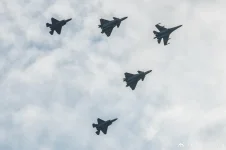
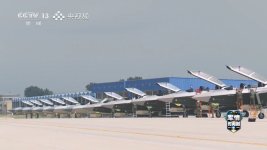
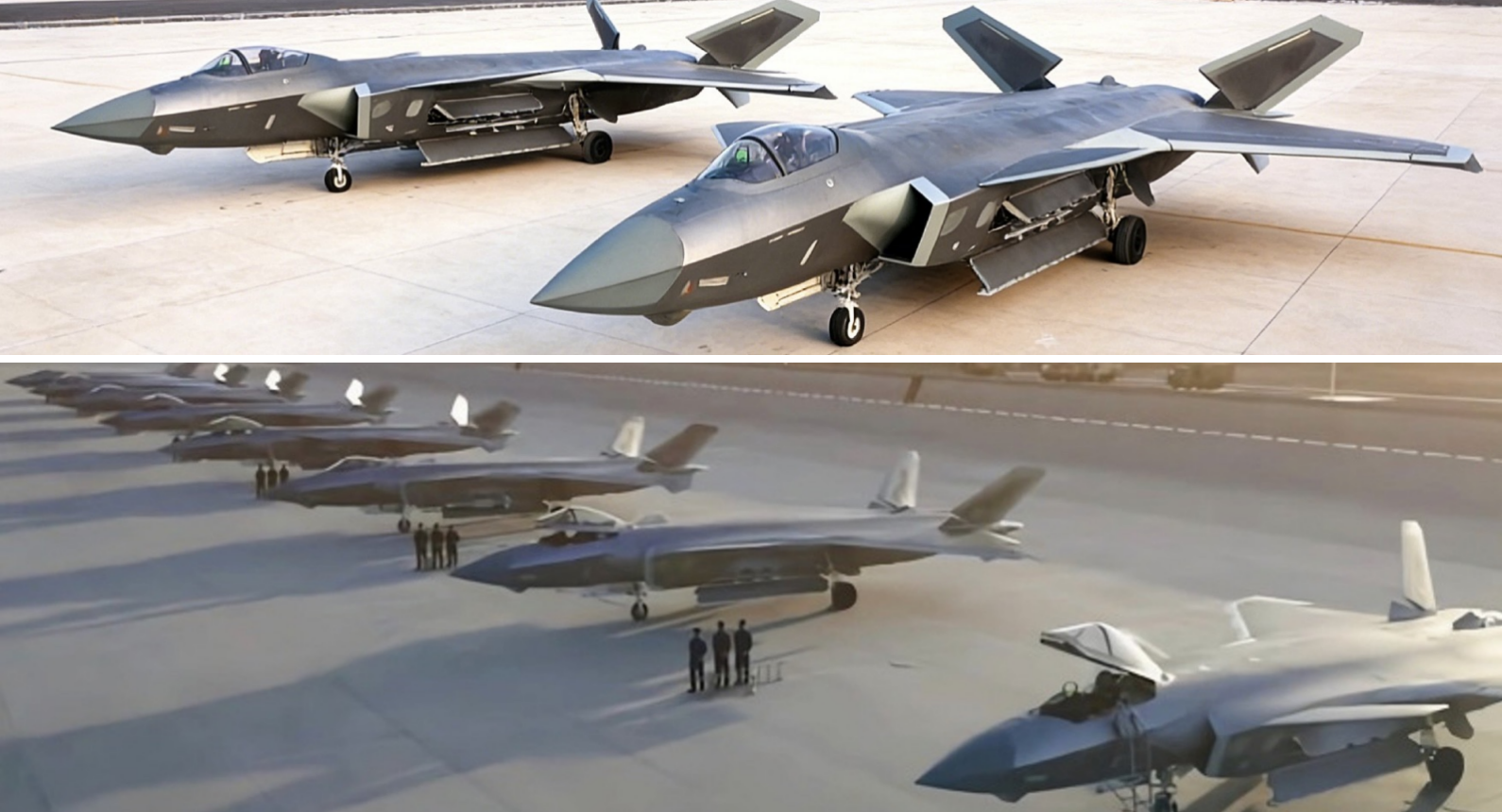
From initial small-scale deployment to service with multiple units and routine operations in different regions, the J-20 has increasingly become part of the PLA Air Force's broader operational framework.
Its role has expanded from individual aircraft training and formation flights to participation in joint exercises, combat-oriented training and routine patrol missions.
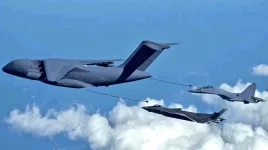
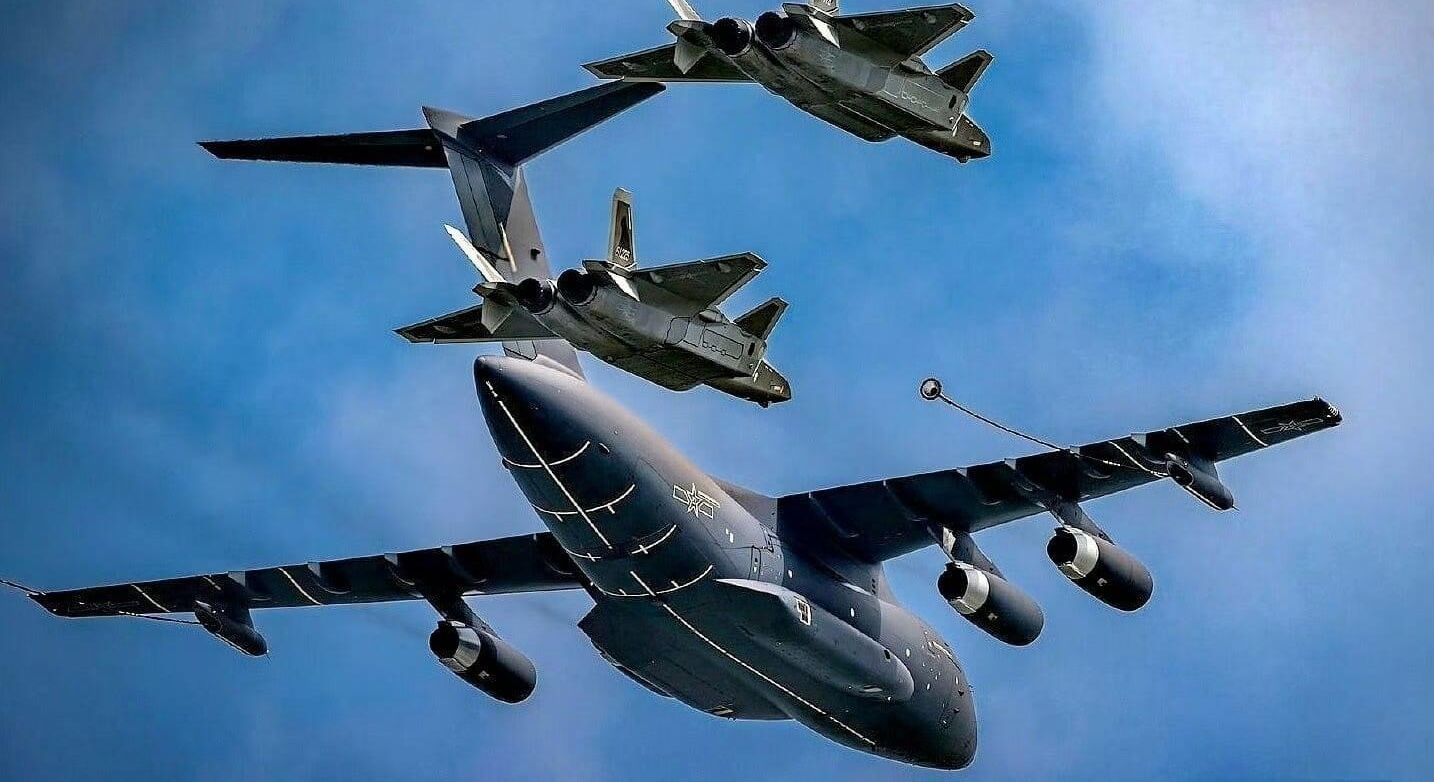
The aircraft now operates alongside other domestically developed platforms, including the KJ series of airborne early warning aircraft, YY-20 aerial refueling aircraft, J-16 multirole fighters and J-10C fighters, helping establish a more integrated air combat network.
In recent years, the J-20 has expanded its operational presence, conducting routine missions in the East China Sea, South China Sea and the Taiwan Straits. Operating in complex airspace, weather and electromagnetic environments, the aircraft has continued to hone its capabilities in rapid response, all-domain operations and deterrence, CCTV News reported.
The large-scale deployment and integrated use of the J-20 have helped accelerate the PLA Air Force's strategic transformation toward a force capable of conducting both offensive and defensive operations across air and space.
The development of the J-20 into a family of aircraft marks an important step in China's entry into the ranks of the world's leading stealth fighter powers. Its two-seat variant is also a major innovation, representing a first of its kind globally, Chinese military affairs expert Song Zhongping told the Global Times.
According to Song, the J-20 has helped place China's fifth-generation fighter capabilities at the global forefront, and further upgraded variants are expected to emerge, with increasingly advanced intelligent capabilities and stronger combat performance.
"The aircraft also lays a solid foundation for the development of China's future fighter jets. For the PLA, the J-20 represents a pivotal, transitional weapon system, marking the Chinese air force's shift from following the world's leading military aviation powers to taking a leading position itself," he said.