China Auto Thread

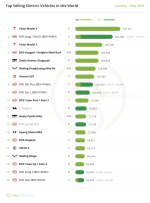
BEV.png

Note the light vs dark green..and who is really selling BEV's in the world and who is the faker.
 

By Bloomberg News
July 16, 2025 at 9:21 AM GMT+8

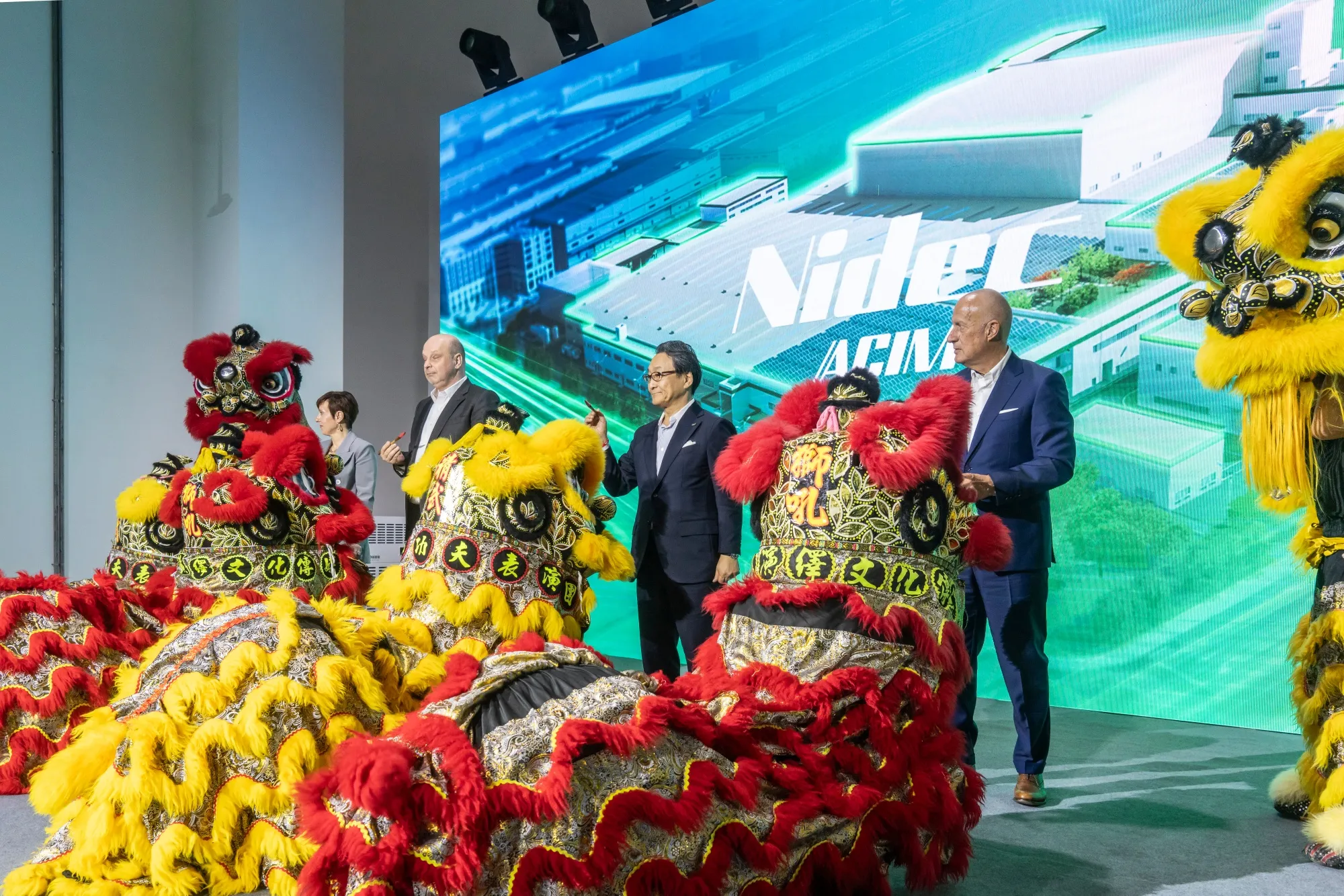
Opening Ceremony of Nidec Qingdao Industrial Park

Kishida with lion dance performers during the opening ceremony of the company’s Qingdao Industrial Park on July 9.Photographer: Qilai Shen/Bloomberg

  • Nidec Corp. is building an almost totally "made-in-China" electric car motor to help Toyota Motor Corp. compete in the world's largest auto market, according to Chief Executive Officer Mitsuya Kishida.
  • About 99% of the materials and parts in the E-axle motor are from China, said Nidec president Kishida, who described building the integrated motor as "incredibly tough".
  • Using mostly Chinese parts allows the company to cut costs and helps reduce the price of the final car, which is necessary to compete in the Asian nation's ultra-competitive auto market.
Net new Japanese investment into China was up about 3% in the first five months of this year, after rising about 6% last year, according to data from Japan’s Ministry of Finance.

15.07.2025​


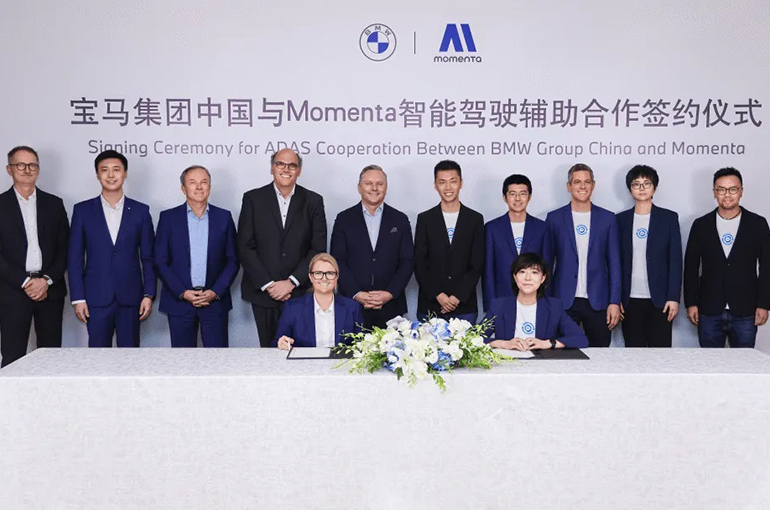
92749593113285.jpg


Munich/Beijing. BMW Group is expanding its footprint in China’s digital innovation landscape with a new partnership focused exclusively on the Chinese market.

In collaboration with Momenta, a leading Chinese ADAS technology provider, BMW will co-develop advanced driver assistance solutions specifically for the BMW product portfolio offered in China – starting with Neue Klasse.

According to the plan, production of the Neue Klasse models will be localized at its joint venture factory in Shenyang in northeastern China. To support the move, BMW invested an additional CNY20 billion (USD2.8 billion) in April last year to upgrade the plant’s facilities and technology.

Founded in 2016, Momenta operates in two core areas: ADAS and robotaxis. By the end of last year, its ADAS systems had been integrated into 26 mass-produced vehicle models through partnerships with major domestic and international automakers, including General Motors, Toyota Motor, Honda Motor, and SAIC Motor.
 

Chery, BYD may repay EV subsidies after China audit​


China’s Ministry of Industry and Information Technology (MIIT) has disclosed that automakers Chery and BYD improperly claimed a combined 384.4 million yuan (US$53.5 million) in government subsidies for eco-friendly vehicles from 2015 to 2020.

This figure represents nearly 60% of the total improper claims identified during that period.

An audit found 21,725 vehicles failed to meet subsidy standards, with Chery and BYD linked to 7,663 and 4,973 vehicles respectively.

Although no penalties were specified, the government may require automakers to repay subsidies for vehicles that fall short of mileage standards.

The disclosure comes amid industry-wide issues like overcapacity and a price war, prompting Beijing to tighten pricing rules and cut outdated production.

China’s subsidy program, active from 2009 to 2022, helped boost new energy vehicle sales, which have outpaced gasoline car sales monthly since March 2023.
 

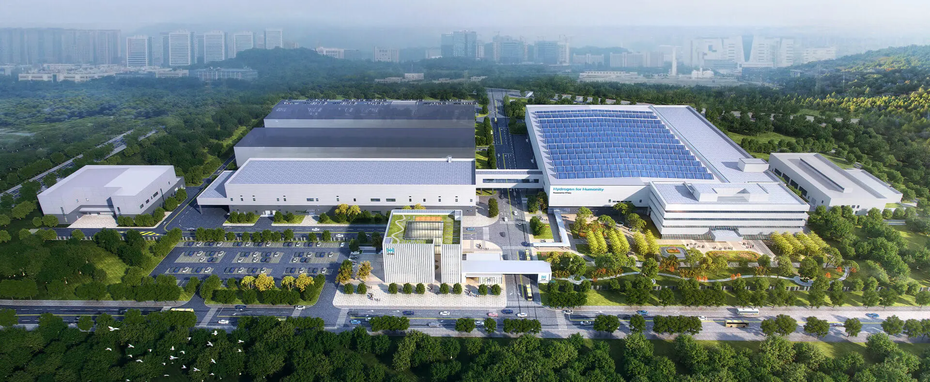
Hyundai’s HTWO Signs Strategic Deal to Deploy 1,000 Hydrogen Trucks in Guangzhou, China​

July 21, 2025 at 9:33 AM EDT
  • HTWO Guangzhou and Yuanshang Logistics signed a landmark strategic agreement on July 18 to deploy 100 hydrogen-powered logistics vehicles in 2025, scaling up to 1,000 units and expanding into hydrogen shipping, low-altitude logistics, and energy storage.
  • Backed by national dual-carbon goals and Guangzhou’s “12218” green industrial strategy, the partnership aims to build a replicable model for large-scale hydrogen logistics deployment and industrial chain integration across China.

On July 18, 2025, Hyundai Motor Hydrogen Fuel Cell System (Guangzhou) Co., Ltd. (HTWO Guangzhou) and Guangdong Yuanshang Logistics Co., Ltd. formalized their strategic cooperation at the HTWO Guangzhou Innovation Center. This landmark agreement aligns with China’s "Medium and Long-term Plan for the Development of Hydrogen Energy Industry (2021-2035)" and actively supports Guangzhou's "12218" industrial green transformation initiative.

Under the agreement, both companies will initially introduce 100 hydrogen fuel logistics vehicles by 2025 and aim for the deployment of 1,000 fuel cell vehicles in the medium term, targeting key logistic operations such as urban distribution and trunk transportation. Future expansion plans include hydrogen-powered ships, low-altitude logistics, energy storage, and infrastructure development, creating a comprehensive hydrogen energy ecosystem.
 

Hyundai benchmarks Xiaomi SU7 at R&D centers in Korea, report says​

Jul 22, 2025 5:34 AM CEST

untitleda-picsart-aiimageenhancer-2-800x383.png

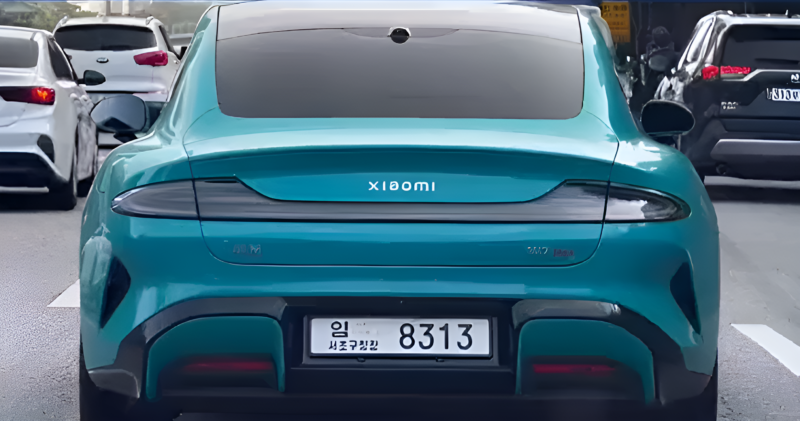
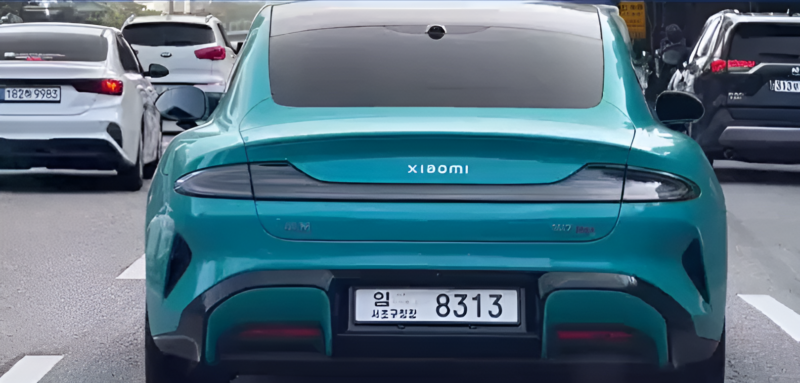
Xiaomi SU7 spotted on Korean roads. Credit: Auto-home

Hyundai Motor has added the Xiaomi SU7 electric vehicle to its internal research fleet in South Korea, according to a report by Korean tech outlet Bloter published on July 17. The cars are being used for evaluation at Hyundai’s Namyang R&D Centre in Hwaseong and the company’s headquarters in Seoul.

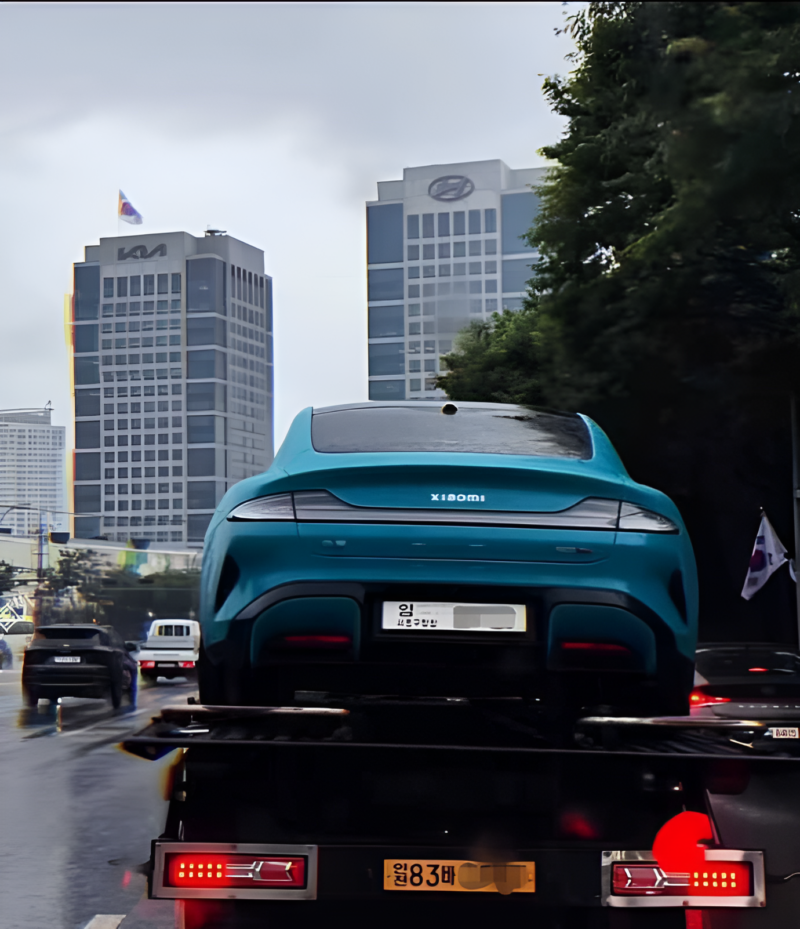
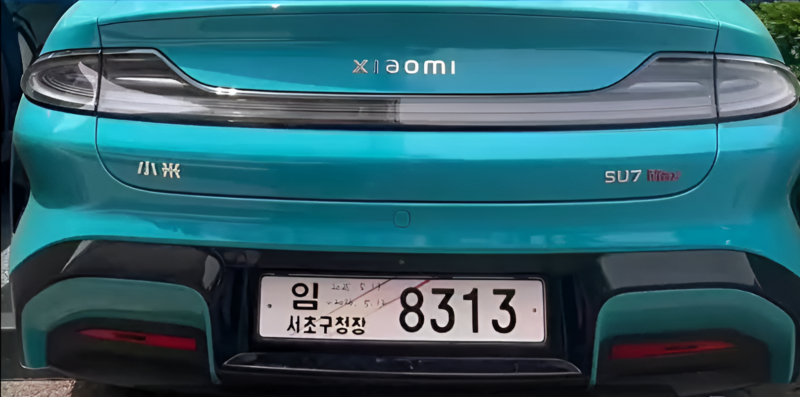
A Xiaomi SU7 Max was seen on July 16 being transported to Hyundai’s Yangjae office in Seoul. The vehicle carried a temporary license plate issued by the Seocho District Office, and Bloter confirmed that Hyundai received formal approval for temporary operation for research purposes.

Xiaomi SU7 is being delivered to the Hyundai centre. Credit: Weibo

This marks an expansion of Hyundai’s practice of benchmarking overseas EVs, now including models from Chinese automakers such as Xiaomi. The SU7 is not officially sold in South Korea, but Hyundai has reportedly imported multiple units for in-house evaluation.

The decision to analyse the SU7 comes amid increasing global attention to Chinese EV manufacturers. At a company meeting earlier this year, Hyundai Motor Group Executive Chair Euisun Chung highlighted the need to remain competitive not only with Tesla but also with rapidly expanding players like BYD. “There are unavoidable challenges ahead,” Chung said, urging preparation for shifts in the EV landscape.

The Xiaomi SU7 carries a temporary license plate for research purposes.

Hyundai’s investment in physical assets has grown significantly. As reported by Bloter, the company’s tangible assets increased from 38.9 trillion won (approximately 28.1 billion USD) in 2023 to 44.8 trillion won (approximately 32.4 billion USD) in Q1 2025. Capital spending on these assets reached 2.08 trillion won (approx. 1.5 billion USD) in the first quarter alone, up 12% year-on-year. Though Hyundai has not itemised its spending on imported EVs, the SU7 appears to be part of this broader R&D investment.

Hyundai plans to use insights from vehicles like the SU7 to guide future development, particularly in user interface and infotainment design. The SU7’s HyperOS operating system has drawn comparisons to Hyundai’s own BlueLink Connect system, according to Bloter, and could serve as a reference point for upcoming digital cockpit designs.

Hyundai has allocated 24.3 trillion won (approx. 17.6 billion USD) for investment in 2025, nearly half of which is earmarked for research and development.
 

Zeekr, Neta inflated sales figures by selling '0-mileage used cars,' reports say​


Chinese electric vehicle (EV) brands Zeekr and Neta inflated sales figures in recent years to meet aggressive targets, with Neta doing so on over 60,000 cars, according to a report by Reuters yesterday, citing documents reviewed by the outlet and interviews with dealers and buyers.

These companies arranged insurance for the vehicles before they are sold to buyers, allowing them to book sales early under industry practices in China's vehicle registration, thereby meeting monthly and quarterly targets, according to the report.

In China's automotive industry, vehicles sold before they reach buyers are referred to as "zero-mileage used cars," and their emergence reflects the intensely competitive nature of the market.

From January 2023 to March 2024, Neta pre-booked sales of at least 64,719 vehicles through this method, exceeding more than half of the 117,000 vehicles it reported selling over the 15-month period, Reuters says, citing copies of records Neta sent to dealers that it had seen.

Geely's premium EV brand Zeekr also employed the same method, pre-booking sales in Xiamen in late 2024 through its main dealer in the city -- state-owned Xiamen C&D Automobile, according to Reuters.

Earlier yesterday, China Securities Journal, an official Chinese media outlet, featured the same matter on its front page.

Zeekr sold a large number of insured inventory vehicles as new cars under the guise of limited-time offers, sparking complaints, according to the China Securities Journal.

Some consumers in Guizhou, Chongqing, and Guangzhou discovered that the vehicles they had purchased were already insured "used cars" when they were preparing to take delivery, the report said.

For Neta, insurance registration data for 2022 showed that the proportion of corporate customers was only 8 percent. However, this proportion surged to 63 percent in 2023, according to the China Securities Journal.

Corporate customers refer to those who purchase vehicles under a company name, as opposed to individual customers.

Among the top 20 cities in terms of Neta's sales, 17 cities had a corporate customer ratio exceeding 40 percent, and 11 cities had a ratio exceeding 90 percent, according to the report.

Insurance registration data for automakers is recorded by third-party institutions, and this data is watched by the industry, media, and capital markets as a "barometer" of an automaker's sales performance, according to Li Yanwei, an expert committee member of the China Automobile Dealers Association, as cited by the China Securities Journal.

Under market competition pressure, some automakers have used "zero-mileage used cars" as a tool to create false prosperity, prematurely recognizing sales and revenue to mislead the capital market about the true supply and demand situation, the report cited an unnamed senior sales manager from an automaker as saying.
 
@Yommie things might start falling apart soon for BYD...apparently there is a reason why Warren Buffet has been slowly selling out.

To view this content we will need your consent to set third party cookies.
For more detailed information, see our cookies page.

Shocking Report From China Confirms Worst Fears About BYD​


As of July 2024, Buffett owned less than 5% of BYD's Hong Kong H-shares, below the threshold where it has to disclose further sales.
 

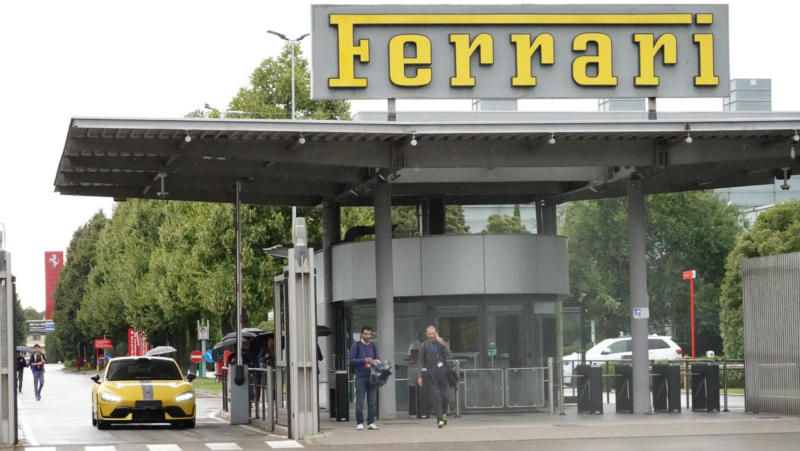
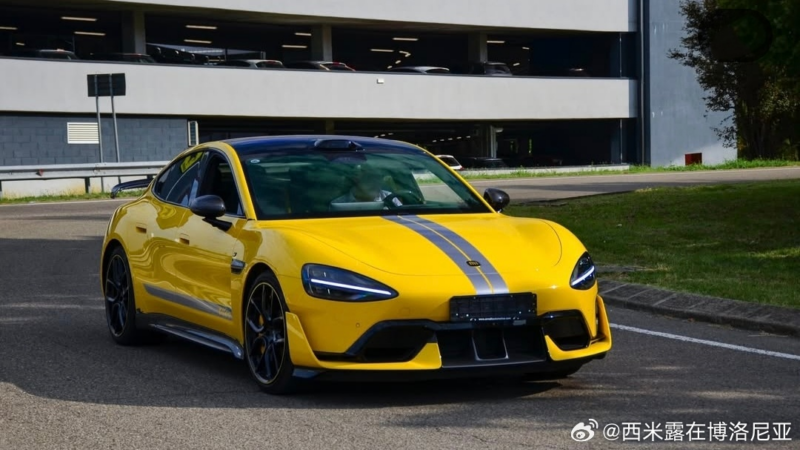
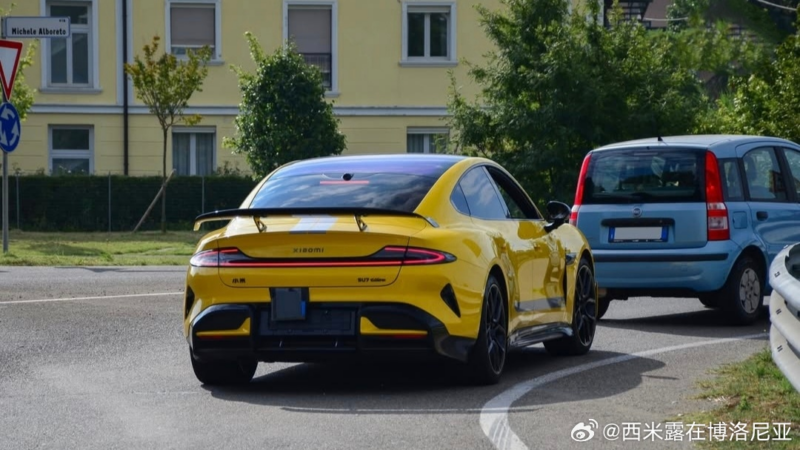
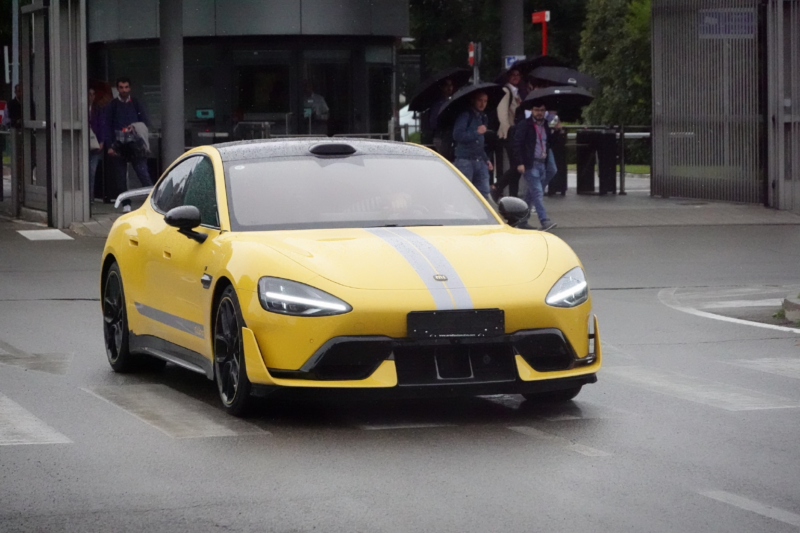
Xiaomi SU7 Ultra spotted at Ferrari factory​

Jul 29, 2025 9:00 AM CEST

e59bbee78987-125-e1753771176908-800x451.png

A Xiaomi SU7 Ultra spotted ar Ferrari factory. Credit: Weibo user "Piniluoshan" (劈你落山)

Ferrari appears to have purchased a Xiaomi SU7 Ultra; the premium Chinese electric vehicle was reportedly seen exiting Ferrari’s Maranello factory in Bologna, Italy. According to the blogger “Sago soup in Bologna” (西米露在博洛尼亚), it suggests the Italian sports car manufacturer is studying the vehicle for its upcoming electric platform.

Multiple witnesses observed the distinctive Xiaomi SU7 Ultra emerging from Ferrari’s headquarters.

“The SU7 Ultra was definitely coming from inside Ferrari’s facility. After verification, we learned this specific vehicle was officially purchased by Ferrari for testing and development of their next-generation electric platform.” Said the blogger.

A Xiaomi SU7 Ultra spotted in the Ferrari factory. Credit: Instagram user justitalthings

Another auto blogger, “Zurich Beileye” (苏黎世贝勒爷), claimed Ferrari representatives had visited Xiaomi headquarters last year, potentially discussing joint development of next-generation high-performance electric motors. While formal collaboration appears not to have materialised, Ferrari’s acquisition of the SU7 Ultra for internal research demonstrates interest in Xiaomi’s technical solutions.

A Xiaomi SU7 Ultra at the Ferrari factory. Credit: Weibo user “Piniluoshan”
 

1548 Horsepower Fully-Eletric Drift Car… From China Xiaomi SU7 Ultra!​


To view this content we will need your consent to set third party cookies.
For more detailed information, see our cookies page.
 

Sales of battery electric heavy-duty vehicles surged in China during the first half of 2025, accounting for 22 per cent of all heavy-duty vehicle sales, up from only 8.6 per cent a year earlier.
 

Xpeng P7 Static Review​


To view this content we will need your consent to set third party cookies.
For more detailed information, see our cookies page.
 

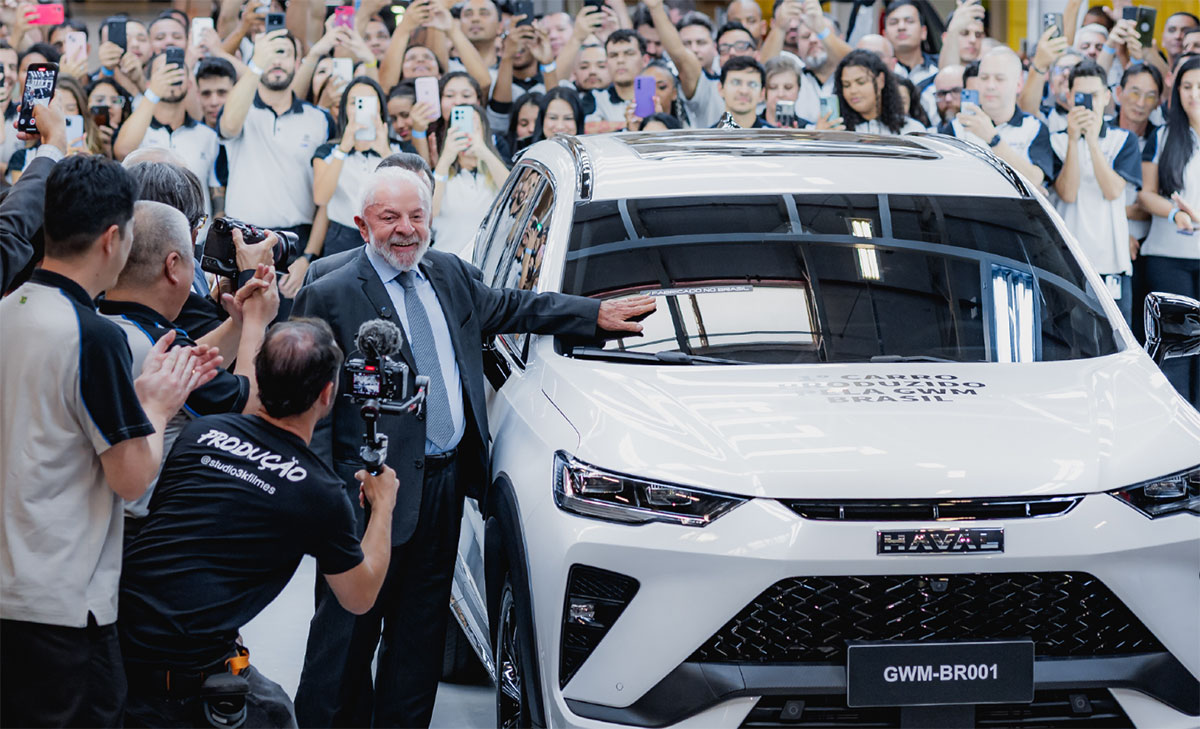
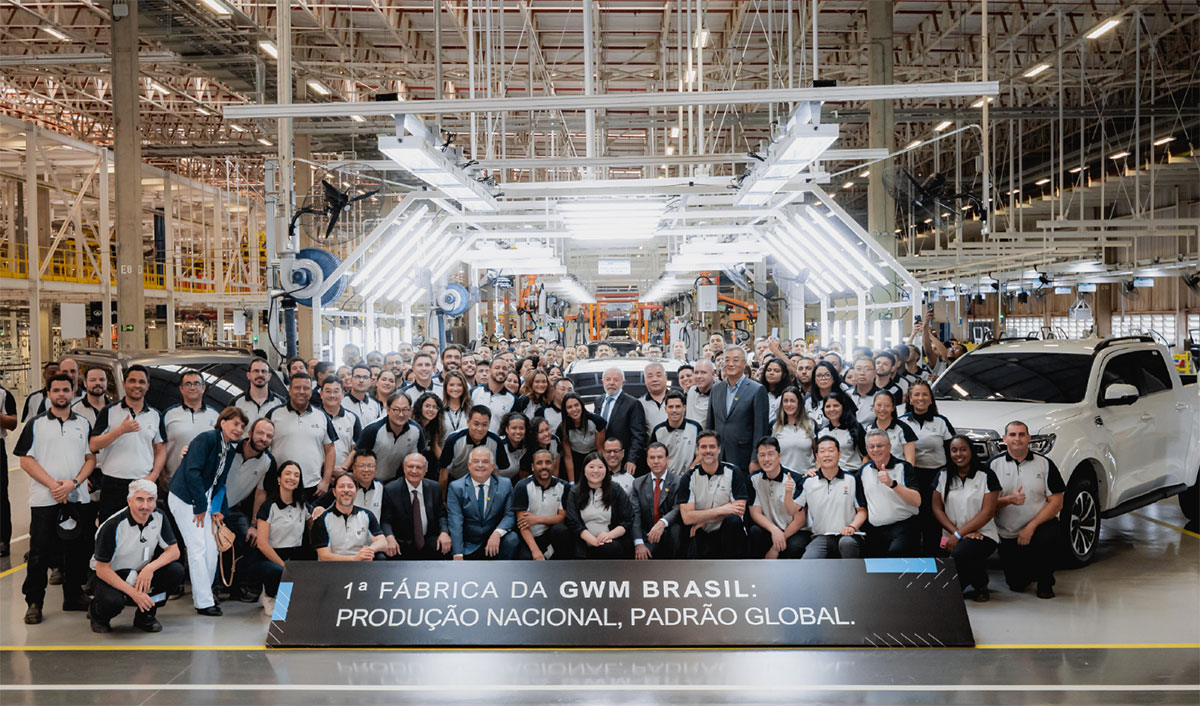
Great Wall Motor (GWM) has launched production at its factory in Brazil, becoming the latest Chinese automaker after BYD (HKG: 1211, OTCMKTS: BYDDY) to begin localized production in the South American country.

The factory, located in Iracemápolis, São Paulo, began production on August 15 local time, according to a statement released today by the Chinese automaker.

Brazilian President Luiz Inacio Lula da Silva witnessed the rollout of the first vehicle produced at the factory -- a Haval H6 GT -- and signed the vehicle's body.

  • The Brazil plant is GWM's third full-fledged vehicle manufacturing center outside of China.
  • GWM sold 15,700 vehicles in Brazil in the first half of this year, a year-on-year increase of 19.8 percent.
GWM's Brazil plant begins production with annual capacity of 50,000 cars
(Image credit: GWM)

2025081607433671.jpg
 

TIANJIN, Aug. 15 (Xinhua) -- Chinese researchers have unveiled a novel design for lithium metal batteries, leading to the development of a lithium metal pouch cell with an energy density exceeding 600 Wh/kg and a battery pack achieving 480 Wh/kg.

This innovation, conducted by researchers from China's Tianjin University, represents a 200 percent to 300 percent improvement in both energy density and endurance compared to current lithium-ion batteries. The study was published in Nature online on Wednesday.

Lithium metal batteries, with much higher theoretical energy density than traditional lithium-ion batteries, are widely regarded as a promising next-generation solution to overcome current limitations in battery performance and range.

However, current electrolyte designs remain limited by their inherent reliance on solvent-dominated or anion-dominated solvation structures, hindering substantial progress in both energy output and battery lifespan.

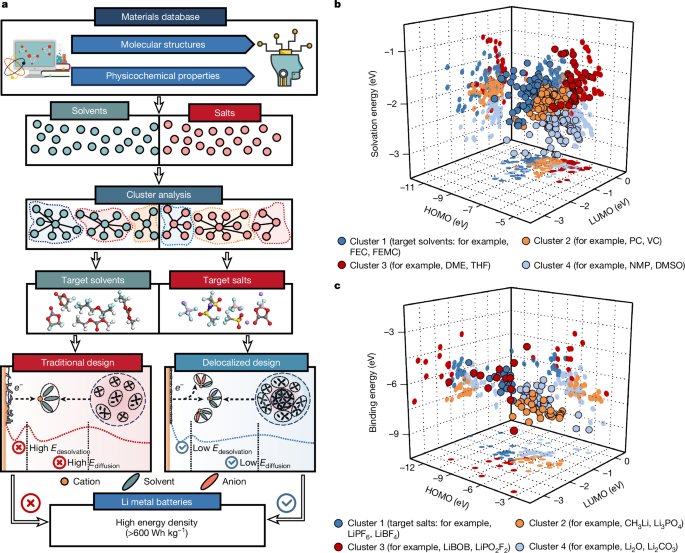
After years of collaborative research and development, the team at Tianjin University and their partners introduced a pioneering delocalized electrolyte design for high-energy lithium metal batteries, breaking the conventional dependence on dominant solvation structures.

According to Hu Wenbin, the lead researcher and faculty member at the School of Materials Science and Engineering at Tianjin University, the innovative delocalized electrolyte design fosters a more disordered solvation microenvironment, thereby optimizing the overall electrolyte performance.

This approach effectively balances solvent-dominated and anion-dominated solvation structures, reduces kinetic barriers, and stabilizes the electrode-electrolyte interface, offering strong potential for significant improvements in battery performance.

This innovation led to the development of the high-energy "Battery600" and the scalable "Pack480" battery pack, laying a solid foundation for the future use of lithium metal batteries. It also delivers excellent cycling stability and safety, underscoring its potential to drive progress in high-energy battery technologies.

Hu said that the team is making significant progress toward the commercialization and practical application of their research findings. "We have established a pilot production line for high-energy lithium metal batteries and successfully implemented this innovative technology in three models of domestically developed micro electric unmanned aerial vehicles," he said.


  • Published: 13 August 2025
Delocalized electrolyte design enables 600 Wh kg−1 lithium metal pouch cells

The development of high-energy lithium metal batteries (LMBs) is essential for advances in next-generation energy storage and electric vehicle technologies1,2,3. Nevertheless, the practical applications of LMBs are constrained by current electrolyte designs that inherently rely on dominant solvation structures, preventing transformative progress in performance optimization4,5. Here, we address this limitation through a delocalized electrolyte design that fosters a more disordered solvation microenvironment, thereby mitigating dynamic barriers and stabilizing interphases. The resulting delocalized electrolyte delivers notable energy densities of 604.2 Wh kg−1 in a 5.5-Ah LiNi0.9Co0.05Mn0.05O2 (Ni90)||Li pouch cell with a lean electrolyte design (1.0 g Ah−1) and 618.2 Wh kg−1 in a 5.2-Ah Ni90||Li pouch cell with an ultralean electrolyte design (0.9 g Ah−1), maintaining significant cycle stability over 100 and 90 cycles, respectively. In addition, the 70–104 V NCM811||Li battery pack (3,904 Wh) exhibits a high energy density of 480.9 Wh kg−1 and stable cycling over 25 cycles. These results demonstrate the need to circumvent inherent reliance on dominant solvation structures in electrolyte design to achieve the high-energy Battery600 and scalable Pack480 targets.
 

European customers can now purchase EV directly from China with homologation​


Aug 21, 2025 12:02 PM CEST

“For the first time, EV enthusiasts across Europe can order a new Chinese BEV or PHEV directly from China and have it delivered directly to their door. Our new service removes the traditional complexities and headaches associated with international car imports, says Jakub Gersl, COO of China EV Marketplace.
 
To view this content we will need your consent to set third party cookies.
For more detailed information, see our cookies page.
 

Users who are viewing this thread

Back
Top