Beijingwalker
VIP Member

Why the US is blocking Chinese EVs: 140% export surge proves they could dominate the market
Key takeaways
- Record Exports: China's new energy vehicle exports hit 349,000 units in March 2026, up 139.9% YoY, making up over half of total auto exports for the first time.
- Global Market Impact: Rising oil prices boost EV adoption worldwide; in Australia, Chinese EVs now hold 25% market share, overtaking Japanese brands after 28 years.
- Automaker Growth & Challenges: Major players like BYD and Geely report massive export increases, but high costs and limited after-sales infrastructure in developing markets remain barriers.
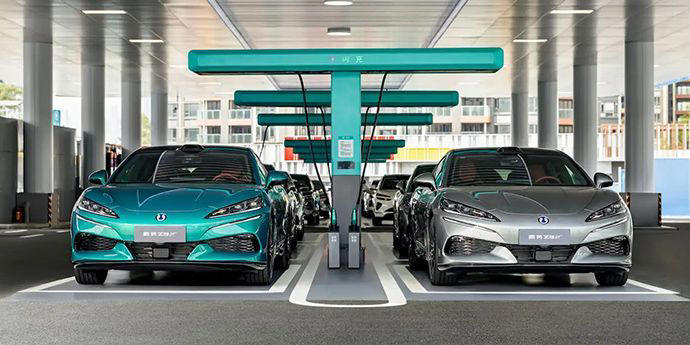
Photo BYD© Autopost
China's new energy vehicle exports hit a record 349,000 units in March 2026, up 139.9% year-over-year and accounting for more than half of the country's total automobile exports for the first time, according to the China Passenger Car Association. The milestone comes as rising global oil prices accelerate EV adoption worldwide.
A Deloitte study found that each $1-per-gallon increase in gas prices lifts EV sales by roughly 6%. In Australia, where pump prices reached the equivalent of about $7.57 per gallon, EV inquiries jumped 50%, helping Chinese brands claim 25% of the market and unseat Japanese automakers who had held the top position for nearly 28 years.
Major Chinese automakers are responding with aggressive export targets. BYD sold 120,000 new energy vehicles abroad in March, a 65.2% year-over-year increase, and raised its 2026 annual export goal from 1.3 million to 1.5 million units. Geely Auto posted stronger growth, with EVs making up 51,000 of its 81,000 overseas sales: a 479% jump from the prior year. Newer entrants including Leapmotor and GAC's iON brand reported month-over-month export gains ranging from 70% to 170%.
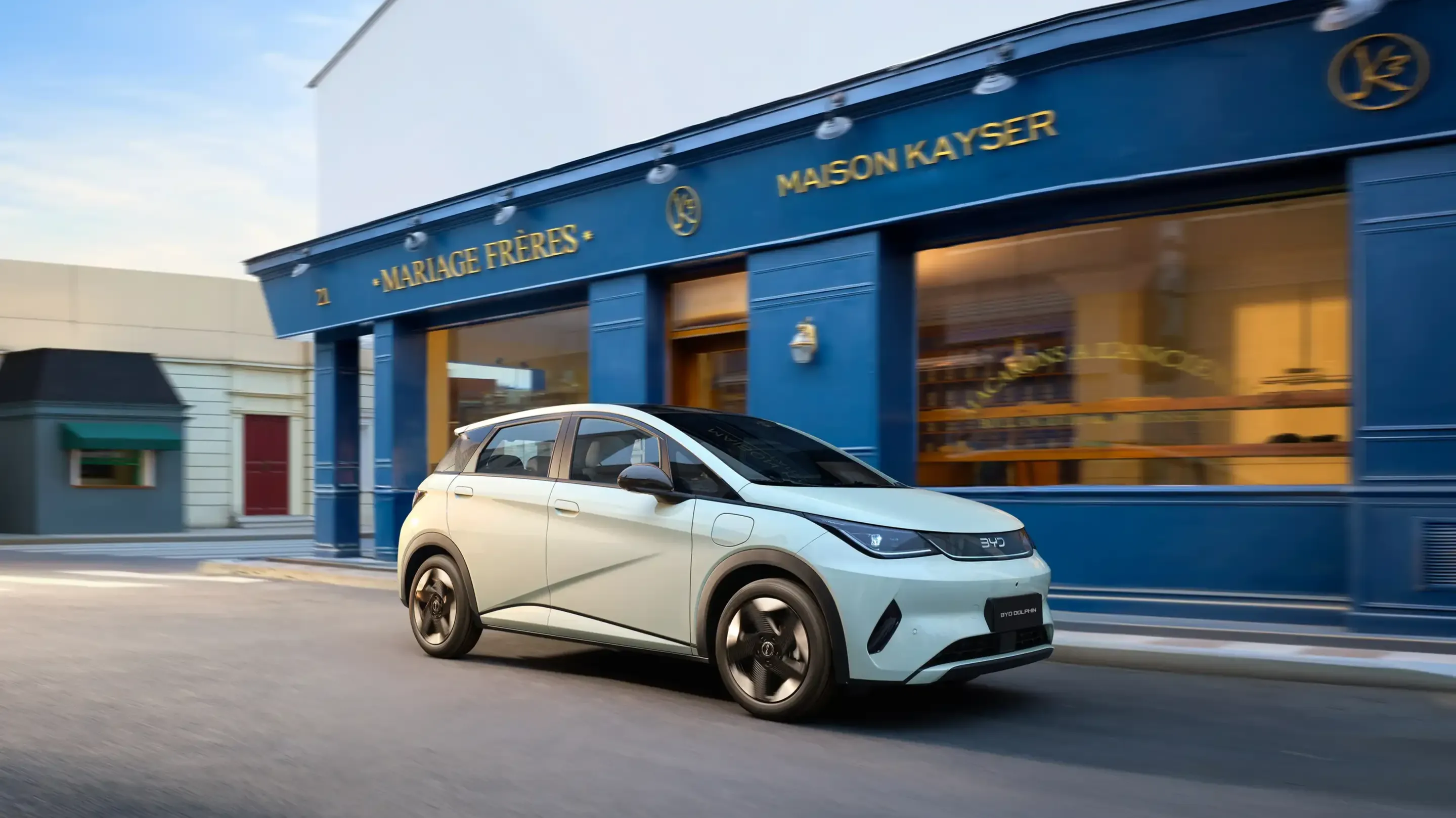
Structural barriers remain. In developing markets, vehicle costs still outpace purchasing power. The BYD Dolphin carries a price of $45,300 in Colombia, putting it out of reach for most buyers. After-sales infrastructure also lags in several regions, with parts shortages pushing repair timelines to several months. China's total automobile exports reached 695,000 units in March, with new energy vehicles comprising exactly half of that figure: a clear signal of how far the industry has shifted away from internal combustion.