China Science And Technology News

China is planning a mission to Enceladus. Here’s what we know

Saturn's moon Enceladus is one of the most intriguing places in the Solar System, especially when it comes to the search for life. Not only does it have liquid water beneath its icy crust, but it may also contain the chemical ingredients needed for Earth-like life.

Now, scientists from China, a country whose deep space exploration capabilities have rapidly advanced over the past decade, are proposing a mission to Enceladus to investigate what lies beneath its surface.

A team from China’s Deep Space Exploration Laboratory (DSEL), a national research institute focused on deep space science, and the Shanghai Institute of Satellite Engineering (SISE) has proposed a three-part mission consisting of an orbiter, a lander, and a deep-drilling robot. Their goal is to explore Enceladus’s potential habitability by analyzing both surface features and material from beneath the ice.

Such a mission could significantly expand understanding of the habitability of icy worlds, planetary formation, the possibility of life beyond Earth, and the origin of life itself. It would also boost China’s technological capabilities and strengthen its leadership in planetary science.

Dive deeper into their mission proposal which outlines the three-part spacecraft architecture in our article (it's always free): https://planetary.org/articles/china-eyes-saturns-icy-moon-enceladus-in-the-hunt-for-habitability
To view this content we will need your consent to set third party cookies.
For more detailed information, see our cookies page.
 
Big news in particle physics: JUNO is live!

The Jiangmen Underground Neutrino Observatory has begun collecting data with its 20,000-ton liquid detector 700m underground in China.

JUNO will:
  • Detect solar, reactor, Earth & supernova neutrinos
  • Pin down neutrino mass ordering
  • Unite 700+ scientists from 17 countries and regions
  • Run for decades
The quest to unlock the secrets of the universe’s tiniest particles has begun. For more info: https://english.cas.cn/newsroom/news/202508/t20250825_1051326.shtml
To view this content we will need your consent to set third party cookies.
For more detailed information, see our cookies page.

To view this content we will need your consent to set third party cookies.
For more detailed information, see our cookies page.
 
To view this content we will need your consent to set third party cookies.
For more detailed information, see our cookies page.


Bambu Lab captured 29% of the consumer-grade 3D-printer market in 2024 by shipping approximately 1.2 million units, overtaking Creality, which shipped around 700,000 units for a 16.9% market share in the same period. Creality's lower unit volume was a result of a strategic shift toward higher-end, more profitable products, reducing its overall unit sales while increasing its average selling price and market share in a shifting market.
 

Hypershell X Pro: This EXOSKELETON turned me into a SUPERHUMAN! | smashpop​

To view this content we will need your consent to set third party cookies.
For more detailed information, see our cookies page.


Hypershell has gone from 0 to 1 by delivering an ultra-high price–performance ratio and focusing on a single, well-defined use case. If it keeps iterating products and scaling channels over the next three years, it could replicate DJI’s trajectory in drones and capture more than 10 % of the global consumer-grade exoskeleton market.
 
To view this content we will need your consent to set third party cookies.
For more detailed information, see our cookies page.

China’s 0.12 mm ultra-thin glass delivers ≥600 MPa strength and ≥1 million flex cycles, serving high-end displays and new-energy sectors such as foldable phones, ultra-slim TVs, automotive displays, and photovoltaic modules.
 
Long March 10: Xu Hongping, rocket series chief commander, says development consists of 4 steps:
-- 3-engine test (June 2024)
-- 2 X tethered 7-engine hit fires (Aug. & Sept)
-- low-altitude flight & recovery test (next)
-- orbital flight test
To view this content we will need your consent to set third party cookies.
For more detailed information, see our cookies page.
 
To view this content we will need your consent to set third party cookies.
For more detailed information, see our cookies page.


In the field of power banks (portable chargers), Anker is the global leader, ranking first in sales for four consecutive years, with a global market share as high as 35%.

In the portable charger market, Anker also holds an important position, with a market share of approximately 19% in 2023.

In the outdoor portable energy storage market, Anker ranks third globally, with a market share of about 8%.

In the overall consumer electronics accessories market, Anker is one of the top five brands worldwide, but its market share is relatively low, at around 1%.
 

THE FUTURE IS REALLY HERE : YARBO Autonomous Snow Blower/Mower ROBOT​


To view this content we will need your consent to set third party cookies.
For more detailed information, see our cookies page.
 
Translated:

Fudan team first verified the ultra-fast flash memory integration process in the world: 20 nanosecond ultra-fast programming, 10 years of non-volatility – Passionategeekz​

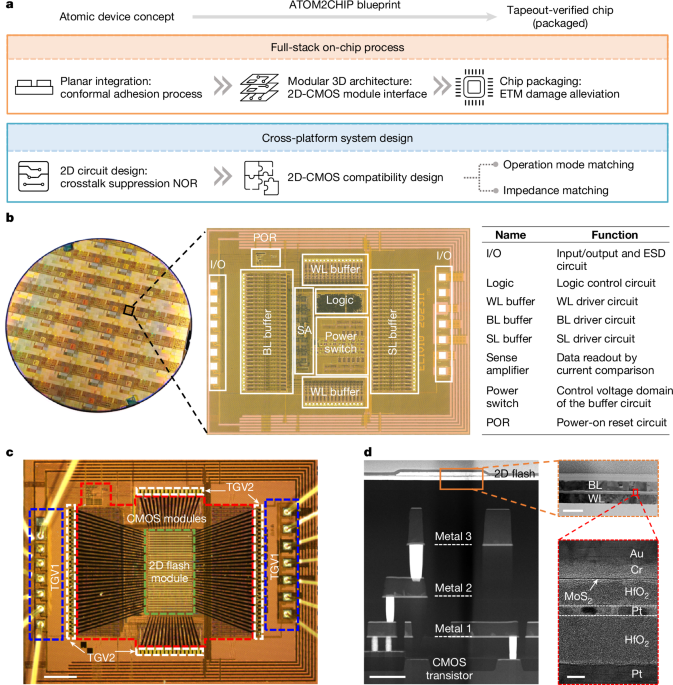
On August 13, according to Fudan University’s official news today, the rapid development of artificial intelligence urgently requires high-speed non-volatile storage technology. The current mainstream non-volatile flash memory programming speed is in the hundreds of microseconds, which cannot support application needs. The previous research of the Zhou Peng-Liu Chunsen team of Fudan University showed that two-dimensional semiconductor structures can increase the speed by more than a thousand times.Achieving disruptive nanosecond-level ultra-fast storage flash memoryHowever, achieving large-scale integration and moving towards practical application is extremely challenging.

Starting from interface engineering, the Fudan University team verified the integration verification of 1Kb ultrafast flash memory array for the first time in the world, and proved that the ultrafast characteristics can be extended to the sub-10 nanometer scale. At 5 pm Beijing time on August 12, the relevant results were published in the journal “Large-scale integration of two-dimensional ultrafast flash memory” (“A scalable integration process for ultrafast two-dimensional flash memory”) was published in the top international journal Nature Electronics, DOI: 10.1038/s41928-024-01229-6.

View attachment 59466

According to reports, the team developed super-interface engineering technology and realized a heterogeneous interface with atomic-level flatness in large-scale two-dimensional flash memory. Combined with atomic-level precision characterization technology, it verified that the integration process is significantly better than the international level. Passed strict DC storage window and AC pulse storage performance tests,Proved that the yield of 2D flash memory is as high as 98.4% at nanosecond non-volatile programming speed in 1Kb storage scaleThis yield rate is higher than the 89.5% yield rate requirement for flash memory manufacturing in the International Technology Roadmap for Semiconductors.

At the same time, the research team developed a self-aligned process that does not rely on advanced lithography equipment, combined with the original innovative ultra-fast storage stacked electric field design theory, and successfully realized an ultra-fast flash memory device with a channel length of 8 nanometers, which is currently the shortest channel flash memory device and has broken through the physical size limit of silicon-based flash memory (about 15 nanometers). With the support of atomically thin channels,This ultra-small device features ultra-fast 20 nanosecond programming, 10-year non-volatility, 100,000 cycle life and multi-state memory performancewhich is expected to promote the industrialization of ultra-fast disruptive flash memory technology.
Progress of above...

 
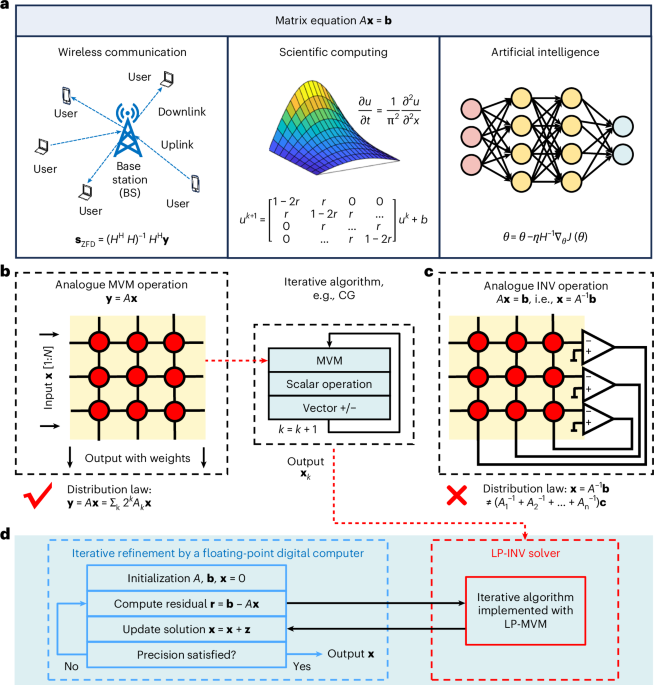
In a remarkable technological advancement, researchers have successfully developed a high-precision and scalable analogue matrix equation solver utilizing resistive random-access memory (RRAM) chips. This breakthrough represents a significant stride towards more efficient computing methodologies, particularly in the realms of artificial intelligence and telecommunications.
 

Flying Chinese Cars Aspire to Be Latest Wonder of Gulf’s Skies


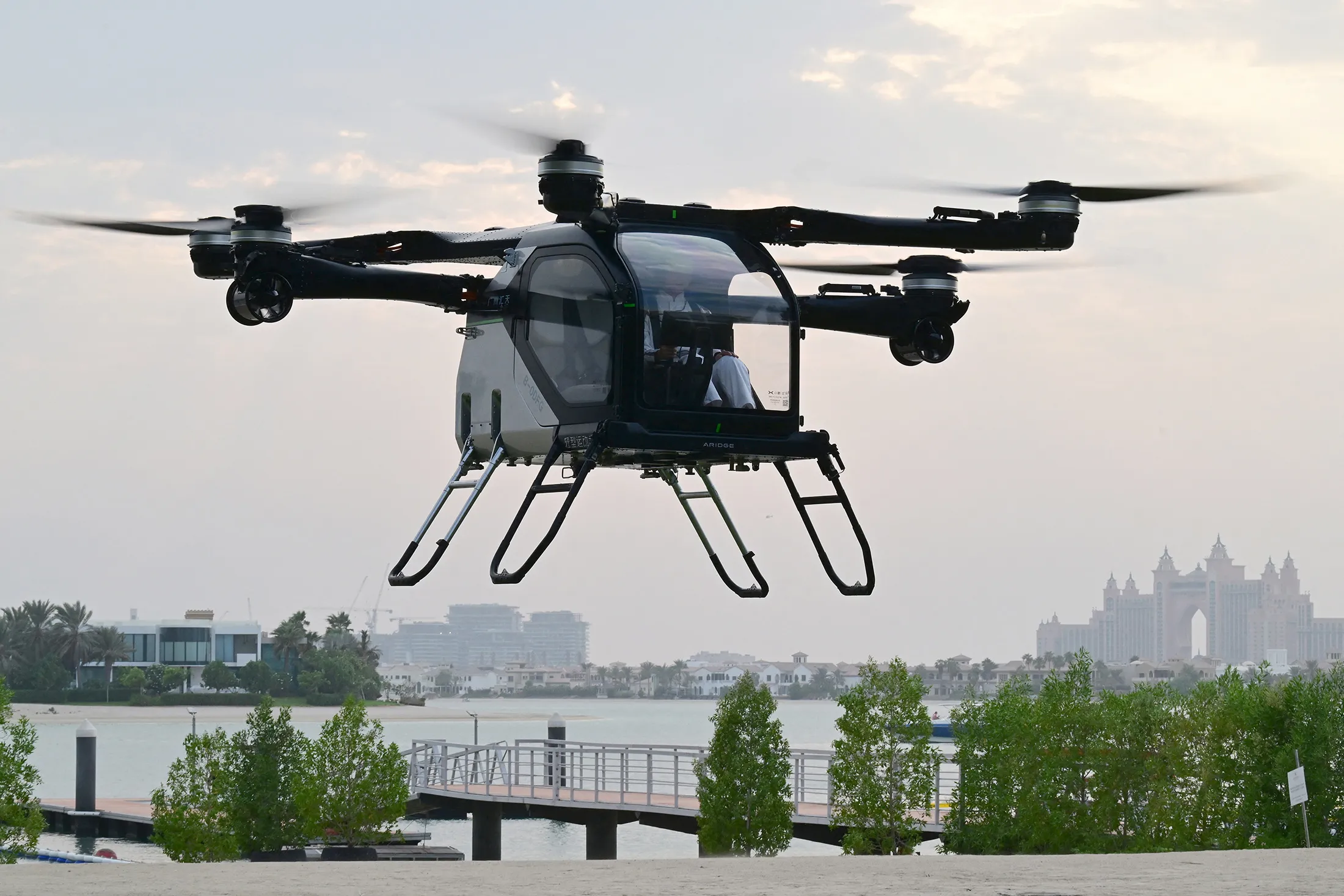
The modular Aridge X3-F hovers during its presentation and flight demonstration in Dubai on Oct. 12.

The modular Aridge X3-F hovers during its presentation and flight demonstration in Dubai on Oct. 12.
Photographer: Giuseppe Cacace/AFP/Getty Images

By Eman Abouhassira and Omar El Chmouri
October 13, 2025 at 2:11 PM GMT+8

In a city that’s no stranger to jaw-dropping sights, the Chinese-made flying car hovering over one of Dubai’s glitziest beach resorts still turned heads.

Demonstrating a manned flight of its new Land Aircraft Carrier to a select crowd in the United Arab Emirates on Sunday, Guangzhou-based Aridge was making its latest pitch to become a transport option of choice for the Gulf’s super-rich.

Released from the trunk of a robust, wheeled mothership – essentially, an outsized, futuristic-looking people carrier – the electric aircraft can take off and land vertically like a conventional helicopter. It has already attracted 600 pre-orders, including from UAE-based Ali & Sons Group and Qatar’s Almana Group, according to Aridge.

Aridge’s flying car, which is controlled by a joystick and has an automated flight mode, will cost under US$270,000 in the Chinese market. No price has yet been announced for the UAE.

“It is designed to be accessible and able to be flown by ordinary people, everyone – you don’t need to be a professional pilot,” Michael Chao Du, Aridge’s chief financial officer and vice-president, said in an interview.

Aridge, a unit of XPENG Motors, which rebranded from XPENG AEROHT, is part of a growing trend in the energy-rich UAE – a nation famed for skyscrapers and ostentatious displays of technology and wealth. The company suffered a setback last month when one of its aircraft caught fire at a Chinese air show.
 
To view this content we will need your consent to set third party cookies.
For more detailed information, see our cookies page.


Oct 14, 2025

A flying car developed by Chinese company XPENG AEROHT take to the skies over Dubai.
 
China’s Latest Battery Breakthrough Could Mark the End of the Gasoline Era

China Just Invented the Battery That Will Kill Gas Cars​

China’s breakthrough in solid-state batteries is expected to extend an electric vehicle’s range to 1,000 kilometres on a single charge — even surpassing the 600–800 km range of a conventional petrol car on one full tank. If realised, electric vehicles would no longer be a supplement to fuel-powered cars, but their replacement.
October 16, 2025

Solid-state batteries, as the core technological pathway for next-generation lithium batteries, hold broad application potential in fields such as new energy vehicles and the emerging low-altitude economy. In recent months, Chinese scientists have made a series of breakthroughs in this frontier field.

Recently, Chinese researchers successfully cracked the key bottleneck of all-solid-state lithium metal batteries, enabling a leapfrog improvement in performance. While today’s electric vehicles typically offer a maximum range of around 500 km, this new solid-state battery technology is expected to push that figure beyond the 1,000 km ceiling.

This means that a single full charge could take an EV farther than most gasoline cars can travel on a full tank—typically 600–800 km. In practical terms, it would allow drivers to go from Shenzhen to Changsha, from Paris to Milan, or even make a round trip between Los Angeles and San Francisco without stopping to recharge. Once realized, this breakthrough would eliminate “range anxiety” for electric vehicles entirely and set the stage for the eventual end of the gasoline era.

111.png


The Previous Bottleneck of Solid-State Batteries​

Charging and discharging in batteries rely on lithium ions shuttling back and forth between the anode and cathode. These lithium ions act like “delivery couriers,” transporting electrons from the positive electrode to the negative one. The solid-state electrolyte functions as the “road” the couriers travel on.

However, commonly used sulfide-based solid electrolytes are extremely hard and brittle—like ceramics—whereas lithium metal electrodes are as soft as modeling clay. When the two are brought into contact, it’s like pressing clay onto a ceramic plate: the interface is full of pits and gaps. Such an uneven “road” severely hinders ion transport, leading to poor charging and discharging efficiency—one of the main reasons solid-state batteries haven’t yet been widely commercialized.

Now, several Chinese research teams have stepped in. By achieving breakthroughs in three key technologies, they have found ways to make the “ceramic plate” and “modeling clay” fit together seamlessly, resolving the solid-solid interfacial contact problem and clearing the final obstacle to long-range solid-state battery performance.

“Special Glue” — Iodine Ions​

A team led by the Institute of Physics of the Chinese Academy of Sciences developed a “special glue” that automatically migrates toward the interface between the electrode and electrolyte when the battery is operating. It actively attracts lithium ions to flow toward the gaps or pores and fills them in.

Through this self-repair mechanism, the electrode and electrolyte can form a perfectly tight bond, overcoming the biggest hurdle to practical all-solid-state batteries.

In addition, scientists at the Institute of Metals, Chinese Academy of Sciences, created a polymer-based “skeleton” for the electrolyte, giving the battery stretchability and resilience—akin to an upgraded plastic wrap. It can withstand over 20,000 bending cycles and even twisting into a rope shape without damage, making it immune to everyday deformation.

Meanwhile, they embedded tiny “chemical modules” into the flexible framework—some accelerate lithium-ion transport, while others capture extra ions—resulting in an 86% increase in energy storage capacity.

The Third Chinese Innovation: “Fluorine Reinforcement”​

A research team at Tsinghua University modified the electrolyte using fluorinated polyethers. Fluorine is exceptionally resistant to high voltage; the “fluoride protection shell” formed on the electrode surface prevents the electrolyte from being pierced by high-voltage stress.

This technology enables the battery to pass both needle-puncture tests at full charge and sustained exposure to 120°C without explosion, delivering both safety and extended range simultaneously.
 

China announces breakthrough in solid-state batteries, doubling NEV range​

2025-10-16 Ecns.cn

(ECNS) -- Chinese researchers have announced a major advance in all-solid-state lithium battery technology that could double the driving range of new energy vehicles to 1,000 kilometers on a 100-kilogram battery, according to state media.

All-solid-state lithium batteries have long faced a challenging problem: maintaining tight contact between the solid electrolyte and the lithium metal electrode.

Chinese scientists have developed a self-adaptive interphase in all-solid-state lithium batteries that maintains intimate contact between the lithium metal anode and solid electrolyte without external pressure, a breakthrough that decisively overcomes a major bottleneck toward commercialization.

The researchers from the Institute of Physics of the Chinese Academy of Sciences (CAS), Ningbo Institute of Materials Technology and Engineering of the CAS and Huazhong University of Science and Technology found that the contact between the lithium electrode and sulfide solid electrolyte in all-solid-state lithium batteries is not ideal, with numerous tiny pores and cracks present. These issues not only shorten battery lifespan but may also pose safety risks.

To address this challenge, these researchers introduced iodide ions into the sulfide solid electrolyte. During battery operation, these iodide ions move to the electrode interface under the electric field, forming an iodine-rich interface. The interface can actively attract lithium ions, automatically filling all gaps and pores like self-healing, thereby maintaining tight contact between the electrode and electrolyte.

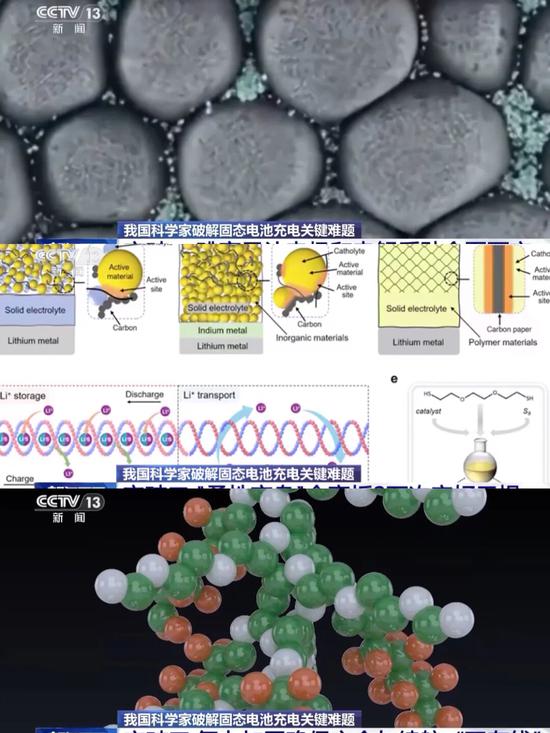
Chinese researchers announces a major advance in all-solid-state lithium battery technology. (Screenshot Photo)

Chinese researchers announces a major advance in all-solid-state lithium battery technology. (Screenshot Photo)

Prototype batteries prepared based on this technology have demonstrated stable and excellent performance even after hundreds of charge-discharge cycles under standard testing conditions, far exceeding the level of similar existing batteries.

Meanwhile, a research team from the Institute of Metal Research under the CAS has successfully developed a flexible battery capable of enduring up to 20,000 bends. The innovation offers a new solution to long-standing challenges such as high interfacial resistance and low ion transport efficiency in solid-state batteries.

In addition, a research team from Tsinghua University has developed a novel fluorinated polyether electrolyte that significantly enhances the high-voltage resistance and interfacial stability of lithium batteries.

Utilizing the technology, the fully charged battery passed nail penetration and 120°C hotbox (static for 6 hours) safety tests without combustion or explosion, demonstrating excellent safety performance. This research is expected to provide critical technical insights for the development of mature solid-state battery products.


Solid-state battery: 100 kg pack to exceed 1,000 km range, Chinese scientists overcome bottleneck​

Oct 16, 2025 12:55 PM CEST

61f135c9ebb519b0f3214a8a4c91419b-picsart-aiimageenhancer-800x475.jpg

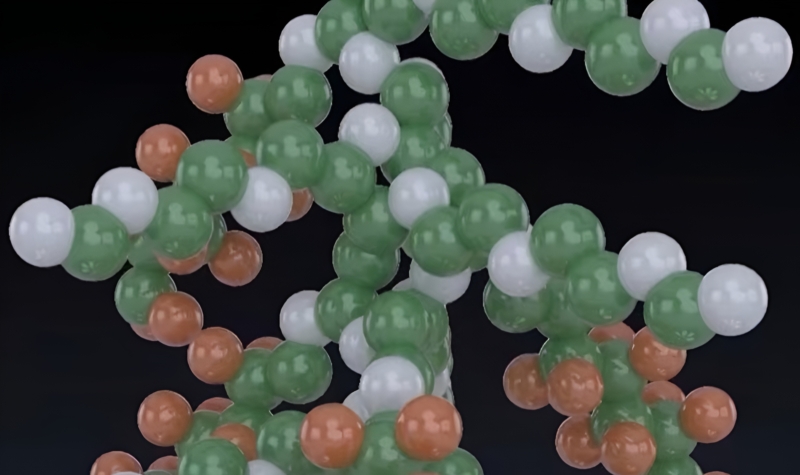
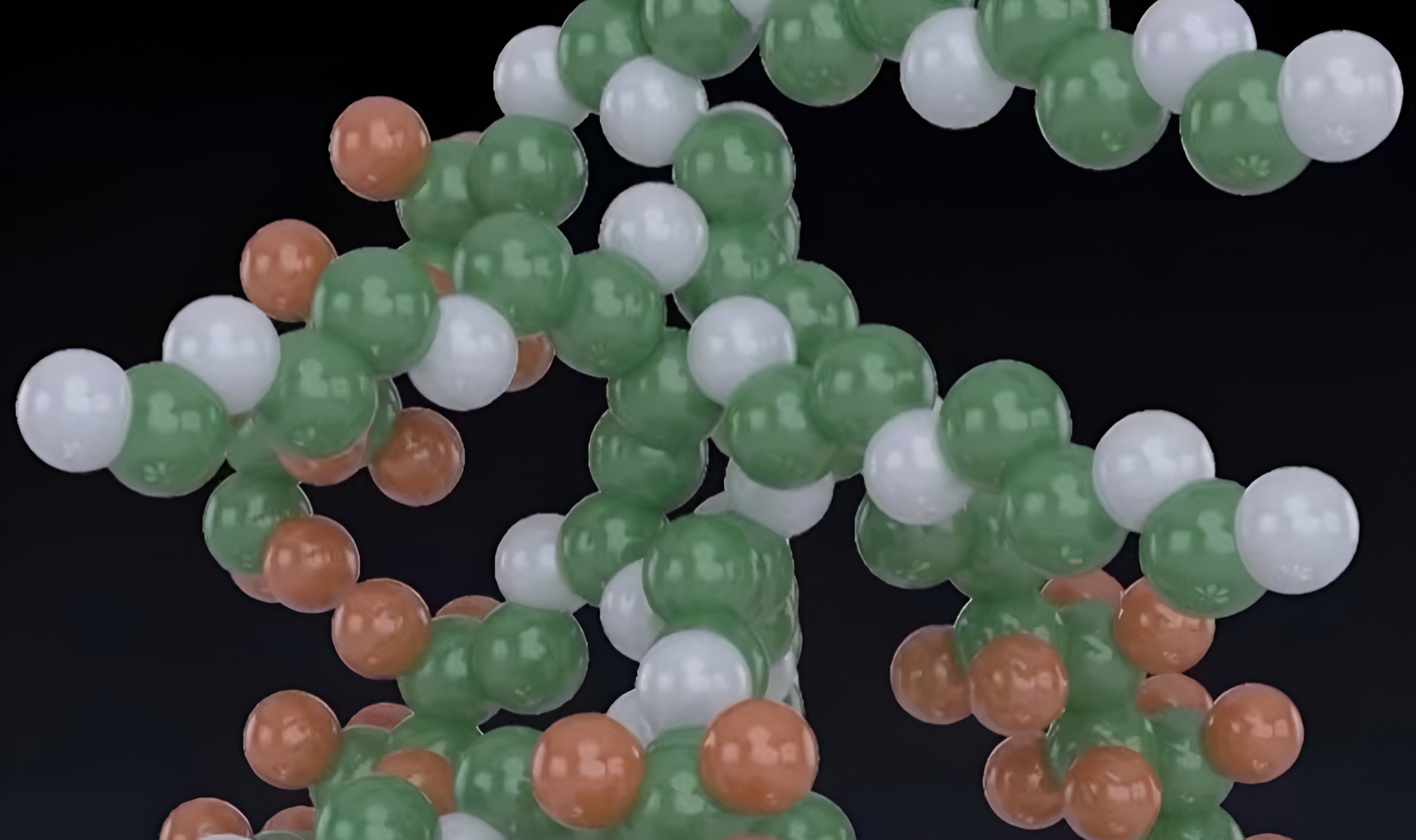
“Tsinghua University researchers reinforce solid-state battery electrolytes with fluorinated polyether, improving high-voltage safety and stability.” Credit: CCTV

Chinese research teams have achieved significant progress in addressing one of the main technical bottlenecks in all-solid-state lithium-metal batteries, according to a report by China Central Television (CCTV), the country’s state-run national broadcaster, on October 16. The development could potentially allow a 100-kg battery pack to deliver driving ranges exceeding 1,000 km, compared to roughly 500 km previously.

Conventional sulfide-based solid electrolytes are extremely hard and brittle, similar to ceramics, while lithium-metal anodes are soft and pliable. When combined, the uneven interface between these two materials impedes ion transport, reducing the efficiency of charging and discharging.

To overcome this issue, several research groups across China have developed different approaches aimed at improving the solid–solid interface between the electrode and electrolyte. Three primary methods were highlighted in the CCTV report.

The first comes from the Institute of Physics at the Chinese Academy of Sciences, which introduced iodine ions as an interfacial “mediator.” During battery operation, these ions migrate to the interface between the electrode and electrolyte, where they help attract lithium ions and fill microscopic gaps. This self-adjusting mechanism allows closer contact between materials, addressing one of the key challenges to practical solid-state batteries.

The second method, developed by the Institute of Metal Research under the Chinese Academy of Sciences, focuses on mechanical flexibility. Researchers created a polymer-based framework for the electrolyte, improving its ability to resist bending and twisting while maintaining structural integrity.

Tests reportedly showed that the modified material could withstand 20,000 bending cycles and twisting without damage. Additional chemical components within the structure also enhanced lithium-ion mobility and increased the material’s energy storage capacity by up to 86%.

The third approach, from Tsinghua University, involves using fluorinated polyether materials to reinforce the electrolyte. Fluorine’s strong resistance to high voltage helps form a stable fluoride layer on the electrode surface, preventing electrical breakdown under stress.

The modified cells reportedly passed puncture tests and 120°C thermal tests without explosion, showing improved safety and stability at high charge levels.

Together, these advances suggest that solid-state lithium-metal batteries in China are approaching a stage where both energy density and safety could be significantly improved. However, further testing and industrial validation will be required before commercial applications.


Users who are viewing this thread

Back
Top