China Science And Technology News

China creates world’s first clone-hybrid rice

Team developed 6 apomictic rice varieties tested over multiple generations in Hainan and Zhejiang provinces

Published: 2:43pm, 7 Jan 2026Updated: 6:13pm, 7 Jan 2026

Chinese researchers have developed a form of hybrid rice that can replicate itself through seeds that are clones, preserving high-yield traits generation after generation, according to the development team.

The scientists say their breakthrough could transform global agriculture by dismantling the biggest barrier to hybrid rice production: the need for farmers to buy expensive new hybrid seeds every season.

If all rice farmers could plant the new hybrid variant, the world’s rice production could double, according to some industry estimates.

However, the price of hybrid seeds can reach 200 yuan (US$28) per kilogram in China, and even higher in other countries – up to 100 times more than that of regular rice seeds.

Moreover, the offspring of these high-priced seeds lose their hybrid vigour – superior traits from crossbreeding – forcing farmers to buy seeds again every year.

A research team led by Wang Kejian at the Chinese Academy of Agricultural Sciences’ China National Rice Research Institute has developed hybrid rice capable of near-perfect clonal reproduction through apomixis – a process in which seeds develop without fertilisation.


Fixing Hybrid Rice: >99% Efficient Apomixis with Near-Normal Seed Set

1 State Key Laboratory of Rice Biology and Breeding, China National Rice Research Institute, Chinese Academy of Agricultural Sciences, Hangzhou, China.

2 National Nanfan Research Institute (Sanya), Chinese Academy of Agricultural Sciences, Sanya, China.

Abstract
Apomixis, a form of clonal seed reproduction, offers a transformative approach to agricultureby enabling the stable fixation of hybrid vigor and elite heterozygosity across generations.However, the practical implementation of synthetic apomixis has been hindered by highlyvariable clonal efficiency or significant yield penalties. In this study, through integratedtranscriptomic analyses, we identified a sperm-specific transcription factor in rice that likelyfunctions as a key initiator of embryogenesis. Ectopic expression of this factor in egg cellseffectively induces parthenogenesis and produces haploid progeny. When combined withclonal gametogenesis, this system achieved nearly complete synthetic apomixis, with clonalseed production rates exceeding 99% across all derived hybrid rice lines. Moreover, wegenerated apomictic hybrid lines that not only consistently produced over 99%clonal seedsbut also exhibited seed yields comparable to conventional F1 hybrids. These findings establisha scalable and agriculturally viable platform for synthetic apomixis, achieving stable fixationofheterosis through clonal seeds and paving the way for the commercial deployment ofself-perpetuating hybrid crops.
 

China Dominates Humanoid Robot Shipments

Robot companies from China account for vast majority of humanoid robot shipments in 2025, with large presence at CES
By Matthew Broersma, January 9, 2026, 8:00 am

A-Unitree-robot-at-an-immigration-checkpoint-in-Hangzhou.-Image-credit-Unitree-684x513.jpg


Humanoid robot makers from China dominated shipments of the technology last year, with a single company making up nearly half of the roughly 13,000 such units sold in 2025, research firm Omdia said.

Start-up Shanghai AgiBot Innovation Technology shipped an estimated 5,168 humanoid robots last year, at the top of the list, followed by Unitree and UBTech, according to Omdia’s figures.

UBTech's Walker humanoid robot. Image credit: UBTech
Image credit: UBTech

Industrial scale​

Global sales more than quintupled from 2024, the figures said, highlighting interest in what some refer to as “physical AI”, as well as the ability of Chinese companies to produce such robots at industrial scale.

US firms such as Tesla and Figure AI are also planning to make humanoid robots for industrial and home use, but so far those plans remain at an early stage.

Tesla is estimated to have produced only a few hundred of its Optimus robots to date.

“Chinese vendors are setting benchmarks in large-scale production,” Omdia said.

Chinese firms are also offering units at lower prices, with Unitree offering an entry-level model for $6,000 (£4,466) and AgiBot selling one unit for $14,000.

Tesla has estimated $20,000 to $30,000 for Optimus, but the machines are not yet in full production.

CES presence​

Omdia said humanoid robot shipments are likely to grow to 2.6 million in 2035 due to increasingly capable AI models, dextrous physical manipulators and other factors.

Chinese companies dominated the humanoid robot scene at the CES trade show in Las Vegas this week, with Chinese companies occupying 21 of the 38 booths devoted to the technology, according to CES data

China’s Booster Robotics showed 30 robots moving in synchronised choreography, while X-Humanoid demonstrated the sprinting abilities of its Tiangong Ultra, and Unitree showed a dozen of its machines carrying out acrobatic routines.


Microsoft survey says China’s DeepSeek dominates developing world while West watches

DeepSeek-AI-adoption-surges-among-Chinese-government-agencies.webp


In this post:​

  • DeepSeek’s free, open-source AI model is driving adoption in developing countries, capturing 89% of China’s market.
  • Microsoft report reveals AI adoption gap is widening, with wealthy countries adopting AI nearly twice as fast as developing nations.
  • Western security concerns mount as DeepSeek extends Chinese influence, with Australia, Germany, and the U.S. limiting usage.
DeepSeek, a Chinese AI startup that competes with OpenAI’s ChatGPT, is picking up steam across developing nations. The trend could help narrow the technology gap between rich and poor countries, new research suggests.

Microsoft put out a report Thursday showing 16.3% of people worldwide were using generative AI tools from October through December. That’s up from 15.1% the previous quarter.

But there’s a problem. Wealthier countries are adopting AI nearly twice as fast as developing ones, making the divide bigger instead of smaller.

Juan Lavista Ferres, chief data scientist at Microsoft’s AI for Good Lab, said his team is worried. “We are seeing a divide and we are concerned that that divide will continue to widen,” he said. The lab used anonymous device data to track how people use AI globally.

Countries that invested early in digital systems lead the pack. The United Arab Emirates, Singapore, France, and Spain had the highest rates of AI users. A separate Pew Research Center survey from October found similar patterns. Both studies showed South Korea really embracing the technology.

Microsoft has skin in the game here; the company’s future depends partly on AI tools becoming popular and making money. But Lavista Ferres said his lab is looking at the bigger picture.

DeepSeek’s open-source model disrupts traditional AI markets​

DeepSeek started in 2023 and is helping drive AI adoption in poorer countries because it’s free and “open source.” Anyone can access and modify key parts of the technology.

The company released its R1 model in January 2025, claiming it cost less to run than OpenAI’s version. That got attention in tech circles worldwide. Many were surprised at how fast China is catching up to the U.S. in this space. Nature, a leading science journal, even published peer-reviewed research last September co-authored by DeepSeek founder Liang Wenfeng. They called it a “landmark paper.”

DeepSeek works well for math and coding tasks, according to Lavista Ferres. But it handles politics differently than American AI models.

“We have observed that for certain type of questions, of course, they follow the same type of access to the internet that China has,” he said. “Which means that there will be questions that will be answered very differently, particularly political questions. In many ways that can have an influence on the world.”

Anyone can use DeepSeek’s chatbot for free on the web and mobile. Developers can also build on top of its core system at no cost. Microsoft’s report said this “lowered the barrier for millions of users, especially in price-sensitive regions.”

DeepSeek didn’t respond to questions about the report.

Western nations raise security concerns over Chinese AI platform​

Some developed countries aren’t happy about it. Australia, Germany, and the U.S. have tried limiting DeepSeek use over security worries. Microsoft even banned its own employees from using it last year. The report found DeepSeek usage stayed low in North America and Europe.

It’s a different story in China, Russia, Iran, Cuba, and Belarus – places where U.S. tech services face restrictions or limited access. DeepSeek usage jumped in those countries.

The platform often comes pre-loaded on phones made by Chinese companies like Huawei, which helps explain its spread.

Numbers from the report show DeepSeek has 89% of China’s market. Belarus came in at 56% and Cuba at 49%, though both countries had low AI use overall. Russia was around 43%.

Syria and Iran saw DeepSeek capture about 23% and 25% of their markets. In African countries like Ethiopia, Zimbabwe, Uganda, and Niger, the company held between 11% to 14% market share.

AI has become a geopolitical tool as Chinese influence is expanding. “Open-source AI can function as a geopolitical instrument, extending Chinese influence in areas where Western platforms cannot easily operate,” the report said.


China dominates global humanoid robot shipments in 2025, outpacing U.S. rivals

By Phong Ngo January 9, 2026 | 01:22 am PT

Chinese humanoid robot makers shipped most of the roughly 13,000 units delivered worldwide in 2025, far surpassing U.S. rivals such as Tesla and Figure AI, according to research firm Omdia.

China-based startup Shanghai AgiBot Innovation Technology shipped an estimated 5,168 humanoid robots last year, the highest globally, followed by Unitree Robotics and UBTECH Robotics, Omdia data showed.

"China could be the most important market for humanoids," RBC Capital Markets said in a note this month. The bank projects a global total addressable market of US$9 trillion by 2050, with China accounting for more than 60% of that figure, CNBC reported.

Price competitiveness has been a major advantage for Chinese manufacturers. Chinese startup Noetix Robotics unveiled Bumi, a 94-cm humanoid robot priced at 9,998 yuan ($1,380), slightly less than Apple’s iPhone 17 Pro Max, which starts at 9,999 yuan in China, in October 2025.

Unitree offers an entry-level humanoid robot priced at about $6,000, while AgiBot charges roughly $14,000 for a scaled-down model. By comparison, Tesla chief executive officer Elon Musk has previously said the company’s Optimus humanoid robots could cost between $20,000 and $30,000, although the product has yet to enter full-scale production, according to Bloomberg.

image-2-1767949644-6885-1767949794.jpg

Humanoid robot Walker S2 developed by Chinese robotics firm UBTECH walk in unison. Photo courtesy of UBTECH Robotics

"China currently leads the United States in the early commercialization of humanoid robots," Andreas Brauchle, a partner at consultancy Horváth, told CNBC. "While both countries are expected to build similarly large markets over time, China is scaling more rapidly in this initial phase."

In November 2025, Shenzhen-based UBTECH Robotics released a video showing hundreds of its Walker S2 humanoid robots standing in formation and walking in unison into shipping containers. The footage drew skepticism from Brett Adcock, founder and CEO of U.S. robotics firm Figure, who described it as "fake."

The company’s chief brand officer, Tan Min, said the reaction reflected "a lack of understanding" of China’s manufacturing strength and its advanced robotics ecosystem. "Critics should come to China and see for themselves the vibrant growth in the humanoid robotics sector and engage directly with the industry chain," Tan said.

Humanoid robots are designed to resemble human form and movement, combining artificial intelligence algorithms with complex hardware such as advanced semiconductors. Last year, Unitree’s dancing humanoid robots gained nationwide attention during China’s Spring Festival Gala, helping fuel a surge in development and investment. China now has more than 150 humanoid robot manufacturers, according to the South China Morning Post.

Omdia expects global humanoid robot shipments to reach 2.6 million units by 2035, driven by advances in AI models, dexterous robotic hands, and self-reinforcement learning that are making humanoids viable for industrial, service, and eventual household use.
 
China’s Research Supremacy in Rare Earth Element Development
By Muflih Hidayat
on January 8, 2026
f5c08b2d-72e1-4886-a62b-8f82bb0e9c2f-768x429.jpg


The international competition for critical materials supremacy has fundamentally transformed from a contest over geological resources to an intellectual arms race. While nations scramble to secure mining rights and develop alternative supply chains, a deeper strategic battle unfolds in research laboratories, academic institutions, and patent offices worldwide. The capacity to innovate, process, and engineer critical materials solutions now determines which countries will control the technologies that power modern civilisation, with critical minerals energy security becoming a paramount concern.

This knowledge-driven competition extends far beyond traditional mining operations. Advanced materials research, green extraction technologies, and circular economy solutions represent the new frontiers where geopolitical advantage is won or lost. Understanding how scientific research translates into industrial dominance reveals why some nations maintain strategic control over critical supply chains despite lacking significant domestic resources.

Understanding the Research-to-Industry Pipeline

The transformation from academic discovery to commercial application in critical materials follows a complex pathway that typically spans 10-15 years. This pipeline begins with fundamental research in university laboratories, progresses through pilot-scale demonstrations, and culminates in full-scale industrial implementation. Each stage requires substantial capital investment, specialised expertise, and sustained institutional commitment.

Modern critical materials research employs sophisticated analytical frameworks to track this evolution. The Cross-Disciplinary Publication Index (CDPI) methodology measures integration across research fields, revealing how materials science achieves the highest interdisciplinary score of 0.81 on a scale where 1.0 represents perfect integration. This metric demonstrates how breakthrough innovations emerge from convergent research across multiple scientific domains.

Technology-Economic Linkage Models (TELM) provide another analytical tool for mapping connections between academic research, patent filings, and industrial applications. These models trace how specific research themes translate into commercially viable technologies, revealing the strategic pathways that lead from laboratory bench to industrial production.

Furthermore, network analysis tools have become essential for understanding global collaboration patterns in critical materials research. These sophisticated mapping techniques identify key institutional nodes, collaboration bridges, and knowledge transfer pathways that shape industry development. The data reveals how certain institutions occupy central positions in global research networks, enabling them to influence research directions and technological standards.

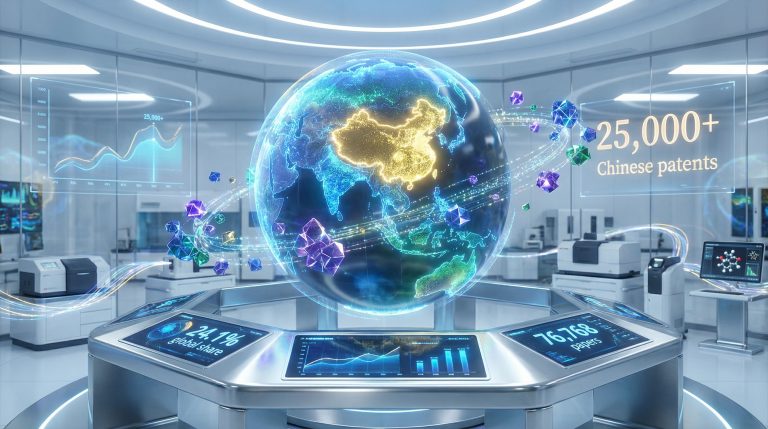
Recent analysis of 76,768 peer-reviewed papers published between 1975 and 2024 demonstrates the accelerating pace of knowledge creation in critical materials. Annual publication volumes now exceed 5,000 papers per year, representing exponential growth from early periods when fewer than 100 papers appeared annually.

China's Dominance in Rare Earth Research Architecture

The global landscape of critical materials research reveals a stark asymmetry in both scale and strategic coordination. China's dominance in rare earth research operates through a comprehensive institutional architecture that integrates academic investigation, industrial application, and state-directed funding in ways that Western competitors struggle to match.

China accounts for 24.1% of all global rare earth element publications, representing approximately 18,500 papers from the comprehensive 76,768-paper analysis. This output more than doubles the United States contribution of 11.7%, creating a substantial knowledge gap that extends beyond simple publication counts to encompass research quality, collaboration networks, and technological influence.

The Chinese Academy of Sciences emerges as the central hub in global collaboration networks, occupying strategic positions that enable influence across geology, metallurgy, materials science, and chemical engineering. Network analysis reveals Chinese institutions serve as collaboration bridges connecting researchers across multiple continents and disciplines, creating dependencies that extend far beyond bilateral research partnerships.

This institutional dominance reflects deliberate strategic planning rather than organic development. China's dominance in rare earth research emphasis spans four integrated domains that mirror the complete value chain from resource identification to end-use applications:

  • Geological exploration and characterisation focusing on both conventional and unconventional sources
  • Metallurgical processing and separation technologies for complex ore bodies
  • Materials science applications in energy storage, magnetics, and catalysis
  • Chemical engineering solutions for environmental compliance and efficiency optimisation
Patent filing strategies demonstrate another dimension of Chinese research dominance. Between 1950 and 2018, Chinese entities filed over 25,000 patents related to rare earth technologies compared to approximately 10,000 US patents, representing a 2.5:1 filing ratio. More significantly, the timing of these patent applications shows strategic coordination with market cycles and technological development phases.

The integration between Chinese research institutions and industrial entities creates advantages in technology transfer that Western competitors find difficult to replicate. State-backed funding enables long-term research commitments that survive market downturns and political changes, whilst coordinated intellectual property strategies protect technological advantages across the complete value chain.

Evolution of Critical Materials Research Priorities

The five-decade evolution of rare earth research reveals fundamental shifts in scientific priorities that mirror changing geopolitical realities and technological demands. Early research from 1975-1990 focused predominantly on geological exploration and basic extraction methods, reflecting an era when resource discovery represented the primary competitive advantage.

The period from 1990-2008 witnessed growing emphasis on materials science applications as electronic devices, permanent magnets, and automotive technologies created new demand categories. Research during this phase concentrated on optimising material properties for specific applications rather than simply extracting and purifying raw elements.

Post-2008 research shows dramatic acceleration and diversification following China's export restrictions and the emergence of clean energy as a global priority. This period marks the emergence of four dominant research themes that now define the field.

Advanced Geological Exploration

Advanced geological exploration has expanded beyond traditional hard-rock deposits to encompass unconventional sources with significant resource potential. Coal-hosted rare earth deposits alone contain an estimated 50 million tonnes globally, whilst coal fly ash, phosphorites, and red mud represent additional resource streams that could reduce dependence on conventional mining.

Materials Science Integration

Materials science integration shows the highest interdisciplinary score among all research categories, with tight linkage to nanotechnology and mineral processing innovations. This convergence enables breakthrough applications in permanent magnets optimised for renewable energy systems, advanced battery cathode materials for energy storage, and specialised catalysts for petrochemical and automotive applications.

Green Extraction Technologies

Green extraction technologies represent perhaps the most strategically significant development in recent research. These innovations include:

  • Bioleaching and microbial processing methods that reduce environmental impact
  • Ionic liquid separation techniques offering enhanced selectivity
  • Membrane-based purification systems enabling continuous processing
  • Integrated environmental management strategies that address regulatory compliance

Circular Economy Strategies

Circular economy strategies have evolved from niche academic interest to mainstream research priority. E-waste recycling technologies, end-of-life product recovery systems, and urban mining approaches now feature prominently in leading research programmes. These developments could fundamentally alter supply chain dynamics by reducing dependence on primary extraction, with innovations in battery recycling breakthrough leading the way.

The research shows materials science achieving a Cross-Disciplinary Publication Index score of 0.81, indicating near-optimal integration across multiple scientific fields. This interdisciplinary approach enables rapid technology transfer and application development that purely discipline-focused research cannot achieve.

Geopolitical Catalysts Driving Research Investment

Historical analysis reveals direct correlations between geopolitical supply disruptions and subsequent research investment surges. The 2008 period marked a critical inflection point when China's export restrictions triggered measurable increases in global research activity that continue accelerating today.

Publication growth patterns show sharp increases following supply security concerns, with annual output now exceeding 5,000 papers per year compared to fewer than 1,000 papers annually in the pre-2008 period. This represents more than quintupling of research output in response to demonstrated supply vulnerabilities.

However, the clean energy transition has created additional research momentum as governments recognise critical materials as essential enablers of renewable energy systems. Solar panels, wind turbines, electric vehicle motors, and battery storage systems all depend on rare earth elements with specific purity and performance characteristics that require ongoing research optimisation.

Research funding allocation demonstrates government recognition that critical materials represent national security priorities requiring sustained investment. The correlation between supply security concerns and research expenditure indicates that geopolitical tensions will likely drive continued research acceleration regardless of short-term market conditions.

Consequently, supply chain vulnerabilities exposed during the 2008 restrictions, COVID-19 disruptions, and recent geopolitical tensions have convinced policymakers that research investment represents essential infrastructure for economic security. This recognition ensures continued funding even during periods of market stability.


Strategic Supply Chain Transformation Imperatives

The comprehensive research analysis reveals that geological abundance does not automatically translate into supply security, fundamentally challenging conventional approaches to critical materials strategy. Rare earth elements occur widely throughout the Earth's crust, yet processing knowledge remains highly concentrated in specific institutions and geographic regions.

Technical barriers to establishing competitive separation facilities represent the primary constraint limiting supply diversification efforts. Modern rare earth processing requires mastery of complex hydrometallurgical techniques, specialised equipment manufacturing capabilities, and accumulated operational experience that cannot be rapidly transferred or independently developed.

The knowledge concentration problem extends beyond basic processing to encompass advanced applications development. Countries that control research agendas shape not only how materials are processed but also how they are utilised in next-generation technologies. This intellectual leadership creates sustained competitive advantages that persist even when alternative supply sources become available.

Materials substitution research has emerged as a strategic response to supply concentration, yet progress remains limited by fundamental physics and chemistry constraints. Whilst some applications permit partial substitution, critical technologies like high-performance permanent magnets continue requiring specific rare earth elements that cannot be effectively replaced.

Performance Trade-offs in Substitution Strategies

Performance trade-offs in substitution strategies include:

  • Reduced efficiency in electric motor applications when rare earth magnets are replaced
  • Increased weight and size requirements for alternative magnet technologies
  • Higher operating temperatures and reduced durability in many substitute materials
  • Significantly increased costs for equivalent performance in most substitute solutions
Recycling and urban mining technologies offer more promising pathways for reducing primary supply dependence. Electronic waste contains substantial quantities of rare earth elements that can be recovered using advanced separation techniques, though current recovery rates remain below economically optimal levels for most elements.

Current Recycling Challenges

Current recycling challenges encompass:

  • Complex material separation requirements for mixed electronic waste streams
  • Economic viability thresholds that vary significantly by element and application
  • Limited infrastructure for collection and processing of end-of-life products
  • Regulatory frameworks that often impede rather than facilitate recycling operations
The research demonstrates that mining diversification alone cannot solve supply risk without parallel development of processing capabilities, recycling infrastructure, and materials substitution programmes. Countries pursuing supply security must therefore adopt integrated strategies that address the complete knowledge-to-application pipeline.

Building National Research Competitiveness

Developing competitive critical materials research capabilities requires coordinated institutional development spanning academic research, industrial application, and policy support. Successful programmes integrate specialised research centres with talent development pipelines and sustainable funding mechanisms that survive political and economic cycles.

Institutional Architecture Requirements

Institutional architecture requirements include:

  • Dedicated research institutes focused on critical materials challenges
  • University programmes that combine theoretical research with practical applications
  • Industry collaboration frameworks that enable technology transfer
  • Government coordination mechanisms that align research with strategic objectives
International collaboration presents both opportunities and risks for countries seeking research competitiveness. Whilst scientific cooperation accelerates knowledge development and reduces research costs, it can also create dependencies on foreign institutions and enable technology transfer that benefits competitors more than collaborators.

Effective Collaboration Strategies

Effective collaboration strategies balance knowledge sharing with strategic protection:

  • Joint research programmes focused on pre-competitive basic science
  • Academic exchange programmes that build expertise whilst protecting sensitive applications
  • Shared infrastructure investments that reduce individual country costs
  • Coordinated standards development that prevents technical fragmentation
Technology transfer and commercialisation represent critical gaps in many national research systems. Academic research excellence does not automatically translate into industrial applications without intermediate institutions that bridge laboratory discoveries and commercial-scale implementation.

Commercialisation Success Factors

Commercialisation success factors include:

  • Startup ecosystems specifically focused on materials innovation
  • Manufacturing scale-up support for promising technologies
  • Regulatory frameworks that facilitate rather than impede innovation adoption
  • Investment mechanisms that support long development timelines typical in materials research
Talent development requires particular attention to the interdisciplinary nature of modern critical materials research. Engineers, chemists, materials scientists, and environmental specialists must collaborate effectively whilst maintaining depth in their specialised domains.

Measuring research programme effectiveness demands metrics that go beyond traditional academic measures like publication counts and citation impacts. Strategic research success requires tracking technology readiness levels, commercial adoption rates, and supply chain impact measures that demonstrate real-world applications.

Future Research Frontiers and Strategic Implications

Emerging technologies promise to transform critical materials research methodologies and outcomes over the next decade. Artificial intelligence and machine learning applications are already accelerating materials discovery by enabling rapid screening of potential compounds and optimisation of processing parameters.

AI Applications in Materials Research

AI applications in materials research include:

  • Computational prediction of material properties before synthesis
  • Optimisation algorithms for complex separation and purification processes
  • Pattern recognition in geological exploration and resource assessment
  • Automated experimental design and results analysis
Quantum computing developments may eventually revolutionise molecular modelling capabilities, enabling precise simulation of chemical processes that currently require expensive experimental investigation. These computational advances could accelerate development timelines and reduce research costs for breakthrough technologies.

Biotechnology applications in extraction and processing represent another frontier with significant potential. Engineered microorganisms could enable environmentally benign extraction methods whilst biological separation techniques might replace energy-intensive chemical processes.

Biotechnology Research Directions

Biotechnology research directions encompass:

  • Genetically modified organisms optimised for specific element extraction
  • Biological synthesis of separation agents and processing chemicals
  • Integrated bioprocessing systems that combine extraction and purification
  • Environmental remediation technologies using biological systems
Space-based resource extraction research remains speculative but could fundamentally alter terrestrial supply dynamics if technical and economic barriers are overcome. Asteroid mining advances and lunar resource extraction represent long-term possibilities that justify continued research investment despite uncertain timelines.

Strategic Positioning for the Knowledge Economy

The transformation of critical materials competition into a knowledge race requires fundamental changes in how countries approach resource security. Traditional strategies focused on controlling physical resources must evolve to encompass intellectual leadership, technological innovation, and comprehensive value chain integration.

China's dominance in rare earth research, representing 24.1% of global publications compared to 11.7% for the United States, demonstrates the strategic importance of sustained research investment. This intellectual leadership translates into practical advantages across processing technologies, applications development, and supply chain control, as evidenced by China's rare earth dominance in global supply chains.

Critical Success Factors

Critical success factors for research competitiveness include:

  • Long-term commitment to fundamental research that survives political cycles
  • Integration between academic institutions and industrial applications
  • State coordination of strategic research priorities without stifling innovation
  • International collaboration balanced with competitive advantage protection
The Chinese Academy of Sciences' central position in global collaboration networks illustrates how institutional leadership shapes research directions and technological standards. Countries seeking competitive positions must develop similar institutional capabilities that combine research excellence with strategic coordination.

Essential Progress Metrics

Essential progress metrics for national research programmes encompass:

  • Publication output and citation impact by strategic research area
  • Patent filing rates and intellectual property portfolio strength
  • Technology transfer success rates from laboratory to commercial application
  • Commercial application development timelines and market penetration
  • Supply chain resilience indicators and strategic independence measures
The research demonstrates that intellectual and technical leadership now matters more than resource access for critical materials dominance. Countries that control research agendas are better positioned to control processing technologies, patent portfolios, and ultimately supply chain security.

Future competitive advantage will depend on the capacity to integrate basic research, applied development, and industrial implementation across the complete knowledge-to-market pipeline. This integration requires institutional capabilities, funding mechanisms, and policy frameworks that few countries currently possess but all must develop.

Furthermore, alternative resource strategies are emerging that could reshape traditional supply dynamics. Polymetallic nodules benefits from deep-sea mining represent one such avenue, whilst innovative processing technologies like direct lithium extraction are revolutionising how we approach critical materials recovery.

The global knowledge race for critical materials supremacy is accelerating, driven by clean energy transitions, geopolitical tensions, and technological advancement. Success in this competition will determine which nations maintain strategic autonomy in the technologies that define modern civilisation. As China maintains its grip on rare earth elements, other nations must rapidly develop comprehensive research strategies to remain competitive in this crucial arena.


CES 2026: Chinese firms dominate robotics sector at tech convention in Las Vegas​

2026-01-07
Robots are no longer what we only see in sci-fi movies. Today, they can be seen walking, dancing and even serving snacks at this year’s CES (Consumer Electronic Show) - one of the world’s biggest tech showcases.

Chinese firms are dominating the sector, with 55% of humanoid robotics companies coming from China. Kate Fisher reports from the event in Las Vegas.

To view this content we will need your consent to set third party cookies.
For more detailed information, see our cookies page.
 

The great chip leap: China’s semiconductor equipment self-reliance surges past targets​

China’s semiconductor industry is being encouraged to favour local suppliers over US rivals. Photo: Reuters

Eunice Xu
Published: 10:00pm, 9 Jan 2026

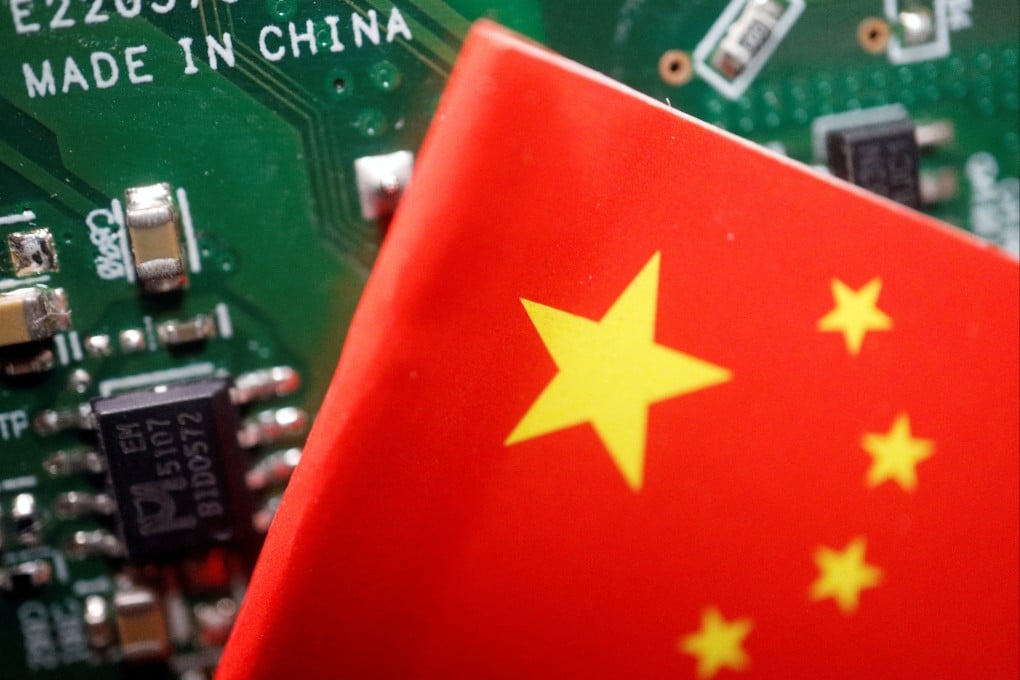
China’s drive for chip manufacturing equipment self-sufficiency advanced so rapidly in 2025 that even the country’s planners were caught by surprise, as the ratio of domestically developed semiconductor equipment surged to 35 per cent by the year’s end, up from 25 per cent in 2024.

The ratio was higher than Beijing’s target of 30 per cent, set in early 2025 to encourage China’s semiconductor industry to favour local suppliers over US rivals such as Applied Materials, Lam Research and KLA, according to a report by Jiemian News, a Chinese media outlet.

Progress had been particularly evident in critical segments such as etching and thin-film deposition, where adoption of local equipment had surpassed 40 per cent, thanks to the progress of local manufacturers such as Naura Technology Group and Advanced Micro-Fabrication Equipment.

The 5-nanometre-grade etching machine made by Advanced Micro-Fabrication had entered validation for Taiwan Semiconductor Manufacturing Co’s advanced process lines, according to the report.

Oxidation and diffusion furnaces from Naura accounted for more than 60 per cent of the 28nm production lines at Semiconductor Manufacturing International Corp, China’s top foundry. Naura’s order backlog now extended into the first quarter of 2027.

China is projected to maintain its position as the world’s largest market for semiconductor equipment through 2027. Photo: Shutterstock

China is projected to maintain its position as the world’s largest market for semiconductor equipment through 2027. Photo: Shutterstock

Piotech doubled its share of plasma-enhanced chemical vapour deposition equipment at Yangtze Memory Technology’s 3D NAND production lines, bringing the company’s equipment share to 30 per cent from 15 per cent, according to the report.


Chinese firms lead global humanoid robot production in 2025: report

2026-01-10 Source: Xinhua Editor

8bf621738e.jpg

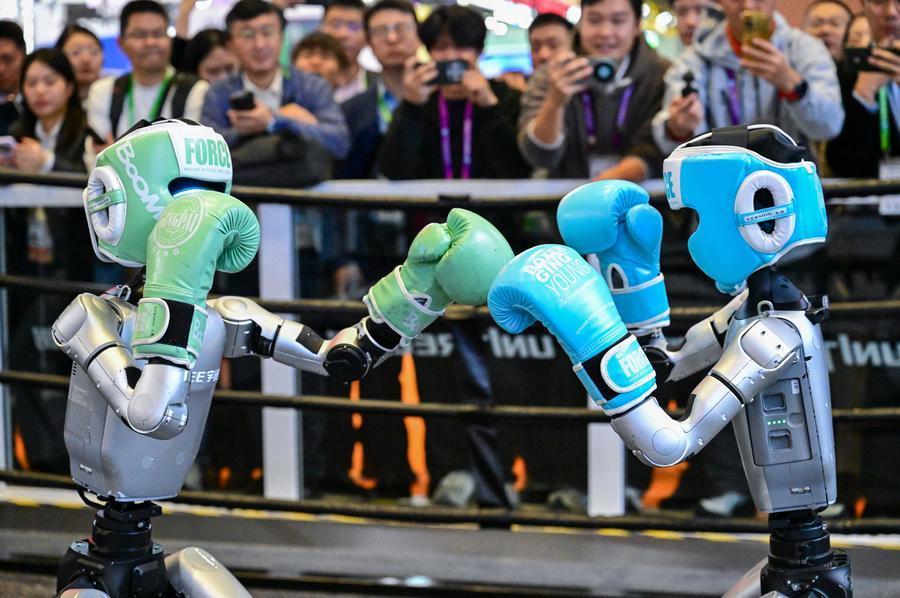
Two humanoid robots perform a session of fighting at civilian robotics company Unitree's booth during the China International Import Expo (CIIE) in east China's Shanghai, Nov. 6, 2025. (Xinhua/Cai Xiangxin)

An industry report has revealed that Chinese robotics firms emerged as the largest producers of humanoid robots worldwide in 2025, highlighting the country's rapid rise in this emerging manufacturing sector.

Shanghai-based AgiBot achieved an annual shipment volume of over 5,100 units, securing a 39 percent share of the global humanoid robot market and ranking first in the world for both shipment volume and market share, according to the report released on Thursday by Omdia, a tech consultancy in London.

It was followed by Hangzhou-based Unitree and Shenzhen-based UBTECH, which recorded shipment volumes of 4,200 and 1,000 units, respectively. AgiBot and UBTECH focus on commercial and industrial applications, while Unitree's robots are widely deployed in research, education and consumer markets.

Last year, other major Chinese humanoid robot manufacturers such as Leju Robot, EngineAI and Fourier, along with U.S. counterparts including Figure AI, Agility Robotics and Tesla, achieved shipment volumes ranging from 150 to 500 units each. Global annual shipments are estimated to have reached approximately 13,000 units.

In terms of product competitiveness, AgiBot, Figure AI, Tesla, UBTECH and Unitree are considered first-tier players, according to the report titled "General-purpose Embodied Intelligent Robots."

Chinese robotics makers, including EngineAI and UBTECH, are planning to ramp up their production output.

The year 2026 marks a critical turning point for the robotics industry from simply "handling many tasks with limited proficiency" to truly "accomplishing tasks with high performance and achieving practical application," said Luo Jianlan, chief scientist at AgiBot.

"The more robots deployed, the more valuable real-world data is gathered, enabling the training of better models," Luo added.


China is the first "electrostate" in the history of the world​

Jan 8, 2026
To view this content we will need your consent to set third party cookies.
For more detailed information, see our cookies page.
 

China’s Rare Earth Dominance Shapes Humanoid Robot Manufacturing

BYMUFLIH HIDAYATON JANUARY 11, 2026

China rare earths in humanoid robots industry.

The emergence of humanoid robotics as a commercial reality rests on a foundation most consumers never see: an intricate network of rare earth permanent magnets embedded within every joint, actuator, and servo motor. These microscopic powerhouses represent the difference between theoretical robotics and practical automation at human scale. Furthermore, the critical minerals supply challenges facing this emerging industry highlight broader concerns about technological sovereignty.

What Makes Rare Earth Elements Critical for Advanced Robotics?

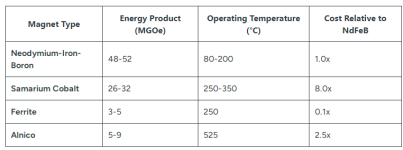
Neodymium-iron-boron (NdFeB) magnets dominate high-performance robotics applications due to their exceptional magnetic properties that conventional materials simply cannot match. These rare earth magnets deliver energy product values exceeding 50 MGOe (mega-gauss-oersteds), compared to ferrite magnets that typically achieve only 3-5 MGOe.

搜狗截图20260111111814.png

The physics behind this dominance becomes clear when examining power density requirements. Humanoid robots demand approximately 150-200 watts per kilogram of actuator weight to achieve human-like movement patterns. This specification pushes conventional magnetic materials beyond their operational limits.

Understanding the Material Foundation of Modern Automation

Modern humanoid robots require precise torque control across 20-40 individual joints operating simultaneously. Each joint actuator must deliver consistent performance while maintaining compact dimensions that fit within anatomically proportioned limbs. Consequently, this constraint creates an engineering challenge where magnetic field strength directly correlates with robot capability.

Motor density calculations reveal the critical relationship between rare earth content and robot performance:

  • Torque-to-weight ratio: NdFeB magnets enable 8-12 Nm/kg compared to 2-3 Nm/kg for ferrite alternatives
  • Energy efficiency: Rare earth motors achieve 92-96% efficiency versus 85-88% for conventional designs
  • Heat generation: Superior magnetic properties reduce resistive losses by approximately 40%
The cumulative effect across multiple joints means that alternative magnet technologies would require robots to carry substantially more weight in motors and cooling systems. This fundamentally alters their mobility characteristics and overall performance capabilities.

Why Do Humanoid Robots Require Such Massive Rare Earth Inputs?

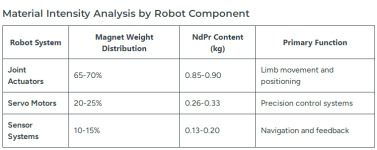
Recent market analysis indicates that each humanoid robot incorporates approximately 1.3 kilograms of neodymium-praseodymium (NdPr) elements, primarily concentrated in high-performance permanent magnets distributed throughout the mechanical systems. However, understanding the critical minerals recycling potential becomes crucial for managing these intensive material requirements.

搜狗截图20260111111951.png

This material intensity stems from the fundamental engineering requirements of human-scale robotics. Unlike industrial robots that operate in fixed positions with external power sources, humanoid robots must carry their entire motor system whilst maintaining battery life sufficient for practical applications.

Engineering Constraints That Drive Magnet Dependency

The relationship between size constraints and power requirements creates a materials bottleneck that currently has no viable alternative. Key engineering factors include:

  • Space limitations: Actuators must fit within limb proportions matching human dimensions
  • Weight distribution: Motor placement affects robot balance and energy consumption
  • Heat dissipation: Compact motors generate concentrated thermal loads requiring efficient designs
  • Precision requirements: Human-robot interaction demands positional accuracy within 0.5-1.0 degrees
Cost implications reveal that rare earth magnets represent approximately 15-20% of total robot manufacturing expenses. For a robot with a target manufacturing cost of $50,000, magnet-related expenses typically range from $7,500 to $10,000 per unit.

How Has China Established Dominance in the Robotics Material Supply Chain?

China's strategic position in rare earth processing extends far beyond raw material extraction, encompassing the entire value chain from oxide separation to finished magnet production. This vertical integration creates multiple chokepoints that affect global robotics manufacturing. Furthermore, the broader critical minerals strategy implications become evident when examining this concentrated supply structure.

Vertical Integration Strategy Across the Value Chain

The rare earth processing pipeline demonstrates China's systematic approach to supply chain control:

  1. Raw Material Processing: China processes over 85% of global rare earth oxides
  2. Metal Production: Chinese facilities refine 95% of rare earth metals worldwide
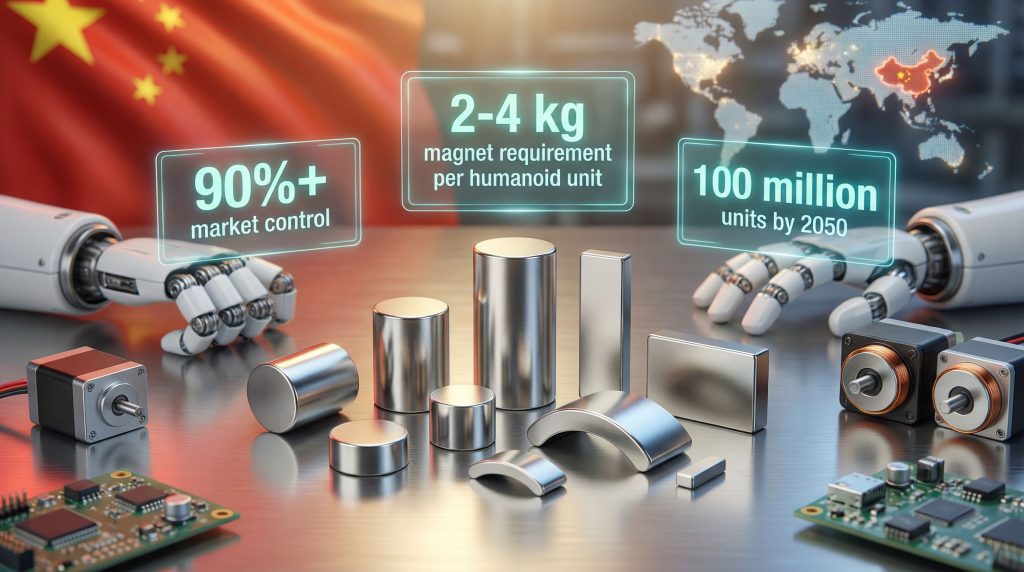
  3. Magnet Manufacturing: Chinese companies produce 90% of NdFeB permanent magnets
  4. Motor Assembly: Domestic motor manufacturers integrate magnets for robotics applications
This concentration means that even rare earths mined in other countries typically require processing through Chinese facilities. The technical complexity and environmental considerations of rare earth separation create substantial barriers to establishing alternative processing capacity.

Export Control Mechanisms as Market Leverage Tools

Recent regulatory developments have introduced new licensing requirements for rare earth-containing products, including robotics components. These controls create potential supply disruption points that extend beyond traditional commodity trading relationships. For instance, China's rare earth export controls have already begun impacting international robotics development projects.

The impact on robotics manufacturers becomes evident when examining the global market structure. Chinese companies captured 71% of global humanoid robot shipments in 2025, with leading manufacturers Agibot/Zhiyuan and Unitree accounting for approximately 9,300 of the total 13,000 units shipped globally.

This market dominance reflects more than competitive pricing or technical capability. It represents the culmination of coordinated industrial policy that aligns upstream material control with downstream manufacturing capacity.

What Are the Long-Term Supply Security Implications?

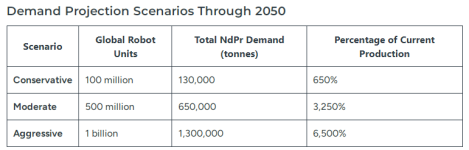
Demand projections for humanoid robotics suggest a fundamental shift in rare earth consumption patterns that could strain existing supply networks and processing infrastructure. Consequently, understanding how this relates to China's humanoid robot surge helps illustrate the strategic implications of china rare earths in humanoid robots.

搜狗截图20260111112100.png

These projections assume current magnet efficiency levels and do not account for potential technological improvements that might reduce material requirements per unit. However, they illustrate the magnitude of supply chain expansion necessary to support widespread robot deployment.

Current global NdPr production capacity hovers around 20,000 tonnes annually, with approximately 60% allocated to automotive applications, 25% to industrial motors, and 15% to consumer electronics. The conservative robotics scenario alone would require expanding total rare earth processing capacity by more than sixfold.

Geopolitical Risk Assessment Framework

Supply vulnerability analysis reveals multiple potential disruption points that extend beyond traditional trade relationships:

  • Processing bottlenecks: Limited alternative separation facilities outside China
  • Technology transfer restrictions: Controlled access to processing equipment and expertise
  • Environmental regulatory barriers: Substantial permitting challenges for new processing facilities
  • Capital intensity requirements: Processing plants require $500 million to $2 billion in initial investment
The strategic implications extend to national security considerations, as humanoid robots may eventually serve in critical infrastructure, healthcare, and defence applications where supply chain resilience becomes paramount. For example, Europe's critical materials initiatives reflect growing recognition of these vulnerabilities.

Which Alternative Technologies Could Reduce Rare Earth Dependency?

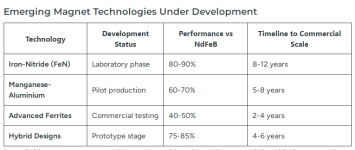
Research into alternative motor technologies and magnet materials offers potential pathways to reduce rare earth dependency. However, each approach involves significant performance trade-offs or technological uncertainties.

搜狗截图20260111112227.png
Iron-nitride magnets represent the most promising alternative, potentially achieving magnetic properties approaching those of NdFeB materials without rare earth content. However, manufacturing challenges include maintaining crystal structure stability and achieving consistent magnetic orientation during production processes.

Motor Design Innovations to Minimise Material Requirements

Alternative motor architectures offer potential reductions in magnet dependency through design optimisation rather than material substitution:

  • Electrically excited synchronous motors: Replace permanent magnets with electromagnetic field generation
  • Reluctance motors: Utilise magnetic reluctance rather than permanent magnet fields
  • Hybrid propulsion systems: Combine multiple motor types to optimise efficiency across operating ranges
  • Advanced control algorithms: Maximise performance from lower-grade magnetic materials
These approaches typically involve trade-offs in control complexity, power consumption, or overall system weight. Such limitations may restrict their applicability in humanoid robotics applications where performance requirements remain stringent.

How Are Leading Robotics Companies Responding to Supply Chain Risks?

The concentration of global humanoid robot production within Chinese manufacturers creates both competitive advantages and supply chain vulnerabilities. Companies are beginning to address these concerns through diversification strategies that reflect broader mining investment strategies across the sector.

Diversification Strategies in Material Sourcing

Major robotics manufacturers are implementing multiple approaches to reduce supply chain concentration:

  • Long-term supply agreements: Multi-year contracts with magnet suppliers to ensure price stability
  • Inventory stockpiling: Strategic material reserves to buffer against supply disruptions
  • Supplier qualification programmes: Development of alternative magnet sources outside China
  • Recycling initiatives: Recovery programmes for magnets from end-of-life robotic systems
Recycling represents a particularly promising avenue, as NdFeB magnets retain their magnetic properties even after mechanical disassembly. Current recycling efficiency rates achieve approximately 85-95% recovery of rare earth content, though processing costs remain elevated compared to primary production.

Regional Production Capacity Building Initiatives

Government and industry initiatives are beginning to address processing capacity limitations through targeted investments:

  • North American facilities: Several rare earth processing projects in development with combined capacity targeting 5,000-8,000 tonnes annually
  • European strategic programmes: EU critical materials initiatives allocating funding for domestic processing capability
  • Australia-Japan partnerships: Collaborative agreements linking Australian mining with Japanese processing expertise
These initiatives face substantial challenges in scaling to commercially relevant production levels. Furthermore, the timeframes involved must align with projected robotics market growth to remain relevant.

What Investment Opportunities Emerge from This Material Bottleneck?

The structural mismatch between growing rare earth demand and limited processing capacity outside China creates multiple investment opportunities across the materials value chain. This situation particularly affects china rare earths in humanoid robots, where demand growth trajectories exceed current supply expansion plans.

Capital requirements for establishing competitive processing facilities typically range from $800 million to $1.5 billion. This creates high barriers to entry but potentially substantial returns for successful projects. The technical complexity of rare earth separation requires specialised expertise that remains concentrated among a limited number of engineering firms globally.

Technology Development Investment Themes

Innovation-focused investment opportunities span multiple technological approaches to addressing rare earth supply constraints:

  • Magnet recycling technology: Advanced separation and purification systems for end-of-life magnets
  • Alternative motor designs: Development of high-efficiency motors with reduced magnet requirements
  • Processing efficiency improvements: Technologies to reduce costs and environmental impact of rare earth separation
  • Robotics optimisation software: AI-driven control systems maximising performance from alternative materials
Venture capital and strategic investment in these sectors has increased substantially. Funding for rare earth technology companies grew from approximately $50 million annually in 2020 to over $300 million in 2025.

Strategic Implications for Global Technology Leadership

The intersection of china rare earths in humanoid robots represents more than a supply chain challenge. It illustrates how material dependencies can influence technological sovereignty and competitive positioning in emerging industries.

The current market structure, where Chinese manufacturers control both upstream material processing and downstream robot production, creates a reinforcing cycle. This may prove difficult for Western competitors to disrupt through traditional market mechanisms alone.

Long-term Competitive Positioning in Advanced Manufacturing

The strategic implications extend beyond robotics to encompass broader questions about technological independence in critical sectors. Nations developing autonomous robotics capabilities for defence, healthcare, or infrastructure applications must consider whether reliance on foreign-controlled supply chains creates unacceptable vulnerabilities.

Historical precedents from the solar panel and electric vehicle industries suggest that early material supply advantages can translate into sustained market dominance. This occurs even as technology and manufacturing capabilities mature globally.

Investment Portfolio Implications

For investors, the rare earth-robotics nexus presents both opportunities and risks that require careful analysis of multiple interconnected factors:

  • Material price volatility: Rare earth pricing may experience increased volatility as robotics demand scales
  • Supply chain security premiums: Companies with diversified material sourcing may command valuation premiums
  • Technology disruption potential: Breakthrough alternative technologies could rapidly shift competitive dynamics
  • Geopolitical risk factors: Trade relationships and export controls may influence market access and pricing
The optimal investment approach likely involves exposure across multiple points in the value chain. This strategy proves more effective than concentration in any single sector or geography.

"The emergence of humanoid robotics as a commercial reality fundamentally alters the strategic calculus around critical material supplies, creating new interdependencies that policymakers and investors must carefully navigate in the years ahead."

Investment Disclaimer: The information presented in this analysis is for educational purposes only and does not constitute investment advice. Rare earth and robotics investments involve substantial risks including commodity price volatility, technological obsolescence, and geopolitical uncertainty. Prospective investors should conduct independent research and consult qualified financial advisors before making investment decisions.

Are You Positioned to Capitalise on the Rare Earth Investment Opportunities Emerging from This Robotics Revolution?​

The structural mismatch between exploding rare earth demand and constrained global supply chains creates compelling investment opportunities across mining, processing, and technology development sectors. Discovery Alert's proprietary Discovery IQ model delivers real-time alerts on significant ASX mineral discoveries, including critical metals projects that could benefit from this unprecedented demand surge. Begin your 30-day free trial today to identify actionable opportunities in this rapidly evolving market landscape ahead of mainstream recognition.


China files plans to deploy more than 200,000 satellites

Space15:04, 12-Jan-2026
CGTN

China submitted filings covering more than 200,000 satellites in the final week of December 2025, according to records released by the International Telecommunication Union (ITU) on Sunday.

The filings were dominated by two massive constellations, CTC-1 and CTC-2, each declaring a total of 96,714 satellites, for a combined total of more than 190,000 satellites, marking the largest satellite constellation filings on record.

ITU records show that both constellations were filed by the same operating agency, the Institute of Radio Spectrum Utilization and Technological Innovation, a national research institute newly registered in Hebei Province in December 2025.

Besides, other Chinese companies also submitted satellite filings to the ITU, with a total number of satellites ranging from single-digit to several thousand.

Low-Earth orbit (LEO) satellites typically operate at altitudes of 200 to 2,000 kilometers, enabling low-latency and high-bandwidth communications.

However, growing congestion in orbital and radio spectrum resources has intensified international coordination efforts. Early filings have become a key factor in the global race to deploy satellite constellations.

Chinese companies are among the main competitors in the race to build large-scale LEO constellations. For instance, Shanghai Spacesail Technologies is committed to deploying around 15,000 satellites by 2030, and China Satellite Network Group has planned a constellation of roughly 13,000 satellites.

According to Beijing Fengtai District Bureau of Technology and Information Technology, China had filed for more than 51,300 satellites as of August 2024.

On January 9, the U.S. Federal Communications Commission (FCC) said it had approved SpaceX's plan to deploy an additional 7,500 second-generation (Gen2) Starlink satellites, bringing the total number of authorized Gen2 Starlink satellites to around 15,000.

SpaceX has outlined a long-term vision to eventually expand the Starlink network up to around 42,000 satellites.

Under ITU rules, operating agencies must bring a required number of satellites into use within specified time frames or risk losing their associated spectrum and orbital rights.


Methanol gains ground as low-cost path for cleaner transport in China​

Methanol is emerging as a potential complement to battery electric and hydrogen technologies in China's push to decarbonize transport, particularly in regions and segments where infrastructure and cost constraints limit electrification.


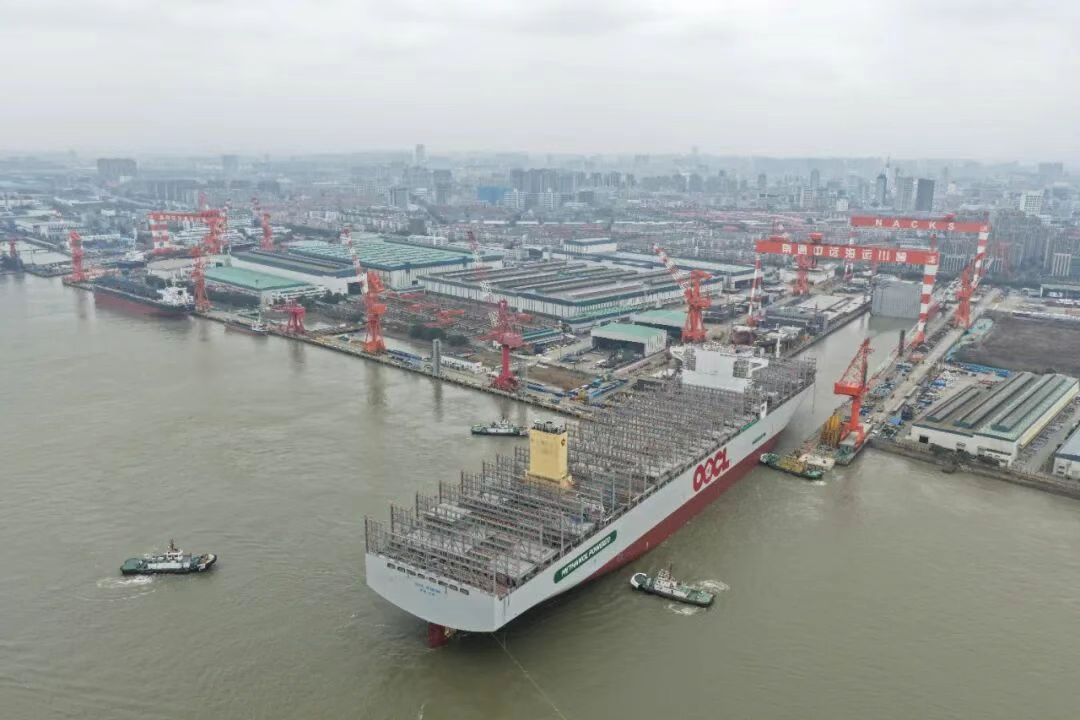
China Launches World’s First 24,000 TEU Methanol Dual-Fuel Container Ship, Marking Green Shipping Milestone​


Microsoft says China is winning AI race outside the west

Published 01/13/2026, 01:36 AM

moved_LYNXNPEL0Q0RY_L.jpg

Microsoft (NASDAQ:MSFT) has warned that U.S. AI companies are being outpaced by Chinese rivals in the fight for users outside the West, as China deploys low-cost open models backed by heavy state subsidies, the Financial Times reported on Tuesday.

Microsoft president Brad Smith told the FT that the rapid uptake of Chinese start-up DeepSeek’s technology in emerging markets such as Africa highlights the intensifying global competition.

He said China now has competitive open-source AI models that benefit from government subsidisation, allowing Chinese companies to undercut U.S. rivals on price.

According to Microsoft research cited by the FT, the launch of DeepSeek’s R1 large language model last year accelerated AI adoption in the global south because of its accessibility and low cost.

The findings suggest China has overtaken the U.S. in the market for so-called open AI models, which are often free to use and adapt.

The research estimated DeepSeek has an 18% market share in Ethiopia and 17% in Zimbabwe, with even larger shares in countries where U.S. technology is restricted.

Smith warned that without greater investment in data centres, power infrastructure, and skills, the growing AI divide could widen economic gaps between richer and poorer regions, the FT reported.

 
No worry, we don’t steal we will try to buy, disassemble to the last screw and reverse engineer.

To view this content we will need your consent to set third party cookies.
For more detailed information, see our cookies page.

It's the industrial base and the eco system my friend. It's not about buying Chinese parts and assembling them. 205years ago, some stupid institute in China made a fugly robot can move, it was made with japanese stepper motors, reducing gears, bearings, and controllers. The only thing made in China was the plastic cover.

1) Ask yoursef this question, does Vietnam produce the special steel for the bearings?

2) The machines to process the bearings, gears, motors?
3) The sensors? The semicon industry to support it, the chemicals, the foundry equipment, the trained technicians and engineers?

I can go on and on. I don't understand why people think that just because China can do it, any tom dick and harry can do it. Not even Korea nor Japan has an industrial base as diverse and complete as ours. It took us decades of hard work, investment, grit and sanctions to create this base. Imagine if you can just access Western materials easily, your industrial base will never choose to invest and develop independently. The real reason we are so powerful is because we were forced to, we were stubborn and hard headed.
 
Last edited:
No worry, we don’t steal we will try to buy, disassemble to the last screw and reverse engineer.

To view this content we will need your consent to set third party cookies.
For more detailed information, see our cookies page.


Well, CCP is always biggest icon and role model for Vietcong.

There is always an ongoing love-hate relationship between these two parties.
 

Users who are viewing this thread

Pakistan Defence Latest

Country Watch Latest

Latest Posts

Back
Top