China Science And Technology News

China Leads Nature Index for Third Year Amid U.S. Sanctions

U.S. sanctions boost Chinese research; South Korea 7th, no institutions in top 50
By Kwak Soo-keun
Published 2026.06.11. 21:03Updated 2026.06.11. 21:17
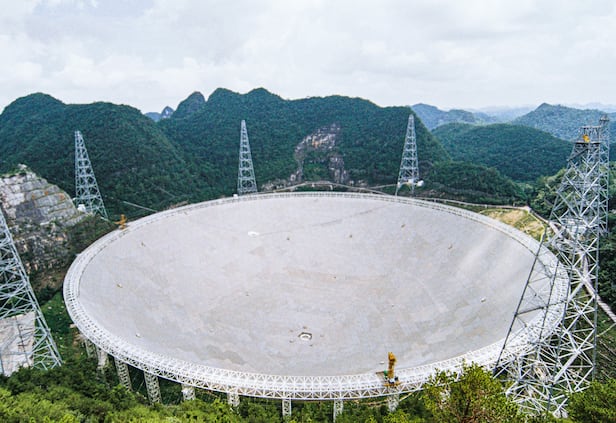
The 500-meter aperture spherical radio telescope 'FAST' in Guizhou Province, China. /Wikimedia Commons

The 500-meter aperture spherical radio telescope 'FAST' in Guizhou Province, China. /Wikimedia Commons

In the 'Nature Index' rankings, a key indicator of national scientific research capabilities, China has maintained the top position for three consecutive years, further widening the gap with the United States.

While the U.S. has blocked exports of advanced semiconductors to China and restricted science and technology exchanges, China’s scientific research output has surged.

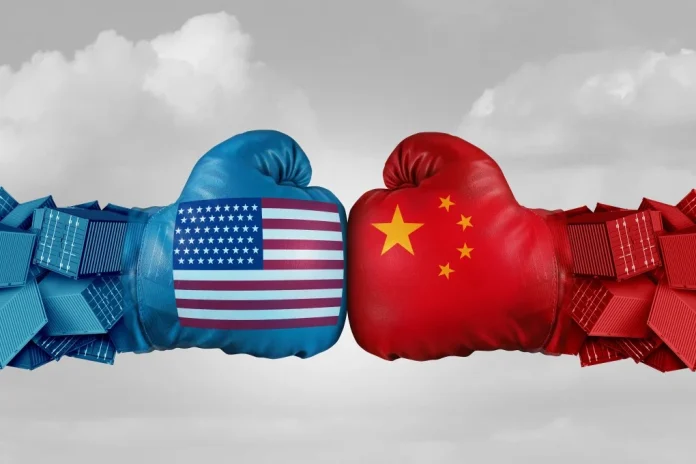
As scientific paper achievements are a leading indicator of future commercializable technologies, some analyses suggest the balance of power in the U.S.-China tech hegemony competition is tilting toward China.

South Korea remained 7th in the national rankings, unchanged from last year, but no domestic institutions entered the top 50 in the organizational rankings. Seoul National University, the highest-ranked Korean institution, fell six spots to 58th place compared to last year.

◇China Secures 90% of Top 10 Research Institutions

Springer Nature, which publishes the international academic journal *Nature*, announced the 'Nature Index 2026' rankings on the 10th, local time. The Nature Index aggregates contributions of countries and institutions to high-quality research papers in major global journals and conferences, serving as a credible international benchmark for scientific research capabilities.

Leading the national rankings, China’s paper contribution score was 52,735, double that of the U.S. (26,006) in second place. While China’s score grew by 22.4% over the past year, the U.S. saw only a 4.2% increase. The institutional rankings further highlight China’s dominance: the Chinese Academy of Sciences ranked first, Zhejiang University second, and Harvard University third, dropping one spot from last year. Positions 4–10 were all Chinese institutions, with nine of the top 10 spots claimed by China. Europe’s Max Planck Institute fell outside the top 10 for the first time, while France’s National Centre for Scientific Research (CNRS) remained at 16th.

In the scientific community, U.S. pressure is seen as accelerating China’s research ecosystem self-reliance. Over recent years, the U.S. has restricted exports of advanced semiconductors, AI (artificial intelligence) accelerators, and quantum technology-related equipment to China. Chinese universities and institutions have responded by accelerating technology development with domestic resources. Some observers describe this as a paradoxical outcome where external pressure, like a ‘cornered rat,’ has strengthened cohesion among Chinese government, universities, and research bodies, expediting ecosystem growth.

The most symbolic change this year was Harvard University ceding the top spot to Zhejiang University, alma mater of DeepSeek founder Liang Wenfeng. Harvard, which had held the top position since the Nature Index began in 2015, dropped to second place for the first time. Zhejiang University’s paper contribution score grew by 22.7%, while Harvard’s increased by only 0.6%. Zhejiang’s rise is seen as a symbol of China’s science and technology ecosystem growth. Nine Chinese universities appeared in this year’s top 10 university rankings.

Conversely, U.S. university rankings declined due to legal battles between the Donald Trump administration and Harvard, as well as federal research funding cuts. The Massachusetts Institute of Technology (MIT) fell from 18th to 21st, and Stanford University dropped from 13th to 14th.

China’s university rise was not sudden. For years, it pursued a ‘talent black hole’ strategy, attracting global talent with special residency permits, lucrative salaries, ample research funding, and tenure-free professorships. This includes recruiting overseas scholars, such as Fields Medal winners, to Chinese institutions.


China Leads Nature Index for Third Year Amid U.S. Sanctions

U.S. sanctions boost Chinese research; South Korea 7th, no institutions in top 50
By Kwak Soo-keun
Published 2026.06.11. 21:03Updated 2026.06.11. 21:17

The 500-meter aperture spherical radio telescope 'FAST' in Guizhou Province, China. /Wikimedia Commons'FAST' in Guizhou Province, China. /Wikimedia Commons

The 500-meter aperture spherical radio telescope 'FAST' in Guizhou Province, China. /Wikimedia Commons

In the 'Nature Index' rankings, a key indicator of national scientific research capabilities, China has maintained the top position for three consecutive years, further widening the gap with the United States.

While the U.S. has blocked exports of advanced semiconductors to China and restricted science and technology exchanges, China’s scientific research output has surged.

As scientific paper achievements are a leading indicator of future commercializable technologies, some analyses suggest the balance of power in the U.S.-China tech hegemony competition is tilting toward China.

South Korea remained 7th in the national rankings, unchanged from last year, but no domestic institutions entered the top 50 in the organizational rankings. Seoul National University, the highest-ranked Korean institution, fell six spots to 58th place compared to last year.

◇China Secures 90% of Top 10 Research Institutions

Springer Nature, which publishes the international academic journal *Nature*, announced the 'Nature Index 2026' rankings on the 10th, local time. The Nature Index aggregates contributions of countries and institutions to high-quality research papers in major global journals and conferences, serving as a credible international benchmark for scientific research capabilities.

Leading the national rankings, China’s paper contribution score was 52,735, double that of the U.S. (26,006) in second place. While China’s score grew by 22.4% over the past year, the U.S. saw only a 4.2% increase. The institutional rankings further highlight China’s dominance: the Chinese Academy of Sciences ranked first, Zhejiang University second, and Harvard University third, dropping one spot from last year. Positions 4–10 were all Chinese institutions, with nine of the top 10 spots claimed by China. Europe’s Max Planck Institute fell outside the top 10 for the first time, while France’s National Centre for Scientific Research (CNRS) remained at 16th.

In the scientific community, U.S. pressure is seen as accelerating China’s research ecosystem self-reliance. Over recent years, the U.S. has restricted exports of advanced semiconductors, AI (artificial intelligence) accelerators, and quantum technology-related equipment to China. Chinese universities and institutions have responded by accelerating technology development with domestic resources. Some observers describe this as a paradoxical outcome where external pressure, like a ‘cornered rat,’ has strengthened cohesion among Chinese government, universities, and research bodies, expediting ecosystem growth.

The most symbolic change this year was Harvard University ceding the top spot to Zhejiang University, alma mater of DeepSeek founder Liang Wenfeng. Harvard, which had held the top position since the Nature Index began in 2015, dropped to second place for the first time. Zhejiang University’s paper contribution score grew by 22.7%, while Harvard’s increased by only 0.6%. Zhejiang’s rise is seen as a symbol of China’s science and technology ecosystem growth. Nine Chinese universities appeared in this year’s top 10 university rankings.

Conversely, U.S. university rankings declined due to legal battles between the Donald Trump administration and Harvard, as well as federal research funding cuts. The Massachusetts Institute of Technology (MIT) fell from 18th to 21st, and Stanford University dropped from 13th to 14th.

China’s university rise was not sudden. For years, it pursued a ‘talent black hole’ strategy, attracting global talent with special residency permits, lucrative salaries, ample research funding, and tenure-free professorships. This includes recruiting overseas scholars, such as Fields Medal winners, to Chinese institutions.

E6HX6LJLMVCOFBZHYNNVD2LE3Y.jpg
 

Zhejiang University Dethrones Harvard in Global Research Rankings

Nine Chinese institutions dominate top 10 as U.S. restrictions spur Beijing's research self-reliance
By Kwak Soo-keun
Published 2026.06.11. 21:03

In the 'Nature Index' rankings, a key indicator of national scientific research capabilities, China has maintained the top position for three consecutive years, further widening the gap with the United States.

While the U.S. has restricted exports of advanced semiconductors to China and tightened exchanges in science and technology, China’s research output has surged. South Korea remained 7th in the national rankings, unchanged from last year, but no Korean institutions placed within the top 50 in the institutional rankings.

Springer Nature, publisher of the international journal *Nature*, announced the 'Nature Index 2026' rankings on the 10th, local time. The Nature Index aggregates contributions to high-quality research papers in major global journals and conferences, serving as a trusted metric for evaluating national and institutional scientific capabilities.

Leading the national rankings, China’s paper contribution score was 52,735—double that of the U.S. (26,006) in second place. While China’s score grew by 22.4% over the past year, the U.S. saw only a 4.2% increase.

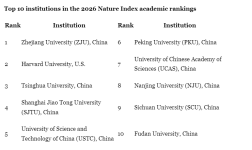
The institutional rankings underscore China’s dominance: the Chinese Academy of Sciences ranked 1st, Zhejiang University 2nd, and Harvard University (U.S.) dropped to 3rd. Positions 4–10 were all held by Chinese institutions. Nine of the top 10 spots were secured by Chinese entities. Europe’s Max Planck Institute (Germany) fell outside the top 10 for the first time, while France’s National Center for Scientific Research (CNRS) remained at 16th.

Analysts attribute this shift to U.S. pressure accelerating China’s self-reliance in its research ecosystem. Over recent years, the U.S. has restricted exports of advanced semiconductors, AI accelerators, and quantum technologies to China. Chinese institutions have responded by accelerating domestic R&D. Some observers describe this as a paradoxical outcome: external pressure, like a ‘cornered rat,’ has strengthened cohesion among Chinese government, universities, and research bodies, expediting ecosystem development.

◇Harvard Dethroned by Zhejiang University

The most symbolic change this year was Harvard University ceding the top university spot to Zhejiang University, alma mater of DeepSeek founder Liang Wenfeng. Harvard, which had held the top position for 10 years since the Nature Index began in 2015, dropped to 2nd. Zhejiang University’s contribution score grew by 22.7%, while Harvard’s increased by just 0.6%. Nine Chinese universities ranked within the top 10.

U.S. university rankings declined due to legal battles and federal funding cuts under the Donald Trump administration. MIT fell from 18th to 21st, and Stanford University dropped from 13th to 14th.

China’s rise was not sudden. For years, it has employed a ‘talent black hole’ strategy, attracting global scholars with residency perks, high salaries, ample funding, and tenure-free positions. This includes recruiting Fields Medal winners and other overseas experts.


Harvard loses decade-long lead to China's Zhejiang University in global academic rankings​

June 14, 2026 | 06:35 pm PT

100408-yard-scaled-1781489702-9379-1781489750.png

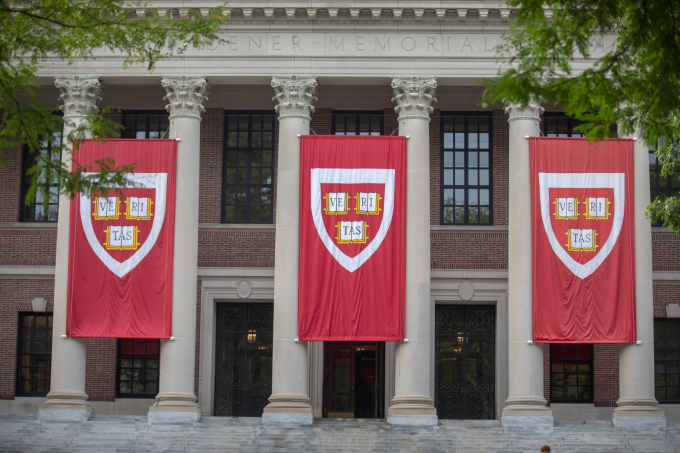
Harvard University's brick facade with red banners displaying the institution's coat of arms. Photo courtesy of Harvard

China’s Zhejiang University has surpassed Harvard University to take the top spot in the 2026 Nature Index academic rankings.
The rankings, released on June 10, mark the first time Harvard has not ranked first since 2015, the earliest year for which comparable Nature Index data is available.

Chinese institutions dominated this year's academic rankings, accounting for nine of the top 10 places, up from eight a year earlier. Zhejiang University ranked first, while Harvard fell to second.

China's presence was also evident across the top 20, with 17 Chinese universities and research institutions making the list. Among the few non-Chinese institutions were Stanford University, ranked 12th, and the Massachusetts Institute of Technology, ranked 17th.

The academic institution rankings exclude government agencies and companies. In the broader 2026 Nature Index Research Leaders rankings, which include government and healthcare organizations, Harvard dropped to third place behind the Chinese Academy of Sciences, the world's largest scientific organization and the leading institution in the Nature Index, and Zhejiang University.

The Nature Index, part of Nature Research Intelligence, measures research output based on author affiliations in 178 leading journals covering the natural sciences, health sciences, applied sciences and social sciences.

The latest edition assessed about 125,000 primary research papers published in 2025, according to the South China Morning Post.

搜狗截图20260615112057.png

Subject-specific rankings underscored China's growing research strength across multiple fields.

Chinese institutions occupied all 10 positions in both applied sciences and chemistry. They also held nine of the top 10 places in Earth and environmental sciences.

The China Meteorological Administration, the country’s national weather service, rose to second place in Earth and environmental sciences from sixth in 2024.

In biological sciences, Chinese institutions secured five of the top 10 positions, while U.S. institutions claimed three.

In health sciences, historically an area of strength for the U.S., Harvard ranked first in 2025, but Chinese institutions accounted for seven of the top 10 places, led by the Chinese Academy of Sciences.

The U.S. remained dominant in social sciences, where American institutions occupied nine of the top 10 positions. China's Tsinghua University ranked fifth.

In physical sciences, Chinese institutions held five of the top 10 places. The remaining positions went to European institutions and the University of Tokyo, which recorded Japan's only top-10 appearance across the subject rankings.
 

Users who are viewing this thread

Pakistan Defence Latest

Back
Top