New Images of China’s Next-Generation J-XDS Fighter Jet Surface Online
by
Svitlana Anisimova
31/05/2025
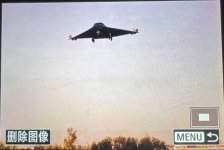
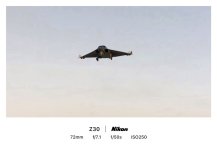
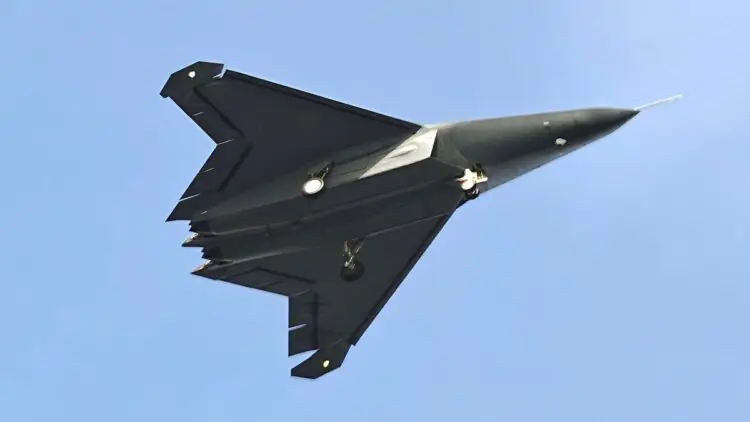
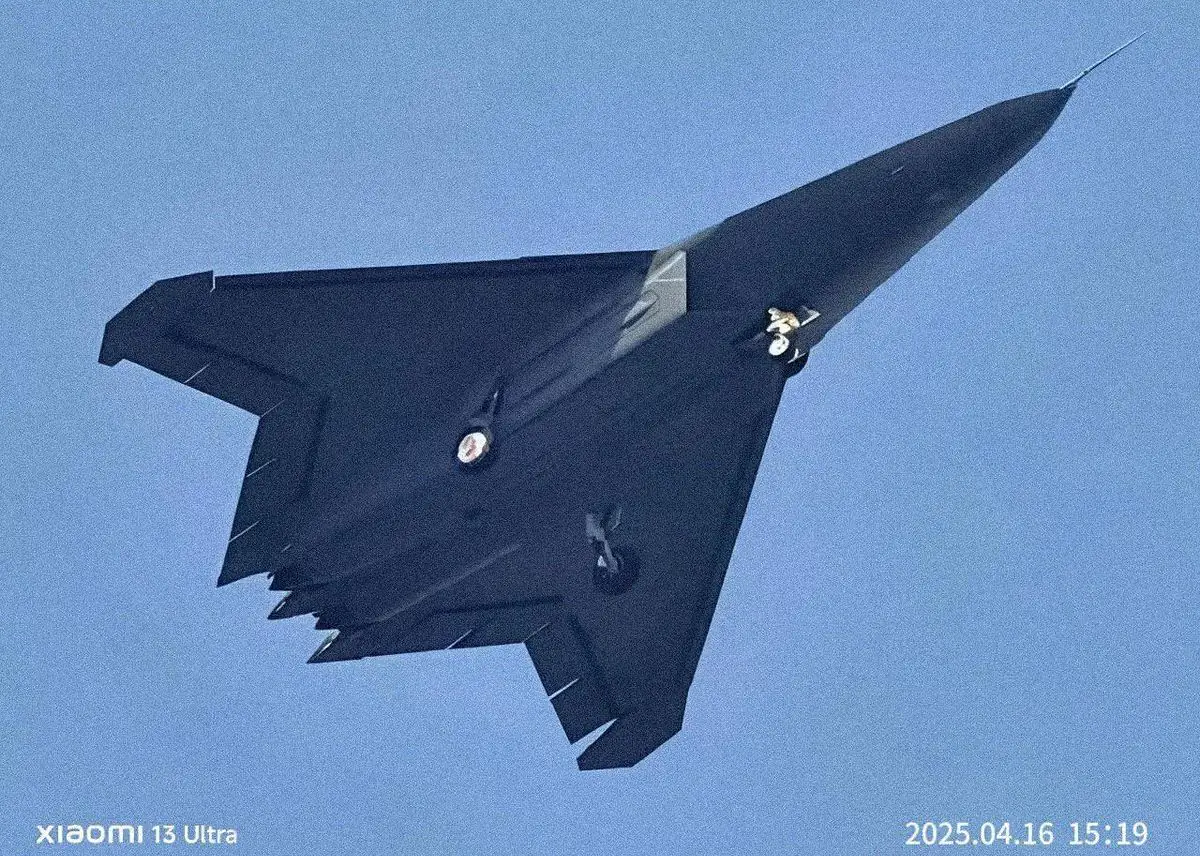
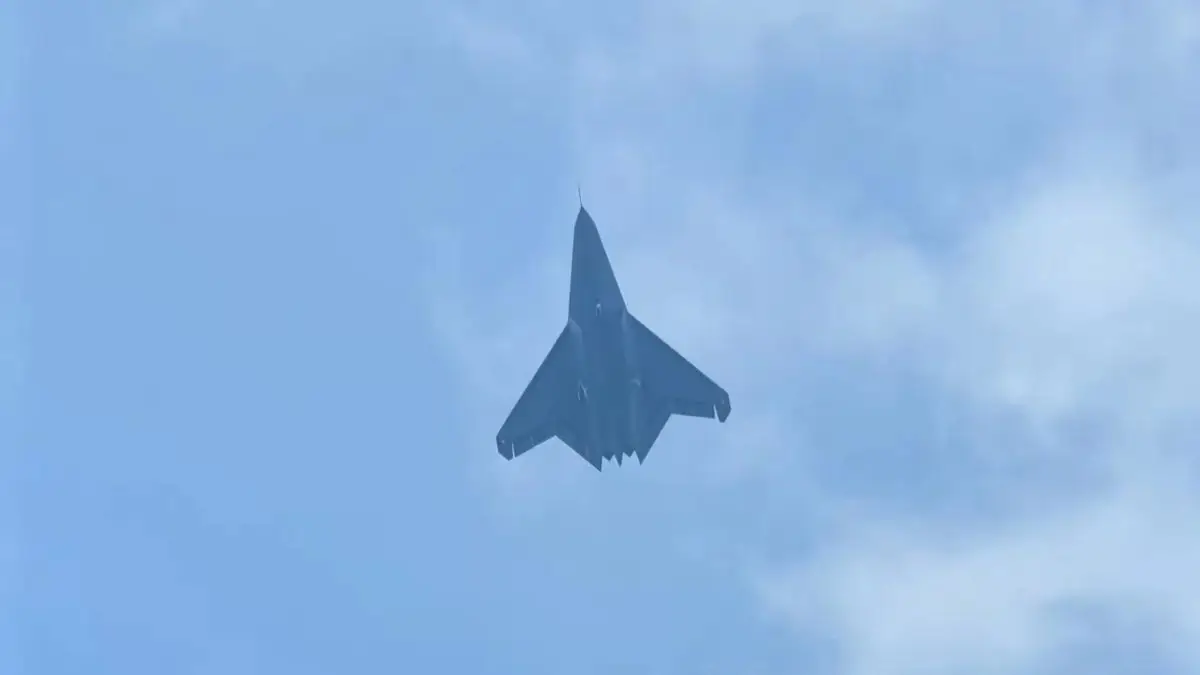
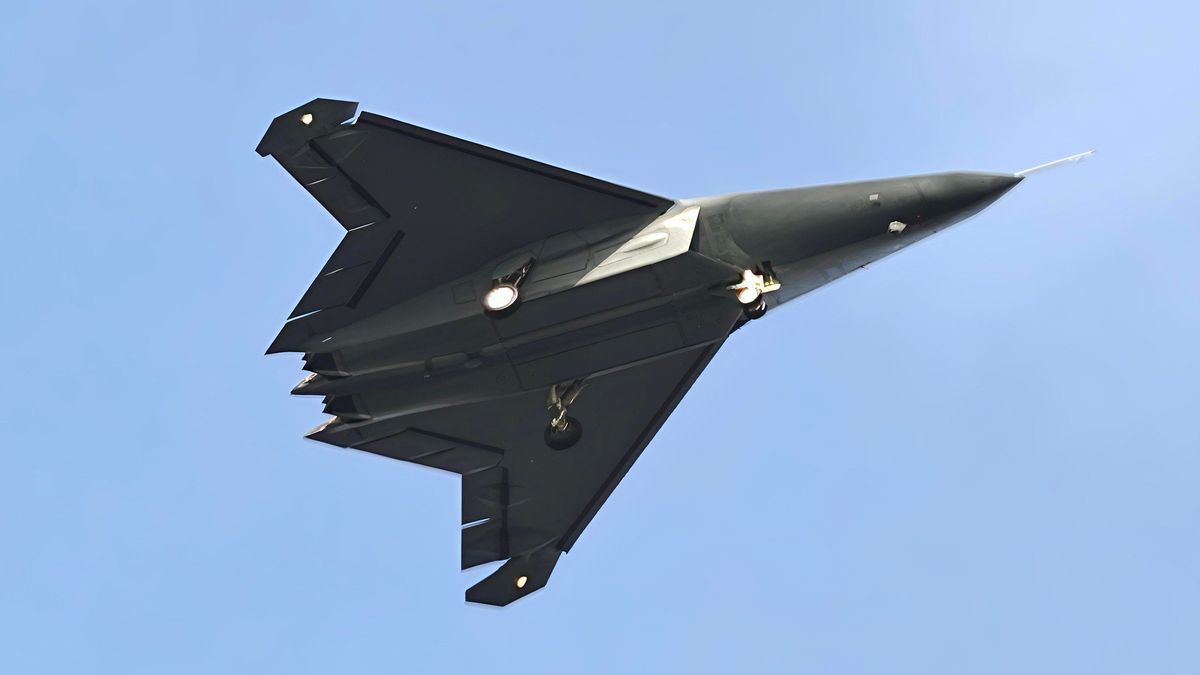
A recent image circulating online offers a clear look at the underside of China’s next-generation fighter jet, known as the J-XDS, currently under development by Shenyang Aircraft Corporation. Another image has also surfaced, showing what appears to be the cockpit area with a relatively clear view of its configuration. However, Andreas Rupprecht, a leading researcher on Chinese military aviation, has cautioned that the authenticity of these photos cannot be independently verified.
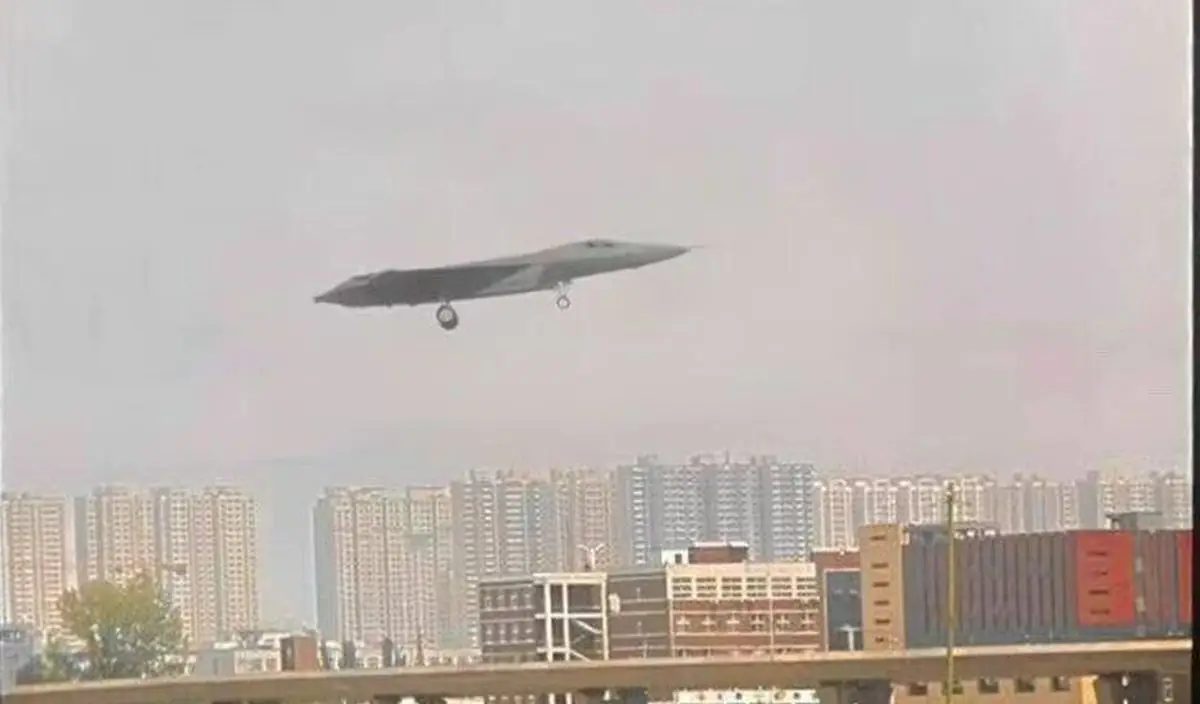
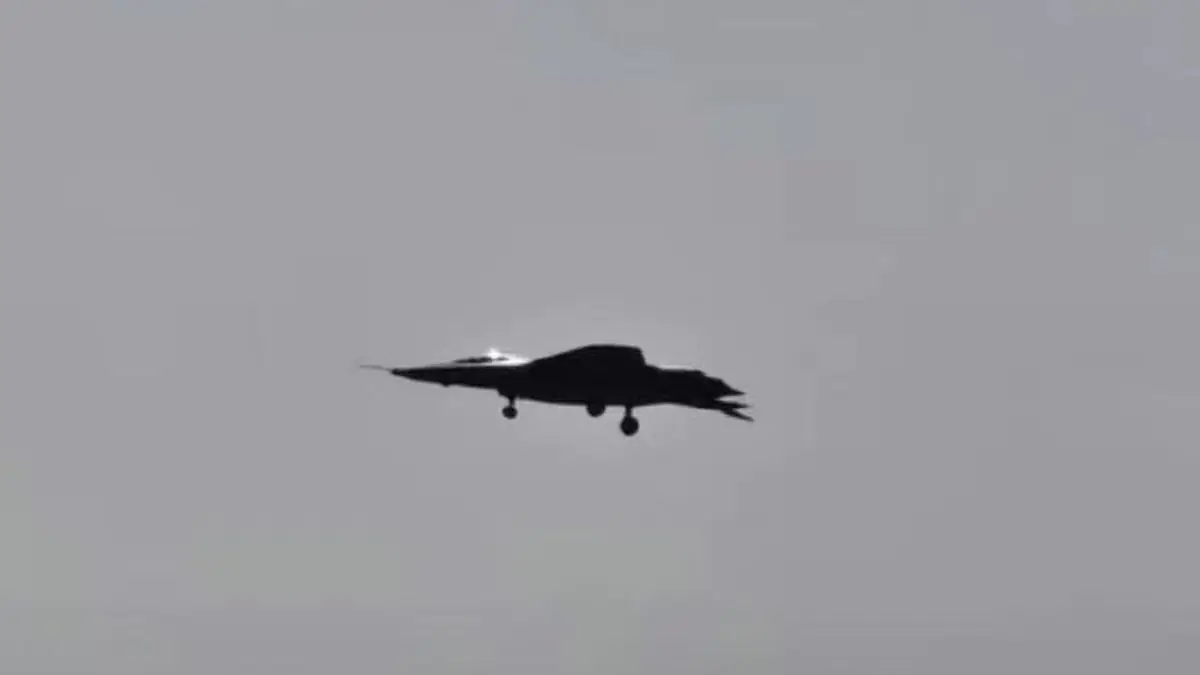
The J-XDS is expected to feature a lambda wing configuration, a detail that became apparent in April when a side-view image of the aircraft was published. This wing design offers improved aerodynamic efficiency due to its higher aspect ratio and contributes to a lower radar cross-section. The twin-engine aircraft also appears to be equipped with diverterless supersonic inlets (DSI) and dual exhaust nozzles. The side profile photo clearly shows a canopy over the cockpit, indicating that the
aircraft is designed to be piloted.
A new image of the aircraft shows its wingtips angled backward and its tricycle landing gear deployed, suggesting the aircraft is preparing to land. The wingtips could play a significant role in flight control—possibly an effort by engineers to add maneuverability to an otherwise aerodynamically sleek airframe.
While flight stability in tailless aircraft is typically managed through advanced onboard software and flight computers, it’s plausible that the Chinese Air Force may still favor traditional pilot control for launching certain air-to-ground munitions. These types of weapons often require specific flight paths and parameters for effective deployment. In such scenarios, pilots initiate weapon sequences manually, beginning with target acquisition once the aircraft reaches the correct speed and altitude.
The aircraft’s internal weapon bays are located between the two main landing gear units, with the door outlines clearly visible in the latest image. While it’s difficult to estimate payload capacity or the specific design of these bays, aircraft of this class typically carry at least two missiles per bay. For comparison, the
J-36’s weapon bays are significantly larger and appear more suited for air-to-ground munitions.
One possible armament for this new aircraft could be the PL-17 air-to-air missile, which is reported to have a range of up to 400 km. This missile has previously been spotted mounted on the inboard hardpoint of the left wing on two J-16 fighters. Both aircraft carried the same configuration: four PL-15s, four PL-10s, one PL-12, and one PL-17.
За межами повітрозабірників видно трапецієподібні обриси, які вказують на наявність ще одного відсіку. Проте його розмір не надто великий для зберігання боєприпасів. На ньому також є невелика випуклість, тож можна припустити, що там розташований масив сенсорів, починаючи від бокового радара і закінчуючи електромагнітним зондуванням.
Також на літаку видно електрооптичну систему стеження EOTS (Electro-Optical Tracking System), схожу за конструкцією на ту, що встановлена на
J-20, але трохи меншу. Позаду відсіку для озброєння на центральній лінії є два виступи, які нагадують висувну лінзу Люнеберга, як на J-20.
The J-XDS, with its next-generation stealth and potential jamming capabilities, could theoretically approach a combat zone and launch one or more long-range PL-17 missiles against high-value airborne targets such as tankers or airborne early warning and control (AEW\&C) aircraft.
Notably, photo and video captures of these aircraft at the production facility are unlikely to occur without the approval of Beijing. This suggests a deliberate effort by China to showcase its technological advancements amid escalating great-power competition with the United States. While the J-XDS may have practical applications, its public unveiling also appears to serve a strategic public relations purpose. China already possesses a sizable fleet of 4.5- and 5th-generation aircraft, which it is capable of producing at a faster pace than the U.S.—amplifying the symbolic impact of introducing this new platform.
Recently, the clearest image yet of China’s next-generation fighter jet, the J-XDS, developed by Shenyang Aircraft Corporation, appeared online.

aeronaut.media