Chinese Economy: General News, Updates and Discussions

DEAR CHINA,

AS YOU ARE AWARE, INDIA IS BECOMING A MAJOR MANUFACTURING POWER WITH MILLIONS OF JOBS PROJECTED TO SHIFT TO INDIA. AS INDIA IS BECOMING A MAJOR MANUFACTURING POWER WITH MILLIONS OF NEW JOBS SHIFTING TO INDIA, PLEASE BE COOPERATIVE AND HELP INDIA SHIFT MILLIONS OF JOBS BY LIFTING GERMANIUM EXPORT RESTRICTION, ALOWING CHINESE ENGINEER TO WORK IN INDIA, SHIFT ORDER TO INDIA ETC.
 

Updated - September 10, 2025 at 08:37 PM New Delhi

China is yet to resume supplies of rare earth elements and magnets to India, crucial for products such as EVs, cell phones, speakers and head phones.

“None of our importers of rare earth magnets, including EV manufacturers, has received their supplies from China. Nor have we heard of any confirmations from Beijing on our applications getting expedited,” a source tracking the matter told businessline.

my post above
 
iPhone 17 for the US market will be assembled in India from parts imported from China.

and elsewhere..for instance the A19 CPU chip, memory, audio chip, bluetooth chip, wifi chip, 5G chip, RF chip, OLED display, and the camera sensors are not made in China.

China's primary parts:

Components and sub-assemblies for the iPhone 17 that are likely made in China and shipped to India include the following:
  • Display assemblies
  • Cover glass (though its production is now shared with Kentucky)
  • Integrated rear camera modules
  • Mechanical housings
  • Printed circuit boards (PCBs) and other specialized, complex electronic components
  • Acoustic units (speakers and microphones)
 
Last edited:
DEAR CHINA,

AS YOU ARE AWARE, INDIA IS BECOMING A MAJOR MANUFACTURING POWER WITH MILLIONS OF JOBS PROJECTED TO SHIFT TO INDIA. AS INDIA IS BECOMING A MAJOR MANUFACTURING POWER WITH MILLIONS OF NEW JOBS SHIFTING TO INDIA, PLEASE BE COOPERATIVE AND HELP INDIA SHIFT MILLIONS OF JOBS BY LIFTING GERMANIUM EXPORT RESTRICTION, ALOWING CHINESE ENGINEER TO WORK IN INDIA, SHIFT ORDER TO INDIA ETC.
To view this content we will need your consent to set third party cookies.
For more detailed information, see our cookies page.
 
btw any good English-language Chinese media? I see SCMP occassionally but I heard its not very reliable.
How about Newsweek?

Chart Shows China Winning Global Clean Energy Race

September 13 2025

Anew report shows China's fossil fuel use is plateauing, as surging electricity demand is increasingly met by wind and solar amid the world's largest energy consumer's decarbonization push.

Why It Matters​

China has become the undisputed leader in green tech manufacturing and exports, dominating sectors from electric vehicles to solar panels and battery storage.

It has done so through aggressive state-driven industrial policy, massive public spending—totaling $625 billion last year, or nearly one-third of global clean energy investment—and by harnessing its integrated, domestic supply chains in a broader push to reduce reliance on oil imports and claim a lead in emerging technologies.

Newsweek reached out to China's National Energy Administration via email with a request for comment.

What To Know​

Fossil fuel consumption in China has effectively plateaued since 2021, both in overall energy use and electricity generation, according to a report by U.K.-based think tank Ember.

Eighty-four percent of the increase in electricity demand last year was met by clean energy sources, including wind, solar and nuclear, per the report.

Wind and solar are leading the surge, with China generating 18 percent of its electricity from those sources in 2024—double the share from 2020, Ember said.

微信图片_20250914111820.png
In the first six months of 2025, wind output rose 16 percent over the same period last year, while solar generation soared by 43 percent. Combined output from wind and solar hit 2,073 terawatt-hours by June, surpassing China's hydropower, nuclear and bioenergy output for the first time.

Fossil fuel use for direct end uses—like transportation, heating and industrial combustion—has stalled at just under 150 exajoules since 2018.

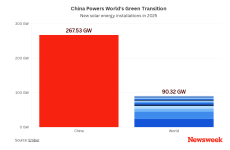
China has added 267.53 gigawatts of solar capacity in the first half of 2025 alone—nearly triple the rest of the world combined, according to Ember.

What People Are Saying​

Jonas Nahm, assistant professor for energy, resources and environment at the Johns Hopkins School of Advanced International Studies, wrote on X: "As the U.S. withdraws from green tech industries and pressures allies to follow suit, China is stepping in to power the developing world's energy transition. The scale is staggering."

Guo Jiakun, Chinese Foreign Ministry spokesperson, said at a June news conference: "This year marks the 10th anniversary of the Paris Agreement. China is always a staunch doer and important contributor to global green development. Working toward peaking carbon dioxide emissions and achieving carbon neutrality is our solemn commitment to the international community."

What's Next​

China is expected to continue advancing its green energy transition. President Xi Jinping has set a target for the country to peak carbon emissions by 2030 and achieve carbon neutrality by 2060.

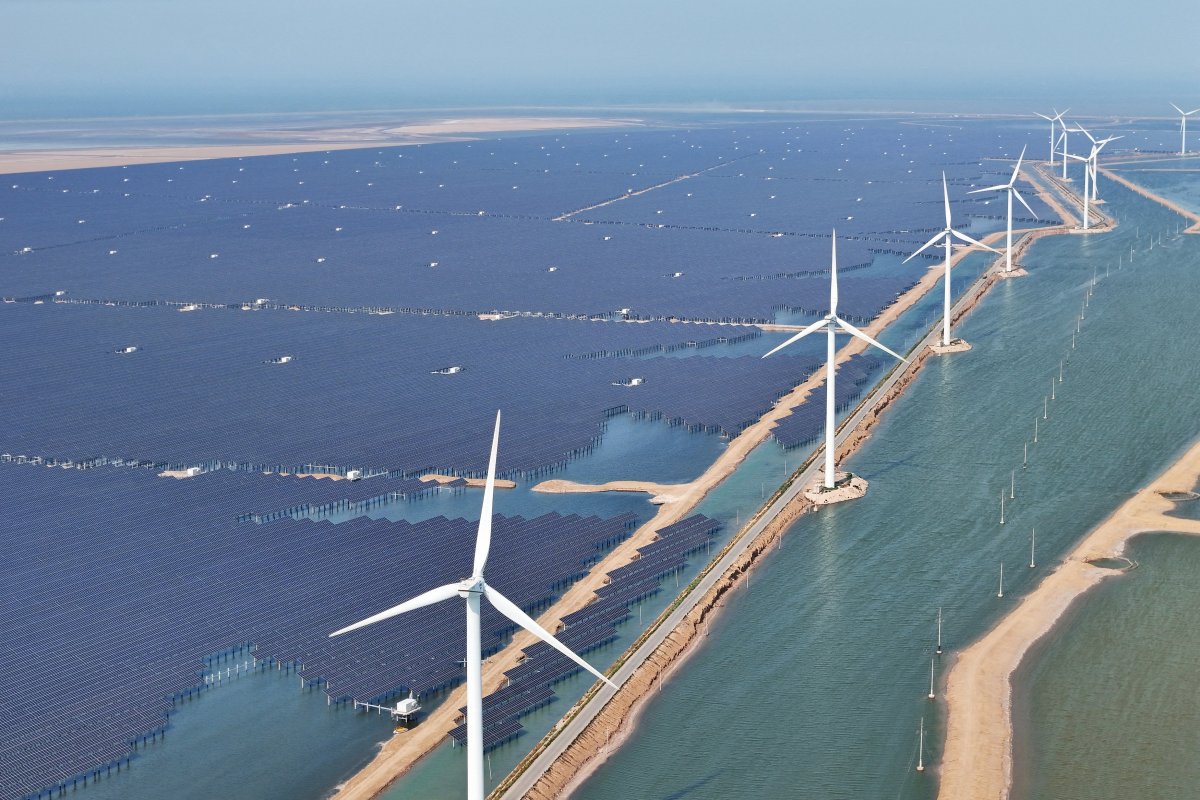
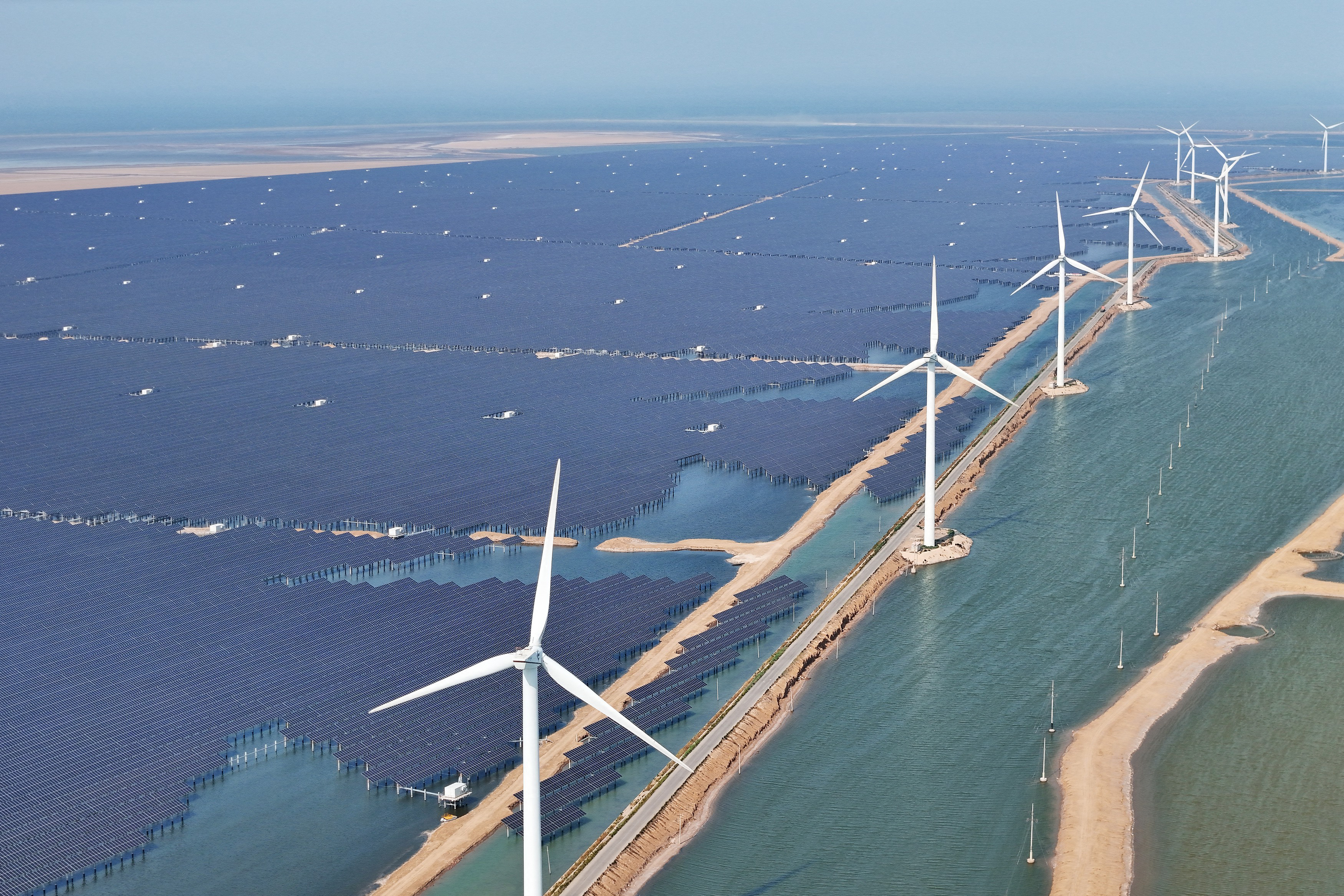
Wind Turbines and Solar Panels in Shandong

Solar panels and wind turbines are pictured at the new Huaneng Binzhou energy power generation project in Binzhou, part of China's eastern Shandong province, on June 11. AFP VIA GETTY IMAGES


Huge batch of Russian enrollees in Chinese-language primary school just across the northern border is said to reflect warming cross-cultural ties​

Published: 4:00pm, 14 Sep 2025

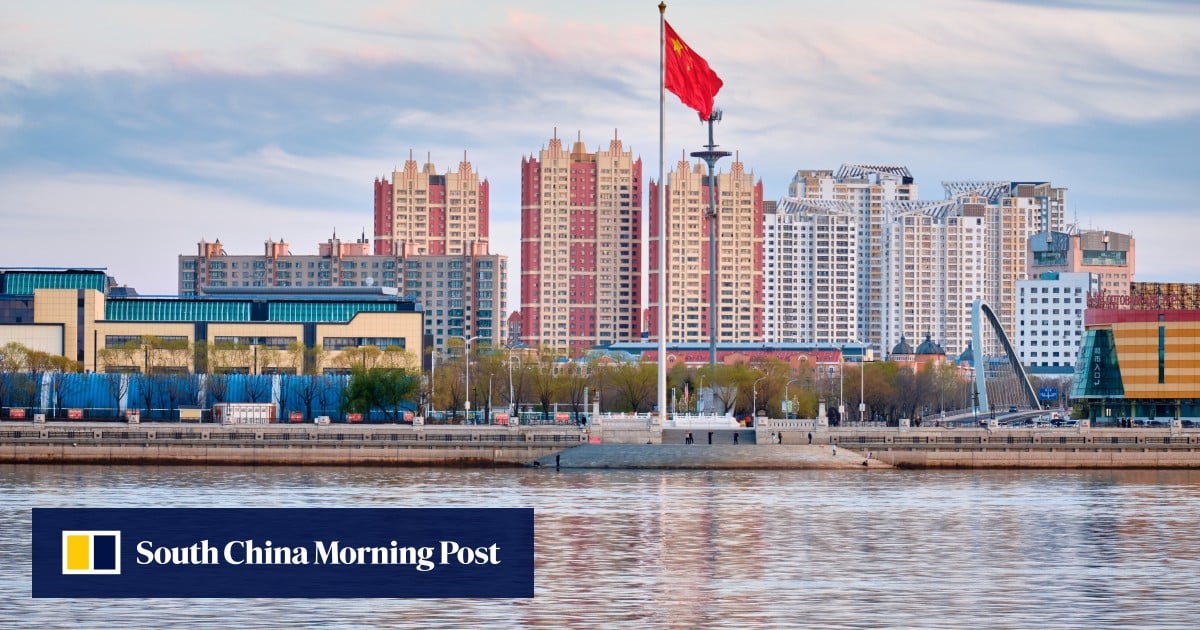
A Chinese school along the border with Russia has welcomed a large batch of young Russians, drawing widespread coverage while underscoring how people-to-people exchanges between the neighbouring countries have warmed to a historically high degree.

A total of 127 children from north of the border began classes on September 1 at Heihe Primary School, a public institution in Heilongjiang province, according to an article posted by the Chinese embassy in Russia to its official WeChat account on Thursday.

The fresh enrollees joined 89 Russians already studying on campus, bringing the total to 216, according to the article.

It noted that blond-haired, blue-eyed Russian students could often be seen holding hands with their Chinese classmates.

“I used to worry that my daughter wouldn’t understand Chinese, but now she comes home every day teaching us how to say ‘thank you’ and ‘goodbye’ in Chinese,” a Russian mother from just across the border in Blagoveshchensk was quoted as saying. Her daughter’s daily cross-border commute takes about 20 minutes via a bridge.

To assist families like hers, the school has arranged a dedicated cross-border bus route and translation services, the article said.

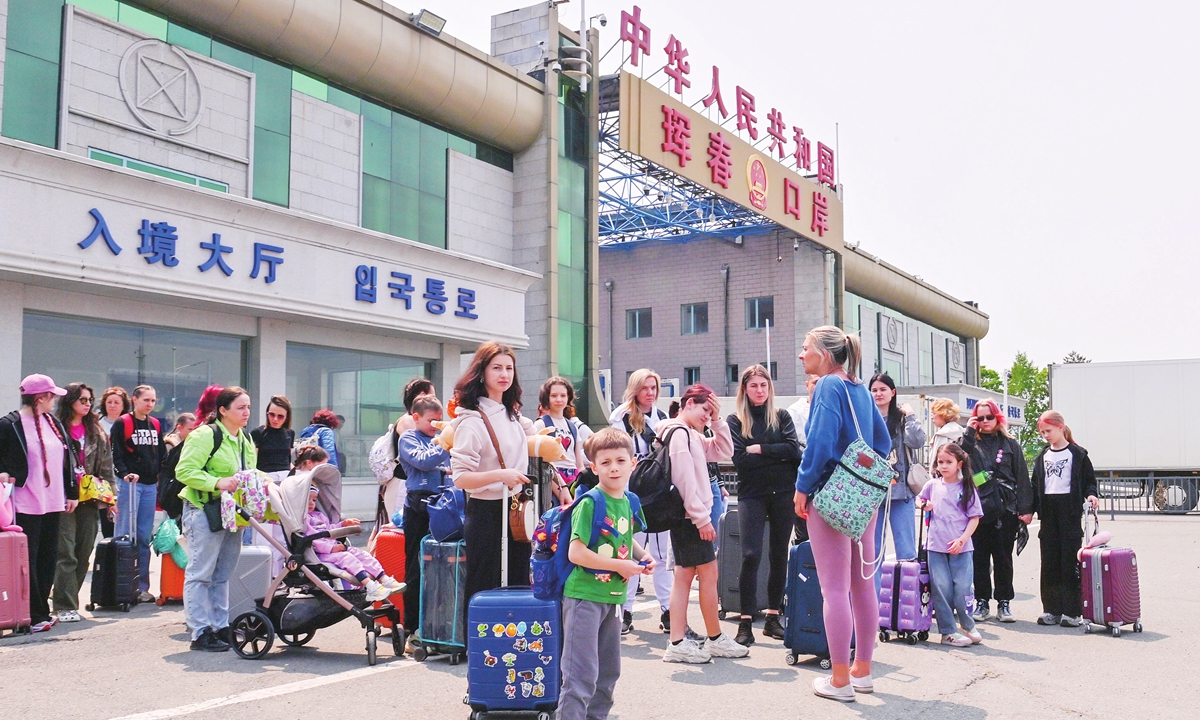
The announcement came just four days before an easing of visa-entry rules for Russian nationals. From Monday, holders of ordinary Russian passports will be allowed to enter China visa-free for up to 30 days as part of a one-year trial programme.

In an earlier video report by Chinese media outlet Jimu News, Russian children at the school were shown wearing the same uniforms as their Chinese classmates while participating in morning exercises and following the standard curriculum – all taught in Chinese.

The school is located a short distance from the China-Russia border, and a school administrator was quoted as saying: “These Russian students are registered as international students, receiving basic primary education in Chinese.”

She added that Heihe Primary School was the city’s only institution authorised to admit Russian children.

Russian pupils have attended local schools in the past, according to the Jimu report, but a staff member with the education bureau of Aihui district, where the school is located, declined to provide additional information when contacted by the Post.

A “Safe Campus” column, under the state-run People’s Daily, said on September 3 that the Russian students’ arrival was a symbol of cross-cultural friendship.

“They entered the campus with curiosity and anticipation,” said the piece, posted to Safe Campus’ official WeChat account. “For a moment, their blond hair and blue-eyed, exotic faces made the elementary school look like that of an ‘international school’.”

It added that such initiatives deepen ties between young Chinese and Russians while laying a foundation for future cooperation in economics, culture and technology.

The process of learning Chinese is also a means of understanding China’s history, traditions and values for the Russian students, it said.

It suggested that more similar exchanges would take place, positioning Heihe Primary School’s experience as a model for international educational exchanges.

Due to its proximity to Russia, Heihe has long been a hub of cross-border interactions. For many Russians, it is the closest retail haven for shopping. Early each day, scores of Russians reportedly take the first ferry to the Heihe morning market.

News of the growing number of Russians studying at the primary school sparked lively discussions on social media.

“This is quite interesting,” one Weibo user commented. “I heard we have visa-free access for Russians, and now elementary school students are coming to study. It seems like this diplomatic move was quite swift.”
 
are you kidding? total free pass borders is something common in the West.

I flew to Rome, Paris, and Barcelona in August. No visa or paperwork needed...it was the same process as booking a flight to a US city. Same security line stuff too.

BTW the only "group" I was in was my family..
 

Starting from September 15, 2025, citizens holding ordinary passports will be able to enter the country without a visa, thanks to China's latest expansion of its visa-free program, according to a recent announcement by Chinese Foreign Ministry spokesperson Guo Jiakun.

According to Russia Today, interest in traveling to China has surged sharply, following the announcement of a new visa-free entry policy for Russian citizens. Ticket sales for flights departing for China after September 15, the day the policy takes effect, have doubled, while hotel searches and travel inquiries have spiked by more than five times.

Data from travel platform Ctrip.com show that the 10 most popular Chinese cities among Russian tourists include Beijing, Sanya, Shanghai, Guangzhou, and Harbin.

Among them, Harbin city in Northeast China's Heilongjiang Province, with its unique blend of Chinese and Western cultures and favorable geographic location, has emerged as a preferred destination for Russian sightseers, according to Harbin News.

"China and Russia share a long border, and exchanges between border cities are frequent. With the implementation of the visa-free policy, cities such as Manzhouli and Harbin are expected to attract more Russian tourists, and border tourism will keep heating up," Ge said.

In 2024, Beijing received 293,000 Russian visitors. From January to May, the city welcomed 175,000 Russian tourists, for an 83.9 percent year-on-year increase, making Russians the largest foreign visitors group to the capital, according to Xinhua News Agency. Beyond these major cities and well-known tourist destinations, smaller hidden gems - natural scenic areas and towns, also have strong potential to attract Russian travelers.


In 2025, Chinese tourism authorities are preparing for a significant influx of Russian visitors, with an estimated 2 million trips expected to be made by Russian citizens. This surge is largely attributed to China’s newly introduced trial visa-free policy for Russian travelers. With this policy in place, Russia is projected to become the second-largest source of tourists to China, only behind Türkiye.
 
The Western countries are planning trillions of dollars in investments to build up industrial capacity. Once it is built up, they will have a tariff advantage against Chinese production and there will be huge global surplus capacity. So, either China has to consume all of its production itself or it has to find external markets or has to cut down production .
Which western country? Definitely not America.

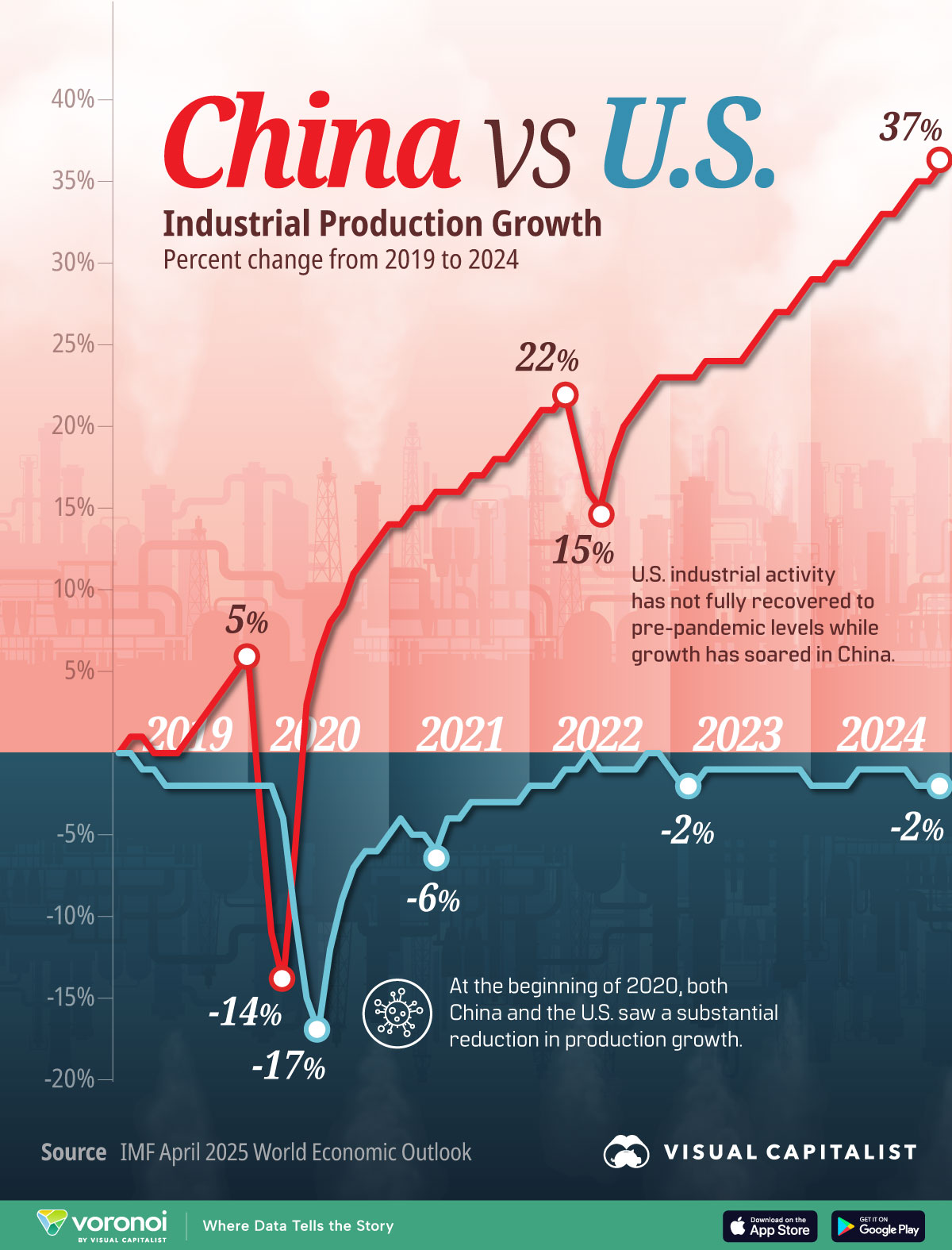
China vs. America’s Industrial Growth (2019-2024)​

ChinavsUSwithBar-1.jpg
 
I can go to Russia this year to watch the ice hockey game.
We have an ice hockey club that has been playing in Russia for a long time, and Russian ice hockey adds to the traditional project of fighting.
 

Attachments

  • b0c5a1fb6e4c4dc9961a583b52a9e0ca.jpg
    b0c5a1fb6e4c4dc9961a583b52a9e0ca.jpg
    57.9 KB · Views: 1
China's industrial output up 5.2% in August
September 15, 2025


300c3fef48a2af982166d231d617f38e.jpg
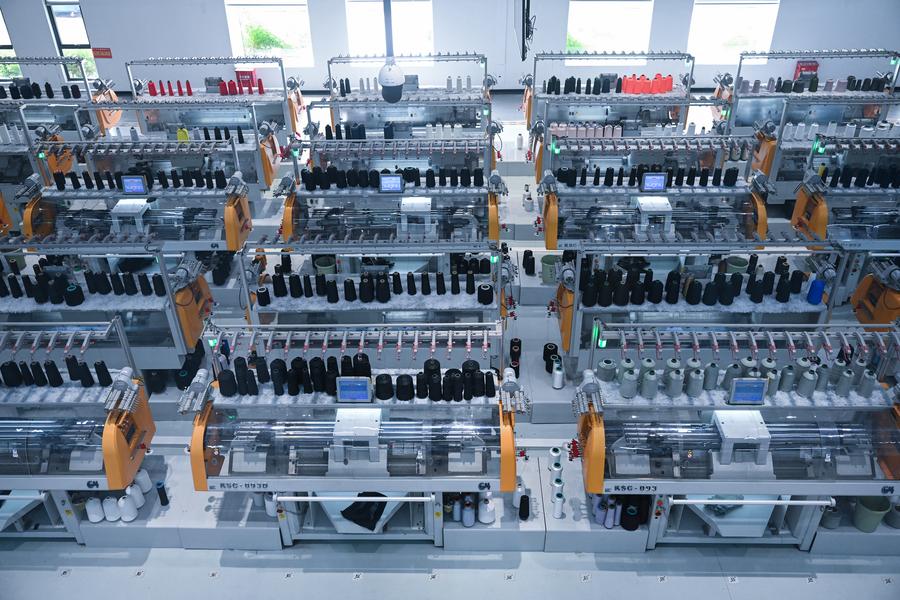
This photo taken on Aug 19, 2025 shows a smart production line at a custom-made shoes factory of SEMS in Putian, Southeast China's Fujian province. (PHOTO / XINHUA)

BEIJING - China's value-added industrial output expanded 5.2 percent year-on-year in August, official data showed on Monday.

The growth slowed from a 5.7-percent rise in July, according to data released by the National Bureau of Statistics.

In the first eight months of this year, China's industrial output increased by 6.2 percent compared to the same period last year.

The industrial output is used to measure the activity of large enterprises, each with an annual main business turnover of at least 20 million yuan ($2.8 million).

A breakdown of the data showed that the manufacturing sector's value-added output increased by 5.7 percent year-on-year last month, while that of mining grew by 5.1 percent. The value-added output of the electricity, heat, gas, water production and supply sector rose by 2.4 percent.

Retail sales

The bureau's data also indicated China's consumer spending in the first eight months of this year expanded at a solid pace, with retail sales of consumer goods growing 4.6 percent year-on-year to 32.39 trillion yuan.

In August alone, retail sales of consumer goods rose 3.4 percent from a year earlier to nearly 3.97 trillion yuan, according to the bureau.

Online retail sales remained a bright spot, climbing 9.6 percent year-on-year to 9.98 trillion yuan in the first eight months, the data showed.

From January to August, retail sales of consumer goods in urban areas reached 28.11 trillion yuan, up 4.6 percent year-on-year, while retail sales in rural areas amounted to nearly 4.29 trillion yuan, an increase of 4.7 percent year-on-year.

Sales of physical goods online increased 6.4 percent to nearly 8.1 trillion yuan, making up a quarter of total retail sales.

Among them, sales of food, clothing, and daily necessities increased by 15 percent, 2.4 percent, and 5.7 percent, respectively, according to the bureau.

dda399382e4d8f8a2a253631438fd704.jpg
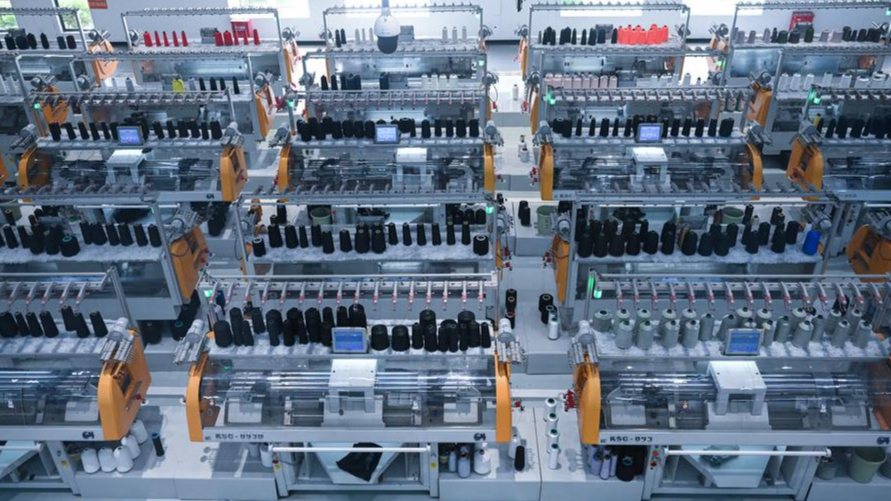
Workers hoist an oversized mining mill cylinder for export at a workshop of CITIC Heavy Industries in Luoyang, Henan province, on Aug 26, 2025. (HUANG ZHENGWEI / FOR CHINA DAILY)

 
To view this content we will need your consent to set third party cookies.
For more detailed information, see our cookies page.
 

Users who are viewing this thread

Latest Posts

Back
Top