“U.S. Military Caught Off Guard”: China’s New Turbine Blade Delivers Brutal Jet Power and Unstoppable Endurance
In a landmark achievement for the aeronautics industry, Chinese researchers have unveiled a revolutionary self-cooling turbine blade, promising unprecedented advancements in jet engine efficiency and performance, thereby bolstering China's aviation self-reliance on both military and civilian fronts.
Eirwen Williams
June 4, 2025 at 10:11 AM
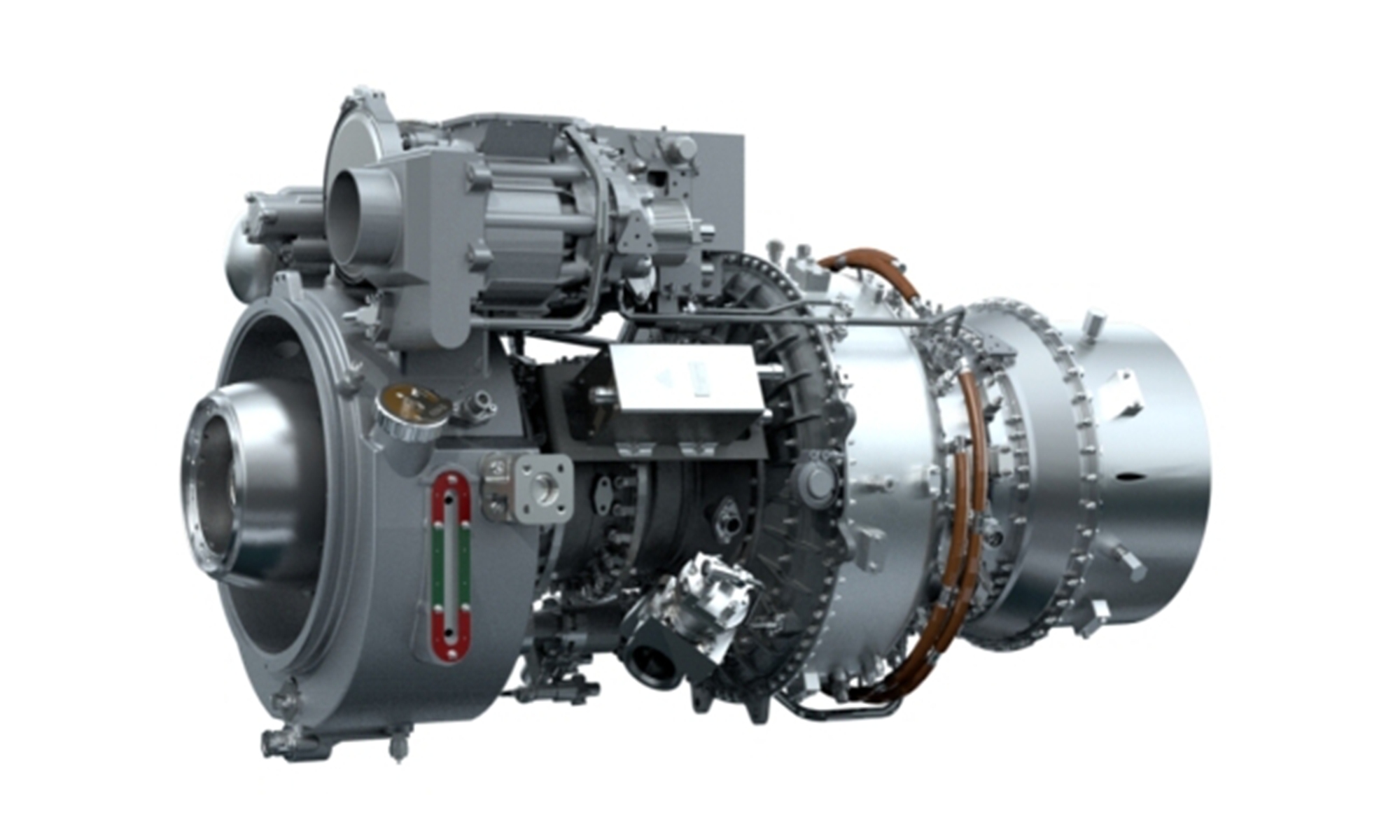
Illustration of a next-generation self-cooling turbine blade enhancing jet engine performance in China. Image generated by AI.
IN A NUTSHELL
- China has patented a groundbreaking self-cooling turbine blade, enhancing jet engine efficiency and performance.
- The new turbine design withstands higher temperatures, providing improved thrust and fuel efficiency for aircraft.
- Developed by the Aero Engine Corporation of China with Handan Xinxing, this innovation strengthens China’s aviation sector.
- The advanced turbine technology benefits both military and civilian aviation, reducing costs and environmental impact
In a groundbreaking advancement for the aeronautics industry, Chinese researchers have recently patented a cutting-edge self-cooling turbine blade that promises to revolutionize jet engine performance. This innovation is poised to significantly enhance China’s aviation capabilities, providing substantial benefits for both military and civilian aircraft. The new turbine blade design offers increased thrust and improved fuel efficiency, making it a critical component in the nation’s quest for aviation self-reliance. As China continues to assert its technological prowess, this development marks a pivotal step in strengthening its position in the global aeronautics arena.
The newly patented turbine blade is a feat of engineering designed to withstand extreme temperatures, allowing jet engines to operate more efficiently. Developed by the Beijing Institute of Aeronautical Materials under the Aero Engine Corporation of China (AECC), this innovation represents a significant leap forward in jet engine technology. The turbine blades, crafted from a special alloy, are capable of enduring temperatures that are up to 15 percent higher than those tolerated by current models. This
thermotolerant property is crucial for enhancing engine thrust and improving fuel efficiency, ultimately leading to longer service life and reduced operational costs.
The patent, co-developed with Handan Xinxing Special Steel Pipes Company, underscores China’s commitment to advancing its technological capabilities in aeronautics. This collaboration has resulted in a product that not only meets but exceeds the demands of modern aviation, providing a competitive edge in the global market. The innovative design of these
high-temperature alloy turbine blades is expected to play a pivotal role in the development of next-generation aircraft.
The introduction of this advanced turbine blade technology is set to have far-reaching implications for both military and civilian aviation sectors. For the military, enhanced engine performance translates to superior aircraft capabilities, providing a strategic advantage in defense operations. The AECC has been a leader in developing engines for military jets such as the J-10CE, which has demonstrated its prowess in various military exercises. By incorporating these new turbine blades, the performance of such aircraft is expected to improve significantly, bolstering China’s defense capabilities.

On the civilian front, the new turbine blades are pivotal for engines like the CJ1000A and CJ2000, which are used in commercial aircraft. The improved fuel efficiency and increased engine lifespan will not only reduce operational costs for airlines but also contribute to environmental sustainability by lowering carbon emissions. This dual application in military and civilian sectors exemplifies China’s strategic approach to technological development, ensuring broad-based benefits across its aviation industry.
The development of these next-generation turbine blades is the result of a collaborative effort between the AECC and Handan Xinxing Special Steel Pipes Company. This partnership highlights the importance of cross-industry collaboration in advancing technological innovations. By leveraging the expertise of both organizations, the project has successfully overcome the challenges associated with producing high-performance turbine blades.
Moreover, the involvement of the China National Intellectual Property Administration in the patenting process reflects the country’s dedication to protecting and promoting its technological advancements. This patent not only secures China’s intellectual property rights but also positions it as a leader in the global aeronautics industry. As China continues to invest in research and development, such collaborations are expected to drive further innovations, solidifying its status as a hub for technological excellence.
With the successful patenting of this advanced turbine blade technology, China is poised to make significant strides in its aeronautics industry. As the country seeks to enhance its aviation self-reliance, the development of such critical components is essential. The introduction of these high-temperature alloy turbine blades is not just a technological achievement but a strategic move to reduce dependency on foreign technology.
Looking ahead, the continued focus on innovation and development in the aeronautics sector will be crucial for China to maintain its competitive edge. As other countries invest in similar technologies, China must ensure that it remains at the forefront of aviation advancements. The question remains: How will China leverage its newfound technological capabilities to shape the future of global aviation?
Source:
https://www.sustainability-times.co...s-brutal-jet-power-and-unstoppable-endurance/