
Navigation
Install the app
How to install the app on iOS
Follow along with the video below to see how to install our site as a web app on your home screen.
Note: This feature may not be available in some browsers.
More options
Style variation
You are using an out of date browser. It may not display this or other websites correctly.
You should upgrade or use an alternative browser.
You should upgrade or use an alternative browser.
Chinese PLAAF News
- Thread starter Fatman17
- Start date
More options
Who Replied?
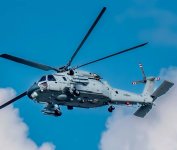
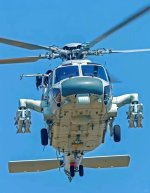
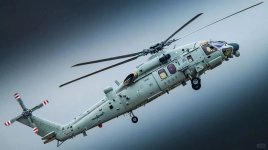
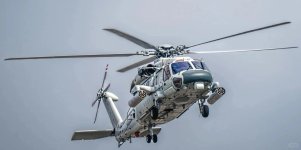
Beijingwalker
VIP Member

Beijingwalker
VIP Member
Beijingwalker
VIP Member
China ‘showed integrated combat capabilities in locking on US fifth-generation jets’
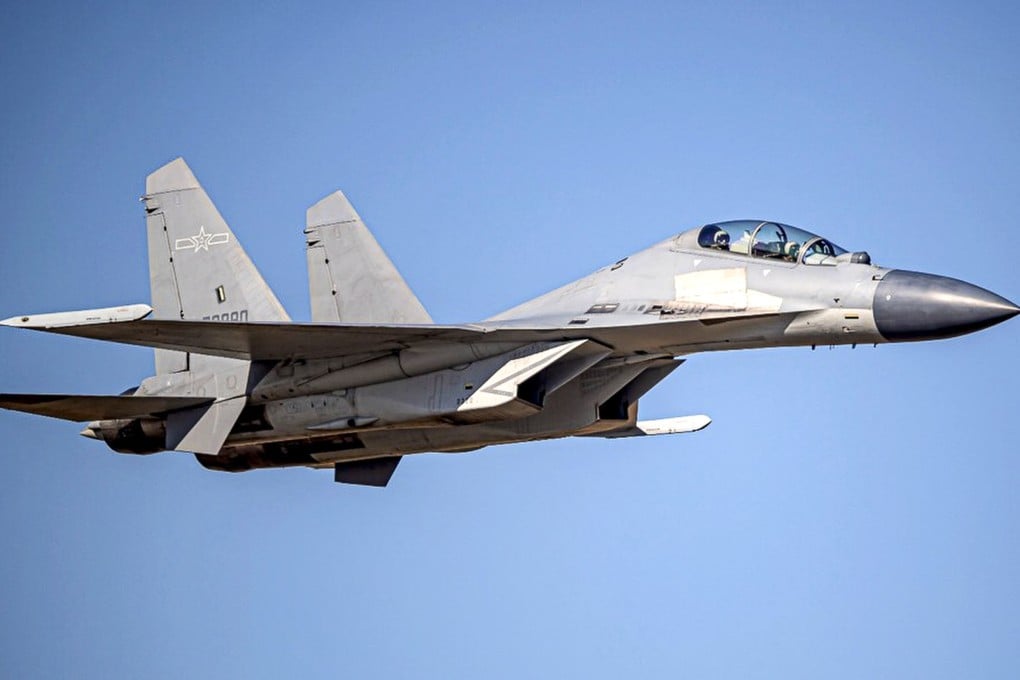
A PLA J-16 fighter reportedly chased away two foreign planes– believed to be US F-22s – from its air defence identification zone last year
Yuanyue Dangin Beijing
Published: 6:00pm, 17 Oct 2025
A Chinese J-16 fighter that locked onto two foreign warplanes – believed to be American F-22s – before escorting them out of the country’s air defence identification zone highlighted the People’s Liberation Army’s “integrated combat capabilities”, military analysts have said.
The incident came to light in a report aired by state broadcaster CCTV earlier this month. It said that the fighter had expelled two foreign aircraft last year and they had not been seen in the area since then.
Yue Gang, a military analyst and former PLA colonel, said the foreign aircraft were “highly likely” to be US fifth-generation F-22s rather than the F-35s frequently deployed in the Asia-Pacific region.
According to Yue, the J-16 was able to “lock on” to the stealth fighters because the PLA operates an “integrated combat system” that includes satellites, early warning aircraft and anti-stealth radars, rather than “relying solely on the aircraft itself”.
Song Zhongping, a military commentator and former PLA instructor, also said he believed the foreign warplanes were F-22s.
“Based on the report, the J-16 and the F-22s were within visual range, meaning that the F-22s were conducting close reconnaissance against China,” he said.
Beijingwalker
VIP Member
China’s J-16 Fighter ‘Locks On’ to U.S. Stealth Jets: Shock Claim Sparks New Pacific Airpower Showdown
Beijing’s dramatic claim that a J-16 fighter locked onto and repelled two U.S. stealth aircraft—believed to be F-22 Raptors or F-35 Lightning IIs—has reignited a fierce contest for air superiority in the Indo-Pacific amid rising U.S.-China military brinkmanship.
On Oct 10, 2025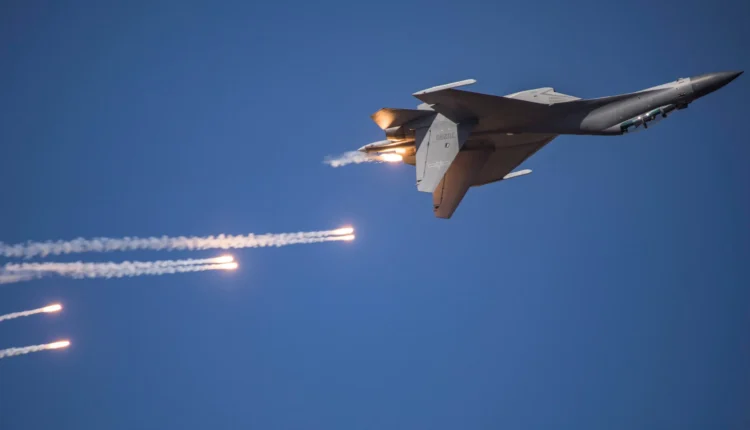
(DEFENCE SECURITY ASIA) — In an increasingly volatile Indo-Pacific theatre, Beijing’s claim that one of its J-16 multirole fighters successfully locked onto and repelled two stealth aircraft—believed to be American F-22 Raptors or F-35 Lightning IIs—has ignited fresh debate over the balance of air superiority in the Pacific.
The report, broadcast by China Central Television (CCTV), recounts an alleged incident over the East China Sea in which a single People’s Liberation Army Air Force (PLAAF) J-16 intercepted two “foreign stealth aircraft” that had entered what Beijing described as “sensitive airspace.”
Though unverified by Washington, the account was swiftly amplified across Chinese state media as evidence of China’s maturing capability to detect and challenge U.S. fifth-generation aircraft, traditionally seen as the pinnacle of airpower technology.
The United States has neither confirmed nor denied the event, consistent with its practice of avoiding comment on intelligence-sensitive operations, leaving analysts and defence watchers to assess whether Beijing’s story reflects an actual tactical success—or a carefully curated narrative designed to bolster domestic confidence and strategic deterrence.
The broadcast featured PLAAF pilot Li Pengfei, who described how his aircraft allegedly detected two stealth fighters during a patrol mission near China’s eastern coastline.
According to Li, his J-16 closed in to within 10–15 meters of one of the aircraft, executing an inverted maneuver that placed the Chinese fighter above the foreign jet—a dramatic move that allowed him, he claimed, to achieve simultaneous radar locks on both targets.
“The unidentified aircraft retreated rapidly,” Li said, implying that the PLAAF had forced the stealth intruders to disengage.
The encounter, he noted, was supported by China’s integrated air defence network, combining airborne sensors, early-warning aircraft, and ground-based radar systems feeding data to the J-16 in real time.
If accurate, this level of situational awareness would represent a significant leap in Chinese command-and-control integration—an area traditionally dominated by U.S. and NATO forces.
Analysts observed that the alleged event aligns with Beijing’s broader narrative of “defending national sovereignty” against what it describes as frequent U.S. reconnaissance and “provocative surveillance” flights near its coastline.
The East China Sea, a contested and crowded airspace patrolled by both Chinese and American aircraft, has long been a theatre of cat-and-mouse encounters that test the limits of professional conduct and operational restraint.
The J-16: China’s Heavyweight Fighter
At the center of the story is the Shenyang J-16—a twin-seat, twin-engine multirole fighter derived from the Russian Su-30MKK platform but extensively modified with Chinese avionics, sensors, and weapons.Equipped with an active electronically scanned array (AESA) radar, the J-16 is optimized for long-range air-to-air engagements, capable of tracking multiple targets simultaneously while resisting jamming and low observability countermeasures.
The aircraft’s radar is believed to have low-frequency modes that can better detect stealth aircraft whose radar cross-section (RCS) is minimized primarily against higher-frequency bands.
The J-16 also employs the PL-15 beyond-visual-range (BVR) air-to-air missile, a radar-guided weapon with a range exceeding 200 kilometers, powered by an advanced dual-pulse motor and equipped with an AESA seeker.
In a combat scenario, this missile gives Chinese pilots the ability to engage U.S. stealth aircraft from significant distances, especially when supported by networked radar systems or airborne early warning platforms like the KJ-500.
China’s J-16D variant—an electronic warfare derivative akin to the U.S. EA-18G Growler—further enhances the family’s versatility by carrying jamming pods capable of disrupting radar and communications across a broad spectrum, undermining the tactical advantages of stealth adversaries.
The J-16 is powered by twin Shenyang WS-10B Taihang turbofan engines, each generating up to 13,200 kilograms of thrust with afterburner, providing the fighter with a top speed exceeding Mach 2 and an operational range of over 1,500 kilometers without external fuel tanks.
Its airframe incorporates composite materials and radar-absorbent coatings to reduce its radar signature, while redesigned diverterless supersonic intakes and internal electronic warfare architecture improve survivability in contested air environments.
The aircraft’s data-link integration with China’s airborne early warning and control (AEW&C) assets—such as the KJ-2000 and KJ-500—enables real-time sensor fusion, allowing J-16 formations to share radar tracks and target information seamlessly across long distances.
In addition to the PL-15, the fighter can carry the short-range PL-10 infrared missile and precision-guided munitions for strike missions, making it one of the most flexible and combat-ready platforms in the PLAAF’s inventory, bridging the gap between fourth- and fifth-generation combat capabilities.
Chinese J-16 Shenyang
The F-22 and F-35: U.S. Air Dominance Icons
To understand the magnitude of Beijing’s claim, one must consider the aircraft it supposedly challenged.The F-22 Raptor, developed by Lockheed Martin and introduced in 2005, remains the benchmark for stealth air superiority.
It combines extreme agility, supercruise capability, and stealth shaping that yields an estimated radar cross-section smaller than a golf ball.
Its AN/APG-77 AESA radar provides unmatched situational awareness, while thrust-vectoring engines grant it superior maneuverability in close combat.
However, only 187 Raptors were built before production ended, leaving the U.S. Air Force with a limited fleet stretched across global commitments.
The F-35 Lightning II, by contrast, emphasizes sensor fusion, networked warfare, and multirole versatility.
With over a thousand units deployed globally, it serves as the backbone of allied airpower in both NATO and Indo-Pacific theatres.
Yet, its stealth coating maintenance demands and smaller weapons payload have drawn criticism, and its RCS—though minimal—may be more detectable from certain angles or under specific radar frequencies.
Breaking the “Invisibility Myth”
If the J-16 indeed detected, locked onto, and repelled stealth aircraft, it would suggest that China has made substantial strides in overcoming the so-called “invisibility cloak” of U.S. fifth-generation designs.Stealth, contrary to popular belief, does not render an aircraft invisible—it merely reduces the range and frequency bands at which it can be detected.
In practice, stealth aircraft can still appear on radar screens, particularly when adversaries employ multi-band detection systems that combine low-frequency radar, infrared sensors, and passive detection networks.
China has heavily invested in this domain.
Its long-wavelength radar systems, such as the JY-27A and the SLC-7, are specifically engineered to track low-observable aircraft at extended ranges.
Reports indicate that the JY-27A can detect targets with a radar cross-section as small as 0.001 square meters—roughly equivalent to the frontal RCS of an F-22—at distances beyond 400 kilometers.
Moreover, Chinese defence institutes are developing quantum radar technology, which, in theory, could render traditional stealth obsolete by detecting changes in photon states reflected from aircraft surfaces.
While practical deployment of such systems remains uncertain, even incremental progress in sensor fusion and low-frequency radar performance could explain the J-16’s alleged success.
Propaganda or Proof of Progress?
Western analysts remain divided on whether the incident occurred as described.Some view it as a morale-building narrative designed to project confidence in China’s armed forces amid growing U.S. containment efforts.
Others suggest that the event, while possibly real, was exaggerated in scale or context—perhaps involving U.S. reconnaissance aircraft rather than front-line F-22s or F-35s.
There is also the absence of photographic or sensor data to corroborate the claim, an omission that contrasts with the PLA’s tendency to release imagery of intercepts when politically advantageous.
However, even if partially fictionalized, the claim serves a broader strategic purpose.
It signals to domestic audiences that China can defend its airspace and to foreign militaries that their technological edge is narrowing.
It also reinforces a narrative of “strategic parity” that Beijing has been cultivating as it deploys new-generation aircraft like the J-20 Mighty Dragon and prepares the carrier-borne J-35 stealth fighter for naval operations.
Chinese military commentators have also emphasized that such reports, regardless of their veracity, align with Beijing’s long-term psychological operations strategy aimed at shaping perceptions of technological equality with the United States and its allies.
State-affiliated think tanks such as the China Institutes of Contemporary International Relations (CICIR) have argued that publicizing these encounters helps deter U.S. aerial reconnaissance activities by signaling that China’s detection and interception capabilities are fully operational across its coastal defense zones.
Meanwhile, independent defence observers note that similar claims have emerged in conjunction with major domestic airpower events—such as the Zhuhai Airshow and J-20 deployment milestones—suggesting a deliberate synchronization between strategic messaging, military modernization, and national propaganda cycles.
Tactical Lessons and Air Combat Realities
Should the J-16 encounter have indeed taken place, it offers several insights into evolving air combat doctrine.First, it would validate the growing importance of integrated sensor networks over individual aircraft stealth.
Second, it underscores how close-range encounters remain inherently risky—even between advanced fighters—where a split-second misjudgment can lead to collision or escalation.
Third, it reflects the transition from platform-centric to system-centric warfare, where victory depends less on a single aircraft’s performance than on the fusion of radar, satellite, and electronic warfare assets working cohesively.
This mirrors U.S. doctrine under the Joint All-Domain Command and Control (JADC2) framework, which seeks to integrate every sensor and shooter across domains—a concept China appears determined to replicate through its own “system-of-systems” modernization.
The PLAAF has been actively experimenting with artificial intelligence-assisted decision-making tools to shorten the sensor-to-shooter cycle, allowing pilots in aircraft like the J-16 to receive predictive threat assessments and missile cueing data within seconds.
These advancements are being tested in large-scale exercises such as “Red Sword” and “Golden Helmet,” where Chinese pilots simulate engagements against stealth and electronic warfare threats to refine real-time data fusion and multi-domain coordination.
Furthermore, China’s expanding network of satellite-based communication relays now enables continuous command connectivity over the East and South China Seas, ensuring that tactical engagements like the alleged J-16 encounter are supported by strategic-level oversight and integrated battlefield awareness.
U.S. Silence and Strategic Ambiguity
The Pentagon’s silence on the matter is unsurprising.Acknowledging the claim could validate Chinese confidence or inadvertently reveal sensitive operational details about U.S. stealth patrol patterns.
For Washington, ambiguity serves as a form of deterrence—preserving uncertainty about the capabilities and deployment of its fifth-generation fleet.
Nevertheless, U.S. officials have repeatedly criticized China’s intercept behavior in the region.
In May 2023, an incident involving a Chinese J-16 releasing flares dangerously close to a U.S. RC-135 reconnaissance aircraft prompted strong condemnation from the Department of Defense, which accused the PLAAF of “unprofessional and unsafe” maneuvers.
Such encounters highlight the razor-thin margins that separate deterrence from disaster in one of the world’s most heavily militarized airspaces.
U.S. Indo-Pacific Command (INDOPACOM) has documented more than 180 cases of what it terms “coercive and risky” intercepts by Chinese aircraft since 2021, reflecting an intensifying pattern of near-miss incidents across the East and South China Seas.
American officials privately acknowledge that some of these confrontations occur during sensitive electronic intelligence (ELINT) and signals collection missions, where U.S. aircraft deliberately operate near Chinese radar networks to map their frequencies and response times.
In response, the U.S. Air Force has increased the deployment of F-22s, F-35s, and aerial refueling assets to Kadena Air Base in Okinawa under its “Agile Combat Employment” (ACE) posture—dispersing forces across smaller Pacific outposts to reduce vulnerability while maintaining persistent surveillance and deterrence near China’s maritime frontiers.
The Broader Geopolitical Equation
The alleged J-16 event comes amid a period of intensifying military posturing across the Indo-Pacific.China’s assertiveness over Taiwan, combined with growing U.S. alliances under AUKUS and renewed Japanese rearmament, has transformed the region into the epicenter of great-power rivalry.
Every aerial encounter, interception, or radar lock carries political as well as tactical weight, shaping perceptions of dominance and deterrence.
For Beijing, demonstrating the ability to detect and deter U.S. stealth aircraft is not merely a technical boast—it is a psychological signal to Washington and its allies that Chinese defences can no longer be bypassed with impunity.
For the United States, the claim underscores the necessity of next-generation programs like the Next Generation Air Dominance (NGAD) fighter, which aims to restore decisive stealth and range advantages through advanced AI, modular design, and optionally unmanned configurations.
The Race for the Sixth Generation
Both nations are accelerating toward the next evolutionary leap in air combat technology.China’s “J-XX” and “J-25” concepts, reportedly under development by Shenyang and Chengdu, aim to rival the U.S. NGAD and B-21 Raider ecosystems.
Future air dominance will depend less on radar invisibility and more on networking, electronic warfare, and autonomous wingmen.
If China’s J-16 narrative is intended as a preview of such capabilities, it aligns with a strategic trajectory where detection, coordination, and disruption become as decisive as firepower.
The U.S. Next Generation Air Dominance (NGAD) program, now in advanced prototype testing, is believed to integrate adaptive-cycle engines, variable-geometry airframes, and optionally manned configurations capable of controlling multiple “loyal wingman” drones like the Collaborative Combat Aircraft (CCA).
China’s counterpart effort reportedly involves the use of artificial intelligence-assisted pilot interfaces and plasma stealth technologies, aiming to reduce radar cross-sections beyond what is achievable through conventional shaping and coatings.
Both powers are also investing heavily in directed-energy weapons, such as airborne lasers and high-power microwave systems, designed to disable enemy sensors and missiles without expending traditional munitions.
These advancements point toward a future battlespace where sixth-generation fighters act as airborne command hubs, orchestrating vast networks of unmanned platforms, hypersonic weapons, and cyber-electronic assets in a single integrated combat web spanning thousands of kilometers.
Between Power and Perception
Whether the J-16 truly “locked on” to America’s stealth fighters or not, the claim itself has strategic value.It fuels debate, tests responses, and projects an image of confidence consistent with China’s evolving military doctrine of “active defence.”
At the same time, it highlights a new reality—stealth alone may no longer guarantee dominance.
As radar technologies diversify and AI-assisted detection grows more sophisticated, the stealth-versus-sensor duel that has defined aerial warfare for three decades is entering its most unpredictable phase.
For both the United States and China, the skies above the Pacific are no longer merely about range and speed, but about perception, data, and narrative control.
In that sense, the alleged J-16 encounter—real or not—perfectly encapsulates the modern contest for supremacy: a battle fought as much in the electromagnetic spectrum and information domain as in the clouds themselves.

China’s J-16 Fighter ‘Locks On’ to U.S. Stealth Jets: Shock Claim Sparks New Pacific Airpower Showdown - Defence Security Asia
In a stunning claim broadcast on Chinese state television, a PLAAF J-16 reportedly locked onto and repelled two U.S. stealth fighters—possibly F-22s or F-35s—over the East China Sea. The unverified encounter underscores China’s rapid advances in anti-stealth detection, electronic warfare, and...
 defencesecurityasia.com

MH.Yang
Trusted Member
The fact that two F-22s were discovered by radar in the East China Sea and intercepted and locked by J-6 this time shows that China's anti-stealth radar system has matured.
And PL-15 has ARH capability, it can autonomously lock and attack flying targets within a range of 20 km at the terminal of flight. That is to say, in fact, the fighter jet does not need to lock the F-22 accurately, as long as the missile is launched within the 20 km range of the F-22.
And PL-15 has ARH capability, it can autonomously lock and attack flying targets within a range of 20 km at the terminal of flight. That is to say, in fact, the fighter jet does not need to lock the F-22 accurately, as long as the missile is launched within the 20 km range of the F-22.
Beijingwalker
VIP Member
F-22s are just sitting ducks once they get close to China.
Beijingwalker
VIP Member
‘Stronger wings’: China’s Z-20T assault helicopter thrills in rare military show demo
Black Hawk rival showcases advanced combat capabilities, cutting-edge weaponry at Tianjin arms exhibition
Alcott Weiin Beijing
Published: 10:00pm, 17 Oct 2025
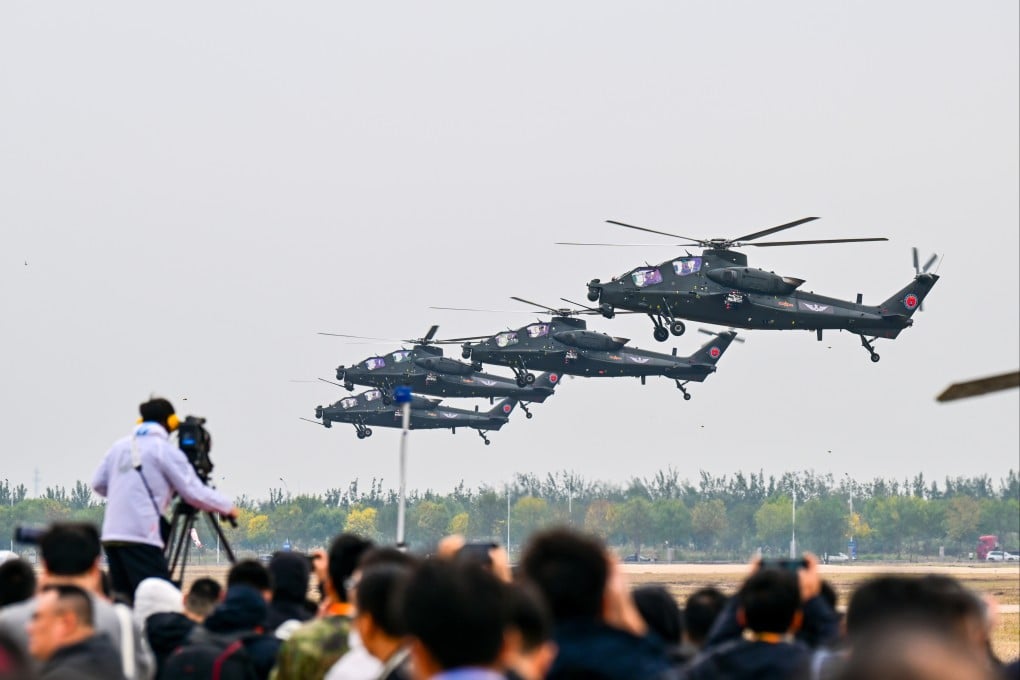
In a rare public display, China has showcased the advanced capabilities of the cutting-edge Z-20T assault helicopter at a military exhibition in Tianjin this week, demonstrating precision manoeuvres by the all-weather aircraft.
The helicopters performed a hover salute, a backward ascent and a vertical climb and also fired jamming flares at the 7th China Helicopter Exposition, which wraps up on Sunday.
The last time the Z-20T was seen in public was on September 3, when seven of the aircraft flew over Tiananmen Square during Beijing’s Victory Day parade.
This model is an army-specific version of the Z-20 helicopter and is designed for air assault, fire support and special operations. It also has airlift transport capabilities, according to its designers at the Aviation Industry Corporation of China, who spoke with the official Science and Technology Daily.
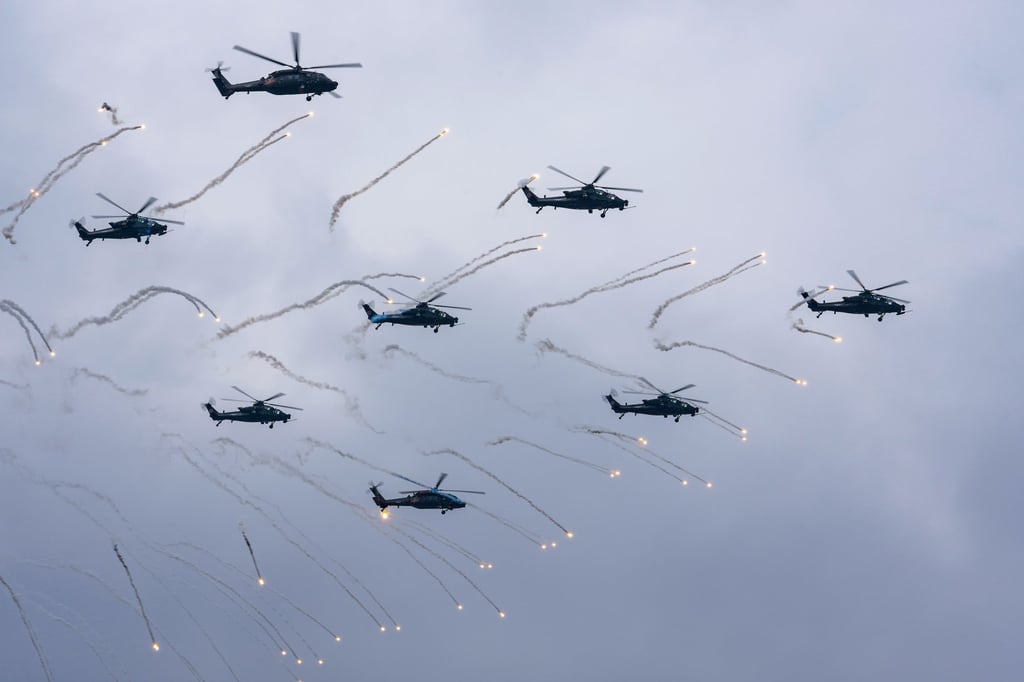
A PLA aerobatic team fires flares during a military air show in Tianjin on Thursday. Photo: EPA
The People’s Liberation Army – one of the organisers of the event – primarily showcased the land force’s aviation assault weapons, including helicopters, drones and airborne weapons.

China’s Z-20T assault helicopter thrills public in rare military show demo
Black Hawk rival showcases advanced combat capabilities, cutting-edge weaponry at Tianjin arms exhibition.
 www.scmp.com
Beijingwalker
VIP Member
Beijingwalker
VIP Member
China’s Z-20 ‘Tactical Assault’ Chopper Spotted In Tianjin Ahead Of Exposition; Designer Claims Edge Over U.S. Black Hawks
October 15, 2025
China’s Z-20T attack helicopter, believed to be an answer to the US UH-60 Black Hawk, was seen in Tianjin for the 7th China Helicopter Exposition that is set to kick off on October 16.
Multiple types of Chinese PLA Army helicopters arrived in China’s Tianjin Municipality on October 12 to participate in the 7th China Helicopter Exposition. These include the Z-10 attack helicopter, the Z-20 utility helicopter, and the Z-20T assault helicopter, which is making its debut at the event.
The expo is being co-hosted by the Aviation Industry Corporation of China (AVIC) and the People’s Liberation Army (PLA) forces.
The Z-20T was unveiled at the September 3 Victory Day Parade, where seven of these attack helicopters formed a triangular aerial flag-bearing echelon. It will now be showcased at the expo that runs through October 19 and is anticipated to make its first formal flight at the helicopter exposition event.
The Z-20T is the latest addition to the Z-20 helicopter series. The new helicopter is based on the baseline Z-20 and has transport and fire assault capabilities, as noted by China Military Bugle, the official press account of the Chinese armed forces.
The “T” designation in the name of the chopper stands for “Tactical Assault.”
The Z-20T variant enhances the base Z-20’s transport capabilities with offensive weaponry, making it suitable not only for air assault but also for close air support, special operations, and fire suppression during troop insertions.
It is not a dedicated attack helicopter like the Z-10 but rather a hybrid “gunship transport” that supports airborne insertions in contested environments, as per reports in the state media.
Earlier, Chinese pilot Zhang Jiayang told Global Times that this new variant includes a set of small wings that can carry a variety of weaponry, including a host of anti-tank guided missiles (ATGMs) like the KD-10, among other potent and lethal munitions. According to China Military Bugle, the Z-20T also has a targeting and observation system in the nose that can supply information to enable accurate strikes.
The assault variant emerged in the early 2020s as part of the Z-20 family’s expansion into specialized roles. It was first teased in concept models around 2021 and later featured in reports by 2024.
More recently, in March 2025, reports in the state broadcaster CCTV indicated that it had entered active service with PLA Ground Forces (PLAGF) units and was undergoing high-intensity training for special operations.

The Z-20T is optimized for China’s diverse terrains, from Tibetan plateaus to maritime operations. Earlier this month, a Z-20T assault helicopter was seen carrying a PL-90 air-to-air missile, as pointed out by PLA observers, including Andreas Rupprecht.
The Z-20T excels in air assault, special operations, reconnaissance, rescue, anti-terrorism, psychological operations, battlefield infiltration, rapid personnel deployment/extraction under fire, and close air support.
The modularity of the Z-20T would allow quick switches between armed strikes and transport modes, with enhanced situational awareness from Electro Optic or Infrared sensors and avionics. The Z-20T focuses on ground-based PLA Army tasks. The high-altitude performance and defensive suites aboard the chopper make it resilient in contested environments.
Notably, the Z-20 family, including the T variant, is positioned as China’s indigenous response to the US Sikorsky UH-60. Developed by the Harbin Aircraft Industry Group since 2006, it shares a similar design, size, layout, and performance capabilities with the Black Hawk, including a maximum takeoff weight of around 10 tons and multi-role functions.
The Z-20T is optimized for attack and fire support missions, similar to the armed variants of the US Black Hawk.
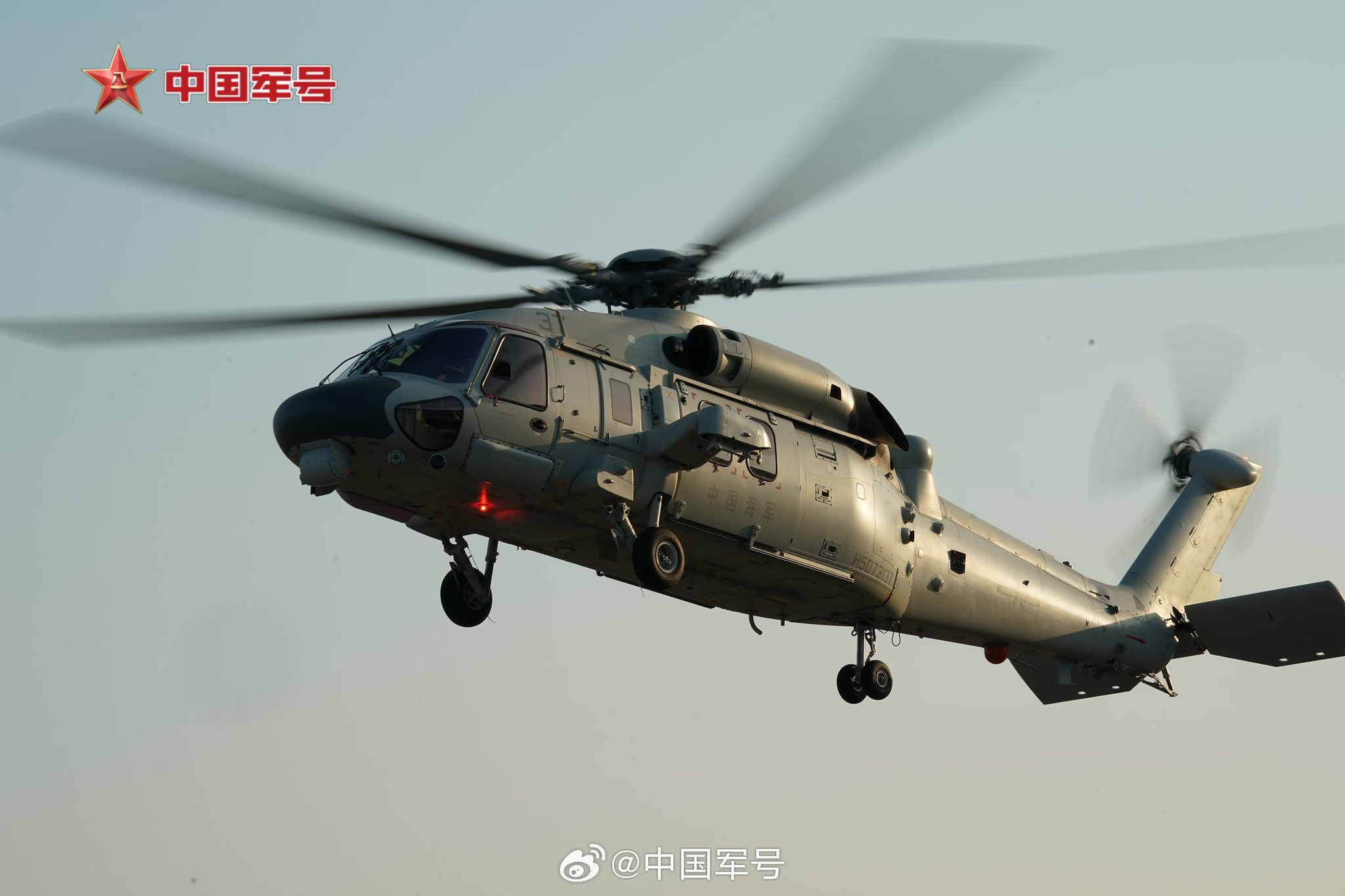
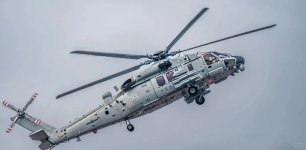
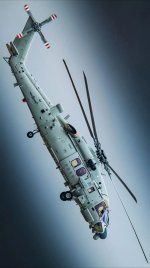
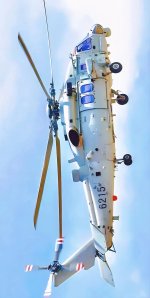
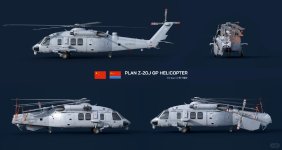
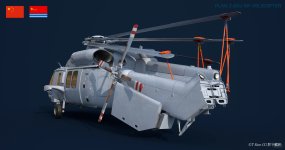
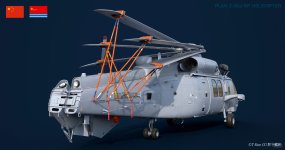
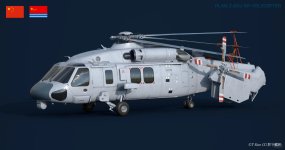
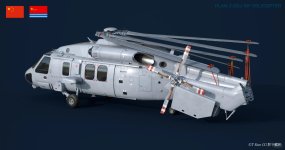
In November last year, Beijing unveiled the Z-20J, a navalized version of the Z-20. The helicopter is specifically for shipboard operations, capable of rapid deployment in both offensive and defensive maritime missions.
Since the Z-20J can be fitted with guns, rockets, and air-to-ground missiles to provide efficient fire support against land targets, it is considered crucial for amphibious maritime operations. The Z-20J is a multipurpose aircraft capable of conducting search and rescue missions and aerial transport.
While both Z-20J and the Z-20T are armed variants of the chopper, they are designed for different mission sets, with Z-20J being a naval variant, whereas the ‘T’ variant is a specialized assault aircraft operated by the ground forces.
Beijingwalker
VIP Member
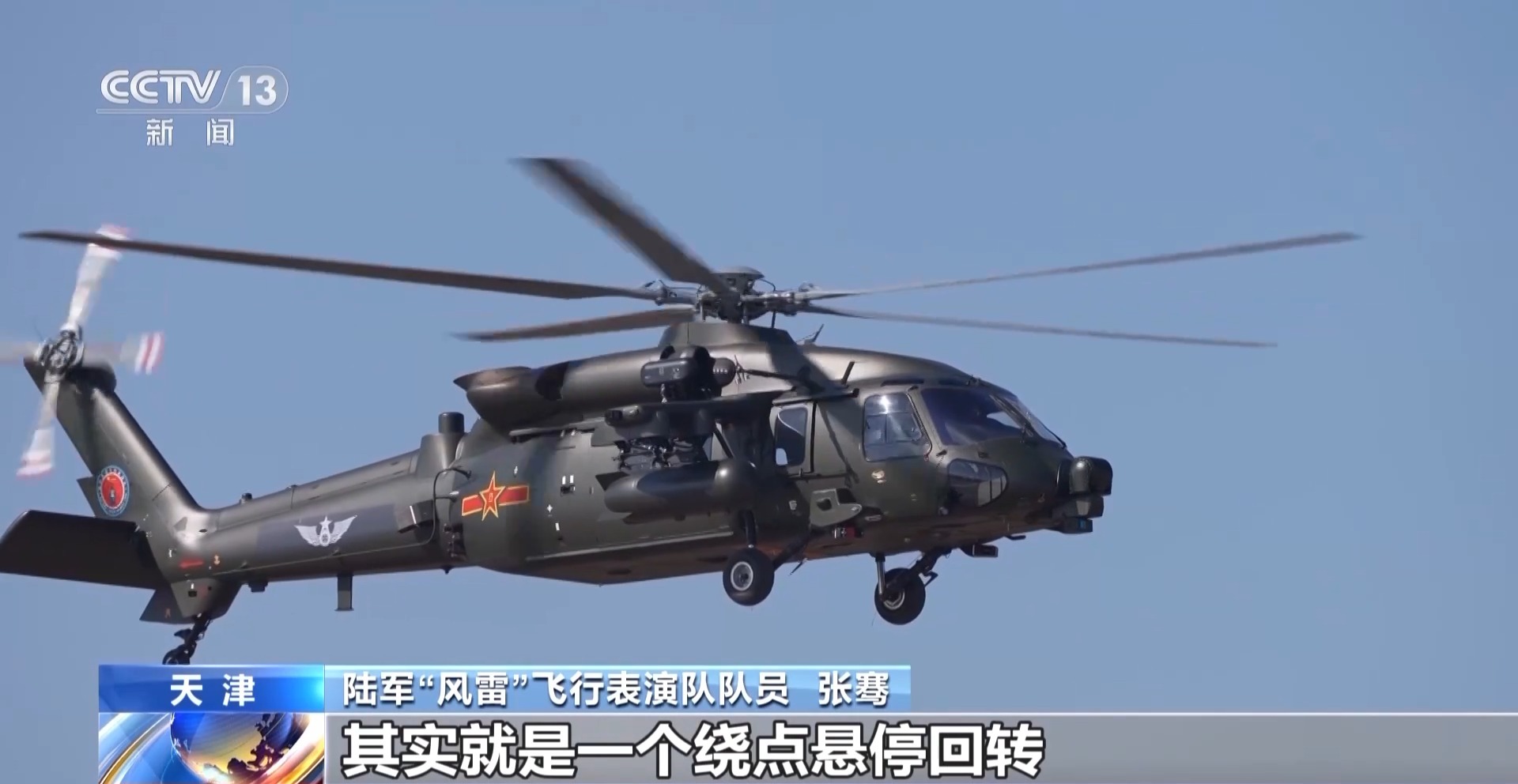
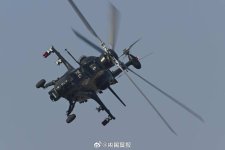
Z-20T attack helicopter

Beijingwalker
VIP Member
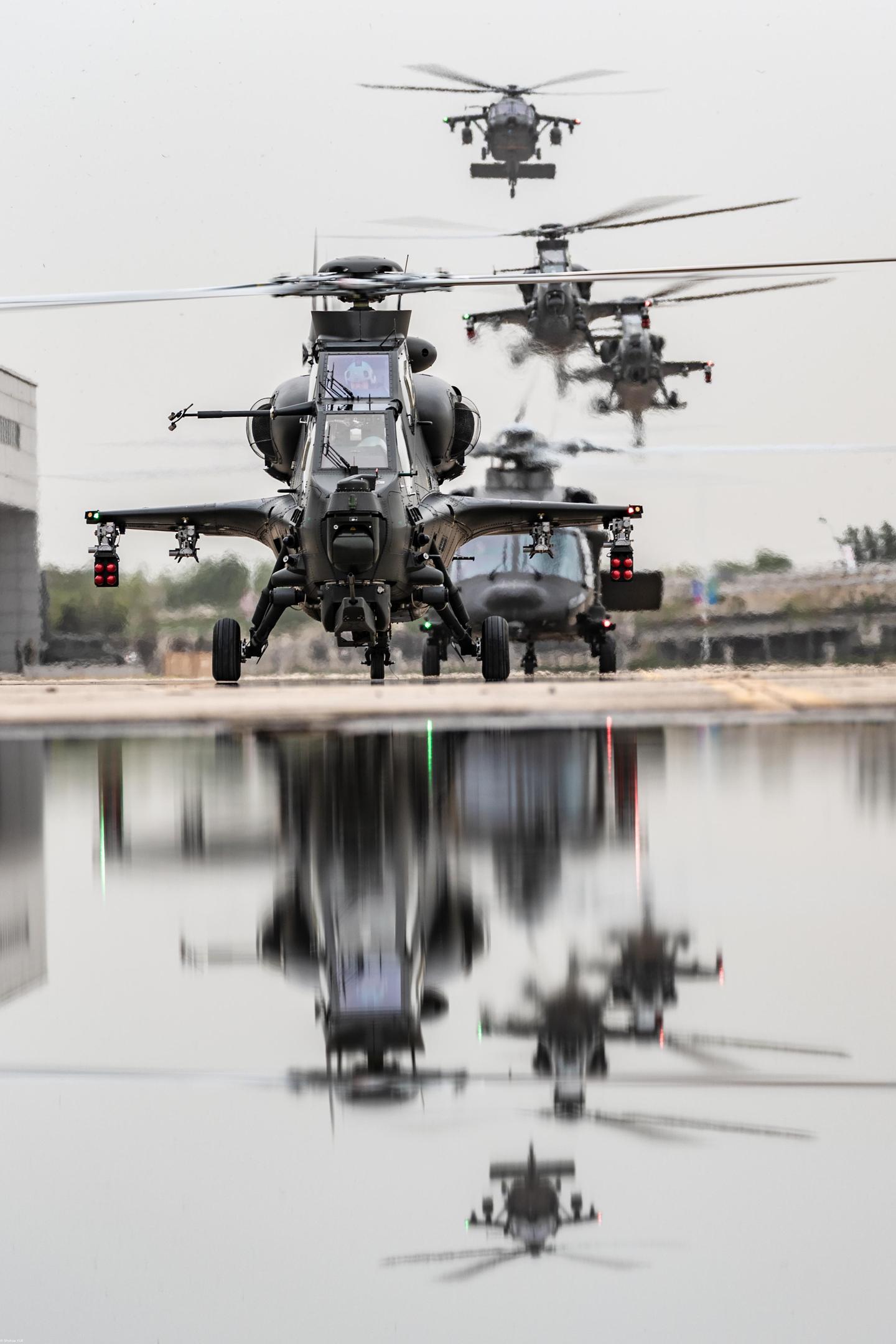
Z-20T attack helicopter


Beijingwalker
VIP Member
Z-20T attack helicopter

PK781
Trusted Member


This is awesome news for Pakistan as well. Good for the region too.
I hope the J20 and/or J35 can be tested in real battle soon to exert full supremacy over all types of european/western jets. (maybe against IAF)
I hope the J20 and/or J35 can be tested in real battle soon to exert full supremacy over all types of european/western jets. (maybe against IAF)

VCheng
THINK TANK: CONSULTANT

both pilots later ejaculated
While in the cockpit or afterwards?!
Users who are viewing this thread
Total: 1 (members: 0, guests: 1)
Pakistan Defence Latest
-
 Pakistan blocks airspace for Russian flight carrying Bangladesh's nuclear fuel (22 Viewers)
- Latest: PK781
-

-
 PAF pilot highlights how chinese J10C fighters have left US F16's Obsolete (3 Viewers)
- Latest: imadul
-
-
Country Watch Latest
-
 Greek media lays out first 24 hours of hypothetical clash with Türkiye (23 Viewers)
- Latest: Foinikas
-
Iran - Israel/US War: Israel-US declare war on Iran, Iran responds (80 Viewers)
- Latest: BananaRepublic
-
-

-
 Discussion of the F-47 Design, Development, and Progressing Toward First Flight and Manufacturing (4 Viewers)
- Latest: AZ_HighCountry
Latest Posts
-
Pakistan blocks airspace for Russian flight carrying Bangladesh's nuclear fuel (22 Viewers)
- Latest: PK781
-

-
Greek media lays out first 24 hours of hypothetical clash with Türkiye (23 Viewers)
- Latest: Foinikas
-

-
