Navigation
Install the app
How to install the app on iOS
Follow along with the video below to see how to install our site as a web app on your home screen.
Note: This feature may not be available in some browsers.
More options
Style variation
You are using an out of date browser. It may not display this or other websites correctly.
You should upgrade or use an alternative browser.
You should upgrade or use an alternative browser.
Chinese UAVs News & Discussions
- Thread starter SiliconBit (silicon0000)
- Start date
More options
Who Replied?

battalion25
Registered Member

I mean why not.... Fibre Optic is the shxt nowadays

Fatman17
THINK TANK: CONSULTANT

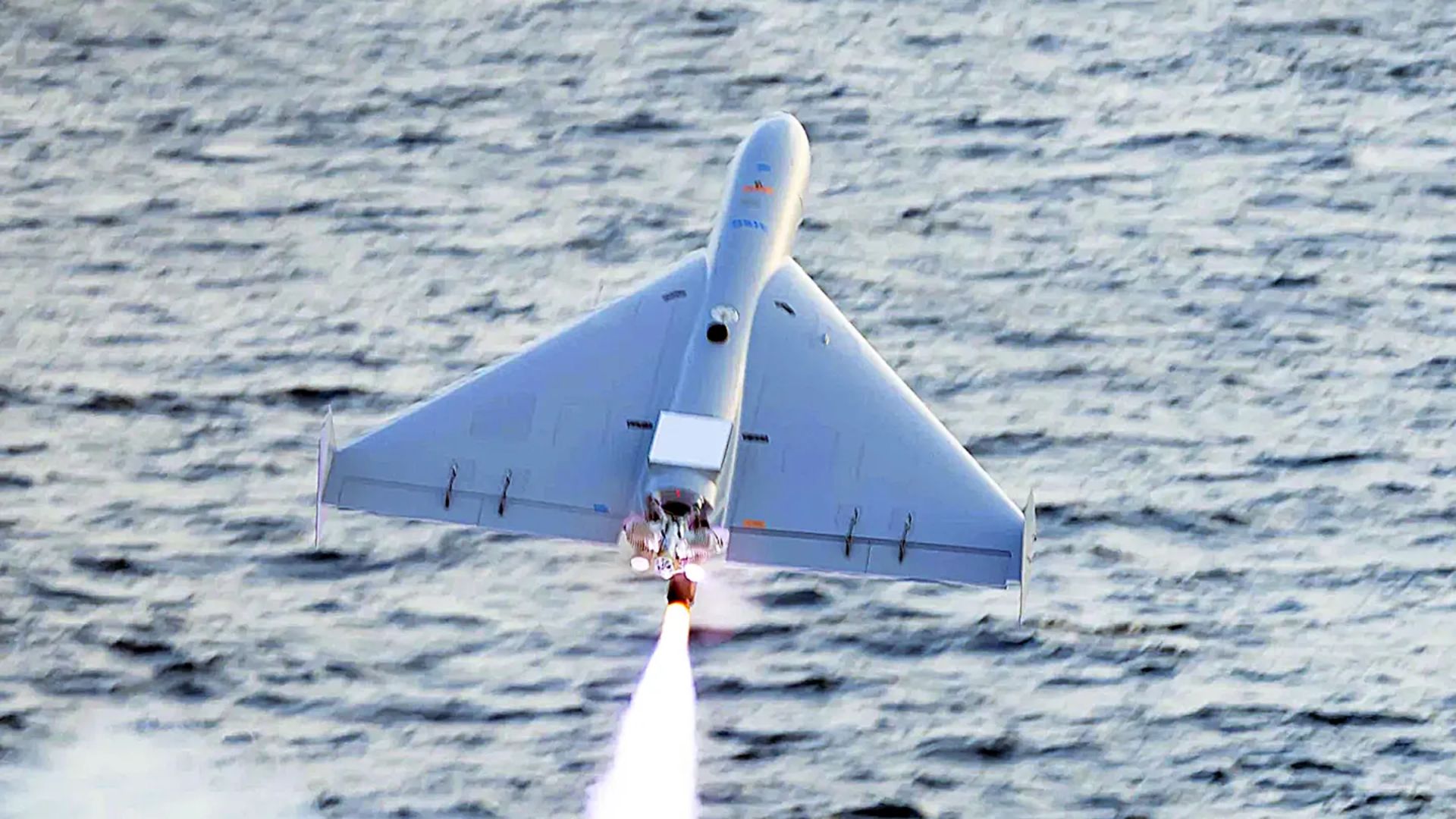
Every Drone-Producing Nation Needs China - Quwa
Seeing the dual-tactical and strategic impacts of one-way attack (OWA) drones in the Russia-Ukraine War and the Persian Gulf Crisis, the world's militaries – small and large alike – are adopting OWA-centered strategies. With a USD $54.6 billion budget proposal for the Defense Autonomous Warfare...
 share.google

Beijingwalker
VIP Member
Reality Check: Breaking Free From China’s Drone Ecosystem is Harder Than You Think
China controls the global supply of drones. It will be challenging to cut this dependency.By Federico Borsari
May 28, 2026
China controls an estimated 80-90% of the global drone market and dominates the supply of critical minerals and raw materials, as well as the production of drone components. Even a limited disruption in the Chinese supply chain — through export controls or conflict involving Taiwan — could severely disrupt Western drone manufacturing.
This addiction cannot be broken overnight. China benefits from significant cost advantages. But both the US and Europe are waking up to the danger and have enacted sweeping policies to decouple drone supply chains.
Without action, China will hold the West hostage. In 2024, Beijing suspended battery exports to US drone manufacturer Skydio because of its cooperation with Taiwan. The move forced the company to ration batteries.
The squeeze on Skydio is not isolated. The US Department of Defense’s approved drone manufacturers, vetted through the Blue UAS cleared list, still rely on Chinese components, including sensors, motors, and printed circuit board assembly. Analysts estimate the US would need at least five years to build sufficient lithium iron phosphate battery production capacity to meet military demand.
China maintains a major cost advantage in drone manufacturing thanks to its vertically integrated supply chains built on years of state subsidies and investments. Think of drones as “flying smartphones,” combining cameras, sensors, batteries, and communications systems — areas where China dominates both component production and final assembly.
As a result, drones produced with US or European components are often several times more expensive than China-based alternatives. Reshoring or nearshoring manufacturing will require years of investment and dedicated support to industry as companies face upfront costs to rebuild supply chains, recertify components, and conduct new testing and evaluation.
Furthermore, Western drone manufacturers often complain about inconsistent and relatively small government contracts, complex procurement processes, and restrictive competition vis-à-vis traditional defense primes, discouraging long-term industrial investment. Although recent US Department of Defense contracts seem to reverse this trend, Europe continues to move slowly, with some exceptions.
In order to meet this challenge, both the US and Europe are working to expand domestic production. The US Department of Defense’s Drone Dominance Program aims to produce 150,000 drones by 2028, and the Army’s SkyFoundry initiative seeks to expand US production beyond boutique manufacturing.
The private sector is responding. US companies such as Swarm Defense and ARK Electronics are pursuing sovereign supply chains. Battery firms, including Amprius and Lyten, are exploring alternative chemistries and domestic sourcing strategies to reduce reliance on Chinese lithium-ion materials. Skydio, which was targeted by Chinese blackmail, appears to have stabilized its supply chain and recently committed $3.5 billion to strengthening US drone manufacturing over the next five years.
Washington is putting hurdles on purchases of Chinese products to speed this decoupling. Current regulations prohibit the use of Chinese (as well as Russian, Iranian, and North Korean) components in government and critical infrastructure drones, effectively requiring trusted domestic or allied suppliers. Executive Order 14307, “Unleashing American Drone Dominance,” reinforced this push by prioritizing US-made drones and critical subsystems.
In December 2025, the Federal Communications Commission halted new certifications for foreign-made drones, including Chinese drone makers DJI and Autel systems, after placing them and key components such as batteries, motors, and radios on the agency’s “covered list.” The result, however, has been more pressure on domestic and allied drone producers.
The Pentagon’s Framework requires detailed documentation, third-party audits, and full traceability of critical drone parts down to raw material origins. Several US states, including Florida, Texas, and Ohio, have also banned Chinese drones for law enforcement and public authorities, despite the limited availability and higher costs of domestic alternatives.
The European Union is putting similar measures in place to address its dependency on Chinese drone components and manufacturing. Targets are ambitious: by 2035, at least 60% of defense procurement should come from domestic sources, with drone manufacturing identified as a flagship priority in the Defence Readiness Roadmap 2030. The roadmap is supported by major funding initiatives, including €2 billion for Ukrainian military drones and €6 billion for the joint EU–Ukraine anti-drone wall.
The two major pillars of the European approach are the Critical Raw Materials Act and the Cyber Resilience Act. The raw material legislation seeks to secure access to rare earth elements, lithium, graphite, and other critical resources needed for drone batteries, motors, and electronics by supporting domestic extraction and processing projects such as Sweden’s LKAB rare earth operations and Finland’s Keliber lithium project.
The cyber resilience regulation will impose mandatory cybersecurity standards — from encrypted storage and communication links to tamper-proof direct remote ID and mandatory security patching lifecycles — on most drones operating within the European market.
At the national level, the German and French governments have signed new contracts for small drones and loitering munitions, while Estonia, Lithuania, and Poland have become important hubs for aerial and ground drones and related accessories like launch systems and aerostructures. European investments target upstream industries as well, including specialty metals, electronics, fabricated parts, and advanced chemicals. The EU also promotes startup accelerators, the European Defence Fund, Drone Strategy 2.0, and the Action Plan on Drone and Counter-drone Security. All emphasize interoperability and dual-use technologies, but implementation remains slow due to IP concerns, vendor lock, and slow implementation of standards.
European governments should accelerate the adoption of Modular Open Systems architecture standards to ensure plug-and-play compatibility among sensors, software, and effectors. Interoperability should also become a mandatory requirement in EU and national defense tenders (e.g., under the European Defence Fund) to incentivize the design of open and standard-compliant systems rather than proprietary solutions. They must also generate stronger and more predictable demand for UAS and counter-UAS systems through multinational acquisition schemes and EU defense funding tools such as the Security Action for Europe (SAFE) instrument.
Both the US and Europe have the political will to meet the Chinese drone challenge. But the industrial reality risks sabotaging their efforts. Bans or short-term subsidies will not suffice. Only ambitious long-term planning and procurement will suffice to build a resilient drone supply chain.
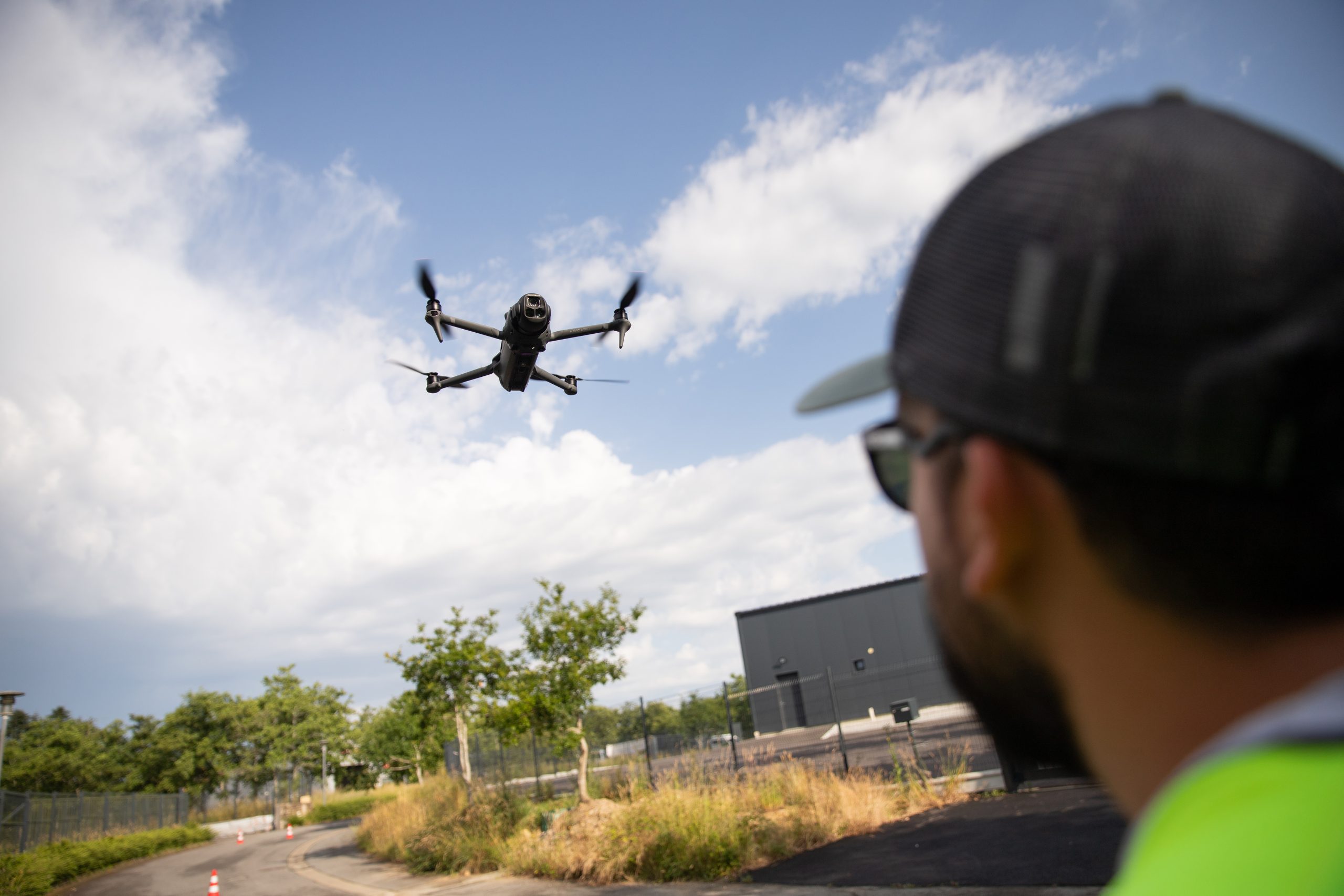
Reality Check: Breaking Free From China's Drone Ecosystem is Harder Than You Think
China controls the global supply of drones. It will be challenging for Europe and the US to cut this dependency.
Beijingwalker
VIP Member
China's HG-STR Enables Drone Swarms to Hunt Targets
May 30, 2026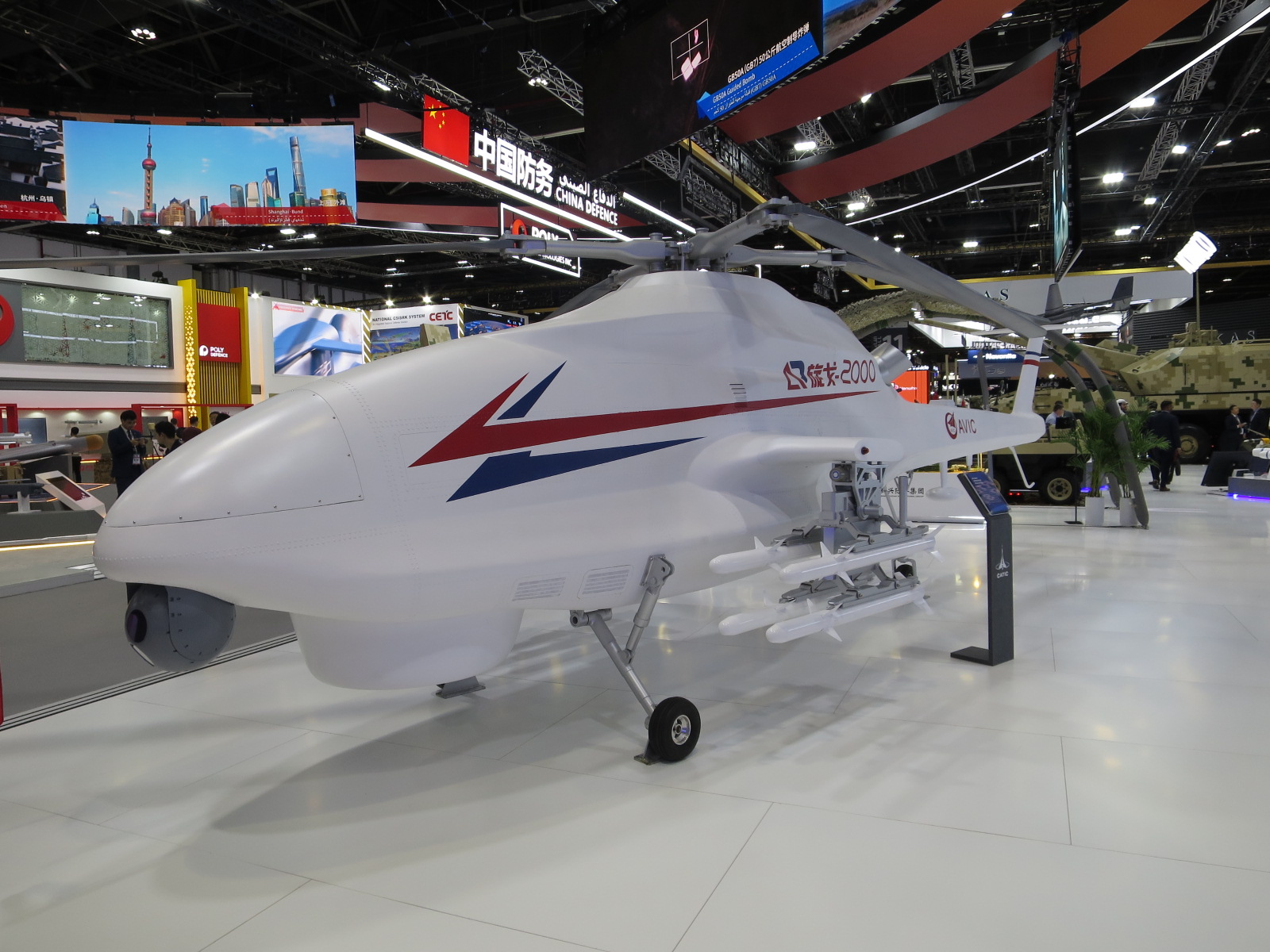
Photo: cms.interestingengineering.com · rights & takedowns
A peer-reviewed paper by Zhang Dong and colleagues, published on May 19 in Acta Aeronautica et Astronautica Sinica, describes an algorithm called HG-STR, according to reporting by the South China Morning Post and Interesting Engineering. The paper and coverage report that HG-STR builds a heterogeneous spatio-temporal graph to tag objects (friend, foe, terrain) and that simulations achieved a "100 per cent kill rate" while operating fast enough for modern combat, per SCMP. Interesting Engineering and SCMP report that the method is designed to operate when communications are jammed and vision is blocked. Editorial analysis: This development aligns with broader research seeking robustness and relational reasoning for autonomous swarms, but simulated performance does not equate to battlefield effectiveness.
What happened
A peer-reviewed paper by Zhang Dong and colleagues, published on May 19 in Acta Aeronautica et Astronautica Sinica, describes an algorithm named HG-STR (HG-STR), according to reporting by the South China Morning Post (SCMP) and Interesting Engineering. The paper and media coverage report that simulations using HG-STR enabled a fixed-wing drone swarm to locate and engage targets even when communications were jammed and vision was degraded, and that the experiments showed a "100 per cent kill rate" in the published simulations, per SCMP.
Per the published paper and SCMP coverage, HG-STR stands for Heterogeneous Graph Spatio-Temporal Reasoning and constructs a heterogeneous graph where different node types represent friendly units, enemy targets, and terrain. The authors describe learning to weight connections and spatio-temporal relations so that sightings or proximity change node priorities and coordination decisions. SCMP reports the tests focused on fixed-wing drone swarms operating under contested communications and degraded sensing.Graph-based representations and spatio-temporal reasoning are established techniques for encoding relational information; industry and academic work increasingly applies heterogeneous graphs and graph neural networks to multi-agent coordination. Observed patterns in similar research show that improved simulation robustness does not necessarily translate to field reliability because of sensor noise, adversarial manipulation, environmental variability, and hardware constraints.
Autonomous swarm research has accelerated in both civilian and defense labs worldwide. The reported claims are significant because they target robustness to jamming and occlusion, a central challenge for deployed autonomy. At the same time, the distinction between simulation metrics and real-world operational effectiveness matters for technical assessment and policy debate.
For practitioners and observers: look for independent replication of results outside the author group, public release of code or datasets, follow-up field trials or demonstrations, and statements from defense or regulatory bodies. Also monitor whether subsequent papers detail sensor suites, failure modes, or mitigation against electronic-warfare and deception.
China's HG-STR Enables Drone Swarms to Hunt Targets
A peer-reviewed paper by Zhang Dong and colleagues, published on May 19 in Acta Aeronautica et Astronautica Sinica, describes an algorithm called **HG-STR**, according to reporting by the South China Morning Post and Interesting Engineering. The paper and coverage report that **HG-STR** builds a...
 letsdatascience.com

Michael
VIP Member
A very interesting event!
Shenyang, China. The "他机试飞(Other Aircraft Test Flight)" test and verification platform UAV final assembly rollout ceremony.
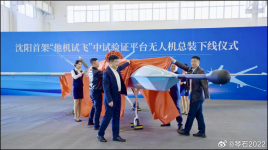
Literally, this means it's a factory that specializes in manufacturing and testing UAVs that mimic those of other countries.
This factory doesn't mass-produce UAVs; instead, it manufactures a limited number of UAVs that mimic those of other countries for testing and verification. I guess this is the first factory of its kind in the world.
They released their first product, which was modeled after the American MQ-25 UAV.
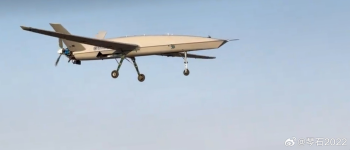
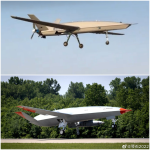
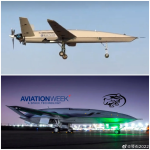
Shenyang, China. The "他机试飞(Other Aircraft Test Flight)" test and verification platform UAV final assembly rollout ceremony.
Literally, this means it's a factory that specializes in manufacturing and testing UAVs that mimic those of other countries.
This factory doesn't mass-produce UAVs; instead, it manufactures a limited number of UAVs that mimic those of other countries for testing and verification. I guess this is the first factory of its kind in the world.
They released their first product, which was modeled after the American MQ-25 UAV.
Michael
VIP Member
A special correction has been made: the previous statement was incorrect. I have just verified the following:A very interesting event!
Shenyang, China. The "他机试飞(Other Aircraft Test Flight)" test and verification platform UAV final assembly rollout ceremony.
View attachment 199560
Literally, this means it's a factory that specializes in manufacturing and testing UAVs that mimic those of other countries.
This factory doesn't mass-produce UAVs; instead, it manufactures a limited number of UAVs that mimic those of other countries for testing and verification. I guess this is the first factory of its kind in the world.
They released their first product, which was modeled after the American MQ-25 UAV.
View attachment 199563
View attachment 199564
View attachment 199565
"他机试飞":
This is a professional term in China's aviation industry. It's similar in meaning to the English term "Flight Test on Another Aircraft." It means that when designing an aircraft, the radar, avionics, sensors, and other subsystems specifically designed for it need to be validated. However, before the main aircraft is fully developed, validation must be performed on another aircraft. The drone exposed this time is specifically designed for this type of mission.
"中试":
Technical terminology. Similar in meaning to the English term "Pilot Production." It refers to the transitional stage from laboratory results to engineered products.
@Deino The "他机" in this sentence does not refer to imitations of foreign aircraft.
The full meaning of this sentence is:
The first drone test platform manufactured in Shenyang for "Flight Test on Another Aircraft" and technology verification has been completed and officially rolled off the production line.
Last edited:
yusheng
Registered Member
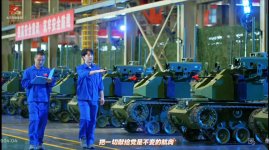
Currently mass-producing intelligent robotic combat vehicles,
In the future, unmanned robotic automated production factories can only appear in China; the United States has completely lost its ability to produce new high-tech products, and even its existing high-tech hardware production capacity is continuously declining.
from:
lyman2003

ety
Trusted Member

Beijingwalker
VIP Member
Could China’s containerised aircraft launcher reshape rules of modern warfare?
Details of a growing family of standard-sized weapon systems appeared on social media, along with video of an EMALS in action
Liu ZhenandAmber Wangin Beijing
Published: 11:00pm, 2 Jul 2026Updated: 11:49pm, 2 Jul 2026
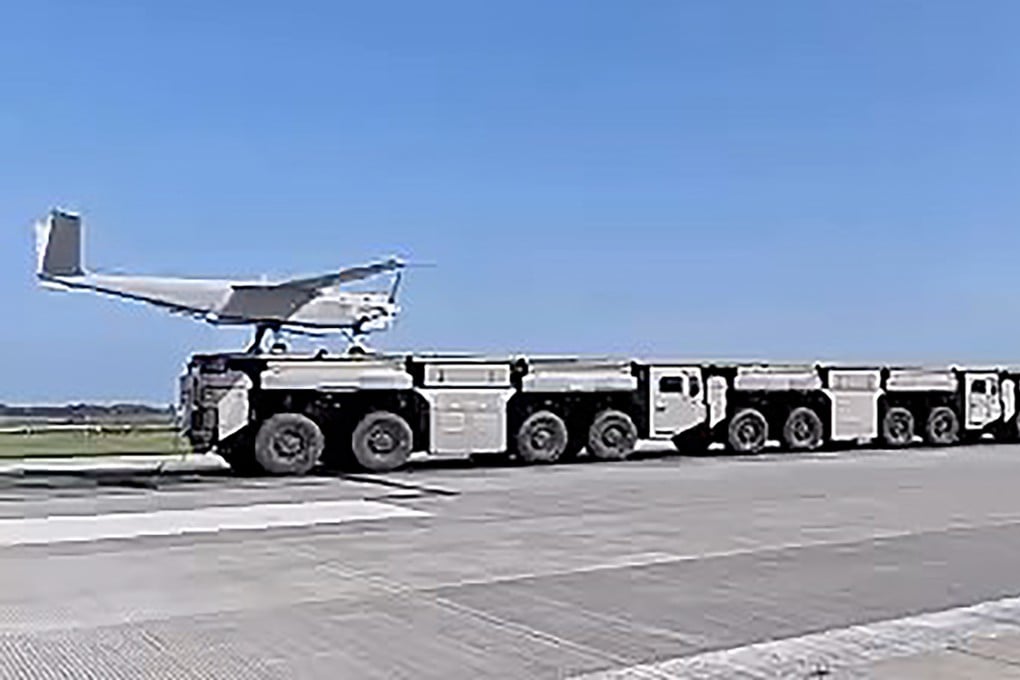
Fresh footage has offered the first look at China’s truck-mounted electromagnetic catapult launching a drone, with its developer unveiling details of this large family of containerised weapon systems.
The footage shows three eight-wheeled flat-top trucks driving on to what appears to be an airfield runway. Once aligned and connected via mechanical hinges, they form a continuous platform, along which a fixed-wing propeller drone accelerates and takes off.
The Beijing Institute of Technology’s (BIT) school of mechanical engineering posted the video to social media on Tuesday – about six months after the system was first seen aboard the cargo vessel Zhong Da 79 at a Shanghai shipyard.
The post appears to have been deleted.
The late-December sighting attracted much attention, with photographs showing a range of military equipment, including vertical missile launchers, radar sensors and self-defence systems, all integrated into modified freight containers.
The new video also features a scene of the latest containerised modules revealed in Tuesday’s post – including the segmented electromagnetic aircraft launch system (EMALS) – being loaded onto the Zhong Da 79.
Could China’s containerised aircraft launcher reshape rules of modern warfare?
Details of a growing family of standard-sized weapon systems appeared on social media, along with video of an EMALS in action.
 www.scmp.com
yusheng
Registered Member
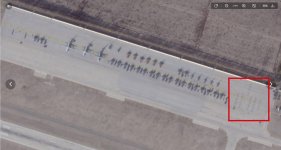
Tactical synthetic exercise at a certain PLA base in the northwest — over 30 UAVs participated in the training [not that simple].
The PLA's combined manned-unmanned aircraft formation operations and training are advancing at breakneck speed [cool].
Stealth and high-maneuverability UAVs will also join the lineup in the future!
from: LYMAN2003
Beijingwalker
VIP Member
China Advances Jiutian Drone Mothership for Battlefield Logistics and Swarm Deployment
17 Apr, 2026 - 8:27
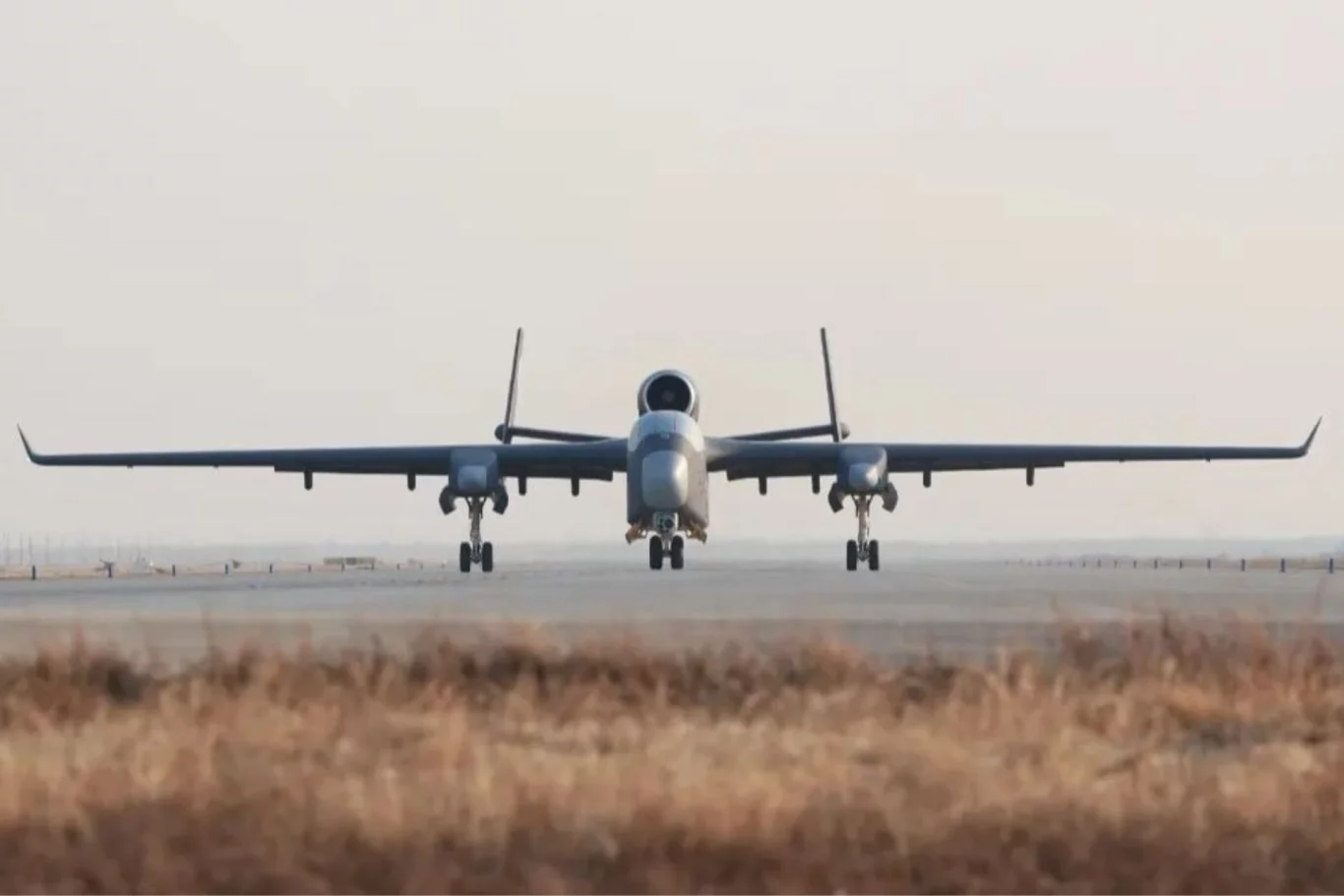
China is pushing forward a new generation of heavy drones designed to sustain operations in remote and contested environments, signaling a shift toward unmanned logistics and support on the battlefield. This development strengthens China’s ability to maintain forces in hard-to-reach areas while reducing reliance on vulnerable ground supply lines.
The Jiutian drone exemplifies this approach by combining heavy-lift transport with the ability to deploy swarms of smaller drones for surveillance and coordinated missions. This multi-role capability supports emerging concepts of distributed operations, where autonomous systems extend reach, enhance situational awareness, and increase operational resilience.
The Jiutian, also referred to as a drone mothership, belongs to an emerging category of large fixed-wing drones designed for multi-mission use. The aircraft adopts a modular architecture, allowing different payloads to be installed depending on mission requirements. This flexibility supports a wide range of roles, from cargo transport to remote areas to surveillance and disaster-response support. The underlying industrial logic is to pool capabilities within a single system in order to reduce costs and accelerate commercial uptake.
On April 15, 2026, the Civil Aviation Administration of Northwest China inspected the Weinan flight test center, confirming that the Jiutian program is progressing through a coordinated process combining technical development and regulatory validation. This close interaction between regulators and industry reflects a structured approach in which airworthiness and safety considerations are integrated early in the development cycle, limiting uncertainty ahead of operational entry.
Available technical data places the Jiutian in the category of next-generation heavy drones. The aircraft is approximately 16.35 meters long, with a wingspan of 25 meters and a maximum takeoff weight of around 16 tonnes. It can carry up to 6 tonnes of payload, placing it close to the capabilities of light manned cargo aircraft. Its endurance reaches about 12 hours, with a ferry range of up to 7,000 kilometers depending on mission profile. The aerodynamic configuration relies on a large straight wing combined with an H-tail, optimized for lift and high-altitude operations.
Propulsion is provided by a jet engine mounted above the fuselage, a configuration that reduces the risk of foreign object ingestion on unprepared runways while simplifying maintenance. At the front, an electro-optical turret enables real-time monitoring, combining infrared sensors and high-resolution cameras for reconnaissance or logistics tracking missions. The aircraft also integrates modular side compartments with opening panels designed to release payloads or deploy secondary drones in certain configurations.
Beyond its civilian applications highlighted by Chinese authorities, the Jiutian presents a dual-use potential. Concepts released by state media show the drone deploying coordinated swarms of small drones capable of saturating defenses or supporting strike operations. In this context, the drone can carry air-to-air munitions such as the PL-12AE and PL-15, as well as air-to-ground payloads, expanding its operational spectrum. This versatility increases its relevance in hybrid scenarios combining logistics, reconnaissance, and tactical support.
This type of system fills a capability gap between small drones and manned aircraft. Its payload capacity allows the rapid delivery of several tonnes of equipment to isolated areas, while its endurance supports prolonged missions without crew rotation. In disaster-response scenarios, it can establish a temporary air bridge or relay communications. In contested environments, it can function as a sensor relay or a saturation vector through the coordinated use of secondary drones. However, these capabilities depend on the resilience of data links and the ability to operate under electromagnetic interference or jamming.
The development of heavy drones is part of a broader industrial strategy. Chinese authorities view the low-altitude economy as a driver of economic transformation, comparable to digital infrastructure or high-speed rail in previous decades. The parallel development of dedicated air corridors, unmanned traffic management systems, and technical standards aims to structure a complete ecosystem in which drones become a core component of logistics flows.
As this ecosystem takes shape, the Jiutian appears less as a standalone demonstrator and more as a step toward the large-scale deployment of unmanned aerial systems. Its value lies not only in its individual performance but in its ability to act as a force multiplier by combining transport, sensing, and drone deployment within a single architecture. Such an approach reduces reliance on heavy infrastructure and enables distributed operations, where multiple coordinated systems can replace more exposed and costly assets.
China Advances Jiutian Drone Mothership for Battlefield Logistics and Swarm Deployment
China advances Jiutian drone mothership with 6-ton payload, enabling resilient logistics and swarm ops in contested environments.www.armyrecognition.com
China’s Giant Drone Carrier Can Launch 100 Drones at Once
Users who are viewing this thread
Total: 1 (members: 0, guests: 1)
Pakistan Defence Latest
-

-

-
Pakistan nears $1.5 billion deal to supply weapons, jets to Sudan, sources say (1 Viewer)
- Latest: LHA4210
-
-

Country Watch Latest
-

-
 Chinese Aircraft Carriers - Liaoning, Shandong, Fujian and the future (6 Viewers)
- Latest: Beijingwalker
-
-

Latest Posts
-
-

-
-
India Emerges as key diesel supplier to Turkiye amid Russia Middle East disruptions (12 Viewers)
- Latest: indo17787
-
 BREAKING NEWS: Erdogan raises Kashmir issue at UNGA; calls for resolution as per UN resolutions (13 Viewers)
- Latest: Thinking_Hard