Navigation
Install the app
How to install the app on iOS
Follow along with the video below to see how to install our site as a web app on your home screen.
Note: This feature may not be available in some browsers.
More options
Style variation
You are using an out of date browser. It may not display this or other websites correctly.
You should upgrade or use an alternative browser.
You should upgrade or use an alternative browser.
Covid-19 News and Discussions
- Thread starter Yommie
- Start date
- Status
- Not open for further replies.
More options
Who Replied?


Yommie
Elite Member
- Thread starter
- #1,805

Fallout ensues after the closure of long-COVID outpatient program - Lethbridge | Globalnews.ca
Those still dealing with the effects of long-COVID in Alberta are fighting back after they were informed the Long-COVID Inter-Professional Outpatient Program is coming to and end.
 globalnews.ca
Fallout ensues after the closure of long-COVID outpatient program
By Justin Sibbet Global News
Posted August 15, 2024 8:13 am
Updated August 15, 2024 11:21 am
2 min rea
Those suffering from long-COVID in Alberta are fighting back after the government informed them the Long-COVID Inter-Professional Outpatient Program was ending.
For some, COVID feels like a distant memory, a time when the world seemed to stop as everyone navigated the pandemic. Yet for many, it’s not in the rearview mirror, it’s still an ever-present reality and daily fight.
Jennifer Hare has had long-COVID for three years.
“Literally, my entire life is planned whereas before, I was a normal human being,” said Hare.
News of the long-COVID Inter-Professional Outpatient Program coming to an end has left COVID sufferers with uncertainty and anxiety.
“So, there (were) educational classes, I had access to medical doctors, there’s access to physiotherapists, occupational therapists if needed,” said McKenna Kirby, a long-COVID patient who has started a petition.
Kirby said the news came as a stunning and short-sighted move, so she decided to start the petition in hopes of saving the program. So far 1,100 people have signed it. She says there is simply too much at stake for the government to just end it now.
The latest health and medical news emailed to you every Sunday.
“We don’t know if (COVID is) progressive, we don’t know if it’s going to go away. So, at this point in time, I’m just sort of trying to maintain that this could be my permanent lifestyle.”
According to the government of Canada, long-COVID, or post-COVID-19 condition, is when the symptoms persist for more than 12 weeks.
“This is not going away and with me being on the waitlist for the medical clinic for over 270 days, that means there’s a need still,” said Hare. “If there was no need, I could understand why the funding was being cut, but there is a need.”
A statement from Alberta Health Services suggests the program, which was set up in 2021, was intended to be a temporary measure.
“The health and well-being of our patients remain a priority, and we are committed to ensuring they receive the support they need during this transition. All patients of these clinics are being directly notified and will also receive information on managing their health concerns through other providers.
“While most Albertans can and should safely manage mild COVID-19 symptoms at home with the support of AHS self-care resources, Albertans can also reach out to their primary care provider or Health Link for support in determining whether additional supports may be needed for specific COVID-19 symptoms.”
Global News reached out to the office of Alberta’s health minister Adriana LaGrange for comment but did not receive a response by publishing dealine.
Yommie
Elite Member
- Thread starter
- #1,810
@Sharma Ji

 kirschsubstack.com

STEVE KIRSCH
AUG 16, 2024
440
320
Share
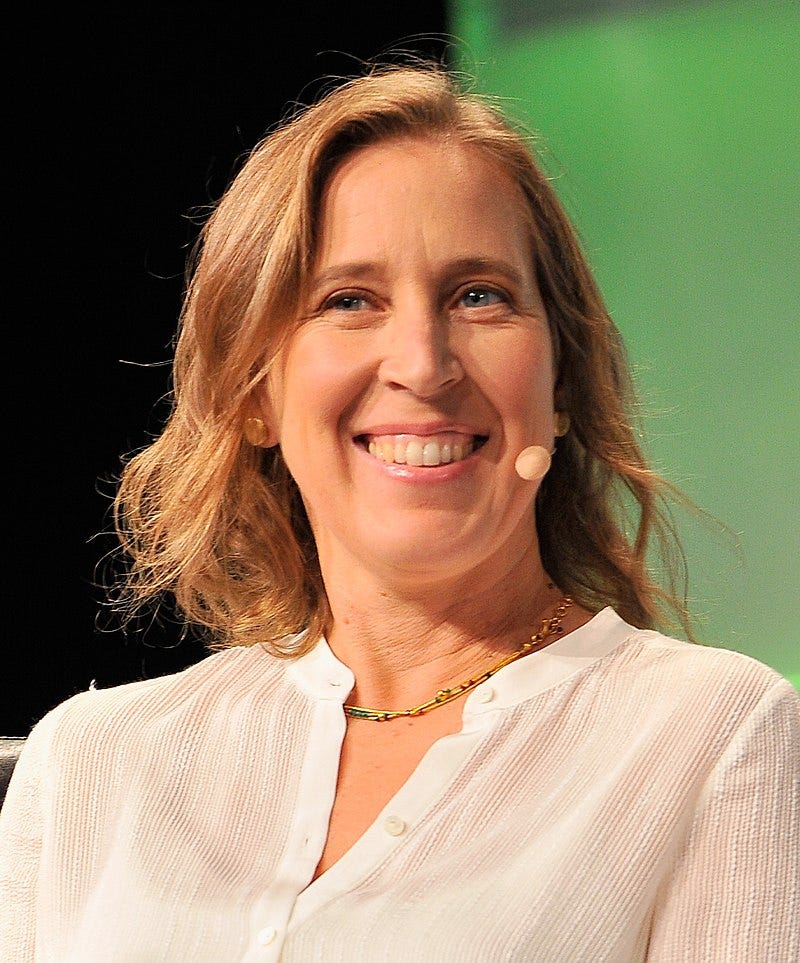
Wojcicki died on August 9, 2024, at the age of 56, after battling non-small-cell lung cancer (NSCLC) for two years.
She was diagnosed well after the rollout of the COVID shots.
Of the 50 cases of NSCLC reported in VAERS, nearly all of them are associated with the COVID shots.
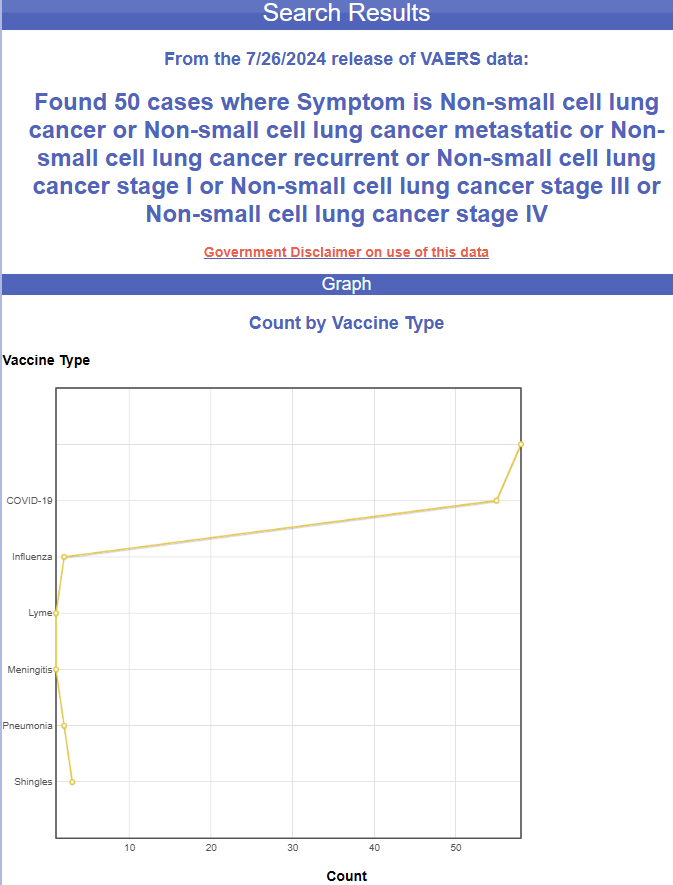
So we really can’t rule out the possibility that Susan Wojcicki died as a result of side-effects of the vaccine she promoted on YouTube.
What do you think?
Did the COVID shot kill former YouTube CEO Susan Wojcicki?
I'll show you the evidence. You decide.
kirschsubstack.com
Did the COVID shot kill former YouTube CEO Susan Wojcicki?
I'll show you the evidence. You decide.
STEVE KIRSCH
AUG 16, 2024
440
320
Share
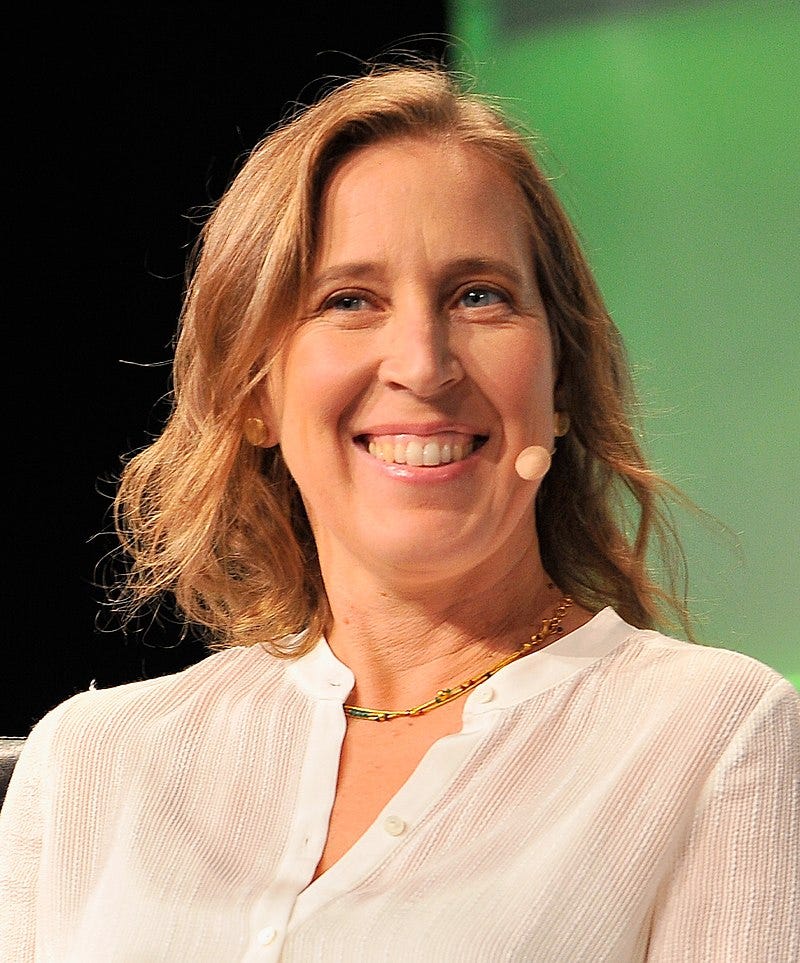
Wojcicki died on August 9, 2024, at the age of 56, after battling non-small-cell lung cancer (NSCLC) for two years.
She was diagnosed well after the rollout of the COVID shots.
Of the 50 cases of NSCLC reported in VAERS, nearly all of them are associated with the COVID shots.
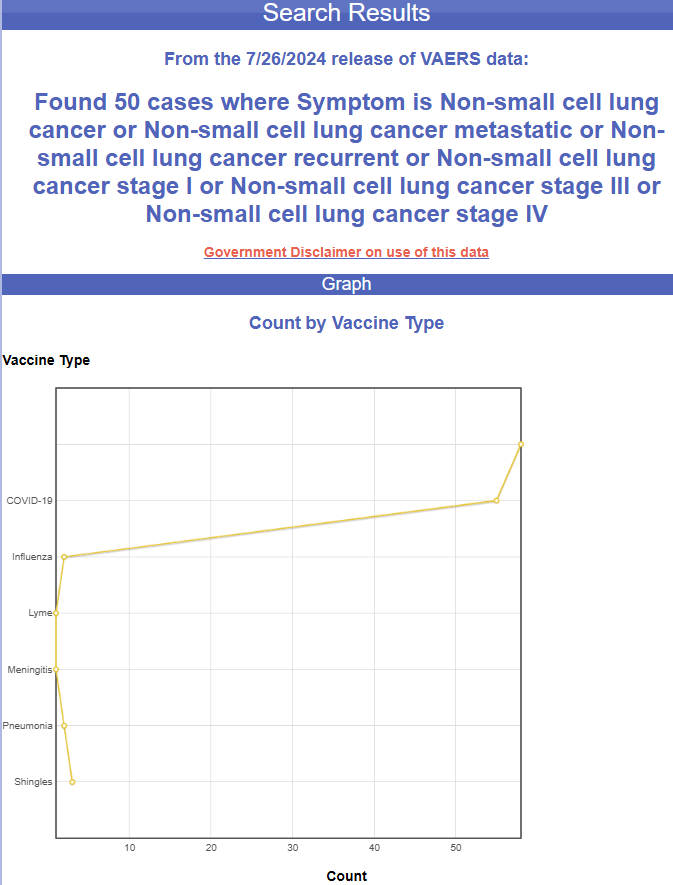
So we really can’t rule out the possibility that Susan Wojcicki died as a result of side-effects of the vaccine she promoted on YouTube.
What do you think?
Yommie
Elite Member
- Thread starter
- #1,815
COVID-19’s summer surge shows no signs of slowing down
BY NATHANIEL WEIXEL - 08/17/24 5:00 PM ETSHAREPOST
Unmute
Loaded: 80.05%
Captions
FullscreenSharePause

A surge in COVID-19 infections has swept the country this summer, upending travel plans and bringing fevers, coughs and general malaise. It shows no immediate sign of slowing.
While most of the country and the federal government has put the pandemic in the rearview mirror, the virus is mutating and new variants emerging.
Even though the Centers for Disease Control and Prevention (CDC) no longer tracks individual infection numbers, experts think it could be the biggest summer wave yet.
So far, the variants haven’t been proven to cause a more serious illness, and vaccines remain effective, but there’s no certainty about how the virus may yet change and what happens next.
The highest viral activity right now is in the West, according to wastewater data from the CDC, but a “high” or “very high” level of COVID-19 virus is being detected in wastewater in almost every state. And viral levels are much higher nationwide than they were this time last year and started increasing earlier in the summer.
Wastewater data is the most reliable method of tracking levels of viral activity because so few people test, but it can’t identify specific case numbers.
Part of the testing decline can be attributed to pandemic fatigue, but experts said it’s also an issue of access. Free at-home tests are increasingly hard to find. The government isn’t distributing them, and private insurance plans have not been required to cover them since the public health emergency ended in 2023.
COVID has spiked every summer since the start of the pandemic. Experts have said the surge is being driven by predictable trends like increased travel and extreme hot weather driving more people indoors, as well as by a trio of variants that account for nearly 70 percent of all infections.
Vaccines and antivirals can blunt the worst of the virus, and hospital are no longer being overwhelmed like in the earliest days of the pandemic.
But there remains a sizeable number of people who are not up-to-date on vaccinations. There are concerns that diminished testing and low vaccination rates could make it easier for more dangerous variants to take hold.
“One of the things that’s distinctive about this summer is that the variants out there are extraordinarily contagious, so they’re spreading very, very widely, and lots of people are getting mild infections, many more than know it, because testing is way down,” said William Schaffner, a professor of preventive medicine and infectious diseases at Vanderbilt University.
That contagiousness means the virus is more likely to find the people most vulnerable — people over 65, people with certain preexisting conditions, or those who are immunocompromised.
In a July interview with the editor-in-chief of MedPage Today, the country’s former top infectious diseases doctor, Anthony Fauci, said people in high-risk categories need to take the virus seriously, even if the rest of the public does not.
“You don’t have to immobilize what you do and just cut yourself off from society,” Fauci said. “But regardless of what the current recommendations are, when you are in a crowded, closed space and you are an 85-year-old person with chronic lung disease or a 55-year-old person who’s morbidly obese with diabetes and hypertension, then you should be wearing a mask when you’re in closed indoor spaces.”
Schaffner said hospitalizations have been increasing in his region for at least the past five weeks, which surprised him.
“I thought probably they had peaked last week. Wrong. They went up again this week. So at least locally, we haven’t seen the peak yet. I would have expected this summer increase … to have plateaued and perhaps start to ease down. But we haven’t seen that yet,” he said.
Still, much of the country has moved on from the pandemic and is reacting to the surge with a collective shrug. COVID-19 is being treated like any other respiratory virus, including by the White House.
President Biden was infected in July. After isolating at home for several days and taking a course of the antiviral Paxlovid, he returned to campaign trial.
Biden is 81, meaning he’s considered high risk for severe infection. He received an updated coronavirus vaccine in September, but it’s not clear if he got a second one, which the CDC recommends for older Americans.
Updated vaccines that target the current variants are expected to be rolled out later this fall, and the CDC recommends everyone ages 6 months and older should receive one.
As of May, only 22.5 percent of adults in the United States reported having received the updated 2023-2024 vaccine that was released last fall and tailored to the XBB variant dominant at that time.
The immunity from older vaccines wanes over time, and while it doesn’t mean people are totally unprotected, Schaffner said, the most vulnerable should be cautious. Many people being infected now have significantly reduced immunity to the current mutated virus, but reduced immunity is better than no immunity.
People with healthy immune systems and who have previously been vaccinated or infected are still less likely to experience the more severe infections that result in hospitalization or death.
Almost “none of us are naive to COVID, but the people where the protection wanes the most are the most frail, the immunodeficient, the people with chronic underlying illnesses,” Schaffner said.
- Status
- Not open for further replies.
Users who are viewing this thread
Total: 5 (members: 0, guests: 5)
Pakistan Defence Latest

Country Watch Latest
-

-

-
-
 Iran - Israel/US War: Israel-US declare war on Iran, Iran responds (86 Viewers)
- Latest: Professor Jiang
-
