Dairy Farming

ghazi52

THINK TANK: CONSULTANT
Joined
Mar 21, 2007
Messages
157,433
Reaction score
207,074
Reputation
8,725.7
Country of Origin
Country of Residence
Of the estimated 18.58 million camels the world over, 1.2 million are reared in the desert areas of Pakistan.

The ratios of camel population province-wise are as follows Balochistan 36.43 per cent, Punjab 33.51 per cent, Sindh 22.76 per cent and Khyber-Pakhtunkhwa 7.30 per cent.

Camel Breeding Centre. Bikaner

100_0463.jpg


In spite of the country's large population of camels, they are mostly ignored among the domestic ruminants in terms of care, productivity or research, whereas in the Gulf states, Saudi Arabia, Oman, Qatar, Somalia and Sudan there are dairy farms with modern equipment to increase population, milk and meat production.

In addition research is also in progress to ascertain the health benefits of camel products, mainly milk and meat. According to an estimate of the FAO, the global market potential for camel milk could be billions of dollars in the near future, when the product reaches the European markets as a health food. In the Gulf region and the African countries, camel milk and its products such as yogurt, laban (drinkable yogurt) and soft cheese are already in the market.

With the every passing day, dairy products usually produced from cow or buffalo milk are becoming costlier because livestock farming has not scientifically developed. The supply cannot match with the increase in population and the pace of urbanisation. The country is still spending some $45-60 million on import of formula milk annually.

Under the changing ecological and socio-economic conditions, camels can be considered as the white gold and indeed rearing camels to produce milk and other dairy products along with meat is a good option to earn foreign exchange.

Camel has a potential for satisfying the future meat and dairy needs of the country, mainly because, unlike other dairy and meat animals, camels require meagre essentials for survival, hence cost effective. For instance, camel consumes water economically and uses its hump to store fat which act as a storage in times of food and water deprivation and to resist drought. Moreover, camels can browse different varieties of forages. If quality forage is not available, it can efficiently utilise poor quality forage with high crude fibre also in its fore stomach.

On the other hand, if it is fed on low protein forages; it can recycle and utilise its body urea for microbial protein synthesis much more effectively than the true ruminants. It has also been observed that a normal dairy cow uses 9.1kg of dry matter of feed to produce one litre of milk whereas a camel only consumes 1.9kg.

Dromedary camels produce more milk of high nutritional value and for a longer period of time than other species in an environment that may be rightly termed as hostile in terms of extreme temperature, drought and lack of pasture. It is observed that a camel has the ability to produce milk of good composition and quantity fit for human consumption even when water is severely restricted; well-fed and managed dromedaries produce 9-14 litres of milk on a daily basis and roughly 2,722-3,629 litres in a lactation period of 16-18 months, while under desert conditions the average lactation yield varies from 1,134-1,588 liters milk in nine months. Depending on management and environmental conditions, the average lactation length in camel is 12 months with a range from 9-18 months.

Camel's milk is more nutritious than cow's, but should not be drunk un-pasteurised as it can carry bacterial infections. Camel's milk needs not to be boiled as much as that of cow's or goat's. Strong in flavour, with a salt like taste, must be drunk slowly to allow the stomach to digest it. The milk is lower in fat and lactose and higher in potassium, iron and Vitamin C. Clinical analysis of camel's milk has shown it to be 40 per cent lower in cholesterol than cow's milk. It also has a low sugar and a high mineral content, with sodium, magnesium and possibly iodine - if it was present in the camel's diet - as well as high protein content.

Experts also say that camel milk is very important for survival in arid countries. Camels have the potential for milk, meat in the lucrative markets of Egypt, Libya, Saudi Arabia and other Gulf states.

The need is to realise the potential of this animal at both federal and provincial levels, together with the livestock sub-sector. Moreover, the government should encourage the established dairy farms and companies too for development of camel dairying and commercialisation of milk.

Properties of Camel Wool​

Dromedary camels live in the hottest parts of the world. Their wool is thick and dense, giving them a thick coat that shields them from the sun and prevents them from losing water.

Abdul Raziz Kakar
December 26, 2023
No Commentson Properties of Camel Wool

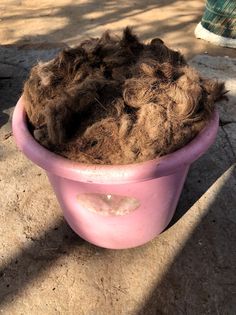
The washed and clean camel wool


The washed and clean camel wool

Does the color drain from camel fleece?


Does water cause camel wool to bleed? Does it change color in the water to its native state? In an attempt to wash the camel wool, I put it in a pail with hot water and noticed an odd thing happened: the water turned the same dark brown hue as the Majaheem camel’s wool. The wool has been tightly woven into a blanket that is difficult to separate or arrange. Kindly share your thoughts with me. Crude camel hair contained 15 – 35% sand and dust. It appears the color of the water after the camel hair was drenched may exceptionally well be credited to this dust. I did a test too, earlier this year. And I can confirm what has been mentioned here: no color,
mostly dirty water, and little to no lanolin.

The structure of the camel wool

The outer layer of the fingernail skin contains color granules that are dispersed within the medulla, the central area of the fleece fiber (same as in camel fur). More color granules have accumulated in the fiber’s core the darker the hair. Each strand of camel hair, known as the cortex, has some water porosity, yet a camel is kept dry by its resistance to water. My argument is that this water-resistant outer cortex would need to be penetrated if the common camel hair color were to drain.

Camel Wool is Hard to be Carded and Clean Properly

It is exceedingly difficult to thoroughly clean wool. There is a thin layer of cuticles covering every wool strand. Each fiber’s cuticle layer becomes entangled with one another. With the right instruments and equipment, the majority of it can be carded and brushed. However, when the wool has “felted” it is very difficult to do so.

Camel Wool Grease

How fat is camel wool? Sheep wool has a lot of lanolin, which gives the wool its special properties. I have read that camel wool has low amounts of fat, but perhaps this is not correct. it’s correct, camelwool contains very little part of lanolin.

 
Source:
https:whatever
How to do Camel Farming in Pakistan

Camel Farm is a project of the livestock. The project is proposed to be set up in range lands of Balochistan, coastal areas and desert area of Cholistan, Thal and Tharparker. In these regions, camel is a source of milk and meat, transport facility provider and a racing/dancing animal, thus, playing an important role in the socioeconomic uplift of the local community.

A herd of 40 camel breeders would be purchased and raised in conventional farming system. The breeder herd is assumed to give birth to 27 camel calves every two years. The female calves would be retained for milk and breeding purpose, while the male camels would be raised on the farm for 2 years and then sold into the local market. The milk from the camel cow would be sold directly to consumers or processing companies.


Cholistan desert has long been famous for raising different breeds of livestock and supply excellent quality of their products, which contribute a significant share to national meat, milk and wool output. The people residing in remote desert areas and nomads consume fresh raw or soured camel milk (a sort of yogurt). The nutrient contents of the camel milk are as good as or even better than that of the cow milk. Of great relevance for human nutrition in desert arid areas is its high vitamin C content ranging between 29 and 36 mg/liter milk, which amounts to three times the level of cow’s milk and one and a half times as much as in human milk.

Almost around all major cities in Pakistan mobile camel dairies are found. The nomad camel keeping families keep on moving from one suburb locality of the city to another and sell camel milk there. The reported milk yield ranges between 900 and 4000 liters in a lactation period of 250 to more than 500 days. The average daily yield under different management systems is reported to vary from 3 to 8 liters. The females are milked twice to four times a day in Pakistan. According to a very modest estimate, the camel milk annually produced in this country is 0.24 million tons valued at Rs. 2.4 billion.

The total initial cost for setting up the quail unit is estimated at Rs. 8.417 million. The project is proposed to be financed through 50% debt and 50% equity. The project NPV is projected around Rs. 15.949 million, with an IRR of 38% and a payback period of 4.27 years. The legal business status of this project is proposed as ‘Sole Proprietorship’.

In this pre-feasibility study, all the calculations have been based on a breeder herd size of 40 camels, (2 males and 38 females). 70% of the females in the parent herd are assumed to be pregnant and would give birth to 27 camel calves every 2 years. The male camel calves are sold after being raised for two years. The female calves would be added to the breeding herd and would reproduce after 5 years and add to the milk production. Camel cows would be producing approximately 4500 liters of milk for a year.

Livestock products not only provide high-value protein but are also important sources of a wide range of essential micro-nutrients, in particular minerals such as iron and zinc, and vitamins such as vitamin A. For the large majority of people in the world, particularly in developing countries, livestock products remain a desired food for nutritional value and taste. The existing daily availability of protein quantity per capita in Pakistan deriving from animal source including beef, mutton, poultry and fish combined amounts to 11 grams. This is far less than the recommended daily dietary protein allowance from animal source of 26 grams according to the World Health Organization standards.

The indigenous dromedary camel (Camelus dromedarius) has continued to be the sole source of food, transport, and income for hundreds of thousands of nomads, its potential for increasing food supplies and family income has almost been ignored by planners of development projects and researchers.

There is sufficient evidence to indicate that the dromedary camel possesses practical and unique attributes for meat and milk production under intensive and extensive management in the arid and semiarid regions of Pakistan. Due to prevailing droughts and the trend towards decreasing production of other animals, the camel has gained more attention as a way of bridging the gap between demand and supply.

Decreasing camel population demands that we attend to the factors contributing towards its decline. Recent studies have shown that the camel is a prime candidate for meeting the milk requirements of pastoral people, and as well as other populations if managed, bred and fed properly.

Furthermore, in the context of change and global warming, under-exploited species like camel will find a better place to thrive and produce even under harsh climatic conditions. There are many virgin areas of research and development in this species, demanding that proper milk recording, selection and breeding practices are made to exploit its genetic potential to the maximum. Some planned and integrated efforts are needed in the camel-populated areas of Cholistan and Balochistan to undertake research and development on this species and allied matters. This is expected to bring revolutionary changes and further improvements in enhanced milk production and assist camel herders by improving their pastoral economy.

The camel farming is a project of livestock sector, in which, the camels would be raised for both milk and meat purpose. The camel breeder herd would be raised on the conventional farming system. The adult breeding herd would be procured from local animal market. The milk of the camel cow would be sold directly to consumers or processing companies. In addition, the farm would work for the production of camels for sacrificial purpose as well as meat purpose. A herd of 40 camels would be sufficient to start the farm, having 2 males and 38 female camels. 70% of the female camels would purchased are assumed to be pregnant and would give birth after 6 months. Through out the project life 70% of the female camels in the parent herd are assumed to give birth to 27 camel calves every two years. The lactation period of female camels lasts around a year. The male camels would be raised for 2 years and sold in different animal markets.

The specific requirement would be met by maintaining the herd in harsh environments, and would be provided proper feed and good animal husbandry practices which would be monitored by the concerned staff.

Legal Status

The business legal status of the proposed project can either be sole proprietorship or partnership. Additionally, it can also be registered under the Companies Ordinance, 1984 with the Securities & Exchange Commission of Pakistan. The selection depends upon the choice of the Entrepreneur. This Pre-feasibility assumes the legal status to be Sole Proprietorship.

Capacity and Product Mix

In this pre-feasibility study, all the calculations have been based on a breeder herd size of 40 camels, (2 males and 38 female). 70% of the females in the parent herd are assumed to be pregnant and would give birth to 27 camel calves every 2 years. The male camel calves are sold after being raised for two years. The female calves would be added to the breeding herd and would reproduce after 5 years and add to the milk production. Camel cows would be producing approximately 4500 liters of milk for a year.

Critical Factors for Camel Farming in Pakistan

Before making a decision, whether to invest in this project or not, one should carefully analyze the associated risk factors. SWOT analysis can help in analyzing these factors which play an important role in decision making.


  • Camels are the preferred livestock species in extremely dry zones, enabling individuals to live in otherwise uninhabitable areas.
  • Strengthening livestock sector
  • Doctors often prescribe it to convalescing patients; it may be recommended for people living with AIDS, and for reducing diabetes and coronary heart disease
  • A source of earning for nomads living in Rangelands of Balochistan and desert areas of Cholistan, Thar and Thal.
  • Milk yield of Camel can go up to 20 liters per day.
  • Camel farming does not require extensive set up as it follows conventional farming system.
  • Camel milk typically fetches over a dollar a liter that would mean regular income for nomadic herders who currently have few other sources of revenue.
  • Marketing is one major issue of camel husbandry.
  • Due to lack of awareness, camel meat demand is lesser as compared to other meat types in local areas.
  • Interest from Pakistani consumers in camel meat is limited.
  • More intensive feeding of camels by traders or butchers within city boundaries may enhance the value of camels before slaughter. However, little information exists on changes in carcass composition during the feeding process.
  • A growing awareness that the camel can serve as a major food (milk and meat) producer in semi-arid and arid areas has helped change its image from ‘ship of the desert’ to ‘a food security animal’.
  • Camel meat and milk is daily kitchen item especially in Southern areas of Pakistan like Multan, Bahawalpur, Rahim Yar Khan etc. Developing opportunities to increase camel milk production by using concentrates, practicing early weaning and reducing calving intervals, as is done in Tunisia, could have positive economic benefits for herder pastoralists.
  • Racing and safaris is one more avenue for fortifying camel production. Camel fairs and safaris are attracting thousands of people from around the world in many countries.
  • Herders have lost access to traditional grazing grounds and tend to stay closer to urban centers and it might be possible to organize groups of camel owners for milk collection and link them up with dairy plants for activities such as milk collection, milk processing and cheese making.
  • There is no application of improved preservation and value addition methods for raw camel milk using appropriate technologies. By the development of camel milk and dairy product standards, the trade in this sub-sector development may be enhanced.
  • The milk can be pasteurized, chilled and packed for value addition. Many byproducts can be made from camel milk and plenty of markets are available around Cholistan.
  • Although, camel can be a good tool in the global environmental changing scenario and food insecurity situations, however, it is always neglected both at national and international levels. It attributes are never praised and no visible effort has been done for its development.
  • Camels are very much under threat and up to 25% of the camels have vanished in the last decade. Only last year thousands of camels were dead because of a new respiratory camel disease.
  • There is no proper documentation of the breeds and no support to enhance its use through closer collaboration between government, technical experts and other stakeholders. The economic potential of the camel remains limited in comparison to other livestock species.
Global Industry Structure of Camel Farming

Although most camel milk is traded informally, a world market worth USD 10 billion is within the realm of possibility if key improvements are made (FAO statistics). Camels were once used almost exclusively as a means of transport across harsh environments for both man and goods. However there is a growing recognition of the value and benefits of camels for their milk, meat and fibers. Camel dairy products could provide not only more food for people in arid and semi-arid areas but also give nomadic herders a rich source of income. The total number of camels globally is said to be 20 million, but as most camels are owned by nomads, this number can only be estimated. Half camel population is in horn of Africa.


Nomads move in search of pasture according to the season and can live for up to a month in the desert on nothing but camel milk. As camel milk is normally produced under low input-low output systems, five liters a day is considered a decent yield.

Available world production of camel milk is officially put at 1.3 million tonnes, a tiny figure as compared to cow’s milk. However, a recent FAO/CIRAD/KARKARA workshop estimated global camel milk output as 5.3 million tonnes, although even this may be a conservative estimate. Lactating camels each produce between 1,000 and 12,000 liters of milk for anywhere between 8 and 18 months. The world’s biggest camel milk producer is Somalia, with 850,000 tonnes a year, followed by Saudi Arabia with 89,000 tonnes.

The world population of camels is currently estimated at some 20 million. Somalia is believed to have the world’s largest herd, with almost as many camels as humans. World production of camel milk available/used for human consumption is officially put at 1.3 million tones – 500 times less than cow’s milk. The generally accepted figure for global camel milk production is 5.4 million tonnes, most of which goes to the calf. Lactating camel cows produce between 1,000 and 4,000 liters of milk for a period of anywhere between eight and 18 months. The world’s biggest camel milk producer is Somalia, followed by Saudi Arabia.

A camel dairy in the UAE and an Austrian chocolatier recently teamed up in a joint venture to produce chocolate made from camel milk, sweetened with honey from Yemen. Making cheese from camel milk can be difficult, but the Mauritanian Tiviski Dairy processes camel milk into modern, high-quality products. Camel cheese “Camelembert” is one of their special items. Camel ice cream was first promoted by the Israeli scientist Reuven Yagil, but the National Research Centre on Camels in Bikaner, India, now also produces a delicious camel milk-based kulfi, a local variation on ice-cream. Camel oil, produced in Australia, is lower in cholesterol than other animal cooking fats, and can be used to make soaps and cosmetics, even creams for sensitive baby skin. A line of cosmetics based on camel milk is also the dream project of Nancy Abdeirrahmane from the Tiviski Dairy. Camel meat is healthier as they produce carcasses with less fat as well as having less levels of cholesterol in fat than other meat animals.

Camel Farming in Pakistan

Livestock accounts for 52.2 percent of agricultural value added, contributes around 11.5 percent to GDP and affects the lives of 30 – 35 million people in rural areas. It is highly labor intensive and if proper attention is given to this sector, it will not only absorb more rural workforce but also help alleviate rural poverty in Pakistan.

Pakistan teems with dromedaries but a few herds of two-humped camels (Bactrians) are also bred in the extreme northern areas. The camel population is unevenly distributed over the country, mainly in four distinct ecologic zones of Pakistan:

  1. Sandy deserts (Thal and Cholistan in the Punjab and Thar in Sindh)
  2. Costal mangroves (Thatta, Badin and Karachi districts of Sindh)
  3. Mountainous tracts (all of Baluchistan, and the D.G. Khan and D.I. Khan districts of Punjab and KPK, respectively)
  4. Irrigated plains (all irrigated districts of Punjab and Sindh)
Pakistani and Afghanistani camels are supposed to produce the highest yields of milk, up to 30 liters per day. The Bactrian camel produces between 2.5-5 liters per day and the dromedary produces an average of 6-9 liters per day. Intensive breeding of cows has created animals that can produce 40 liters per day in ideal conditions. Camels, with their ability to go 21 days without drinking water, and produce milk even when feeding on low-quality fodder, are a sustainable option for food security in difficult environments.

The marketing of camel milk and meat follow the traditional channels of distribution. Generally, these are distributed in the market through middlemen (Arhti) and wholesalers. The role of Arhti is to identify a farm and negotiate the price.

Camel Farm Management in Pakistan

Farm input required for a shed includes farm equipment (milking buckets, feeding mangers etc), electronic fixtures and other items (feed, vaccines & medicines, clean drinking water, electricity etc.). This unit will work for the production of milk and calves for meat. The breeder camels will be purchased from private farm of good genetic worth. A herd of 40 camels (70% female, 30% male) will be bought initially.

The following practices will be performed under the supervision of an expert by which farmers can protect the herd from 80% diseases and improve the farm management. Camel can eat everything (bark, dates seed, salty mud and even paper) when there is scarcity of feed, while in good feeding conditions, it does prefer protein rich diet. Camel can browse at 3.5 m above the ground even at the thorny plants without any harm. Camels can travel many days without feed or water. A traveler can continue journey without bothering too much about the feed and water.

The arid and semi arid lands (such as Cholistan, Thar and Thal area) is covered with wide range of nutritious and drought tolerant species of vegetation. Deep in desert the camel mostly rely on Khar, Lana, Jand and Kareer, while in the peripheries mostly kikar is available along the water courses and road side

Common Diseases of Camels in Pakistan

The disease register of camel is quite short (very few fatal diseases are reported in camel). Camel is resistant to many notorious diseases like foot and mouth disease, mad cow disease (BSE) and Brucellosis etc. There are some known camel diseases in Cholistan, only Trypanosomiasis (Surrah) is considered to cause economic losses. Surrah makes the animal weak and unable to produce or reproduce. The camel herders practice their traditional way of treatment which usually has minor effect. There are weak ties between the Veterinarians and local pastoral people. There is a big gap between the Veterinarians and the pastoral herders. Water scarcity is a tremendous issue of the pastoral people. During droughts period Tobas get dry and no water is available. Camel is resistant to ticks diseases. A load of more than 100 ticks on camel body cannot affect camel health and production. Furthermore, camels don’t usually colic like horses do, although they occasionally bloat.

Project Financials

The total project cost is estimated around Rs. 8.417 million.

The capital cost is estimated around Rs. 7.843 million and working capital of Rs. 0.574 million. The total cost, project returns and financial plans can be studied in details from the pre-feasibility study of camel farming in Pakistan by SMEDA.

Camels in Pakistan

There are two main types of camels found in the world. One humped camel generally called Dromedary (Camelus dromedarius) is found in the Arabian deserts, Iran, Afghanistan, Central and South Asia and the other is Bactrian (Camelus bactrianus) two-humped camel, which is found in central Asia, Russia and China. In Pakistan, the dromedary type of camels are found with a population of around 1.00 million while the number of Bactrian are said to be approximately 1000 animals only, which are available in extremely northern areas of the country or a few are kept in the zoos.


Traits of Camels

The camels are regarded as the most intelligent animals and can find out their way in the desert when there are no signs of road. It is a unique beast of burden, which is loaded in sitting position and gets up with a jerk of its long neck. Camels do not need to be shod. The flat pads of the feet are horny and cushioned and help the camel to walk on the sand without making any sound while the feet of other animals sink into the sand. Due to this trait, the camel has been given the name “ship of the desert”.

Camel is better as riding animal than horse. They are quieter and gentler than horses. Camels can carry more weight than horses. Also, a well-designed camel saddle has more room to carry whatever extra gear. The long muscular legs allow camels to cover great distances; they walk up to 40 km per day with 200 to 300 kg of baggage. Riding a camel is quiet and peaceful.

The ability of camel to allow its body temperature to fluctuate in response to certain forms of environmental stress saves significant amounts of energy and water. The well-developed hump is full of fat that serves as a store of water and food at the time of starvation. The fat of hump gets dissolved gradually during starvation and collects again when the camel gets adequate water and feed. Camel can eat anything when tired and hungry. Under very hot conditions, the camel may drink only every 8-10 days and loose up to 30% of the its live body weight through dehydration. Other animals die at 10% live body loss through dehydration. They can live without water for 3 days in summer and 7 days in winter. However, there are some examples of this animal remaining without water for 20 to 40 days. After 40 days the camel goes blind due to excessive dehydration.

The chest pad helps the animal to rest while sitting on the ground. The rest of the body is saved from concussion against the ground. There are other pads at the knee and half joint and in front of the joint of thighs. These prevent the limbs from concussion against the ground. The camel sleeps less and possesses great power of remembrance. It keeps in mind the harsh behavior, beating or even the abuses from the camel man and takes revenge at the appropriate time.

Camels are hornless and lack gall bladder. Their ears are small but have a great power of hearing. Camel can hear and understand the voice of its herder from a long distance. Camel has prominent eyes with a wide range of vision. They are protected by an overhanging upper lid with long eyelashes, which protect the eyeballs from powerful rays of the sun. The upper lip of the mouth has a cut in the middle. The flaps of the upper lip not only help in catching the twigs (thin shoots of the trees and bushes) but also enable the nostrils to cover to keep out the sand and dust at the time of sand / dust storms. Camel has a well-developed power to smell. They can smell water 50 miles away. Camels urinate less than 1 liter of urine per day in hot summer days.

Camels Breeds of Pakistan

Camel is the only livestock specie which was originally domesticated for milk. In Pakistan camel population attained one million head with almost 20% of lactating camel producing around 0.6 million ton of milk annually. Milk and meat are the principal products of camel. The huge amount of milk is not well documented and never marketed. The Pakistani camel breeds are highly diversified and can produce up to 40 liters of milk per day in ordinary grazing conditions. Such high yielding specimens are found in Pakistan, especially in desert areas of the country.


  • Camel Breeds of Punjab: Bagri ( Booja ), Brela ( Thalocha ), Campbelpuri, Marecha
  • Camel Breeds of Baluchistan: Brahvi , Kachhi , Kharani , Lassi , Makrani , Pishin, Rodbari
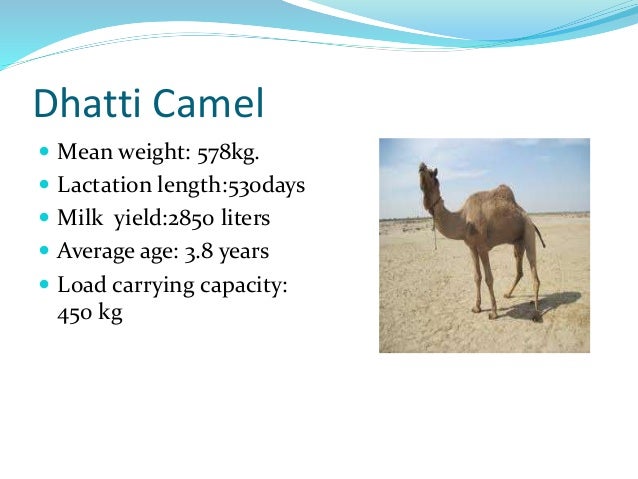
  • Camel Breeds of Sindh: Dhatti , Kharai , Larri (Sindhi), Sakrai
  • Camel Breeds of KPK: Gaddi, Ghulmani, Khader, Maya

Camel Breeds of Cholistan (Punjab)
The Cholistani pastoralists keep two distinct camel breeds, Marrecha and Brela. The production systems and the characteristics of these breeds differ:

Marrecha Camel Breed

The Marrecha is known as dual type in Punjab. Marrecha camel is also known as Bekaneri camel in Rajasthan, India. This breed of camel is well adapted to the sandy desert and is best suited to work in desert ecosystems. These animals can travel 100 to 125 km a day at a high speed of 20-25 km per hour. Marrecha camels have good milk production ability in the desert ecology, thus herders also select this breed for more milk to sustain human life in the desert.

The average herd size of the Mareecha camel is 37. Majority are female with 20-25 lactating camels. The color ranges from blackish brown to light brown and fawn; majority of the camels are fawn. Marrecha has long thin neck, long legs, long eye lashes, hair on the ears and neck with medium head and pointed muzzles. The rabbit like ears are the salient feature of this breed. The top priority of Mareecha herders is to produce drought camels for the transportation of their families in the desert. As Marrecha is highly demanded for its racing ability and beauty, the herders stress on its beauty.


This breed is mainly used for the transportation and riding in the desert. The males are trained for many events and riding in the desert. There is high demand for Mareecha camel by race hobbyist in local market and Middle East. Mareecha camel is liked by hobbyists and carters of the cities and produces milk in harsh conditions with high temperature and scarcity of feed and water. This characteristic of Mareecha camel enables its’ herders to live in deep deserts and use the camel milk as food security. They also provide good amount of milk to male calves for vigor and good health.

The male animals are sold at the age of 2-3 years at different times in a year. They are sold locally and in famous camel fairs. Channan Peer fair is one of the famous fair for male Marrecha animals. They fetch good price according to its beauty, attraction and taste of the buyer.

Brela Camel Breed

The Brela camel originates from the Thal desert of Pakistan. Thal desert is irrigated and brought under canal irrigation. The women in these areas usually sell milk as means of earning for themselves.

Brela is good milk producer with sustainable lactation yield, hence a good source of earning in the form of milk for its herders especially women folk. It is a docile animal and would allow a stranger to milk it. It is also adaptive in any ecosystem and may be raised in areas for milk production where camels are normally not raised. The male Brela camel is mainly raised and sold for meat.

The average herd size of the Brela camel is 26, with the majority being females. The percentage of lactating camels in the herd ranges from 23-27%, but that depends upon the status of the year (dry or wet). The milking season of Brela is from October to March. It is higher milk producing animal producing 22 liters per day with a lactation length of 9 months and milked regularly, twice a day. The color of the animal ranges from blackish brown to light brown, majority being deep brown, sometimes white specimen are also found. Brela is one of the massive breed of the country with thick neck, wide chest, muscular legs and massive head. The hanging lip is one of the salient features of the breed.

Camel Milk in Pakistan

Camel milk is slightly saltier as compared to cow’s milk, three times as rich in Vitamin C and is known to be rich in iron, unsaturated fatty acids and B vitamins. It is a natural and essential food item in areas where there is a scarcity of water and forage. Camel is most efficient animal in milk production on per unit feed consumption basis. Research shows that a cow in Rangelands conditions needs 9.1 kg of dry matter feed to produce one liter of milk, while camel produce one litre of milk by consuming only 1.9 kg of dry matter feed under the same conditions.

The lengthy days without water do not depress the camel’s milk quantity or quality. The milk becomes even more watery during the period of water scarcity to fulfill the water requirements of thirsty suckling calves. Camel cow has four teats with at least two orifices in each teat. If one orifice is blocked the milk can come through the other orifice. Camel contains equal quantity of milk in four quarters unlike cows who have more milk in hindquarters. The colostrum are white and watery instead of thick and cream colored (cow colostrum).

Camel milk is a nervine tonic and is good for eyesight. It is a booster of the immune system, contains protective proteins, including the immunoglobulin necessary for maintaining the immune system and for brain development. It contains 25-30 times as much lactoferrin as cow milk. Lactoferrin is a fairly recently discovered iron containing protein that has been shown to have antiviral, anti fungal, anti inflammatory, analgesic and anti-carcinogenic effects.

Camel’s milk is a rich source of proteins with potential anti-microbial and protective activity. The fat globules are smaller in camel’s milk than in cow’s milk and that explains why camel’s milk is unstable at high temperature. Camel’s milk protein is coated with fats, which enhance protein absorption in intestines. Camel’s milk fat contains much higher concentration of long-chained fatty acids (C 14 – C 18) than short-chained fatty acids, and is therefore healthier. Sour camel’s milk is not a waste but is a part of the traditional diet in Somalia known as “susa” and in Arabia as “Algarss” and in Baloch pastoral areas as “Sorain”.

Camel Meat in Pakistan

Camel meat is relatively high in polyunsaturated fatty acid in comparison to beef. This is an important factor in reducing the risk of cardiovascular diseases. Camel meat is also used for remedial purposes for diseases such as hyper acidity, hypertension, pneumonia and respiratory disease. Camel lean meat contains about 77% water, 19% protein, 2.8% fat, and 1.2% ash with a small amount of intramuscular fat, which renders it a healthy food for humans. Camel meat has raspberry red to dark brown color.

The fat of the camel meat is white. Camel meat is processed and used in burgers, patties, sausages etc. Camels reach live weights of about 650 kg at 7–8 years of age, and produce carcass weights ranging from 125 to 400 kg with dressing-out percentage values from 55% to 70%. Camel carcasses contain about 57% muscle, 26% bone and 17% fat.

Camel Association of Pakistan


Last edited:
Marhaba Camel Milk & Meat
Main lucky star building
Karachi, Pakistan 1111

03112005810, 03223457821, 021-35640722

0b%2BCamel%2BAss%2527n%2Bof%2BPakistan.png


maxresdefault.jpg


141023162549-camel-products-cafe2go-camel-burger-horizontal-gallery.jpg


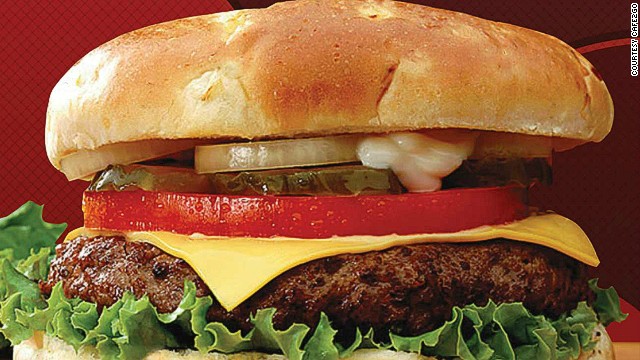
Dubai coffee shop Cafe2Go made international headlines with its "camelccinos" and camel lattes, Italian style drinks made with camel milk. Camel meat also features prominently on the menu, which serves up camel fajitas, hot dogs, burgers and salami.

Cafe2Go founder Jassim Al Bastaki also created a sub-brand called Camellos, which will stock Dubai's supermarkets with camel retail products, including meat (an industry first).

"I said, OK, let's go global with a camel revolution, and we'll enter as a pioneer of the camel café," says Al Bastaki, who has franchised versions of Cafe2Go in Pakistan, Libya, Kenya, Saudi Arabia and Qatar.

Camel Association of Pakistan

https://www.facebook.com/saves.org.pk
 
news_detail_img-epaper_id-8444-epaper_page_id-175722-epaper_map_detail_id1127373-1192141139.jpg


Full of nutrients: Plan to promote camel milk on the cards


1651263-camel-1520226517-740-640x480.jpg


Camel milk to be promoted PHOTO: REUTERS

MULTAN: Officials of Livestock and Dairy Development Punjab are working on a plan to promote camel milk across the province with an aim to offer handsome returns to the cattle rearers and also provide fresh and healthy milk to the people.

This was said by Livestock Department Focal Person Dr Majid on Sunday. He said that camel milk was 100% organic and beneficial for health. “It has low sugar content, more iron and vitamins with immunity enhancing properties and good substitute for insulin which is essential for diabetic patients,” he added.

He said, “Camel milk has anti-tumor activity and a natural cure for skin, heart, acne, eczema and hepatitis C.” He maintained camel milk consists of more than 300% vitamin C as compared to cow milk.

Dr Majid observed that one litre of camel milk had nearly 52 units of insulin, which could help maintain health of diabetic patients.

He said that there were about 90,000 camels in the province and they generate nearly 12,000 litres of milk.

The livestock official pointed out that the Punjab government had installed a plant in Pattoki with an aim to process the milk and supply it to various markets.

“Camel milk is now available in the markets at Rs110 per litre,” he said.

The basic aim of marketing was to improve financial condition of the camel farmers.

He said the milk was collected from various parts of the province on daily basis by special vans. “Initially, 700 litres of milk is being processed at the plant and capacity would be enhanced with the passage of time,” he remarked.

Dr Majid explained that camel feed depend on grasses and shrubs like khar, lani, kikar etc as camels do not consume stall or synthetic feed.

He said that camel milk could be used within three days. However, it was best to use it in 24 hours.

He said that camel milk was obtained from Marecha and Barrela breeds.

Published in The Express Tribune, March 5th, 2018.


The very successful trial of Bactrian Camel Milk (BCaM) Cheese​


Making cheese from camel milk is always very complicated and difficult because of the very strong and stable nature of camel milk. Camel milk has certain molecules which resist coagulation of it, therefore camel milk is one of the most stable kinds of milk with a longer shelf life in natural systems. While using the camel chymosin and adapting certain procedures, some people have successfully made the camel milk cheese from the dromedaries. For the first time, the author made a BCaM cheese possible without camel chymosin.


Camel milk cheese of Bactrian in Mongolia​

The Bactrian camel milk (BCaM) is more stable and difficult to turn into cheese but there are some very good things helping in making more cheese of the BCaM, the higher fat contents (more fats but as healthy as the Dromedary milk). This quality of the BCaM gives an opportunity to harvest more cheese (10 kg milk with a 1.2 kg cheese)


The concept and methodology behind the cheese making from BCaM​

Though, we will not disclose the exact methodology of successful cheese and ice cream making from the BCaM at the moment because the process is still ongoing for the improvement and solid conclusion of the product. We are still behind in getting the taste and texture of the BCaM cheese.

The curd made of Bactrian camel milk in Mongolia


The curd is made of Bactrian camel milk in Mongolia. After a long process and many efforts, we made it possible.

I shall share the basic concept of cheese making from BCaM here

  • We heated the milk and added a source of acidic compound (edible) to decrease the Ph of the milk.
  • Then decreased the temperature to around 40 C and added chymosin (cow-calf rennet as camel chymosin was not available)
  • I stored the milk for more than 6 hours as it is only 4 hours period in cow milk.
  • After a long maturating time, I found very good crud with soft cheese.
  • I filtered the curd with muslin or cheesecloth (3 layers) and harvested a very soft cheese.
  • We put the soft cheese at room temperature in a dry clean environment to get dry and harder.

Cheese before and after the dehydration​

We just got this soft cheese (in the image below) before going through the process of dehydration. It was very soft and easily breakable and dissolvable. The taste of the soft cheese was very good, a little creamy because of the higher fats contents in the BCaM.


The soft cheese with more moisture content harvested from the Bactrian camel milk


The soft cheese with more moisture content was harvested from the Bactrian camel milk in TESO lab Ulaanbaatar Mongolia

After the dehydration, the cheese became thicker and harder. The texture and taste, both improved. The flavor we very camel milky. The product did not get a very cheesy taste like that in cow milk.


The camel milk scientist Dr. Abdul Raziq Kakar with a mature curd of BCaM
 
Camel Farm Management in Pakistan

Farm input required for a shed includes farm equipment (milking buckets, feeding mangers etc), electronic fixtures and other items (feed, vaccines & medicines, clean drinking water, electricity etc.). This unit will work for the production of milk and calves for meat. The breeder camels will be purchased from private farm of good genetic worth. A herd of 40 camels (70% female, 30% male) will be bought initially. The following practices will be performed under the supervision of an expert by which farmers can protect the herd from 80% diseases and improve the farm management.

Camel can eat everything (bark, dates seed, salty mud and even paper) when there is scarcity of feed, while in good feeding conditions, it does prefer protein rich diet. Camel can browse at 3.5 m above the ground even at the thorny plants without any harm. Camels can travel many days without feed or water. A traveler can continue journey without bothering too much about the feed and water.

The arid and semi arid lands (such as Cholistan, Thar and Thal area) is covered with wide range of nutritious and drought tolerant species of vegetation. Deep in desert the camel mostly rely on Khar, Lana, Jand and Kareer, while in the peripheries mostly kikar is available along the water courses and road side

Common Diseases of Camels in Pakistan

The disease register of camel is quite short (very few fatal diseases are reported in camel). Camel is resistant to many notorious diseases like foot and mouth disease, mad cow disease (BSE) and Brucellosis etc. There are some known camel diseases in Cholistan, only Trypanosomiasis (Surah) is considered to cause economic losses. Surah makes the animal weak and unable to produce or reproduce.

The camel herders practice their traditional way of treatment which usually has minor effect. There are weak ties between the Veterinarians and local pastoral people. There is a big gap between the Veterinarians and the pastoral herders. Water scarcity is a tremendous issue of the pastoral people. During droughts period Tobas get dry and no water is available. Camel is resistant to ticks diseases. A load of more than 100 ticks on camel body cannot affect camel health and production. Furthermore, camels don’t usually colic like horses do, although they occasionally bloat.

Project Financials

The total project cost is estimated around Rs. 8.417 million.

The capital cost is estimated around Rs. 7.843 million and working capital of Rs. 0.574 million. The total cost, project returns and financial plans can be studied in details from the pre-feasibility study of camel farming in Pakistan by SMEDA.

Camels in Pakistan

There are two main types of camels found in the world. One humped camel generally called Dromedary (Camelus dromedarius) is found in the Arabian deserts, Iran, Afghanistan, Central and South Asia and the other is Bactrian (Camelus bactrianus) two-humped camel, which is found in central Asia, Russia and China. In Pakistan, the dromedary type of camels are found with a population of around 1.00 million while the number of Bactrian are said to be approximately 1000 animals only, which are available in extremely northern areas of the country or a few are kept in the zoos.

Traits of Camels

The camels are regarded as the most intelligent animals and can find out their way in the desert when there are no signs of road. It is a unique beast of burden, which is loaded in sitting position and gets up with a jerk of its long neck. Camels do not need to be shod. The flat pads of the feet are horny and cushioned and help the camel to walk on the sand without making any sound while the feet of other animals sink into the sand. Due to this trait, the camel has been given the name “ship of the desert”.

Camel is better as riding animal than horse. They are quieter and gentler than horses. Camels can carry more weight than horses. Also, a well-designed camel saddle has more room to carry whatever extra gear. The long muscular legs allow camels to cover great distances; they walk up to 40 km per day with 200 to 300 kg of baggage. Riding a camel is quiet and peaceful.

The ability of camel to allow its body temperature to fluctuate in response to certain forms of environmental stress saves significant amounts of energy and water. The well-developed hump is full of fat that serves as a store of water and food at the time of starvation. The fat of hump gets dissolved gradually during starvation and collects again when the camel gets adequate water and feed. Camel can eat anything when tired and hungry. Under very hot conditions, the camel may drink only every 8-10 days and loose up to 30% of the its live body weight through dehydration. Other animals die at 10% live body loss through dehydration. They can live without water for 3 days in summer and 7 days in winter. However, there are some examples of this animal remaining without water for 20 to 40 days. After 40 days the camel goes blind due to excessive dehydration.

The chest pad helps the animal to rest while sitting on the ground. The rest of the body is saved from concussion against the ground. There are other pads at the knee and half joint and in front of the joint of thighs. These prevent the limbs from concussion against the ground. The camel sleeps less and possesses great power of remembrance. It keeps in mind the harsh behavior, beating or even the abuses from the camel man and takes revenge at the appropriate time.

Camels are hornless and lack gall bladder. Their ears are small but have a great power of hearing. Camel can hear and understand the voice of its herder from a long distance. Camel has prominent eyes with a wide range of vision. They are protected by an overhanging upper lid with long eyelashes, which protect the eyeballs from powerful rays of the sun. The upper lip of the mouth has a cut in the middle. The flaps of the upper lip not only help in catching the twigs (thin shoots of the trees and bushes) but also enable the nostrils to cover to keep out the sand and dust at the time of sand / dust storms. Camel has a well-developed power to smell. They can smell water 50 miles away. Camels urinate less than 1 liter of urine per day in hot summer days.

Camels Breeds of Pakistan

Camel is the only livestock specie which was originally domesticated for milk. In Pakistan camel population attained one million head with almost 20% of lactating camel producing around 0.6 million ton of milk annually. Milk and meat are the principal products of camel. The huge amount of milk is not well documented and never marketed. The Pakistani camel breeds are highly diversified and can produce up to 40 liters of milk per day in ordinary grazing conditions. Such high yielding specimens are found in Pakistan, especially in desert areas of the country.


  • Camel Breeds of Punjab: Bagri ( Booja ), Brela ( Thalocha ), Campbelpuri, Marecha
  • Camel Breeds of Balochistan: Brahvi , Kachhi , Kharani , Lassi , Makrani , Pishin, Rodbari
  • Camel Breeds of Sindh: Dhatti , Kharai , Larri (Sindhi), Sakrai
  • Camel Breeds of KPK: Gaddi, Ghulmani, Khader, Maya

animal-farming-in-pakistan-8-638.jpg

Camel Breeds of Cholistan (Punjab)
The Cholistani pastoralists keep two distinct camel breeds, Marrecha and Brela. The production systems and the characteristics of these breeds differ:

Marrecha Camel Breed


The Marrecha is known as dual type in Punjab. Marrecha camel is also known as Bekaneri camel in Rajasthan, India. This breed of camel is well adapted to the sandy desert and is best suited to work in desert ecosystems. These animals can travel 100 to 125 km a day at a high speed of 20-25 km per hour. Marrecha camels have good milk production ability in the desert ecology, thus herders also select this breed for more milk to sustain human life in the desert.

The average herd size of the Mareecha camel is 37. Majority are female with 20-25 lactating camels. The color ranges from blackish brown to light brown and fawn; majority of the camels are fawn. Marrecha has long thin neck, long legs, long eye lashes, hair on the ears and neck with medium head and pointed muzzles. The rabbit like ears are the salient feature of this breed. The top priority of Mareecha herders is to produce drought camels for the transportation of their families in the desert. As Marrecha is highly demanded for its racing ability and beauty, the herders stress on its beauty.

This breed is mainly used for the transportation and riding in the desert. The males are trained for many events and riding in the desert. There is high demand for Mareecha camel by race hobbyist in local market and Middle East.

Mareecha camel is liked by hobbyists and carters of the cities and produces milk in harsh conditions with high temperature and scarcity of feed and water. This characteristic of Mareecha camel enables its’ herders to live in deep deserts and use the camel milk as food security. They also provide good amount of milk to male calves for vigor and good health.

The male animals are sold at the age of 2-3 years at different times in a year. They are sold locally and in famous camel fairs. Channan Peer fair is one of the famous fair for male Marrecha animals. They fetch good price according to its beauty, attraction and taste of the buyer.

Brela Camel Breed

The Brela camel originates from the Thal desert of Pakistan. Thal desert is irrigated and brought under canal irrigation. The women in these areas usually sell milk as means of earning for themselves.

Brela is good milk producer with sustainable lactation yield, hence a good source of earning in the form of milk for its herders especially women folk. It is a docile animal and would allow a stranger to milk it. It is also adaptive in any ecosystem and may be raised in areas for milk production where camels are normally not raised. The male Brela camel is mainly raised and sold for meat.

The average herd size of the Brela camel is 26, with the majority being females. The percentage of lactating camels in the herd ranges from 23-27%, but that depends upon the status of the year (dry or wet). The milking season of Brela is from October to March. It is higher milk producing animal producing 22 liters per day with a lactation length of 9 months and milked regularly, twice a day.

The color of the animal ranges from blackish brown to light brown, majority being deep brown, sometimes white specimen are also found. Brela is one of the massive breed of the country with thick neck, wide chest, muscular legs and massive head. The hanging lip is one of the salient features of the breed.
 
Never had the chance to taste camel meat. I have heard it's salty.
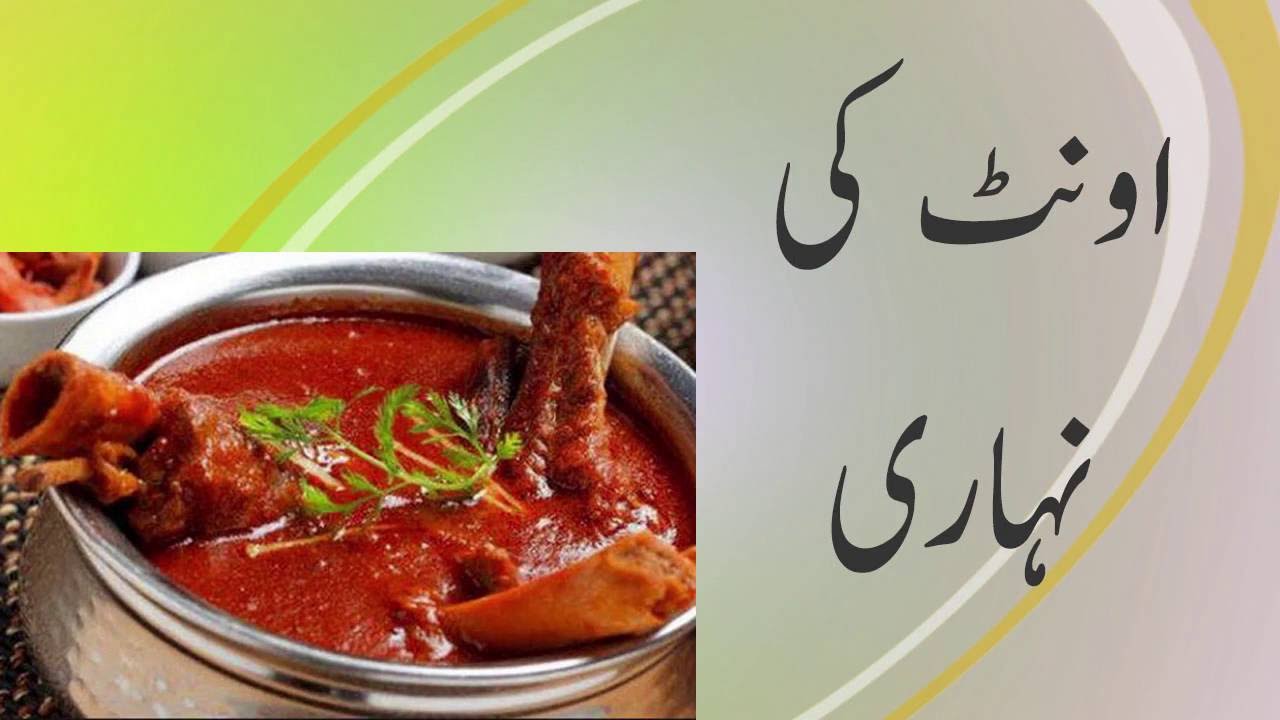
Though I've seen it. It was very dark red.
 
Camel Milk in Pakistan

Camel milk is slightly saltier as compared to cow’s milk, three times as rich in Vitamin C and is known to be rich in iron, unsaturated fatty acids and B vitamins. It is a natural and essential food item in areas where there is a scarcity of water and forage. Camel is most efficient animal in milk production on per unit feed consumption basis. Research shows that a cow in Rangelands conditions needs 9.1 kg of dry matter feed to produce one liter of milk, while camel produce one litre of milk by consuming only 1.9 kg of dry matter feed under the same conditions.

The lengthy days without water do not depress the camel’s milk quantity or quality. The milk becomes even more watery during the period of water scarcity to fulfill the water requirements of thirsty suckling calves. Camel cow has four teats with at least two orifices in each teat. If one orifice is blocked the milk can come through the other orifice. Camel contains equal quantity of milk in four quarters unlike cows who have more milk in hindquarters. The colostrum are white and watery instead of thick and cream colored (cow colostrum).

Camel milk is a nervine tonic and is good for eyesight. It is a booster of the immune system, contains protective proteins, including the immunoglobulin necessary for maintaining the immune system and for brain development. It contains 25-30 times as much lactoferrin as cow milk. Lactoferrin is a fairly recently discovered iron containing protein that has been shown to have antiviral, anti fungal, anti inflammatory, analgesic and anti-carcinogenic effects.

Camel’s milk is a rich source of proteins with potential anti-microbial and protective activity. The fat globules are smaller in camel’s milk than in cow’s milk and that explains why camel’s milk is unstable at high temperature. Camel’s milk protein is coated with fats, which enhance protein absorption in intestines. Camel’s milk fat contains much higher concentration of long-chained fatty acids (C 14 – C 18) than short-chained fatty acids, and is therefore healthier. Sour camel’s milk is not a waste but is a part of the traditional diet in Somalia known as “susa” and in Arabia as “Algarss” and in Baloch pastoral areas as “Sorain”.

Camel Meat in Pakistan

Camel meat is relatively high in polyunsaturated fatty acid in comparison to beef. This is an important factor in reducing the risk of cardiovascular diseases. Camel meat is also used for remedial purposes for diseases such as hyper acidity, hypertension, pneumonia and respiratory disease. Camel lean meat contains about 77% water, 19% protein, 2.8% fat, and 1.2% ash with a small amount of intramuscular fat, which renders it a healthy food for humans. Camel meat has raspberry red to dark brown color.

The fat of the camel meat is white. Camel meat is processed and used in burgers, patties, sausages etc. Camels reach live weights of about 650 kg at 7–8 years of age, and produce carcass weights ranging from 125 to 400 kg with dressing-out percentage values from 55% to 70%. Camel carcasses contain about 57% muscle, 26% bone and 17% fat.
 

Camel Milk Flush the Toxin out of Your Body​

3d6ef3d9302321542fffefb560dae731070299decb7d52f500fac259c3679532


AuthorDr Raziq Kakar

A gift of nature and gold of desert, the camel milk (CM) is miraculously proving as a superfood and natural flush. Because of the appreciable level and unique combination of nutrients (minerals, vitamins, protein, and fatty acids etc.), CM has medicinal properties covering a wide range of ailments.

Camel Milk (CaM) is not a Drug​

A gift of nature and white gold of desert, the CaM is miraculously proving as a superfood and natural flush. Because of the appreciable level and unique combination of nutrients (minerals, vitamins, protein, and fatty acids etc.), CM has natural healing properties covering a wide range of health complications. CaM is not a drug but a functional food, supporting our body’s normal physiological activities, keeping the body stronger and healthier.

CaM Helps in Wide Range of Health Complications​

The CaM had been using by the camel pastoralists since unknown times. Based on my personal experience, almost all the camel keepers I met, they praise the healing power of camel milk. They mentioned a wide range of ailments, comprising of autoimmune diseases, allergies, asthma, rashes, diabetes, liver disorders, rheumatism, inflammatory conditions, piles, urethral irritation, infectious diseases, stress/depression, peptic ulcers and even cancer.

Some of many complications are discussed in scientific literature are somehow recovered with the intake of camel milk. As a functional food, some researchers found it very interesting that the camel keepers have minor cases of the above said disease.

What is the Logic behind the Healing Power of CaM?​

The manifolds enriched levels of minerals (potassium, magnesium, iron, copper, manganese, sodium and zinc) than cow milk, making it a strong flush for body toxins. The flushing of toxins is the utmost need of time as we are taking toxins from the poisonous croplands.

img_3693.jpg

The White Gold of the Desert,

Not in the Mood? A Tonic for Mature People

Camel milk is use as the aphrodisiac, especially in the stressful conditions of the dry hot weather. The appealing level of Nanobodies in CM making it very special tonic for making the mood. As well as CM is a nervine tonic and helps in good eyesight. The pastoral people depending on camel milk rarely get weak eyesight.

A Natural Recipe for Amazing Skin

The content of niacin (Vitamin B3) in camel milk is remarkably higher than in cow milk. Vitamin B3 supports the function of the digestive system, skin, and nerves, and improves circulation making it a beauty and health tonic.

Camel milk contains five times more vitamin C compared to cow milk. Vitamin C is anti-infectious and is very important for human health, especially in dry and deserted areas.

Full Stop to Diabetes

Camel milk contains insulin-like protein and is therefore used to treat Diabetes mellitus. Such insulin is encapsulated in fats molecules which cannot be denatured (does not coagulate easily because of fat coating) in the acidic medium of a stomach. Such property of Camel milk enhances protein absorption.

A study conducted on Raika people (a camels’ nomad community of Rajasthan India) revealed that the zero percent diabetes incidence persisted only in habitual consumers of camel milk, while non-camel milk consuming Raika had a more standard five to six percent incidence of diabetes.Camel Milk Helps Prevent Diabetes

Ensures Super immune system

The wonderful protein of CM (protective amino acids and immunoglobulin) is a booster of the immune system and nutritional advantages for brain development. CM contains 25-30 times as much lactoferrin as cow milk. Lactoferrin is a fairly recently discovered iron-containing protein that has been shown to have antiviral, antifungal, anti-inflammatory, analgesic and anti-carcinogenic effects.

Therefore, a combination of lactoferrin (bactericidal and iron-binding properties) and lysozyme ( an enzyme which catalyzes the destruction of the cell walls of certain bacteria) ensure super immune system.

A recent study revealed that camel milk has anti-genotoxic (prevent toxification in gene and prevent mutation) and anti-cytotoxic (prevent toxification in the cell). The Nanobodies play an incredible role in this regard.

A Dedication to the children World

Children diagnosed with autism spectrum disorder (ASD) responding positively after therapy that included camel milk. The low quantity of beta casein and the lack of beta-lactoglobulin are linked to the hypo-allergic effects of camel milk. Because of the low lactose content, it does not cause lactose intolerance problem in infants. CM has 100 times more D-Lactate as compared to cow milk. D-Lactate is very health promising contrary to L-lactate which is toxic and causes an allergy found in cows’ milk. Camel milk can be the best replacement of infant food after the mother’s breast because of its child-friendly lactose.

The Bucket of Healthy Fatty Acids (Fats)

Camels’ milk fat contains the much higher concentration of long-chained fatty acids (C 14 – C 18) than short-chained fatty acids and is, therefore, healthier. The Omega 3 and Conjugated Linoleic Acid (CLA) are even more important among the other fatty acids. CM have 3 times more Omega 3 and CLA than naturally grazing cows’ milk. Such compounds are attracting young generations to be kept healthy and attractive.

Conclusion and Vision

In spite of the uniqueness of camel milk, the awareness among the young generation is very superficial. They prefer Redbull, soda water, Coca Cola, and Pepsi like soft drinks which are a burden on the physiological system of the human body and give very temporary freshness and satisfaction. The taurine (synthetic) in the Redbull is an alarming threat to brain health and has been banned in some Scandinavian countries.

I would suggest UAE government promote camel milk among young generations and take it as a part of Emiratization initiatives. UAE is the only country at a global level producing bulk quantity of pasteurized milk which is a pure Emirates product. A wide range of camel milk products are available in the market ranging from Ice-cream to flavoured milk.
 
To view this content we will need your consent to set third party cookies.
For more detailed information, see our cookies page.


To view this content we will need your consent to set third party cookies.
For more detailed information, see our cookies page.
 

Bahawalpur Biggest 250 camel farm || Camel farming​


To view this content we will need your consent to set third party cookies.
For more detailed information, see our cookies page.
 
I drank camel milk before.

But it was raw and straight from the comel that her calf was kicked away from.
The camel milk was so unusual , and the strangeness was ghastly to me.

Instead of tasting like milk I known, the camel milk tasted of soup kambing, a salty meaty broth made from goat /lamb meat.

My Western American friend , who grew up on a farm in Texas, told me raw cow milk will also taste meaty.


plagiarised from above

aaaaaaaaaaaaaaaaaaaaaaaaaaaaaaaaaaaaaaaaaaaaaaa

Sheep head and camel milk
shanlungAugust 26th, 2006
Photo folder here

http://www.flickr.com/photos/shanlung/sets/72157594253159153/


You read of the miserable failure of that last Friday's outing when we had to ignormusly turn back in dire fear of the falling petrol guage.

So last friday, 25 Aug 2006, the three of us were determined to try again. This would be the last trip that the three of us be making together. My contract is ending and I will be leaving SA on 9 Sept. JR will be going on leave to France by the end Aug and be back after I am gone.

At 10 am we set off, a concession to my desire to sleep late and wake up late. We had our check list. I brought along plenty of water. Notwithstanding my Jordanian Bedouin friend Osama and my French friend with their tiny bottles of water that they insist will be sufficient for them, I felt it better to have more than less.

This time, we made sure the petrol tank of that Panjero was filled to the top. No big deal in Saudi Arabia where the petrol was cheaper than water. I brought my CDs which I regretted not taking with me last weekend especially after I seen that SUV had a CD player and a radio with all channels set to the various ways you can pray on holy Fridays. I was volunteered as the navigator and CD changer. The SUV came along with barometer and altitude sensors, and a compass which kept telling us it wanted caliberation. Osama then said that as he was a Bedouin, he would know which direction is East and so do the caliberation. He took out a ciggie box and placed that on the dashboard while I watched on with fascination. He then said the shadow pointed to the West.

Somehow I was not so convinced. But then you do know my miserable record which got me looking to the West to see a sunrise one early morning in Alishan mountains.
http://www.geocities.com/shanlung9/wtsaolingrevisit.htm

I was sure that Osama Bedouin ancestors knew where the East was, but they would not be using cigarette boxes and shadows. So in addition to being navigator and CD changer, the role of figuring out how to set the caliberation for the compass fell to me as well. By virtue of pressing buttons on dashboard, a message appeared asking the SUV to be driven in a circle. Since we were on the freeway to Mecca, with very fast traffic, that was not a good time to drive the SUV in circles.

So I asked Osama to drive on while I feed CDs into the SUV.

To my pleasant surprise, Osama who never heard of Chinese songs before fell in love with Teresa Teng,or Teng LiJing in Chinese. He liked her music even more than my Pink Floyd, Deep Purple, Lobo. Yes folks! those are my kind of music as one of those talked about Baby Boomers. JR of course, love those Chinese music having been inducted by me in that episode of 'getting stuck in the sand' outing to the first rock paintings a couple months ago.

This trip was to go where few sane people would go, to another collection of ancient carvings and paintings depicting fighting men, and animals of ancient age. I suggested that we should also try to go to a site located before that with this collection of standing stones used in ancient ceremonies like the Stone Henge around the Red Sands desert.

We headed West on that road to Mecca which would take us down that Riyadh plateau to the plains. I borrowed JR camera as this might be the last time I head out this way and this was a more spectacular ride than the photos might make you believe.

P1010293


I mentioned before in my entries that I had this sensation of being in very ancient landscape whenever I drove down and in the vast deserts. A few days back, I saw this map indicating the geological outlay of the land. That map showed the Riyadh plateau to be rock formation from the Cretaceous period. If you see the striations of rocks in the cutting that the road passes through, those were the layers that T Rexs and dinosaurs were striding on. Which meant the plains and desert below were already very ancient when the dinosaurs were young. Getting down to the plain from that Tuwayq Escarpment was always exciting for me, as much a long gentle ride down as well as a time machine.

We turned off that freeway onto the old Mecca road R505 towards Jabal Hafafah area. It was time to see if I could get the compass caliberated. I told Osama to get off the slip road onto the plain and continue to drive in a circle. He thought I was crazy but he obliged me while I kept pressing a button on the dashboard. I felt to be crazy when he completed the circle and nothing happened so I told him to drive another circle. To my relief, the screen clicked and declared the compass was caliberated. So we would never be totally lost in the SUV. Even if we had no clue as to where we were, at least we would know the direction we were heading. Osama also figured out how to set the tripmeter. He found out by just pressing another button and keeping it pressed, the tripmeter would be set to zero. I spend half an hour pressing and twisting and pulling and given up.

Since the ‘guide book’ gave directions by badly drawned sketch maps and distance such as ‘3.4 km turn right’, the zero setting was useful. But as the guide book mileage fluctuate so wildly, it really did not matter. We headed on to Hafirat Nisah direction.

We were going to this site of a row of standing stones apparently used for ancient ceremonial rites. Following the instruction of 18.5 km to make a right turn, we eventually found ourselves in a wadi blocked by other wadis. None of those “ you passing a track which crosses at right-angles at 1.3 km and a water stand-pipe at 1.7 km blah blah blah”.

I was well versed in the gross inaccuracies in this “Desert Treks from Riyadh”. In general, the information seemed to be true. You do need to ‘interpolate’ and ‘extrapolate’ the directions given while wondering what were they smoking when ‘writing’ it up.

By bumbling and stumbling around and about, we came to this track which lead us to this road (not mentioned at all in book) that lead back to the Red Sands. It was such a beautiful part of the desert that we went along. The road was being half buried in the drifting sand. If you look at the photographs , you can see why this was called Red Sands.

P1010317


Then we passed by farms after farms, all nicely walled up or barbed wired up. I always thought that the United Arab Emirates were where all the Emirs. Then Osama told me that there were about 10,000 Emirs here in the Kingdom of Saudi Arabia. In the last trip, you learnt one Emir taken over the Hidden Valley where yours truly being a member of the Great Unwashed was kept out of with his two friends. After driving to and fro and doubling back and asking, we figured out that those standing stones were safely kept from us by one of those fences erected by either another Emir or a son of an Emir.

Luckily we all had this philosophy that the journey was as much as the destination itself and we been through some very enchanting desert scenery. We drove on and to our surprise, found ourself back on the Damman-Riyadh-Mecca freeway and near the town of Al Muzahimiya. We gone about on a huge circle and were kind of near where we turned off the freeway. Having that SUV compass set and caliberated did not prevent us from doing a full circle.

It was a delightful little town, with people streaming out of the mosques after the noon prayers. Which meant we could have our lunch.

Guided by me and my recollection of how this town was like from one of my early solo excursions, we drove around.

Then Osama saw a restaurant that he told me was a very traditional Saudi restaurant instead of the normal Lebanese or Indian restaurants. He recalled my desire to try a traditional Saudi meal and I asked him before if he could find me the traditional Saudi feast of sheep’s head before I left. I grandly invited Osama and JR to be my guest. We entered the restaurant and were led to this carpeted room to sit or loll about on the floor.

The feast was prepared. It was a bed of saffron rice cooked on a bed of pastry and savoury and right in the center was the sheep’s head. Little pieces of meat and unidentified bits surround the centerpiece.

P1010343


I thought as the host I offered the choice of eyeballs to JR. JR face was turning greenish and he told me firmly that he would leave the delicacies for me and take only the meat and rice. Osama informed me that eyeballs were not considered the prime choice in Jordan as the tongue was the prime choice and counter my generous offer of the tongue to him with the insistence I should take it. He guided me into how I should rip out the tongue from the head. I must admit I had this strange feeling as I slowly pulled that tongue out, that’s definitely an acquired style of serving. Those two looked at me with great fascination as I remade my offer to share it with them. The tongue was rather nice.

Osama then pointed out this little bit and that little bit as delicacies. I decided not to ask him what those bits were. When in doubt, never ever ask what that was.

We had our fill of food. Sadly, or luckily, I was so full that I decided I had no more space in my stomach for the eyeballs. I thought of my friend , J Chia in Singapore, when one day long long time ago, decided to have goats eyes with me just to try how it was like. I assure all that is an acquired taste that unfortunately I did not quite acquire then or now.

That feast of sheep’s head on rice cost me 120 SR. So if any of you folks pass by this way, do drag your friends with you for this gastronomic delicacy.

We continued on our way back to that freeway towards Riyadh and then turned off to R505 once more.
We got onto the road towards Hafirat Nisah and passed by that turnoff to those standing stones that we did not get to and we passed by that other turnoff to that Hidden Valley which remained hidden from the likes of us. We were heading to the ancient rock paintings of human figures with shields on one hand and throwing sticks in other hand, and fighting scenes with bows and arrows with paintings of ibexes, oryxes.

There were specks circling in the sky as we neared the chicken farms. On getting closer, they turned out to be hundreds of vultures circling and riding thermals and soaring about. We pulled off the road and onto a track into the farm and beyond. There were vultures everywhere, on the ground, on the cliffs and circling above us. We did not see them before. It was just serendipity that we were there at that time of about 2:15pm. While they seemed to be rummaging in the garbage dump at that time, that dump was just too small to have supported so many vultures. Perhaps they were on a migration and happened to be there at that time when we passed by.


We continued on our quest. We turned off towards Huwayra. I observed with satisfaction the fuel was still full. About 3 km after Huwayra, we turned off the road to the track where we might have 44.5 km of track driving to those paintings.

After a while, as the road resembled the sketch map less and less, we expected that we would be muddling as best as we could. Perhaps we should have brought with us an ouija board to give us better instructions. We made ‘best guess’ which turned out not to be that best. We were all in good spirits, having lots of water, lots of gas, lots of madness and lots of laughter. Until I found my cigarettes were getting low. I asked Osama, and to our horror, he was low on ciggies too. JR smoked pipe, cheerfully offering us his pipe as he knew well ciggie smokers would not smoke pipe. Osama gave the gloomy news that we were in Wahabi fundamentalist homeland and we would not expect ciggies to be sold.

The only bit of good news was that the ash tray was full and some butts might be recycled.

We drove about 60 km and we knew for sure that we were in the area of the paintings after descending down a series of small escarpments as described in the guide book. But fences after fences blocked us. We saw a herd of camels beyond the last fence and thought perhaps the herders might be able to guide us. We got to an opening and drove to them. They were Bedouins from Sudan. They did not know of those paintings .

Now that Osama satisfied my yearning for a sheep’s head, he recalled I wanted to try camels milk and camel meat. He asked the herders if I could have camel milk. They were so delighted with my request that I was dragged by them to a female camel. The poor little camel suckling away was pushed unceremoniously away. They then milked that camel straight into my drink container. I wanted just a bit. But they refused my ‘Enough! Enough!’ to fill the container full with frothy camel milk with great delight.

P1010374


P1010377


They even took a basin and filled that as well for me, very disappointed that I declined that basin. That baby camel came back and drank from that basin. I took a sip. The milk was very rich, but with an after taste of beef soup to it. I cannot say the milk was not pleasant, just very strange. JR declined any camel milk despite Osama telling us that camel milk would be as good as Viagra.

What was touching was the hospitality of those simple folks who saw us as visitors and treated us like honored guests. I bit my tongue and I dared not talk about the other thing I was curious about, the taste of camel meat. For all I knew, if I asked, they might whip out a knife and slit the throat of that little camel so they could give me some camel meat.

We said our goodbyes to them and promised to send them photos we took of them. That was about 5 pm and time to be heading back.


Photo folder here

http://www.flickr.com/photos/shanlung/sets/72157594253159153/
 
Very interesting.. as always, fascinated by different culture based activities
 
Of the estimated 18.58 million camels the world over, 1.2 million are reared in the desert areas of Pakistan.

The ratios of camel population province-wise are as follows Balochistan 36.43 per cent, Punjab 33.51 per cent, Sindh 22.76 per cent and Khyber-Pakhtunkhwa 7.30 per cent.

Camel Breeding Centre. Bikaner

100_0463.jpg


In spite of the country's large population of camels, they are mostly ignored among the domestic ruminants in terms of care, productivity or research, whereas in the Gulf states, Saudi Arabia, Oman, Qatar, Somalia and Sudan there are dairy farms with modern equipment to increase population, milk and meat production.

In addition research is also in progress to ascertain the health benefits of camel products, mainly milk and meat. According to an estimate of the FAO, the global market potential for camel milk could be billions of dollars in the near future, when the product reaches the European markets as a health food. In the Gulf region and the African countries, camel milk and its products such as yogurt, laban (drinkable yogurt) and soft cheese are already in the market.

With the every passing day, dairy products usually produced from cow or buffalo milk are becoming costlier because livestock farming has not scientifically developed. The supply cannot match with the increase in population and the pace of urbanisation. The country is still spending some $45-60 million on import of formula milk annually.

Under the changing ecological and socio-economic conditions, camels can be considered as the white gold and indeed rearing camels to produce milk and other dairy products along with meat is a good option to earn foreign exchange.

Camel has a potential for satisfying the future meat and dairy needs of the country, mainly because, unlike other dairy and meat animals, camels require meagre essentials for survival, hence cost effective. For instance, camel consumes water economically and uses its hump to store fat which act as a storage in times of food and water deprivation and to resist drought. Moreover, camels can browse different varieties of forages. If quality forage is not available, it can efficiently utilise poor quality forage with high crude fibre also in its fore stomach.

On the other hand, if it is fed on low protein forages; it can recycle and utilise its body urea for microbial protein synthesis much more effectively than the true ruminants. It has also been observed that a normal dairy cow uses 9.1kg of dry matter of feed to produce one litre of milk whereas a camel only consumes 1.9kg.

Dromedary camels produce more milk of high nutritional value and for a longer period of time than other species in an environment that may be rightly termed as hostile in terms of extreme temperature, drought and lack of pasture. It is observed that a camel has the ability to produce milk of good composition and quantity fit for human consumption even when water is severely restricted; well-fed and managed dromedaries produce 9-14 litres of milk on a daily basis and roughly 2,722-3,629 litres in a lactation period of 16-18 months, while under desert conditions the average lactation yield varies from 1,134-1,588 liters milk in nine months. Depending on management and environmental conditions, the average lactation length in camel is 12 months with a range from 9-18 months.

Camel's milk is more nutritious than cow's, but should not be drunk un-pasteurised as it can carry bacterial infections. Camel's milk needs not to be boiled as much as that of cow's or goat's. Strong in flavour, with a salt like taste, must be drunk slowly to allow the stomach to digest it. The milk is lower in fat and lactose and higher in potassium, iron and Vitamin C. Clinical analysis of camel's milk has shown it to be 40 per cent lower in cholesterol than cow's milk. It also has a low sugar and a high mineral content, with sodium, magnesium and possibly iodine - if it was present in the camel's diet - as well as high protein content.

Experts also say that camel milk is very important for survival in arid countries. Camels have the potential for milk, meat in the lucrative markets of Egypt, Libya, Saudi Arabia and other Gulf states.

The need is to realise the potential of this animal at both federal and provincial levels, together with the livestock sub-sector. Moreover, the government should encourage the established dairy farms and companies too for development of camel dairying and commercialisation of milk.

Properties of Camel Wool​

Dromedary camels live in the hottest parts of the world. Their wool is thick and dense, giving them a thick coat that shields them from the sun and prevents them from losing water.

Abdul Raziz Kakar
December 26, 2023
No Commentson Properties of Camel Wool

The washed and clean camel wool


The washed and clean camel wool

Does the color drain from camel fleece?


Does water cause camel wool to bleed? Does it change color in the water to its native state? In an attempt to wash the camel wool, I put it in a pail with hot water and noticed an odd thing happened: the water turned the same dark brown hue as the Majaheem camel’s wool. The wool has been tightly woven into a blanket that is difficult to separate or arrange. Kindly share your thoughts with me. Crude camel hair contained 15 – 35% sand and dust. It appears the color of the water after the camel hair was drenched may exceptionally well be credited to this dust. I did a test too, earlier this year. And I can confirm what has been mentioned here: no color,
mostly dirty water, and little to no lanolin.

The structure of the camel wool

The outer layer of the fingernail skin contains color granules that are dispersed within the medulla, the central area of the fleece fiber (same as in camel fur). More color granules have accumulated in the fiber’s core the darker the hair. Each strand of camel hair, known as the cortex, has some water porosity, yet a camel is kept dry by its resistance to water. My argument is that this water-resistant outer cortex would need to be penetrated if the common camel hair color were to drain.

Camel Wool is Hard to be Carded and Clean Properly

It is exceedingly difficult to thoroughly clean wool. There is a thin layer of cuticles covering every wool strand. Each fiber’s cuticle layer becomes entangled with one another. With the right instruments and equipment, the majority of it can be carded and brushed. However, when the wool has “felted” it is very difficult to do so.

Camel Wool Grease

How fat is camel wool? Sheep wool has a lot of lanolin, which gives the wool its special properties. I have read that camel wool has low amounts of fat, but perhaps this is not correct. it’s correct, camelwool contains very little part of lanolin.


Bro it should be "farming" ... Not "framing"

Cheers, Doc
 
Last edited:
Bro it should be "farming" ... Not "framing"

Cheets, Doc
also no mention of the famed camel brew,

ye ol' looks like a lager, tastes like a stout

I'm tempted to post a pic of it, being served straight off the tap, date palms swaying in the desert wind, and one very thirsty bedouin having the time of his life

but it'll be considered rude, so I shalln't.

heh 🚬
 

Users who are viewing this thread

Latest Posts

Back
Top