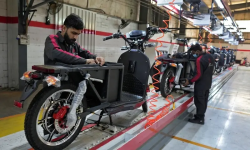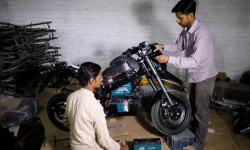
Workers assemble an electric motorcycle at D.S. Motors Pvt. Ltd, in Hyderabad, Pakistan April 1, 2026. —Reuters
About 40pc of Pakistan’s petrol is used to fuel the 30 million two-wheelers and three-wheeled auto-rickshaws that dominate roads in a country where cars are a luxury and public transport is inadequate.
Industry officials and analysts expect the crisis to supercharge an EV rush in Pakistan, which would stand out from a broader regional surge for the availability of cheap and plentiful solar power to charge e-bikes.
A switch would also help lower oil imports and bolster foreign exchange reserves, and slash emissions in the world’s most polluted country in 2025.
After the government’s 18pc price hike last week, a Pakistani household earning the median wage now pays 31pc of its daily income for a litre of petrol —more than all but 22 of 139 countries tracked by geopetrolprices.com and Our World in Data.
“My monthly salary is 30,000 rupees. I can barely cover expenses for my family of six with this. How am I supposed to fill my bike?” said Zahoor Ahmed, a security guard in Karachi.
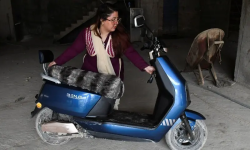
From working professionals to college students, more riders have been turning to EVs in recent months. Last year, higher petrol prices drove up EV sales nearly threefold to 90,000 units or 5pc of all two-wheelers sold, data from consultancy Renewables First showed.