Navigation
Install the app
How to install the app on iOS
Follow along with the video below to see how to install our site as a web app on your home screen.
Note: This feature may not be available in some browsers.
More options
Style variation
You are using an out of date browser. It may not display this or other websites correctly.
You should upgrade or use an alternative browser.
You should upgrade or use an alternative browser.
General Economic Updates
- Thread starter Sainthood 2.0
- Start date
More options
Who Replied?


Fatman17
THINK TANK: CONSULTANT
BREAKING NEWS: The State Bank of Pakistan (SBP) on Monday slashed its policy rate by 50 bps to 10.5 per cent.
The last reduction in the policy rate came in May. Since then, the benchmark rate has been held at 11 per cent, even as headline inflation dipped to 3pc earlier this year. November inflation was recorded at 6.1pc, compared to 6.2pc in October.
The International Monetary Fund (IMF) had advised maintaining tight liquidity to curb expected inflation, despite mounting industry pressure.
Read more: https://www.dawn.com/news/1961265
The last reduction in the policy rate came in May. Since then, the benchmark rate has been held at 11 per cent, even as headline inflation dipped to 3pc earlier this year. November inflation was recorded at 6.1pc, compared to 6.2pc in October.
The International Monetary Fund (IMF) had advised maintaining tight liquidity to curb expected inflation, despite mounting industry pressure.
Read more: https://www.dawn.com/news/1961265
Fatman17
THINK TANK: CONSULTANT
The decision of State Bank of Pakistan (SBP) to lower the policy rate by 50 basis points to 10.50pc drew mixed reactions on Monday, with a foreign investors’ body welcoming it while the country’s wider business community criticised it as marginal and ineffective for boosting local production and exports.
The Overseas Investors Cham?ber of Commerce and Industry (OICCI) viewed the rate cut as a prudent measure.
“The State Bank has taken a cautious and measured step to ease financing conditions,” OCCI’s Secretary General and Chief Executive Abdul Aleem said.
Read more: https://www.dawn.com/news/1961376
The Overseas Investors Cham?ber of Commerce and Industry (OICCI) viewed the rate cut as a prudent measure.
“The State Bank has taken a cautious and measured step to ease financing conditions,” OCCI’s Secretary General and Chief Executive Abdul Aleem said.
Read more: https://www.dawn.com/news/1961376
Fatman17
THINK TANK: CONSULTANT
Source: ProPakistani
https://search.app/HDXw7
Government to charge consumers 278B to pay for the circular debt
https://search.app/HDXw7
Government to charge consumers 278B to pay for the circular debt
ejaz007
Registered Member

How was 2025 for economy
BusinessBy Mansoor Ahmad
December 17, 2025
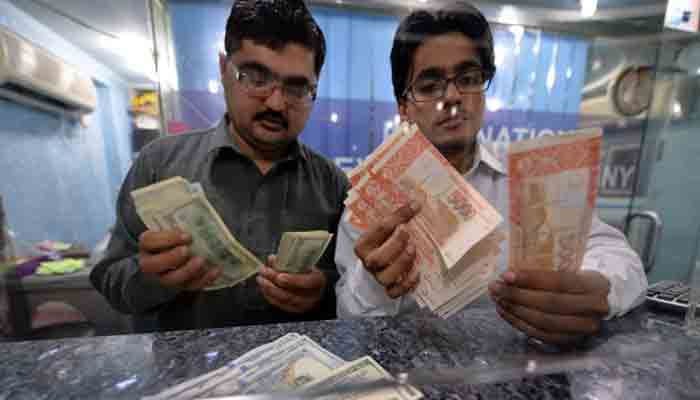
LAHORE: In 2025, Pakistan’s economy remained on a fragile recovery path with modest growth, stabilisation in key price indicators, and continued reliance on external support programmes. Real GDP growth for FY2025 was modest, around 2.6-2.7 per cent, below original targets but marking a slight improvement from the previous year. Inflation fell sharply compared to the high double-digits of recent years. Official figures reported inflation as low as around 4.6 per cent in mid-2025, with occasional month-to-month volatility later in the year (about 6.1 per cent in November 2025).
After holding policy rates for most of the year the SBP announced a slight reduction of 0.5 per cent in policy rate to 10.5 per centFor part of the fiscal year, Pakistan recorded a current account surplus, helped largely by strong remittance inflows. Pakistan received further IMF financing (about $1.2 billion) in December 2025 under its ongoing programme, acknowledging progress but urging continued reforms.
Stabilisation was the dominant narrative of 2025. Prices became less volatile, and macro indicators looked less erratic than in 2023-24, but growth remained below potential and the economy stayed vulnerable to shocks.
Performance in health in 2025 showed modest quantitative improvements, though structural challenges remained. Key indicators such as infant mortality declined slightly, and life expectancy ticked up modestly. Registered healthcare personnel increased (eg, doctors, nurses), and the number of primary care facilities and basic health units remained substantial. But health spending remained very low -- total health expenditure was less than 1.0 per cent of GDP. Chronic underinvestment in public health infrastructure and preventive services is taxing the health of poor.
In the Finance Division, the progress was incremental, not transformative. Health services remained underfunded relative to needs, and broader outcomes (maternal mortality, comprehensive coverage) still require sustained public investment.
Education saw some structural focus but constrained financing. Enrolment and access movements continued at various levels, including higher education expansion through scholarships and infrastructure improvements. Universities (public and private) increased, and technology initiatives (eg, digital campuses, LMS systems) aimed at improving access and quality.
Education spending remained below 1 percent of GDP, consistent with long-term underfunding. Overall literacy remained low at around 60 per cent, with particularly wide gender and rural-urban gaps.
Programmes like the Benazir Income Support Programme (BISP) and other social safety nets saw budget increases, reflecting priority on cushioning the most vulnerable. Despite government efforts, poverty reduction progress stagnated or slightly reversed, with external shocks and limited structural reforms keeping many households near or below poverty levels. World Bank analyses highlight this risk.
Total revenue grew significantly in FY2025 -- revenue collection climbed (around Rs13 trillion), with tax revenues rising too. Strong remittance inflows and better export performance supported public finances and the external sector.
The tax-to-GDP ratio remained low by regional standards, highlighting structural weaknesses in mobilizing domestic resources. Informal sectors, exemptions, and compliance gaps continued to weaken the revenue base, making sustainable public finance difficult without reforms. Reliance on external financing (IMF, friendly countries) persisted to bridge fiscal and external gaps.
Governance in fiscal policy, regulation and public service delivery -- showed mixed signals. Macroeconomic stabilization measures suggested better policy calibration. Digitalisation of tax administration and fiscal discipline under IMF oversight were noteworthy efforts.
Structural governance issues such as bureaucratic inefficiency, political economy hurdles, and weak enforcement of reforms continued to blunt the impact of reforms. There is a need for deeper institutional reforms to make stabilization durable.
2025 saw a significant reduction in headline inflation compared to previous years’ highs. Official reports placed consumer inflation in a low single digit range for significant stretches of the year. Some volatility reappeared later, but the overall trend was towards stability which is an important macro achievement.
2025 was a year of stabilisation and cautious recovery -- inflation came down, remittances bolstered the external account, and key reforms under the IMF and domestic plans (like Uraan Pakistan) began showing early results.

How was 2025 for economy
LAHORE: In 2025, Pakistan’s economy remained on a fragile recovery path with modest growth, stabilisation in key price indicators, and continued reliance on external support programmes. Real...
 www.thenews.pk

Pakistanithinktank
Registered Member

No fake reporting and fake surveys to show Pakistani economy is improving while foreign investors are leaving Pakistan.
In my opinion, Pakistan That Finally Works for Its People When you combine:
• 32 economic zones
• Accountable zonal administrators
• Empowered local governments
• A fast, specialized judiciary
• AI-driven transparency
• Elimination of ghost employees
• Standardized education
• Universal healthcare
• Privatization of loss making enterprises
• A broad, fair, corruption proof tax system
In my opinion, Pakistan That Finally Works for Its People When you combine:
• 32 economic zones
• Accountable zonal administrators
• Empowered local governments
• A fast, specialized judiciary
• AI-driven transparency
• Elimination of ghost employees
• Standardized education
• Universal healthcare
• Privatization of loss making enterprises
• A broad, fair, corruption proof tax system
SoulSpokesman
Trusted Member

Pakistan needs to stabilise first before it resumes the growth trajectory.
Regards
Regards
Samlee
Trusted Member
Why Is There A Need For Such A Massive Allocation Anyway? Cut PSDP To Its Bare Minimum Just To Finance Water Projects. The Rest Of The Cut Will Create Fiscal Space To Lower Down Tax Rates and Restore Investor Confidence
Pakistanithinktank
Registered Member
The State Bank of Pakistan’s recent interest rate cut has been presented as a pro growth measure and a sign of economic stabilization. This report finds that while the move offers short term fiscal and market relief, it does not address Pakistan’s structural economic failures. Without institutional reform, the rate cut risks becoming another episode in a decades long cycle of cosmetic stabilization followed by renewed crisis.
This rate cut buys time for the state, not prosperity for the economy.
Who Actually Benefits from the Rate Cut?
Primary beneficiaries
Pakistan’s economic stagnation is not accidental. It is designed.
• Untaxed elites extract rents from land, real estate, and state privileges
• SOEs losing billions drain public funds
• Military linked commercial enterprises remain opaque
• Bureaucratic discretion sustains corruption
Lower interest rates do not disrupt this structure, they lubricate it.
Pakistan repeatedly follows this pattern:
1. Crisis
2. IMF bailout
3. Temporary stabilization
4. Political relief measures
5. Reform avoidance
6. Return to crisis
This rate cut fits neatly into Stage 4.
It reassures markets temporarily while guaranteeing future instability.
Countries that used rate cuts successfully:
• Paired them with export incentives
• Enforced tax compliance
• Reduced elite privileges
• Protected productive sector
Pakistan has done none consistently.
Policy tools cannot compensate for political unwillingness.
This move should be understood as:
• A fiscal pressure valve
• A market calming signal
• A delay tactic
It is not:
• A growth strategy
• A reform agenda
• A development plan
This rate cut will not deliver long
term economic improvement.
It offers short term breathing space for the state. It postpones, not prevents the next crisis.
Pakistan’s problem is not interest rates.
It is institutional capture by a small elite that refuses reform while demanding sacrifice from everyone else.
Until power structures change, every rate cut will end the same way.
This rate cut buys time for the state, not prosperity for the economy.
Who Actually Benefits from the Rate Cut?
Primary beneficiaries
- Federal government (lower debt servicing costs)
- Large corporates with political access
- Stock market traders and short-term investors
- Small and medium enterprises
- Export-oriented manufacturers
- Informal sector workers
- Youth seeking employment
Pakistan’s economic stagnation is not accidental. It is designed.
• Untaxed elites extract rents from land, real estate, and state privileges
• SOEs losing billions drain public funds
• Military linked commercial enterprises remain opaque
• Bureaucratic discretion sustains corruption
Lower interest rates do not disrupt this structure, they lubricate it.
Pakistan repeatedly follows this pattern:
1. Crisis
2. IMF bailout
3. Temporary stabilization
4. Political relief measures
5. Reform avoidance
6. Return to crisis
This rate cut fits neatly into Stage 4.
It reassures markets temporarily while guaranteeing future instability.
Countries that used rate cuts successfully:
• Paired them with export incentives
• Enforced tax compliance
• Reduced elite privileges
• Protected productive sector
Pakistan has done none consistently.
Policy tools cannot compensate for political unwillingness.
This move should be understood as:
• A fiscal pressure valve
• A market calming signal
• A delay tactic
It is not:
• A growth strategy
• A reform agenda
• A development plan
This rate cut will not deliver long
term economic improvement.
It offers short term breathing space for the state. It postpones, not prevents the next crisis.
Pakistan’s problem is not interest rates.
It is institutional capture by a small elite that refuses reform while demanding sacrifice from everyone else.
Until power structures change, every rate cut will end the same way.

PakFactor
Elite Member
The State Bank of Pakistan’s recent interest rate cut has been presented as a pro growth measure and a sign of economic stabilization. This report finds that while the move offers short term fiscal and market relief, it does not address Pakistan’s structural economic failures. Without institutional reform, the rate cut risks becoming another episode in a decades long cycle of cosmetic stabilization followed by renewed crisis.
This rate cut buys time for the state, not prosperity for the economy.
Who Actually Benefits from the Rate Cut?
Primary beneficiaries
Who does NOT benefit
- Federal government (lower debt servicing costs)
- Large corporates with political access
- Stock market traders and short-term investors
This creates the illusion of recovery while real economic activity remains flat.
- Small and medium enterprises
- Export-oriented manufacturers
- Informal sector workers
- Youth seeking employment
Pakistan’s economic stagnation is not accidental. It is designed.
• Untaxed elites extract rents from land, real estate, and state privileges
• SOEs losing billions drain public funds
• Military linked commercial enterprises remain opaque
• Bureaucratic discretion sustains corruption
Lower interest rates do not disrupt this structure, they lubricate it.
Pakistan repeatedly follows this pattern:
1. Crisis
2. IMF bailout
3. Temporary stabilization
4. Political relief measures
5. Reform avoidance
6. Return to crisis
This rate cut fits neatly into Stage 4.
It reassures markets temporarily while guaranteeing future instability.
Countries that used rate cuts successfully:
• Paired them with export incentives
• Enforced tax compliance
• Reduced elite privileges
• Protected productive sector
Pakistan has done none consistently.
Policy tools cannot compensate for political unwillingness.
This move should be understood as:
• A fiscal pressure valve
• A market calming signal
• A delay tactic
It is not:
• A growth strategy
• A reform agenda
• A development plan
This rate cut will not deliver long
term economic improvement.
It offers short term breathing space for the state. It postpones, not prevents the next crisis.
Pakistan’s problem is not interest rates.
It is institutional capture by a small elite that refuses reform while demanding sacrifice from everyone else.
Until power structures change, every rate cut will end the same way.
Fair points you have made. However, the elites who control the largest share would avoid killing the golden goose (the current setup).
Fatman17
THINK TANK: CONSULTANT
Business wants 6%The State Bank of Pakistan’s recent interest rate cut has been presented as a pro growth measure and a sign of economic stabilization. This report finds that while the move offers short term fiscal and market relief, it does not address Pakistan’s structural economic failures. Without institutional reform, the rate cut risks becoming another episode in a decades long cycle of cosmetic stabilization followed by renewed crisis.
This rate cut buys time for the state, not prosperity for the economy.
Who Actually Benefits from the Rate Cut?
Primary beneficiaries
Who does NOT benefit
- Federal government (lower debt servicing costs)
- Large corporates with political access
- Stock market traders and short-term investors
This creates the illusion of recovery while real economic activity remains flat.
- Small and medium enterprises
- Export-oriented manufacturers
- Informal sector workers
- Youth seeking employment
Pakistan’s economic stagnation is not accidental. It is designed.
• Untaxed elites extract rents from land, real estate, and state privileges
• SOEs losing billions drain public funds
• Military linked commercial enterprises remain opaque
• Bureaucratic discretion sustains corruption
Lower interest rates do not disrupt this structure, they lubricate it.
Pakistan repeatedly follows this pattern:
1. Crisis
2. IMF bailout
3. Temporary stabilization
4. Political relief measures
5. Reform avoidance
6. Return to crisis
This rate cut fits neatly into Stage 4.
It reassures markets temporarily while guaranteeing future instability.
Countries that used rate cuts successfully:
• Paired them with export incentives
• Enforced tax compliance
• Reduced elite privileges
• Protected productive sector
Pakistan has done none consistently.
Policy tools cannot compensate for political unwillingness.
This move should be understood as:
• A fiscal pressure valve
• A market calming signal
• A delay tactic
It is not:
• A growth strategy
• A reform agenda
• A development plan
This rate cut will not deliver long
term economic improvement.
It offers short term breathing space for the state. It postpones, not prevents the next crisis.
Pakistan’s problem is not interest rates.
It is institutional capture by a small elite that refuses reform while demanding sacrifice from everyone else.
Until power structures change, every rate cut will end the same way.
Devaluation of the PKR further
This gives rise to inflation but it doesn't necessarily affect them only the common people
Pakistanithinktank
Registered Member
Business wants 6%
Devaluation of the PKR further
This gives rise to inflation but it doesn't necessarily affect them only the common people
I saw Kamran Khan show. This will be a bad move for the economy.
Where are all the establishment supporters? I want them to chime in.
Pakistanithinktank
Registered Member
Unfortunately Pakistani establishment has very very short term vision.
instead of bring required structure reforms, last 50 years they have played game with Pakistan.
instead of bring required structure reforms, last 50 years they have played game with Pakistan.
SoulSpokesman
Trusted Member
Users who are viewing this thread
Total: 3 (members: 0, guests: 3)
Pakistan Defence Latest
-
 Federal cabinet gives nod to imposition of emergency in KP; summary sent to president (57 Viewers)
- Latest: Distant_Observer
-

-
 2 Pakistan Army pilots martyred as training aircraft crashes in Quetta: ISPR (10 Viewers)
- Latest: Starlord
-

-

Country Watch Latest

Latest Posts
-
Federal cabinet gives nod to imposition of emergency in KP; summary sent to president (57 Viewers)
- Latest: Distant_Observer
-

-
-

-