How Kazakhstan is building its logistics empire

冖_冖

Registered Member
Joined
May 31, 2024
Messages
1,667
Reaction score
564
Reputation
511.2
Country of Origin
Country of Residence

How Kazakhstan is building its logistics empire

Kazakhstan has some big ambitions, and at the top of the list is becoming a major transport and logistics hub that links different parts of Eurasia. President Kassym-Jomart Tokayev laid out this vision in his address to the nation last year, highlighting the country’s strategic position between East and West, as well as North and South. Even without access to the sea, Kazakhstan sees itself as a crucial bridge for international trade.

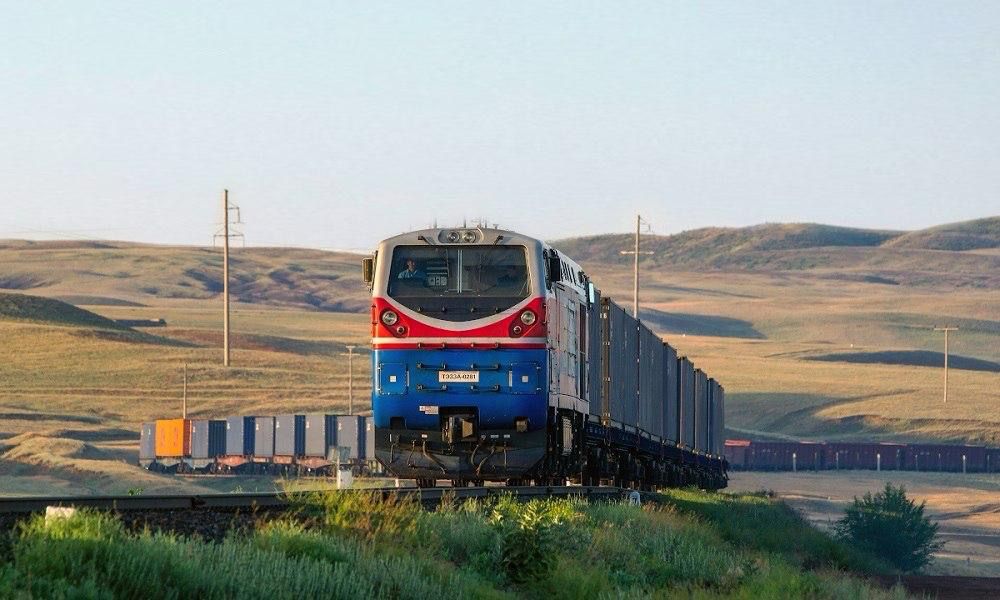
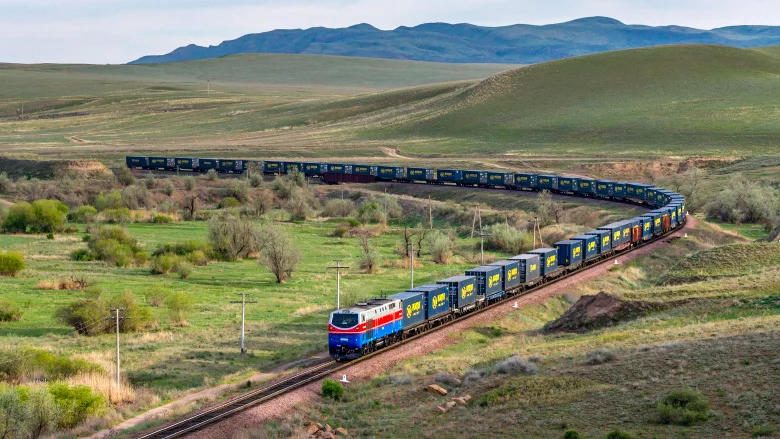
One of the main pillars of this strategy is developing the railway network. Kazakhstan is pumping money into expanding and modernizing its railways to become a top transit hub in Eurasia. This year, a new multimodal transport and logistics center opened at the Dostyk station on the Kazakhstan-China border. This center has already become a key node in the flow of goods between China and other parts of Eurasia, with a capacity to handle up to 800 TEUs and process 1,200 TEUs daily. This facility speeds up transit times and boosts the volume of goods moving through Kazakhstan.

There’s also ongoing construction of a second railway line from Dostyk to Moyynty, aimed at increasing the line’s capacity by five times. This project is part of a broader plan to enhance the country’s main transport corridors, such as the North-South and Trans-Caspian International Transport Route (TMTM). These corridors are vital for connecting China with Europe and the Middle East, positioning Kazakhstan as a key player in both regional and global trade.

To achieve these bold goals, Kazakhstan is keen on attracting investments and working closely with international financial institutions. The Eurasian Development Bank (EDB) is one of its significant partners, releasing a report this year on the prospects for developing the Eurasian transport network. The report stresses the need to create meridian corridors that integrate with existing latitudinal routes, like those stretching East-West. According to Yevgeny Vinokurov, Deputy Chairman of the EDB, these new corridors will cut transport costs and create a unified network, increasing freight flows by 40%.
News about -  How Kazakhstan is building its logistics empire


Kazakhstan is in talks with the EDB to secure $1.9 billion for upgrading its railway infrastructure along the North-South route. This funding is expected to boost the capacity of railway segments and help build new logistics centers, which would increase freight traffic from 6 to 10 million tons annually. The country is also looking at bringing in investors from other international financial institutions to further expand and modernize its transport infrastructure.

Beyond railways, Kazakhstan is also focusing on its waterways. The Irtysh Basin, which saw about 1.4 million tons of cargo transported last year, is becoming a key part of the country’s strategy to create multimodal transport corridors. Plans are in place to build a new shipping lock in the Semipalatinsk region and a port in the village of Tuygyl on Lake Zaysan. This initiative aims to establish a new transit corridor linking Russia, Kazakhstan, and China, potentially increasing shipping volumes to 3.6 million tons per year.

There are also discussions about creating a Siberian River Route , which could compete with the Suez Canal. If this idea takes off, the Irtysh Basin would become part of a new route connecting Europe and Asia through Kazakhstan and Siberia.

Western sanctions against Russia have shaken up global trade routes, pushing some of them to bypass Russia and go through Kazakhstan instead. This shift has turned Kazakhstan into a crucial transit hub, opening up more opportunities for foreign investment in its transport infrastructure and expanding its trade networks.

Kazakhstan’s economy is already reaping the benefits. The country is attracting new manufacturing facilities, including assembly lines for South Korean and Chinese car brands. This growth is creating jobs, developing technical education, and raising the skill levels of local workers. Over time, this could lead to even greater development of Kazakhstan as a logistics and industrial center.

Kazakhstan is also going all-in on digitizing and automating its transport corridors. Introducing modern technologies is cutting down the time it takes for goods to move through the country, reducing bureaucratic hurdles and lowering transport costs. Digital logistics management systems and automated warehouse complexes are already making the transport process more efficient and making Kazakhstan an even more appealing option for international trade partners.

Digitization is a crucial part of Kazakhstan’s push to integrate into global logistics chains. Using advanced IT solutions helps improve monitoring and management of freight flows, ultimately allowing Kazakhstan to become more deeply embedded in international logistics networks.

Kazakhstan is making steady progress toward its goal of becoming a central transport and logistics hub in Eurasia. With substantial investments, strategic partnerships, and active infrastructure modernization, the country is becoming an increasingly significant player on the global stage. In the coming years, Kazakhstan plans to continue enhancing its transport and logistics capabilities, attract more investment, and strengthen its position as a trade and transport center in Eurasia.

These ambitious plans are not just about boosting Kazakhstan’s economic potential; they’re also about positioning the country as a vital partner for nations across Europe, Asia, and the Middle East, contributing to regional and global stability and cooperation.
 
Source:

16 May 2025

Kazakhstan Expands Role as Key Transit Hub for Chinese Exports to Europe​

https://www.facebook.com/sharer/sha...ey-transit-hub-for-chinese-exports-to-europe/
2025-05-16-15.15.26.jpg

@gov.kz

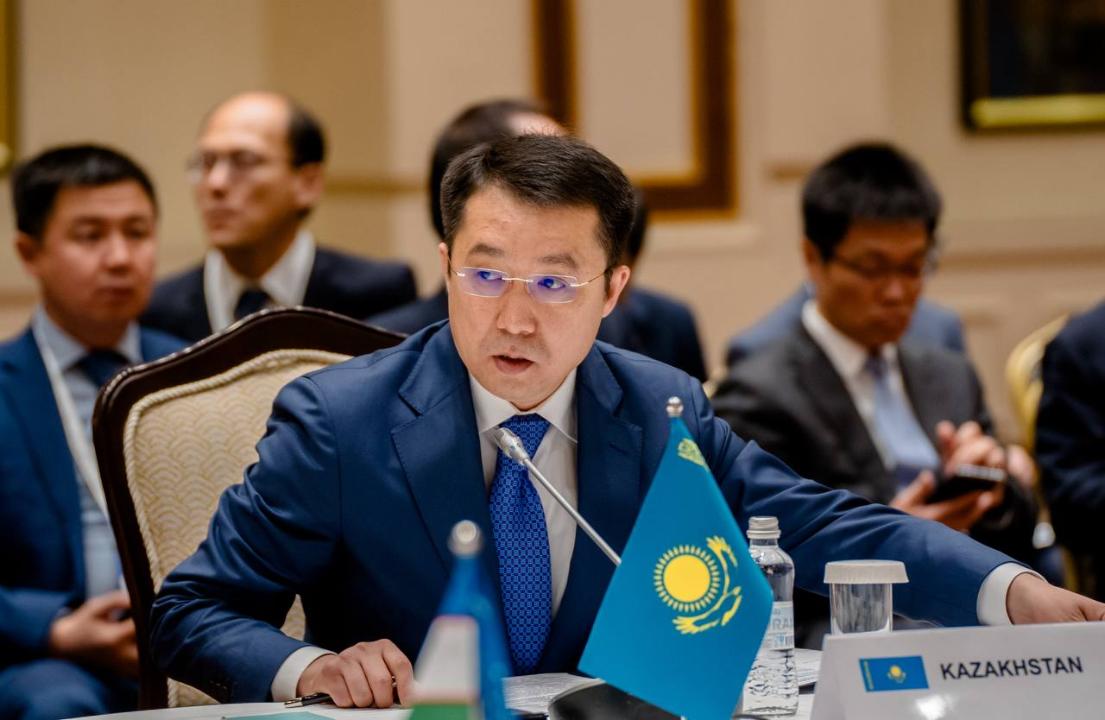
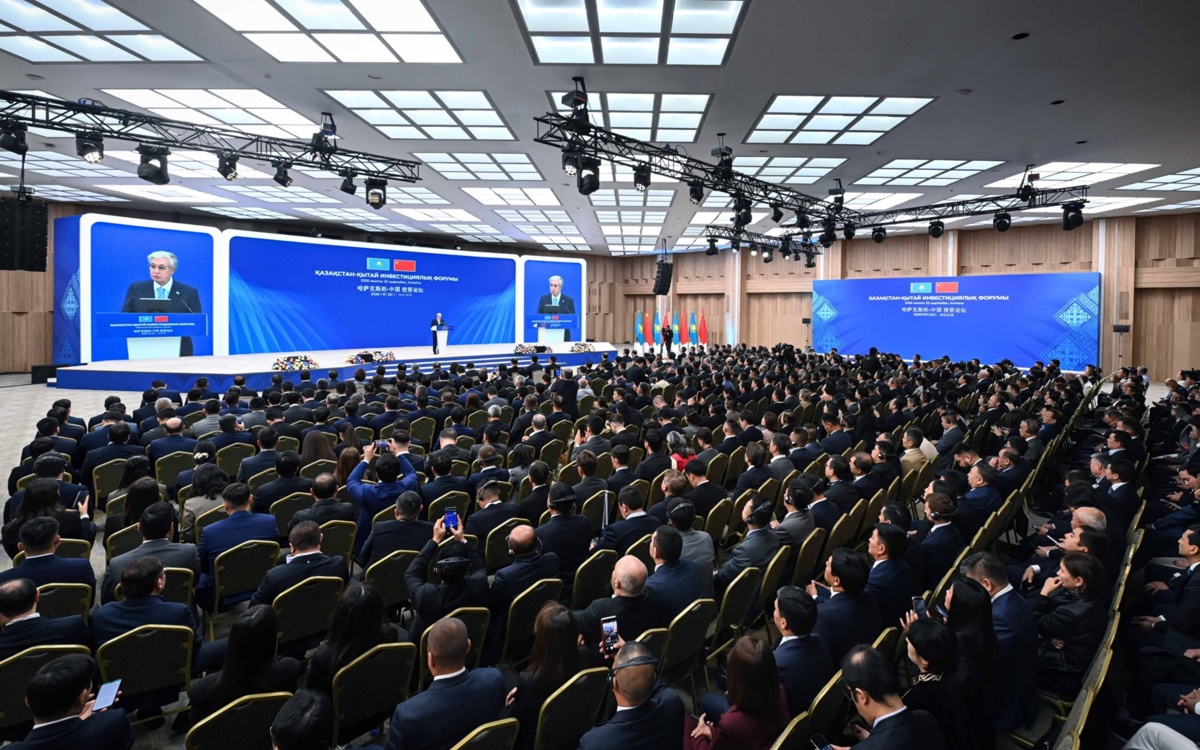
The inaugural Kazakhstan-China Transport Forum, held in Astana on May 15, unveiled a series of initiatives aimed at solidifying Kazakhstan’s position as a major transport and logistics hub for Chinese exports to Russia and Europe.

At the forum, Kazakhstan’s Minister of Transport Marat Karabayev and China’s Minister of Transport Liu Wei discussed the development of a new multimodal transit corridor linking Russia, Kazakhstan, and China. The route will utilize the transboundary Irtysh River, as well as the Ili River, establishing a navigable link from the Kazakh city of Kunayev to Yining in China’s Xinjiang region.

Key infrastructure plans include the construction of a new cross-border bridge at the Maykapshagay-Zimunay checkpoint to accommodate heavy trucks and the opening of a third international air corridor between the two countries. The ministers also discussed establishing two new road checkpoints to better connect East Kazakhstan and the Almaty regions with China.

By the end of 2025, Kazakhstan aims to complete two major rail infrastructure projects: the second track on the Dostyk-Moiynty railway and a bypass line around Almaty station. These upgrades are expected to significantly boost freight capacity and cut cargo transit times between China and Europe via Kazakhstan.

Additional developments include the launch of a direct passenger train between Almaty and Xi’an and an expansion of flight services between the two nations to 65 per week.

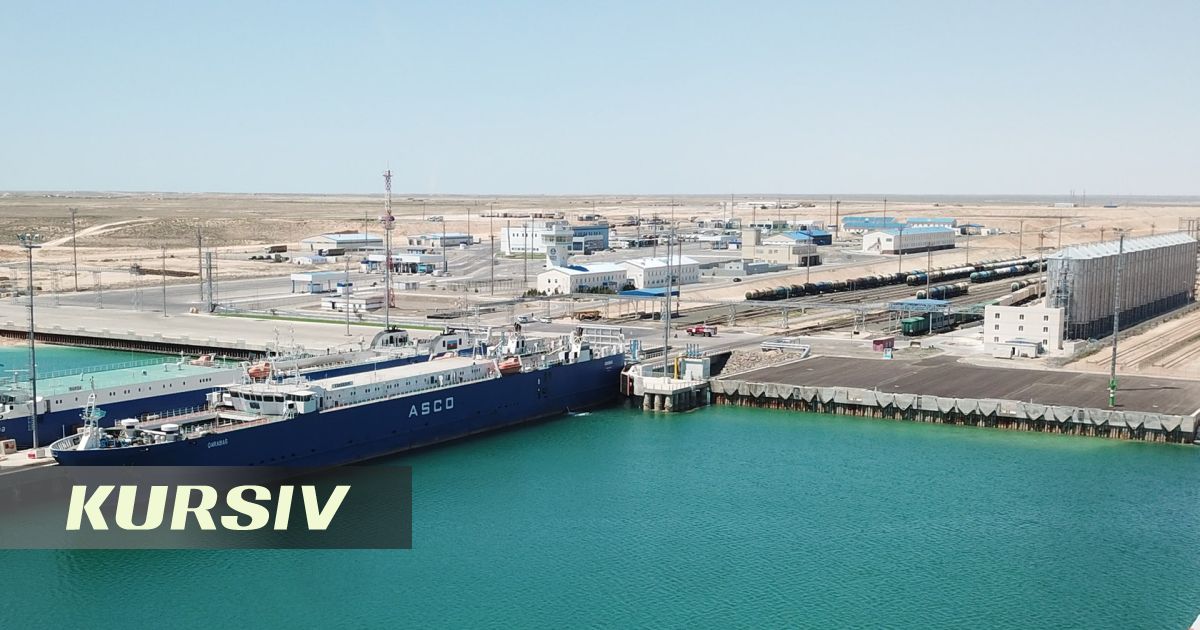
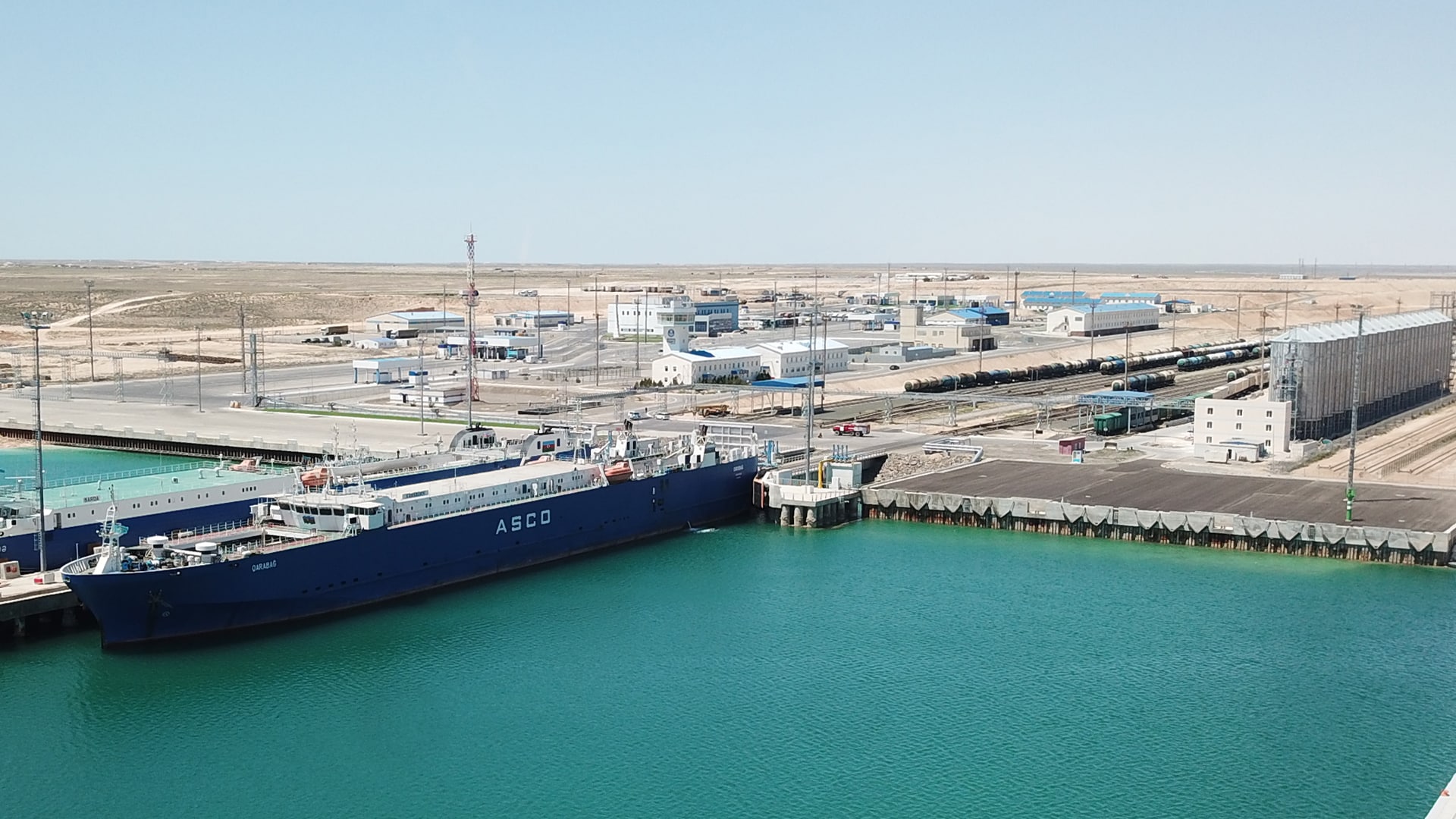
Meanwhile, construction is underway on a new container hub at the Caspian Sea port of Aktau, a joint venture with a Chinese company. Scheduled for completion by year’s end, the facility will expand the port’s annual capacity from 140,000 to 240,000 TEUs.

Kazakhstan’s Ministry of Transport reports that in the first quarter of 2025, road freight volumes between Kazakhstan and China surged by 82%, reaching 822,000 tons. Rail freight volumes grew by 13% over the first four months of the year, totaling 11.4 million tons.

These developments highlight Kazakhstan’s growing strategic importance in transcontinental logistics, as China continues to diversify its export routes westward.
 

Kazakhstan Overhauls Railway Infrastructure to Cement Role as Global Transit Hub​

By Dana Omirgazy in Business on 19 August 2025

ASTANA – Kazakhstan is undertaking a comprehensive modernization and digital transformation of its railway sector through infrastructure upgrades and the implementation of digital solutions to enhance efficiency, increase transit volumes, and strengthen its position as a key international logistics hub.

At an Aug. 19 government meeting chaired by Prime Minister Olzhas Bektenov, Minister of Digital Development, Innovation and Aerospace Industry Zhaslan Madiyev and Transport Minister Nurlan Sauranbayev reported on the large-scale digital transformation of the railway industry.

Modernization of the railway network

Kazakhstan’s railway network, stretching over 16,000 kilometers, is the backbone of the country’s transport and transit system. With 57% of tracks worn, modernization is a strategic priority. By 2030, the Ministry of Transport plans to modernize 5,000 kilometers of tracks and repair 11,000 kilometers.

Currently, five major infrastructure projects are underway: Dostyk–Moiynty, Almaty Bypass, Darbaza–Maktaral, Moiynty–Kyzylzhar, and Bakhty–Ayagoz.

This year, two major projects are expected to be completed ahead of schedule: the Dostyk–Moiynty section and the Almaty Bypass line. In 2026, new lines Moiynty–Kyzylzhar and Darbaza–Maktaral will be commissioned, said Sauranbayev.

Large-scale modernization of 3,000 kilometers of sections has also begun, equivalent to building new tracks. For example, capacity on the Kyzylzhar–Sekseuil line will increase from eight to 25 trains, and on the Kandyagash–Tobol from seven to 25. Together, these projects are shaping a solid railway framework for Kazakhstan.

Transit growth and international corridors

Kazakhstan today positions itself as a major international transit hub, located on five global railway corridors. Transit volumes doubled over the past decade, reaching 27.4 million tons in 2024, and are expected to grow to 33 million tons this year and more than 54 million tons in 2026. By 2029, volumes are projected at 67 million tons, with international forecasts suggesting growth to 100 million tons by 2035.

To support this, Kazakhstan is expanding its terminal network. Currently, seven terminals operate – in Lianyungang, Xian, Dostyk, Khorgos, Kuryk, Aktau, and Almaty. Soon, new hubs will open in Selyatino and Svisloch, with five more planned. This will complete a transnational logistics chain along the East-West direction.

Kazakhstan offers a competitive transit product built on three pillars: delivery time, tariff, and service. On the Trans-Caspian International Transport Route (TITR), delivery times have been reduced from 53 to 17 days. Tariffs have remained stable for three years, ensuring predictability for business. The ministry is also preparing an intergovernmental agreement to develop the TITR, reinforcing Kazakhstan’s role in global logistics.

Five key areas of digitalization

According to Madiyev, the ministry is implementing five key areas: transitioning public services to a digital format, reengineering business processes, creating an innovation ecosystem, providing satellite internet for passengers, and introducing an online cargo tracking system.


In 2024, four government services in the sector were fully digitized, with more than 28,000 services delivered, 99% of them online. This year, a new safety certificate issuance service was added to the registry.

Reengineering and efficiency

Reengineering of the industry has addressed long-standing problems such as a lack of transparency in network congestion, manual planning, and paper-based control. Solutions include a digital twin of the mainline network, AI-based planning, wagon number recognition, GPS tracker integration, and automatic downtime calculation. These measures reduce process steps by 45% and business roles by 35%, ensuring greater transparency and efficiency.

Startups at Astana Hub are contributing with platforms for freight tracking, contract management, transport automation, and wagon fleet management. In 2024, their revenues exceeded 4.5 billion tenge (US$8.3 million) and more than 400 jobs were created.

A new transport automation platform has been introduced, which manages wagons, automates planning, and reduces empty runs by 10%, while increasing wagon turnover by 15%. Satellite internet has been tested on select passenger routes, and scaling is being considered.

New transit system to track cargo in real time

In transit, the ministry launched the transit information system within the Eurasian Economic Union (EAEU) framework. It allows real-time monitoring of cargo, ensures cybersecurity compliance, and is connected with EAEU member state systems. At the first stage, the system will cover up to 6% of cargo flows across Kazakhstan’s external borders, helping to prevent false transit schemes.

Locomotives and wagons

Kazakhstan operates 1,967 locomotives, with 456 new units to be purchased by 2029. The supply comes from domestic plants, as well as China’s CRRC.

The freight wagon fleet comprises 142,000 units, managed by over 300 operators, which cover the country’s needs. By 2029, operators plan to purchase more than 7,000 new wagons to sustain growth in freight transport.
 

Kazakhstan to Build Major Dry Port and Logistics Hub on Chinese Border​

By Staff report in Business on 16 September 2025

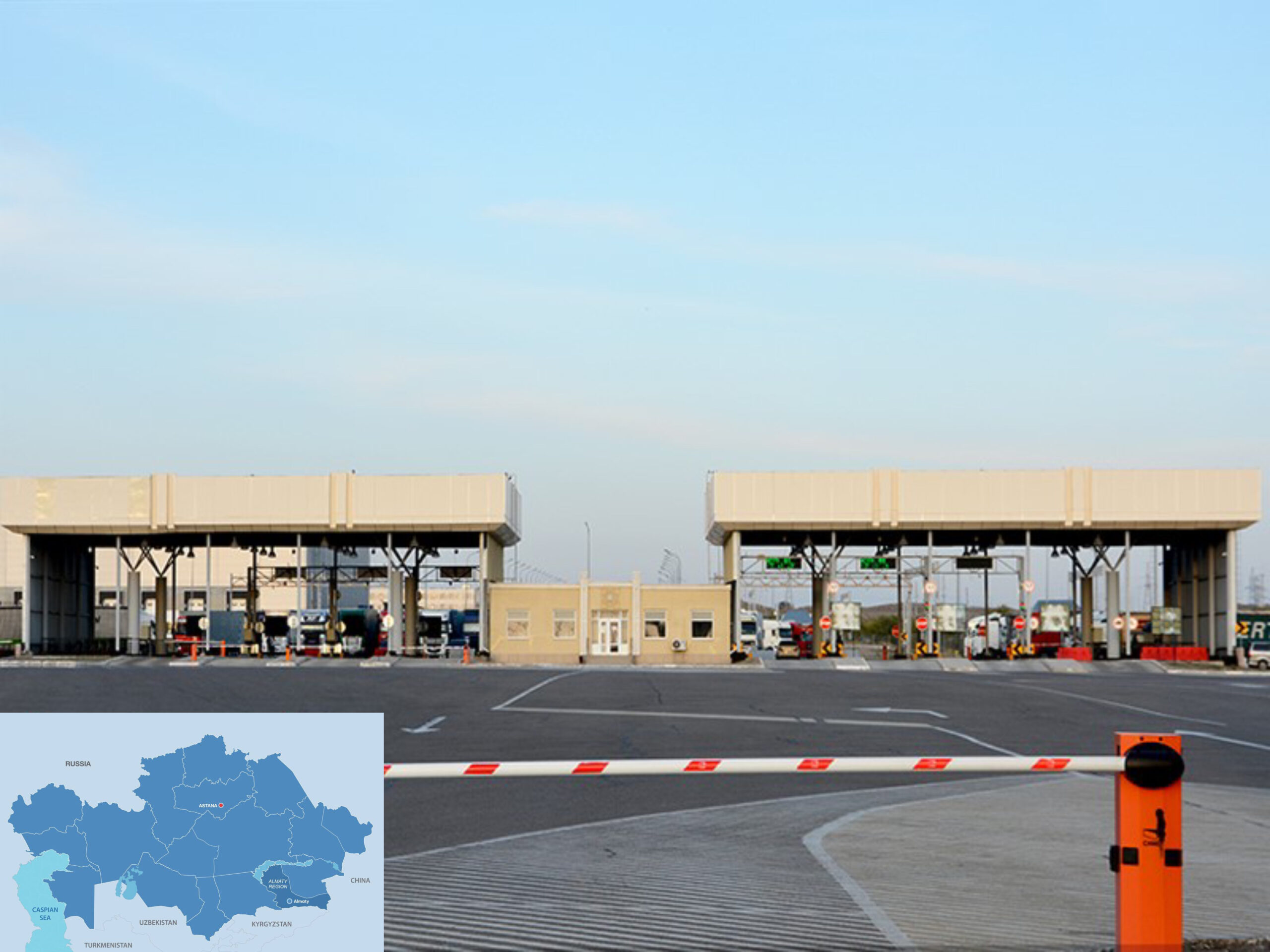
ASTANA – Kazakhstan plans to construct a large-scale transport and logistics center, the Kolzhat Dry Port, on its border with China, LS.com reported on Sept. 15. The Almaty Region akimat (administration) told LS.com in a written response that the project will be developed alongside the modernization of the Kolzhat border checkpoint in Uighur District.


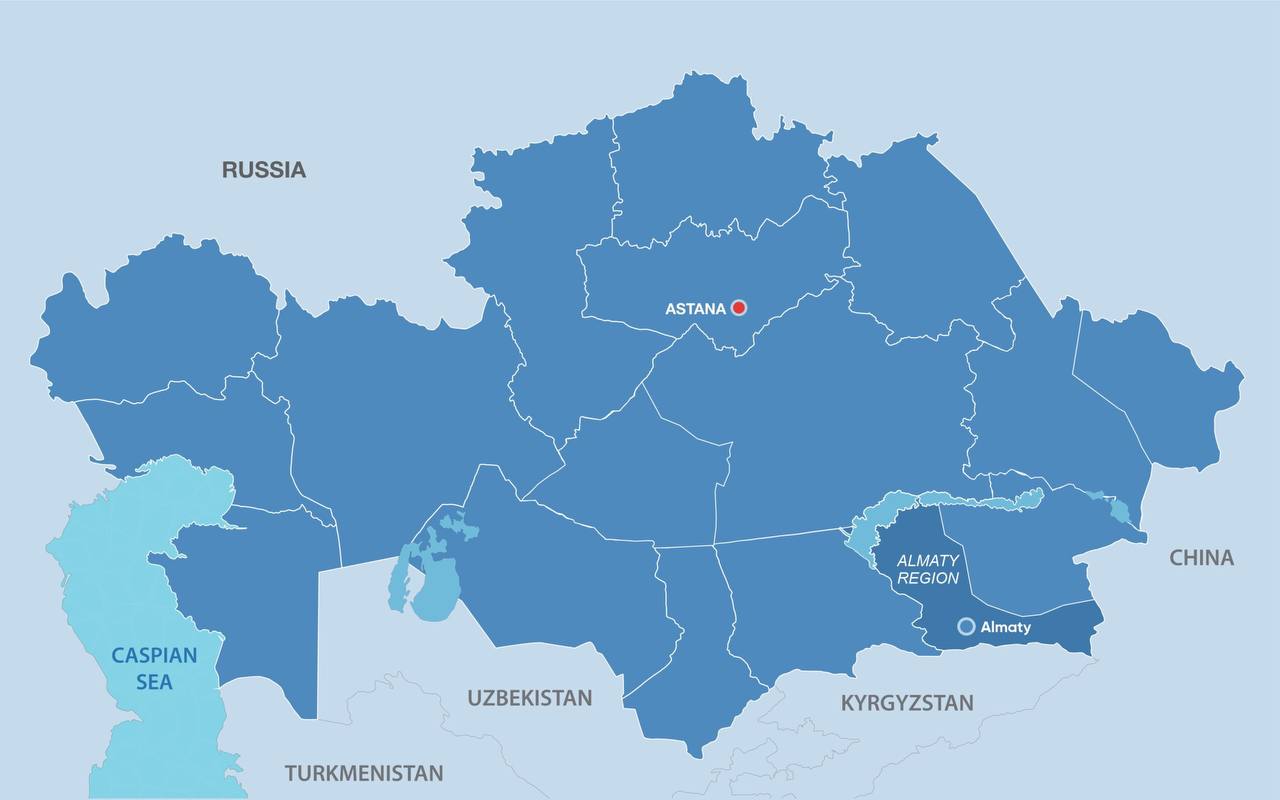
Photo credit: lsm.kz Click to see the map in full size. The map is designed by The Astana Times.

Covering 8,400 hectares, the complex will allocate 1,000 hectares for transport, logistics, and industrial facilities, while 7,400 hectares will remain for agricultural use. Plans include 45,000 square meters of warehouse space, a temporary storage facility, a container terminal, a cross-border trade hub, an e-commerce platform, as well as residential and industrial zones.

The first phase, scheduled to be completed by the end of 2026, will see a 200-hectare transport and logistics zone launched with investments of 25 billion tenge (US$46.2 million). The cargo traffic through the Kolzhat checkpoint is projected to triple by 2030, reaching 1.4 million tons per year, up from 400,000 tons in 2023, and climb to 2.3 million tons annually by 2040.

The second phase, planned for 2026–2028, will establish an industrial zone for export-oriented manufacturing and processing worth 50 billion tenge (US$92.5 million). The region’s authorities noted strong interest from Chinese buyers, particularly in livestock products, prompting plans for low-temperature storage facilities.

The third phase, set for 2028–2030, will add commercial areas, including retail, hotel, and exhibition spaces, backed by another 50 billion tenge (US$92.5 million) in investment.

A parking zone for 300 trucks heading to China and a temporary storage site for 500 vehicles are already operational, with space for an additional 500 trucks expected by the end of this year.

According to LS.com, initial plans for an International Digital Transport and Logistics Hub – Kolzhat Dry Port were first reported in May 2024, when the project, covering 8,500 hectares, was envisioned in two stages from 2024 to 2027. The expanded three-phase plan aims to boost freight flows and modernize the Kolzhat checkpoint to meet surging cross-border trade demand.
 

14/01/2026 10:39

Kazakhstan raises $300M for Middle Corridor development​


The International Finance Corporation (IFC), the Multilateral Investment Guarantee Agency (MIGA), the Asian Infrastructure Investment Bank (AIIB), and Standard Chartered have allocated $300 million (the equivalent in Swiss francs) to Kazakhstan’s national railway operator for the development of the Middle Corridor, IFC Managing Director Makhtar Diop wrote on social media, Report informs.

Diop noted that the funds are being allocated for the construction of a 130-kilometer electrified rail bypass around Almaty.

The bypass is expected to reduce congestion around Almaty by more than 40 percent, cut delivery times by up to 24 hours, and improve freight flows along the Trans-Caspian Transport Corridor (TCTC), also known as the Middle Corridor, an overland route linking China and Central Asia to the Caspian Sea and onward to Europe.

The financing comprises an IFC investment of up to $50 million, an AIIB loan of up to $150 million, and an SC loan of up to $100 million supported by a proposed MIGA guarantee.

“The Almaty Railway Bypass will be a pivotal upgrade for our network, unlocking capacity and reducing congestion around Almaty. It will enable KTZ to handle growing long-haul freight volumes more efficiently, strengthen the resilience of regional logistics, and enhance the competitiveness of the Trans-Caspian Transport Corridor as a reliable bridge between Asia and Europe,” said Dair Kusherov, Chief Financial Officer of Joint Stock Company National Company Kazakhstan Temir Zholy (KTZ, Kazakhstan Railways).

The project represents a major milestone in the collaboration between international financial institutions and KTZ on rail infrastructure financing. It sets a model for upcoming railway projects in the country, including strong financial and operational due diligence, high environmental and social standards and the use of guarantees to mobilize private capital.

In 2024, freight traffic along the Trans-Caspian International Transport Route increased by 62%, reaching 4.5 million tons. In 2025, freight traffic along this route is expected to increase to 5.2 million tons, of which 4.2 million tons will transit the countries participating in the route. Of this volume, 2.5 million tons will be dry cargo (96,000 TEUs), and 1.7 million tons will be oil.

By 2027, the Middle Corridor’s throughput capacity may reach 10 million tons per year, strengthening Azerbaijan’s transit potential and creating conditions for attracting new investment in infrastructure.


Kazmortransflot Sees 15% Growth in Caspian Shipping​

  • 14 Jan, 12:23
Kazmortransflot, a subsidiary of KazMunayGas (KMG), boosted container shipping across the Caspian Sea by over 15 per cent in 2025.

The subsidiary showed steady growth in container transport, strengthening Kazakhstan’s transit and transport potential, The Caspian Post reports via Russian media.

On the Aktau-Baku-Aktau feeder line, 59,400 twenty-foot equivalent containers (TEUs) were shipped in 2025, up from 51,400 TEUs in 2024-an increase of more than 15 per cent.

The growth is attributed to rising demand for transit along the Trans-Caspian International Transport Route, reflecting Kazakhstan’s expanding role in regional trade and logistics.

This performance positions Kazmortransflot as a key player in Caspian shipping and regional cargo transport, supporting Kazakhstan’s ambition to become a major Eurasian transit hub.
 

Kazakhstan and China negotiate billion-dollar project on the Caspian coast​

Published January 19, 2026 16:44
32-4.jpg

The project’s first phase is estimated at $300 million / Photo: gov.kz. Photo editor: Dastan Shanay

Kazakh Invest and China’s Guoyou Materials Group have discussed implementing a major Caspian Sea infrastructure project involving the construction of a $1.1 billion multifunctional transloading complex at the port of Kuryk.

Once commissioned, the advanced shipping cluster is expected to boost Kazakhstan’s transit potential and strengthen its role along the transport route from China to Europe via the Caspian Sea.

The first phase of the project, scheduled to begin later this year, is estimated to cost $300 million, while total investment across all phases could reach $1.1 billion. The complex is expected to create up to 1,500 jobs during construction and 800 permanent jobs once it becomes operational in 2028.

Given the scale of Chinese exports to Europe, the project will include the construction of seven berths, warehouses and logistics facilities, as well as rail and road access infrastructure.

Cargo flows will be managed using digital systems, including a terminal operating system (TOS) platform and EDI integration. Once the first phase is completed, the port will be able to handle up to 180,000 twenty-foot equivalent units (TEUs) per year, as well as up to 180,000 vehicles and 2 to 3 million tons of bulk cargo annually.

According to Asset Tuyakbayev, who represented Kazakh Invest at the talks with Guoyou Materials Group, the development of port and logistics infrastructure remains a priority in Kazakhstan’s investment policy. He added that the country expects the project to increase the capacity of the Middle Corridor and attract additional cargo flows between Asia and Europe.
 

Kazakhstan starts construction of major trade and logistics complex at Khorgos​

11:35, 29 April 2026

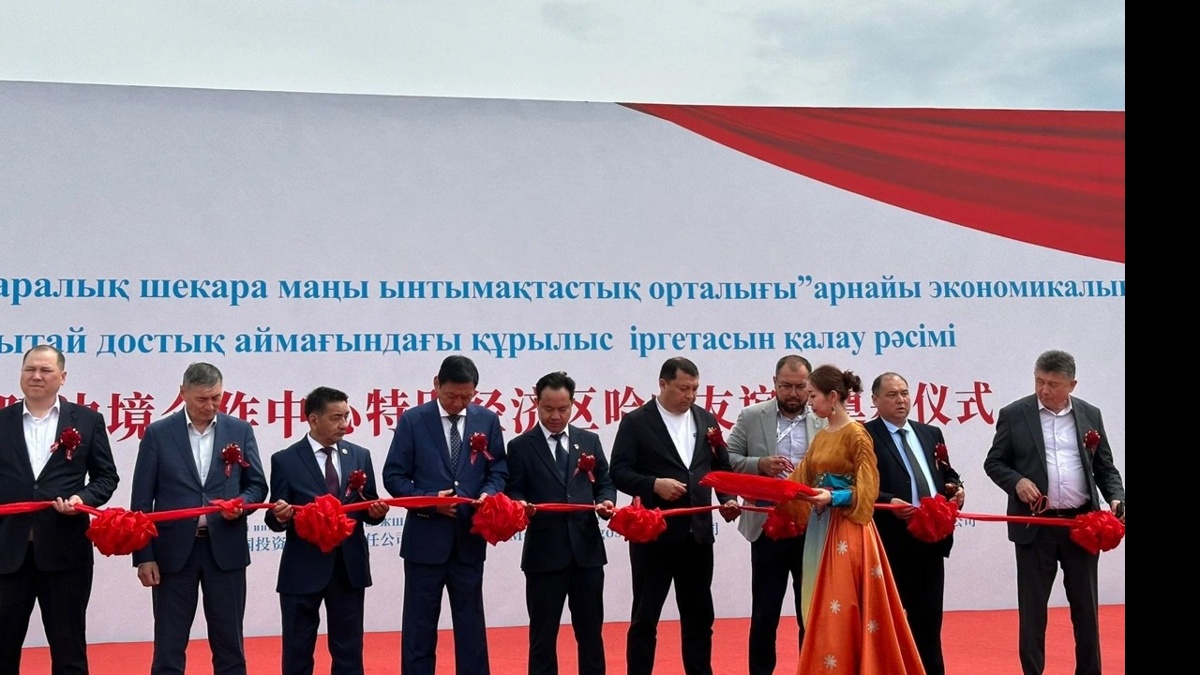
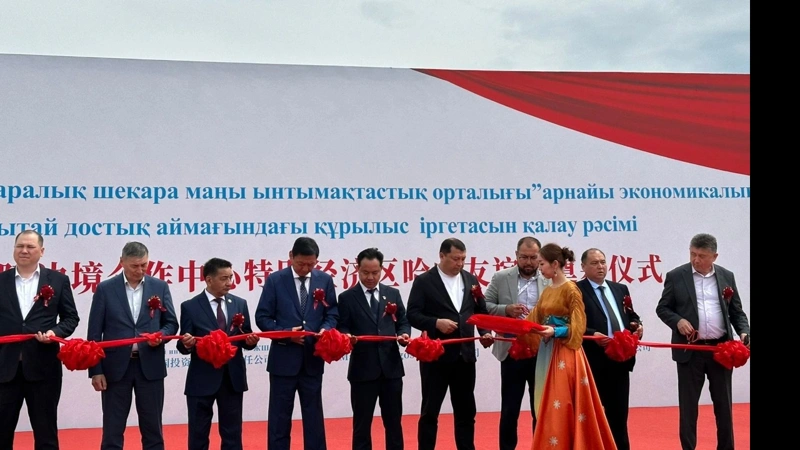
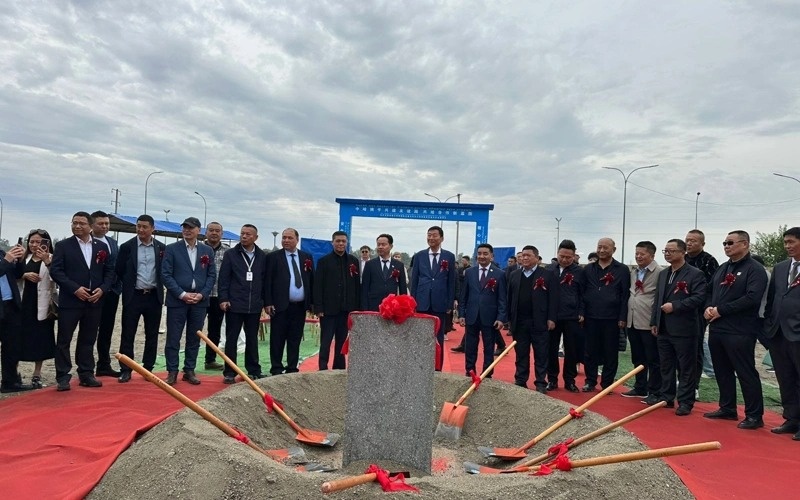
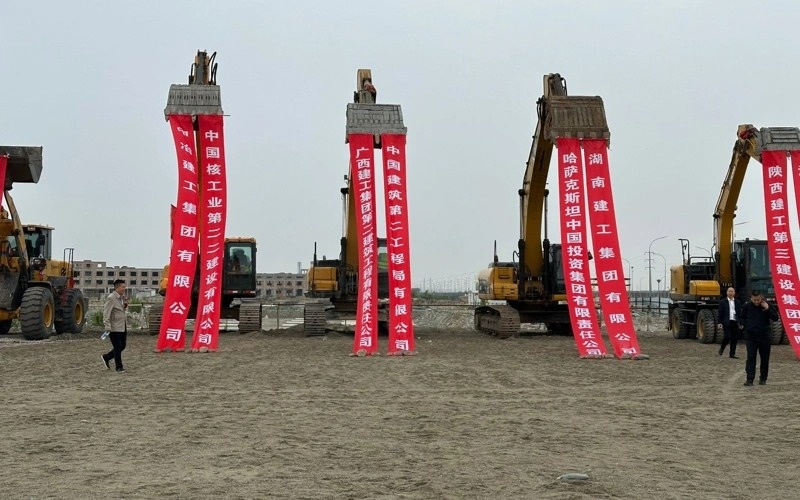
Construction of a large-scale Kazakhstan–China Friendship Park started on the Kazakh side of the Khorgos International Border Cooperation Center,Qazinform News Agencyreports.

Kazakhstan starts construction of major trade and logistics complex at Khorgos
Photo credit: Kazinform

The investment project is aimed at boosting trade and economic and cultural cooperation between Kazakhstan and China. The new complex will become a multifunctional transborder platform uniting trade, logistics, industrial service, digital infrastructure, and business services.

587 million US dollars (approximately 4 billion yuan) will be invested in the project.

Kazakhstan starts construction of major trade and logistics complex at Khorgos
Photo credit: Kazinform

Phase 1 will see the construction of an exhibition and trade complex (800,000 m²) to showcase goods from all regions of Kazakhstan and China, a logistics center (700,000 m²), as well as an international currency center, hotels, and business infrastructure.

Phase 2 will build a warehouse complex with cold storage (150,000 m²).

Besides, business hotels, conference center, legal and financial services, medical facilities, gastronomy zone, apartments, and a large shopping mall will be built as part of the project.

Special attention will be given to digital trade and e-commerce.

Kazakhstan starts construction of major trade and logistics complex at Khorgos
Photo credit: Kazinform

Around 1,000 jobs, including 200 permanent jobs, will be generated for Kazakhstani nationals.

Construction is expected to be completed by the end of 2027.

To note, the project is expected to double tax revenues from the Kazakh side of Khorgos.


Central Asia's first urban light rail launches operation in Astana

ASTANA, May 16 (Xinhua) -- Kazakhstan on Saturday officially launched the Astana light rail transit (LRT) system, with President Kassym-Jomart Tokayev attending the inauguration ceremony in the Kazakh capital.

Tokayev described the launch as an event of special significance for Astana and Kazakhstan, saying the capital should eventually develop into a transportation hub of Eurasia.

He also expressed gratitude to the Chinese side for the successful implementation of the project.

The newly launched first phase of the project spans 22.4 km and includes 18 stations. Kazakhstan is also considering a second phase of the project to further develop public transport, according to the official website of the Kazakh president.
 
Last edited:

ASTANA, Kazakhstan, May 25. More than 90% of earthworks on Kazakhstan’s new Moyynty–Kyzylzhar railway line, a key part of the Trans-Caspian International Transport Route (Middle Corridor), have been completed, Trend reports via the Kazakh Ministry of Transport.

The installation of the rail and sleeper grid has reached 40 percent completion, while construction and installation works on artificial structures, including bridges, culverts, overpasses, and cattle crossings, have exceeded 65 percent.

More than 10 subcontracting companies are involved in the project. Construction works are being conducted on a round-the-clock basis. Over 1,700 specialists and more than 670 units of equipment are currently deployed at the site.

The new railway line, extending over 300 kilometers, will connect the Moyynty and Kyzylzhar stations, passing through the Karaganda and Ulytau regions.


The launch of the new line is expected to reduce cargo transportation distances by 149 kilometers, ease congestion on the Moyynty–Zharyk section, increase container train speeds, and enhance Kazakhstan’s export and transit capacity.

According to the schedule, the railway line is expected to be commissioned for permanent operation later this year.

Kazakhstan's KTZ Express Shipping orders six river-sea cargo vessels​


Kazakhstan, EU Deepen Cooperation to Expand Middle Corridor Trade Route​

By Vusala Abbasova May 24, 2026

The discussions reflected the corridor’s growing importance as global supply chains continue to shift under geopolitical pressure, prompting countries to seek faster and more politically stable trade routes. / Kazakhstan Transport Ministry

Kazakhstan and the European Union are stepping up efforts to expand the Trans-Caspian International Transport Route (TITR), also known as the Middle Corridor.

The future of the corridor was a key focus of talks in Astana on Friday between Kazakhstan’s Vice Minister of Transport Zhanibek Taizhanov and Sergio Oliete Josa, head of the Sustainable Transport and Urban Development Unit at the European Commission’s Directorate-General for International Partnerships.

The discussions reflected the corridor’s growing importance as global supply chains continue to shift under geopolitical pressure, prompting countries to seek faster and more politically stable trade routes.

Officials noted that cargo transit volumes along the Middle Corridor are continuing to rise, while delivery times have fallen significantly. The two sides also reviewed plans to expand container transportation capacity.

A major part of the talks focused on infrastructure development in the Caspian region, which remains central to the corridor’s expansion. Kazakhstan highlighted the modernization of berths at Aktau port, a project financed by the European Bank for Reconstruction and Development (EBRD) and the European Union.

The meeting also covered plans to build new vessels and expand ferry services across the Caspian Sea, which forms a critical maritime link in the route.

Railway development was another major topic, with both sides discussing projects aimed at increasing cargo throughput and improving regional transport connectivity.

Following the meeting, both sides reaffirmed their commitment to strengthening cooperation and continuing joint efforts to develop the Middle Corridor as a major transport artery between Asia and Europe.

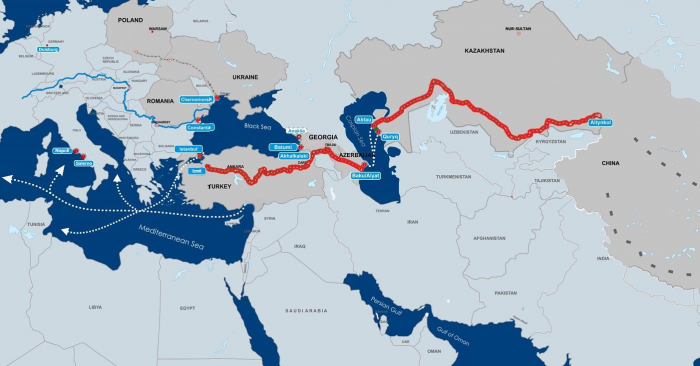
The Middle Corridor stretches more than 4,250 kilometers by rail and includes approximately 500 kilometers of sea crossings. The route connects China to Europe through Kazakhstan, the Caspian Sea, Azerbaijan, Georgia, and Türkiye. Through Türkiye’s port network, it also provides access to markets in the Middle East, North Africa, and the Mediterranean.

Its shorter transit times have made it increasingly attractive compared with traditional maritime shipping routes. Freight moving along the corridor can reach destinations roughly 15 days faster than by sea.

As disruptions and geopolitical tensions reshape global trade flows, the route has become one of the fastest-growing East-West transport corridors.

Kazakhstan, which accounts for the longest overland section of the corridor, has accelerated investment in rail and maritime infrastructure to support growing cargo demand.

In early May, Kazakhstan’s sovereign wealth fund Samruk-Kazyna announced the completion of modernization work on the Altynkol-Zhetygen railway section, a key segment of the TITR. As part of the project, 293 kilometers of railway infrastructure were upgraded, while 12 stations became operational, including five newly built facilities and seven reconstructed ones.

Kazakhstan is modernizing approximately 3,000 kilometers of railway infrastructure across the country, with 900 kilometers already completed.

The country is positioning itself as a major international transit hub, located along global railway corridors. Transit volumes have doubled over the past decade, reaching 27.4 million tons in 2024.

Kazakhstan expects those volumes to rise to 54 million tons in 2026 and reach 67 million tons by 2029. International forecasts suggest cargo volumes could climb to 100 million tons by 2035, underlining the country’s growing role in Eurasian trade.

Iran War Boosts $10 Billion Kazakh Rail Plan Linking EU to China​

 
Beyond railways, Kazakhstan is also focusing on its waterways. The Irtysh Basin, which saw about 1.4 million tons of cargo transported last year, is becoming a key part of the country’s strategy to create multimodal transport corridors. Plans are in place to build a new shipping lock in the Semipalatinsk region and a port in the village of Tuygyl on Lake Zaysan. This initiative aims to establish a new transit corridor linking Russia, Kazakhstan, and China, potentially increasing shipping volumes to 3.6 million tons per year.

There are also discussions about creating a Siberian River Route , which could compete with the Suez Canal. If this idea takes off, the Irtysh Basin would become part of a new route connecting Europe and Asia through Kazakhstan and Siberia.


Kazakhstan, Russia and China weigh new Arctic route via Irtysh River
Published: 6:00am, 30 Aug 2026

As conflicts around the world highlight the vulnerability of global shipping lanes, China and Russia are reportedly weighing the possibility of turning a vast river into an inland cargo route to the rest of the world.

At the heart of this ambition is the 4,248km (2,640-mile) Irtysh River, which originates in China’s western Xinjiang Uygur autonomous region and runs through Kazakhstan before flowing into Russia’s Ob River and ending in the Arctic Ocean.
 

Users who are viewing this thread

Back
Top