Raj-Hindustani
Banned

NISAR mission launch LIVE: GSLV-F 16 successfully places NISAR satellite in orbit
The first joint satellite of ISRO and NASA will study land and ice deformation, land ecosystems, and oceanic regions in areas of common interest to the U.S. and Indian science communities
Updated - July 30, 2025 06:58 pm ISTThe Hindu Bureau
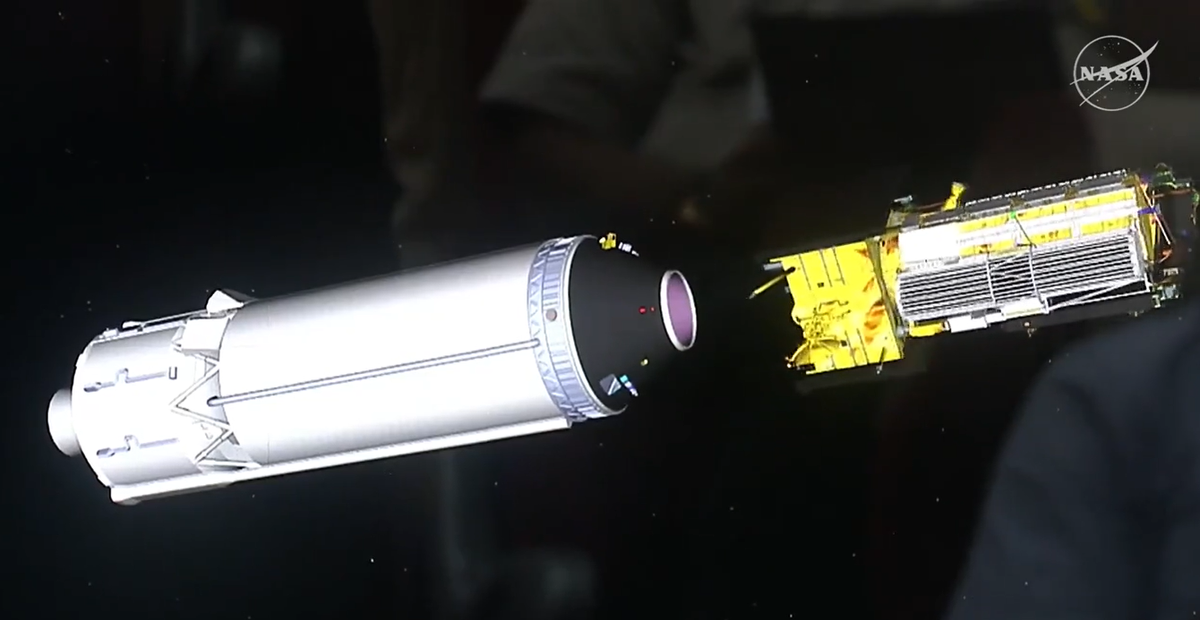
India and the U.S. on Wednesday (July 30, 2025) marked their maiden space collaboration with the successful flight of a Geosynchronous Satellite Launch Vehicle (GSLV) rocket that placed an earth observation satellite, jointly developed by the two space agencies, in a precise orbit.
ISRO’s GSLV F-16 injected NISAR — NASA-ISRO Synthetic Aperture Radar (NISAR) satellite, into the intended Sun Synchronous Polar Orbit (SSPO), after a flight of about 19 minutes and around 745 km.
GSLV “successfully injected NISAR in designated orbit,” ISRO said.
Also read: What makes the NASA-ISRO NISAR satellite so special? | Explained
The NISAR satellite will scan the Earth and provide all-weather, day-and-night data at 12-day intervals, and enable a wide range of applications. NISAR mission’s primary objectives are to study land and ice deformation, land ecosystems, and oceanic regions in areas of common interest to the United States and Indian science communities.


 nothing against rules but meh