Indos
INT'L MOD

- Thread starter
- #31
Indonesia to Build 1 GW AI Factory, the Largest in Southeast Asia
Agus Tri Haryanto - detikInet
Sabtu, 08 Agu 2026 11:00 WIB
JAKARTA – Indonesia is preparing to develop an AI Factory with capacity of up to 1 gigawatt (GW), which is claimed to become the largest in Southeast Asia. Construction of the massive AI computing infrastructure is targeted to begin in 2027, forming a key part of Indonesia's ambition to become an artificial intelligence (AI) hub in Southeast Asia.
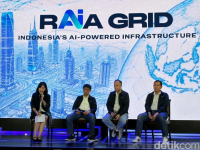
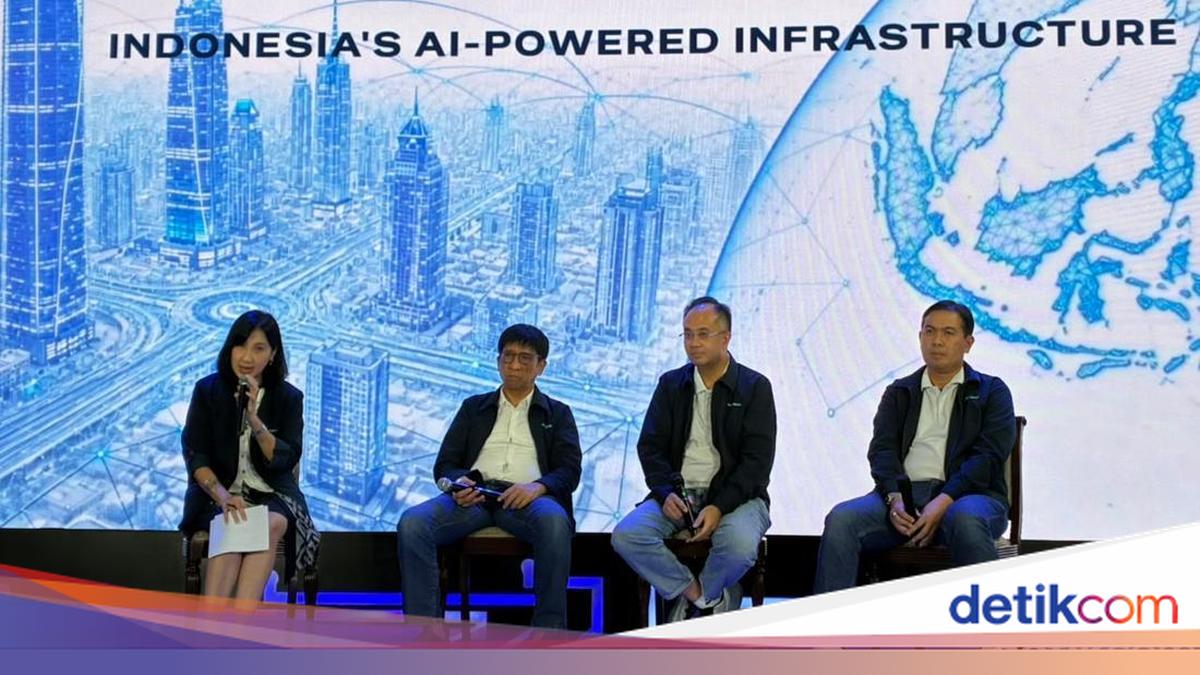
The project will be developed through the launch of Zankore by Indosat, a collaboration involving Indosat Ooredoo Hutchison, Ooredoo Group, Nokia, and NVIDIA. The AI Factory is targeted to reach 1 GW of capacity within three years.
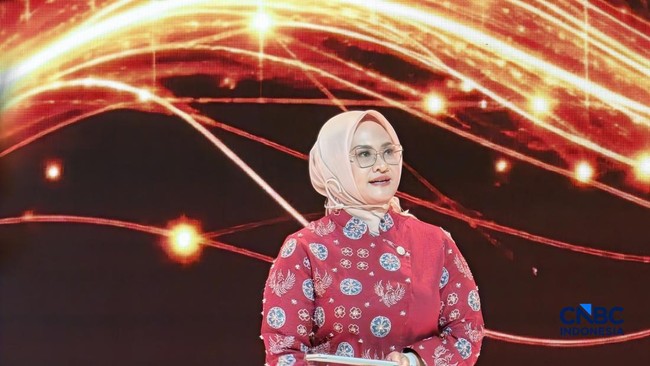
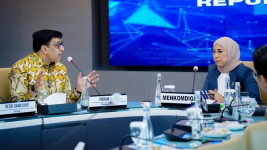
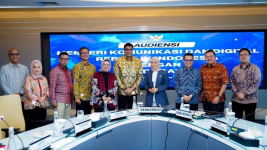
Minister of Communications and Digital Affairs Meutya Hafid said the investment reflects growing confidence among global technology companies in Indonesia's digital economy.
"The government welcomes the commitment of four global technology companies to build an AI Factory in Indonesia. This investment demonstrates growing global confidence in the future of Indonesia's digital economy, while strengthening Indonesia's position as a destination for high-value technology investment," Meutya said in a written statement received by detikINET on Saturday (August 8, 2026).
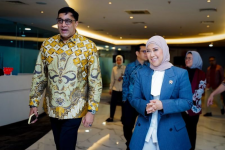
Minister of Communications and Digital Affairs Meutya Hafid and Vikram Sinha, President Director and Chief Executive Officer of Indosat Ooredoo Hutchison. (Photo: Komdigi)
What Is an AI Factory?
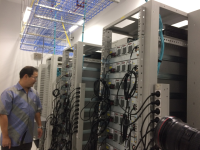
Unlike a conventional data center, an AI Factory is computing infrastructure specifically designed to develop and operate artificial intelligence services at scale.The facility integrates AI-ready data centers, high-performance GPUs, networking, data storage, GPU-as-a-Service, and AI workload management systems within a single ecosystem.
The government believes the facility will provide a foundation for developing a wide range of national AI services across government, industry, education, and micro, small and medium enterprises (MSMEs).
Building an AI Factory requires substantial investment. Various international studies estimate that end-to-end AI infrastructure investment can reach approximately US$50 million for every 1 MW of computing capacity.
With a targeted capacity of 1,000 MW, or 1 GW, the Indonesian project could become one of the largest AI infrastructure investments ever announced in Southeast Asia.
Construction in Batang to Begin in 2027
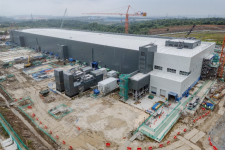
The first phase of the AI Factory is scheduled to begin construction in the first half of 2027 in Batang, Central Java.The facility will initially have approximately 200 MW of capacity, which will subsequently be expanded in stages to 1 GW.
Meutya said plans for the AI Factory had been under preparation for several years and were now entering the implementation stage.
Beyond providing computing capacity, the AI Factory will also host Sahabat-AI, Indonesia's open-source large language model (LLM) with 70 billion parameters. The model supports Indonesian and several regional languages, including Javanese, Sundanese, Balinese, and Batak."This plan was initiated from the beginning and presented to President Prabowo Subianto two years ago. The entire process has now reached its final stage, allowing it to be announced to the public," she said.
The platform will also provide Token-as-a-Service, designed to make access to AI computing more affordable for businesses, application developers, government ministries and agencies, and MSMEs.
According to Meutya, the project is not merely about constructing a large data center but about establishing the foundation of an integrated national AI ecosystem.
"What is being built is not simply a data center or computing infrastructure. This is the foundation of a comprehensive national AI ecosystem, ranging from computing capacity and AI services to the development of Indonesian-language models that can be utilized across various sectors. The AI Factory will strengthen Indonesia's position as a regional AI hub because it will be capable of serving both domestic and regional demand," Meutya said.
Indonesia's First GPU Manufacturing Facility to Follow
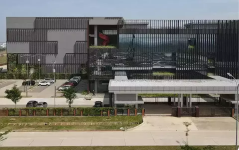
The government also said development of Indonesia's first GPU manufacturing facility in Cikarang remains underway and is targeted to begin operations in December 2026.The facility is expected to complement Indonesia's domestic AI industry supply chain, extending from hardware manufacturing to the provision of AI computing capacity.
Meutya said Indonesia's combination of digital infrastructure, energy availability, a large domestic market, and supportive government policies provides a strong foundation for the country to emerge as a regional AI development hub.
"When infrastructure, markets, talent, and policies move together, Indonesia has a strong foundation to become one of the region's AI development centers. The government will continue to ensure a conducive investment climate so that AI innovation can grow while delivering tangible benefits to society," she said.

Indonesia Bangun AI Factory 1 GW, Terbesar di Asia Tenggara
Pemerintah Indonesia targetkan jadi AI Hub Asia Tenggara dengan pembangunan AI Factory 1 GW. Proyek ini dukung ekosistem AI dan daya saing ekonomi digital.
 inet.detik.com